

Album Review: 20nothing by Blessing Jolie
A Katy, Texas dropout talks to exes and dead-end futures with the same flat certainty. The debut is here with no apologies, a songwriter too stubborn to beg.
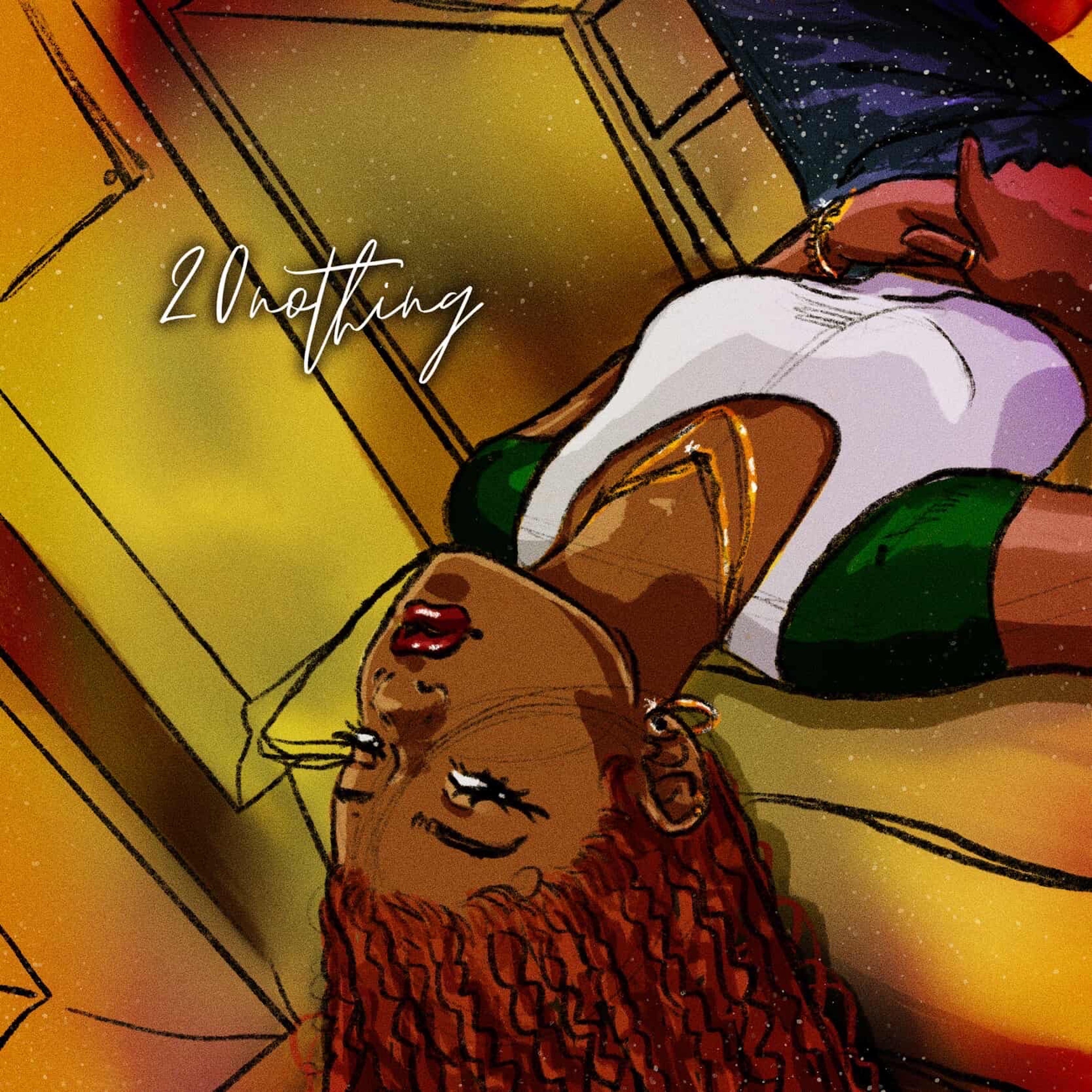
Every ex on 20Nothing gets told the same thing: I knew better, and I stayed anyway, and now I’m done. That posture runs through the entire record. Blessing Jolie, a twenty-four-year-old Nigerian American singer-songwriter who grew up in Katy, Texas, built this debut around the exact sensation of being finished with someone before they’ve even noticed you’re gone. She went viral off a short clip of “20teens” filmed in her hometown, picked up cosigns from Tyler, the Creator and Kehlani, landed on the NME 100, and signed to Thirty Tigers. None of that backstory is audible on the LP itself. What you hear instead is a woman whose patience expired years ago and who writes about it with deadpan humor and zero sentimentality.
On “Software Developer,” Blessing spends the longest and most dense cut on the record reckoning with a choice she can’t take back. She dropped out of a computer science program at the University of North Texas to pursue music, and the song circles that fork: “Could’ve been one hell of a software developer.” She mentions friends who stayed in school, a gig that won’t cover a salary, the emptiness of being in Wonderland. But the track also swerves into who she is outside of that decision. She grew up around mostly white friends, calls herself “that comic book reading bitch,” and tells a guy who tried to string her along to come correct or leave. The closing stretch has her asking a software developer to fix her dreams, and the joke folds into something painful. “Regular Shmegular Girl” picks up that same refusal to be categorized from a different angle. A guy gave her his number at a gas station, and she turned it into a three-minute declaration of independence: “Bitch, I ain’t no regular, shmegular, begging, hurt, bitch-type girl.” She offers terms for pursuit but never once asks to be chosen.
Half the album is addressed to men Blessing already left in her head before she left in person. On “20teens,” the only difference between her present and her past is she got HBO Max, and the cheating ex who came back twice gets a flat dismissal: “No take backs, bitch take that.” “The Lone Star State” is heavier. She references Homer, Greek mythology, and the fact that she bought this man a literal star, and now she’s stuck in Texas with nothing to show for the time she spent. The bridge confesses it wasn’t his fault, and then she pivots to asking if his new girl is badder than her. “Sticks & Stones” stays with a man who won’t feel anything no matter what she does, and she knows she’s selling herself short while she’s doing it. These aren’t bitter dispatches. They have the energy of someone cleaning out a closet and narrating what she finds.
Blessing is at her most exposed when she stops pointing at other people. “Growing Pains” prays for a different climate and a different kind of man, and by the second verse she admits she doesn’t know what “oblige” means, she’s fishing for guys on the internet, and her hearts go geriatric before she’d ever say “pick me.” She calls herself propane. The song is about being the person who blows up her own progress, and she doesn’t dress it up. “Bad Rx” pushes that honesty further. She wants to be top dog, but her phone has no contacts, her friends only find her attractive on Omegle, and her mother was “hella opaque.” The outro closes the emotional cycle with a line about feeling wiser by the jug. These two cuts are the most unguarded material on the album, and they land because Blessing states what’s happening without performing remorse or asking for sympathy.
Desire and address split the remaining two tracks apart. “Pinup Girl” is open-hearted and almost alarmed by its own want: “I fear the name of marathon.” She volunteers herself as a canvas, says her stencil isn’t conventional, and admits how badly she wants him. “Frown Lines” addresses someone she hasn’t met yet and confesses that attention, not money, is the root of her evil. The closing line of the album imagines what her walls would say if they could talk, and the answer involves a diary and murder. Even in the softest moments, Blessing holds her edge.
Katy and the broader Lone Star State aren’t setting here. They’re wired into the songs themselves, from the gas station encounter in “Regular Shmegular Girl” to the Texas weather turning her red to being stuck in the Lone Star State with nothing but drunk for art. Blessing writes from a particular place and a particular experience of being Black in the suburbs of Houston, and the LP doesn’t bend that experience toward universality. It just is.
20nothing overperforms the buzz. A debut built on a viral clip and famous cosigns could easily coast on charm and potential, but these nine tracks have too many good lines and too much specific personal detail to mistake for a placeholder. Blessing Jolie dropped out of school, moved through a string of men who didn’t deserve her time, and decided to document all of it with a comic book reader’s eye for strange detail and a Texan’s refusal to apologize. The songwriting carries the whole thing.