

Album Review: AMA by Ama
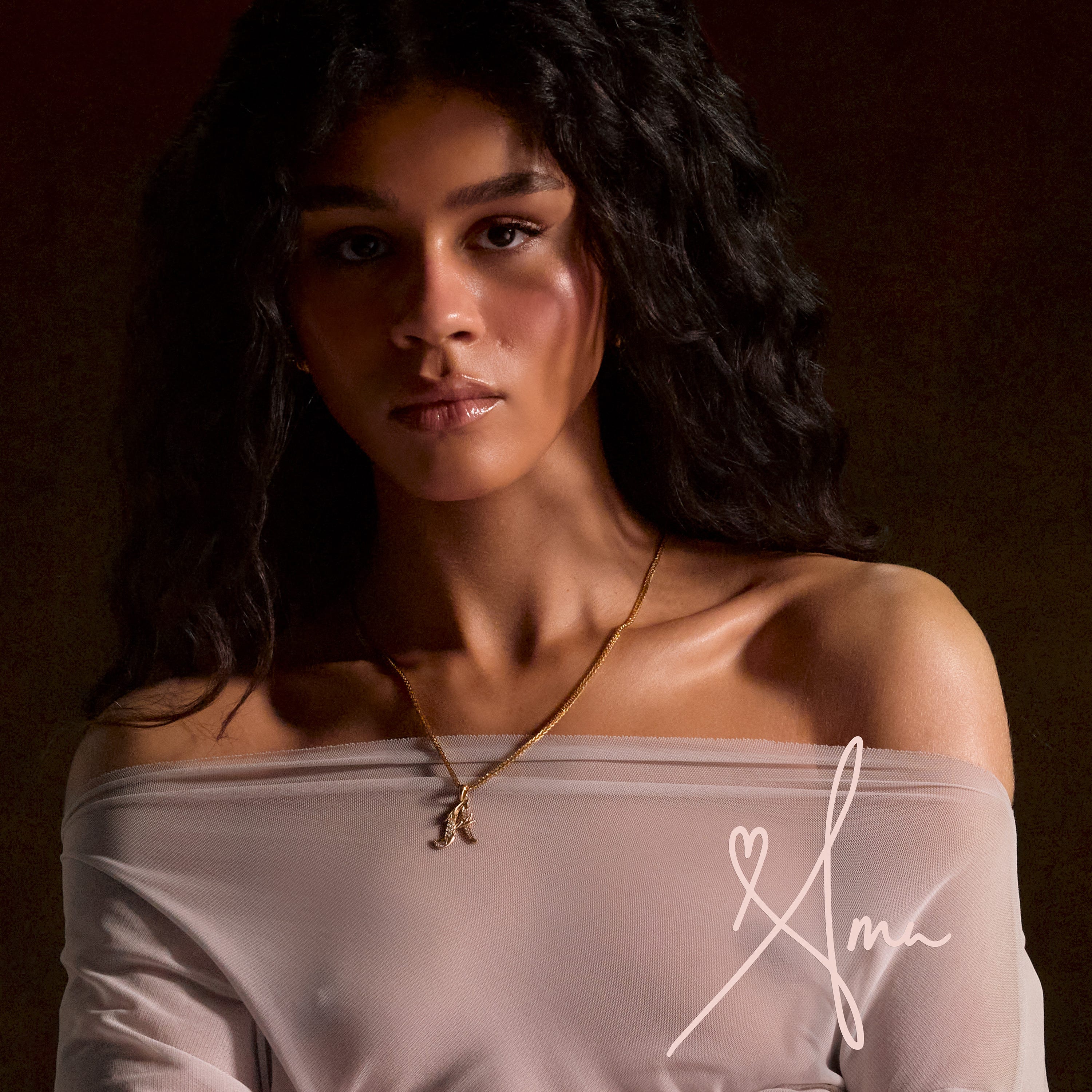
Across her self-titled second album, Ama is almost always the one ending it. The breakups are the funniest, meanest writing she has put down.
This album and this review reference suicidal thoughts. If you or someone you know is struggling, support is available. In the US, call or text 988 for the 988 Suicide & Crisis Lifeline (24/7), or text HOME to 741741 for the Crisis Text Line. In the UK and Ireland, call Samaritans free on 116 123 (24/7). International helplines are listed at findahelpline.com.
While Ama’s debut was a heap of effects and abstraction that buried the writer, this one downshifts, focuses on the vocals and words, and almost none of it behaves. The London singer, who used to make music under the name Ama Lou, spends most of it orchestrating the conversation, funny and mean and horny and, before it’s through, bare. She loses two arguments with herself. The rest of the time, she’s the one who calls the ending time.
She doesn’t feel sorry for the guy on “Friend Zone” who recently gave up on convincing himself he’d been successfully keeping his crush on the down-low. He’d always been obvious, you see, he’d never been a real contender, and “Can’t you see that you’re just not qualified to handle me?” sounds a lot more like a performance review than an eye-roll. “Be for Real,” whose complainant seems to want to complain about the good weather, is given a similarly flat-liner of a dismiss “Unless you can bring me some peace, step out my space.” On “I Don’t,” she systematically lists what they’ve lost to his continued concern for and her lack of care about it, and lets him know there’s no holding her back. “Different High” even starts off like a dance party at the club, hardens into a declaration of principle, and ultimately takes on the role of duress: “Born to entertain, not to explain.” Out she walks in all of them before the other person finishes.
She has the contrary perspective on “So...,” which opens with the admission “played God and made sure I did not catch any feelings”, and goes on for most of it about the toll that protection took: the good man she threw back; the wasted time, and now with a regret that’s almost sweet in its final apology “I’m gonna wish the boy luck because I’m a silly old maid.” “Creature” is the more brutal of the two. This is a partnership that was one person’s inconvenient sacrament, the ideal project one collected when one was in the wilderness and abandoned on return. She allows the words to cut her too: “How dark did it get inside my head” was my part of the deal. It’s on both those songs that the balance of the trial tipped against her, and she chronicles both decisions dispassionately.
She croons on “Life’s Better,” by asking, “What if the one that got away was always just depression?” The phonetic drift rendering the phantom lover she nearly drowned in beneath one term for a mental illness. The song occupies the peculiar calm of the wake of an abusive situation, where peace itself seems suspect, where only operating on adrenaline feels natural. It would be tempting to let her simmer there, but the second verse brings her back. Suddenly, she is regarded like a queen, her intrinsic value revealed as a prodigy she’s been discouraged from letting flourish.
When the slow man on “Holding Back” comes into clothes, “All I need is your eyes on my waistline,” she plays a dazed innocent who knows all along precisely when the innocence runs out. The song may not sing as well on the page, but it’s perfect for a club and it fucking is. “Ride or Die” is where the same obsession begins when control slips out of her hands. “and it’s you I’m obsessed with, yeah” then the decision to accept her whether that makes him a curse or a blessing is his, and if she cannot give herself the one piece of reassurance she needs she takes solace in “smiling at the ceiling with tears inside” when you know she is probably just crying the entire night.
Bryson Tiller and Brent Faiyaz turn up for a flirty moment on “Aura” and “Need It Bad” respectively but can hardly keep the guest spot from being about her; on “Aura,” Tiller expends a verse asserting his charisma (“Got way too much aura can’t fake mine”), but it’s her power that propels the song (“But if you lock me down then you can get it night or day”), and she has already clarified the rumors surrounding her motives to him: “I want somebody’s somebody to put me in my place”. Mimicking her hook seems all he can do. On “Need It Bad,” Faiyaz gets an entire introduction of a love song in which he tries to get her to stay the night, and it’s only when she decides she’s good and ready that she lets him, from skeptic all the way to the sequence of “You know I like that freak shit baby, on me/Fuck me with the lights on ‘till I can’t see.” Again, the record belongs to her.
The bottom of “I’ll Do It All Again” is the unvarnished hope to disappear. She sings the flat statement to a sky that there’s no way there’s enough room. A voice, both paternal and divine, answers, identifies her as its own child, and encourages her. And the final thing she utters is the relief of having been kept alive. “RIP” is the thing she has all along been moving to. For her father largely—and in it, she snatches the floor from him at the first opportunity: “I won’t let my daddy speak.” And after that, she offers everything: the raised fist, white savior, Black fetish. The household itself, parent of record but rarely of proximity. The kiss-offs, seductions, and remorses all turn on her assessment of when something can end. The last decision she makes is not to let him speak to her.