

Album Review: Ambiguous Desire by Arlo Parks
Parks traded the bedroom for the dancefloor and brought all her worst feelings with her. The songs are better for it.
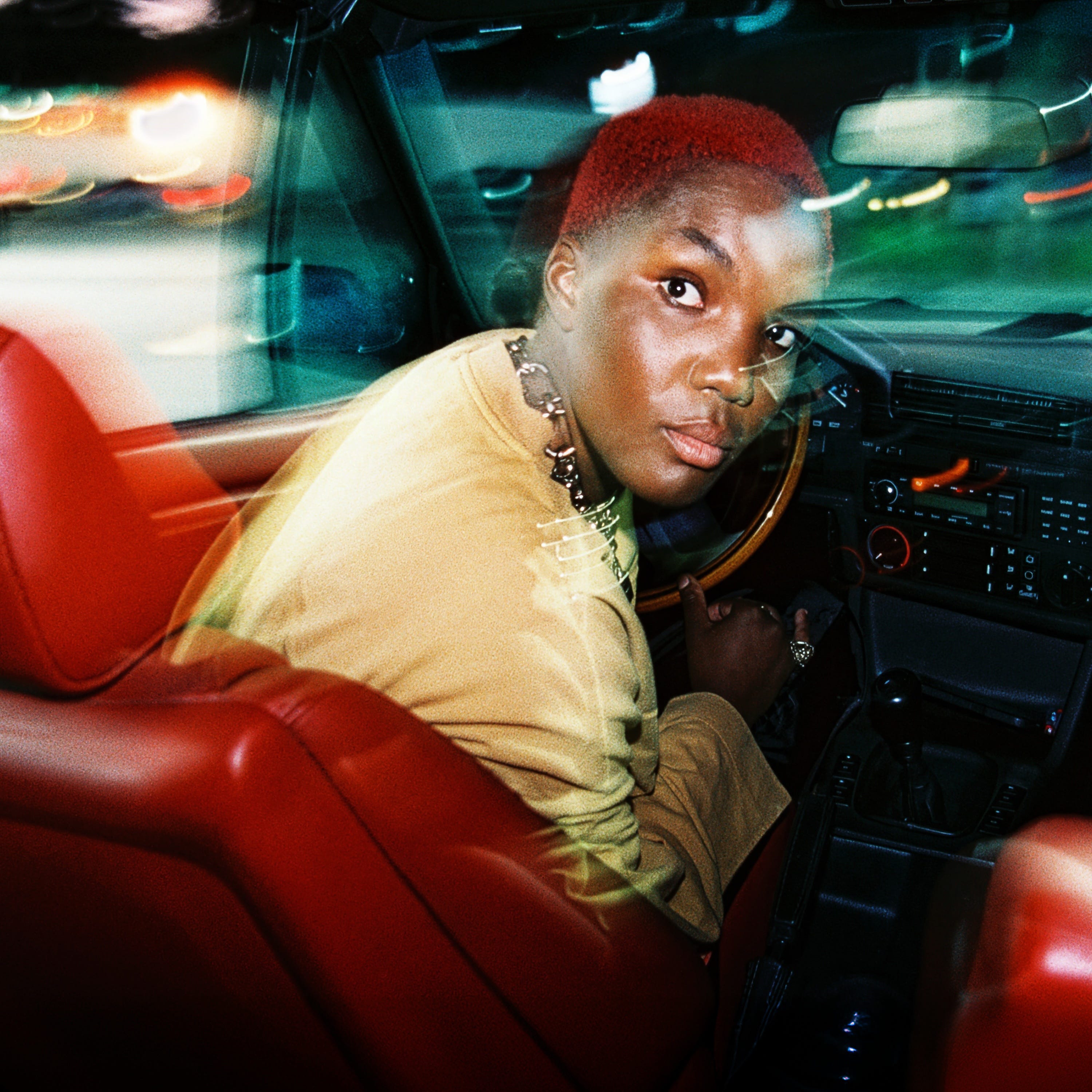
The cancelled US tour in September 2022—citing mental health—was supposed to be a pause. Two years and another album later, the writing still outrunning its own foggy production on My Soft Machine, the final show wrapped at Brooklyn Steel in April 2024. The singer-songwriter who’d been signed at 17, won the Mercury Prize at 20, and opened for Billie Eilish and Harry Styles before she could drink in the States suddenly had free time she hadn’t known since secondary school. Arlo Parks stayed in New York. Juke nights in Greenpoint, Venue MOT in London, Midnight Lovers in LA. She read McKenzie Wark’s Raving, listened to Burial and Theo Parrish and LCD Soundsystem, started DJing (still hasn’t picked a name), fell in love with someone who lived in the city. After years of writing about other people’s sadness from bedrooms, she went out.
Before Parks sings a word on “Get Go,” a soundsystem MC barks the intro—“The UK Border Clash, every Sunday, from 2 p.m. till 2 a.m.”—and the room changes. Baird, the Baltimore producer she’d worked with once before on My Soft Machine‘s “Pegasus,” built most of Ambiguous Desire in his downtown loft across two years: a song every other day, modular synths and Ableton replacing the old live-band setup. The guitars are gone. Breakbeat rhythms, UK garage textures, and four-on-the-floor kicks fill their absence, heavier than anything on her first two records. Paul Epworth and Buddy Ross co-produced a handful of songs, but Baird’s ear governs the whole thing—hotter and more jittery than the smeared arrangements that blunted My Soft Machine.
When Parks sings “tell me it’s two-sided” on “2SIDED”—heartbeat climbing, friends all inside, the dark pressing in—she’s after confirmation the way someone pats their pocket for keys. It’s reflexive and desperate and small. Desire on this album runs almost entirely toward women: Cindy slipping out of a car in leather and pink chrome on “Jetta,” Maria on the dancefloor of “Get Go,” the unnamed partner in “Floette” whose car skims tarmac while Parks admits she’s scared to commit and scared to leave. “What if I say it?/Does that make it real?” she asks on “What If I Say It?”, having cried through her flight in someone’s parents’ house in July. The other person looks at her with guilty eyes: “Do you think I’m someone else now?/Do you see all my shame?” Parks never answers. She lets the question hang there, which does more than any neat resolution could. “We’re blossomin’,” Parks murmurs on “Floette,” naming her queerness and her uncertainty in the same exhalation, unwilling to separate them.
Fifteen friends at ten to six in the morning. Aleda’s cousin sick out back. Crash and Ames kissing and fighting in the same breath while the disco lights go blue. That’s “Blue Disco,” the most offhand party song Parks has recorded, and nobody in it is trying to have a good time; they’re just having one. She stocks Ambiguous Desire with named people in specific rooms at specific hours, and you trust every scene because the details are too odd to be invented. Maria stands holding both her heels, sequins on her jeans, wishing she wasn’t herself. Joey guards his decks. Daniyel is on loudspeaker while a car skims tarmac in dry heat. Parks populates these songs the way you’d describe a night to a friend the morning after, full of names and minor disasters and clothes people wore.
Parks sobering up on a stranger’s stairs, telling someone square that she was suicidal in Brazil. That’s “Beams”—no cushioning, just the fact and the Harley Weir photos they were looking at when she said it. “Senses” goes further: she says she’s been dulling herself with art and women, treating herself with an impatience she’d never show a friend, wishing—while cycling—she’d disappear at speed. “Is it better than nothing?” she keeps asking, and Sampha’s outro answers with its own flinching honesty: “the clarity lies in the direction of pain.” On “Luck of Life,” she wakes on a sofa at 3 a.m., dreaming about playing pool with someone who already left, unable to figure out how to eat or what to wear. A voicemail from a friend closes the song (“I’m here for you if you wanna talk about it, here for you if you don’t”) and it arrives from outside Parks’s head entirely, the only moment on the record where someone else does the caring.
Great (★★★★☆)
Favorite Track(s): “Senses,” “Beams,” “What If I Say It?”