

Album Review: Ancient History by Wiki
Priced off his own blocks, Wiki rakes back over a New York changing under him.
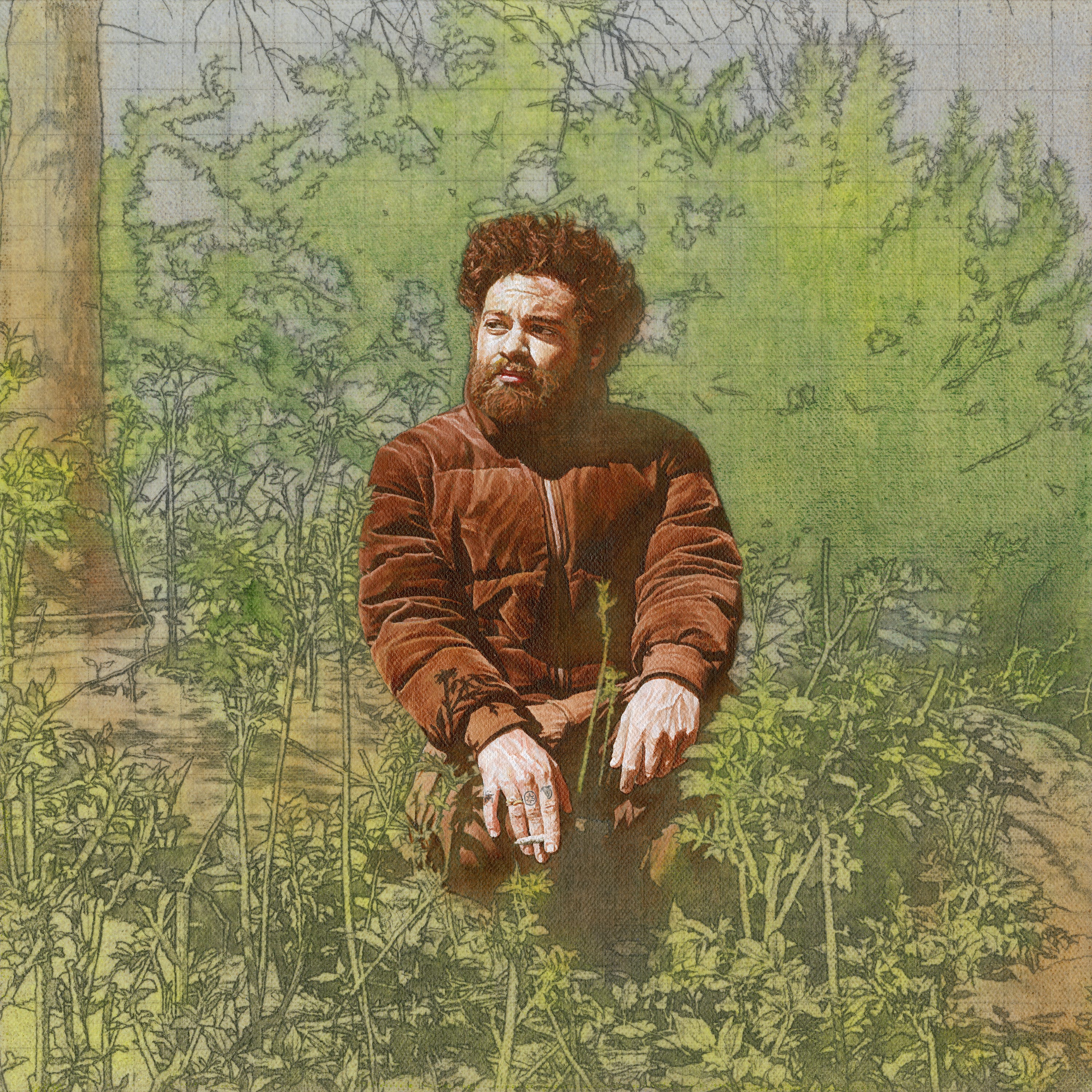
Patrick Morales raps as Wiki and has spent a decade turning New York sidewalks into fodder. A woman’s voice opens “GTFOH” mid-sentence, as people are apt to do once they already know the end of the story. She is dissecting a love affair, turning the baffling elements of the past into what suddenly makes sense, and then has presented you with the entirety of it as ancient history and asked for someone else to weigh in. What he gleans from her isn’t romance. It is a city that is pricing him out of the neighborhoods that raised him, and he picks at the pieces like found footage, looking for the point where it all went wrong.
His voice is more abrasion than a sales pitch. Nasal and fraying, half-spoken and half-jabbed, it comes out like a conversation caught three sentences in, before he’s become aware he has an audience. On “GTFOH,” he has declared himself a tragic poet most recognizable to bodega cats and stoners before immediately knocking that bullshit down: “The grind is just a jump, I can’t fuck around, it’s over for sure,” he declares, and then can’t help himself but throw “Can’t do it again” into the second half. “Right Away” pushes forward in this similar way, list after list of things he can’t do: “Can’t drive, can’t cope, can’t hide, can’t run,” before he lets the chorus talk him up before he’s even convinced. On “One Time,” he has counted his lives and then wondered, “Was I even winning when I’m winning?,” spit “Fuck capitalism” in the same breath as he admits he’s advertising on Instagram, talks himself through his own verses in the second person. Pat is the audience for half these songs, talked off of ledges as ‘Pat,’ told to hold it together and not cry.
The park is the only place in New York you’re allowed to enter without a card. A voice clip from some film about a man who could never leave work (He had to be there every morning at the same time, could never take a vacation) sets the stage, before “Park” turns into this lazy, sunny track of place after place: Seward, Tompkins, Riverside, Jackie Robinson, Central, Marcus Garvey, Prospect, St. Nick’s, names that all blur into a walking tour he can do asleep. “What it say on your paystub? You welcome to enter,” he points out; “same to the faces with their names on the benches.” He’s playing badminton with monks and has lost four hours without meaning to. Has put his watch away. Has worked the whole shift and slept on the bench.
Benches remained open; apartments did not. “Bloom” starts with duendita circling the word rent until it loses its shape, with a landlord and tenant that can’t afford to, repeating the same line back to each other before she’s already singing about home disappearing and not recognizing where she is anymore. Wiki takes the city personally, asking why they’re going to tax him on his own block as taxis turn into Uber Eats, and how, for eight hours of work, he buys less and less of the block every year. He tells his friends he’s leaving, leaving for good and for far away, since his application to the block is being rejected, and admitting he’s fried, wants a softer life. “IHNY” runs the same love/hate of the city back through its history-Lenape land before Broadway, the wall on the block before the stock exchange, coke in the eighties and hip-hop as 70s medicine-before verse two drops into a second-grade classroom on 9/11, with Uncle Jackie at the end of the day walking through what he saw, what he couldn’t save, while Wiki stood blank behind the kitchen counter.
“Bourbon” starts with the hangover and stays with it. The chorus slow-reads the damage, the bourbon in the breath, the ache in the chest, the smell of pee on the benches, and asks, “Is this the end?” He swore never again, and actually meant it this time, but by day two, he’s already back in it—genetics catching up, Gram’s on his mind, and the question of whether he’d be better off dead voiced aloud and left unanswered. The verse spins in circles until it stops spinning; one morning, he crawls out of bed like he’s crawling out of a grave and thinks one more drink, but pours the entire glass out instead. The pain goes down the same way the liquor does. “Shit changed,” he says flatly; one glass and a morning he didn’t expect to see.
Whatever’s weighing him down in “All in the Lining” isn’t bling. Not a chain, he says, not a Cuban link, not a Jesus piece, not even something he could pawn; “It’s way more dense/Feel the weight of the world every time I’m sayin’ a word.” Your Old Droog comes in on the second verse, switching up the grain of it, chesty where Wiki is nasally crooked, bragging he never had to lie for his content and dropping CDs in plastic like Gram’s couch before a toast to his dead dog. The same resonance appears in “Marm Era” when a kid dribbles a ball up the UWS and bounces off Big Dog’s chest and also on the block, and when the pen becomes the only thing that helps him get it out—otherwise he’d just yell, he says. The closest thing he has to a mission statement and the flattest thing he ever admits saying: he’s not here for the fame, he’s here to change your mind.
But it’s not all this glowy. “Something New” lightens it up and gives us SALIMATA, who takes Wiki’s tentative advances and just cuts right to the chase and says that it’s time for him to do a nice bit more than just cuff her; it’s a soft track with some slight lightness next to the other songs. “7 Deadly Sins” has the thinnest sound of any track; it’s a simple listing down of vices while touching on the one bit of commentary with any teeth, which is how appalling it is that the public swallows any amount of excess when people have nothing. “Had Your Fun” has the heaviest feel of the three, as Wiki has his moment after having been left and laments how he only counts his friends’ medals when you compare what you’re given at the end to your achievements. Though they’re separated and stand next to each other, they reside in the same gray area between what’s not quite boring, and that’s the part that gets a bit dull and has the ear drifting. It’s not so much that there’s something particular you can point out about each song, but rather the room the three share has the same monotonous atmosphere.
By the end, he has really made a full circle to exactly where he was, 28 and cynical and watching through the smog looking for a star he can’t quite see. “Ancient History” makes a jab at him, with the yuppies thinking he’s stoned, because he walks everywhere, hates every damn upscale coffee shop on his side of town and mentions that he has been doing this since elementary school, with everyone else living their lives like they’re taking over an empty set. “Old Gods” touches on the same suspicious inquiry, but instead it touches on kingly crowns and jewels mined for some of those sitting on high; the bards all wrote wars, and Wiki ponders how much actually occurred, and was there really ever a king out there in the battlefield, or was he sitting way in the back somewhere, for the clout, on a horse.
Great (★★★★☆)
Favorite Track(s): “Park,” “Bourbon,” “Ancient History”