

Album Review: Bring Back Weed Spots by Cavalier
The phrase came off a hoodie release where Cavalier asked who legalization leaves behind, and over ahwlee’s production, he argues the case in bars instead of statements.
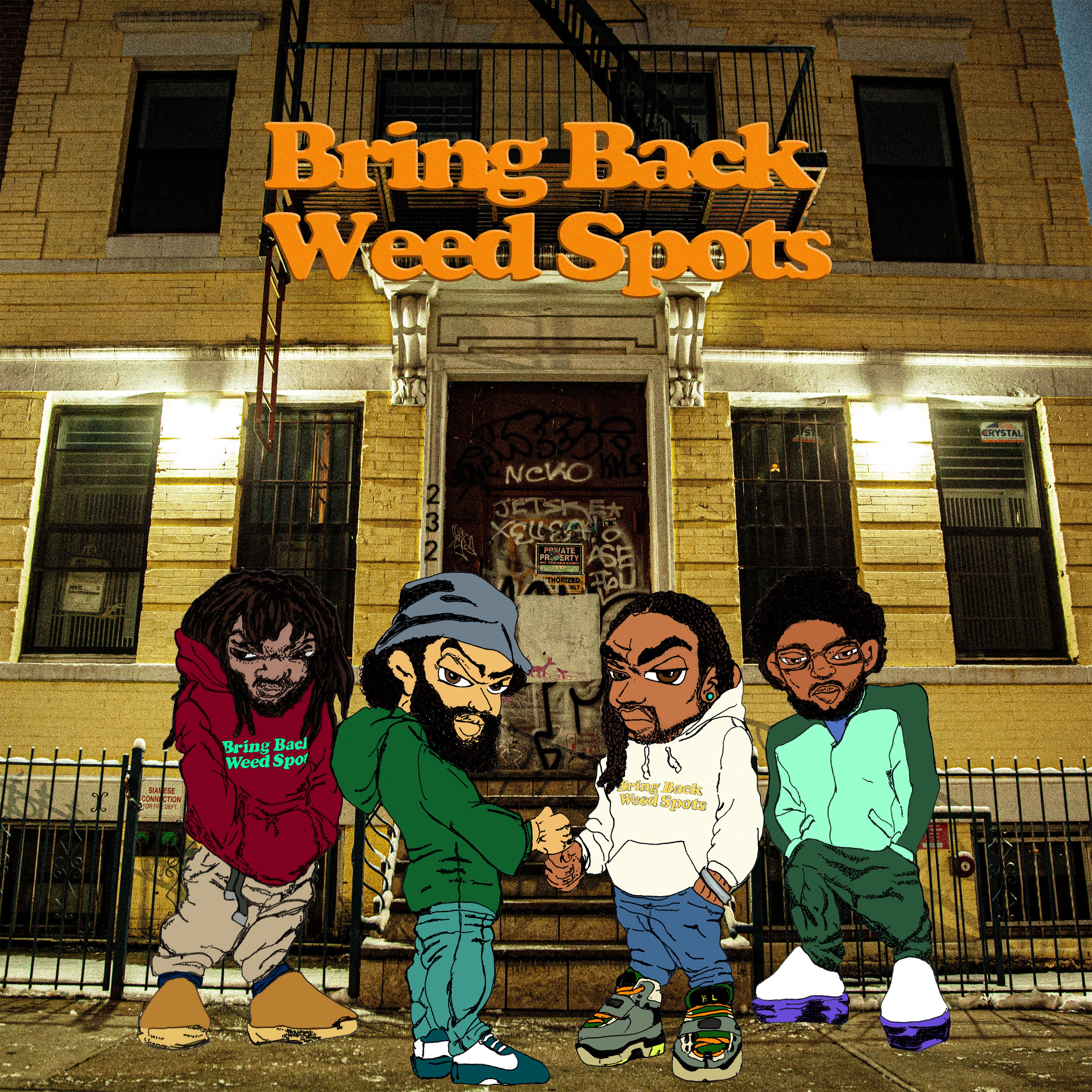
A hoodie was sent along with a statement. Cavalier wonders what‘s next for the black-market dealers and the pioneers when pot becomes legal, and if those who fought against this culture can be trusted with giving safe passage. He had already used the phrase in “Reprise.” Bring Back Weed Spots gets help from ahwlee’s production outside of the closing track, which was produced by Quelle Chris. On that final track, Cavalier claims to have coined the slogan.
For an album that’s heavy on weed, this doesn’t fall into the trap of wash-rinse-repeat stoner records. Cavalier gets the first hit after the flicker, recognizes right away that it was rolled excellent, soft bottleneck no lean smoke, screen played the hits, pulls set off the strobe when he‘s high he starts in about how haze had us stuck in the cages then how a number of his peoples off ounces and not released. He mentions what he needs back on “Bring It Back”: “Purple piff, uptown, sour D‘s, yeah, bring that back/Black market with no tax audit, yeah, bring that back/Fat baggies with no graphic branding, bring that back.” lojii desires as well the same years back, the block and the dollar sack, still no app needed for invention, barters and relaxed handshakes, White Widow and Blue Dream and Northern Lights, all of it tagged to a time before a state sales tax on ounces arrives.
His brother insists now they spray the weed with pesticide, and the hook is telling them to “keep that out of here.” In “Weed Gentrification,” he admits that his side has done exactly that before, dodging and crop-dusting the product themselves. It‘s doped with bug spray today, says he, more worried about what is inside the bag than what it costs him, which is why on the Kelly Moonstone-assisted “fukwitme” cop from quite dubious source and says, “Shit kinda like Tuskegee, these grapes ain’t from Tuscany.”
Cavalier mentions he wrote “Dead Birds” on his son’s birthday. One of the album’s standouts, he fears in the day whether he’s got the kid where he wants him to be, enough to make his own choices, whether both are all right, and if there is enough air in the balloon. He “smoked the day away,” then “put gains on layaway,” woke up in replay, and felt ashamed of not being great yet. Somebody texted him he’ll recede on music, and he responds that there are many things to shelve before that one. He laments how “OG rappers found dead in hotels and snorting the hell in,” and to young dealers that he’s an unknown civilian man. You hear the same saying from rappers: living is hard, but dying is easy. But with no fear, Cavalier rocks the coldest gear that still holds the pen, like when Anthony Curtis looked at the judge and threw the chair. Later in the second verse, he designated such bloody gauze on the “scars of our innocence,” and he’ll impulsively roll a spliff again for the cause.
On “Batman,” he’s then on the edge for wanting this life, “climbing like Bane,” jumping for the ledge and the call of strife. Absolutely wetting the bed, no boss—he pays it all before he lies in his grave. Cavalier decides it all and feeds the family. He’s swimming upstream on no sleep, burning the wick at both ends, and begging a partner to miss her with his jams like mama spit on boo-boos, thinking they were only children and they’re all doomed. lojii on “The Shuffle” says he’s tired but doing his dance still, lost in the shuffle playing musical chairs, blues in the air and voodoo in your ear while his mojo was left in his favorite suit and taken away. When the plug doesn’t pick up, he feels lonely. It’s him and the music all over again. Cavalier brushes the brain fog from the same song and tells everyone to remember what you never had since you couldn’t get a grip on the bag when things were getting bad. Keep eating well, but stay hungry.
Great (★★★★☆)
Favorite Track(s): “Dead Birds,” “Bouquet of Flowers,” “Weed Gentrification”