

Album Review: EQUILIBRIVM II by Anitta
The Rio singer writes protection as household equipment, coarse salt and amulets and Ogum’s shield, across seventeen songs of samba, coco and reggae.
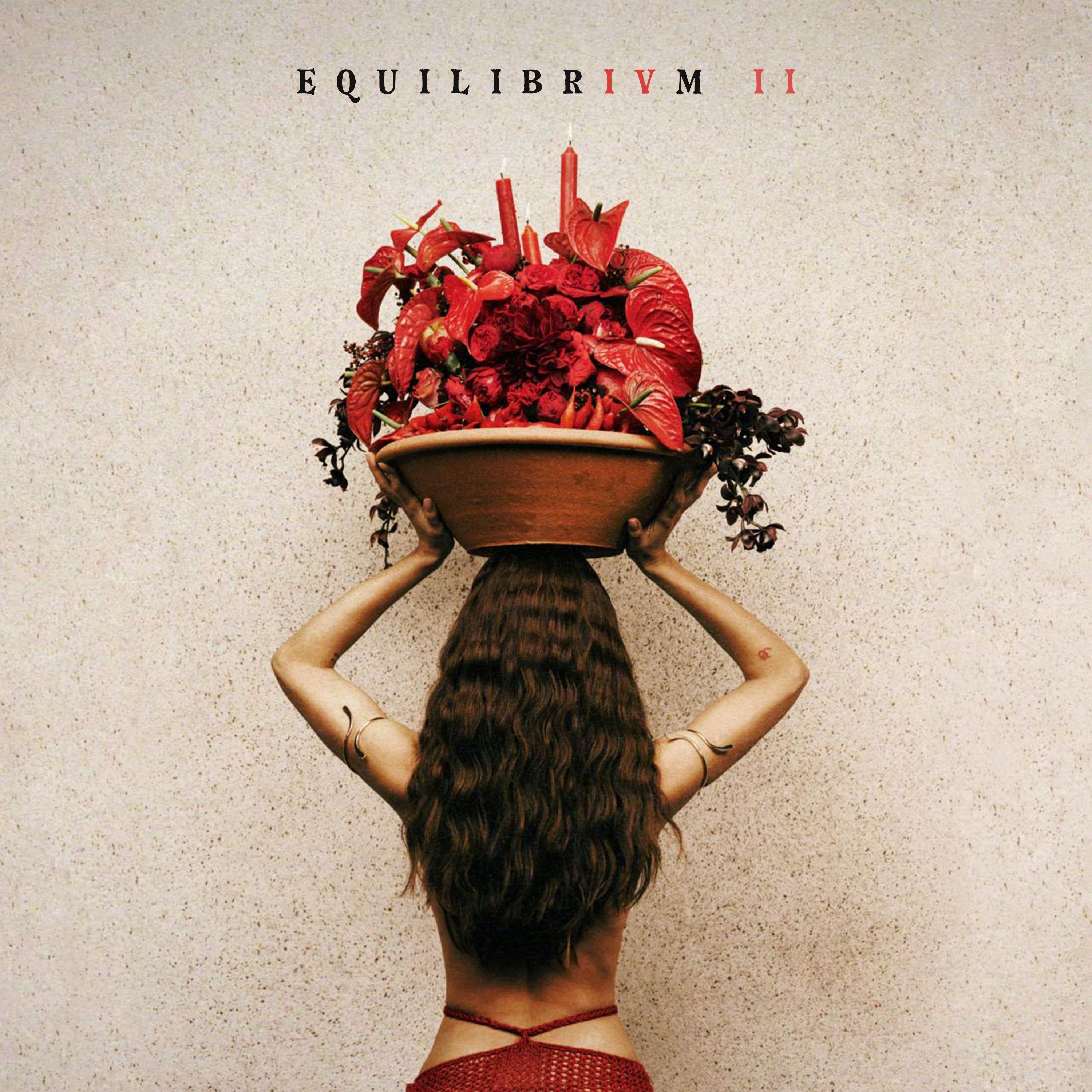
From the moment the first samba hit was written and recorded, candomblé and Umbanda deities have been smuggled into its lyrics, and the ones that stand are the ones that keep the objects intact: the coarse salt, the candle and the plant by the door. Anitta, who wrote and produced all of these songs for the sequel to EQUILIBRIVM in a studio within the walls of her own house, with her guests in the room, has composed almost all of them with this material. She claims she poured her entire soul into it. The essence of it is the hardware that keeps you safe, and everything comes with the name of whoever has delivered it.
In “Sal Grosso,” the hardware is the coarse salt, the prayer, a candle and a match, and the explanation offered is that the concrete jungle makes you protect yourself. KBrum blesses Seu Zé before the first sip, brings the herb from Guiné and a candle from the mercadão and says that the malandro’s heart is in the sole of his foot. The same thing gets an aroeira bath before it and an espada-de-são-jorge behind the door, and she’d rather run late than live in a rush. “Eu não sou santa, mas sei que a Santa me adora,” she says in “Eu Não Sou Santa,” the best song in the protective material. The verse following this hook is the darkest night anybody had in this material—cold as ice, nowhere to go, no affection and no home, and the one that saved her body from being out there was Nossa Senhora’s mantle.
KING Saints owes his mother good health, wealth and luck enough to care for her until she passes away, plus beautiful grandchildren and a house with a pool, and he lists it all in “Deus Mãe.” He inherited her hair, her way of speaking, her madness. Anitta’s own verse there is shorter and stranger, the courage that came from the cradle, the first home in someone’s chest, the scar that gave her voice. Her father is the teacher in “Oke,” and the lesson is hunting. Katú Mirim bargains with her about a rattlesnake that didn’t do the job and a storm that couldn’t stop her, while the Brô MC’s refrain warns that a huntress in a rush goes home without eating. Maria Bethânia’s bridge in “Ogum Me Rodeia” asks the orixá to lift his shield, tear her path out of the ground and cut a rift in the evil with his sword, so that she would end up in the house where “meu corpo não conhece ferida/Conhece fé.” That’s the verse to beat.
Someone cast a spell at the crossroads to bring her down, and her response to that in “Feitiço” is that she’s from there too, so it won’t work. Mart’nália sings the accusation, Anitta dismisses it, and the best part of this song is the boast in it: that out of everyone available, you’ve gone to test the person who taught you to dance. She treats this threat the same way, but for the purpose of comedy in “Não Me Cutuca”—she’s fine, she’s peaceful, she’s not at war with anyone, she just needs chamomile tea, coffee and a naughty cafuné, and the rule is that nobody pokes the maluca. Alceu Valença answers her in proverbs: don’t step on a snake’s tail; a good remedy for a crazy person is another crazy-and-a-half. There’s no threat left to answer in “Você Já Sabe,” just her turning into thunder if it rains and a red candle lighting the hallway.
Hummingbirds come with three instructions on “Abre Caminho,” to land if they landed, to live in her if they stayed, to fly without her if that’s what they want, and Alexandre Carlo passes the lines back to her until she answers with a bird that used to be a nest. She is fiercer and funnier about the same idea in “Tudo Isso,” done with building the expectations, unwilling to spend time explaining the obvious, dismissing those that are not worth the palpitation in her chest. She has been past Baghdad and back and has a plan to start over.
Nothing from the medicine cabinet helps in “Pra Você Gostar de Mim,” the Rita Lee song, where she is counting oceans she will have to cry and pieces she will have to unfold herself into before she deserves a man’s attention. Colors, shine and sequins go on, phrases get rehearsed for him. Her samba nearly dies over him, her bloco is empty without him, she isn’t winning in the Love category, and she hopes that the whole business will never see television. Her last offer is the fruit on her head, on the assumption that the man who doesn’t love her might eat. It’s the only performance here where she wants something she can’t have.
There’s less to cling on to in “Contemplação,” where the water is running at her feet, flooding and gold-plating, healing and purifying her, and the gratitude she gives to it, for every choice and abundance in every drop of it, is the one time when she goes generic. Grupo Ofá sings a Yoruba refrain over it. “Azul” has the same issue in Spanish, a blue sky that may or may not be God’s, blue perfume, a little-blue love, most of it written in diminutives. She manages to squeeze more out of “Divino Sexual,” with Pedra do Sal and the Ipanema shore and an instruction to put on “Trem Das Onze” mid-tantra, even though the English bookends sound like the tourism board wrote them. “Ponta do Pé” is a regular samba and doesn’t need the help.
The personal story shows up in “Respira,” without any protection whatsoever, a girl from the favela who was elegant on your screen while everyone was talking about her ass. Wildness and sense both, and the vision nobody even bothered to mention because she sang funk, what a waste. “Quem dera fosse homem, tinha mais benefício,” she sings. The complaint fits in a song about dancing in the rain, “da macumba ao Cristo Redentor,” from Europe to Rio to Ecuador, and an invitation to come score a goal in her Maracanã. She has been carrying that grievance for a long time, and she is not going to let it spoil a good night.
Great (★★★★☆)
Favorite Track(s): “Eu Não Sou Santa,” “Ogum Me Rodeia,” “Respira”