

On January 12, 1959, Berry Gordy secured an $800 loan from his family to found Tamla Records in his Detroit home at West Grand Boulevard, which he nicknamed Hitsville U.S.A. The label’s first artist was Smokey Robinson and the Miracles, and a year later, Gordy expanded the company with a second imprint. He called it Motown, in honor of Detroit’s moniker. From those humble beginnings at Tamla and Motown, artists like the Supremes, the Temptations, Marvin Gaye, Stevie Wonder, and the Jackson 5 rose to legendary status, and Gordy’s $800 loan grew into one of the most influential Black-owned enterprises in the United States. Tamla Records has been inactive for decades now, but in April of 2025, Capitol Music Group resurrected the label as a gospel division—an umbrella label called Motown Gospel—operating out of Nashville with a mission of spreading “positive, life-changing music,” according to Walter Thomas, the label’s new head. Thomas hired renowned producer Rodney Jerkins to scout and develop new talent.
Raised in Galloway Township, New Jersey, as the fourth child in a Pentecostal family, Jerkins began playing the piano at age 5 after following his brother and father to church services. The Reverend Frederick Jerkins was the pastor at the local Holiness church while his mother, Sylvia, was the choir director. As a kid, Jerkins would creep into his older brother Fred’s room to play with the drum machine and keyboard, and after a year of fighting between the two brothers in 1990, the Reverend Jerkins borrowed $1,900 off his life insurance policy to buy his son his own equipment. Little did the Reverend know his investment would pay off better than he ever imagined. By 17, Jerkins signed a worldwide publishing deal with EMI, and at 20, he produced “The Boy Is Mine” for Brandy and Monica, which spent 13 weeks at number one on the Billboard Hot 100. His career spanned superstars like Whitney Houston, Destiny’s Child, Jennifer Lopez, Michael Jackson, Beyoncé, Lady Gaga, and Sam Smith—as of this year, Jerkins boasts over 40 billion streams for songs he’s produced. Rodney Jerkins’s first album was a gospel rap tape he made with his brother at his father’s church, and his most recent job is as a partner at Tamla—the label Berry Gordy started with a family loan.
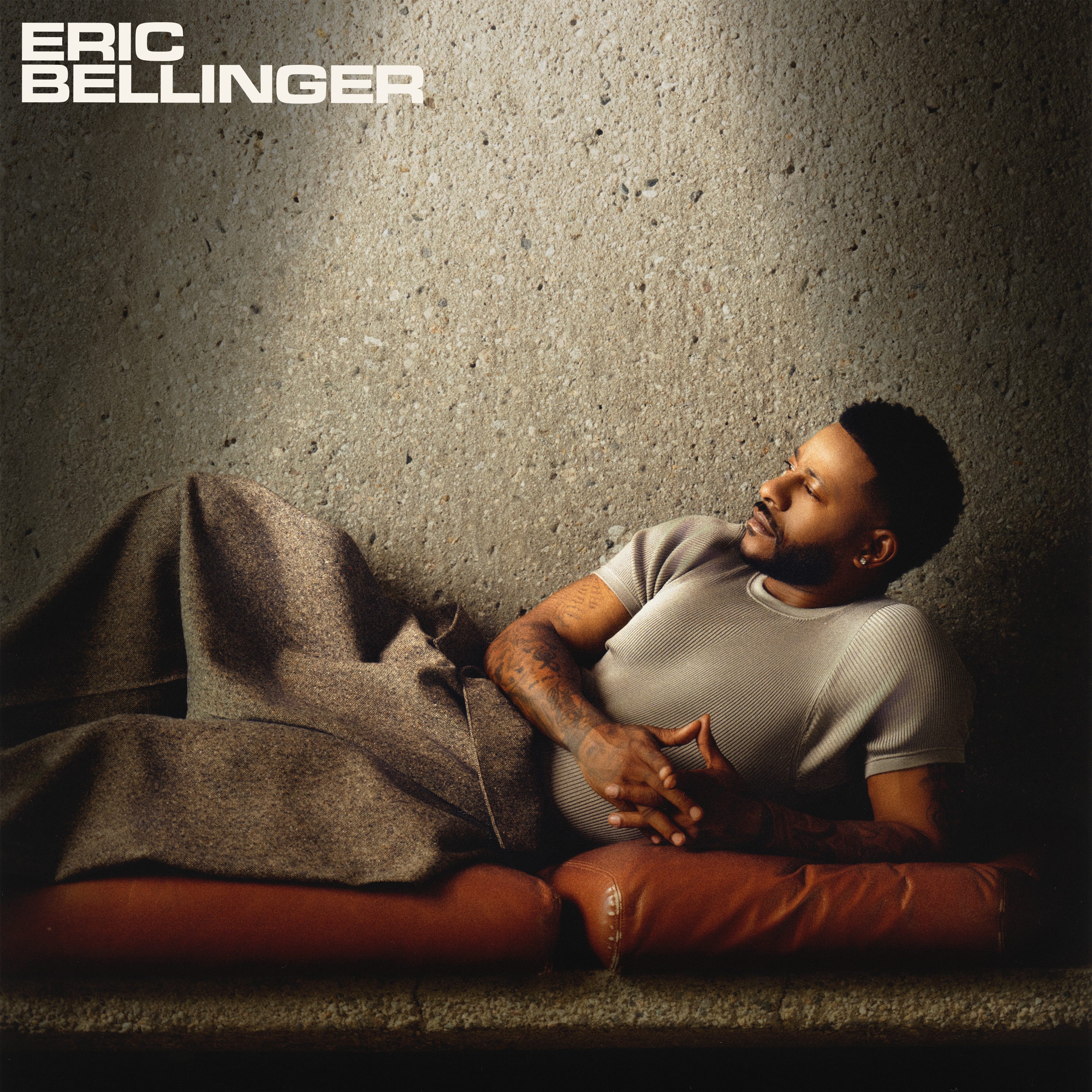
Jerkins told Billboard in 2000, “I will work with anyone that is different because it’s a challenge.” Twenty-seven years and hundreds of placements after telling Billboard his goals, Jerkins’ first big Tamla signee is Compton-born singer-songwriter Eric Bellinger. He has been penning songs for other artists for the past decade and releasing his material on streaming services. Bellinger has songwriting credits on hits like “New Flame” with Usher and Chris Brown, and his own music—more than forty independent projects—won him two Grammy nominations, including a nod for Best Progressive R&B Album in 2021 for his record New Light. In March 2026, Bellinger signed with Jerkins’ EVOLVE Music imprint as Tamla’s first act. We now have his self-titled album, a ten-track record he produced with Jerkins, featuring only Bellinger’s songwriting and no features—an album that took nearly three years to complete.
He told YAMS Magazine he saw Kendrick Lamar’s interview when he was talking about the importance of music as artistic expression‚ it was right on the nail of what this album is‚ and that he made the album for himself․ “Thank You for Telling Me No” and “Heavy Is the Crown,” he said‚ were burdens he might have wanted to bury‚ but putting them to music gave them life․ The old process of chasing the single and the club was gone completely․ “This time it was like‚ ‘No․ Which emotion did we not tackle? Did we tackle all the emotions? All right‚ we good‚’” he said․ He also stated that no one else could be a part of this one: “Not this time․ Maybe remixes‚ but this initial drop needs to be people learning me for real․”

Both also made their names producing for other artists‚ Jerkins producing Brandy’s biggest album‚ Whitney Houston’s Grammy-winning comeback single and Destiny’s Child’s signature hit‚ and Bellinger writing dozens of other placements while releasing a project every few months under his own name․ It’s the first time either of them has put everything he has into a record that carries only domestic‚ first-person subject-matter․ The label they did it on was built to make those types of records and Bellinger instead brought them ten records about his wife‚ his kids‚ his dead mother‚ his credit score‚ and the hours between putting the children to bed and waking up to do it again‚ written alone in a room with the pastor’s son who produced “Say My Name.”
According to Bellinger‚ the hardest song for him to write was the one about his mother who died․ In “Just Like You,” he noted that she taught him everything without saying a word and the way she moved with purpose was heaven-sent․ She prayed for him the whole time․ The second verse‚ anyway․ She held her head up in adversity‚ held on to her wedding ring‚ and told him he could do all things through Christ who strengthens him․ He says that is tattooed on his chest․ The verse is Philippians 4:13․ The song was originally titled “To This Day” and more focused on his sadness‚ but was refocused to be more about celebrating her when his manager Lee Villegas told him to write sincerely․ Jerkins said in an interview with Relevant magazine that he considers his four children his biggest accomplishment‚ and that this song came about in a studio in which he and the subject of this song were both fathers who were writing about their parents․ The subject in the song had his dead mother’s wedding ring and a Bible verse tattooed on his chest․
“Closure” is based on an affair that happened a decade prior․ Bellinger spoke of having to have a long talk with producer Harmony Samuels about buckling down on his truth․ The song opens with a monologue ten years after the fact: “It been like ten years now since you found out/And the news went loose on the internet/That your man having a baby by somebody else․” He says he felt crazy and hadn’t even told her․ Afterward‚ he assumed she was all right․ In the second verse‚ he outlines the timeline: they said they were on a break‚ he knows he could have told her earlier‚ and the woman he was dating was running late․ The singer thinks he should have said ‘sorry’ but because he couldn’t look her in the eyes‚ felt the best option was to leave․ The final part is an expanded version of the hook with the lyrics: “I know I left you confused/Something you didn’t deserve/But now that it’s over/This is our closure․” The songwriter described it “like an apology‚ just for leading anyone on ever․ As a man‚ even going back and just cleansing any uncertainty․”
Getting into “Heavy Is the Crown,” the routine is already established. He wakes up‚ thank God‚ lean right and kiss his partner‚ try to meditate before the phone․ He puts a number on the hours‚ 4 a․m․ to 4 a․m․ on three hours of sleep‚ then do it all again․ Two kids counting on him‚ wife counting on him‚ whole team counting on him․ On “Everything Is In Order” the infrastructure that holds all of it together finally gets a song of its own: Bellinger says he worked his way up to an 820 credit score with his payments on automatic debit‚ calls it “lifestyle design at its finest”‚ and credits God’s timing․ He can kick up his feet‚ no concern over bills‚ he’s cut his friends down‚ got an 820 credit score‚ automatic debits‚ R&B hook‚ and a label that’s financed from an office loan Berry Gordy raised by borrowing about 300 bucks․
In the beginning of “Thank You for Telling Me No,” Bellinger sings, ”Turns out your rejection was my protection,” and the following lyrics say: “Everything happens for a reason/It’s just a season/Keep believing․” Then uses rejection as a catalyst for growth‚ while saying you can’t appreciate the highs without the lows and even in the darkness he glows․ The second verse is about Bellinger finding direction in imperfection‚ and that what doesn’t kill you makes you stronger․ The bridge says God doesn’t play about him․ Every line runs on the kind of language printed on coffee mugs and poster boards‚ and the writing doesn’t measure up․ It abandons all of that ground for phrases so worn they could belong to anyone․
On “Cry In Front of You,” Bellinger sings that he was living with his guard up and it was hard to let anyone in‚ but then there was you‚ and he’d once thought letting someone see his truth was out of the question․ In the chorus‚ he remembers when he realized it‚ which was when he cried in front of you․ He’s got so much to lose‚ but feels safe‚ so he cries․ The second verse loves the venting: “Tell you all my problems/Love how I can vent to you/Nothin’ like that in my past/They don’t know what to do․” The close moves the image to clothing‚ dried tear stains on a collar‚ and every drop’s hitting harder than before․ Bellinger discussed the Motown affiliation molded his singing and writing to: “With it being under Motown‚ I’m gonna do real music․ I’m gonna really sing․ I’m finna do everything․”
Bellinger sees his legacy as larger than the life of his wife and children․ “It’s being bold enough to plant seeds‚ but being ok with not seeing them blossom‚” he said․ He plans to tour the whole album next year‚ front to back‚ “so they can experience Eric Bellinger in its entirety”․ He had never been looking at it as a competition‚ he admitted‚ but now he wants to go number one and win four Grammys․ Gordy wanted to cross over‚ too․ In 1959‚ he started Tamla with the assumption that Black music made in a converted photography studio on West Grand Boulevard could get into every home across the country․ A pastor’s son from New Jersey with a line of credit against his family’s life insurance‚ for 25 years he had made records for the biggest names alive․ Now he had come home to the label Gordy founded to develop artists making the kind of music his mother could hear․ The singer he signed came with ten songs about staying home․
Great (★★★★☆)
Favorite Track(s): “I Need Help,” “Closure,” “Everything Is In Order”