

Album Review: Fix Your Face by Masego
The saxophone loverman brings grief and heartbreak into a decade of easy charm.
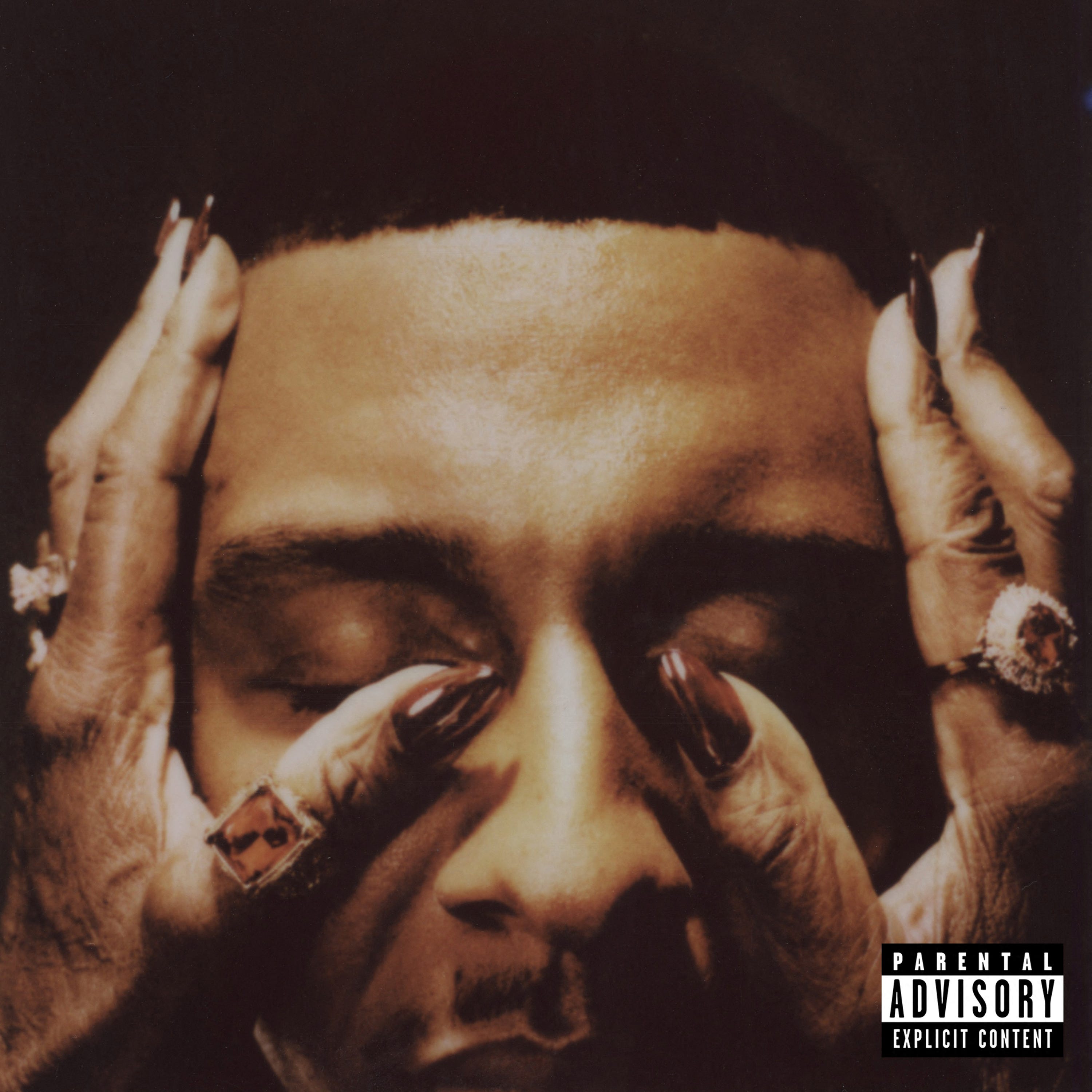
TrapHouseJazz began as the joke of a Virginia pastor’s son sampling sax over programmed drums and soon became a reality. It took Masego years of hard work, the viral moment of “Tadow” with FKJ, experimenting with the addition of horns to albums, vibe based on church charisma and mischief. On Fix Your Face, the churchy charm remains, but the scope is expanded. He is on the point of mourning, paperwork you have to do after a breakup, and the mom-voice on the endings of the tracks.
The kid remembered in “Sounds Like…” appears in church clothes with a crease in them and his dad’s tie tight around his neck. Both his parents were pastors; they gave him a camera and told him to hold it like a soldier. He was running drills at five a.m., pursuing the backboard rather than the deal until he got his knees to give out, blacked out and woke up with the IV in his arm surrounded by the teammates. The Kobe posters went down, and the Miles Davis posters went up. He kept the church in his songs even after the hoop dreams were gone. The church girl visits him after choir rehearsal in “Heaven,” and he wonders, “Is it a sin if we made love to some gospel music?” before committing her in his memory in a manner similar to the way he memorizes Bible verses. He goes further in “Limerence,” bets on red, saves her pictures in the camera roll, admits that the scales hover over his eyes: “I Stevie Wonder through life.”
Leon Thomas works the sales floor on “QVC,” which is the duet written like the home shopping TV show, where security is the product and both guys are buying. Masego’s sales pitch is intentionally old-school. She cooks and cleans, not because he asks it but because he insists, “it’s what she needs to feel femininity,” while he shoots, lifts, makes money and bites his tongue; Thomas wants the white picket fence and the acres before he thinks of anyone. Sung smooth, the entire track is the two men admitting what they were taught to want. Masego turns the deal into the plea on “Someone.” “If I cry and if I break/Will you mistake me for a weaker man?” he wants to be seen as a person, not a proof of his strength. Keyshia Cole replies with her complaint, staying beside the man who ruins the place: “It’s like fighting in my house/And then you break all of my fine china.” Her voice comes in with more edge and pressure than anything else, and by the bridge, they exchange the same kind of panic, with the phone flashing like an emergency hotline at midnight.
No matter how smooth and elegant the love songs are, Buju Banton has nothing to do with that. He settles in “Hello” rough and grounded as opposed to Masego, with the drums leaning to Kingston bounce and the offbeat vibe as opposed to the usual straightforward backbeat in love songs. Foggieraw loses “I Know You” the same way, seducing his crush using bar-long lines, “Hidin’ hickeys from dickheads wearin’ their Dickies.” The function on “Recommend” takes place in the basement with the wall of coats, lingerie visible through them, Baccarat in the air and passing the hook around as if it was a tip among the friends. On “Wonderwoman” he never gets past model compliments and the lasso, while “Go” is nothing more than the DJ keeping him stuck on the dancefloor—both feel less fleshed out than the crew surrounding them.
He lost a family member while the meetings, sessions and travels kept their dates, and has admitted “Breathe” to be a product of that pressure. He writes it as such. “Can I breathe? Can I live?/Can I grieve? Get a minute?” he asks over the restrained drums with the groove solid but never aggressive and the space around his voice. “Last night, that news shook me to my core, mind you,” he admits, a week after all being cool, figuring out how to help someone else when he is having trouble surviving on his own. Anyone coming up with any assumption will be turned away during the pre-chorus: there is no book to read and no film to see, more heart under the scars than they think. “I just can’t stop, the world won’t stop,” he sighs, and the drums keep the pace of the schedule he is singing about.
He wants one signature all the way through “Dotted Line.” The man in the song hasn’t smiled in pictures in years, doesn’t remember the tears, and hears her name ringing in his ears through the stormy mess while she sells his wedding rings. “Sign on the dotted line,” he begs, and wonders in the bridge whether it could be considered the cop-out blaming her for walking out, chalk flying over the something dead and gone. Then he convinces himself that if it isn’t touching him, it wasn’t supposed to be. Lekan sings from the hospital bed on “Gone,” “Doctor, patch up my scars,” a man bleeding out from his own commitment over the keys and the slow and spaced drums, while Masego answers petty, calling her the scum of his whole world and the sequel to Gone Girl, late to his own show, selling jewelry, answering the call from the pawn shop. He ends up digging through her phone on “Symone,” banging her line, finds the second phone with the video on it, and still singing “I’m just fine/I’m too busy getting most of my time” with all the evidence in his other hand.
The woman called Mom gets the speaking role on “Charlie Brown.” He complains about fifty numbers calling and fans with conditions for compliments, and she listens to him, reminding him that this is what he prayed for, that he should remember who he is, that he hasn’t scratched the surface. The most intimate version of that conversation hides inside “Overthinking.” Musiq Soulchild starts to ease in with the soft and rounded ends and conversational melisma, a delivery worn from the frequent use, coaxes “Let me take my time” and “Tune out the world,” while someone in the verses begs her to get that girl out of her head—misery loves company, but no thanks. The talking resumes, the party continues, drinks are served, and the friends wait for him to walk back into the room. He does, every time, and the return of the singing, with grief, paperwork and all, is the best of Masego’s career.
Great (★★★★☆)
Favorite Track(s): “Someone,” “Breathe,” “Dotted Line”
cannot wait for this!!!!