

Album Review: Forgiveness Is God’s Job... Part 2 by Don Trip
The Memphis rapper ends his 2025 run with a sequel that toggles between provider anxiety and hard-won gratitude. Don Trip sounds like a man counting his blessings and his bills in the same breath.
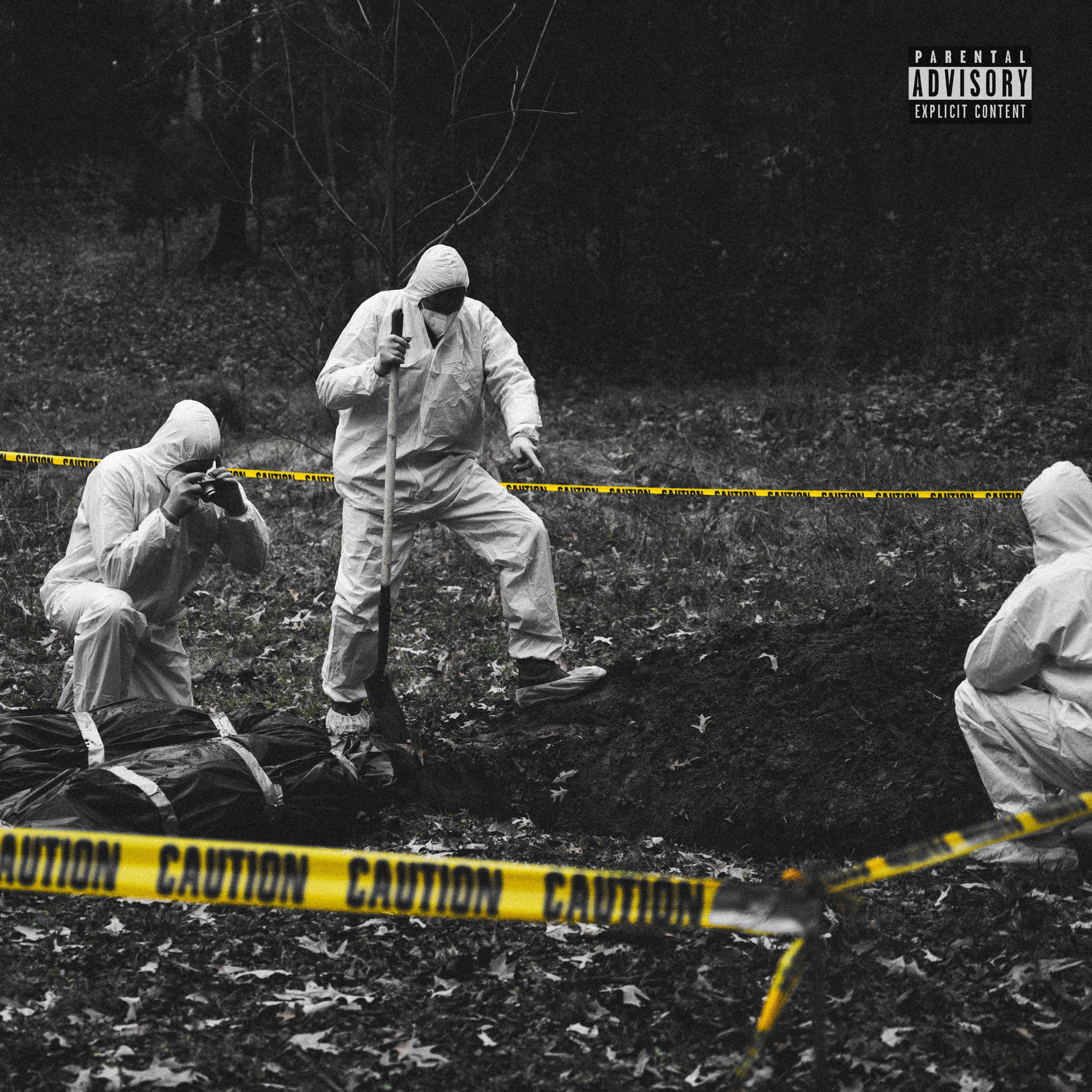
Fatherhood and money run through this record like a pulse you can’t ignore. Trip keeps circling back to what it costs to stay afloat, not in some motivational poster way, but in the small, specific details that stick. On “Stay Frosty,” he’s building snowmen in the front yard with his kids, then reminding you he’s “cold as ice.” The image works because it’s not a metaphor. It’s a man who’s present for his children and still feels frozen inside. Later he lays it plain: “My kids ain’t ate, I can’t fix my plate.” That’s the math. No complaining, no boasting. Just the order of operations when you’re a provider.
“December First” pushes the grind talk into specifics that make you feel the exhaustion. “Tick-tock, time is money/But you can’t make back the time lost,” he says, and then he’s talking about his daughter’s Christmas list, asking for a damn pony. The joke sits right because he sounds amused, not annoyed. You hear pride under the sarcasm. “Toy Box (Freestyle)” finds him cleaning 260 guns one at a time, and you can’t tell if that’s a flex or a chore. Trip lives in that ambiguity—a hustler who sounds tired of hustling, a father who never stops doing math.
The grief underneath all of this never quite surfaces, but it’s always there. “Long live Pif” appears on almost every track, honoring his late brother, who died in 2020, and the phrase starts to feel like a heartbeat you forget you’re hearing. On “Iron Mike (Freestyle),” Trip gets closer to the wound: “I know Pif’s still getting loaded in the afterlife/I’ll pay all the bread I got to bring him back to life.” Clean, painful, and he doesn’t ask you to feel sorry for him. He’s just stating what he’d give. Same track, he talks about his granddaddy, to outsiders, just a junkie, but to Trip, “Tony Dungy,” because he was there, in that field with him. That specificity separates Trip from rappers who treat loss like a topic instead of a presence.
Starlito shows up on “To Be Loved” and immediately changes the honesty level. Lito comes in talking about picking up his daughter three days a week, alternating weekends, Xanax anxiety, gambling urges: “Back gambling more, can’t quiet the manic voice.” He’s confessional without being sloppy, and it raises the stakes for Trip’s verse. Trip matches it partially—grinding all day, up all night, checking out hotels and into flights—but he never quite reaches Lito’s vulnerability. The song works because Lito anchors it in adult chaos, but Trip stays in his default pocket. Still sharp. Just guarded.
“The Proud Family” is the album’s most generous moment. Trip addresses someone who beat addiction: “You shook that addiction, and I know that shit was hard to do/You shook that addiction, and I know it felt impossible.” Then he pulls back to his own childhood—aunts and uncles who were all addicts, his mother barely managing, his father nowhere. “17, jumping right inside the game like Milton Bradley,” he says, and the line captures how fast survival became hustle. The song just watches. And then the turn: his babies finally get to see his relatives sober, “a version they ain’t get to see.” That hits quiet and hard.
The album loses steam when Trip drifts into camaraderie. “No Place Like Home XXX” finds him in full bedroom mode, and the verses slip into the kind of sex talk that could belong to anybody. Diving in, throwing wishes in wells, slamming from the back. No scene attached. No detail that makes it his. “21 & Up” leans on lines like “set my heart on fire, just like a Viking stove.” It’s competent, but it doesn’t reveal anything. The intimacy sounds borrowed.
Kendrick P. appears on six tracks, mostly handling hooks, and his presence smooths things out without adding much substance. His chorus on “Treadmill” about running up digits could be anybody’s hook. On “Time Flies,” he’s more effective, singing about unforgiveness in a way that lineaments the album’s title without spelling it out. “Guerilla Gang 2” features six verses from Trip’s crew, and everybody shows up to rap hard, but nobody sharpens the album’s identity. The energy runs loud and unfocused.
Trip shines brightest when he’s alone or nearly alone, talking plain about money and kids and time. The moment he starts flexing without specifics or running through bedroom routines, he sounds like a different, less interesting rapper (which is most of mainstream hip-hop). The man who talks about feeding his kids before he fixes his own plate has something to say. The man doing sex talk with Viking stove punchlines is just filling space.
Above Average (★★★☆☆)
Favorite Track(s): “Stay Frosty,” “To Be Loved,” “The Proud Family”