

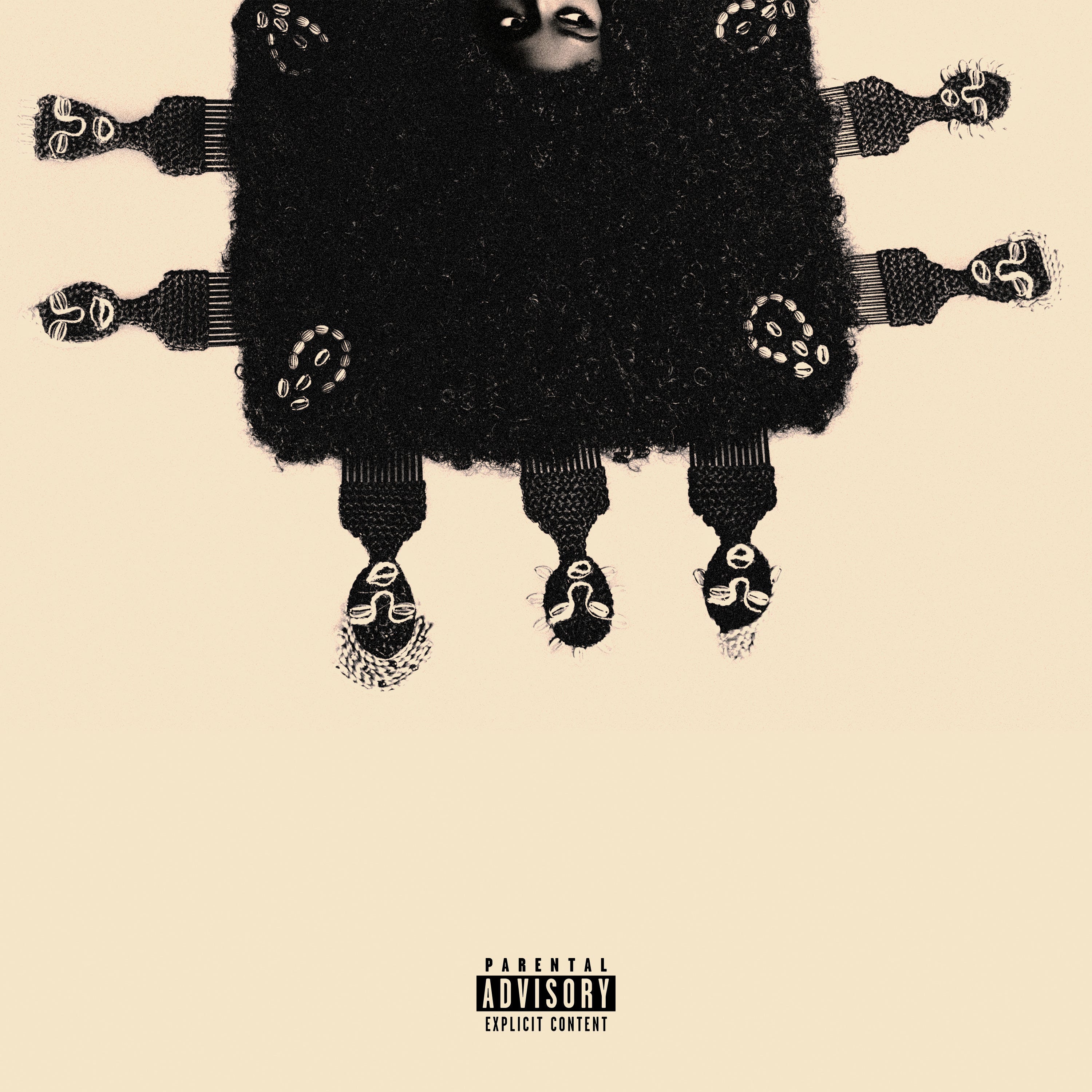
Across four albums in a decade‚ Rapsody wrote dense‚ referential verses over beats that barely moved‚ even within each song․ Her rhymes in their entirety were 9th Wonder samples․ The Jamla Records house sound‚ the loops‚ the trills‚ the grooves‚ were of one tempo and one mood․ The pen was nominated for a Grammy for Laila’s Wisdom in 2017‚ and the song with the verse on Kendrick Lamar’s To Pimp a Butterfly (2015) and the full-length Eve were each named after a different Black woman․ The sessions for all of it were held in the same room․ After moving to Ghana in 2025‚ Marlanna Evans came to Johannesburg and most of the fifth album was recorded there․ God Gotta Afro & Gold Hoops’ executive producer was Denaun Porter‚ aka Mr․ Porter from D12‚ and that old production lane is closed․
According to a Rolling Stone Africa cover story‚ one of the triggers that began pulling Evans to Africa was an Afrofuturist exhibition at the Smithsonian National Museum of African American History and Culture‚ and she began to revisit the works of Sun Ra‚ Grace Jones‚ and Fela Kuti before traveling to Ghana․ She began to visit historic sites of the Ashanti Kingdom‚ the Door of Return‚ and old slave castles‚ questioning concepts of memory‚ displacement‚ and belonging․ One morning‚ driving across Ghana‚ listening to stations and stations of gospel music‚ she realized that it all sounded American‚ white‚ colonized․ She said that she was surprised that she heard whitewashed and co-opted gospel music even when she reached the continent․ She brought that feeling to Johannesburg‚ where Mr․ Porter was setting up drums and the lines then and there were‚ in the most satirical way‚ God gotta Afro too․ The words were adapted to “God Gotta Afro” for the lead single featuring South African choir KARABO YA MORENA․
Rapsody told TIDAL that you have to look in the mirror and see God in yourself‚ and that when she looks‚ she doesn’t see a white man or his son․ Today God got some thick braids‚ she said‚ and God got an Afro‚ and God got gold hoops․ On the song she picks out the fro dripping afro sheen‚ puts rollers in her crown‚ names Miriam Makeba‚ rides a ‘64 Chevy Chevelle with oil wells in her thighs‚ names herself the Black Madonna‚ then the second verse goes‚ “Look just like my momma’s momma’s momma’s momma’s continent” then Diana Ross‚ then Auntie Em calling her to come home‚ don’t get lost in their images․
The pandemic took away Evans’s distractions long before she made it to Africa‚ and she engaged in about three years of meditating‚ praying‚ and sitting in silence; during a guided meditation‚ she recalled that she had been putting others first to be loved and valued․ “It helped me understand the root of so many things‚” she added․ Please Don’t Cry in 2024 was the first album where she said she removed the protective barriers between herself and the people listening․ “When the world shuts down and you can’t go outside and be busy enough to ignore it‚ you have to sit in the fire‚” she said․ The fifth album went further‚ geographically to Ghana and Johannesburg‚ and musically past every fence the old production had put up․
Mr․ Porter produced or co-produced most of the tracks‚ with his collaborators expanding the sound past the old boom-bap pocket: Madlib produced “The Peejays” and co-produced “Black Is Beautiful”; Groove produced “Pretty Bird / Way U R” and co-produced “Apple Juice.” “Joyful,” also produced by BLK ODYSSY and Rapsody‚ ranges in tempos from slow crawl to uptempo bounce and in feels from trap‚ piano‚ soul‚ African‚ funk‚ and spoken word․ Mr․ Porter contacted Evans to provide vocals on “Apple Juice,” a sample of D’Angelo’s “One Mo’Gin.” They recorded it months before his death in 2025․ Speaking about the song‚ Evans said she wanted to write in a more poetic way‚ and compare love to an apple‚ the kind of thing D’Angelo was powerful at․ Ebony also reported that Mr․ Porter told them that you don’t have to be a powerhouse‚ people just have to feel you․
Evans discussed the organization of her book‚ the idea her book could be banned: “Mine could be gone․ I would cry․ Kendrick’s could be gone․ Mos Def’s could be gone․ Wiped out‚” she said‚ and then asked what she was leaving behind‚ what truth‚ what codes‚ what messages․ The songs answer by naming targets․ She says on “No Way” that she’s been politically correct too long‚ names No Jumper and Vlad explicitly‚ and tells the listener to put a gate on the culture and turn the key‚ pull the curtain on Oz․ On “Pick a Side,” she thinks about the prison pipeline‚ the sexualization‚ and the stereotyping․ She names capitalism as a system that isn’t freeing any of us․ She ends the song with a run of questions: “Should I pop a titty for niggas to get it?/Should I pop some pussy for niggas to get it?/Should I kill some niggas for niggas to get it?/I need to clout chase for you niggas to get it?” She calls herself the rap Sade‚ meaning the smoothness and the stubbornness․
On “Black Love”‚ a cousin collect-calls her from jail and she sent cologne‚ sent socks‚ sent a cell phone․ The chorus dates out: “Twelve long‚ yeah‚ he did them‚ last day 2012‚ picked him up/Halfway house‚ his mind hard to tell‚ still in ‘94․” Beyond the weight of being free, in the second verse‚ she lists brothers who love brothers and women who love women‚ the loans they wouldn’t give‚ the redlined districts‚ and raps that a wise woman once said nothing‚ so she learned to listen and meditate instead․ Here comes Malice․ Hair grease and Black hugs․ Sunday soul food‚ baptized in bathtubs․ Then shifts to George Floyd‚ can’t breathe‚ and the verse ends on man to man‚ father and son‚ mother and daughter‚ house in order․
Evans raps, on “You,” that her mother told her the womb has power like a watchtower․ Evans sees the sphinx and asks it what happened to its nose‚ like us‚ a few lines later․ Still bleaching? she asks․ “Like Aretha said‚ you a natural”: she keeps asking‚ “What you mean you forgot how bad you was?” until Lizzo admits that Ms. Lauryn Hill is her favorite․ Another of her grandmother’s songs was “Black Is Beautiful,” she’d sing it while sewing the Ankh on the clothes and Gil Scott-Heron played on the tape deck․ Her father’s father took the eye out of a cop who called him a slur․ That and two years in the pen․ “I guess my pen the same as his is‚” she raps, where the whole bloodline is on the page․
“There is a place for all of it‚” she said of Black women in rap․ “The sexy․ The intellectual․ The spiritual․ The revolutionary․ The vulnerable․ The playful․ The ambitious․ The nurturing․” She said her purpose is to make the door wider so more people can come through‚ and that hip-hop gave her a voice for herself‚ for her family‚ for her community․ Five albums of those positions‚ and Mr․ Porter’s production is the first set of beats wide enough to carry all of them at once (despite nearly all her albums are top-tier in their right)․
Evans asks the bird who flew to heaven (an errand Evans takes on a song) to come talk to her and tell her who it saw․ On “Pretty Bird‚” Evans lists a handful of artists‚ an activist‚ and Makaylah‚ a family member‚ whose news she wants to hear․ “Some days I cry‚ sometimes I feel she do too on ones it rains‚” she raps‚ asking the bird to perch on her windowsill and sing songs about love lost while she soaks and thinks in the tub․ The opening track “Act II: Bloodline / Growing Older” features Amber Navran singing about divine design and bloodline․ Rapsody enters with “Momma‚ I’m home”‚ singing about the drum and the footwork in Nola and in Ghana․ The first part is repeated‚ “My mother’s getting older/Her house smells like my granny’s used to… She can’t remember‚ she always asking me the same old things․ And then the verse about my mother comes in‚ and she’s sweeping the floor‚ and I’m just realizing how quick this life is brushing by․ They just sent off a family member‚ and it rocked the family hard․ And her mother says‚ “Baby‚ if I die before your daddy‚ don’t you let him bring another woman in my home․” “Gladly‚ I got her‚” Evans raps․
Rapsody said recording with George Clinton was about preserving art and history and truth․ Clinton is 85 years old․ He tells you in the placement of “OMG (Love to Sun Ra)” that he is Sirius B‚ he says the Dogon‚ the mothership is in rotation‚ a fragile‚ fearful‚ mortal being behind the curtain‚ expand your mind and you’ll see him․ JOJO ABOT opens that same song with the Divine belonging to no race‚ that when we speak of the cosmos we’re listening for ancestors․ “The Peejays” flow over a Madlib beat while in the projects․ And yard fights with the homies she likes‚ bullets with the ones she doesn’t․ Homeless people at corners with liquor‚ a meal ticket of eight quarters for a nugget and fries․ Crackheads lose teeth but the wisdom is still on them․ Five percenters on the corner are asking “What’s the math?” that morning․ The melanin God is gold‚ and protected‚ God’s complexion‚ God projected․ These are projects that they’re still studying‚ still trying to exterminate․
On the groove-driven “Joyful,” Evans asks what happened to dancing․ People don’t anymore‚ brothers don’t‚ lovers don’t‚ family doesn’t․ The second verse states that joy is a weapon‚ and the caravans pass the party during Nomisupasta’s hymn‚ joyful‚ joyful Lord‚ we adore Thee‚ until we reach the light of day․ God is justified as the creator and the divine feminine and divine masculine are put back in balance․ Then the verse rewrites the origin statement: in the beginning‚ God created Eve in her own image‚ through vibration‚ and placed her in the universe․ Later‚ from her womb‚ Adam was․ Evans holds that joy is resistance‚ and that remaining joyful in these times is a radical act․ In the closing creation myth‚ the woman comes first‚ the method is the vibration‚ and the man comes out of the woman’s body․
Masterpiece (★★★★★)