

Album Review: Hate the Sin Not the Sinner by Jules Clay
Jules Clay found God on the way up and still wakes up reaching for his gun, and across Hate the Sin Not the Sinner, he won’t pick one over the other.
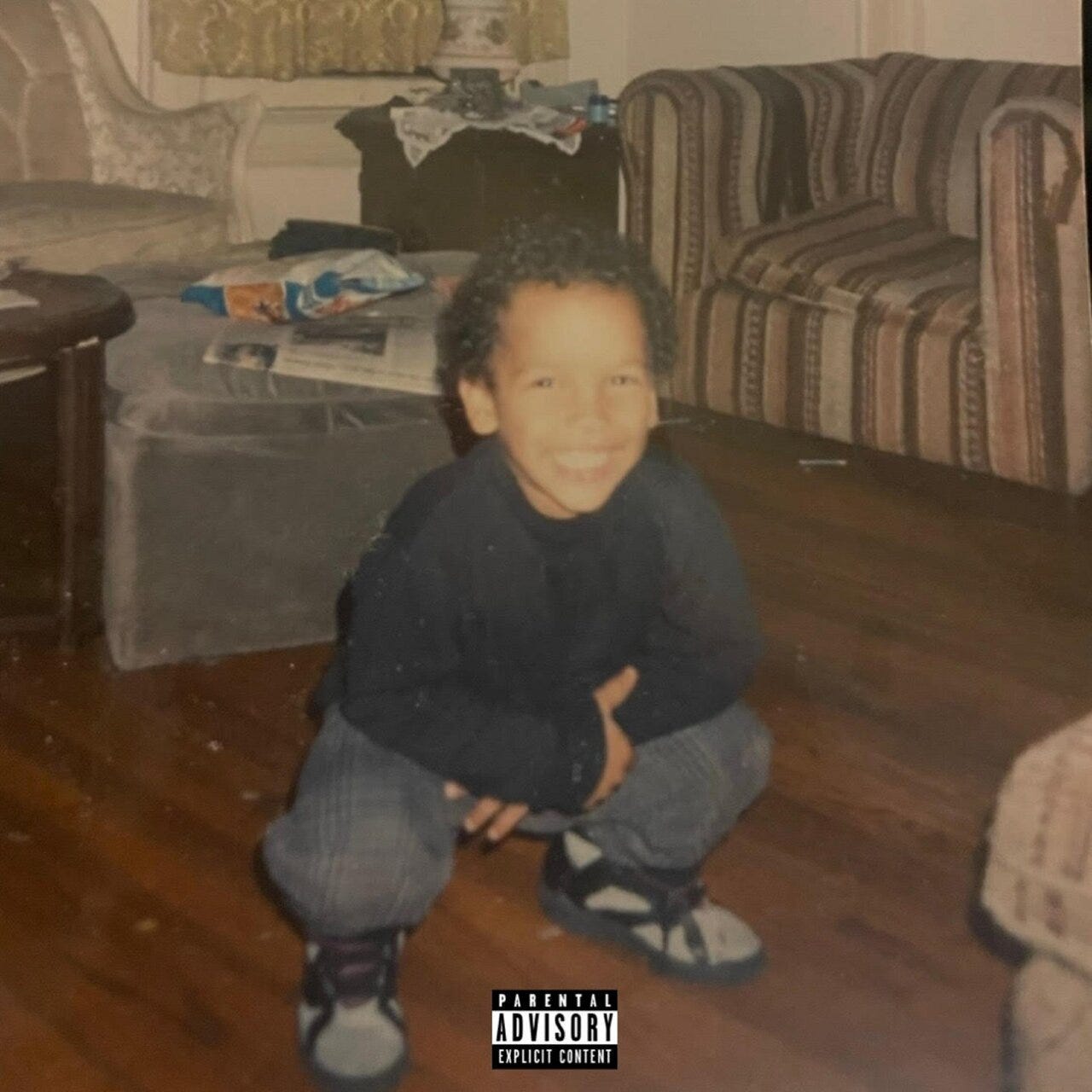
According to the belief, when the gun is dropped, salvation is thus found. This corner of Buffalo is not acquainted with the memo. Jules Clay, who goes by Wordplay Clay and makes the majority of these songs with the producer Skip the Kid, found God somewhere in the journey and kept the gun as a habit. With Hate the Sin Not the Sinner, he prays while the bullet is already in the chamber, and he does not want to choose one over the other.
Clay primarily raps for the wordplay. Cupid, who is very much the opposite of what one would expect, makes an appearance in “Said You Loved” without an arrow but with a trigger finger. That is the gentlest threat in that piece of art, which also contains him killing two vultures with one boulder and turning a betrayal with a Jordin Sparks punchline into a blow heard around the world. He keeps it chill when he performs (“No fair, left me with no air like Jordin Sparks”). He is the “Enfranchised Houdini with his hands tied” in “Landslide.” He autobiographies himself by referring to a baseball movie, which is a Sandlot hood. He is the pun master in “GODSFAVORITE,” referring to himself as “never did time” but coming up with the illest “sentences” (that is, the kind given in a court and the one he writes).
The faith is not the one who puts down the gun. In “Be Safe,” he does the triple gun with the safety off, so he knows he is the only one to be safety, asks God for cover, and swears he is still keeping the gauge anyway, all in one hook. He’s the one who prays for all with one round already homed. In “RFMG,” he wakes up by stretching his arm toward his pistol, which he thinks is the one that is going to come after him, then he shakes them off because they seem so soft that he doesn’t bother with them, and in the middle, he says, “Just ‘cause I found God don’t mean I owe you shit.” Gustavo Louis has the next part, and he runs the same mistake differently; he finds God on the way to a dealer, and he lifts a Pyrex as he preaches the sermon. The most decent portrayal is on “GEMS.” Clay shouts, “Lately, I been reachin’ for my Bible more than my gun,” but after it, he takes it back: “But still keep my gun for the creepin’.” He talks about the fight with his demon as the hardest battle he has ever fought. On “Halos & Horns,” he just doesn’t split it any longer. “I don’t rock a halo or a set of horns,” he raps, and stands in the gap and stays there.
The man Clay nearly killed is the only one whom this song talks about. On “W.T.M,” he accepts it very bitterly: “Almost don’t count; I’m glad I didn’t.” A good thought comes to his mind, and he listens; a breath after, he calls the whole thing his blessing. The Rebel Sky is equipped with a bone saw and a tourniquet from the trunk of the car. The confession comes out once more on “Matter of Life & Death,” where Clay has a bullet with somebody’s name on it that he says he wiped out, even if the outline is still faintly there. Neese Rich shifts the second verse into a tougher area, a tone account of the night he held a knife to his wrist and a gun to his head, talking to God the whole time: “I can’t go out like this.” Clay returns on “No Competition” naming what life took, the friends and family and business partners gone away, and calling a will a weapon so his kids keep their father. Clay’s reply to the ascribed fee is found in that song again when he breaks the deal with Satan. Tormenting his soul is more precious than money or recognition.
Ant Kelly and Ice Fang’s rap verses can only be likened to those who are driven to further their winning chances through the loss of personal comfort. Ant Kelly, who has a dope feature “Dusk Til Dusk,” boasts about his lines being doper than what caused River Phoenix’s death, then sends respect to Buffalo and a mention to Jules. Ice Fang, who was the producer of “GEMS,” is not afraid to display his bizarre tendrils when he gets in on “Fear of Heights.” He describes himself as the last honest man, the first telling it right, all in the fast bullet train which has sake on both halves of its brain. His lines sign off with a boulder that only rolls uphill.
Skip the Kid bags the W by giving himself a pass. He packs the floor down in the dark and dominant loop sound the most of the time, with drums close, edges left rough, and he does not reach for polish at all. “Said you Loved” is more punchy than the rest; “Landslide” stays at the bottom; “RFMG” enters from a shaded address only after Gustavo Louis arrives. Skel, Jazzy Lion Man, Ice Fang, and Kheyzine provide a dimly-lit, drum-centric sound whose consistency withstands the board’s name change.
The moral dilemma that he is facing is that he has to choose between the angel on one shoulder and the devil on the other. He gives the only possible answer to the question on the bridge of “DOMS,” that is, neither. The part that he had this devil kick off his shoulder, also the question of what price he has to pay for everything he wishes for, is in the last part, the singer identifies himself as a man of God. In his grip are both the gun and the Bible, to which he responds to both and neither of which he puts down.