

Album Review: Heaven Ain’t Sold by Choker
After nearly seven years of silence, Choker returned with something messy, uneven (no pun intended), and occasionally brilliant. The brilliant parts are the realest thing he’s made.
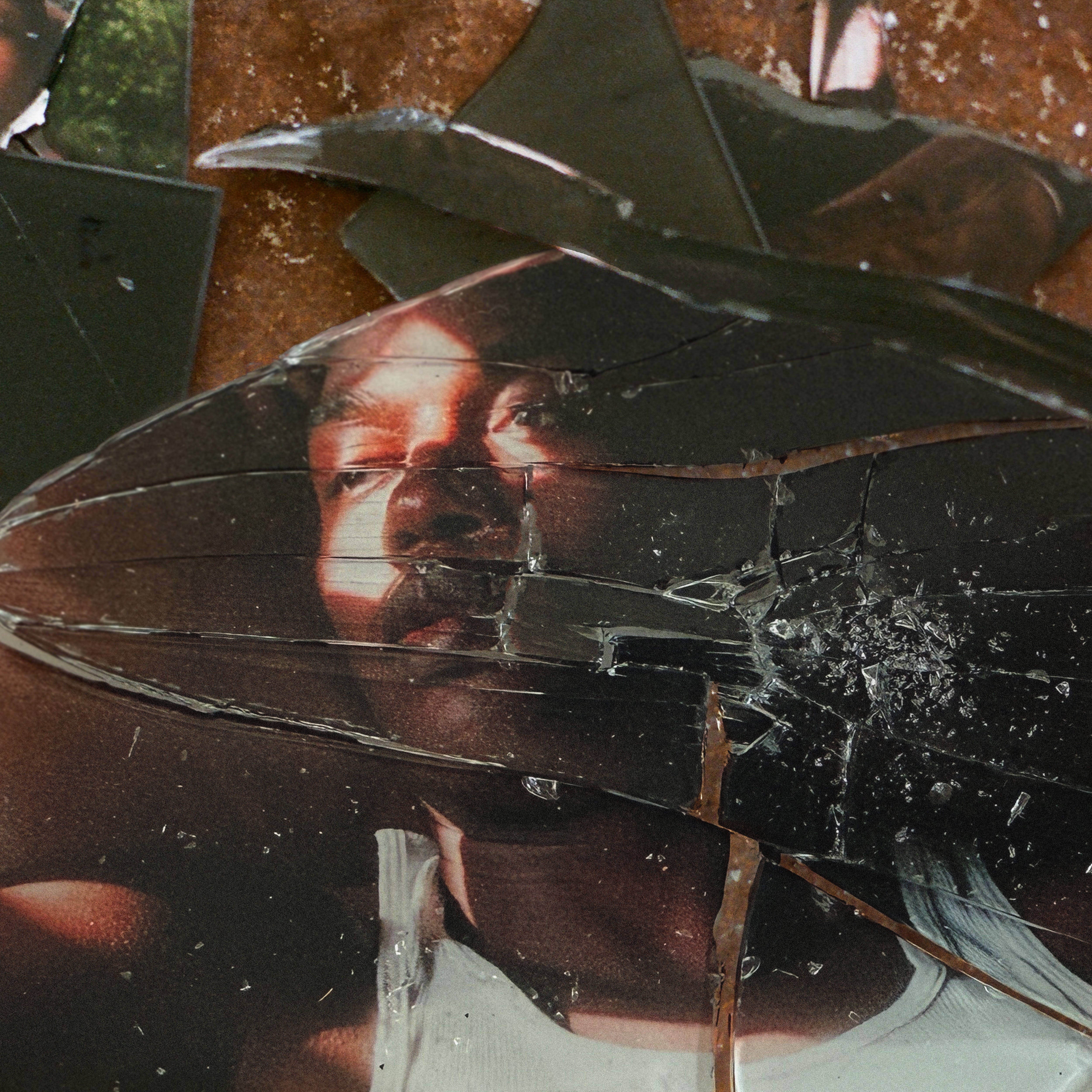
For most of the last seven years, the most active Choker fan community was a subreddit cycling between grief posts and false-alarm sightings. A self-produced debut called Peak had drawn Frank Ocean comparisons in 2017; its follow-up, Honeybloom, arrived a year later with a Sprite commercial and a Flog Gnaw slot attached, the kind of blog-era cosign package that used to build careers. Then Christopher Lloyd moved to Los Angeles, cut three EPs across the winter of 2019, and went silent. In late 2025, postcards started arriving at old fan addresses. His third album drops into a world that mostly forgot to keep waiting, and the writing sounds like someone who noticed.
“Good” is the cruelest song on the record and its most necessary. He spends the opening inventorying every lie he’s swallowed to feel loved: “Was it ‘cause I didn’t want to disappoint you?/Was it ‘cause you shared my sense of dread?” Each question aims at a different joint in his own spine. The hook sings sweet while describing addiction to external approval, and by the third pass he’s admitted to “smoking validation” and stretching for any affection he can get, even knowing it’ll wreck him. Most songs about toxic relationships blame the other person. This one stares at its own hands.
Something entirely different happens on “Universoul Circus.” He grounds the song in his grandmother’s face and a childhood souvenir, then lets it sprawl into bloodline ambition, land ownership, and grief with no neat container. He rattles off a list that moves from Zidane to Madden to Michael Vick in four bars before the third section drops: “Ain’t bust for a year and change/That was after Cody died/Could barely tell I was alive/Been depressed since I was five.” No buildup, no cushion. Just a man ticking off damage in the same cadence he used to brag about pulling checks from other cities. The FADER recently confirmed that Lloyd’s friend died by suicide in 2018. “Hope ain’t left my granny face” stops sounding sentimental and starts sounding like the only rope left.
“Don’t nobody owe you, heaven ain’t sold on letting us in” is the central claim, slipped mid-line on the title track between gossip and a window being rolled down. A spoken sample closes the song, an unidentified voice asking why people tear down anyone trying to build something, and Lloyd lets somebody else say the part he’s too tired to argue. “Geppetto” approaches similar territory from a different angle, dissolving into acai and gelato, craters stared into floorboards, saviors found missing. The coded associative mode works when images connect (even a puppet-maker can’t plan for what actually breaks you) and falters when they blur past legibility.
That blur drags the middle stretch. “Radio Freestyle” piles loose imagery across four passes, and the accumulation drifts rather than deepens. “Rae Town,” a near-instrumental built that carries a gorgeous tide-and-bedsheets loop but contributes almost nothing to the larger argument. “Blue Sole” tries to reckon with disappearing. Lloyd sings about knowing how to push feelings down, wishing he had more time, needing a new beginning. The line about Jordan telling him only Jesus can save him suggests a conversation that mattered. But the song circles that confession without taking it to another level, and a Muhammad Ali comparison wanders in untethered. The wanting is clear, but what he’d actually do with a second chance never moves forward.
Halfway through “Uneven,” Lloyd tells his ex to have Reggie come get her stuff with his big truck. An actual person in this breakup, a vehicle, a beach day, sand shaking out of braids. That kind of grounded spite is what the foggier songs can’t touch.
“I thought you didn’t want kids
Why you talking babies with him?”
He’s not processing the breakup, he’s keeping score, and the pettiness makes the hurt legible in a way the album’s more guarded songs never manage. The bridge admits to selfishness and the melody sits low and insistent, too tired for dramatics.
Solid (★★★½☆)
Favorite Track(s): “Universoul Circus,” “Uneven,” “Good”