

Album Review: It’s Been Awful by Isaiah Rashad
The TDE rapper’s third album is brutally specific about his relapses, his family, and his failures. It’s the best thing he’s made and the hardest to hear.
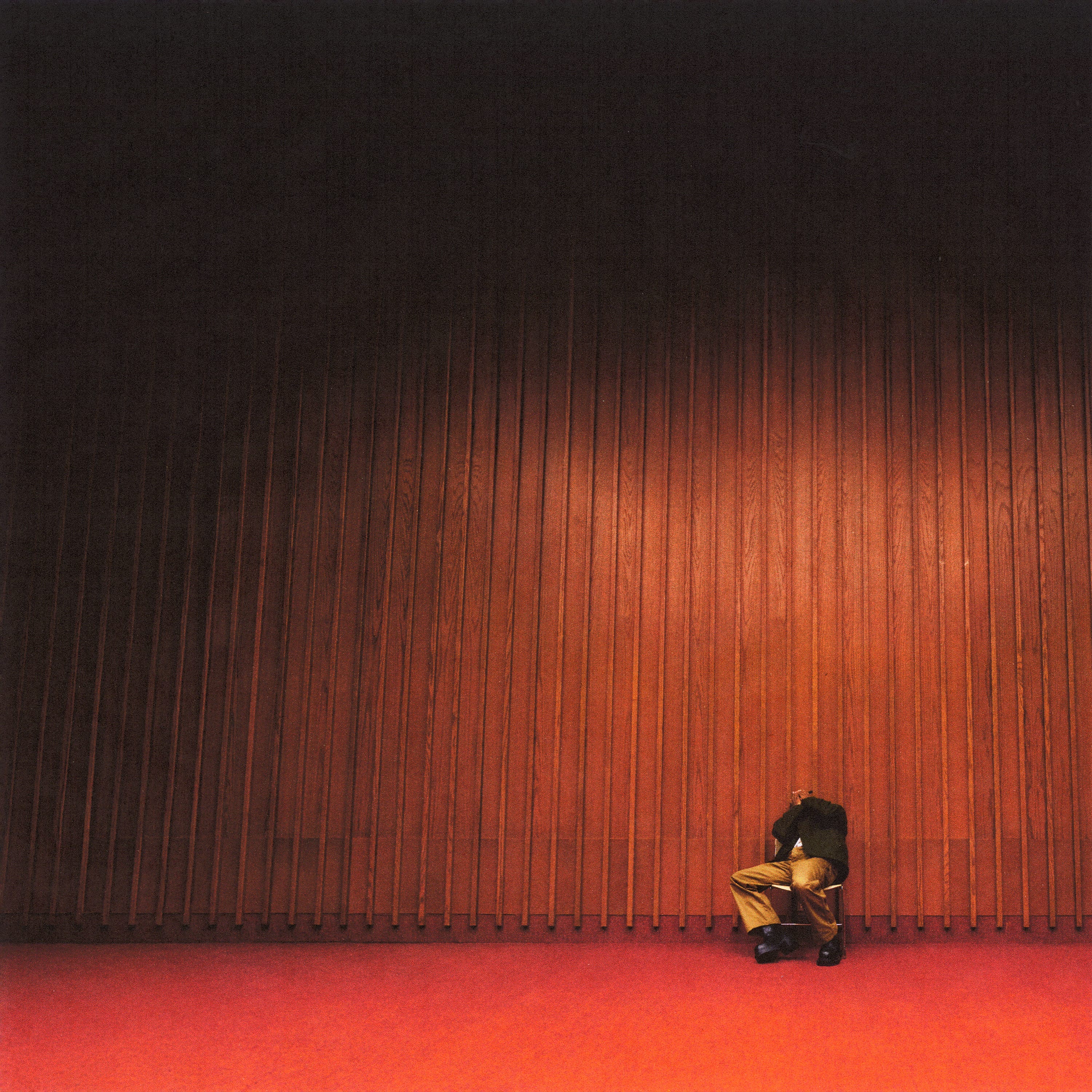
In April, physical notecards started showing up in TDE merch orders. “Everybody wants to see you crash out, fall off, and burn out for their entertainment,” they read. “I just want to see you smile.” The handwriting was sloppy and the sentiment was sweet, and it promised the kind of album people expect after a rapper survives the worst years of his life in public. Isaiah Rashad delivered something else on It’s Been Awful: sixteen songs naming every substance he can’t quit and every person he let down while using. The notecards were a misdirection. The album is a relapse diary.
The phrase “profit over love” appears on “The New Sublime” and returns on “Happy Hour,” both times mid-verse, both times dropped like an errand he forgot to feel bad about. We’ve heard rappers talk about money ruining their relationships before, but Rashad skips the argument. He just knows what he picks when his family needs him home. On “Happy Hour,” his doctor warned him the substances had been damaging his heart, and he still rapped about chasing money and amphetamines and affection in a single blurred craving. Then his mama cried, and it wasn’t enough to bring him home. He put it that plainly:
“What do I despise more than myself
And all that I’ve become?”
That question closes the song, and honestly, it’s the kind of line that would feel cheap from most rappers. But Rashad did not attempt an answer.
His mama doesn’t want drugs in the house. She said he had a death wish after he’d gotten so drunk he called her from his car, smoking to the Isley Brothers all night. Her tears didn’t drag him back. The sister went to jail. Three kids stood at shows while he described pouring liquor in the shower, and his sons heard him say he was trying to be a better example—then admit the last time he claimed sobriety, he’d been lying. I lost count of how many family members get named, and he spares exactly zero of them.
Rashad was twelve years old on “Act Normal,” in the back of a room on a Macintosh, and somebody asked him if he wanted to see some nasty shit. His daddy kept a stash behind a locked bedroom door. The entire family, he said, turned out to be sex addicts. His mama was in love with her best friend, “dodging those feelings.” He delivered all of this over a sluggish Southern groove (the kind of beat you’d play at a cookout, which makes the content worse) and then asked a question I don’t think he expected anyone to answer: “What is love when I don’t trust a boy or a girl? Act normal.” He was eighteen by verse two, fucking for sport, running from love, and the line “the rapper is a porn star” like that was just another fact about his week. He was talking about how exposure warps you starting from childhood, and he wouldn’t coat it in clinical language. It happened, and it made him this.
Rashad offers to be someone’s boyfriend on “Boy in Red,” and if that doesn’t work, he offers to be their girlfriend. He says both with equal ease, identical invitation to stay the night, one chorus floating over the top. SZA’s verse flipped everything: she’d been drinking, she was pissed, she was tired of him disappearing with his boys and coming back horny. “Ain’t you tired, my poor friend?” she asked, and that exhaustion landed harder than anything on Rashad’s side of the song, where he’d already said what he was and kept going as if the conversation would sort itself out eventually.
The sobriety talk circled without arriving anywhere. “The New Sublime” warned that romanticizing Percocets might trigger a relapse. “M.O.M” went don’t do a line, then two bars later went pop two, wait, don’t overdo it. “Scared 2 Look Down” put it at quitting like the eighth time. “Do I Look High” admitted methamphetamines had been messing with his mind. “Ain’t Givin’ Up” counted rehabs. And on “SUPERPWRS,” he stacked confessions without resolution: how he made it through the bullshit, he had no idea; how he got sober then messed up then clean again, zero explanation; whether he loved the same on substances, that one he left open too. Rashad genuinely lacked an answer and decided to release the record anyway.
Midway through “Cameras,” Rashad stopped rapping entirely. You could hear him talking to someone in the studio: “Niggas be making shit just to get out my fucking head... I’m talking to myself now?” He laughed. Then he asked everybody (and it sounded like he was asking himself too) to try being lighthearted for a minute.
KTC produced half the tracks and Julian Sintonia left marks on ten more, and that production pairing gave the record a continuity that the lyrics might not have held otherwise. Crystal meth confessions and love songs and freestyles, all sitting next to each other. But one run on “SUPERPWRS” stayed lodged after everything else faded: Rashad told someone that if he didn’t change his ways, it was over. “Damn,” he said, “you don’t wanna be my friend no more?” A few bars later: “Say I’m never going back, but then again, I don’t know.”
Great (★★★★☆)
Favorite Track(s): “Do I Look High,” “Act Normal,” “Happy Hour”