

Album Review: Music, Fashion, Film by Charli XCX
Two years after her culture-swallowing summer, Charli XCX writes eleven quick guitar songs about the job of being watched, making it the funniest and most frightened work of her career.
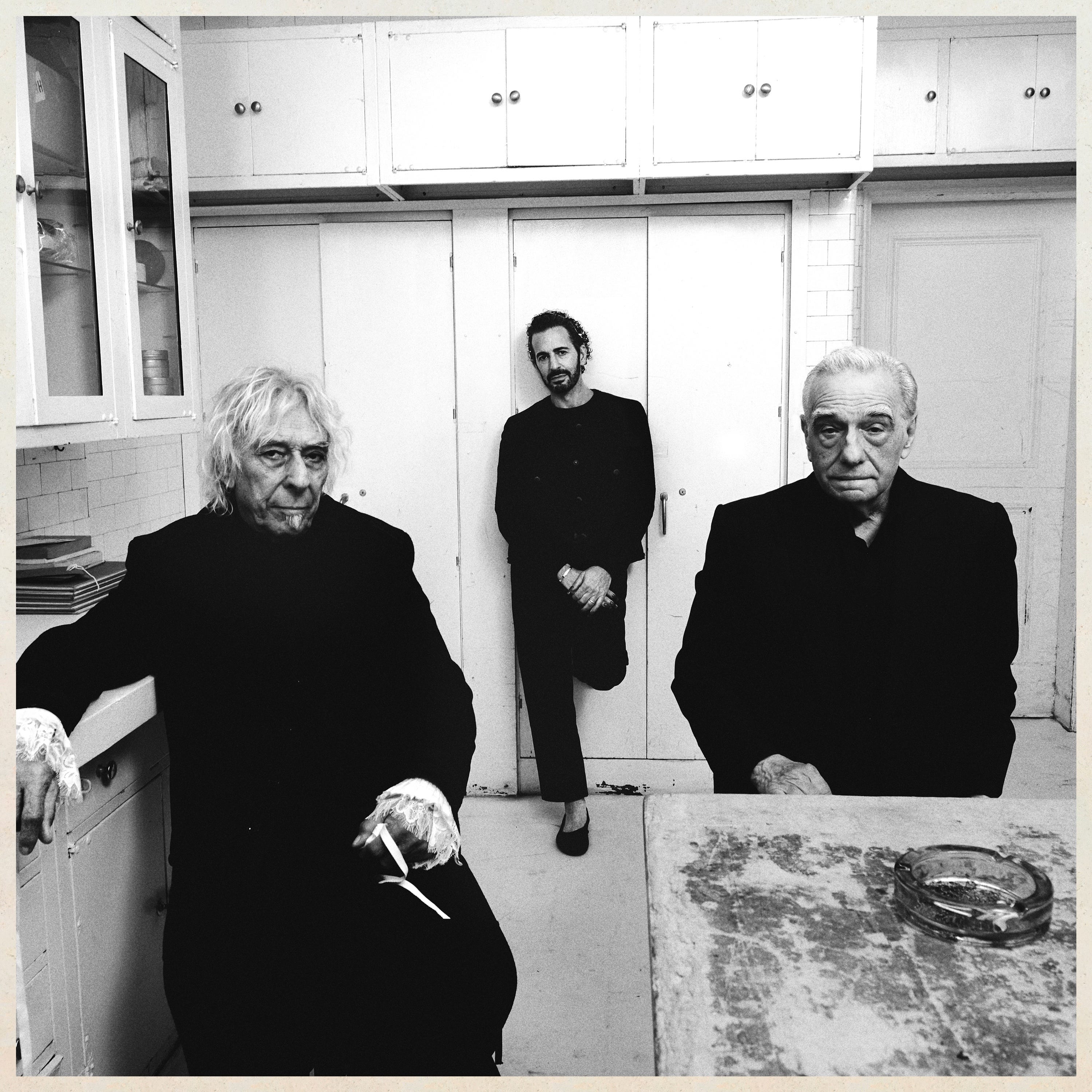
There was supposed to be a pause after the marriage to the drummer George Daniel, after the acting parts, after the year 2024 that saw Brat eating up entire seasons of pop culture. Instead, October 2025 had Charli XCX return to that same room with her long-term collaborators, A. G. Cook and Finn Keane, making swift songs out of processed guitar, digitally altered vocals, and understated electronic beats, feeling, as she puts it, inspired. There never was a year off. Instead, more songs developed about why that could not happen, composed by a young woman who has spent most of her life performing a version of herself and has forgotten how.
She makes fun of her confusion on “Rock Music,” declaring the dance floor dead, something she has expressly requested fans not to take literally, and then banging her head until she gets nerve damage, telling her friend to jump off the stage and pray that the crowd will catch them, shrugging if it does not. In “SS26,” she parades through a runway that leads straight to hell while the world falls apart amid the spring collections, managing a personal public relations campaign: “Think my politics could work as a press strategy/And my heritage could give me quite the USP.” No scandal is named, just the reactions—the denial of ever having done it, no matter what. The draft of an apology in the Notes app; the plan to come through unscathed as long as the clothes fit. Her jokes are her best yet.
All that banging her head was her attempt to feel something, and on the accessible “Camera” she acts on the urge by going to the film set. Acting makes her want to throw everything away (her music, her fans, her life), and she poses the question outright: “Do I wanna make music? Am I being fuckin’ stupid/If I try to be a girl on the screen when I’m turning thirty-four?” On the mark she is fresh and undiscovered, something kind of violent, ready to fail and be ugly, inspired and alive. She has never hunted feelings with such openness. Off the mark, she wants more of those—the danger, no shame even if she sucks, and the reason is simple: “‘Cause it’s the only way to feel like I’m not actually me.”
Some of the songs remain at demo level, with “Card Declined” the best one, shopping that goes through smiling, wearing jewelry and creating a personality: “I’ll buy some jewelry, a personality/A whole backstory, card declined.” After her card bounces, she stops fooling around and thinks about someone “every single day and night.” “2007” is a fantasy about becoming a pop star in her bedroom, a pop star made exclusively out of an apartment, while “Yeah” is a private dispute between not willing to do it and another voice certain that she does. They are pleasant, but disappear before growing any further—sketches tacked onto the finished painting.
It is the marriage that receives the most terrifying song, “I’m Afraid,” in which happiness comes in boxes, in which she becomes a wife, a kid, destroyed, a bitch, too drunk, unable to sleep or feel anything, afraid of ruining it, telling him to take the ring off her hand. As it’s sonically opaque, he confesses the ugliest detail about herself: “All this pain makes me believe/I’m a better artist now,” knowing that it is nothing but an excuse to behave selfishly. She pretends to reform on “Wink Wink,” vowing she’s not a bad girl anymore, using trampolines with no underwear on, wearing trousers instead of them, selling her Porsche, “My friend Rostam told me I dressed like a slut/So now I shop at A.P.C.” as proof. Nobody believes her. She wonders why nobody considers her capable of being an angel girl.
In “Persona,” the object is a friend in the same business, a woman who suffers every day and says she is fine, who tells stories she loves and recognizes as lies, who calls her her best friend just to keep at a distance. She knows that person rather well, and she admits the reason—that she likes hearing her own voice too, that she secretly loves the distance, that the two of them are similar enough to start provoking each other: “I know you see me when I see you.” In another sketch, she finds herself on the floor of a Parisian apartment in “No One Lasts Forever,” braver than ever now that everybody knows her name, while a French girl expounds on philosophy and people at home call her irresponsible, someone who will fill her veins with drugs. The fact that nothing lasts proves itself to be the consolation, her reason for not being afraid of anybody. The director David Cronenberg gives his own version of it with a spoken passage about lying on the sidewalk and thinking about people and life instead of art, and then: “They are dead, they are gone, no one lasts forever.”
What remains alive in this maelstrom of cynicism and darkness is the tenderness towards the man saved as A. G. in her phonebook, toasted on “Magic Metal Montana” with whiskey that he does not drink, but she drinks it for both of them. She loves his haircut, his dancing skills, his girlfriend and the things he likes: “Magic, metal and Montana.” She would cry if he died, and the friendship reduces to just one couplet: “You’re my best friend, but we don’t talk/We make music, we talk that way.” She considers herself the lucky one and pays him the most humble compliment possible—that he makes it easy for her. Easy is the last thing she demands of herself.
Great (★★★★☆)
Favorite Track(s): “Camera,” “Persona,” “No One Lasts Forever”