

Album Review: My Reckless Abandon by Bella Kay
On her debut album, the 20-year-old behind 2025’s viral “The Sick” writes about crushes, sex, food, and family with a candor most songwriters never reach.
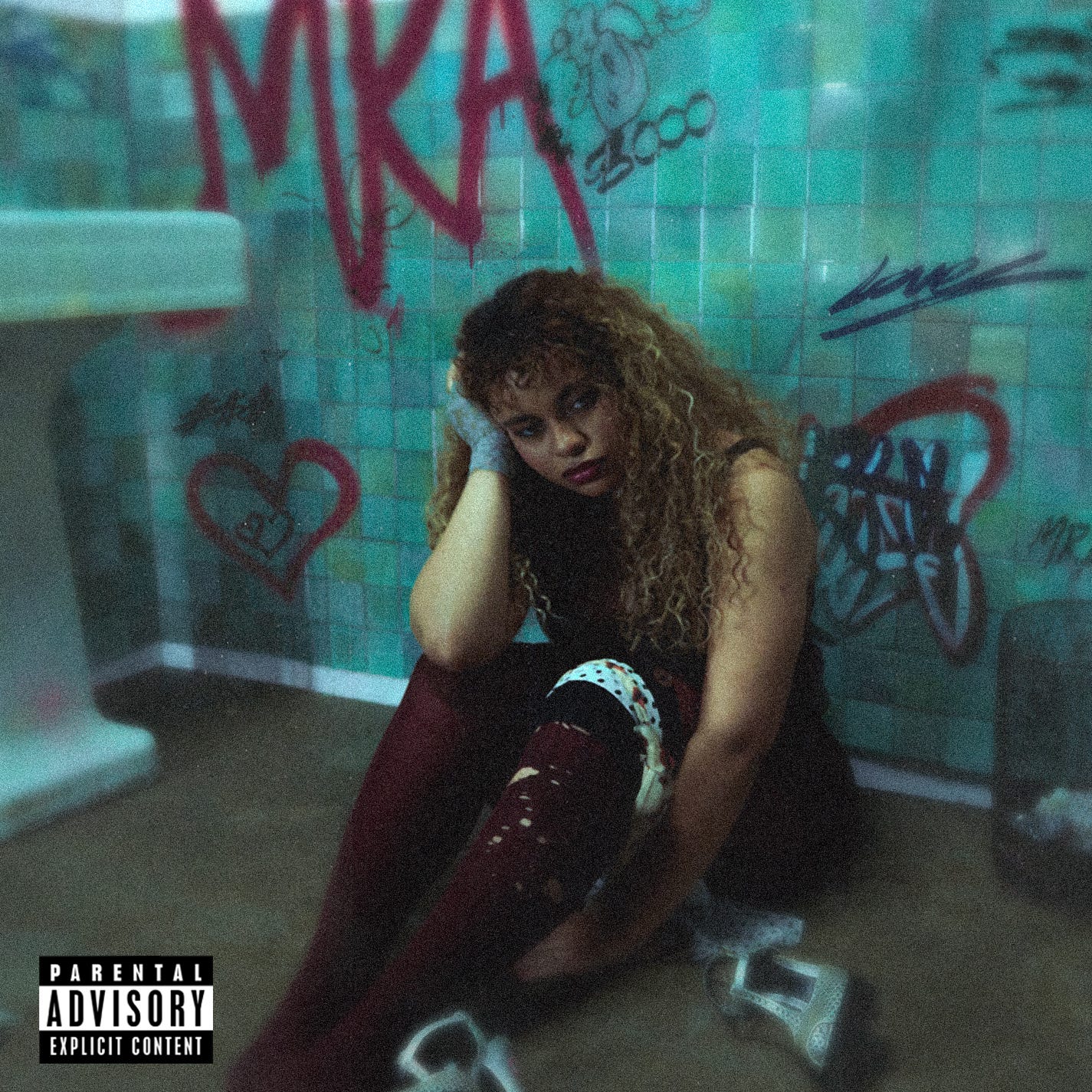
A song titled “The Sick” went viral in 2025 and made Bella Kay a household name even before she released any official content. What she does with this sudden fanbase on My Reckless Abandon, her debut album that she wrote when she was twenty and recorded in New York and Los Angeles under executive producer Idarose, is direct the spotlight at her most cringeworthy moments. Those guys that cannot admit to what they want, her mirror, the lecture her father gave her, it all comes up in the songs using the exact tone that brought strangers’ attention in the first place.
The boy in “Promise?” laughs like a little child and has an asymmetric smile, and the girl looking at him knows everything about the situation. If she confesses her feelings to him, he could say he does not like her, which leaves room for another option: “So if I tell you, then promise me I can take it back.” He is following her everywhere: in the rain, in her drink, in her cortisol, a crush calculated in stress hormones. The same nervousness is felt in “Say It Say,” where a long reply makes her read “a whole book between the lines” and the boy who is always smiling when lying to her is begged to say something, no matter how rude – anything tangible she could hold. With “marrow,” the girl wonders about his courage to fight for her, and answers this question before he even gets a chance: “I’m loyal to the bone/But maybe marrow isn’t good enough.”
None of those boys answer her, so in “iloveitiloveitiloveit,” the single that made her a superstar, she throws the question to destiny: “Heads, we go to yours, tails, we go to mine.” Coin flipping helps the narrator avoid making the choice, even though she owns everything else. “I like being used, it means I have a purpose” is the first phrase from her lips, and the chorus is pushing her further: “I love it when we fight, and I like it when you’re mean/We don’t have to get into what that says about me.” Self-analysis is coming to her faster than the listener can think of it. In “Blur” she enjoys creating complications, wants him in the kitchen and in the bathroom, observes him touching her from a balcony with the view of his bedroom, and thinks that the lines between them should be blurred. In “karaoke” she uses the same taste for a boy who calls her “baby” in bed and acts as her buddy by day, and gets her best insult ever, pitying the fool who falls for his guitar before revealing her real feelings: “Yeah, I’ve grown up a bit/These days you’re such a bitch/At least now we’re equivalent.”
Those tattoos she desires on her skin and the Spotify playlist she proudly acknowledges stalking are pretty much all she knows about the older man in “STOP,” who is not described in such detail as the guitar-playing boyfriend who earned the insult. And the entire song is based on the push-pull relationship that other sad songs nearby answered to the affirmative, leaving the threat “He’s gonna know it’s about him” unsaid. “tongue” is all about one thing, a boy who really wants it but cannot bring himself to say it. It does not find a second theme.
That is never a problem for “swu,” where she puts the desire right into the refrain, “I wanna have sex with you,” and then twists it all throughout the verses. What if they do and he changes his mind? She could undress and come closer, but she needs to know how much he cares before. Those five words are enough to explain why: she hates her body. In “Sleep for Dinner,” she gets rid of boys altogether. Sometimes she eats sleep for dinner, chews the food and spits it out, asking the Lord to forgive her gluttony while it becomes poisonous inside of her. Counting calories is her only hobby; one missed meal separates her from becoming thinner, five meals from the girl she wanted to become. In the middle of the song, she gives up on writing a coherent message altogether: “I’m screaming, I’m screaming, I need some help/I can’t get better, I don’t know how.”
This thread leads to “i deserve better.,” where she begins with the bluntest confession of her flaws: she let him mistreat her because she hates herself. She would forgive him if he returned; she loves when it ends like that; she lives for the fights, and yet insists in the chorus that this time he is wrong. According to her pre-release interview, the first version of the ending stated that her flaws made her deserving of what happened to her, and she decided to change it. The version she released ends on the sentence “It’s not my fault.”
The voice of her father appears in the form of the voicemail she receives at the beginning of “A Father’s Lament,” and in the song that follows she recounts the lecture she heard when she was not tall than four feet. Do not be too much or too little, stay right in the middle to leave this place. Do not be too loud; our loud is different from their loud. You cannot afford to be proud. “You’re Black, baby girl, oh, don’t waste it.” When she started wearing the mini skirts, he gave her some explanations: do not give them one reason to hate you; do not give them one reason to start. The final verse of the song moves the lecture to another generation, to the little Tommy who likes the race cars and Nikes, and to the prayer that the world will find its redemption before he finds his own.
Coldest of all is the deal in “mindfuck.” He is in some party being cool and joking around, possibly with her, possibly bringing some other woman home, and she accepts all scenarios, knowing that the other woman is pretty and really nice. Her only condition appears in the bridge: “I’d rather be the one that you want than the one that you fuck.” She offers it as higher ground, his fun staying untouched, her name remaining in his head forever as consolation prize, and the offer is quiet enough to be considered kind. “She might be the one that you touch, but I’m the one that you keep,” she concludes, feeling satisfied with having a room in someone else’s head as a victory.
If you or someone you know is struggling with an eating disorder, support is available. In the US, the National Alliance for Eating Disorders helpline can be reached at 1-866-662-1235.
Great (★★★★☆)
Favorite Track(s): “iloveitiloveitiloveit,” “Sleep for Dinner,” “A Father’s Lament”