

Album Review: Naive Melodies by Various Artists (BBE Music)
Talking Heads covers filtered through Afrobeat, gospel, samba, and dub—a tribute that reroutes the band’s rhythms back to the Black musical lineages they borrowed from.
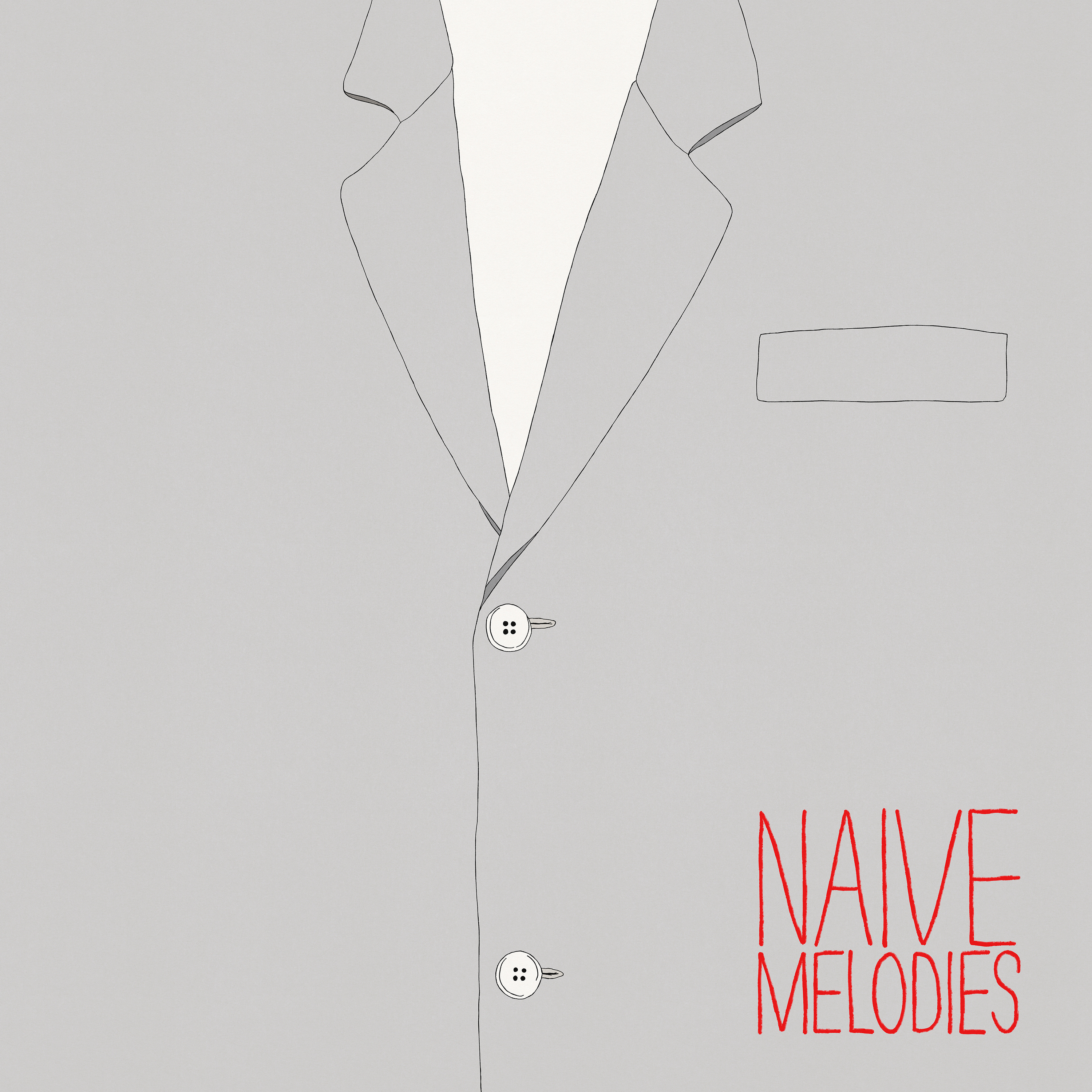
Since Peter Adarkwah launched it out of a London club night in 1996, BBE Music has built a catalog on the idea that compilation is curation, that choosing the right songs and the right players can tell a story about music that individual albums can’t. Drew McFadden, the curator behind this project, already proved that instinct with Modern Love, his 2021 Bowie tribute. He returned to that same model here with a sharper argument almost five years later. Talking Heads built their reputation on polyrhythmic experiments and global sounds, but rock history rarely credits the African, Latin, and gospel traditions they lifted from. Naive Melodies reverses that debt by handing eighteen Talking Heads songs to contemporary artists working in those same traditions. The question is whether the album justifies its foundation, or whether it leans on the concept more than it earns through the music.
The album makes its case immediately. Miguel Atwood-Ferguson opens with “Heaven,” stripping the original down to strings, harp, and a slow-moving patience that pulls the song away from new wave and toward chamber music. It sets a ton, and these covers are reinventions that locate something else in the material, something the originals gestured at but never pursued. When W.I.T.C.H., the Zambian psych-rock band, tears into “Once in a Lifetime,” they turn Byrne’s anxious art-rock spiral into a communal chant. The groove locks in harder, the call-and-response vocal structure pushes it toward Afrobeat, and Emmanuel Jagari Chanda’s voice carries a weight that makes the song feel less like a midlife crisis and more like a reckoning with time itself.
The synths on Georgia Anne Muldrow’s “Girlfriend Is Better” buzz with a Los Angeles funk that the original only hinted at. Byrne sang coy. Muldrow delivers direct. You hear how much Talking Heads held back, how their funk was always filtered through an art-school remove that kept them from committing fully to the groove. Muldrow removes that filter and the song opens up. Pachyman does something different with “Sugar on My Tongue,” wraps it in echo and reverb until it becomes more carnal than the original ever allowed. The dub treatment changes what the song says about desire, not just how it sounds.
Where “Road to Nowhere” stuttered with manic energy in its original form, Rogê slows it down and lets it breathe. Bossa guitars, Brazilian percussion, saudade instead of panic. This version moves like water. Critics spent decades writing about Talking Heads like they’d invented polyrhythm, but the band absorbed Latin rhythms across their entire catalog—“I Zimbra,” Remain in Light, the whole arc. Rogê’s version reminds you where those rhythms came from and what they meant before new wave repackaged them.
Reclamation, not tribute—that’s what Florence Adooni does with “Crosseyed and Painless.” She pushes it into Ghanaian fra-fra gospel and highlife territory, and the horns, organ, and percussion don’t reference the original so much as show its source. This is the album’s most aggressive statement because Adooni commits fully without hedging between Talking Heads and her own instincts. The transformation is complete.
Kenny Dope’s production on “Born Under (More) Punches” with Róisín Murphy is meticulous in ways that make the original sound hesitant. The drums hit harder. The bass goes deeper. Murphy rides the groove with a confidence that Byrne never allowed himself, and you’re reminded that Talking Heads were always better when they stopped intellectualizing and just locked into the pocket. Dope knows how to build that pocket and Murphy knows how to inhabit it without second-guessing.
Some interpretations update without transforming. Bilal’s “Seen and Not Seen” is atmospheric but doesn’t add much to the original’s meditation on identity. Vicky Farewell’s “And She Was” cleans up the production and updates the synths without shifting the emotional core. Rosie Lowe strips the manic energy from “Burning Down the House” and replaces it with restraint, which is interesting on paper but less justified in practice. These aren’t failures—they’re respectful reinterpretations that don’t quite find urgency in the material.
The sequencing shifts from Atwood-Ferguson’s meditative “Heaven” to Leon Jean-Marie’s cinematic “This Must Be the Place (Naive Melody),” creating an arc from introspection to resolution. Jean-Marie’s version is gorgeous—sweeping strings, intimate piano, a vocal that lingers on every word. The original was tender but grounded. This floats, which is lovely but loses some weight.
What works about this compilation is that it proves Talking Heads’ songs reveal themselves more fully when filtered through the traditions they borrowed from. Dominique Johnson brings Pentecostal warmth to “Take Me to the River,” a song Talking Heads already covered from Al Green, instantly reminding you that Green’s original was a Black church song first. Aja Monet adds her own lyrics to “The Book I Read” and reimagines it as a jazzy spoken-word piece, showing how much room exists in this catalog for reinterpretation. When the artists here transform the material instead of just updating it, the album makes its case. That happens often enough to justify the entire project, even when some tracks feel like concept fits rather than urgent reinterpretations.
Great (★★★★☆)
Favorite Track(s): “Once in a Lifetime,” “Crosseyed and Painless,” “Born Under (More) Punches”