

Album Review: Nature Boy by Goosebytheway
Rapping about money as an obligation to other people, Goosebytheway reports the years he couldn’t provide, and his second Drumwork project is excellent for it.
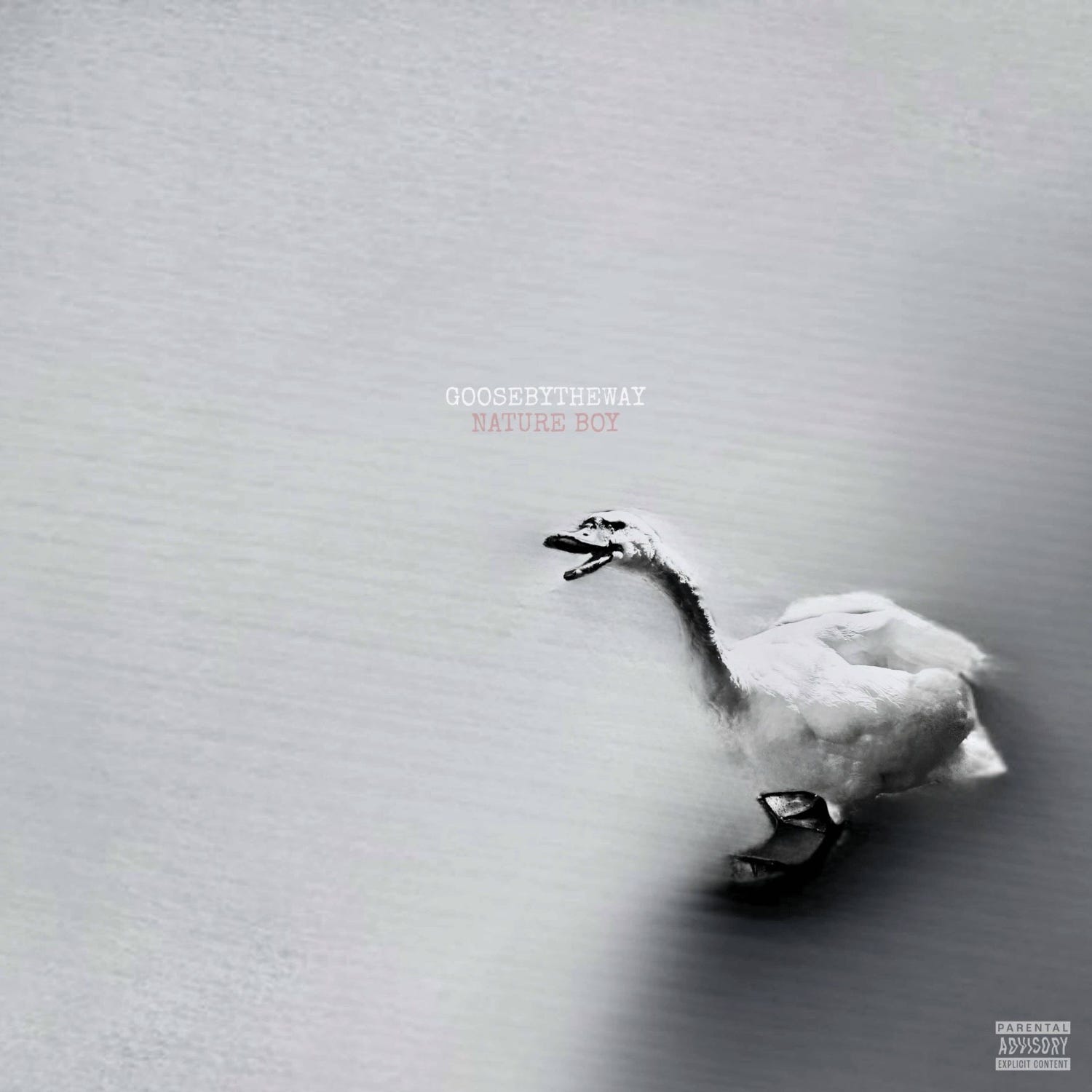
For a couple of years now, one voice has turned up on other people’s records, a verse or two on some song or hook, with no album to point to as his own. Goosebytheway, Goose for short, keeps to the one subject of his second Drumwork release, Nature Boy: money. He raps about not having enough when his kids needed feeding, and the money he now has and what is owed to him, in kind. For example, in “203,” he raps about making right all the times he couldn’t provide for his kids, with lines like, “No more seein’ my baby starve, this a different fight.” He goes on to talk about the general housekeeping of life. By earning his stripes, not to touch the weed if you can’t roll it, and the time that is too precious to be spent waiting around for life to happen. In the next verse, he raps, “I kept an empty shelf, we buy the case now,” on his way to rapping about the Fortune 500 companies.
In the hook of “Rivi,” Goose raps, “Is you hearing me?/You heard of me yet?” The rest of the song is about money more than anything else. He raps about his pops whipping dope in the kitchen and the lesson that his father instilled in him to only soak into the game if he is the one making the soap. He also has a line where a brother of his tells him to secure his spot. Goose then throws a stack of money through the roof of a car as a show of his wealth.
When he gets to the third verse of “Pesto Margarita,” he drops all the boasting. He was never a child who wanted to be a gangster, he admits. He’s bleeding inside, he admits. Nothing hurt him more than seeing his girl cry, he admits. Others are playing with his life, and he still has to take care of his girl. The middle of the verse goes soft, mentioning those in construction and the dreams he wrote on chicken scratch. But then he elaborates on who he is and how much he’s learned over the course of his life, including how to be the man he is today. His first verse is better.
The best guest verse on this album is by Jae Skeese, who uses his verse on “Selfish” to discuss how much he spends on money. He talks about the crumbs and the pennies that he wants, and then how he moves through the game like Bo knows, and how he spends his time at the teller, cashing in rhymes that sound like Steph Curry’s free throws. Goose’s verse on “Selfish” goes in a different direction, referencing the roaches that would come out of his cereal box and how his favorite videos would come on his television. He talks about how he fought with himself to keep his patience, and how he needs to keep his money in order. Both Jae Skeese and Goose want the same thing in their chorus: for people to pay them on time.
SK Da King takes the last verse of “Heisenberg.” He discusses the men that he rolls with, the rob and shoot mentality of the blocks, the cops, and the deaths that result from these shootings. Goose’s verse on “Pedigree” speaks of a death at lower volume, talking about a friend who died of an overdose and the drugs that resulted in that death. In “I Ain’t Did Enough,” he speaks about how an idle mind led him to playing in the dirt and to being at the bottom of the map. His head is in the books now, and it is only worth anything if he can use the information that he has acquired. He mentions his second year in the music game and how great he feels.
The hook of “Walk Ups” is the strangest one on this album. It claims that they do not talk and do not do drive-bys but walk up. Goose spends his verse discussing how he got to this position and his childhood of growing up hating his life and how his addiction to music is one thing that no prescription can solve. Fuego Base takes the last verse and speaks of how his Easters were spent at the chow, how he lost his advance and owes someone for coke, and how he sold grandmothers’ samples in walk-ups. This last verse is what makes “Walk Ups” the best song on the album to play first.