

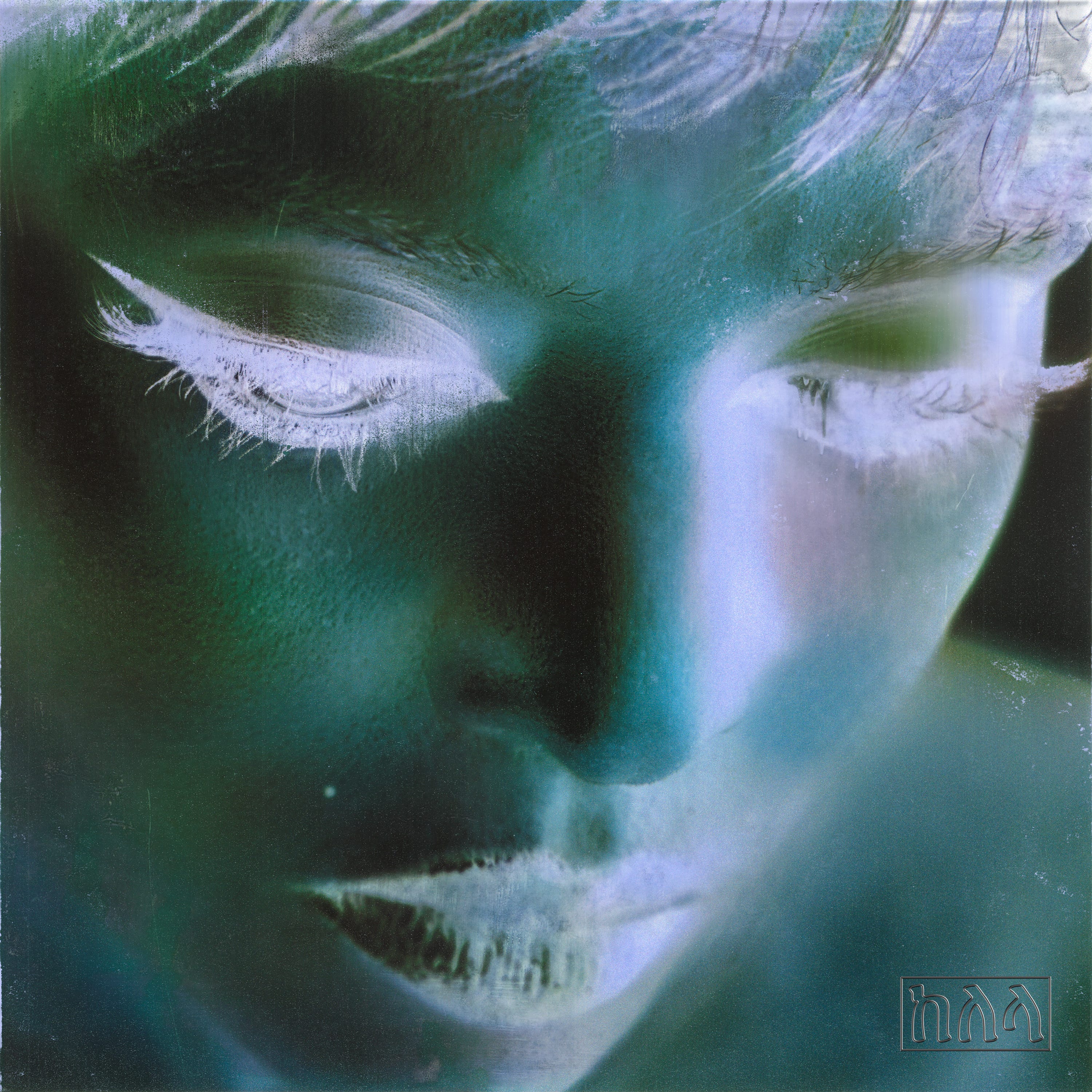
Octavia Butler’s Parable of the Sower finds a teenager watching California burn and making sense of it by scripting a new scripture line by line. Kelela had read the novel during the writing of some of the earliest songs, and the mission that she sets out for a new avatar could easily be from the pages of the heroine’s notebook, “solace in confronting,” the music that finds meaning in a mad world rather than trying to shut it out. For the DC-born artist, confrontation begins small. Someone she loves is no longer speaking to her, and she keeps pressing the silence until even the pressing becomes company.
Inside the dark house in which “Idea 1” takes place, the acres around are scorching. She knows he is hiding, and she keeps calling out for a pulse on the doorstep, asking “Are you alive?” to the person too jaded to answer. It has disappeared completely in “Goin Down,” with sympathy gone, the apology too clichéd, the eyes remaining dry while she cries all day, and she concludes the story on the hook: “Too bad you’re locked out of love.” Even the goodbyes in “If We Meet Again” keep the directness. She writes a grievance where a eulogy might go, “You don’t try hard enough/Even when it’s easy and obvious,” and when the word friends bubbles up during the verse, she pulls it back as she decides he does not deserve the compliment.
In the verses of “Point Blank,” she hangs up on him, glass breaking behind her, guns pointed at her, and admits she is “Too spent to weep” before reducing the whole siege to the act of appetite on the bridge: “Can you slut me out?” The want and the indictment dwell in the same woman, and she gives testimony to both. Two currents run through “Crystalize,” in which “I try to hate you, but the feelin’ just grows,” where the resentment becomes physical, begging to be pinned down and the knife turned on him while she crowns herself the one who loved him the most. In “Don’t Piss Me Off,” she stops pretending there is any more conflict at all, an electricity storm out on the road, the clothes coming off like there is a deadline, dancing on his body until morning.
A. K. Paul collaborates with Kelela on production and singing “Outta Time,” and this is the only time the other side of the argument has a microphone as well; on the bridge he pours her weariness with pleading, “Baby, don’t you do this, you’re killin’ me,” then turns to accusation, declaring he can see through her lies, two people splitting the blame for lost time. Fousheé gets the one exhale, “New Life Forms,” the salt air and the heels in the sand, and makes her verse humorous, a couple of shrooms maybe kicking in, the speakers being driven toward deafness, guitar coming out for a girl who claims to like rockstars. One day away from the constant fighting. PinkPantheress joins Kelela on “The Bridge” as the confident half of the crush rendered as vertigo, telling the lover to “Fix yourself and make your way to me, nightly” and promising to solve the whole problem herself, while Kelela goes dizzy off just the touch, butterflies coming a little later, and claiming him.
Everything takes place in bed on “Retaliation Lullaby,” standing upright before sunrise, a sleeping partner by her side, rain beginning outside, information to overwhelm coming in. The grievances become domestic and peculiar in that space: “You consume, I’m the curator,” a complaint about his stamina in bed sharing verses with a declaration of breaking up, and she leaves on the one question she cannot answer: “When to walk and when to fight?” To that end, she retains a brief mantra, “Seed to a star/New avatar,” singing on “Linknb” about clearing a path and returning underpaid, about the easy bravery and the easier giving-away, and wonders where to go when she is alone.
The hearts remain empty and full on “Against Me,” the only fight she calls a losing battle from the first verse, the relationship that the two people have built falling down while watched, and all the pressing turns to the pleading: “All that I can’t say/Don’t hold it against me.” After so many battles in which she speaks on everything she needs to say, she seeks forgiveness for the one thing she cannot.
Great (★★★★☆)