

Album Review: Oriadé by Davido
Chasing a woman at 4:30 a.m. and calling his car dealer an hour later, the Nigerian singer builds his sixth album out of appetite and gets real comedy from it.
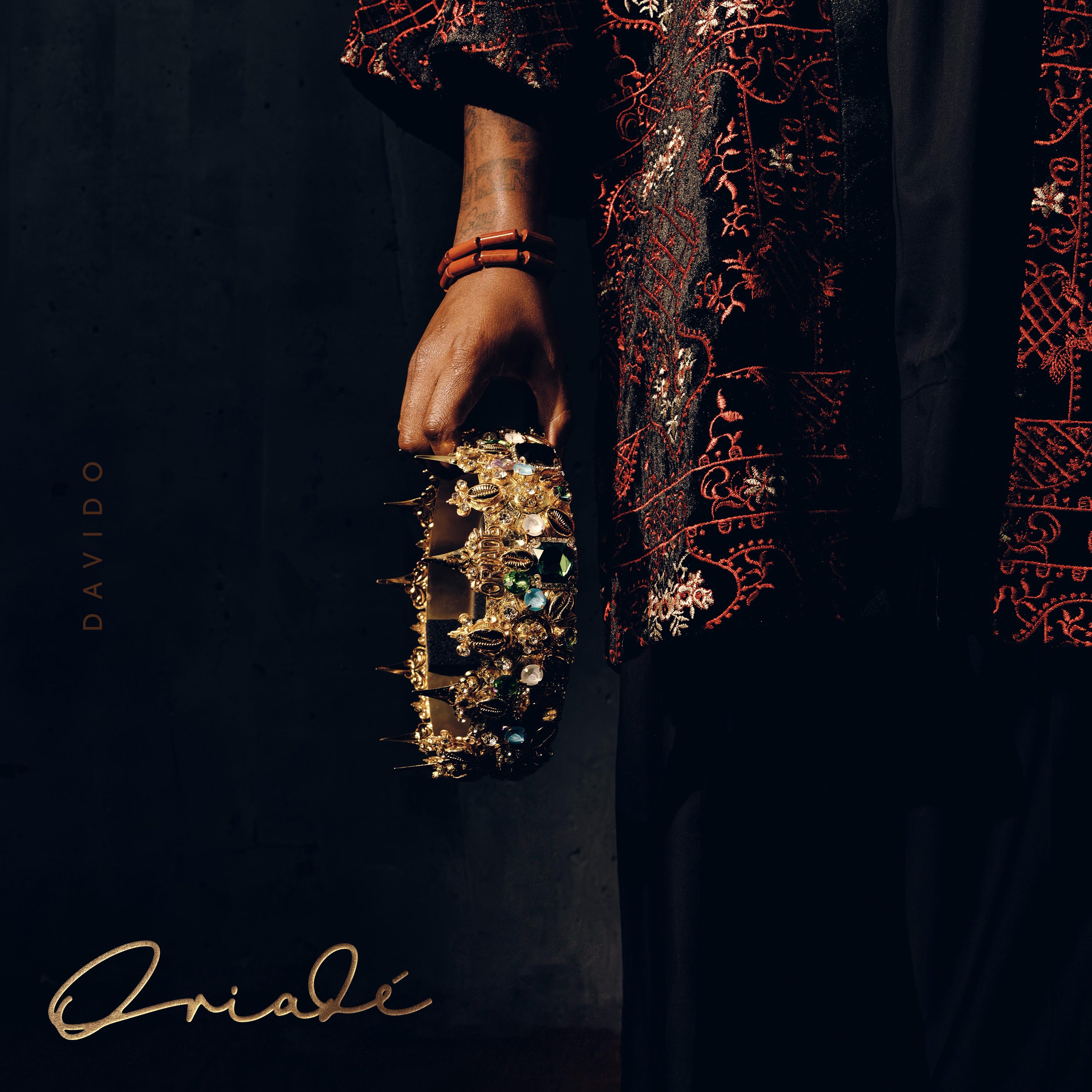
The number that got away from Davido in 2017 was thirty billion naira, sung to a woman on “If” as proof of what she stood to gain from being in a relationship with him. A year later, it had ceased to be a lyric in his songs and become the name of his crew and of his fans and of his clothing line instead. Five albums on from his debut, on Oriadé, he thanks Oluwa and his car dealer for being the basis of another verse in one of his songs.
If Davido wants something and someone is stopping him from getting it, then he can be very funny. He asks in the intro to “Julie” whether the girl has a vacancy and, if so, is there any person in charge of her parole. He states that he is wide awake at 4:30 in the morning but can get no response from her. In “B4 B4,” he opens the track with Mayorkun wondering what his benefits are from being with that girl. He then asks her to let him love her heavy and states that she is the fine one out of many. Davido adds to Mayorkun’s thoughts in a more crude way, asking her to park well and admitting that her BBL is enough for him. He then asks whether she would rather call her father or not, all to a chorus built upon a Yoruba proverb about a tiger and a gunshot.
Davido’s mother told him not to become a part of the Illuminati before signing to any record labels. In the post-chorus to NO11’s “Gimme Dat Ting,” he mentions his mother’s one condition for him getting a deal with a record company. Labels wish to sign him and have asked him to book a gig for the band. He says that both of them may wait. His verse on the song is primarily about price. He inquires about whether his girlfriend has a father with a lot of money. He asks her to think about where her home training has gone. Davido says that while his girlfriend has a lot of zeros behind her name, he has racks of money. On the Pheelz-produced “Constantly,” he admits that he has never seen a bigger miracle than himself and that the money he has has allowed him to sing in a high voice, have twenty ladies fall for him, and have all the people he came with still stand with him.
Aya Nakamura answers his questions on the bright, upbeat “Yaya.” During the chorus of the song, he is seen kneeling and asking Nakamura how many cups it will take for him to prove himself to her. She answers that she does not love him and that he is not enough. In her own verse, she tells him that he is too pleased with himself and that while she has had to travel to get where she is today, he has done nothing to prove his own worth. She concludes her verse with the statement: “Tu veux ma main, j’suis dépassée, t’as pas encore fait tes preuves.” In “Amazing Grace,” the answer Nakamura gave is yes, and Davido sings in a carefree manner, stating that he found the perfect woman at the right time. To “So them say,” Davido adds the lyric “Love sweeter when money dey” before any of his bandmates can make any comments about it.
With “I Know Who I Be,” Davido has nowhere to go. He tells the people in the chorus of the song that they have gone insane for thinking their story is his story. Davido even adds a joke about his band, the 30BG, meaning thirty bottles of drinks rather than thirty billion boys. Similarly, on his song “On the Road,” he claims to live lavishly but admits that people cannot comprehend it. He adds that while he can live a lifestyle like that with his team and all that he has acquired, he will not get any breaks in the hours that he works and that what Oluwa has created will not be pulled down. For “Tell Everybody,” he wishes to be held, loved, and hugged by someone, not left alone. Leon Thomas ends the song by placing a person in the song, having them be private in their habits, done with being quiet, and passing a lighter back and forth between them and the members of their band, stating that they will close. He starts “Zanzibar” on cold-warm, sad-soothed, and lost-led, but later on the song, he decides to let the girl with whom he is singing go and chop money.
In his song “Guide,” the group with whom he is negotiating prices is Oluwa. He creates a few conditions for his song but answers them all in the song: “If na based on blessings, I dey count my blessings/But if na based on cruise, I dey on vibes.” He learns his lessons from this experience to continue to guide him through life. After this, he continues to thank his car dealer in his chorus with big waist and caterpillar. In his second verse, he sings that the way he operates would be a felony for anybody else, but that Oluwa knows him regardless of it. In his song “My Light,” he focuses on his growth rather than his violence, as he is unwilling to take any pressure that does not add to his financial gain. His song concludes with a praise to the universe from Llona that costs El-Shaddai what his days cost him.
In the intro to “Already Falling,” Davido uses a variety of pet names for the woman with whom he is singing, adding Olómì at the end. His only question in the song with any weight is: “Ṣebí, if I give you my love, you will take it from me?” Two lines later, he offers to pay her for it, but receives no response from Nakamura. Despite being built upon baby talk, this is still a very real question for the musician to ask of the woman with whom he is singing.
Solid (★★★½☆)
Favorite Track(s): “Julie,” “Gimme Dat Ting,” “Guide”