

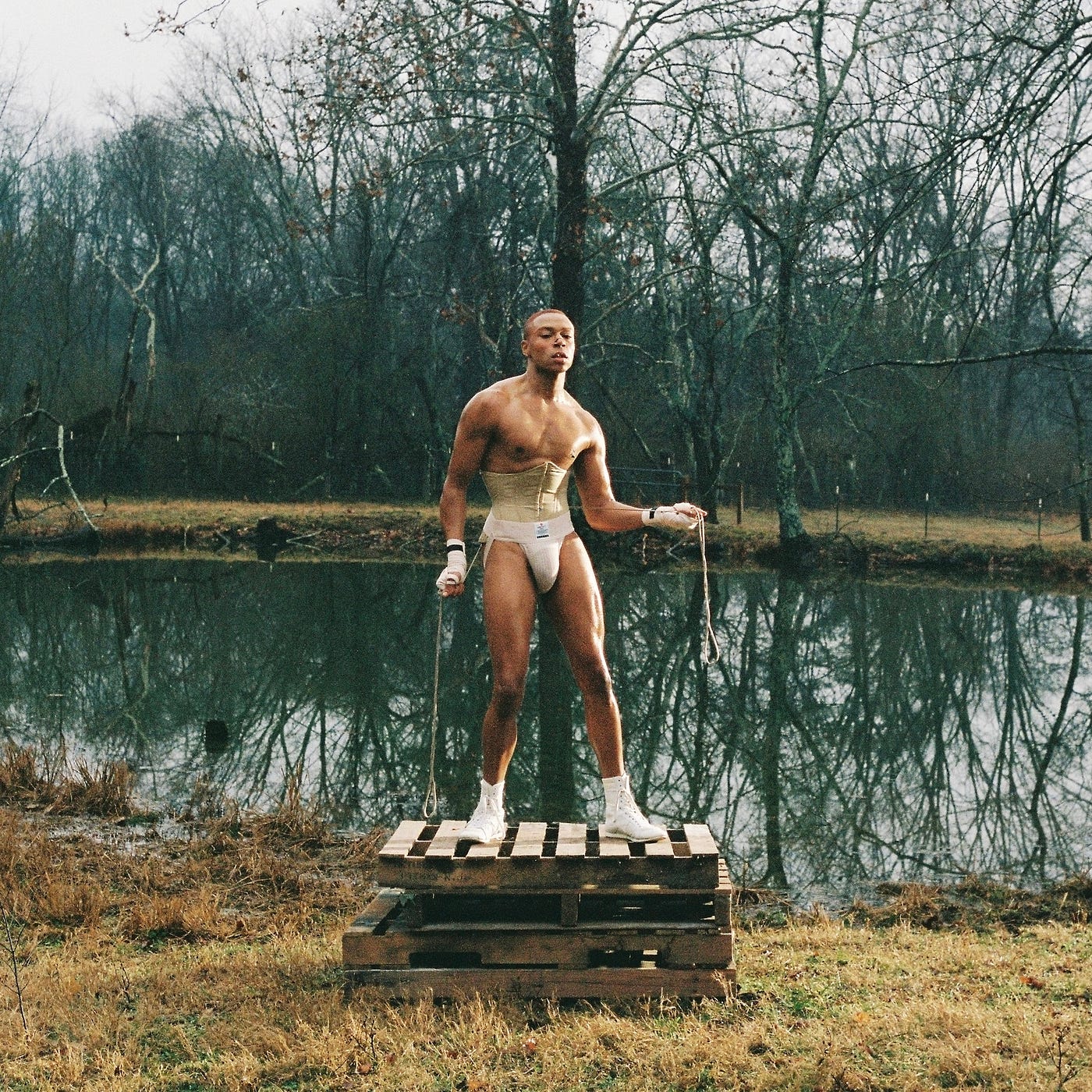
In June 1963‚ during the Birmingham campaign that linked calls for anti-discrimination legislation with economic justice‚ white ministers heard complaints from their congregations about black college-educated women‚ with one year or more of college‚ cleaning houses for white families․ Thirty years later‚ in February 1996‚ a boy was born just south of Birmingham‚ Alabama․ Houston Kendrick grew up in Hoover‚ Alabama‚ a suburb of Birmingham․ He later moved to Nashville and studied at the Belmont University commercial music program in the mid 2010s․ According to Houston‚ he asked himself‚ looking at all the other students in the program‚ why he couldn’t do Frank Ocean and Beyoncé and Rihanna and Lady Gaga and Madonna and Prince at the same time․ Nashville was supposed to have a system for someone like him‚ and then it didn’t․
After his label arrangement decayed before finishing his second album‚ he completed Portrait of a Boy on Fire by handing a hard drive full of everybody’s files to his old Belmont classmate Bobby Knepper‚ and the two of them spent long stretches organizing it all․ Kendrick remembered Knepper’s attention to detail matched his own neuroticism․
Kendrick told WPLN that what “American Trash” is about‚ in more common words than its lyrics‚ is “This bravado‚ this exceptionalism‚ all the things that we are taught to feel proud about our American identity‚ all of it is drag․ All of it is a costume․” And from my perspective‚ Black gay boy from Birmingham‚ Alabama‚ there are real things that I’m proud of․” That’s his line about drag․ And the trash-crowned‚ cocky American king on “American Trash” is the same guy pretending to be cocky on “Shine On U,” trying to make sure the Adderall doesn’t wear off with the 40 he’s chugging․ And the same guy who’s handing someone the power to dress him however they want on “Paper Doll.” In his brain‚ Kendrick put it to the interviewer‚ he’s just a pop star who makes big songs‚ and he can have an operatic inflection and also go somewhere else․
Paris Is Burning‚ the 1990 documentary about the queer‚ Black and brown underground drag ballroom scene of New York City‚ had reached Kendrick as a teenager growing up in Hoover‚ and what it means is clear in the WPLN interview․ So when the ballroom houses in Jennie Livingston’s film made performance into survival‚ and a kid in the Birmingham suburbs was watching it on a screen‚ they understood something about the distance between who you are at home and who you are when you walk out the door․ Kendrick told WNXP’s Jewly Hight that he tried on many different costumes growing up and nothing ever really fit‚ that in the suburbs you’re relegated to a role based on your identity whether you like it or not‚ that he was one of very few Black kids‚ one of very few queer kids‚ and one of very few Black kids who were not excelling in athletics․ It was high school choir and community theater that taught him what it meant to be an individual‚ what it felt like to inhabit a role when you could admit that that was what you were doing․ His first single was also a boyish R&B song‚ which was filmed in 2016 at his real high school with his real high school friends․ The female he pretended to flirt with in the video was one of his friends․ He described it as straight man drag․
At twenty‚ Kendrick works straight man drag․ At thirty‚ he plays American drag and has ten years worth of costumes behind him․ On “American Trash,” he is drinking what the scuppernong bleeds to feel more alive; a scuppernong is a muscadine grape native to the Carolinas and Gulf․ “Working in the Alabama red mud/Or fishing in the Mississippi delta/I’m struggling to replicate the standard/Hold me close‚ tell me that you believe/What you hear in your tone․” A new American king on a paper throne․ His hook: “Look at me all in my American drag/Look at them kissing my American ass/Look at how I blow this American cash․” Then: “I’m from Alabama I’m American black/Made a little crown from American trash․” He says‚ looking straight at the flag‚ we see flaws in the design of you․ By the second verse‚ the blisters on his feet are something he thinks he likes․
Belmont pressured Kendrick to fit into the box Black R&B singers were supposed to fit‚ even while they recruited him there to become a professional musician․ The experimental music he’d always loved‚ Ocean’s channel ORANGE above all else‚ showed him a way to be Black and queer and weird and successful‚ all at once․ He owned an Ocean poster on his wall in the WNXP interview to prove it‚ and rapped on his 2018 mixtape Pink‚ which samples Paris Is Burning․ The track “Blackthingz” was based on feeling angry and uncomfortable within a country that had no place for him․ On “Shine On U,” the dirt road is an interstate‚ Mickey D’s is like Chick-fil-A‚ and a light breeze is like a hurricane․ Two verses in‚ this: “Yeah I pretend to be conceited/So eventually I might believe it/Adderall everyday and evening/Chase with alcohol numb the demons․” He wears a long dress in your boardroom talking business‚ and you’ll see him break a sweat only if you were in the room before the Adderall kicked in․
“White Lies + Different” consists of two acts to the one song: for the drunk him is the best him‚ and lately he’s been obsessing over trying to be sexy․ You fell in love with my drunk costume․ He spilled out his few regrets into the wine he’s pouring․ Ran into an ex with a guy he courted․ Named it a literal reflection of his own unimportance: “Woke up smelling like swishers/Don’t remember taking these pictures/Don’t remember burning these bridges/Today I gotta do different․” Tied down in his bedroom by his own self‚ the only person he’s rude to: his own reflection․ The day he shall mourn the death of his youth․ This is the beginning of his coup․ Sixty years ago‚ the parishioners of Birmingham put on‚ and took off‚ the roles their employers required of them․ Kendrick’s drunk suit is removed from his alone in a room‚ and even the alcoholic who’s shedding it is cutting back on the booze and on people whose names he won’t reveal․
As a collaborator‚ Knepper described Kendrick as building a huge universe over a relatively static instrumental with just his vocals․ In one of his announcements for Portrait of a Boy on Fire‚ Kendrick described himself as Houston Kendrick and he’s here to save the world․ He was thirty years old‚ had grown up in the Birmingham suburbs and those parishioners had gone home from jobs that educated Black women were allowed to hold only if they were cleaning someone’s house․ Kendrick moved out from Hoover‚ went to Belmont University‚ lost the deal‚ and handed Bobby Knepper a hard drive․ To Hight in 2021 he said he wanted to give every aspect of himself a name and a voice‚ that all of them were real parts of himself he experienced every single day․ He said the word he gave it‚ going back to the teenager watching ballroom queens walk in Jennie Livingston’s documentary‚ was drag․
Solid (★★★½☆)
Favorite Track(s): “American Trash,” “Hard Drive,” “Bro”