

Album Review: Price of Pain by Dave East & Harry Fraud
After delivering HOFFA five years ago today, Dave East reunites with Harry Fraud once more, continuing the tradition of handing whole albums to one producer at a time.
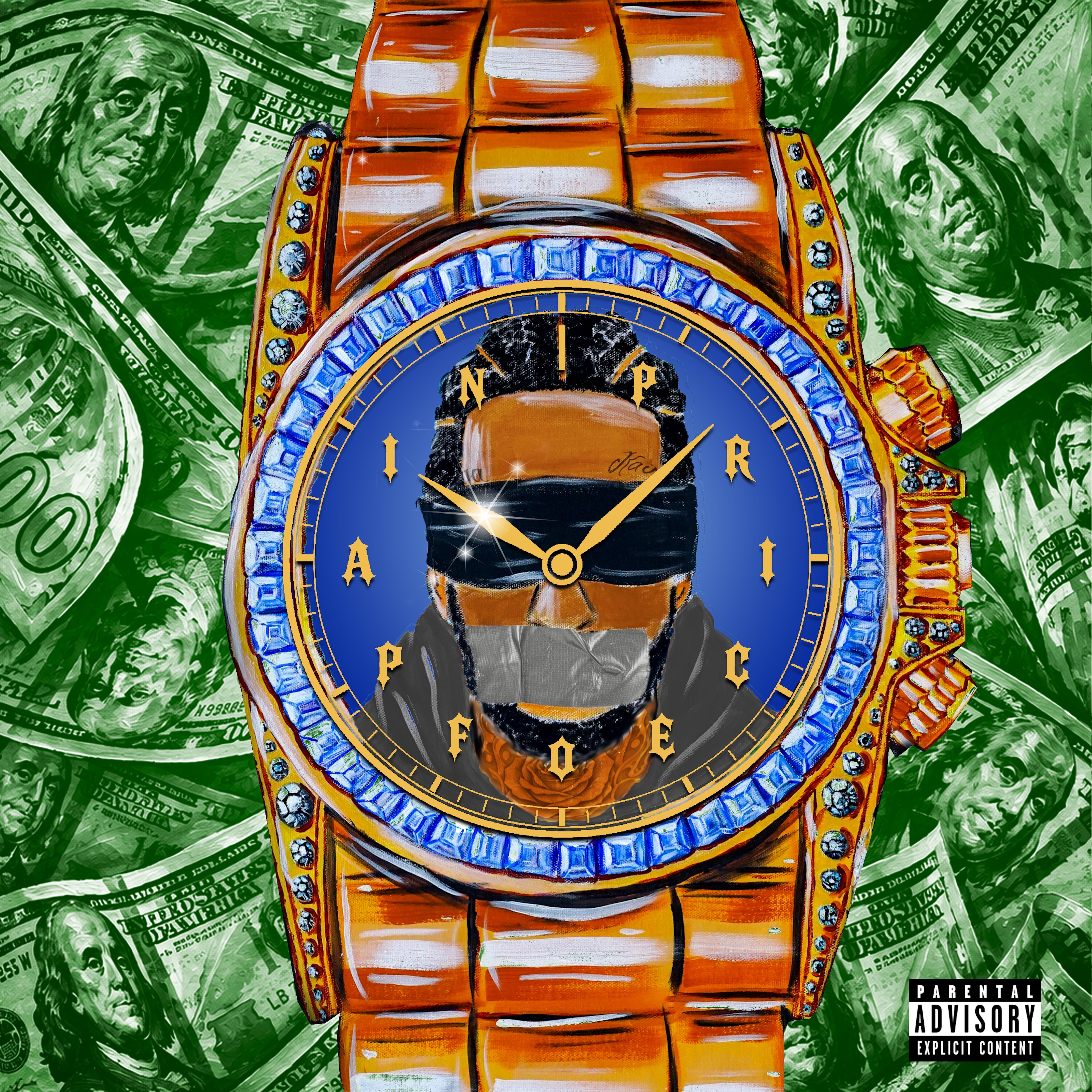
Having a single beatmaker on an entire album is an old New York tradition, and it is the burden of the writing. That is how Dave East worked all throughout the decade, making full-length albums with araabMUZIK, with Mike & Keys, with Scram Jones, with Cruch Calhoun, who makes an appearance here as a guest performer. The beatmaking duties were assigned to Harry Fraud twice already. After delivering 2021’s HOFFA, they doubled back like a deluxe for Price of Pain. This arrangement is driven by the material, by the rapper having written enough to avoid any overlapping, and East certainly did.
Most of it comes in the form of shorthand, entire stories conveyed in bits and pieces. His mom is working in “Papaya Juice,” and his dad is hustling, and he is at home alone with Macaulay. The verse mentions his cousin who took a plea because he was scared of a trial and the final bag which has just been sold. Whoever is on the line is advised to try again in an hour. “Minding My Business” works the same way, featuring his aunt reading Leviticus at a Bennigan’s table, the sniffer swearing the powder tasted sweet enough to be cinnamon and a former customer who used to wake up and pray about: “I used to wake up and hope that my custy ain’t overdose/They said he just caught the Holy Ghost.” The block renamed the death.
This compression opens up on “Alley Oop,” where the homecoming of his friend is described with step-by-step precision, from the end of a deal to reaching the front door of his apartment. Backed by Harry Fraud hard drums, the lawyer is tap-dancing with the case, and the district attorney is looking for any chance to keep him in prison. Sixty days left and wake up call. Burpees and dips at the bar to lift his weight, Cartier watches as the durag comes off and his name gets out. And then he is home, and the reportage becomes domestic, a grown man who cannot use an iPhone, who opens an Instagram page and reveals his age, who posts selfies and gets some likes for them. The verses on “Rasta Pasta” observe from the other side of that wall, where the prayers get altered. “Hoping I could sell, nah, I’m hoping I get bail.” Grown men cry in the cells on the next line, and on the following line his mother still hopes he wins. Don Jiggy brings his dancehall flavor around all of it, hoping he will be forgiven, knowing he is ashamed of his behavior.
Two of the guests perform under that kind of pressure as well. Benny the Butcher spends his half of “Everything Is Up” before the money came from rap, with the guns stashed in the crib, so many chickens on the scale somebody thought of calling PETA, checking cleared even before he signed anything. He wonders where everyone was when the indictment papers came. AZ approaches “Hot Peas & Butter” from a completely different angle, riding a rhyme sound for ten lines before he switches it, and gets from crack selling to a bad felon within one line, with black presidents discharging their MAC-11s. East opens that song at the park where he used to see syringes and now sees Benzes.
Snoop Dogg pops up on “Follow My Lead” with a couple of lines he could write in the car on the way over, zeros to heroes, caterpillar metaphor, a gangster’s brag to conclude. East’s verse, which precedes it, is written down to the diaper, with him praying before he opens the package, Enfamil bought so that his child will be alright, Pampers changed while the people on the block assume he is somewhere lit. “No One Like You” is soft all the way through, and the writing follows the pattern. SUZI asks about never having had a love like this, and East answers with ramen noodles upgraded to filet mignon, socks on her freshly done toes, a Jeep he hopes she will climb into. Cruch Calhoun tries to reach the level on “Hussle In My Nature” before aiming for a line which is designed to make someone quail.
An OG in “Thirsty” offers him better advice than that, advising him to measure every gram and never rush with it, and East incorporates it into the spoken bridge about not getting overly excited about winning or disappointed in losing. It will all come back eventually if he keeps down. Then four words take most of it back: “At least it should.” The same qualifier sits under “Fill a Casket,” a full verse of hypotheticals about not rapping, his mother never meeting his father, not getting shot for being in places where rappers hang out, and his book outselling Harry Potter. The verse features his mother crying in his lap. He tells her that he feels a million before he feels a casket.
Written straight through, “Life Cycle” opens with an auntie who covers her arms after years of injecting and with a cousin who heard product was cheaper in Dallas and lost his life in Texas. A hearse makes the turn. Scriptures are being read with his grandmother before she dies. Cell nights, J Pays sent, an uncle moving yellow tops in the early nineties when Harlem was on fire but everybody got fly. And then the lights, “Riding filthy my whole life, flash, the cop put on them lights,” and East slows the car and thinks it through aloud, knowing that any search will mean a sentence tonight. A subsequent line reports about a man who never even ran, shot, the shooter gone. In between comes the oddest line in the song, a daydream where Mona Lisa gets out of the painting, his whole life gets packed in a Goyard, and he tells her not to say a word. Da Vinci could not imagine them in the traffic listening to Mozart.
On “Stay With Me,” the entire concept is presented as a marriage: streets he married and then filed to divorce, no court involved. “Clyde Frazier” pushes it further, having a verse running the bulk of the song as he tallies what the rapping really got him. The family is graded. He might still be sleeping in the Cherokee. Anger management classes are what they required, and Nas is listed as the therapist. He calls Harry for that. The verse has his daughters watching Trolls, and then, in the depth of the song, sitting between a Sour Diesel bar and his soul being older than most, comes this: “Like, fuck rap, I’d rather be with Lola playin’ bingo.” This continues for quite some more verses beyond the suede slacks and the Ballys and the mamis from Cali, and the bingo table is the most believable part in it.
Great (★★★★☆)
Favorite Track(s): “Papaya Juice,” “Hot Peas & Butter,” “Life Cycle”