

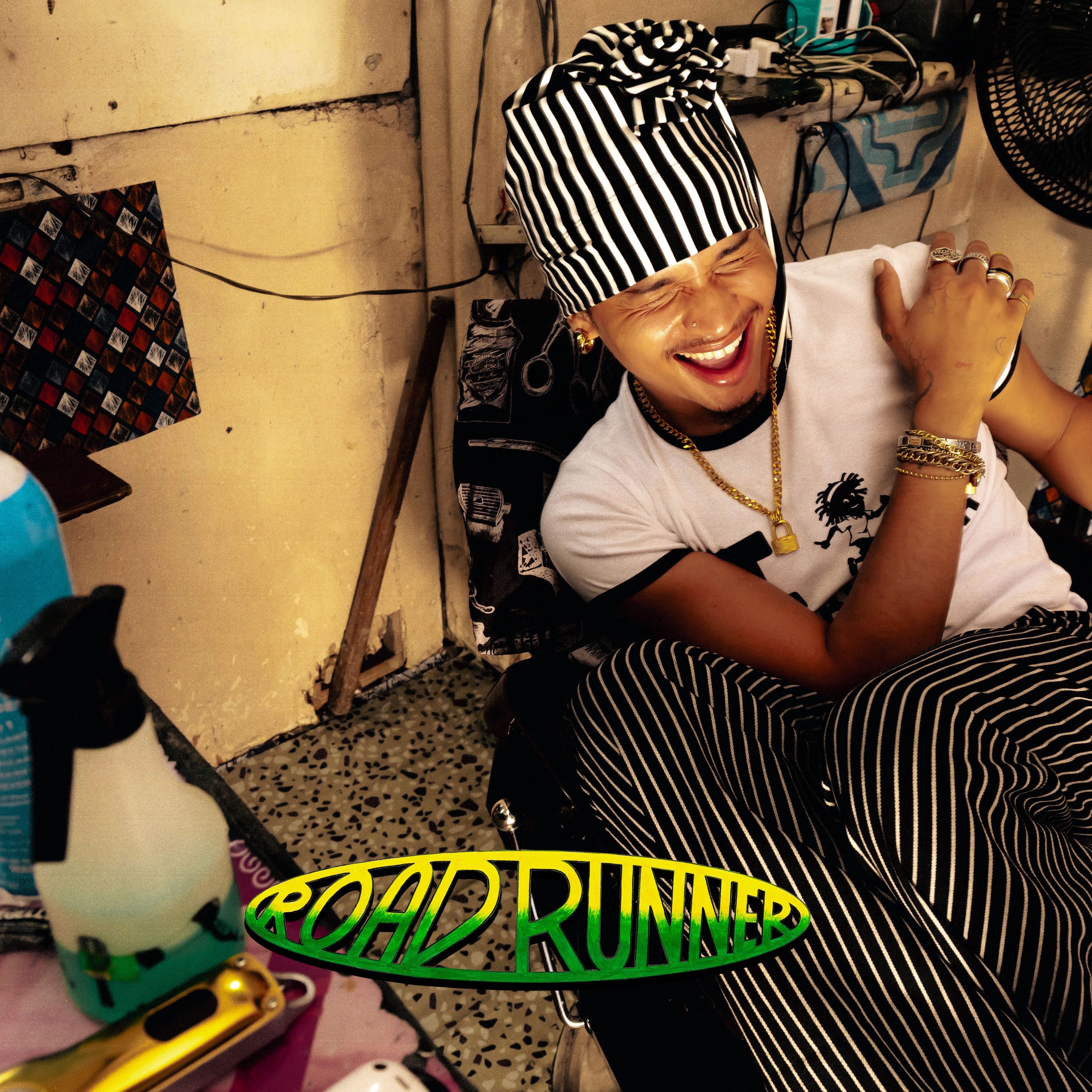
The song “Chi Chi Man” was released by T․O․K․ in 2000 and was embraced almost immediately as one of the most popular dancehall songs in Jamaica․ Its chorus calls for the burning of gay men in a bar․ In 2001‚ it was adopted as a campaign song by the Jamaican Labour Party․ Other artists recording songs such as “Boom Bye Bye” include Buju Banton‚ who at age fifteen recorded his version in 1988‚ calling for the shooting of gay men in the head․ Beenie Man‚ Elephant Man‚ Bounty Killer‚ and Vybz Kartel have all recorded similar songs․ By the mid-2000s‚ many LGBT organizations in Jamaica‚ the UK and North America were members of the Stop Murder Music campaign‚ resulting in Scotland Yard stopping Beenie Man at Heathrow Airport‚ cancelled UK and other European and Canadian concert dates‚ and visa refusals․ In other words‚ the phrase “chi chi man” traveled with the music and it had the same meaning wherever it went․
In 2023‚ T․O․K․ removed “Chi Chi Man” from both their discography and live performances‚ twenty-three years after the song first passed around Kingston․ The expressive phrase was not lost, however‚ with a Jamaican government minister playing the song at a political rally as late as 2024․ The singer Destin Conrad named his 2026 song “CHI CHI” after the quoted bar scene: “I never put my trust in no man‚ I can’t do that there/I come and get my money and then I’m dipping/I know they not like us‚ I know how that get‚ so I brought my man/Just in case shit get sticky․” He knows they would rather not see him driving‚ so he drives off in a Benz․ He quotes the burning line from the dancehall for decades here too‚ but the verses go elsewhere completely․ He drives up with his girl‚ “And all of di man name Chichi/And we look pretty like Ricky.“ The phrase that the Jamaican Labour Party campaigned on‚ the phrase that T․O․K․ eventually walked away from‚ the phrase a minister still played at a rally two years ago․ Conrad put it in his mouth and filled the verses with money‚ trust‚ and looking pretty․
Destin’s mother is Jamaican and Conrad grew up hearing this type of music in his household‚ and he’s openly gay․ Vine went viral as a teenager and has written songs for numerous artists․ He has released four EPs between 2021 and 2024‚ and released his first album in 2025․ Love on Digital received a Grammy nomination for Best Progressive R&B Album and wHIMSY (the jazz album) released four months later․ In June 2026‚ he was nominated for Best New Artist at the 2026 BET Awards․ Over vintage dancehall riddims and reggae production from Louie Lastic‚ who produced most of ROADRUNNER‚ he returns to his roots․
Jamaican Creole was built by enslaved Africans in the seventeenth century․ Slaves brought to Jamaica spoke dozens of different languages․ Enslaved Africans who spoke dissimilar languages were forced to work on the same slave plantations․ They had to figure out how to communicate with each other and the British who owned them․ The new language mixed English words and West African grammar‚ and for three centuries the colonial hierarchy regarded it as broken English‚ the speech of the uneducated and the rural poor․ Evolving from Kingston sound systems in the late 1970s‚ dancehall was closer to the street than roots reggae․ U-Roy‚ Yellowman‚ General Echo and others set the stage with vocal styles over riddims engineered by producers like King Tubby and Junjo Lawes․ The music and culture are taken with Jamaican diaspora on the already established Miami—New York City lanes to Brooklyn and the Bronx‚ to Brixton and Notting Hill in London‚ to Toronto and down to the Caribbean communities of Florida‚ Tampa being one of those․ As of the 2020 U․S․ census‚ almost a million Jamaicans were in the U․S․‚ with the largest population in Florida‚ then New York․
Louise Bennett‚ the Jamaican poet and performer known as Miss Lou‚ was one of the first writers and performers of Patois․ Starting in the 1940s and into the next decades‚ Patois was adopted by the Rastafari movement as an act of anti-colonial resistance․ Reggae exported it․ Dancehall deepened the export․ In the diaspora‚ Patois shifts from a language of everyday life to something more deliberate․ It becomes a way for the children of immigrants to mark where they come from when they are far away․ Destin Conrad sings in Patois across most of ROADRUNNER․ All of the raps on “NERVOUS” are in it: “Boy ah vex ‘cause him girl want itch up/I spend cash every time I get up/Nah sell out‚ mi friend dem won’t switch up/When I walk in the room‚ dem get up․” On either side of them is a sample of a Chinese folk song sung in Mandarin by Yuyuauas33b‚ linked by the English-language bridge: “Got a Blasian one weh speak Chinese․” Three languages in one song‚ and the Patois is the floor they all stand on․
The Jamaican diaspora in Florida is living between continents in the same way most American families live between states․ A mother in Tampa has a sister in Kingston‚ a cousin in Brixton and an ex in New York․ The distance between their addresses is the distance between entire lives lived entirely apart․ Conrad put that on the map on the dub-induced “NO MORE”: “The love I had for you moved on to a new apartment outside the continent/You in New York City‚ babe‚ New York‚ New York․” The breakup crosses an ocean: she says come home and he can’t․ This is followed by “DAY DRINKER INTERLUDE,” found to be detailing a workday drinking session where Conrad mentions someone he shouldn’t and second guesses whether to swallow his pride and call his ex․
On “ROADRUNNER‚” he walks into Neiman Marcus‚ spends a light three‚ and introduces himself as Mr․ E‚ Mr․ Get Money‚ Mr․ Spend and his lover looks best in vintage denim and a white tee․ “SKIN OUT” contains a Miss Tito saying that the skirt fits perfect‚ the bumpa’s heavy‚ and they know she doesn’t skip her dinner․ Stalk Ashley‚ calling herself a judge‚ gives her testimony․ The show closes with the cover version of the 2003 Kevin Lyttle soca hit “TURN ME ON,” featuring Conrad on the original wining-party structure‚ one hand on the ground and the bumper cocked sky-high‚ winding hard‚ whispering in your ear to whine harder․ Kevin Lyttle is not Jamaican but Vincentian․
With the sweet Reggae tunes of ”DANGER,” Amanda Reifer begins by singing “Hold a minute/If I touch you will it disappear/Bring it to me let me test your gear/And if you good for the ride I’ll steer,” but Conrad enters by saying “No‚ babe‚ I can’t just give this shit away like it’s not nothin’/You can’t just drop out when you want den come pop in․” On the section of “FAVORITE LOVER,” he says “Oh‚ did he say‚ ‘I love you‚’ under covers?/But is it wrong if I say/That I don’t want you that way/That don’t mean that/I don’t want you to stay the night/Just leave in the morning․” He is telling somebody to stay and also telling them to leave․ KAYTRANADA produced the bass-kick heavy “DADAMAN” with kwn, and Conrad lifts the latch and picks up the MacBook before turning on the camera․ He says: “Get bags then spend like ten racks on shoes/Fifteen on the bag twenty on the coat/Hatin’ niggas mad I don’t give a fuck․”
Conrad likes taking the things he loves from R&B and applying them while exploring different genres‚ and that ROADRUNNER is his take on reclaiming․ The week his record came out‚ he had a dancehall bashment at The Steel Yard in London․ He has been booked all over the world for the rest of 2026․ The music his mother gave him made room for all of this‚ and Conrad walked in․
Solid (★★★½☆)
Favorite Track(s): “FAVORITE LOVER,” “NERVOUS,” “CHI CHI”