

Album Review: self by Nao Yoshioka
At 20, she left Osaka for New York to learn soul music at its source. self turns that education into the fullest, most honest singing of her career.
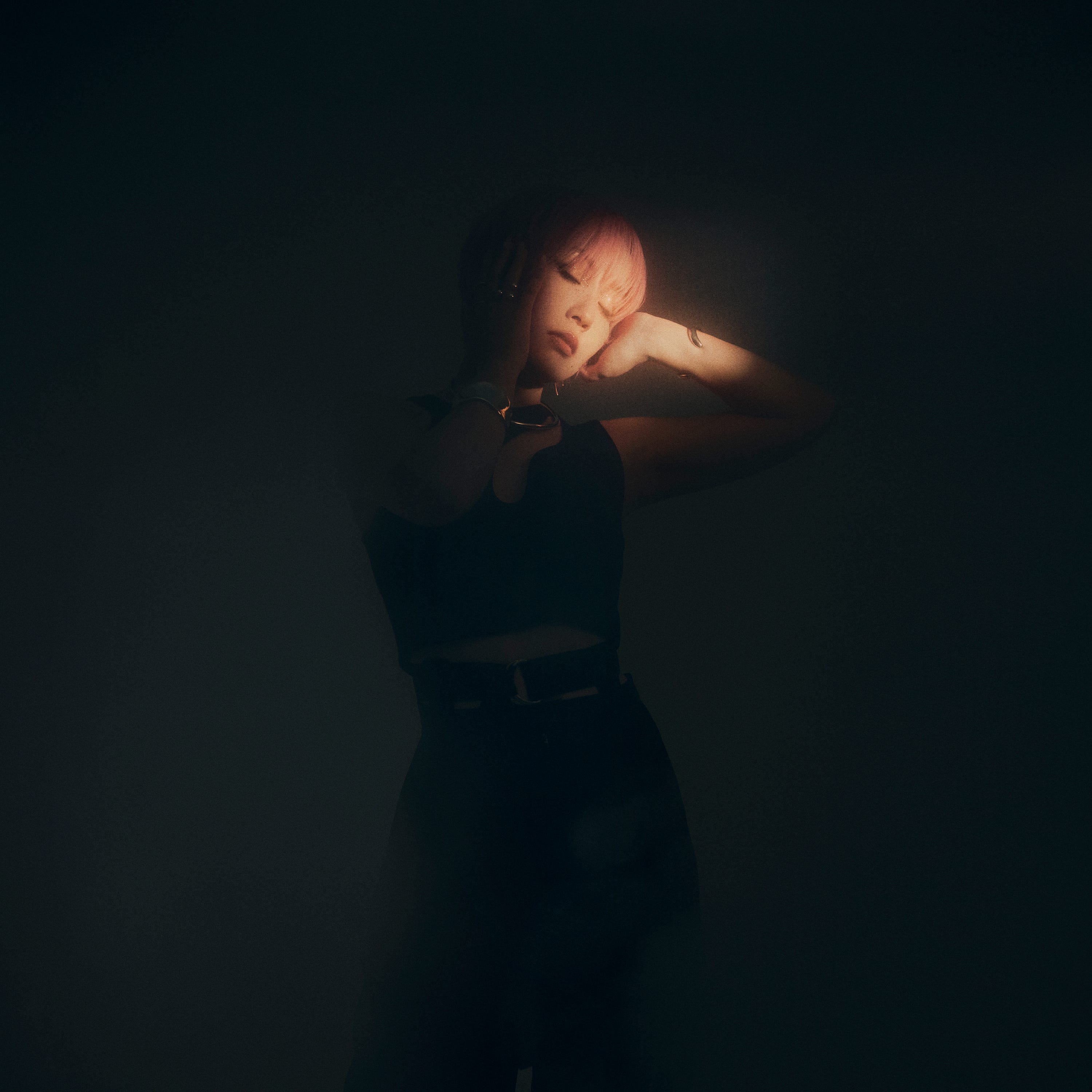
Translator’s Note: Originally written in Japanese; translated into English for publication.
At 20, a Japanese dropout from Osaka moved solo to America to learn soul in the land of its birth. Nao Yoshioka performed Amateur Night at the Apollo, wormed her way into the Philadelphia soul scene for an album of live session recordings, and toured the 2024 album, Flow, to eleven countries. But from that journey, she emerged with a new question than the one she went seeking, according to an interview with Parlé Mag. For many years, she explained, she had been in search of a better self but, in pursuing a version of herself, had reached the end of the line and run up against a wall. self, her new full-length studio album, consists of songs she wrote beyond the wall, featuring singers and musicians from Philadelphia, Chicago, Amsterdam, Hanoi, Helsinki, Tokyo, and Taipei.
“This is the first time I let myself just say, it’s okay,” she told YouKnowIGotSoul. She described having framed her troubles positively on previous albums in the same interview, a habit she shed this time. She sings of dancing in the rain, taking every punch, and smiling in the face of current danger on “Changes,” laying those thoughts down to soft electric piano chords and a rounded bassline with Devin Morrison adding warmth to the hook. The percussion holds the soul rhythm, with sharp snares and bass responding to the chord progression beneath her wide-open lines. “All I Wish” slows the pulse, with light drums and rising background harmonies backing a woman trying to locate herself in a mirror: “Been caught up inside the storm/In the mirror/Why can’t I see myself?” By the bridge, she is wishing some other self forward, head held high, trusting every day, and holding her notes with more restraint than the uptempo tracks ask of her.
Jamila Woods takes a verse to herself on “Safe Place” and watches herself dance there: “All along, I was the catch/All along, I was my own other half.” Two voices layer reassurances over warm keys and drums with a slow step behind them, Woods adding a quieter, spoken soul intensity that cools the heat surrounding Yoshioka’s lyrics. Mỹ Anh gets a verse on “Pieces of Me,” a Vietnamese singer whose verse identifies her trap: “My dependency tendency got me obsessed/Always tryna control what comes next.” Yoshioka has explained in interviews that she and Mỹ Anh met first and talked about their common problems as Asian singers of American soul in English, unsure where they belong, and in their duet, the notion of a self passes from singer to singer as if it belongs wherever the voice goes. Her tone is fuller and more classically soul-shaped, Mỹ Anh’s brighter and silkier, and the difference is texture, not volume.
Yoshioka becomes animated on “You Got to Feel It,” building short hook responses into a challenge to move, with Braxton Cook adding sax to the springy bassline and crisp hand claps. She takes herself from fighting with a lover to wanting him hungry for her inside two verses: “Turns me on how/You getting greedy.” She maintains the physical thrust on “Heartbeat,” with kick and bass holding a soul funk rhythm behind her while Khari Mateen adds to the musicianship and shortens her lines to fit the pocket, promising him good feelings all night long, just the two of them.
Yoshioka plays a duet of vibraphone chords in the only song built on vibraphone on “Inner Universe”: “Come with me/We’ll fly into a world that feels divine.” Her tone opens wide to leave space for the mallets’ rhythmic response, and the verses tell the purpose of the dream. She had to remain whole to feel the fears of not being heard when left silent, and she watches everything evaporate once she has the company she seeks. She conducts her quest outside on “In the Rain,” with MXXWLL providing a loose drum pocket and syncopated basslines under verses about dancing trees, a whispering wind, and watching moon until she abandons the scenery for the self-confession beneath: “I’ve been blaming myself/Wearing guilt like skin.” She stands still in the forest soon afterwards and forgives herself in a gentle smile.
The confrontation comes on “Shadow.” Bilal joins her in a duet set up as a battle of selves in which two voices trade lines: “I am the anger that you left untold/I am the fire you hid in the smoke.” His unpredictable phrasing contrasts with her control over the darker keys and bassline, with the snare drum marking each beat as a sign of the division between them. Two voices find a truce and hold tight to their broken pieces, letting shadow and light share space together.
Nothing showy happens on “Side of You”; just warm keys and a soft clap pocket supporting a breakup she relives until she can let it go; she relies on chord warmth and vocal control and not much else. Keyon Harrold gives “Yet to Come” the strongest instrumental voice on the record, with his trumpet melody punctuating and rising in response to her singing as the bass moves behind the chord changes. Her verses reflect on a woman who chased light in other eyes and wanted to be someone else, her bridge transforming lonely nights into golden mist and reaching “Learning to stand in who I am,” stated simply, as if it were a plan. He is still climbing behind her as she sings the last phrase.
Great (★★★★☆)
Favorite Track(s): “Inner Universe,” “Shadow,” “Yet to Come”