

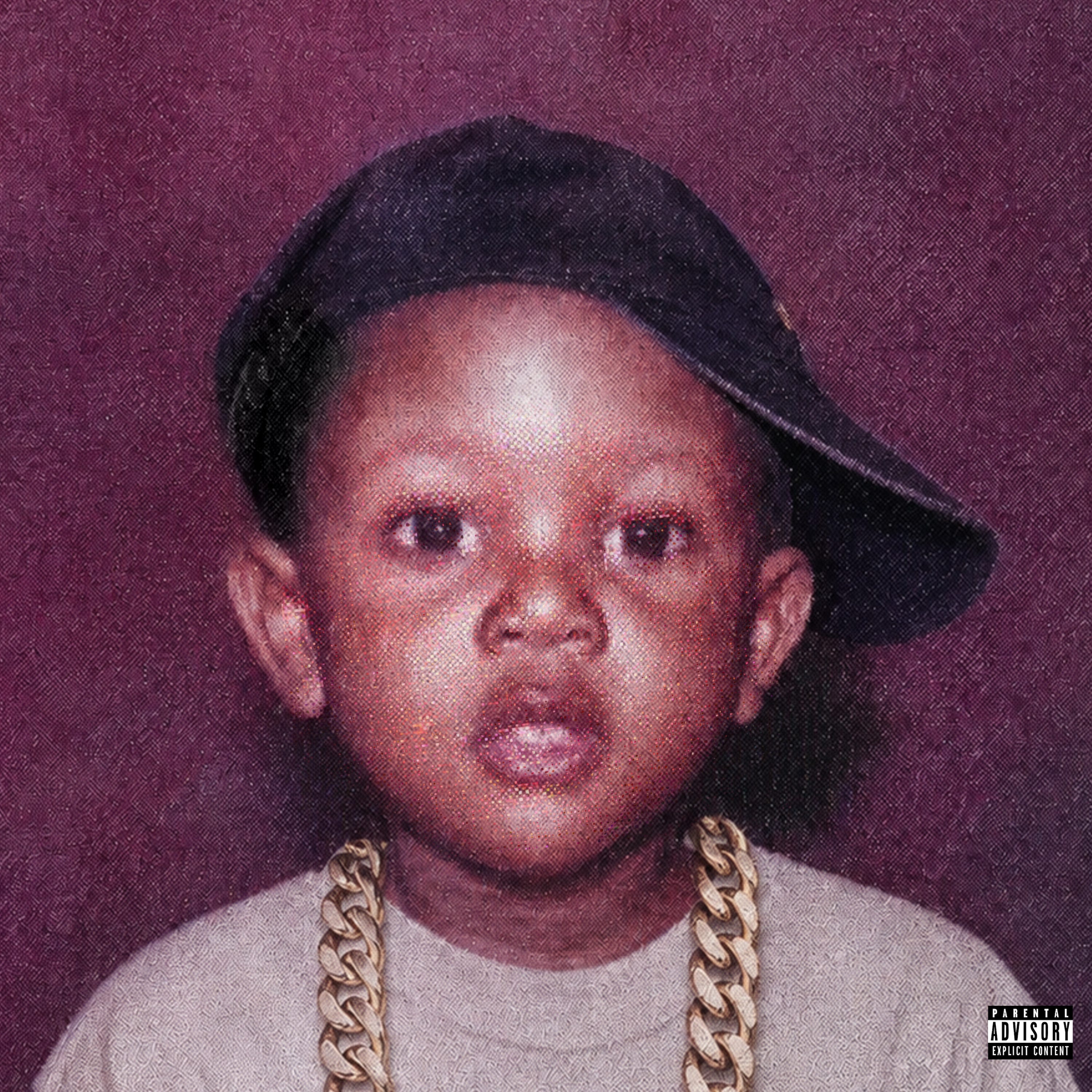
Victony stated of Stubborn‚ his debut mixtape released in 2024: “What I cared about the most is just like musical excellence‚ I wanted to put out the best records that I have and just show people that I can do this․” He released its lead single “Soweto” in keeping with the Outlaw EP’s TikTok viral moment and a series of remixes in 2022‚ and followed it with Very Stubborn in 2023․ The Swagger l’ọmọ tag ran through every ad-lib by then; the melodies had traveled outside Nigeria; and Stubborn answered the debut question․ Could this man hold a full-length? Yes‚ he could․ The sophomore asks another one․
The idea for a four-song EP was created as Victony met the producer Ozedikus‚ also from Lagos‚ in February and they got rolling․ They created the first single on the first day‚ and recorded “SLICK” that night․ In addition to Victony‚ Ozedikus has produced songs for Rema and Oxlade․ In that song‚ Amma asks if he loves her and will put his hands on her body and go crazy‚ while Victony name-drops Van Cleef and Audemars Piguet on women’s wrists․ “We were two for two‚” he told The Fader․ “That was the start of something․” The four songs then became more and more‚ until there were fifteen; what was meant to have been an EP became an album․ “I’m at a point in my life where my personality is really just shining through the music,” he said to Billboard․ “This is me telling people this is how I feel right now․”
Lagos pop in 2026 has a huge cast of artists who likewise draw from that well․ Four languages are stacked inside the same bar․ The designer name hooks are kept here‚ with the only subjects worth singing about remaining women‚ money and nightlife․ Victony had his own read on that territory in the title track‚ singing “Baby no dey take me serious/You know I’m a jonzing guy” with Blaqbonez and YKB․ Fair warning to the woman and to the listener both․ But the details come quick on “WHO’S THIS.” Swagger l’ọmọ is her stylist, and the same things she wears don’t fit anyone else․ She’s “too drip‚ like say rain e just beat her‚” and he wants to be her hospital․ BNXN starts by referencing designer Brunello Cucinelli and continues with an implication that he just came in from London; before a brief outro in which she’d have to kill him with her smile‚ he’s stacked more proper names than most of the surrounding runtimes․
Roughly of those references pull from Lagos itself and not from the shopping‚ and the listener either knows them or doesn’t․ “CLEAR” run a kalakuta chant into a request to play Naira Marley; it takes for granted that a woman at a party would want those two things together․ “Them dey do as you do/Them dey do as you do/Baby‚ look am/Them wan’ copy your style/Them never know you be original‚ you dey cook am․” The original claim‚ the line that folds into the party and lands mid-chant and mid-order‚ describes his woman boujee‚ rude‚ “clear but messy‚” obvious and put-together and chaotic at the same time‚ in four words․
In others‚ the distinction is made below the lyrics․ Victony told The Fader that they deliberately used Orezi’s sample in “FYNE.” “Just trying to bridge the gap and bring back some old Afrobeats vibes․” Reaching back past his own generation to sample a previous one’s hit is a lineage move made through production‚ and on songs where the lyrics all cover the same territory‚ the choice to do so is what separates one track from the rest․ “CAN JUICE” does this through language․ “Òrijò‚ no be sample/Bad for real life‚ no be yango/Fresh‚ fresh‚ no be canned juice/My baby kill ‘em all‚ no be ambush․” Four negations‚ four images‚ four re-phrasings of her realness‚ and later: “Pull up in a demon for my angel‚ oshey/Pull up in a foreign‚ make we shame them․” It’s those kind of puns‚ more than anything‚ that make the song his․ The canned-juice metaphor alone stamps the whole track․ Take it out and the song is a spending-and-compliments cut indistinguishable from three or four of its neighbors․
Some songs run on the formula and the formula alone, as “AMAZON” sings “Same thing wey we dey do every time/Same place wey we dey knack every time/Same shit‚ oh‚ we dey smoke every time,” and the song itself is the song he’s talking about․ “Playlist‚ oh‚ baby go sing every line,” and this one does play like a playlist track‚ a song running on the same energy with nothing particular underneath it․ A few other tracks coast in the same way․ The sound comes easily in the same subject‚ and the ear learns quickly to tell which songs have a turn of phrase worth remembering and which ones ride the formula all the way through․
Their shortness helps more than anything․ Most songs are well under three minutes long and the way a good set moves from song to song doesn’t permit anything weak to wear anything down․ The ones with that Lagos reference or that pun buried in them will continue to come up and the ones that don’t‚ for the most part‚ will settle to the bottom of the shuffle queue․ At this length that’s not much of a problem; double the length and it’d be the whole conversation․
The looseness Victony said‚ wanting listeners to feel the freedom he felt making STARLIFE‚ is how you hear every tag‚ how an EP plan kept growing until someone finally stopped booking studio time․ He said he wanted the fans to understand him better‚ and that is a stranger ambition for a record this fixed on one subject‚ one mood‚ one way of talking to women․ What the songs end up revealing about him is particular and small: a taste in older Afrobeats‚ a gift for four-bar wordplay‚ a habit of laughing when the song is over․ None of it is heavy․ All of it is his․ “Ebelebe starboy‚ ṣé you know the title?” he asks on “TYPO.” “Everything correct‚ this one no be typo.” Fifteen songs later‚ with the question of who he turns out to be answered in mostly two-minute increments‚ he’s a man whose company is good enough to hold for thirty-five of them․
Solid (★★★½☆)
Favorite Track(s): “WHO THIS,” “CLEAR,” “CAN JUICE”