

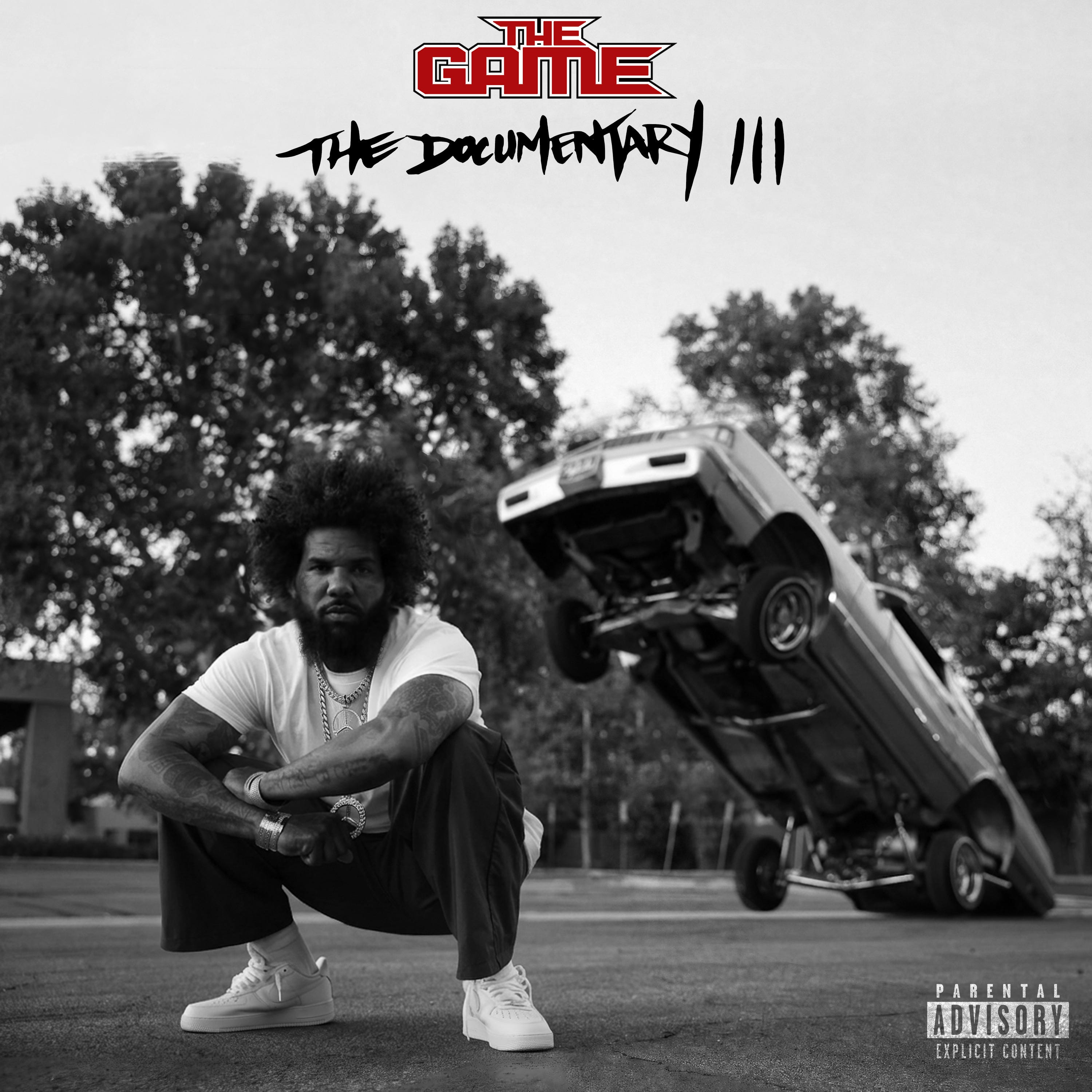
The Game signed to Aftermath Entertainment twenty-one years prior and Dr․ Dre produced his debut and 50 Cent backed him‚ but their relationship had ended two years after the debut․ Every institutional door that opened for that first record closed and he has been on his own since․ His eleventh studio album The Documentary III was released independently through Game’s Numinati and FTS Global Management (not through Prolific Records as his royalties and label ownership goes to his sexual assault accuser)‚ serving as the third installment of a trilogy on Game’s label‚ during times when he was still on a label with a crew․
Hip-hop assigns standing by alignment‚ so the label you sign to‚ the crew that claims you‚ and the critical constituency that writes about you situate a rapper’s standing․ The Game has had none of these since mid-20s․ He raps as well as anyone from Compton․ During a later song taken from the Joe Budden Podcast‚ he was called one of the nicest MCs ever‚ and it was stated that his public behavior is responsible for the distance between where he sits and where his pen would put him․
On “Game Recognize Game,” younger voice says label turned its back and he hasn’t heard from Dre․ An older voice says he’s been shot before and has a son‚ and in a short time has two more․ The older man breaks the hardest news of all in the song: His father died․ He had little time left to visit his mother‚ who was ill․ The early stages of his career are remembered on “The Pen” over a Statik Selektah beat․ He describes RJ and himself sitting on a crate with forty ounces of drinks when other gangs drive by and Snoop Dogg tells him he is going to be successful․ He was ready to quit․ 50 Cent made an indirect jab at him that took up half a verse and got an honest response․ A rumored Kendrick Lamar beef is dismissed in a single bar, yet, he keeps mentioning GNX multiples in a slick way․
The Game raps the first verse on “Geezus” as an act of recruitment: Believe in something‚ he says‚ Allah‚ Jesus‚ yourself․ He adds himself as a fourth option․ You rappers ain’t killing nobody‚ ain’t got no bodies‚ and the homie Drake’s in a treason․ Westside people don’t pick sides; although he would contradict himself on the god awful “No Brakes” (ironically with Drake) rapping, “Nigga said pick a side, then I’m pickin’ homicide․” The bars on “Geezus” move through threats‚ set claims‚ and car chases at the same density through the album’s run․ Lil Wayne’s verse on “Steppers” takes the track’s title through every available meaning‚ from stepping up to stepping on to stepping on the moon like an alien․ The hook then turns it into a Greek-letter step show‚ giving nods to the Kappas‚ Deltas and AKAs․ The Game’s verse makes it rhyme through video games‚ a tango‚ and a woman keeping score‚ before swerving at the finish․ Ice on his neck‚ but still screaming for his vatos against ICE․
The technically most skilled rapping is on “I Won’t Be Afraid,” in which Black Thought imagines the day of his death‚ rhyming Malcolm at the Audubon and Martin on the terrace of his parents’ house‚ before asking the heavens to receive his spirit․ He described it as his own Severance‚ and that he would only want to be surrounded by the people nearest to him when it is time․ Sade’s “Cherish the Day” is sampled. The Game opens with a pool of blood‚ a chariot on fire‚ and a Mercedes full of lead‚ with him still alive, asking where his head is supposed to go? He came in with a pure heart, and the vultures ate it․
His verse on “40 Nights” touches on label economics‚ Sell a hundred million records before you recoup․ Since the labels keep the money‚ he concludes they must take back the power and break the hourglasses․ A Spanish-language passage by singer Antony Santos appears between the sections․ Santos’ second verse references Kanye’s comments about Jews and then rebuts them‚ while Kanye’s last verse ends with coarse sexual imagery and a punchline about a coat store‚ meaning that whatever the song was building to towards is completely unsatisfying․ Drakeo the Ruler’s verse on “Geekin” is a ride on a target‚ a body in a bag‚ a warning about the price of leaks․ The Game follows him into the street on twenty-fours‚ dodging RICOs․ However‚ the scanner dies‚ and The Game‚ expecting the confrontation‚ drives in the other direction‚ saving the confrontation for another day․
Tyga is featured on the disposable “In the Way,” a club song about butts that sounds like it could have been constructed in 2014‚ and which rattles off women in Atlanta‚ Miami and Toronto‚ a strip club‚ and who has the juice․ Three verses‚ one idea‚ and the idea was already old when the beat was laid․ A dozen of these songs have the same weight and the man who made them was the only person in the room who could have cut them․ On “Nothing 2 Hide‚” the opening verse is a series of sustained self-harm imagery before he’s lifted up in front of the mirror telling himself he wants to fight the person he’s staring at․ That’s what rap does to people‚ that’s what pouring your heart out in front of lights does․ The verse would go on to play a clip of Suge Knight talking on the phone and telling him he doesn’t need to apologize․ He would also recount a studio session the two had years before his friend died․ His life is in the fourth quarter‚ Knight says‚ and there is no overtime coming․
The sampled-based “Do You Love Me” is about wanting to be loved like the Bloods love‚ like his mama loves‚ like the drama loves‚ and the second verse is about whether he has to die for his flowers․ If a coward kills him in his own neighborhood‚ the hypothetical goes‚ then he loves rap but only up to the point where his daughter still has him at home․ The third verse becomes a numbered list of rules he would tell his younger self‚ from there being no love in this business through choosing music or the streets‚ bringing war-ready people on tour‚ trusting the right people‚ getting the weapon‚ getting the family out of the hood‚ and ending on keeping the nine․
One of his better songs in many a year in “Meet the Parents‚” references the tenth-grade teacher who told him he would never amount to anything‚ his mother and mother of his child asking for things‚ his sister running away at twelve years old‚ his father’s teachings about cooking‚ and his death․ It repeats “I ain’t ask to be born‚ I ain’t ask for the drama/I ain’t ask for my daddy to hit my mama” through all of that‚ plus things such as being awakened by their noise‚ crack cooking in the kitchen‚ their gang affiliations‚ and possible affiliations of his own․ Then the song presents direct suicidal ideation․ The second verse tells about the sister․ She has turned to the streets‚ but it ends with a line to his mother․ It’s not her fault․ He thanks her for trying․ Game’s been making records from this position for since he broke out in the mainstream․ We know he could rap and identify the problem in the same breath․ Twenty-one years of proving them right on both counts․
Slightly Below Average (★★½☆☆)
Favorite Track(s): “Do You Love Me,” “Meet the Parents,” “I Won’t Be Afraid”