

Album Review: The Good by Finale
Made inside a twenty-year Detroit working circle, Finale’s first proper solo LP in over a decade takes the word “good” and spends it in different ways.
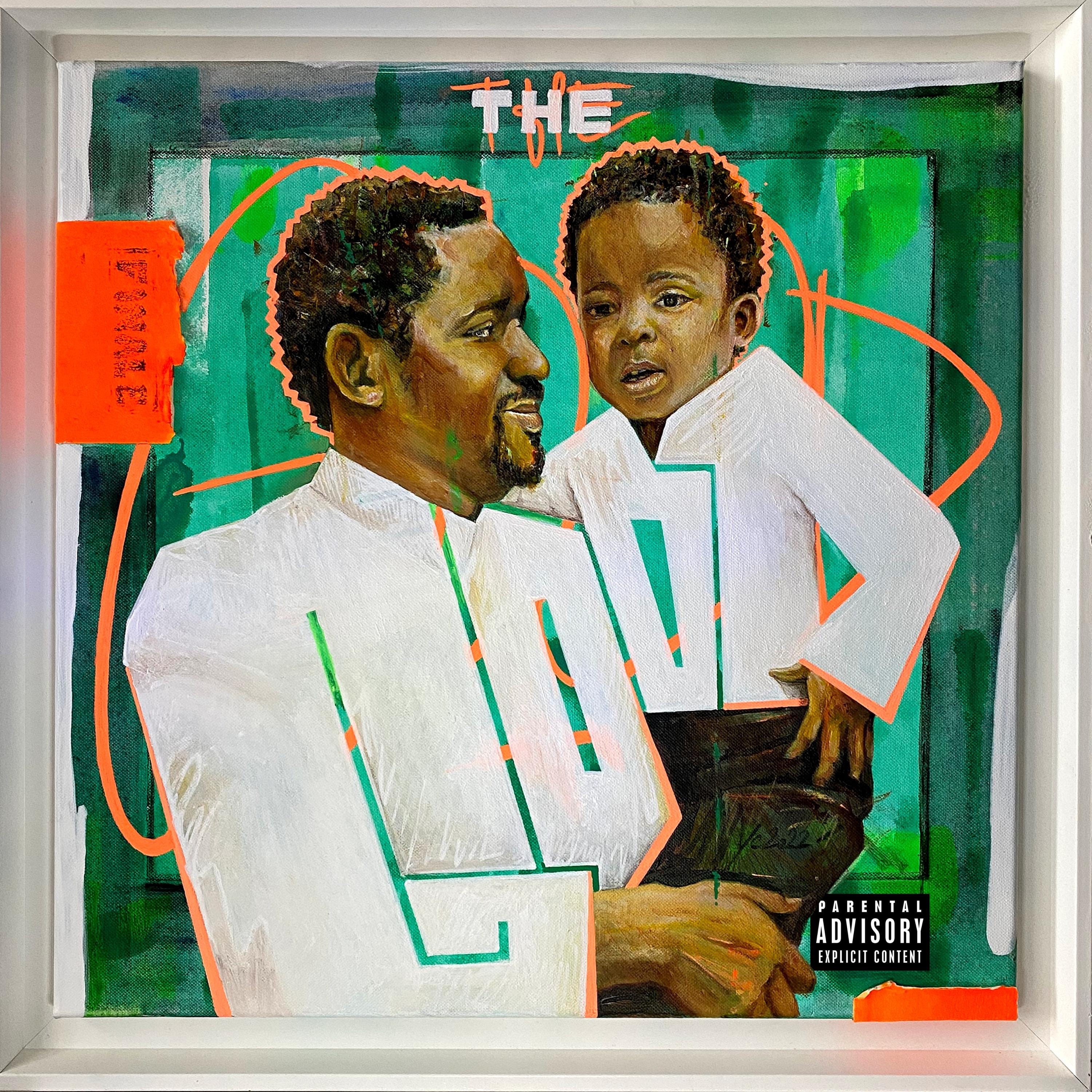
Everybody on this record has produced a song somebody else on this record rapped over. That’s the one fact you can’t get around. Multiple different producers account for the beats on sixteen songs, with DJ Manipulator credited on four beats of his own. Beat-switch diptychs run all through the album, each putting two different producers on one song. Marv Won produces a track he also raps on; yU does the same, a couple of songs later. At the center of that working arrangement is Finale, a Detroit MC who’s been on the scene since the mid-2000s, and The Good is his first proper solo LP in over a decade. That gap is long enough that he says the number out loud on the album, “Who knew I needed six years off to grow?”
Finale watches two caskets going into the ground before the verse where he admits the gap, and names the people he buried. That verse admits he lost his way, got nervous, heard a couple of things and let some of them go, and the admission shows up plain:
“Who knew I needed six years off to grow?
I’m old
For the record, it’s all peace, all good all around,”
Those six years are Finale’s own math. Most of what he’s put out since his last proper solo studio LP has been collaborative (one record with Oddisee, another with Fel Sweetenberg, a one-off from a couple years back), plus an EP he pulled from digital shelves after exactly sixty-two days and then named 62, keeping the joke clean. So the elegy on “Take the Time” has nobody else in the booth to hold it.
One song on the album takes place inside a courtroom, “Gunna’s Lament,” and the voice in the verse belongs to the defendant, or somebody standing close enough to hear what the prosecutor is offering. The prosecutor wants names. Finale writes the scene down to the pen on the table and the piece of paper beside it, and the offer comes back into the verse in direct speech, “You get thirty off the top of what you say, so make it good.” Verse two steps out of the courtroom and onto the yard, where Gunna, 6ix9ine, and Troy Ave get named inside a single bar as a three-way warning about the machinery that catches rappers in it.
Every other song on The Good uses the title word in some form. Finale spends part of the opening verse listing what he’s after, “One good night with one good crowd and one good mic,” and names a woman for a line about how being a good man just ain’t enough, a line he says has stuck with him. “Self Checks and Balances” turns its whole chorus into one instruction, “Look deep inside of yourself for the good.” Later, on “A Good Time to Go,” the vocabulary comes back as a prayer, “I just pray you locate the good.” And late in the opening verse he names his own habit out loud, “I said good a bunch of times,” and keeps going. At some point the word stops meaning any one particular good thing and starts acting as the unit Finale spends across the writing, one he’s also using to talk to himself.
The Good keeps arguing with itself about how a working veteran carries himself in a field that rewards speed. On “Patience,” produced by the DMV MC yU (who also rhymes on it), Finale names the producer-rapper feud in plain terms, “the beat makers mad at rappers and MCs pissed at producers,” and lays the veteran’s answer on the table, “You get out what you put in and what you earn.” “Bread & Butter” pushes that argument harder, asking for the crown back from the head of a random fake nigga missing the ref. “Honor the Code” (Marv Won makes the beat and takes the first verse; Fatt Father closes) gives the case its most compressed phrasing in Marv Won’s opening bars, “You know what you tell a nigga this old that’s this good? Absolutely nothing.”
Eight names make the roll call on “A Good Time to Go.” They come out of the second verse one after another, and one of them being Dilla, whom Finale met a few years before Dilla died. Proof is the D12 MC who was shot outside a bar on 8 Mile. The rest are family and friends, unexplained inside the song (if you know, you know; if you don’t, you aren’t the audience the song was written for). Its first verse opens on him watching two caskets going into the ground, the image from earlier on the album, and the second hearing does what the first hearing couldn’t.
Four verses and no hook. That’s “4 Rounds,” produced by Mute Won, with Finale joining Guilty Simpson, IAMGAWD, Phat Kat, none of whom are selling anything to an audience outside Detroit and Chicago. IAMGAWD takes the middle verse for a claim that he’s a mixture of all the living legends and late greats with the best flow out of all the Great Lakes, and Phat Kat, writing after a layoff of his own, closes his verse with the image of a 12-gauge turning a North Face into cinnamon.
But all of this working-underground bookkeeping doesn’t generate streaming numbers or press rollouts, and the people on it have been doing this long enough that they don’t expect it to. What it does generate is the twenty-year paper trail where DJ Manipulator, Apollo Brown, Nottz, Kev Brown have all sent beats to each other’s friends and ended up on one album through a circuit that has nothing to do with the current year in rap. On “Thanks 2 Hip Hop” Finale says, “The future look different when you don’t pay the past a visit.” He’s talking about the golden era, but the line double-backs on the album he’s making right now, where Detroit’s underground has been running the same way for twenty years and nobody inside it is pretending otherwise. Later in the track he says, “I call it hip-hop. I love this shit.”
Great (★★★★☆)
Favorite Track(s): “Take the Time/Mirrors,” “Gunna’s Lament,” “A Good Time to Go”