

Album Review: The Price of Clarity by Ransom
The New Jersey veteran shades his usual technical menace with grief, marriage, and an admission he had been sitting on for years.
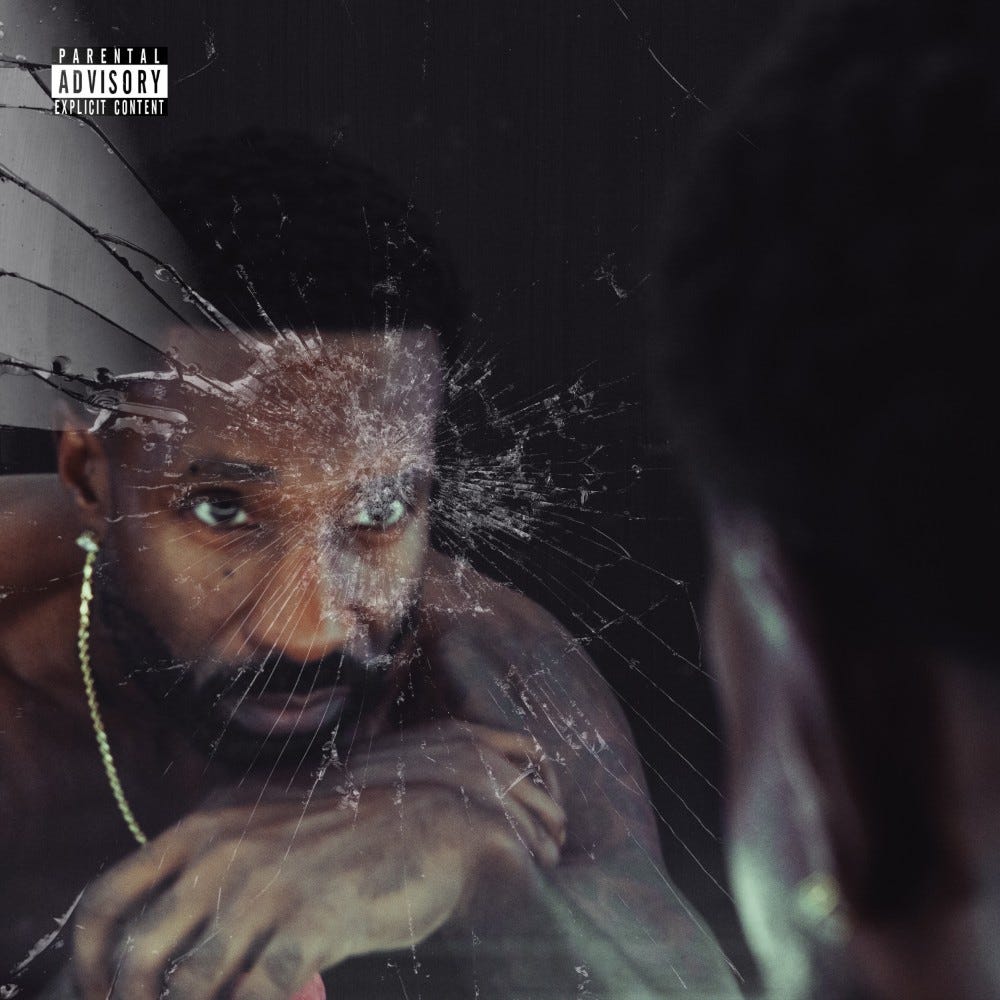
Spending some time reading through Ransom’s rhymes will make you think about being middle-aged, which seems unusual for a rapper whose career is built on interconnected rhymes. He started in the A-Team and went by Duffle Bag. This man raps on the level that used to get someone a record deal and a radio freestyle for one sixteen. This man gives his whole albums to one collaborator at once. His discography will remain unknown to most listeners. In a slightly different environment, he would be the rapper whose name the others were using to show that the craft still has its limits. However, he became respected among those who were already listening to his music, and got the shelf full of albums that were split between him and one producer at a time. The Price of Clarity is his first solo release since 2022’s No Rest for the Wicked.
If we were to break down the complaints Ransom made against other rappers into fragments, they would be very similar to all old heads’ complaints. First of all, he is tired of bragging and exaggerations on “The Prime Example.” He is sure that nobody can recite half of what they are quoting. Finally, he believes that they do not really believe what they write. It is standard stuff, mostly. However, his demand seems strange. He wants them to confess that they are making the con and continue doing it. They should “at least own the circus that produces all the clowns.” Being either a fool or being famous—that is the choice they made. At least, both. In “Doctor Manhattan,” with another soul sample, the same disrespect is shown to the rivals vertically. Comparisons to the lesser rappers are described as embarrassing. Also, the words that he uses seem to be the painted walls of the Vatican. And underneath all this, he leaves a question. Who is going to teach the predators how to be civilians?
He wipes the sleep from his eyes on "Good Mournings.” With a mellow backdrop, he wakes up, looks at his daughter and his wife, smears rosehip oil on his skin for its antioxidants, stretches his legs on the ottoman, and realizes how happy he is. However, the burden of time falls on him, and the song changes its direction completely. Ransom starts wondering why somebody would risk everything for a man who fed the sharks. He also says that the fewer body parts somebody has, the less chalk detectives use. Finally, he mentions that the streets are cold because the best heart was taken by those without a roof over their heads. It is his birthday. He’s 46, and dedicates the rest of the verse to his wife’s father and his brother, who is sorely missed, and to the idea that life is a game that cannot be ignored and must be something more than this. “Swan Song” tells the same story but in reverse. In the summer of 2012, she was nervous; he could not notice it. She wonders why he is in prison, but he says it doesn’t matter. Braised beef, baked sweet potatoes, ginger ale. In the winter of 2017, he could not afford a wedding ring, but he managed to buy a better one and prepared himself to hear her say, “Do better.” She opens the box and says that this one would last forever.
Nobody is treated worse in this album than the man who peaked before his twentieth. Ransom talks directly to himself in “Richer Prior Life.” First of all, he shows all the things the man could have done—going to college, gaining knowledge, earning a couple of degrees, serving in the army—and finally, he says what actually happened. The man had no opportunities. Now, look at yourself. You have no wealth, being a prisoner of yourself, posting pictures of your former self. The trap set and sprung in one breath is the best moment of this verse. Spending time reflecting on the time spent climbing the mountain leaves you sulking in the hole that you claimed to have no time to dig out. This rapper puts himself into this frame, too. He realized that there were a couple of grays in his mirror this morning. Your age is mandatory, he says, and growth is optional.
Freeway appears on “The Coldest Winter,” saying that his beard is his strength and that he’s a rapping Samson. He delivers the hardest bar in the song, saying he threw a home until they murdered Nip right where they raised him, in front of a store he owned, and if you can’t be safe there, where are you safe? Young Chris broke out of the bando until they took it over and rebuilt it, says he did it without any pen or paper and managed to do it after his fifth seizure, as Ransom interpolates “What We Do” on the hook. Lloyd Banks does the most with the least room on the piano-driven “Circumvention”: money that doesn’t sleep, and so he’s peaking at your weakest hours, beef calls that mean leaving some things at home since the phone is a piece of evidence. The criminally underrated Nick Grant, on “Sorry My Love,” apologizes to a dying sister, fixes her problems, and to a mother about being an addict, and credits her with being an inspiration, crawling out of the darkest corners. These are men who have rapped at a high level long enough to watch the audience for it to shrink, and Ransom books them as you book the people you want to be pushed by. Grant pushes him. That verse is better than the one Ransom replies with.
He passes two packs to a couple called Reece and Chrissy on “Confessional Booth,” and a month later their niece is thin. The preacher nearly called the police when he heard his sins. He is robbing dreads at the Days Inn, he is aging, and he is accepting that the grave is winning because it hasn’t lost yet. Reece and Chrissy blamed themselves when he sold their niece bricks; their mother blamed them for that, and they never sold her anything. He didn’t tell them anything. He asks that both be forgiven and says he thinks you owe them that much.
His mother is on the hook on “Hollywood Squares,” warning him about the tears of common crooks played by those Hollywood squares, and the verses underneath the name call the mechanism. They sell you distractions; they count their bread. They escort you to the grave for fame and will not say your name until they pronounce you dead. Sugar kills, so they sell you Sprite. “The Ultimate Betrayal” runs the same racket on the awards circuit and gets the most concentrated writing from him here out of it. He talks to a man standing at a podium receiving a trophy made by some other man, thanking the Lord for it, and taking the oohs and aahs of the room on its feet. “It is a façade, and not a reflection of who you really are,” he says. God doesn’t make ballplayers and superstars; the verse says, God makes messages, and so what is the good of a gift you can’t deliver a message with? Whatever you make out of the theology, the picture is exact. A grown man standing on a stage, holding an object, thanking somebody for it.
Great (★★★★☆)
Favorite Track(s): “Good Mournings,” “The Temptations,” “The Ultimate Betrayal”