

Album Review: Time Heals Everything by Blu & Exile
At 37, the Los Angeles rapper stops rehearsing the mythology his 24-year-old self built. His fifth record with Exile writes directly about what a verse can carry on rent, Palestine, prison, and more.
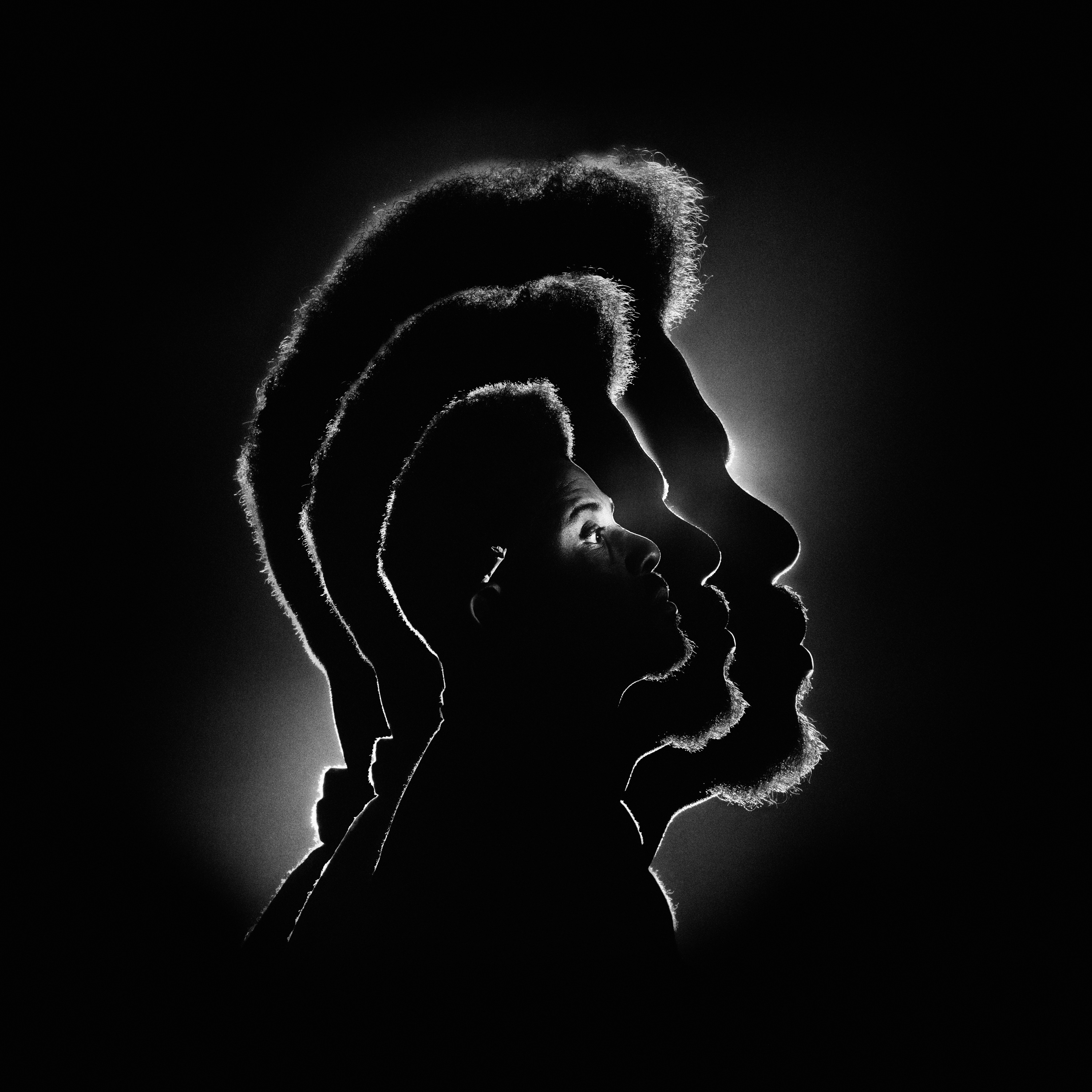
For nineteen years, a certain kind of rap fan has been relitigating a record from 2007. Below the Heavens introduced Blu as a 24-year-old writer who could make a boom-bap beat feel like testimony, and it has sat on underground-canon lists ever since, casting its shadow over everything he’s released with his producer Exile in the two decades that followed. A mythology that large keeps accumulating interest while the person inside it ages out of it. Blu is 37 now, and paying rent is something he does with this work of rhyming, and Time Heals Everything is the first record on which the duo appears to have accepted that the myth and the working rapper are two different people worth writing about together.
Blu says it evenly on “In My Window”:
“Even though I wasn’t getting the money I envisioned
I’m blessed enough to pay my rent with this.”
Those bars sit between verses about the deal falling through and his brother’s bid, and together they are the actual revision this fifth full-length is making. The opener “Soul Unusual” announces itself as a continuation of the “Soul Provider” thread from the duo’s 2007 debut (“Blu’s style is heaven sent, with Exile for president”), which could have sounded like nostalgia trafficking. It doesn’t. Nineteen years after that couplet first landed, Blu isn’t pretending he’s the same man who wrote it—he’s asking what happens when you keep going.
Blu’s rapping has been dense for nineteen years, but on this record the density does different work. On “Shoe Laces” it cuts toward autobiography:
“I’m John Coltrane, the dope in the coal vein, I cut cocaine
So sane melodically, sonically on bang.”
The quadruple rhyme pulls four threads through one bar: Coltrane as method, cocaine as purity of product, coal vein as origin, with the couplet itself a wink about the purity of the pen. On “I Don’t Rhyme” he separates “R-A-P” from “hip-hop” and claims the second. Then he immediately spoils the claim, conceding that his first Exile record was written to get “all the shorties on the floor get naked.” He’s narrating the distance he’s traveled from commercial rap, not positioning himself above it. Even the boast verses veer. “The Bag” opens on murder and suicide committed over cash before the chorus (“Dollar, dollar bill, y’all”) has arrived, and the section doesn’t adjudicate the indictment so much as repeat it.
Nothing on this record is coded, and none of the political bars bother asking permission. Saba drops one of the plainest lines of the year on the title track:
“Milli Vanilli, we silently sittin’, watchin’ bombs get dropped on the homes of Palestinians.”
The lip-sync scandal folded into our silent spectatorship, both of them fraudulent, neither surprising. Blu’s prison verse two bars over runs as pure declarative economics:
“The more people in prison, the more money for the law
Enforcers forcin’ us to live on all fours.”
Later in that verse Blu arrives at “Kanye, stop praying to the savior,” delivered once, exactly as often as it should be. “Crumbs” carries a parallel argument across three rappers and three generations. Rome Streetz raps from New York (“They’ll cap you over a nick, somethin’ minute”). ICECOLDBISHOP answers from Los Angeles (“They sell their box for sellin’ rocks to run from cops for crumbs and blocks”). Blu’s own chorus names “the rich and all the judges that put my niggas in prison for nothin’.” They’re talking to each other in the plural first person, and you’re the one who came inside. As Jimetta Rose and the Voices of Creation choir close the record by chanting the title phrase six, seven, eight times, it stops being reassurance and turns into a question someone is asking themselves out loud—with Saba’s “time heals, but what remains like long division” already lodged in the next verse.
Black Thought has the sharpest verse on the album. On “T.S.O.D.” he prays to the Lord for lighter skin and finer hair:
“If you, the Lord, give me one more sign
Just make my skin lighter, help my hair become more fine.”
Those bars would curdle into Twitter bait in most other mouths. Instead they sit, devastating, being as how Thought is rapping them as a literal prayer inside a verse about being “out of pocket” for pride, sandwiched between lines that start at “the new negro” and go through “new Jim Crow” to “a new tempo.” Mach-Hommy (his verse got seemingly removed on certain streaming platforms as of this writing) follows him by reshaping “My Favorite Things” into an informant manual:
“These are a few of my favorite things
Being able to trust a nigga to do whatever he say mean.”
He closes on “lace me a bootlicker and take his chain,” a line that either works on you immediately or doesn’t. Fashawn writes matched-verse childhood-poverty memoir opposite Blu on “Hard Times,” food stamps and section eight and juvie listed close enough that you don’t mistake the memoir for composite. Ahmad Anwar and TOBi hold the hooks. Jimetta Rose and the Voices of Creation choir carry the title track all the way home.
Exile has not updated his sound in nineteen years. Every beat on the record is his, still sourced from the seventies-soul well he’s been drawing from since the duo’s first album, the horns and Rhodes and chopped vocals ignoring every shift in rap production since 2007. A brief mid-verse flourish on “T.S.O.D.” is the one place he could have pushed harder and chose to let drop. A better tell comes on “In My Window,” where Blu names his own producer inside the verse (“listening to Exile’s instrumental”) while that exact chopped-soul loop plays underneath, a small fourth-wall slip that goes by so quickly neither of them pauses for credit. Neither man is waiting for rap to come back around to meet them.
On the second and third verses of “In My Window,” the mythology empties out and the facts fill in. Stepdad a pastor. Real dad a gangster. Eight years old when both of them scrapped, policemen asking what happened, Blu too young to answer. Seventeen when he made it from Hawthorne to the motherland and back, before six months in jail with no bail turned into getting out frail and getting fat in a flash, reevaluating the path, blaming the robbery for the fact that “I ain’t never rapped the same.” Age 37, still wishing he doesn’t die a lot. Do you need a verdict after hearing a man compress that much of his own life into two verses? The compression is the argument he’s making, and he has to tell the whole story twice before the view from the window is earned.
Great (★★★★☆)
Favorite Track(s): “Crumbs,” “I Don’t Rhyme,” “T.S.O.D.”