

Album Review: Vacancy by Ari Lennox
Ari Lennox’s third and first post-Dreamville release offers vintage soul seduction and modern demands, but can’t escape the fact that she’s still asking questions nobody’s answered.
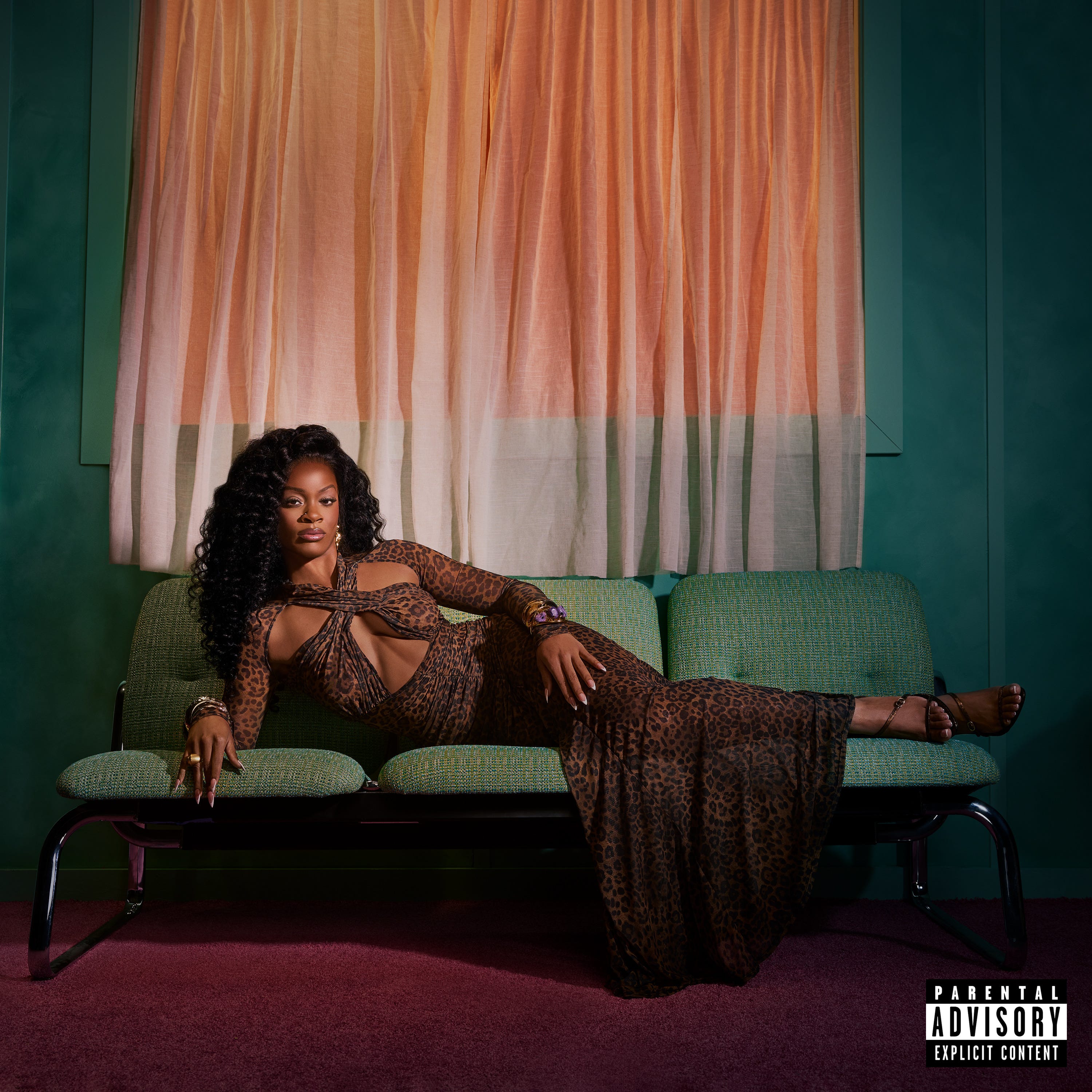
The move to Interscope from Dreamville means freedom to work with whoever she wants, and Ari Lennox is back with the team that gave her “Pressure”—Jermaine Dupri and Bryan-Michael Cox, producers who know how to make R&B sound vintage and current without trying too hard either way. Although they only made two records. The production across Vacancy (mostly helmed by ELITE) is clean and warm, with live instrumentation and bass lines that roll rather than knock, the kind of expensive simplicity that lets Lennox’s voice do the work. She’s got range and power to spare, and she uses both to turn home repair into foreplay on the title track, where walls need painting and pipes are leaking and table legs are shaky, all of which might be literal except for how she’s asking you to stay for the weekend without leaving. The Etta James playing in the background and the hot cocoa on the couch sound sweet until you register the actual ask, which is for someone to fill this vacancy before somebody else does.
But here’s what keeps happening within the theme of this album. She makes the offer, sets the terms, then shifts immediately into testing mode. The potential radio single “Twin Flame” finds her cooking and cleaning and ready to split the pension when she retires, which sounds generous except she’s already asking if you feel the same way, already asking you to say you love her, already writing love songs about it like something out of Jason’s Lyric. The movie reference matters because that’s a 1994 film about love in South Central LA, not a pop star, which means she’s going for something romantic and cinematic instead of surface-level. She’s a boss, but she'll give you all the business. She’s out here acting different, got her cleaning and cooking in the kitchen. Do you love me? Say you love me. The question sits there, waiting for an answer that never comes.
I’m askin’, do you love me?
Say you love me
I’m askin’, do you love me?
Say you love me
Because you make me feel a way
Do you feel the same?
When that doesn’t work, she pulls out the countdown. “24 Seconds” is all urgency on the surface—hit her back or watch her move on, phone off but turned on somewhere else, maybe with someone else, except the song keeps extending the deadline. She’s still counting, still waiting, still cataloging the twenty-four seconds that expired without getting used. It’s not a threat if you’re still there when the clock runs out. What she’s actually saying is that she’s tired of being the one who cares more, tired of proving her interest to people who can’t be bothered to dial. The specificity of the timeframe tells you she’s been watching that phone way longer than she wants to admit.
“You only got twenty-four seconds ‘til this moment pass, ooh
You only got twenty-four seconds to hit me back, ooh
I might be moving on, I might be long gone
I might be somewhere, phone off but turned on
You got twenty-four seconds to get this ass, ooh.”
The jealousy arrives as inventory. “Wake Up” runs through eyelashes under the nightstand that smell wrong, hair on the bed sheets that isn’t hers, text messages from names that shouldn’t be lighting up his phone while she’s washing his clothes and cooking his steak and spaghetti. The Draco line is funny for the reason that it’s so excessive, but the real violence is quieter—she’s channeling evidence instead of leaving, still trying to scare him into acting right instead of just walking. “Horoscope” turns the pattern into comedy, blaming astrology for every failed relationship instead of acknowledging that she’s ignored the signs every single time. Taurus ghosted her, Leo accused her of cheating, Scorpio only talked about himself, Virgo met her parents before she had to let him go. She’s cycled through the entire zodiac and they all disappointed her, which is either cosmic bad luck or something she’s not ready to examine yet.
“Soft Girl Era” puts the price list in the chorus with zero apology. First class, nails, hair, rent paid, take her somewhere worth posting. She knows what she’s worth and she’s not ashamed to say it out loud, which should feel powerful except it mostly sounds like she’s had this conversation before and knows how it ends. The bonnet stays on until you prove you’re serious, which is funny but also real—she’s not giving you full access until you demonstrate you can handle the responsibility. Dupri’s knock is familiar here; it’s more upbeat than the powered “Pressure,” and Lennox rides it with the confidence of someone who’s tired of men who can’t afford her but keep showing up anyway. It’s the only song on the record that doesn’t feel like an Ari song, and it sounded awkward.
The sex songs work when she commits to the metaphor and doesn’t overthink it. Modern R&B artists, take notes. “Pretzel” maps yoga language onto bedroom flexibility (chakras, lunging like you’re about to run a mile, etc.), and it’s goofy enough to stick because she’s naturally having fun with it. “High Key” promises to hit the high notes if you play nasty, which is straightforward and effective. Then “Under the Moon” shows up, and the tone shifts entirely. Werewolf imagery, intuition screaming that something’s wrong, silver bullets through his bullshit, hands on her throat while he’s ripping her clothes, and she knows she should leave but she’s already too far gone. It’s the only moment on the album where she admits the pattern is destructive and still can’t stop repeating it, which makes it the most honest thing here.
Buju Banton arrives on “Company” and everything settles. No testing, no countdowns, and no demands for proof. She just needs someone to break the dam and let her breathe, needs to watch the sunset and chat crazy and forget that life is grinding her down. Banton’s verse is tender without asking for anything back, talking about wrapping her up and rubbing her feet and watching Netflix without keeping score. This is what she actually wants when the posturing stops—presence without performance, company without calculation. The relief is audible, which makes it clear how exhausting the rest of the negotiation has been.
But the affectation doesn’t stay gone. “Hocus Pocus” has her admitting she shouldn’t do it but she needs to do it anyway, sending pictures and asking about babies and losing all focus when he calls. She knows it’s too soon, says it three times, doesn’t change her behavior. “Dreaming” imagines a rooftop date with brown eyes and jacuzzis that felt like déjà vu, which means the real version didn’t measure up to the fantasy. When “Wake Up” returns to close things out, she’s still cataloging evidence and threatening violence she won’t commit, still trying to scare someone into caring the way she does.
The problem isn’t that Lennox doesn’t know what she wants, as she’s specific about every detail, from the room number to the deadline to the dollar amount. The problem is that knowing what you want and getting it are two different things, and the album never moves past that gap. Not every album needs to solve the problems it identifies. She’s great at articulating the problem and stuck when it comes to solving it, which means Vacancy plays like fifteen different ways of asking the same question and getting the same silence back.
Great (★★★★☆)
Favorite Track(s): “Vacancy,” “24 Seconds,” “Company”