

Album Review: WAVO FOREVER by Hus KingPin
Hus KingPin spent years stockpiling Wu-Tang features like contraband, and WAVO FOREVER finally cashes them in, though most of the bills were spent long ago.
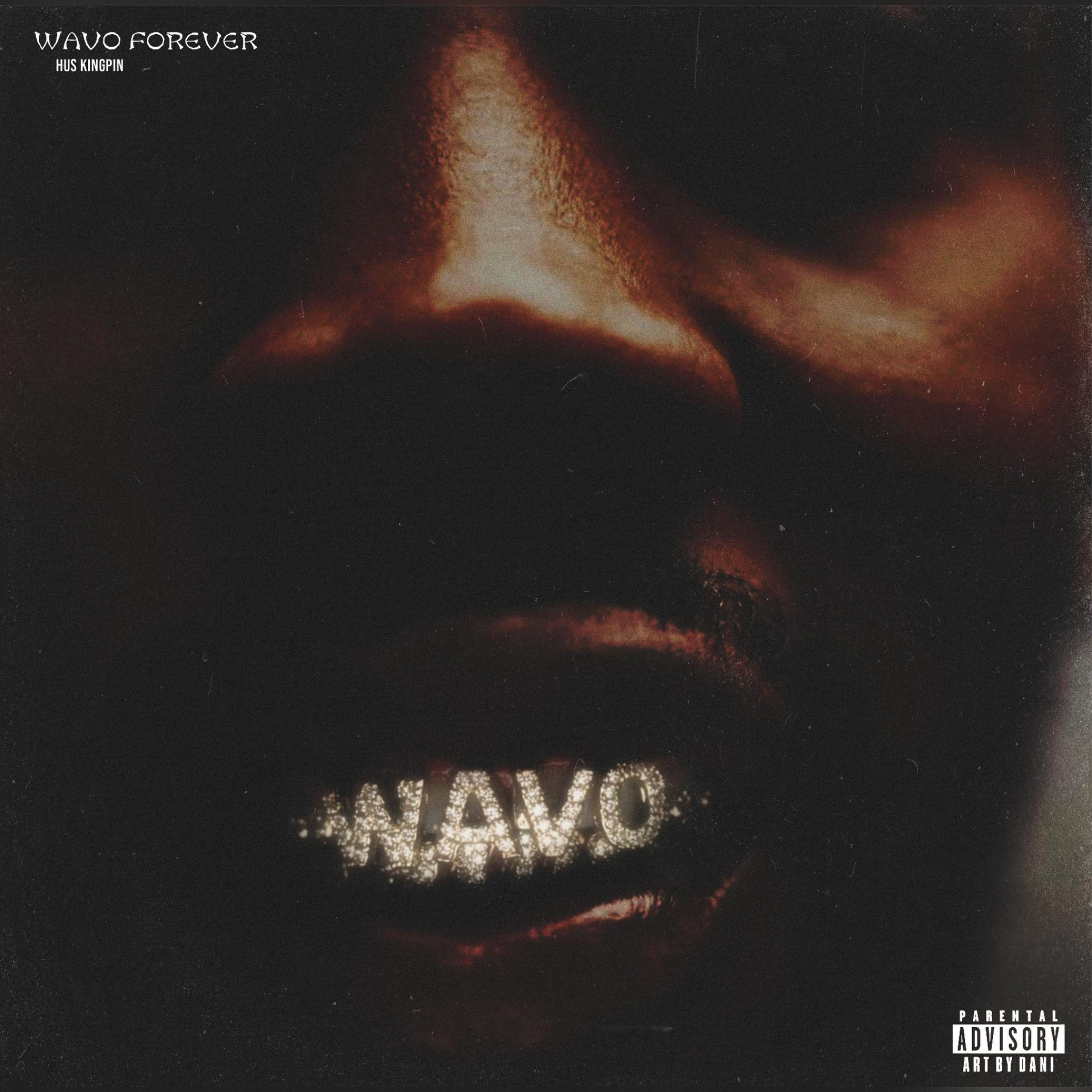
A small and extremely dedicated economy has grown around rappers who collect Wu-Tang features the way others collect rare sneakers. A guy flies to Staten Island or catches Ghostface at a session and walks away with sixteen bars. Another one sends a beat to Bronze Nazareth and waits for the reply to come back in the mail. These recordings end up scattered across Bandcamp pages, vinyl-only pressings, and limited tape runs that sell out in hours and get discussed on niche forums for months. Hus KingPin, the Hempstead-raised rapper who formed Tha Connection with SmooVth and spent a decade releasing records on labels in Tokyo, Zurich, and Berlin before most American listeners knew his name, has done this better and more obsessively than almost anyone. Over forty projects deep, he’s built entire albums around sampled Portishead joints, flipped Björk production, and paid tribute to Massive Attack co-founder Tricky. WAVO FOREVER turns that collector’s instinct toward the Wu-Tang Clan itself, outside of a few.
The catch, and the one Hus clearly knows about, is that most of this material appeared on earlier releases. “Ghost of Camay,” “Wisewave,” and “Killers Theme” were on 2019’s Slime Wave. “Majestic” and a cut of “Saigon Velour” showed up on Ghostface’s The Lost Tapes in 2018. “Mind Divine” dropped on Before The Album Drops Part 2 earlier this year. Forum regulars on WuTangCorp.com clocked it immediately. So WAVO FOREVER works partly as a curated compilation, a dude gathering his best Wu-adjacent material from scattered vaults and pressing it into a single sequence. Whether that bothers you depends on how much you owned before. For listeners encountering this stuff cold, the batting order reads fine. For the ones who bought the vinyl, several of these innings happened years ago.
RZA produces and raps on the opening “RZA Fangs,” and his bars hit with the unhinged specificity that made Liquid Swords intros feel like dispatches from a parallel dimension. He mentions silver-gray bullets, trees growing out of a man’s knees, tells a mother to keep a weapon nearby. Ghostface shows up twice and sounds comfortable both times. On “Majestic,” he bounces through Mike Tyson punches, bagged flamingos, and bulletproof vests with a cadence that hasn’t aged in twenty years. His “Saigon Velour” turn is pure nostalgia filmmaking, walking down the block in ‘76 with a pimped-out fur hat, eighty pounds of frozen ice, cucuba cigars and Newports, a stash house owned by El Patron. Wu-Syndicate takes “Killers Theme” to a place nobody else on the record even gets near. Two full rounds of murder content so graphic and unbothered it makes the rest of the album’s gun bars sound like small talk.
Hus holds his spot on every song without outgunning any of his guests, and his writing tends to follow a specific recipe. Cocaine, then a gun image, then a woman’s body, then a luxury detail, then back to the gun. “Next Level” goes from cocaine traffic over oceanic lines to needing a woman who’ll hide drugs in her body to helping her lose weight when she moves weight. The same blender spins on “Hang Glide Samurai,” where sake rice and poltergeist life share a breath with heads on ice over dice, dead bodies flying in the sky over innocent bystanders. Bullets figure-skate on “Who Made You Look Pt. 2,” the 9 becomes Nancy Kerrigan and the Thompson becomes Tonya, and then Hus jumps to hoes hiking up dresses, forbidden fruit, peanut butter breath weed, a Hadouken reference, and a Street Fighter punchline about lying like you’re Ken. The images come fast and stay wild, but the rotation rarely changes. Guns bleed into sex, sex bleeds into food, food bleeds into threats. After five or six songs, the surprise wears off, and the pattern becomes predictable, which is a problem when the MCs around him—Killah Priest going full cosmic pharaoh on “Mind Divine,” Shyheim quoting his mother telling him not to be weak—keep finding new territory.
“Saigon Velour” is the record’s strongest argument for itself, largely because it’s from GFK’s The Lost Tapes. Tricky’s voice sits against a Ghostface run through frozen ice and Colombian tacos and a Hus stretch covering ghost talkers dying under coke waters and six days and nights moving snow. Three different men from three different musical planets, and the song holds all of them without asking anyone to compromise. It’s the one moment on WAVO FOREVER where the Bristol trip-hop of his Portishead and Tricky tribute projects and the Staten Island crime poetry of his Wu-Tang connections justify each other in the same room. “The Pleasures” earns a similar pull. Rozewood opens with a woman in a blue dress under a streetlight, a MAC-10 in the dresser as a first lesson, and the hook nods to Nas. SmooVth adds pharaoh souls and hemp smoke from Detroit to Hempstead.
Hus KingPin will go on making these records. Another Portishead flip, another Wu connection pressed to wax, another limited run sold out before the ink dries. WAVO FOREVER catches him in an honest spot. Respected enough to get RZA, Ghostface, Raekwon, and Method Man on the same tracklist, skilled enough to rap beside them without embarrassing himself, but unable to match the best performances his guests hand him. The women in his songs stay nameless, the coke stays Peruvian, the guns do splits and figure-skate and fly through neon skies. On a forum right now, someone is asking which of these songs they own on another tape.
Above Average (★★★☆☆)
Favorite Track(s): “RZA Fangs,” “The Pleasures,” “Saigon Velour”
such a well written review (esp best of any I read on this album)...you also know your shit. while no one is gonna argue they expected more, it was a worthwhile excursion packaged for a low digi BC price, as you say, putting a few things together just because. good to add a short Hus selection to the bandcamp streaming collection since he usually releases free...this one felt like for those of us who been following since those early days...shout out to the troubled DIGI CRATE RECORDS era...shout out to DOKTOR RHEAL hwom I never would have found without that!...shout out those who been rocking long enough to remember THA CONNECTION ... you really put it well in the conclusion <3