

Album Review: When a Man Falls by Caleb Colossus
A label told Caleb Colossus that Gen Z won’t connect. His third album proves them wrong about everything except the streaming numbers.
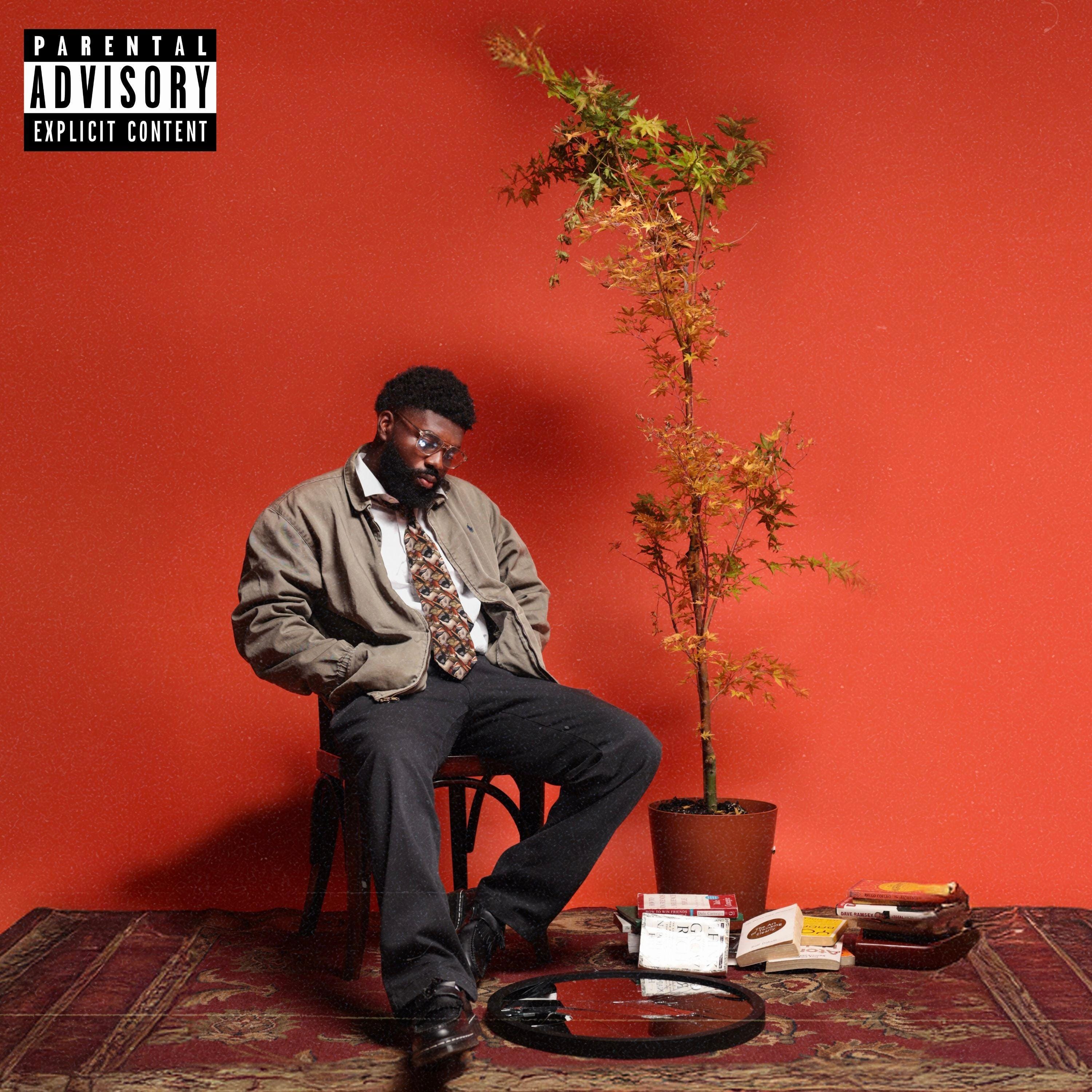
Stone Mountain, Georgia, fifteen miles east of Atlanta. Caleb Colossus grew up out there, started rapping at Chamblee Middle School, played football at Chamblee Charter High, graduated in 2013 (he was also on Rhythm and Flow). Multiple projects by 2026 and no label deal. About nine thousand people a month on Spotify. He’d made two hundred thousand dollars from brand partnerships, none of it from the music, and when the songs got taken to labels, one responded by saying he sounded dated, that Gen Z won’t connect if it isn’t about Patek or bitches. When a Man Falls is the record that came after, with songs produced by Eugen Boger, every one written from the vantage of a twenty-nine-year-old whose work was called unmarketable by an actual label.
What does a twenty-nine-year-old rapper write about after that call? God, mostly. Colossus addresses Him on more than half the record, repenting sins he hasn’t quit, asking for a season that hasn’t arrived, bargaining and begging in rotation. He replays a breakup. Measures himself against friends who got married, rappers who got signed. Fantasizes about the domestic life, the settled-down version, and holds it up against where he actually is, which is an apartment with vinyl records and no plan.
Colossus’s ex moved across the country and FaceTimed him to end it, and on “Numb” he played back the whole relationship trying to pinpoint where she saw the flaws, and his family had to stop talking about being in-laws, and he wound up in a cold apartment drinking cabernet with records on, repeating that he couldn’t feel anything anymore, just cold, just blank. On “TV Dad” he imagined the domestic version—high school sweetheart, front stoop, soccer practice, packing the van—then cut to what he actually had (twenty-nine, no kids, no wife, comparing himself to friends who tied the knot and calling himself Nancy Kerrigan on thin ice, which was his phrase and a good one). Joni Mitchell got name-checked. Only sees blue. A Phife Dawg tribute wandered into the second verse from what sounded like a completely different headspace, and the outro mentioned Jack Pierce and a Grammy that hasn’t happened. On “Flowers” he rapped about the two hundred grand he’d earned from brand deals and how every label still turned the music down. “Should I dumb it down a notch to be the one you select?” he asked. The corporate job he’d sworn off had already been accepted. The hook took “give people their flowers” and bent it: “they want peonies, gave ‘em daffodils.”
Knock him down ninety-four times and on the ninety-fifth he’ll be standing tall. Gym wall material. The record has more of that energy, fall and stand and trust God and go again, and after all the unflattering personal detail from earlier, the turn to generic uplift felt like a subject change. “Sinner Man” kept the contradiction intact, repenting while eyeing a Maybach, praying to grow where God planted him while sweet-talking women under canopies. Durand Bernarr showed up on “Hubby” with a hook about wanting a husband from the couch, and Colossus flipped the verse to the woman’s side—she’d been through Jalen, Chris, Tristan, Nigel, Devante, and Michael, none of them stuck around, and she spins Olivia Dean and Summer Walker on vinyl waiting for a man who walks in His image.
Colossus has said Outkast’s Speakerboxxx/The Love Below was the first album he actively paid attention to, and he puts Kanye’s MBDTF and Kid Cudi’s Man on the Moon at the top of his list. He aimed where they aimed, from much further back. The spoken intro on “Puzzled” says: “Nobody’s gonna come save you.”
Great (★★★★☆)
Favorite Track(s): “TV Dad,” “Flowers,” “Numb”