

Album Review: Yellow House by Satya
Satya made her debut for the child she was in an abusive Oakland house. It’s a plainspoken soul-and-folk record that survives the house by naming everything inside it.
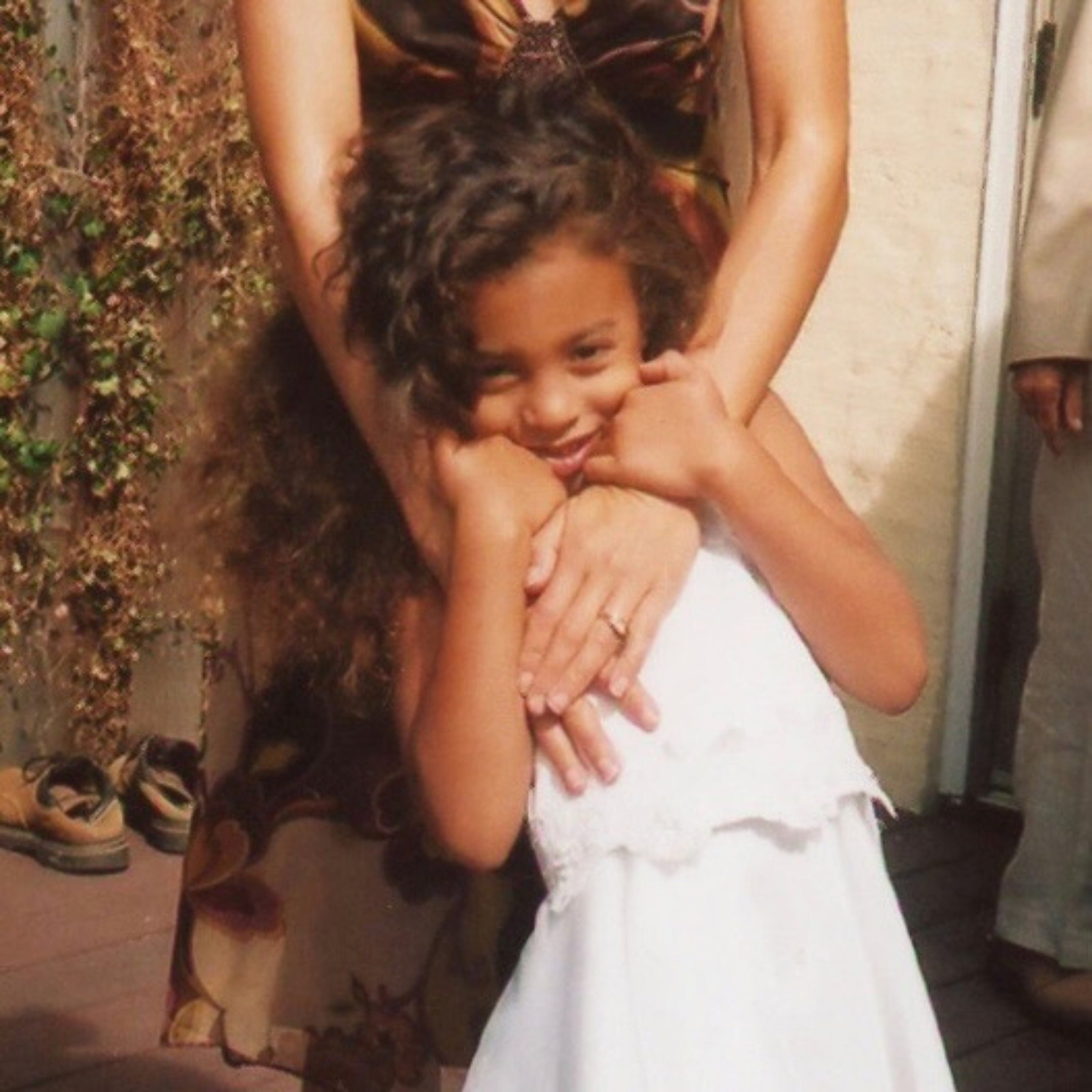
A music industry degree at Loyola is a road into the business. Then the world went on hold, Satya Hawley from Oakland came down to New Orleans, and never left after it. The city had somehow sunk into her the way four years of classes couldn’t. Through those confined weeks, she teased open journal entries from years ago and wrote back to the kid she’d been, a child in the Bay in a yellow house where the loving and the hurting were the same kind of air that filled the room. Produced by Colin Linden, cut in Nashville months later, the pages became her debut record, sung in a voice that remains low and conversational—closer to a private confession.
A live band drives “Project 10” relentlessly; it shoves and heaves instead of sways, and the rhythm section races away from and under what Satya’s saying from inside the shutdown, from high up enough that she’s afraid to even look down: “Who’s gonna hold my hand/If I hit the ground?” And it sounds like how you’re likely to talk about dissociation once the shock wears off, when loving the present day becomes indistinguishable from wishing you’d never been born. “Deep as the sea, darkest at night,” she keeps repeating against the chorus; even though she’s sinking, it continues pushing from below.
In “Yellow House,” the setting appears as a catalog of the things she can’t forget: “Yellow house, lemon tree, wooden floor she laid face down/Yellow house, dead birds, pill bottles missing from the cabin,” she sings low, over guitar and drums that loom close before they release into the final passage. She’s already come to a decision: “I’m not going home again, I won’t.” “Seven” tones down the music and turns that same straightforwardness onto her own kid self: “Honey, how could you have known?” she sings to the seven-year-old building walls after one man leaves and another follows. And by the chorus, she’s swearing herself to that child that she’s not the leaving kind, and she keeps the promise in that same steady and level tone.
With “Circles,” Satya extends the furthest, beginning with a dark guitar figure that develops with slide, organ, keys and reverb to extend beyond where the others stop. She has declared this the track that “opened the album’s world,” and the build supports that: it’s a return to the same wound, a speaking through of a pattern by acknowledging the terms. “I tried to find you in your own mind/But tiptoed around each dark corner,” she sings, and the breakthrough is the refusal to continue sinking into somebody else’s chaos: “Reciting your circles, but this time, I intend to swim.” That hallway she dreams of in the bridge bleeds right into the next track, stripped to nothing else. “Interlude (At Tal’s House)” is barely a song, a phone recording she kept of herself speaking into the bedroom of Tal Ariel, leaving the flaws of the capture as part of the whole, still nothing but breath and words. “Every other day, I dream of a hallway/Hold on to your words, and I’ll pray you’re okay.” Just the singer, and the size of the space in which the capture occurred.
Two aren’t hers. Slow and worn out on the vocal, Satya folds into “Fruits of My Labor” rather than competing with Lucinda Williams, who sang the track she says she heard in a New Orleans bar. The mention of a lemon tree-“Lemon trees, they don’t make a sound/‘Til branches bend, and fruit falls to the ground”—is the same one she had previously given a mention of in her own title track, which explains why it doesn’t feel borrowed on her cover. The Grateful Dead’s “Box of Rain,” which her grandfather used to love, comes in warmer and more swelling, a smooth heave she uses to express a lineage of devotion: “A box of rain will ease the pain and love will see you through.” It’s part of the family and history that Satya has been singing about throughout. She also sets two languid, settled covers back-to-back, amidst a set that is already patient and slow; the same patience that suits each selection individually wears out over the course of two selections in succession.
The warmth becomes a weakness, though the songs progress. A lot of the same tempo, the same low register: if a listener is trying to find an energetic contrast, she won’t hear it until the tracks become small again. The return to breath in “Heaven’s Cry” is much appreciated. The melody opens up, taking on more weight. Her vocal clears up and rises through the entire range—even as it describes exiting a house that has become threatening: “I’m learning to crawl, looking for solid ground.” At one point, the hush lifts and the climb she’s singing about actually makes its way into the music.
She wound up in New Orleans after dropping out, and “Cicadas” returns, all warm and dark and made from rain she recorded on site, then slipped underneath her track. The voice shifts from exhilaration to a deep calm: “The one that I call/When there’s good news, when it’s bad, too.” She is giving thanks to all who lifted her once she made it out; the friend who tracked her across the US: “Ran across country, she followed me there/Crying in her arms, brushing up my hair.” The girl who stayed in the yellow house was determined to avoid going home; this is the one that she built and built in the sound of rain, and she still takes it with her.
Great (★★★★☆)
Favorite Track(s): “Yellow House,” “Circles,” “Cicadas”
Thank you for this amazingly beautiful and accurate review. I’m one of Satya’s managers and a big follower of this page. Thank you again!