

April 2026 Roundups: The Best Albums of the Month
Rap ran deep in April, deep enough for its own list. Jazz, soul, indie rock, and folk claimed the remaining seats and argued over the armrests.
Fifty-eight albums. Rap dominated the count—street-level records arrived from both coasts and the Midwest so fast you could fill a separate list and still leave good ones off. Genre spread ran wider than any single category could hold, though, with jazz parked next to grime and instrumental funk sharing a wall with experimental folk, and none of these records were talking to each other. Duo projects and producer-rapper partnerships piled up alongside self-titled albums and debut records under new names, as if half the artists here had decided April was the month to show up as a different version of themselves. Who told them all to pivot at once? And the ones who showed up alone tended to be the ones who had abandoned something first—an old band, an old sound, an old way of doing it. Not everything here will last, but nothing was being polite about it, and April 2026 didn’t coast.
Samba Jean-Baptiste, +3
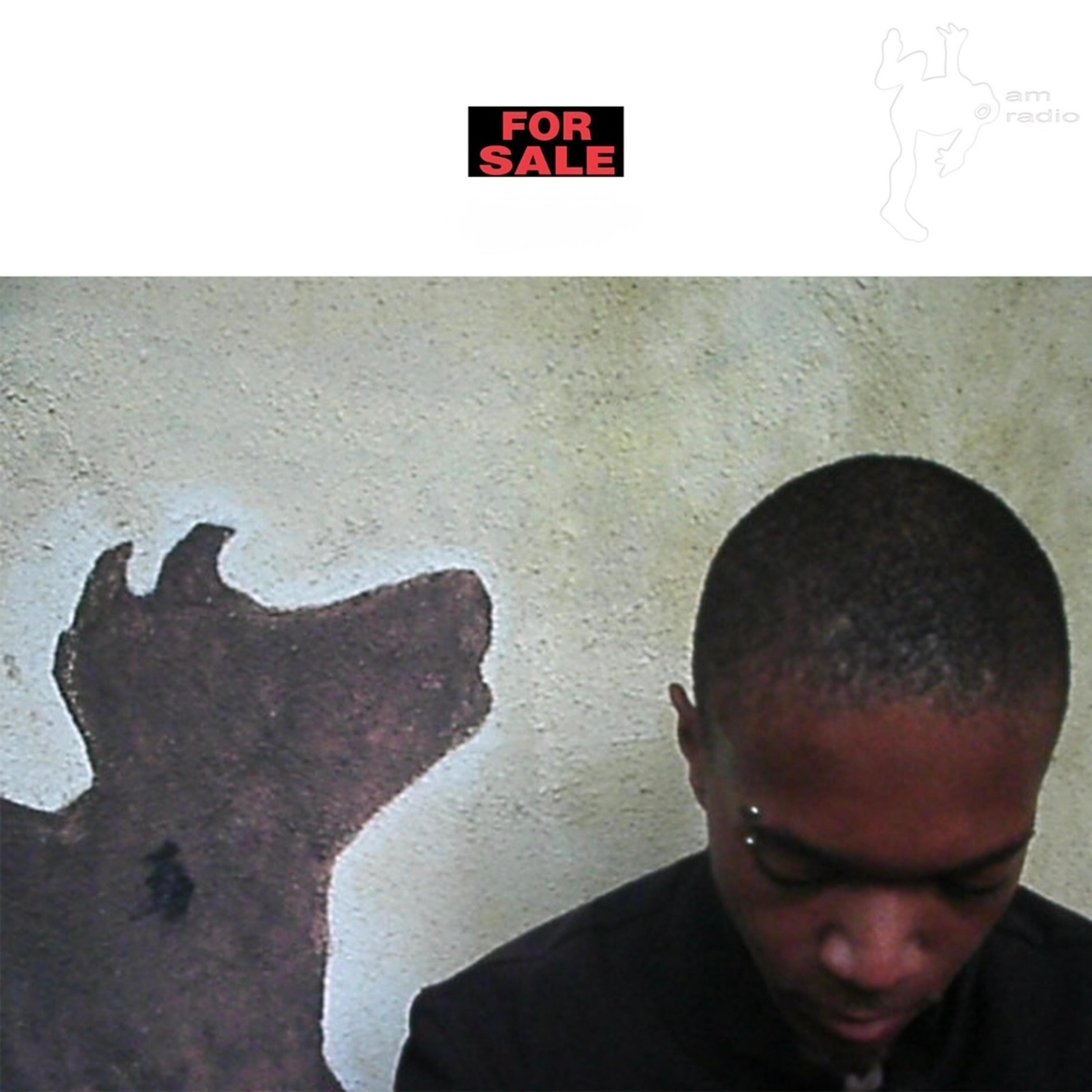
On +3, Samba Jean-Baptiste plays every instrument, writes every lyric, mixes every track, and the solo setup sounds like a choice. The whole back half of “Peppermint” is him singing to her over a pillowy programmed loop about waking up hot, running laps in his head to stay awake, offering her a private prayer he already knows has expired. Then Bung comes in with a bassline that feels closer than the vocal, and the song flips: “I could break down on my own, but it’s you and me on the phone for hours.” Chloë LeStage features on “Pressure & Light” and “By the Wind,” but her biggest contribution to the record arrives on “Statues & Symbols.” Samba opens the song gasping a run of two-word couplets (old days, daylight, road rage), one per breath. LeStage takes the hook, a chorus built around keeping her eyes wide open, and on it she sings the album’s sharpest political line inside a hook about staying wide-eyed (“Black blood leads to fame/But the news don’t say my babies name”), so the baby the news will not name and the child she is watching over wind up in the same breath. Samba is altered across most of these tracks and nobody in the room checks on him. On “Twisted Angel,” he flicks a joint into the grass, watches it burn, and thinks of a woman he has not felt for in weeks. Bass and shaker and almost nothing else move under the vocal. He waits at a bus stop in a coat, in wind, wishing someone would collect him like a phone call. A memory turns into a freestyle. A whole face goes into the snow just to watch it melt. The touring schedule is loud enough that Samba cannot be bothered to answer his cell. The song, and the record, end on the shrug. — Ameenah Laquita
Arlo Parks, Ambiguous Desire
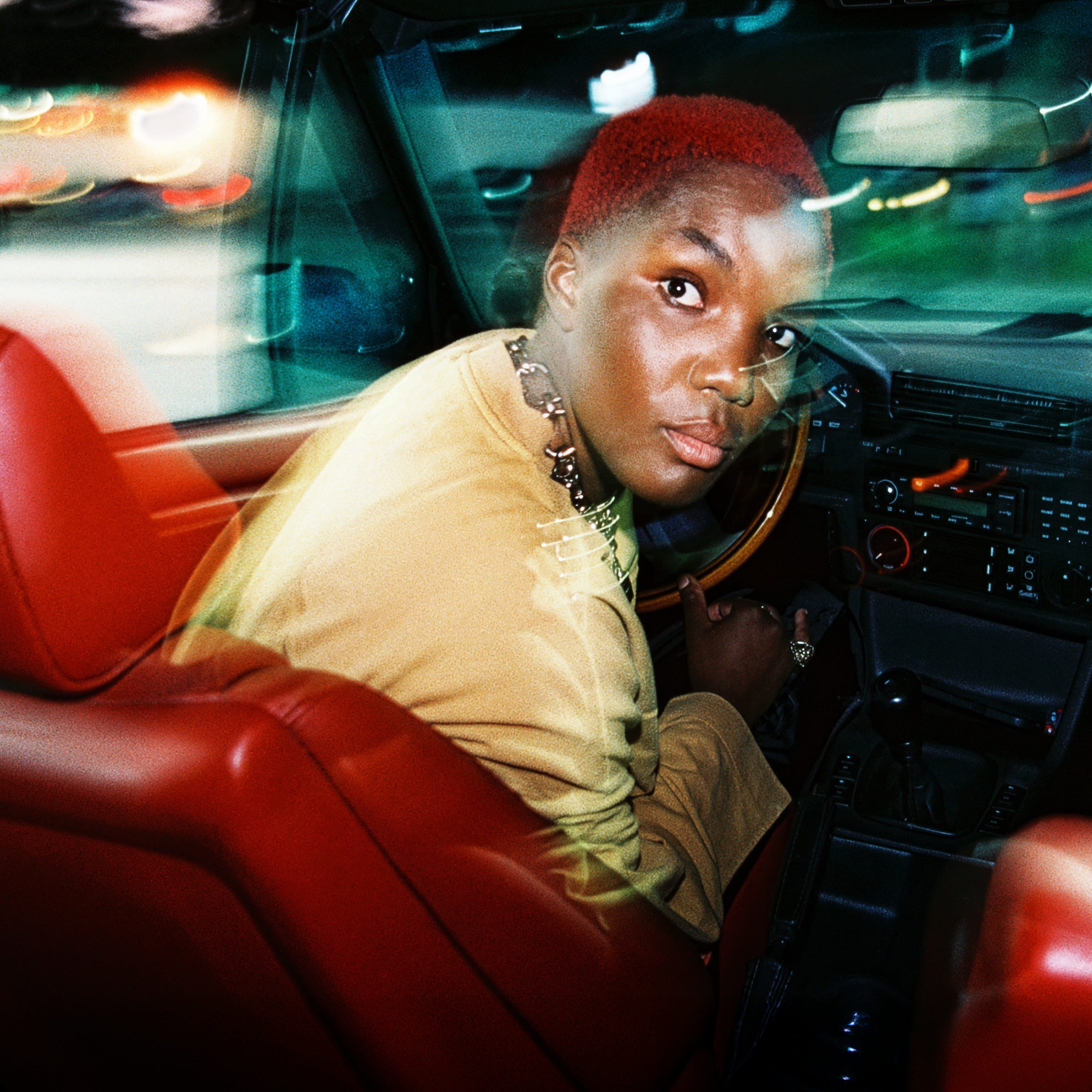
Signed at 17, Mercury Prize at 20, a US tour cancelled for mental health concerns at 22. Arlo Parks had been famous longer than she’d been an adult when, in the spring of 2024, she wrapped her My Soft Machine tour at Brooklyn Steel and found herself with nothing to do. So she did what 23-year-olds do. She went to Midnight Lovers in LA and juke nights in Greenpoint. She read McKenzie Wark’s Raving. She started DJing Goldie and Prince at house parties (still hasn’t picked a DJ name) and fell in love with someone who lived in New York. Then she linked up with Baird, a Baltimore producer known for his work with BROCKHAMPTON and Kevin Abstract, in his downtown loft, and the two of them made a song every other day for two years. The guitars from her first two records disappeared. Modular synths, breakbeat rhythms, and UK garage kicks took their place, and the bedroom-confessional poet who’d been everybody’s sad best friend suddenly had bass frequencies and a reason to leave the house. The songs are full of people. Aleda’s cousin is being sick out back while the disco lights turn blue at ten to six in the morning. Maria stands on a dancefloor holding both her heels, sequins on her jeans, wishing she wasn’t herself. Cindy slips out of a car in leather and pink chrome. Joey guards his decks. Parks packs a night bag—cigarettes, cash, phone—and rides in a Jetta to someone named Conor’s place. And then, on “Beams,” she’s sobering up on a stranger’s stairs, looking at Harley Weir photos, and she tells someone flat that she was suicidal in Brazil. On “Senses,” she admits she’s been dulling herself with art and women, wishing she’d disappear at speed while cycling, asking Sampha’s question back at herself: is trying better than nothing? — Charlotte Rochel
Ebony Riley, Beautiful Tragedy
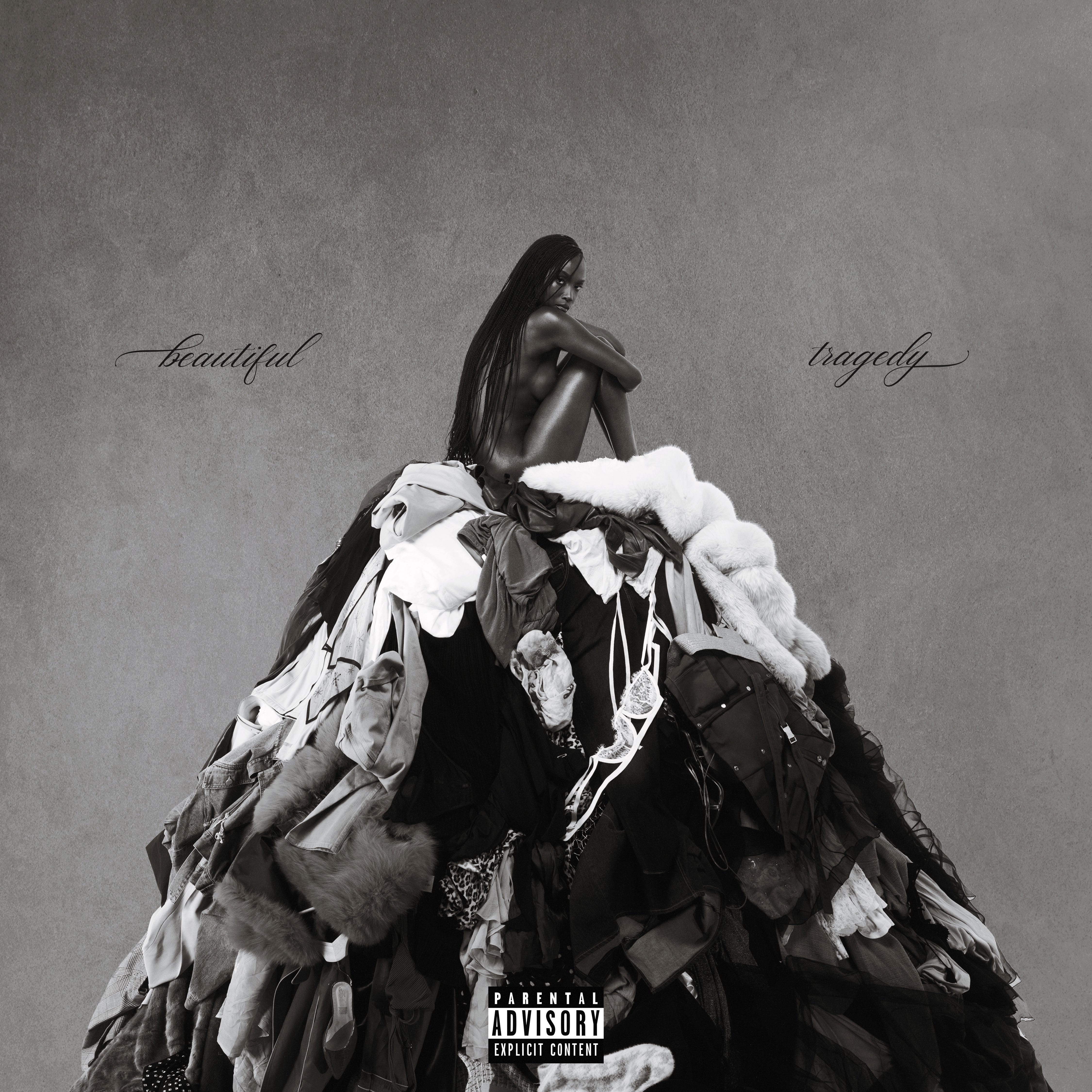
For a decade, two women shared the same body. Riley Montana walked for Marc Jacobs and Givenchy, shot the Beyoncé x Balmain Renaissance campaign, appeared in Vogue. Ebony Riley, the name on her birth certificate, was writing songs in private, recording demos nobody heard. She’d grown up on Detroit’s West Side, joined her church choir at seven, lost her mother at nine, passed through state custody before earning a nursing degree she never used. When she signed to Interscope in 2020, she did it quietly, during lockdown, as if sneaking out of one life and into another. Beautiful Tragedy is what she found on the other side—a debut, executive produced by Larrance “Rance” Dopson, that puts a graphic sex song about choking and threesomes (“Otherside”) next to a prayer built on Aunty Renee’s voicemail about trusting God (“Through the Motions”) and asks you to take both of them seriously. The range is wild, and Riley is dead serious about all of it. “Who Raised Y’all” puts broke, unfaithful, club-dwelling men on collective trial—she kept the receipts from their texts, she says—while “Honest” admits she used to say yes to men she didn’t want and fake it to avoid sleeping alone. “I’d rather be real and rejected/Than fake for acceptance,” she sings. But the song that will outlast the rest is “Bloom,” where Riley sings directly to young Black girls and spells out the exact household: mama gone, big sister making sure they eat, a teenage girl whose grandmother called her ungodly. — Aicha Odilia
CRIMEAPPLE, BEEMER ON BROADWAY

Since 2017, CRIMEAPPLE has been cycling through producer partnerships the way some people cycle through restaurants: one album with DJ Muggs, one with Big Ghost Ltd, one with Apollo Brown, one with Preservation, one with DJ Skizz, one with V Don, one with Evidence, two with Buck Dudley, and a self-titled album he cooked alone. He names the projects after cars parked on Jersey streets: Jaguar On Palisade, now Beemer on Broadway. He has never spread the production across six different hands on one album before this one, and it loosens him up. LOMAN’s drums bounce hard enough for him to drawl and speed up in the same couplet; Comma Uno strips everything back until there’s barely a beat under him on “No Reason,” where he dismisses a rival’s five hundred dollars as “frivolous funds, dinner for one”; Wino Willy’s swampy loop on “Patio Bonito” plays under a Colombian sample about a man traveling with three coronels and seven machine guns. CRIMEAPPLE raps over it like somebody put a war documentary on at a family cookout. DJ Skizz produces “Rosie Perez,” and it’s two full verses about a woman. CRIMEAPPLE takes her around the world, Japan and Italy, describes her caramel skin, calls her “truly flawless.” Imagine Ghostface’s “Camay” played completely straight for three and a half minutes. Who does that anymore? On “Pigs Feet,” mama pulled out a pot and made stew when the family didn’t have much else; the brothers used to share shoes. And on “Beef,” he rewrites the Biggie question with a running catalog: kids overseas starving, Spotify paying him pennies, AI taking jobs, billionaires doing “wicked shit to missing children on an island,” a woman named Michelle gone from his life to drugs. — Nehemiah
BLUEHILLBILL & Tremendiss, Blue Tears
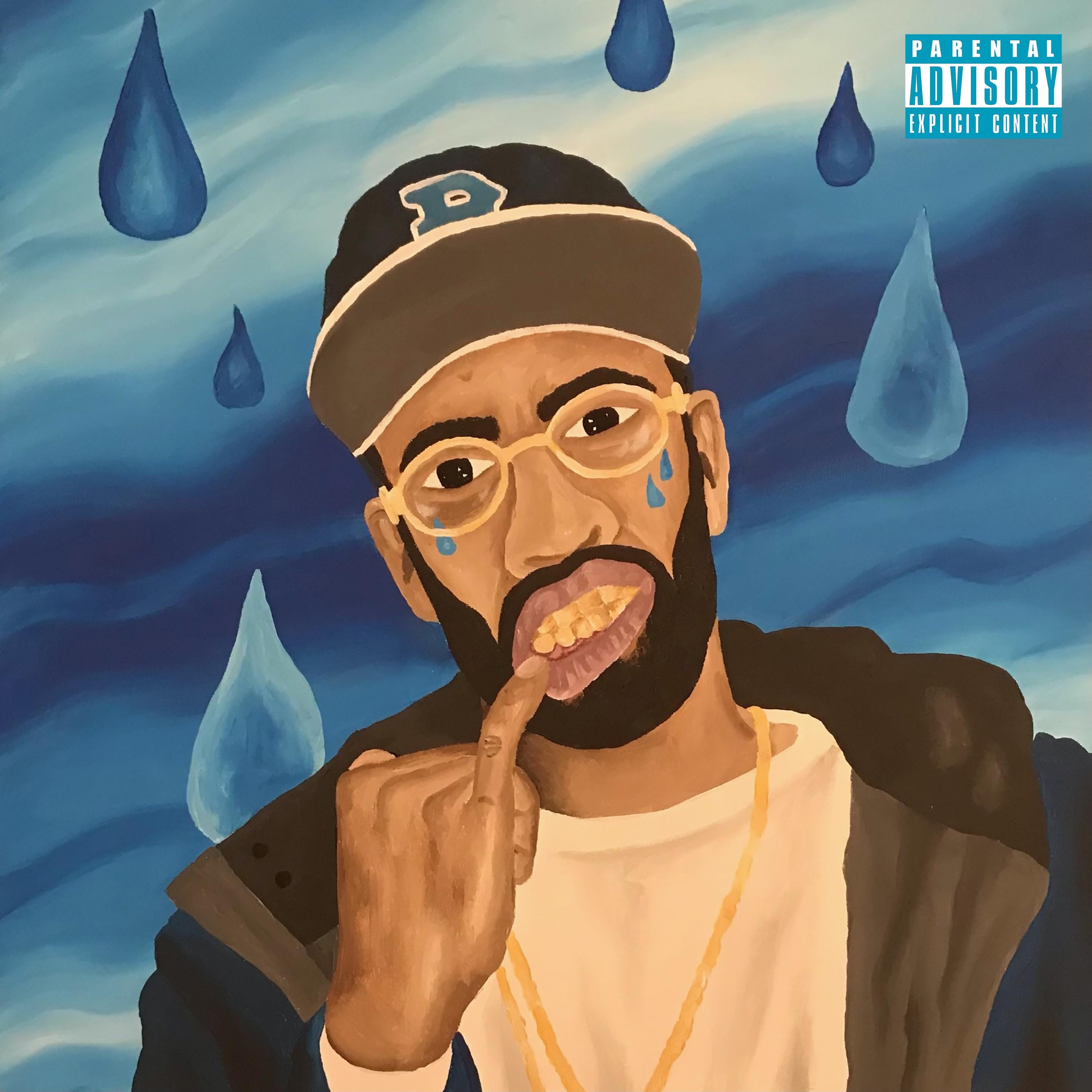
BLUEHILLBILL has been rapping steadily for years inside a corner of the underground East Coast that runs through al.divino, Estee Nack, BoriRock, and Kil The Artist, where everybody features on everybody else’s record and nobody waits for permission to drop the next one. Blue Tears is a full project with Tremendiss, who produced every beat, and the two of them settled into a single mood and didn’t leave it. Tremendiss keeps the samples tense, and BLUEHILLBILL raps over them fast and fluent, not looking up. On “Love Jones,” he talks to cocaine like a girlfriend he can’t quit seeing. He calls her pearly white, numb to the touch, says if she were a person he’d take her out to Benihana’s, says she gains weight when she hits the water. He gets jealous when he sees her with other people. “Chasing Ghosts” has the devil is stepping on his chest, his doctor and therapist are trying to figure out his triggers, and he won’t sit there explaining himself. He says God gave them life but only on consignment, which is the sharpest bar on the album, a drug-trade word turned into a lease agreement with the Almighty. On “Maya Angelou,” a Muhammad Ali sample opens the song and BLUEHILLBILL says riding around with a brick in his trunk is white privilege, pouring Hennessy in his cup is Hennessy privilege. He calls himself a Gucci sock Socrates on the opener, which is a bar so stupid it wraps around to genius. — Kamarion
Hulvey, COULD BE TONIGHT

When he was sixteen, living in Brunswick, Georgia, a kid named Christopher Hulvey got cut from his basketball team and started rapping about Jesus. He dropped out of college, moved to Atlanta, scrubbed supermarket toilets for money, and signed with Reach Records, the Christian rap label Lecrae built. He put out two albums. “Beautiful” became a minor crossover. He got married, had two sons, Memphis and Rocky, got diagnosed with OCD, and kept making records that said “Holy Spirit, speak through me” at the top of every session. He had announced his departure from Reach earlier this year, and three months later he surprise-dropped twenty tracks produced entirely by xander. at a pay-what-you-want price, no rollout, no warning. Jesus could come back tonight, so the album should arrive the same way. “I gave all I had for a rap dream/Gave my wife, gave my sons, gave up Christ for number ones/I gave all I had for Christian rap dreams/He said, ‘You actin’ like you one, but you are not my son.’” First verse, first song. He opens his farewell record by accusing himself of being a fraud. “SEPARATION” is Hulvey writing as Christ proposing to the Church, and the allegory ends with the bride accepting while wearing the mark of the beast on her arm. — Murffey Zavier
Fatboi Sharif & Child Actor, Crayola Circles
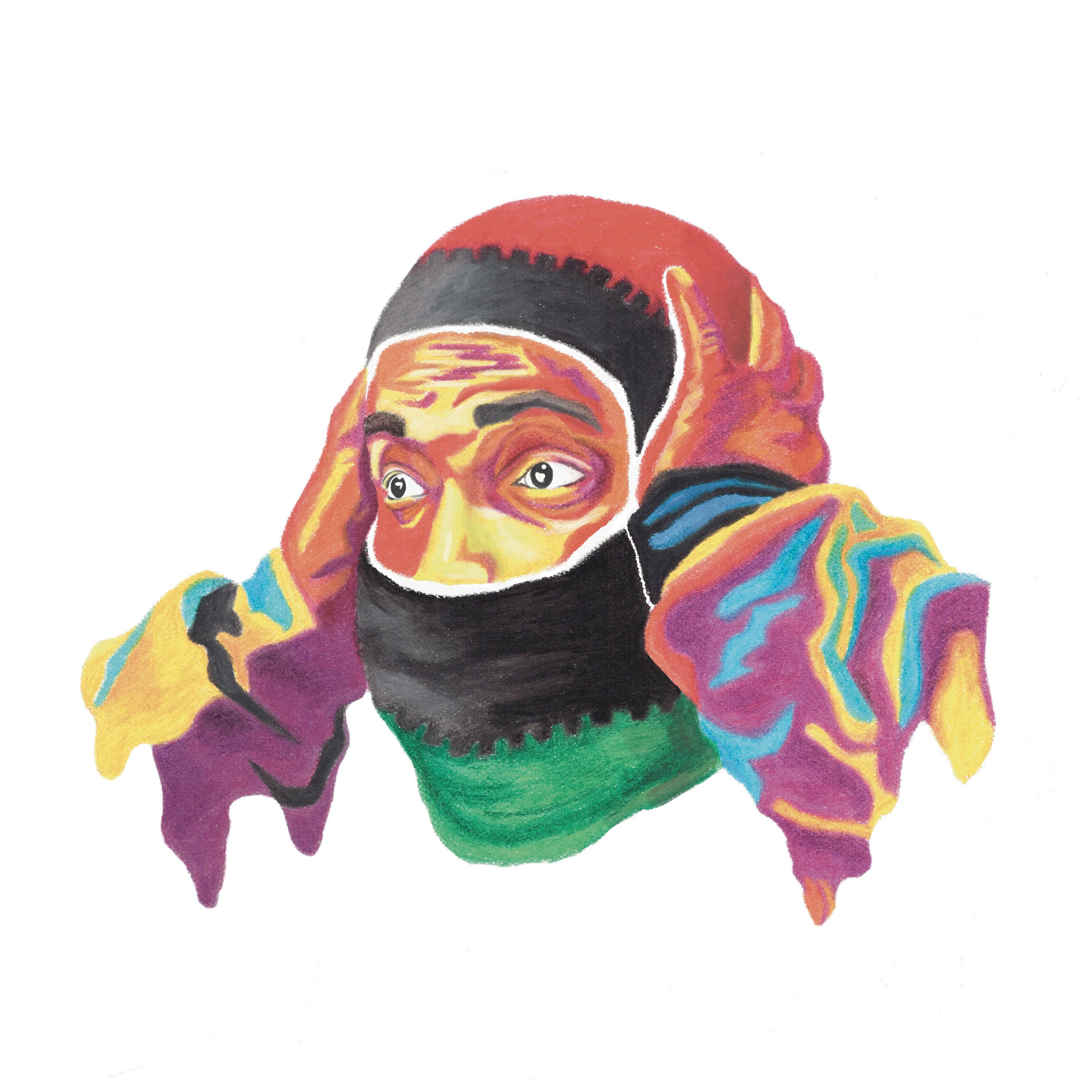
Since 2016, Fatboi Sharif has released records with Roper Williams, LoneSword, noface, Steel Tipped Dove, Bigg Jus, Fat Tony, and Duncecap, each collaboration lasting one album before he moves on. Crayola Circles pairs him with Child Actor, a producer who came up making dream-pop before landing credits with Navy Blue, Earl Sweatshirt, and ELUCID on the same Backwoodz Studioz roster Sharif joined for 2023’s Decay. The two had never worked together. Child Actor said he built the beats from jazz and folk scraps, and it shows: the production across these fifteen tracks (none longer than three minutes, the opener a 21-second instrumental) sounds like a college radio signal dying in a parking garage. Drums show up late or not at all. There’s almost nothing underneath Sharif except open air, a low throb, and whatever he decides to put there. He fills it with shrapnel. “The hotdog truck postponed by falling evidence,” he raps on “How to Disinfect a Live Grenade,” a sentence that contains a real noun and a real verb and no recoverable meaning between them. “Poison gateside near the playground, fell syringe.” And when Sharif raps “My parents asked if suicide is the solution” on “How to Disinfect a Live Grenade,” sandwiched between a ghost ship and a fast lane to heaven, or “My father who carved out my heart at arm’s length from a distance” on “The Destitute Stashspot,” those lines arrive at identical volume as the Reagan assassination and the mermaid fantasies and the poison candy apple carrot cake. The album is over before you’ve finished processing what you just heard. — Koda Lin
Mamas Gun, DIG!
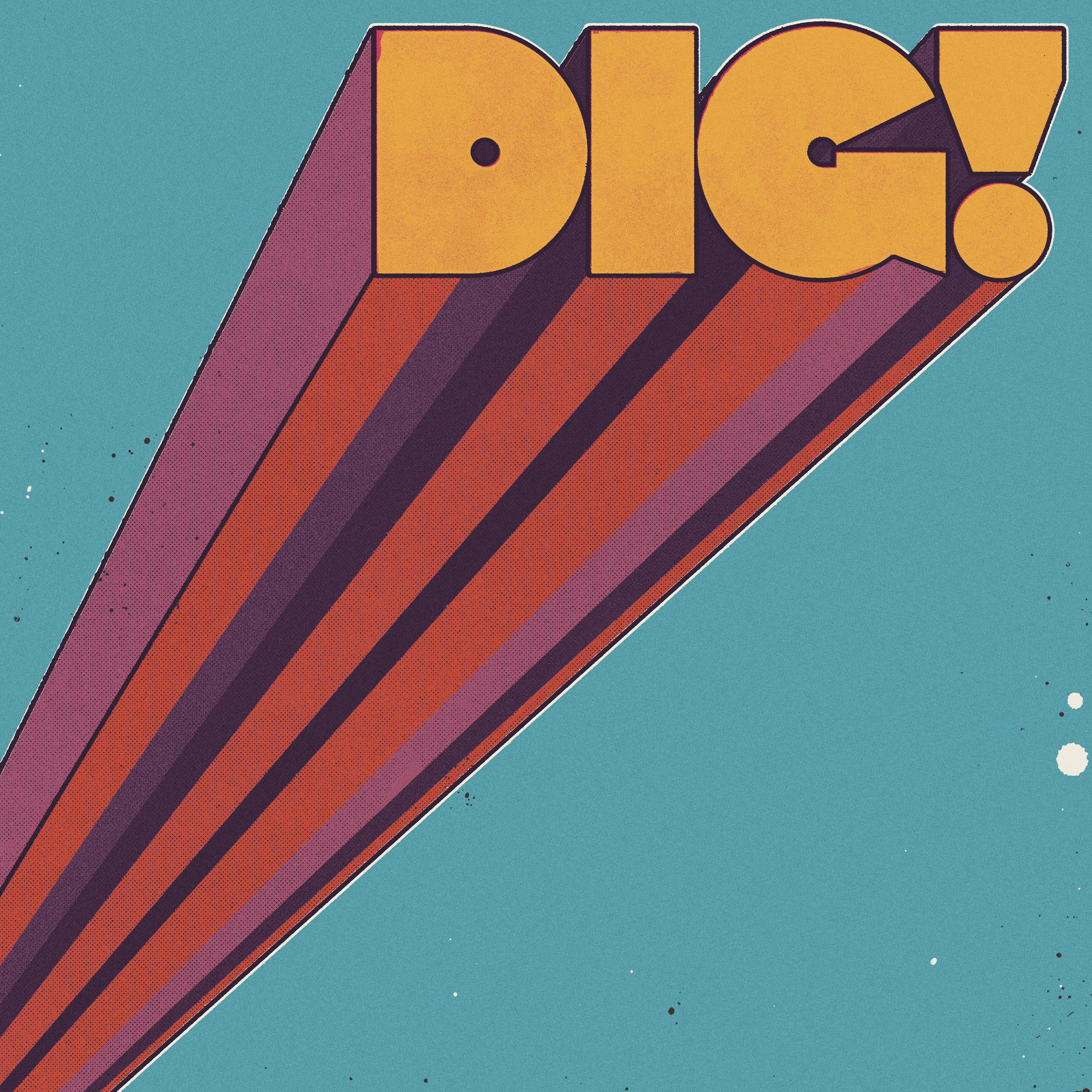
In the spring of 2006, a 26-year-old Andy Platts had just signed his first publishing deal in New York and was being shuttled around writers’ rooms by people who thought he might be the next white English soul kid worth backing. The list of people he sat across from that month included Rod Temperton (the man who wrote “Rock With You” and “Off the Wall”) and John Oates. It also included Brian Jackson, Gil Scott-Heron’s longtime keyboard partner, who walked into a session with him and started a song they never finished. They stayed in loose touch across the Atlantic for nearly twenty years before Platts, by then six albums into his career fronting the British soul outfit Mamas Gun and co-fronting the K-pop-charting duo Young Gun Silver Fox with Shawn Lee, sent Jackson a demo for a track called “DIG!” Jackson said yes. The sessions that followed produced the album, the most fully realized record Mamas Gun have made and one of the few analogue-soul revival LPs of the decade that doesn’t sound like it was assembled out of obligation to a house style. Six albums in, they have figured out how to make working-husband soul music with one of its founding architects in the room. Reverence, sweat, no glass between the band and the tape. — Reiko Oshima
Thundercat, Distracted
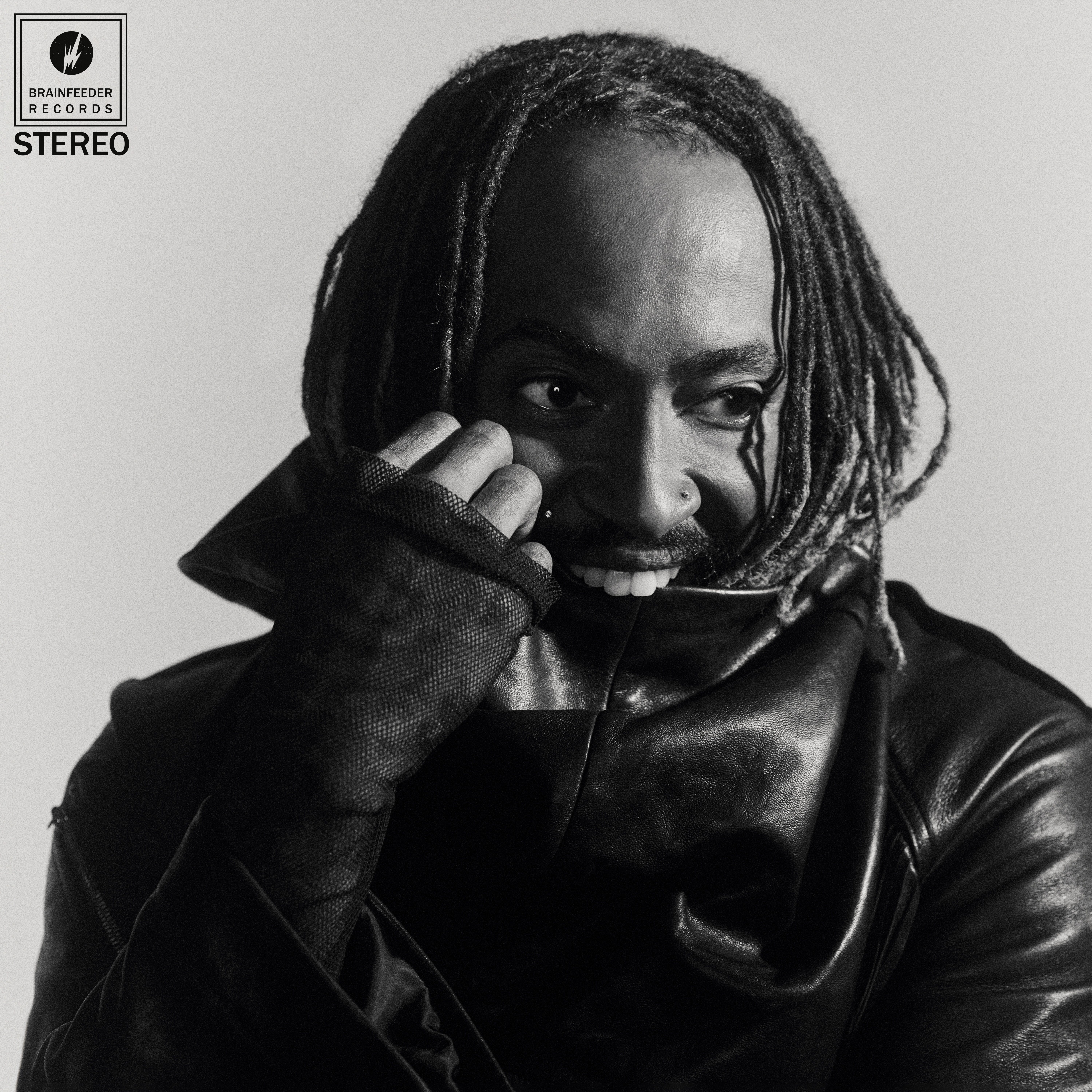
Stephen Lee Bruner’s father, Ronald Sr., was a session drummer who toured with the Temptations and the Supremes. His older brother Ronald Jr. won a Grammy behind the kit. His younger brother Jameel played keys in The Internet. By fifteen, Bruner had a minor pop-punk hit in Germany; by sixteen, he’d replaced the bassist in Suicidal Tendencies and was touring internationally, shredding crossover thrash while still figuring out what to do with his voice. After six years, Distracted breaks that silence with a jarring personnel swap: ten of its fifteen tracks are produced by Greg Kurstin, the man behind Adele’s “Hello” and half of Beyoncé’s Lemonade. Flying Lotus, who executive-produced every previous Thundercat album, contributes just two songs. One of them, “She Knows Too Much,” carries a posthumous Mac Miller vocal recorded before Miller’s 2018 overdose—Mac rapping crude, funny, contradictory bars about a woman who’s read all the books but doesn’t know him, offering to upgrade her apartment, then calling her a “motherfuckin’ bitch” for wanting a celebrity, then catching himself mid-verse: “Man, that was a little harsh. You’re just lost. But I’m here to find you.” It’s the opposite of a memorial. It’s Mac in the room again, talking reckless and alive. The rest of the album belongs to Sober Steve—Thundercat’s name for himself after quitting drinking following Miller’s death, losing over a hundred pounds, and starting to box. Sober Steve writes songs about waking up burnt out and talking to his cats (“Great Americans”), about having his emotions “sanded off” from living in L.A. (“No More Lies”), about feelings being like children in a car: “You can put them in the trunk, but let them drive, you won’t go far” (“What Is Left to Say”). It’s the best album Thundercat has made since Drunk, and it might be funnier. — Phil
DJ Muggs & T.F, Don’t Call Me Lucky

T.F was already a decade into the rap game when ScHoolboy Q put him on “Tookie Knows, Pt. II” from 2016’s Blank Face LP, the verse that introduced South Central’s most patient writer to the wider underground. Blame Kansas arrived in 2024 under Mephux and Roc Marciano. The Green Bottle followed a year later, handled start to finish by Khrysis. Don’t Call Me Lucky makes it three single-producer full-lengths in under two years, this one across the table from DJ Muggs, who’s run the past five years booking joint LPs at a record-per-season clip. “Ressie Pieces,” where Meyhem Lauren and OT the Real trade bars with him, runs on the fake-yeast trick. Sell a guy a kilo of baking yeast as cocaine, and when he figures it out, chop him up and name the chunks after the candy. (Yes, really.) Roc Marciano takes the whole first verse of “Ya Heard,” rapping, “dodge the pen, had to turn the pen into a poppy field.” Ghostface Killah arrives on “CLAP” with a baseball spliff burning right out the cheap spot and tugboat chains heavy enough to hold lions. “El Sancho” stretches into three acts of prison-and-infidelity narrative, with skits doing the scene changes and an outro of the locked-up boyfriend screaming into a phone about Chips Ahoy, Ovaltine, pillowcases, his kids. — Phil
Parlor Greens, Emeralds
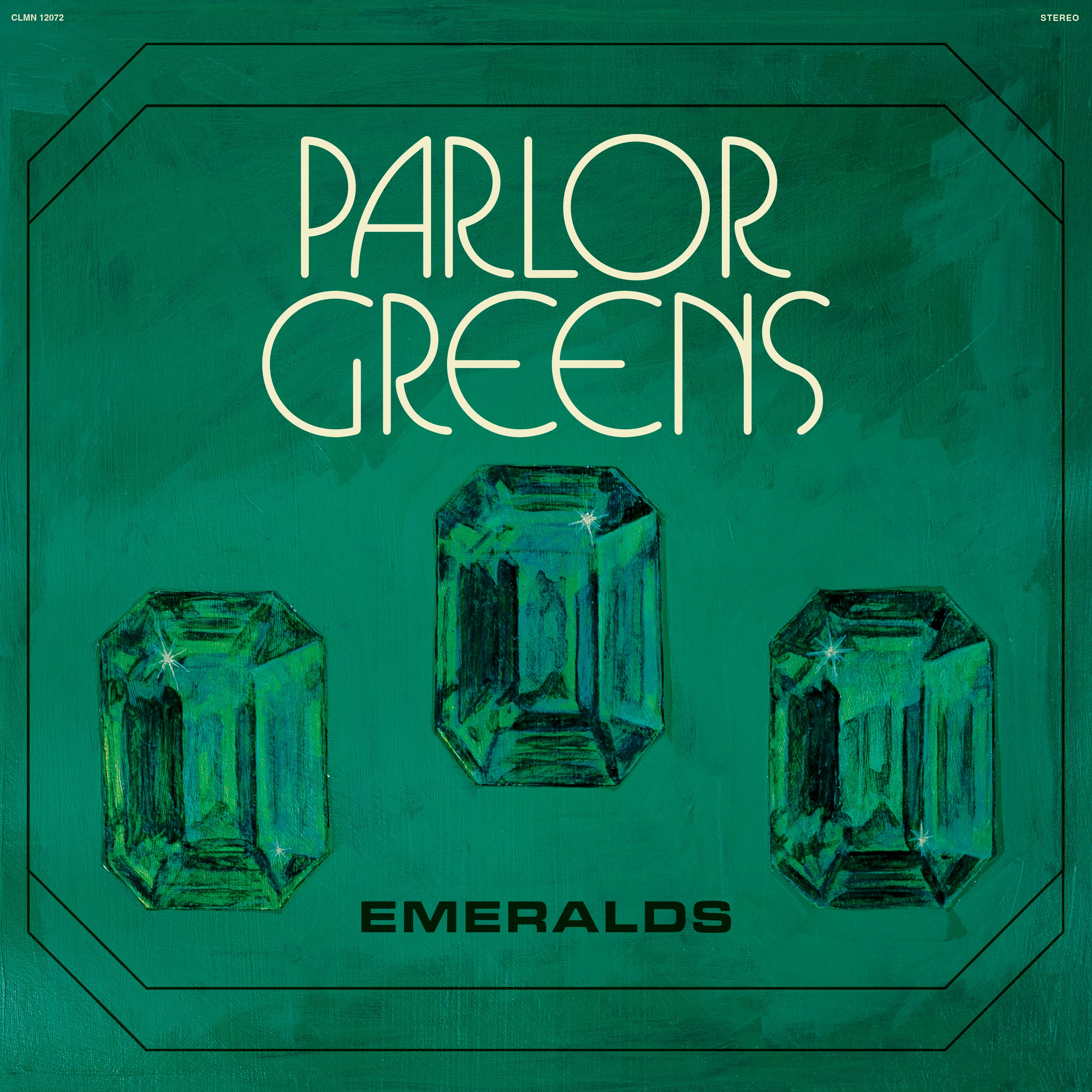
Three personal losses hung over the second Loveland, Ohio session. Guitarist Jimmy James, organist Adam Scone, and drummer Tim Carman walked into Colemine’s Portage Lounge studio carrying real grief, and the closing ballad on Emeralds, “Queen of My Heart,” is the one James wrote for his mother shortly after she died. None of that shows up as solemnity in the playing. The Sugarman 3 vet, the GA-20 vet, and the Delvon Lamarr Organ Trio vet (almost half a century of organ-trio playing between them) sound like a band that has been touring its own debut for two years, settling deeper into the 1970s soul-jazz tradition they staked out the first time around. The opening cut hits on a Charles Earland four-on-the-floor, Scone punching one organ figure while James’s guitar darts around the holes. By “Lion’s Mane,” the trio rides in on a quote from Horace Silver’s “Song for My Father” before James lets a solo rip and Carman drops into a slow Band of Gypsies trance. Their Dolly Parton cover is the obvious one. They find a real read on “Jolene” anyway, Scone working the melody with the greasy weighted comping Jack McDuff used to favor. “Drop Top” cribs the creeping processional cadence of William Bell’s “I Forgot to Be Your Lover.” Nothing here reinvents the organ-trio playbook, and these three know what the form can do without making a show of it. — Brandon O’Sullivan
duendita, existential thottie
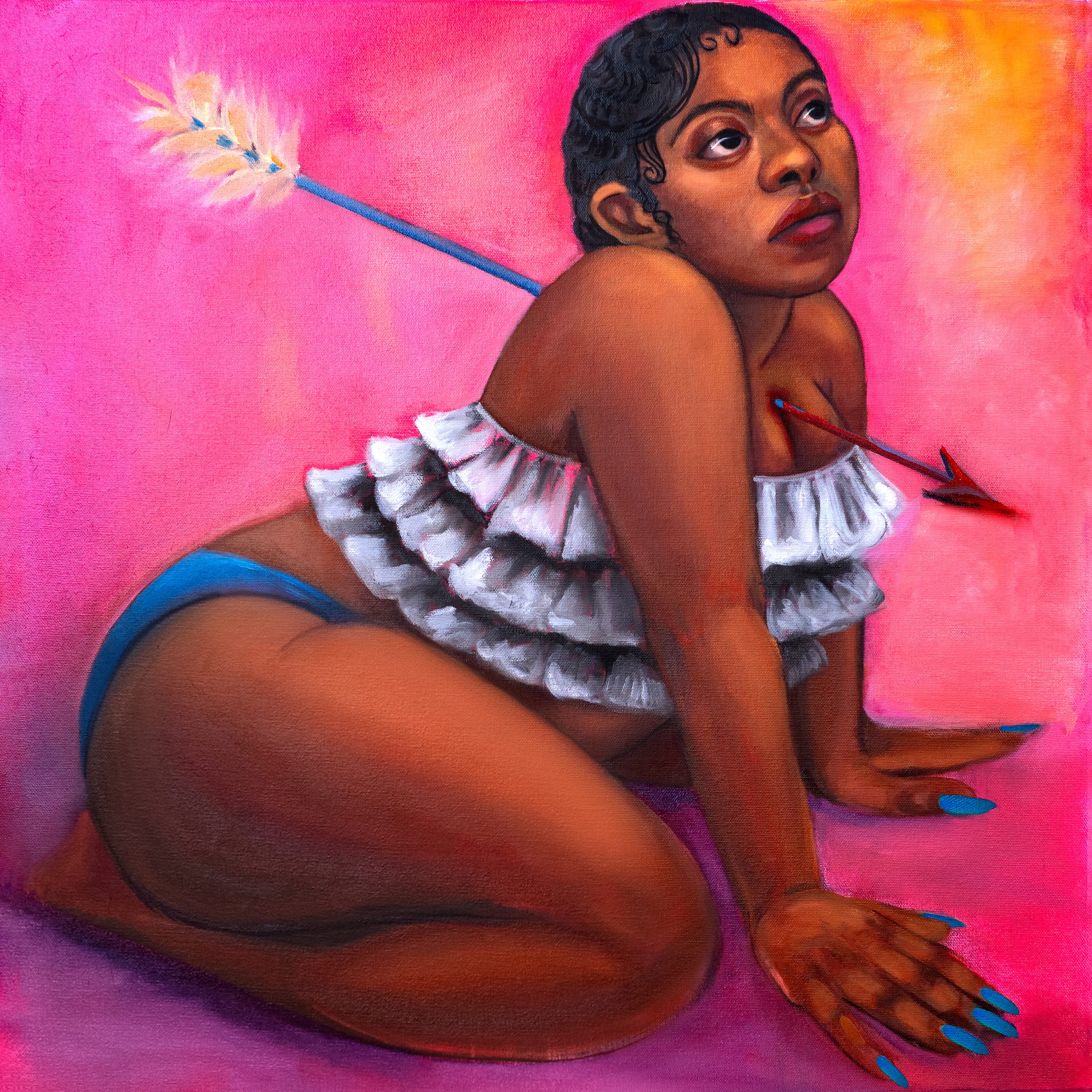
Candace Lee Camacho grew up in Jamaica, Queens, studied classical voice, went to NYU’s Clive Davis Institute on scholarship, moved between New York and Berlin for years, and somewhere in there started telling her friends—painters, illustrators, people who had never touched a sequencer—to learn how to use an Elektron Digitakt. You need to write a song for your health, she tells them, and coming from someone who’s been involuntarily sedated, that’s literal advice. She produced every song on existential thottie herself, starting alone with the Digitakt in late-night sessions before the rest of the band filled out the arrangements. The demos were already on the album. Everyone else was confirming what she’d said in the dark. The songs go wherever she was at, and where she was at was everywhere at once. “As I Am” describes being injected, asleep for three days, her father crying, a nurse pulling up a video of her singing at a restaurant in Colby that she couldn’t recognize herself in—and then asking, genuinely, “Who’s gonna love a fucked up crazy bitch like me?” “Nexplanon” names what birth control hormones do to her moods. “Roasting That Ass” ends with her yelling at herself to finish her tracks. Who else is putting involuntary hospitalization and birth control side effects and club music on one plane, treating each equally? “Super Sad!” puts it best: “Wanna fuck, but I’m so depressed.” Same verse, same comma, no irony. “Toxic and Evil” asks “how many dicks can I fit in my mouth?” and then falls apart on the chorus: “No, no, I’m not okay.” She said the album might be for her more than for anyone else. After hearing it, good luck believing that. — Chiamaka Boudreaux
Les Imprimés, Fading Forward
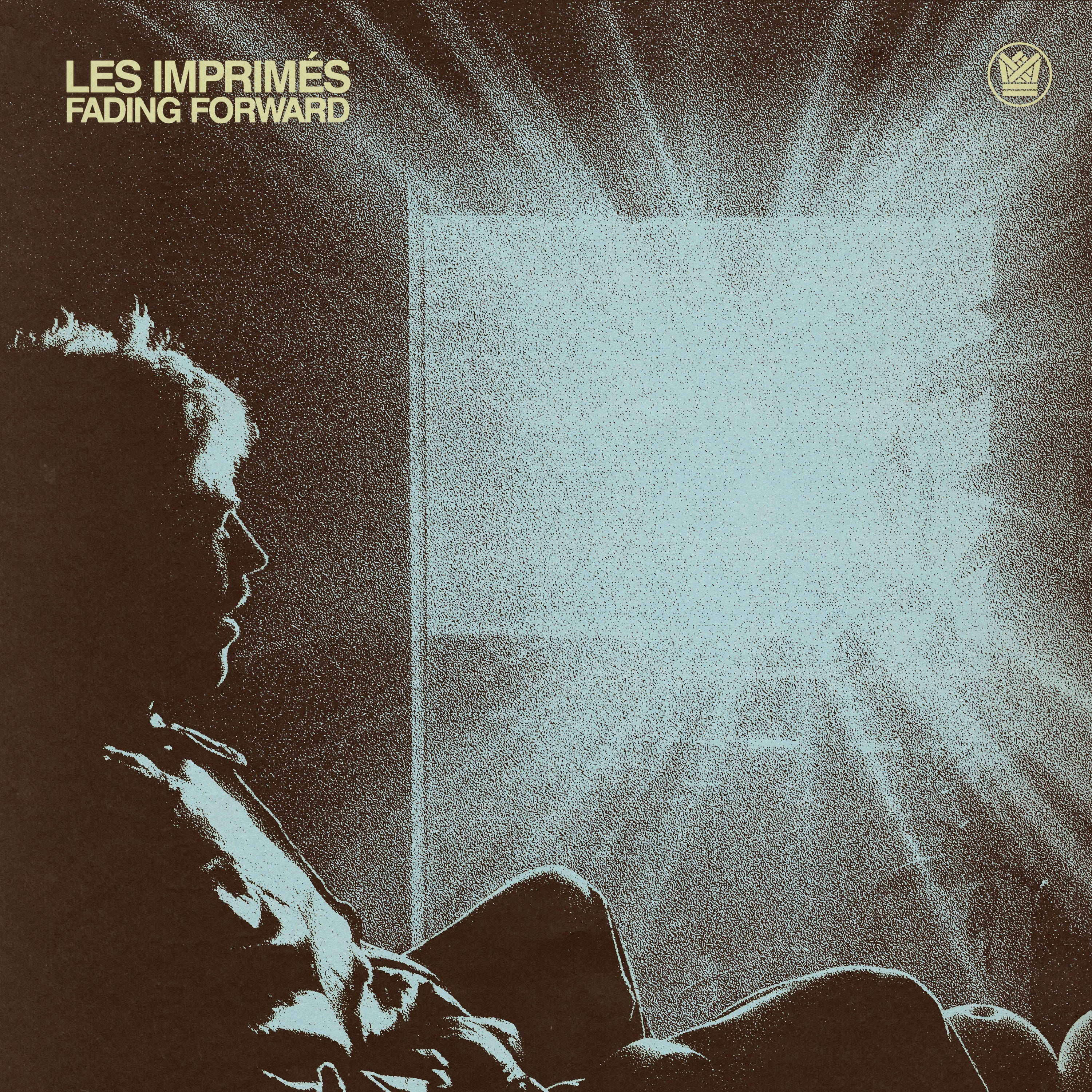
Twenty years behind the glass before he ever sang lead on one of his own records. Morten Martens, the Norwegian producer who works under the name Les Imprimés, logged the bulk of his career engineering other people’s albums in Kristiansand on the southern coast of Norway, anonymous to anyone outside the local scene. Big Crown signed him in 2023 off the back of Rêverie, his first full-length as a frontman, which pulled him out onto live stages for the first time in his life (he was past forty by then). Fading Forward is the second one made under those changed conditions, and he made it the same way he’d made the debut: alone in the same chair, playing nearly every instrument across all twelve tracks and tracking every overdub himself. The Big Crown roster runs heavy on full bands in rooms together; here it’s one man, one room, getting to a similar cohesion from the opposite direction. He’s said in his own words that he likes the contrast between bright music and sad words (the words always lose), and he’s built a whole record around that premise without ever naming it on the cover. — Asa McKenzie
Yaya Bey, Fidelity
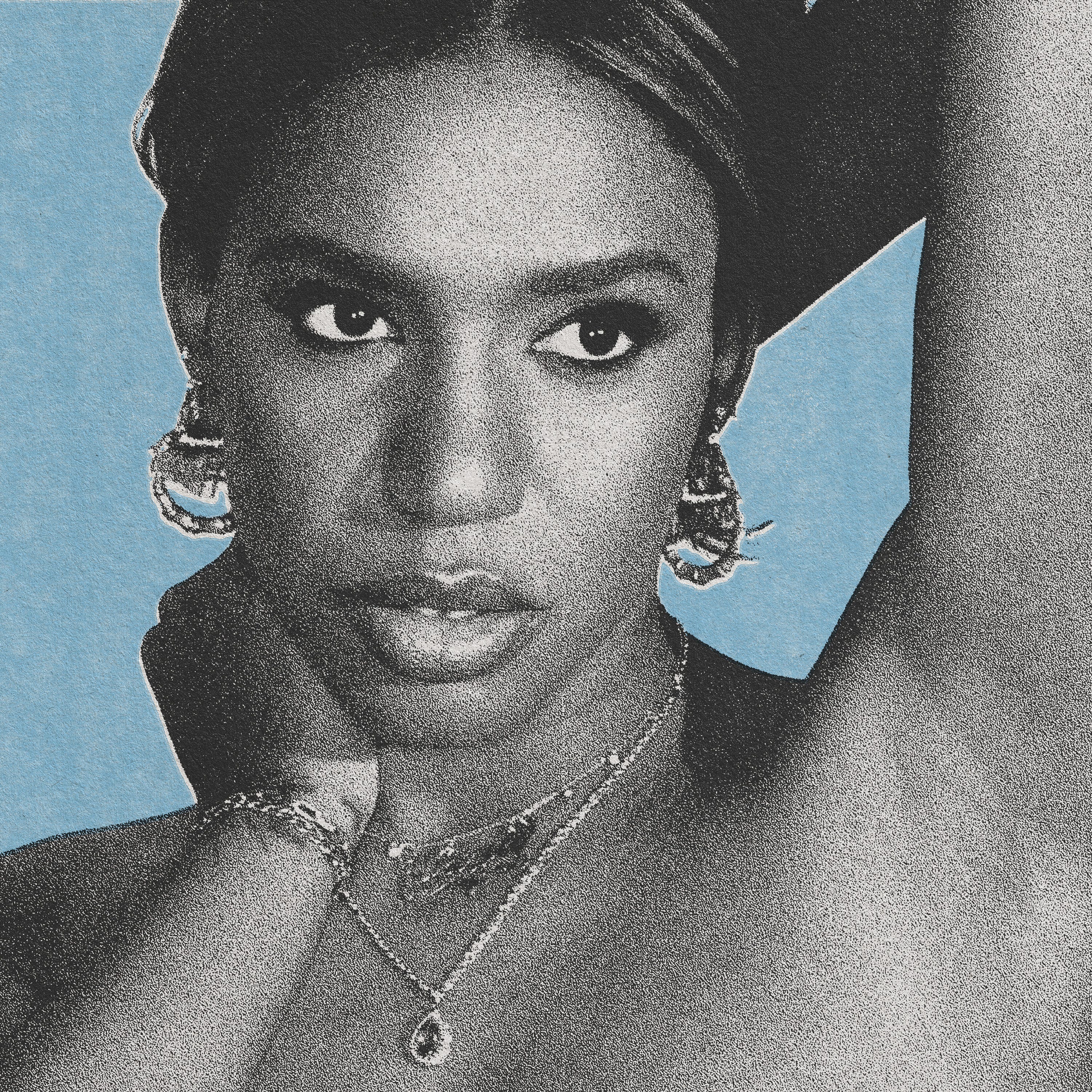
Before she was Yaya Bey, Hidaiyah Bey trained as a dancer, worked in Queens libraries and museums, wrote poetry, and showed up to protests. Her first record (The Many Alter-Egos of Trill’eta Brown) came with a self-published book. That range carries into Fidelity, her fourth album, built almost entirely on her own from an SP-404 and a ukulele in Brooklyn. Her father was Kaleel Allah, aka Grand Daddy I.U. of the Juice Crew; he died in 2022, and she’s been writing toward the hole he left across all her records since. Fidelity is the first where he appears as more than a wound. Her writing’s at its sharpest when she raps instead of sings. “Freeze Flight Fawn” has her asking who’s paying inflation on what Black people have lost, and naming the numbers herself. “The Towns,” a sequel to last year’s “bella noche” about a since-closed Baton Rouge nightclub, ends on two words, “no music,” an obituary for a whole South Louisiana nightlife scene. “The Breakdown” is a ballad about grief until Bey starts rapping, turning the song into a verse aimed at a friend whose success came with strings: “They just wanna pimp it, sell it, bag it,” four words that indict a whole business model. In the softer middle, Bey lets the bar for joy come down, which she’s called “the ultimate Black skill.” “Egyptian Musk” is a reggae duet with Queens singer NESTA, whom Bey pulled in last-minute after running into him at an event; “In the Middle” and “Higher” are guitar-and-voice love songs you put on while washing dishes. On “Cup of Water,” Bey says plainly she could use a drink if the path gets any longer (her one direct ask on the whole record). It’s not a small ask on an album this dense with loss. Who else is keeping count? — Osei Addae
millkzy, Floetry the Extension
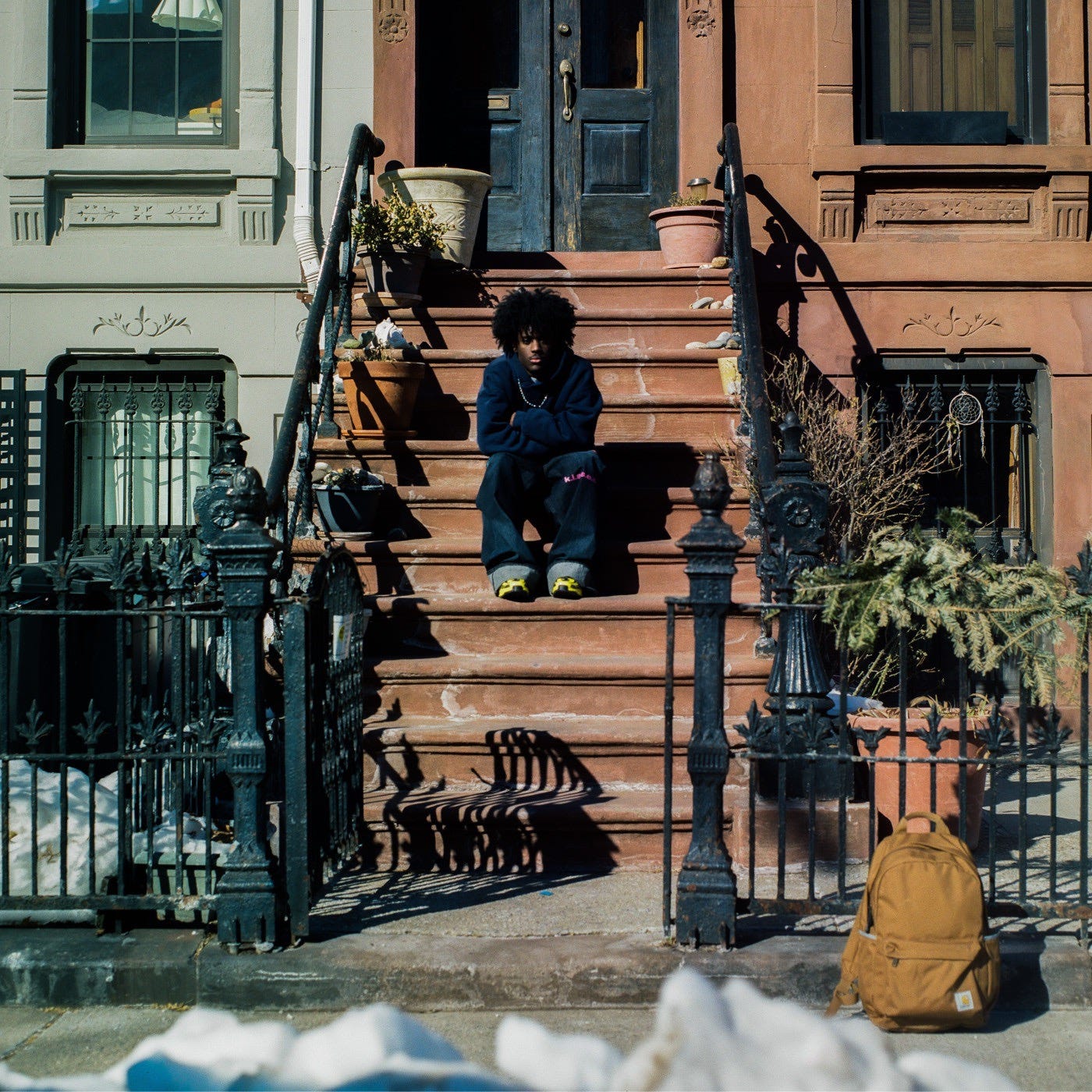
millkzy was working fast food in Dallas when his first full-length charted in January 2025, months after he’d already quit the job. The 21-year-old, St. Louis-born MC had built a small career around a word he coined himself, floetry, his name for what happens when you write fiction and poetry over live piano and strings instead of programmed drums. He’d been catching hate online since the original Floetry EP in 2023, which is to say since he was 18, for what the YouTube comments decided was a gimmick. Same flow, same opening tag at the top of every track (“Yeah, look, it’s Floetry”), same premise stretched across a release pace closing in on an album per quarter. Failed Author, his merch line, prints his rebuttal in his own words on a shirt: “I got a lot of hate for a flow that I started. This song is a response.” Floetry the Extension, the album that arrived four full-lengths into an eighteen-month run, is the one that stops needing the rebuttal. Mike Vincent’s guitar and Sandro’s piano wander underneath “The Cafe Closes at Nine” while a short story plays out by the clock. Quarter past eight, the speaker is asking the woman across from him about her dreams. By 8:30 he is worried about everything he just confessed walking out the door with her. By nine the bar has closed, he wheels around, she is gone, and a man’s voice outside the café yells for her to hurry to a different reservation holding her seat “’til 10:00.” Then verse two starts over at quarter past eight while he keeps pitching the same set to the empty seat. What kind of 21-year-old rapper writes that scene, and how did the YouTube comments miss it for three years? millkzy writes every line of this album himself, gives the last word to the woman on the other side of the fight, and on “Truth Be Told” sums up his four-year quarrel in one bar, “I claim the poet lyricist role, not the rapper.” — Wesley Durham
Lekan, For All the Right Reasons, Vol. 1
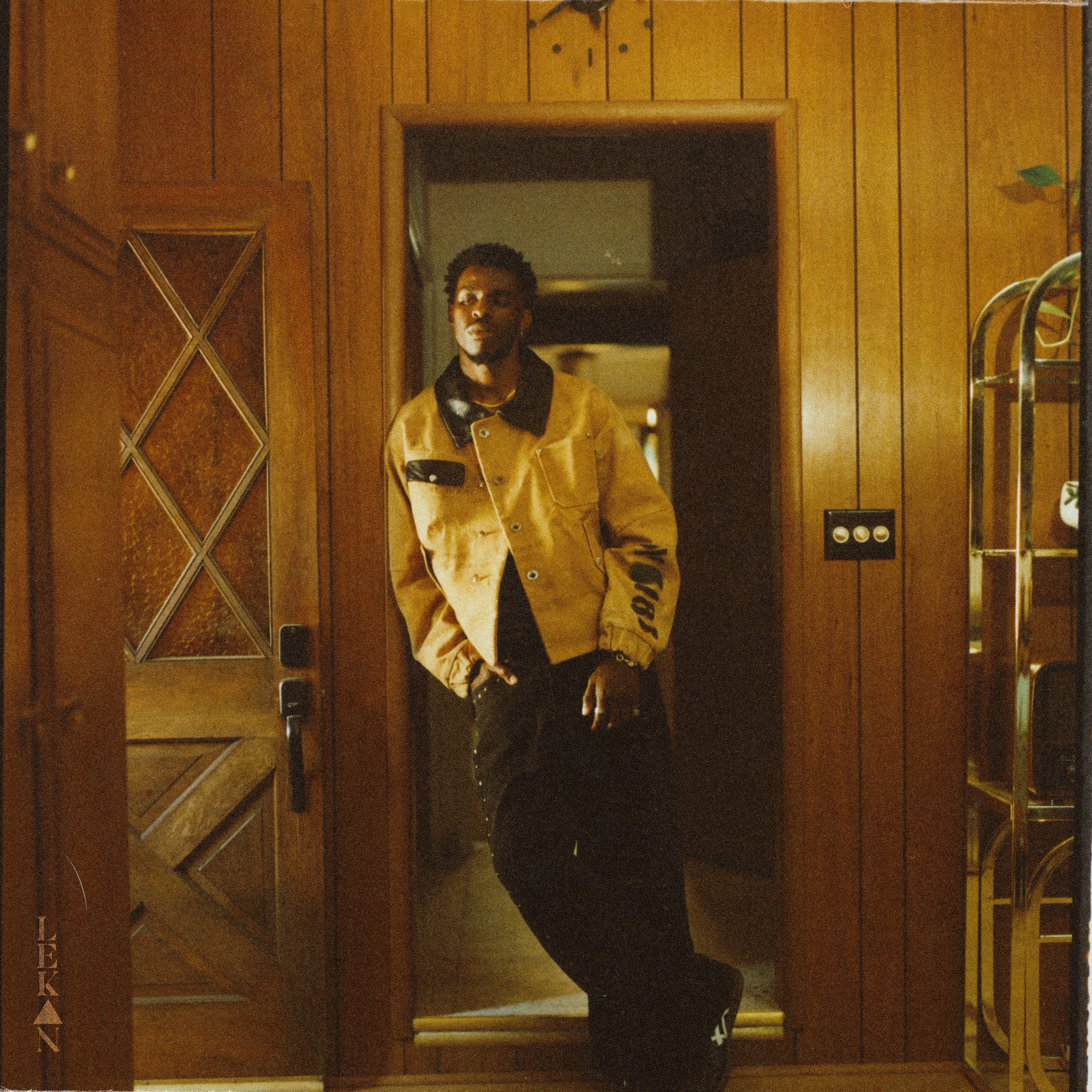
The late-90s R&B debut had a whole formula. As a first-generation Nigerian-American who grew up in Columbus’s 614 after being born in Brooklyn, Lekan has released loosies for years leading up to this project. His father, credited as “Pops,” delivers a spoken-word blessing on the opener “Balance,” telling him to make sure his faith rises to the level where he can claim what he has with the Lord. His uncle calls in on “Unc Interlude” and immediately loses his composure. In 2026, a Nigerian-American kid from Ohio is making the kind of R&B record that used to ship with thank-you notes to God and Grandma on page three of the booklet, except the chorus is in Yoruba. With “Make It Right,” produced by 88jay, Bonxu, Hollywood Cole, and fantompower, he admits he never could commit, she found somebody else, and he hit her up last night anyway. “Give & Take” goes further: “I’m trying to balance these hoes/Back and forth between my goals,” he tells us, then asks the question the whole album keeps returning to, “Who can I save when I too need saving?” He wants her there when the church starts clearing. He’s messed up too many times to play the victim. And on Always,” he describes curly hair scattered around the sink, last night’s makeup, dirty dancing in the sheets, and sings, “Never let a petty argument make you mean/And when you get lost/Make sure you find your way back to me.” — Raya Sinclair
Cadence Weapon & Junia-T, Forager
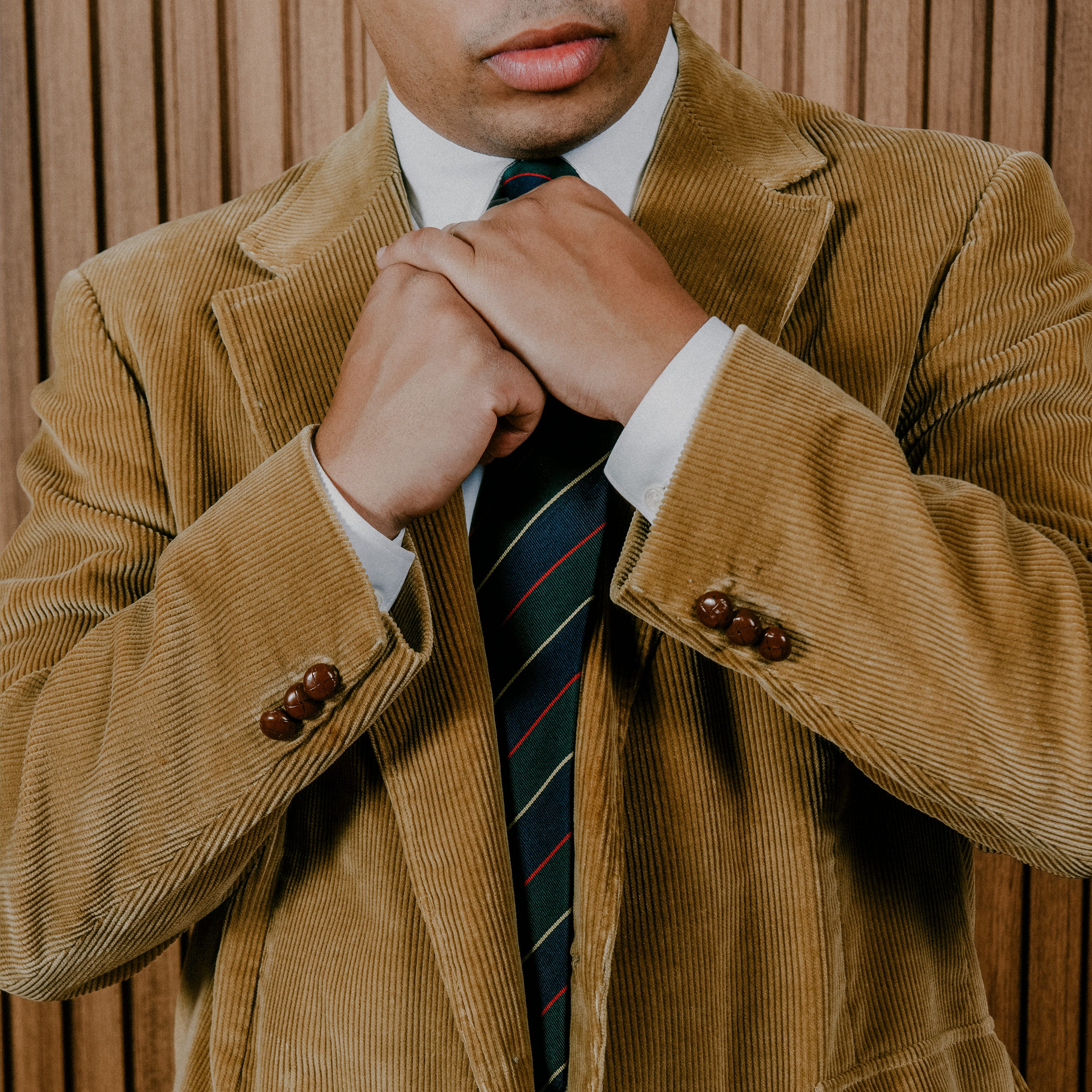
Cadence Weapon grew up rapping in math class, failing math, blogging about records for Stylus and Pitchfork before he could rent a car. By twenty, he had a Polaris nomination; by thirty-five, he had the prize. Junia-T, the Toronto producer behind the boards here, almost quit music after his 2014 debut flopped, rebuilt through Addy Papa’s Riot Club sessions, and came back with Studio Monk in 2020 to a Polaris longlist nod. He’s also Jessie Reyez’s touring DJ. Forager is their first collaboration, and its conceit fits inside an interlude: Pemberton buys old clothes, and he thinks digging through racks for the right garment is the same discipline as digging through crates for the right bar. He bought a Harris tweed blazer on the way to the studio, virgin Scottish wool from the Outer Hebrides, and describes it on the record the way a collector describes a rookie card. An interlude on “501XX” details a pair of hidden-rivet jeans worth twenty-five thousand at auction. Elsewhere, he thanks his therapist on “Toronto Zoo” for saving his life; “Babymoon” sketches a trip to Miami’s Arts District with his wife before their son arrived. The Niagara Region sixteen has him eating exotic cheese with his main squeeze, she orders the Riesling, and then he’s describing a Woolrich barn coat like he’s outside tapping maple trees. Canadian design runs through the album (Edmonton as origin, Toronto as work, Hamilton as home, the Niagara region as a weekend), and those places feel inhabited rather than visited. The fashion bars are funny; he needs your opinion the way he needs another tote bag, he pulls up dressed as Bebop and Rocksteady. But the fatherhood and the geography are what stay. — Rian Frost
Wesley Joseph, Forever Ends Someday
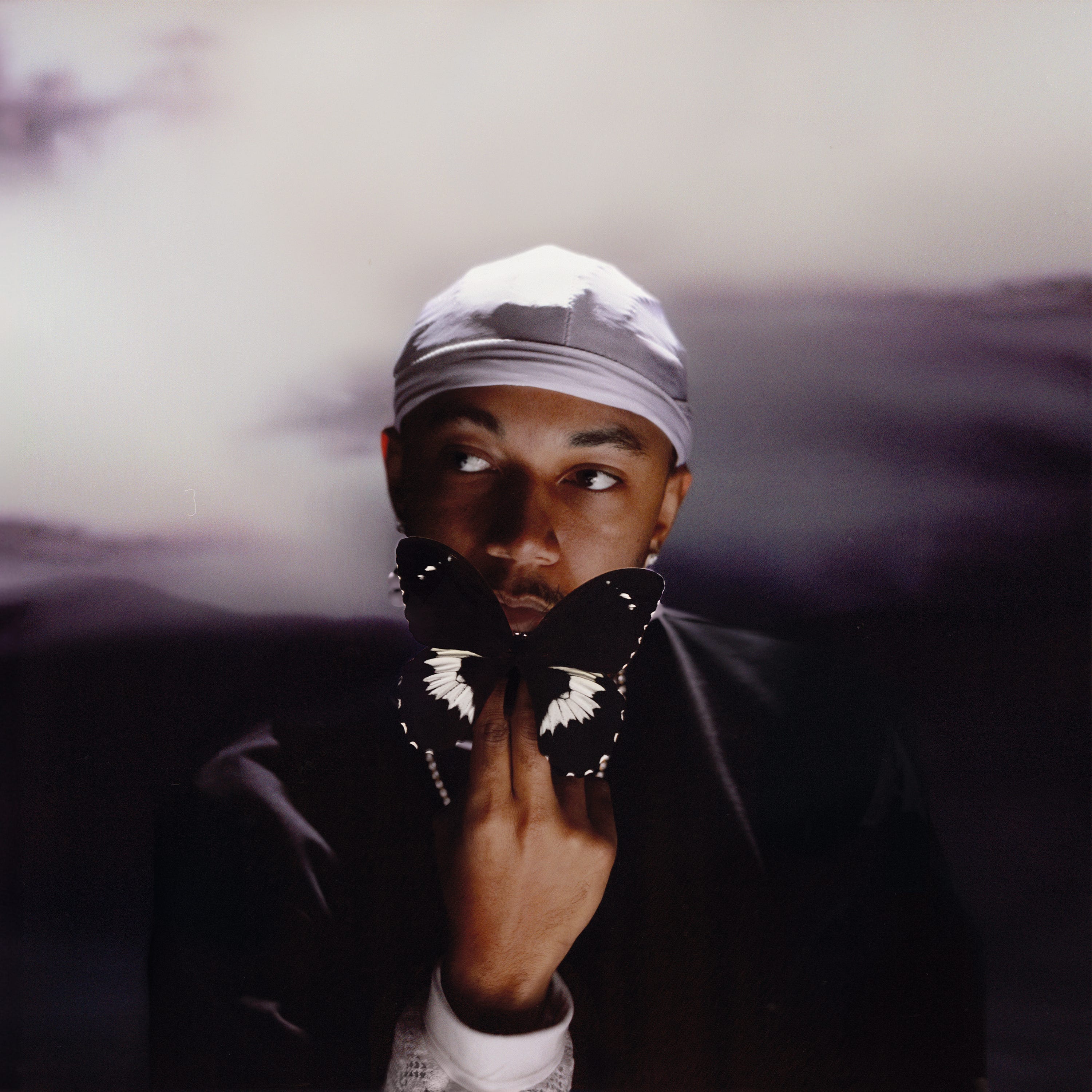
The day Wesley Joseph realized what “July” was about, Jorja Smith texted him from somewhere else in the world about the same memory. They grew up in adjacent corners of Walsall, the West Midlands town that puts a particular kind of pressure on the children of its who get out and stay out—what Joseph calls the standing instruction from home, “Do your thing for us.” Smith flew back, and they cut her vocal at his parents’ place in Walsall after a day together talking about the friends who hadn’t made it out and the ones who had but couldn’t sleep right anymore. Three years in the writing, named for what loss had made plain to a twenty-nine-year-old singer about the borrowed nature of being young, Forever Ends Someday answered the standing instruction by making good on it. It sang to some of those people. It sang for others of them. On “Quicksand,” the worry over a brother whose head has stopped being entirely his own breaks into open panic, “My boy isn’t the same, I think he went skits/His thoughts aren’t his/They were calling us twins/Stood in the same skin.” Joseph saves his biggest swing for the Danny Brown collaboration “Peace of Mind,” produced with Nicolás Jaar and Romil Hemnani, where he stages his own wake, threatens “Well fuck it, pull up, I’m already dead,” then cancels his subscription to being watched at all, “Done with the news, done with the net, done with the press/Recording the tears I never shed.” Brown follows him in dodging the Grim Reaper and stepping over dollars to pick up dimes. — Ameenah Laquita
Oddisee & Heno., From Takoma with Love
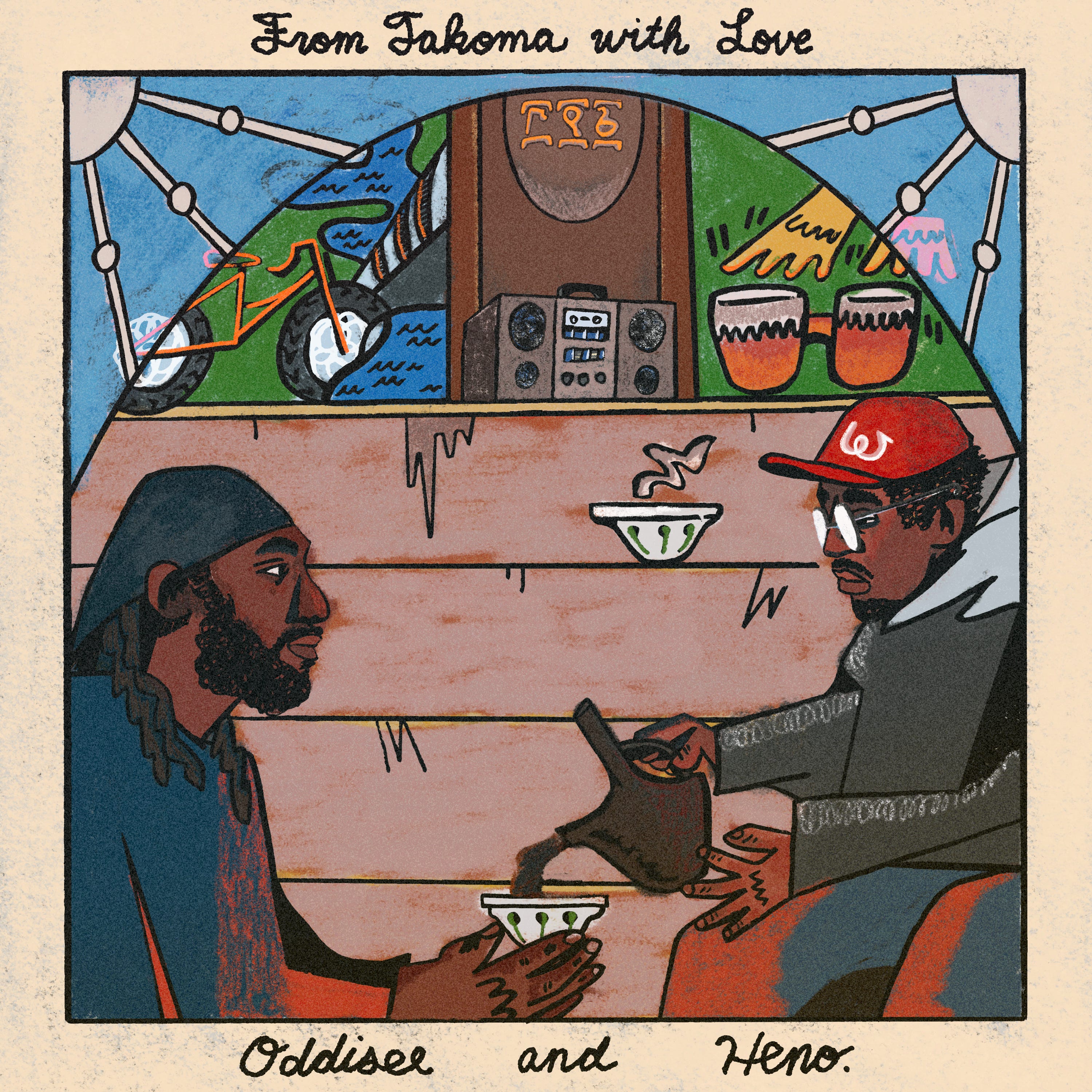
Yihenew Belay’s name is Amharic for “this is what you see is what you get.” He went by other names for most of his life because Americans couldn’t say it. He put a period at the end of Heno. when he stopped letting that bother him. He’s from Takoma Park, Maryland, first-generation Ethiopian-Eritrean, and at six years old, undercovers at Maple and Lee mistook him for a drug dealer pushing pills. He grew weed, started making beats, left for Oakland, then LA, then came back. Amir Mohamed el Khalifa, who goes by Oddisee, is Sudanese-American, raised down the road in PG County and Silver Spring. His father moved back to Omdurman in 2007 and survived the civil war, shrapnel from a bomb that killed four soldiers hitting his apartment building while it was being used as a refugee shelter. Oddisee got his start in Garry Shider’s basement studio (Parliament Funkadelic) and placed his first major beat on DJ Jazzy Jeff’s The Magnificent in 2002. Back then Heno. was still a kid. They grew up minutes from each other. Their fathers are from opposite sides of the same continent. "Integrity," their first collaboration, came in 2025. From Takoma with Love is co-credited.
Oddisee produced everything. On “Woe Is Me,’ Heno. raps about getting cuffed at Maple and Lee at six, and Oddisee follows with his own verse: “Product of immigration and disengagement, a combination of food stamps and visas.” On “MIMS,” Oddisee almost misses a stop sign, his kids crying in the back, his mother calling, his phone on Do Not Disturb. On “Round the Way,” he names Largo High, Sago Creek, brothers in Merlin, family in Toronto, his father in Sudan surviving janjaweed. Same suburbs, a generation apart. Heno. is on Aurelius Street in Germany, drinking herbal tea for “Good Habits.” Nobody there had heard of him. He did a show and suddenly they urgently wanted to work with him. A kid from Takoma Park who learned a set of codes around the same time he was told to eat his vegetables, halfway around the world, and they still can’t pronounce his name. — Quinn Baptiste
Tink, Fuck, Marry, Kill
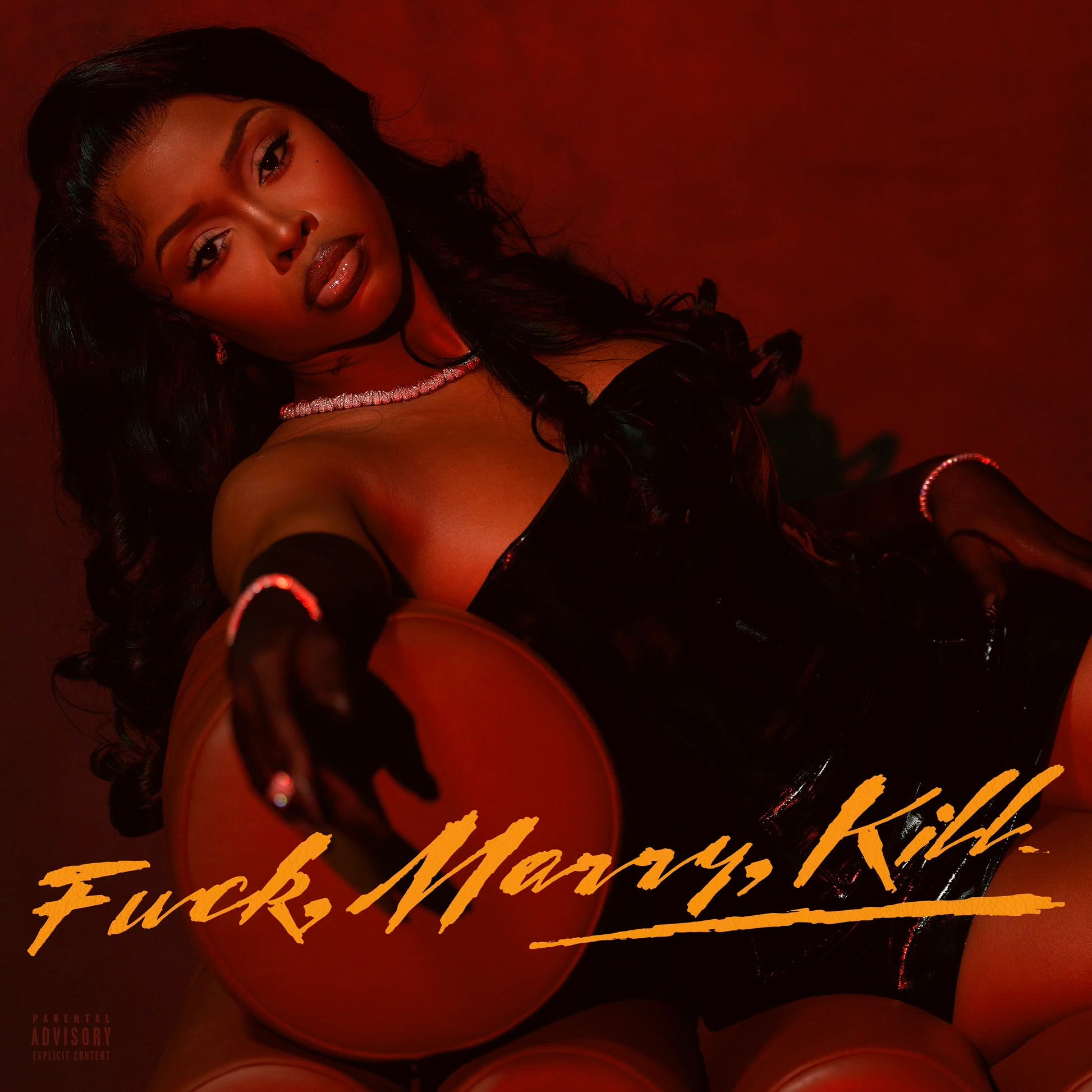
By 2017, Tink had already lost a major-label run. Her 2014 contract with Timbaland’s Mosley Music Group at Epic produced an XXL Freshman cover the year after, plus a finished album, Think Tink, that Timbaland privately buried on the runway. She gave the next two years to lawyering her way out of the deal. Trinity Laure’Ale Home, who’d been going by Tink since her Calumet City Winter’s Diary mixtapes (the first one came out while she was still at Simeon Career Academy in 2011), bought herself free, founded Winter’s Diary, and there’s been a new full-length nearly every year. Five of those have been with the Chicago producer Hitmaka, who’s twelve credits deep on this one, his most invested collaboration with her yet. Fuck, Marry, Kill is what five years of that working language sound like at full bloom. The conceit is the middle-school party game stretched across, and the sequence moves through the categories in a loose order. Lust takes the album’s early stretch, then come the marry songs, and the back end of the LP earns the album its place on this list. “Overrated” itemizes a dead relationship in past tense, every line a receipt. On “Diabolical,” Tink at last has the clinical word for her ex’s behavior. And “Plan B,” the centerpiece, is where she stops performing inventory and admits the math. She’d lose the house if she walked, she says so on the hook, she lets the line do its work without a flourish. It’s not a small thing for an R&B singer in 2026 to admit, on a chorus, that a lease in two names is a real reason to delay a breakup. Tink did. — Danica Ford
Primo Profit, RLX & MichaelAngelo, GABO
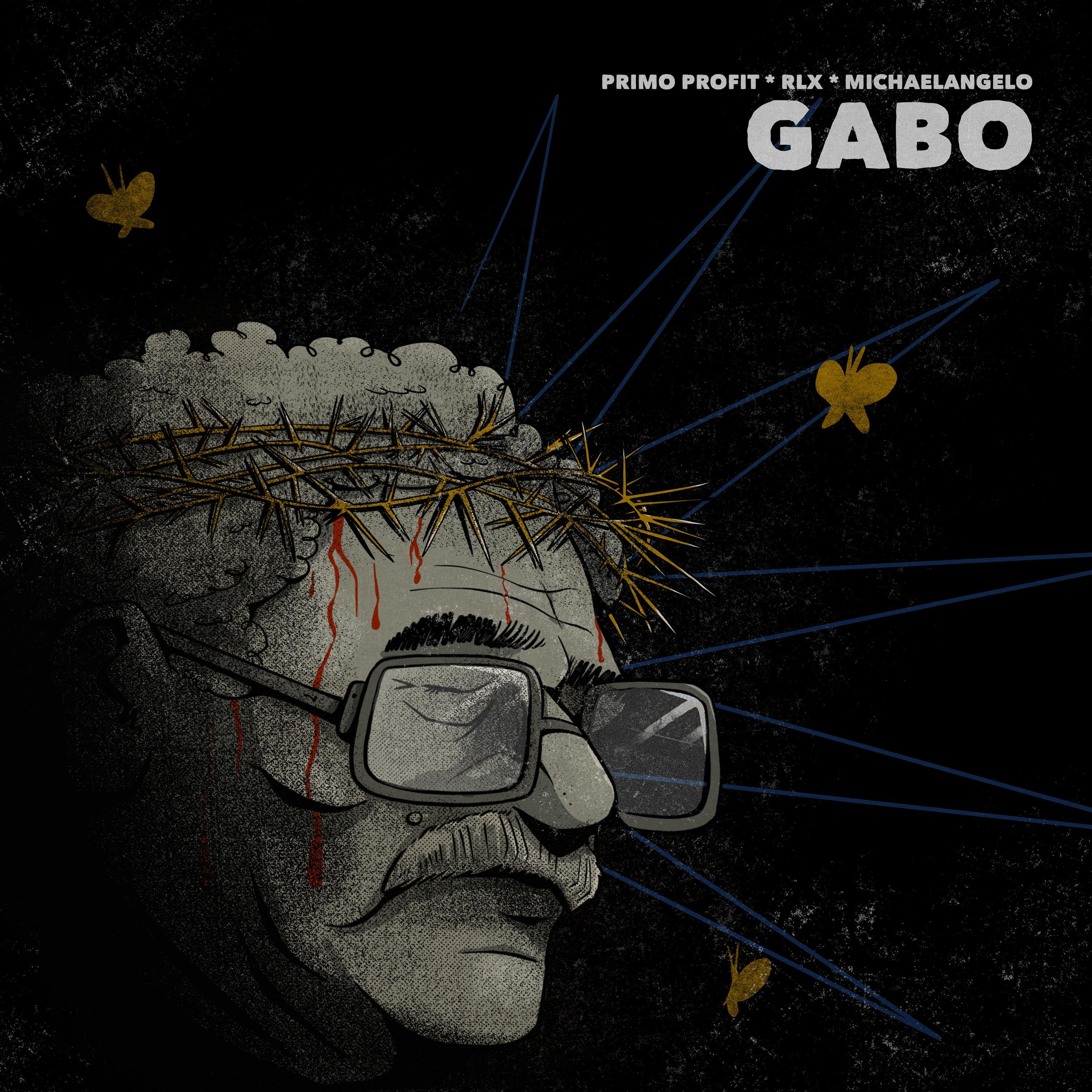
Before he was flipping samples for Griselda-adjacent MCs and earning credits alongside CRIMEAPPLE and Estee Nack, MichaelAngelo was pouring concrete in the Boston suburbs. The Italian-origin producer quit that career to build beats full-time, and the ten he constructed for GABO, a joint album with Manteca crew MCs Primo Profit and RLX, carry a bricklayer’s sense of load and placement. Every kick drum lands where it needs to and nothing else goes on top of it. GABO takes its title from the childhood nickname of Gabriel García Márquez, and the Colombian novelist’s voice drifts through the record in Spanish-language samples stitched between songs, praising his own accomplishments and narrating his own homesickness. But neither MC mentions the man once in their verses. Primo raps about Pyrex and kitchens, microwaving coke with the stove off. RLX raps about planes, property, and a label that never signed him. García Márquez’s words sit between their bars unmarked (mostly in untranslated Spanish), and decides whether two MCs from Lawrence and East Boston have anything in common with a Nobel laureate from Aracataca. — Quinn Baptiste
Finale, The Good
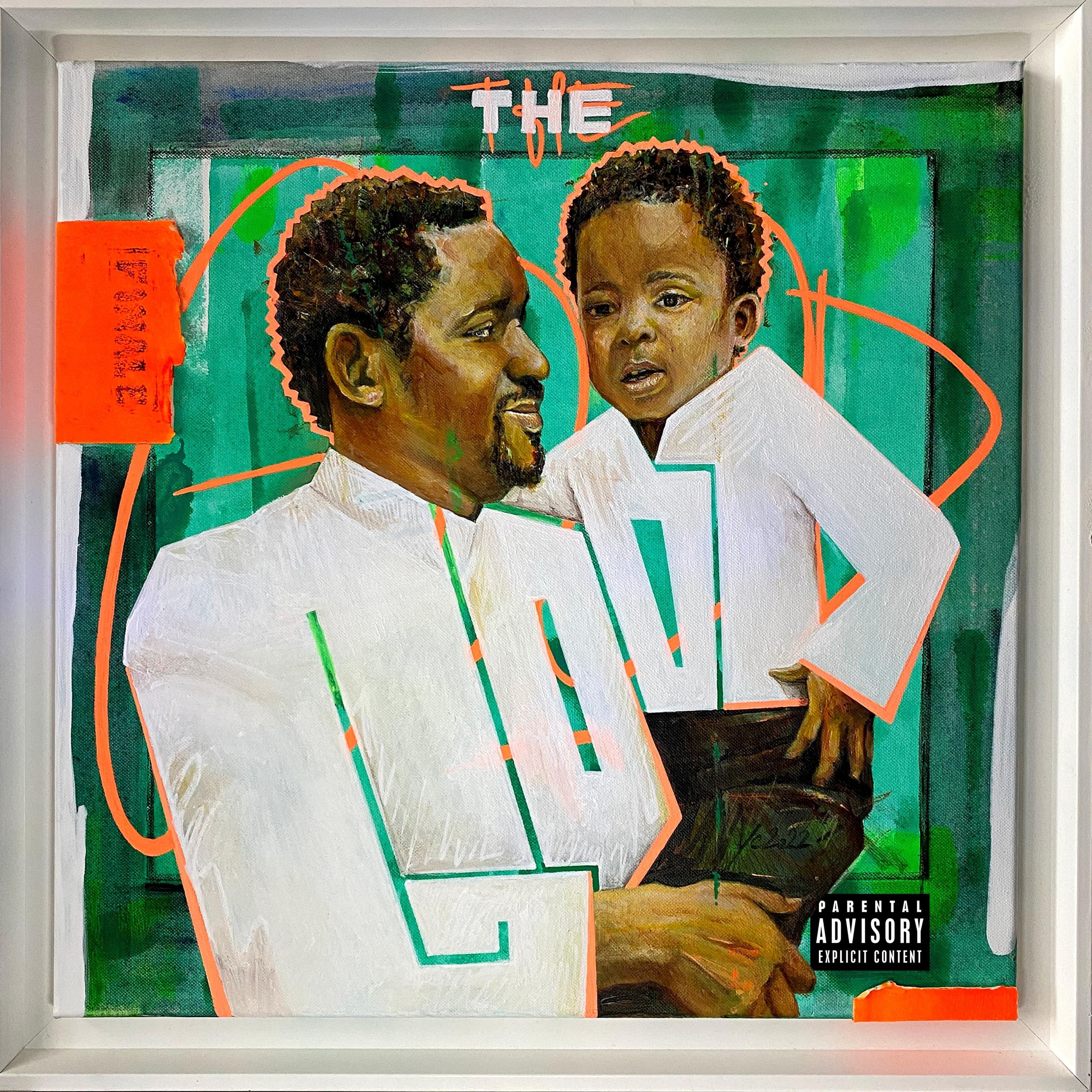
In 2019, Finale released an EP called 62 and pulled it from digital shelves after exactly sixty-two days. The joke was clean and the move was old-fashioned, the kind of thing a Detroit MC who quit his automotive engineering job in the late 2000s to chase rap full-time would do without explaining it to anybody. The Good is his first proper solo LP since Odds & Ends with Oddisee in 2015, and on the second song he says the number out loud, “Who knew I needed six years off to grow?” He opens the album listing what he’s after (“One good night with one good crowd and one good mic”), and by the elegy “A Good Time to Go” the word has turned into a prayer for the listener (“I just pray you locate the good”)/ The same Detroit circle from twenty years back is here in full force—beat-switch diptychs split a fifth of the album mid-song, doubling DJ Manipulator’s, Apollo Brown’s, Nottz’s, and Kev Brown’s contributions into a roster that’s been trading beats with each other since the mid-2000s. The four-verse posse cut “4 Rounds” (produced by Mute Won, with Guilty Simpson, IAMGAWD, Phat Kat) is not bidding for the pop charts and not pretending otherwise. Finale isn’t selling to anybody outside the city. He’s writing for the people who already know who Etrid was. — Harry Ford
Marlon Craft, The Internet Killed the Neighborhood
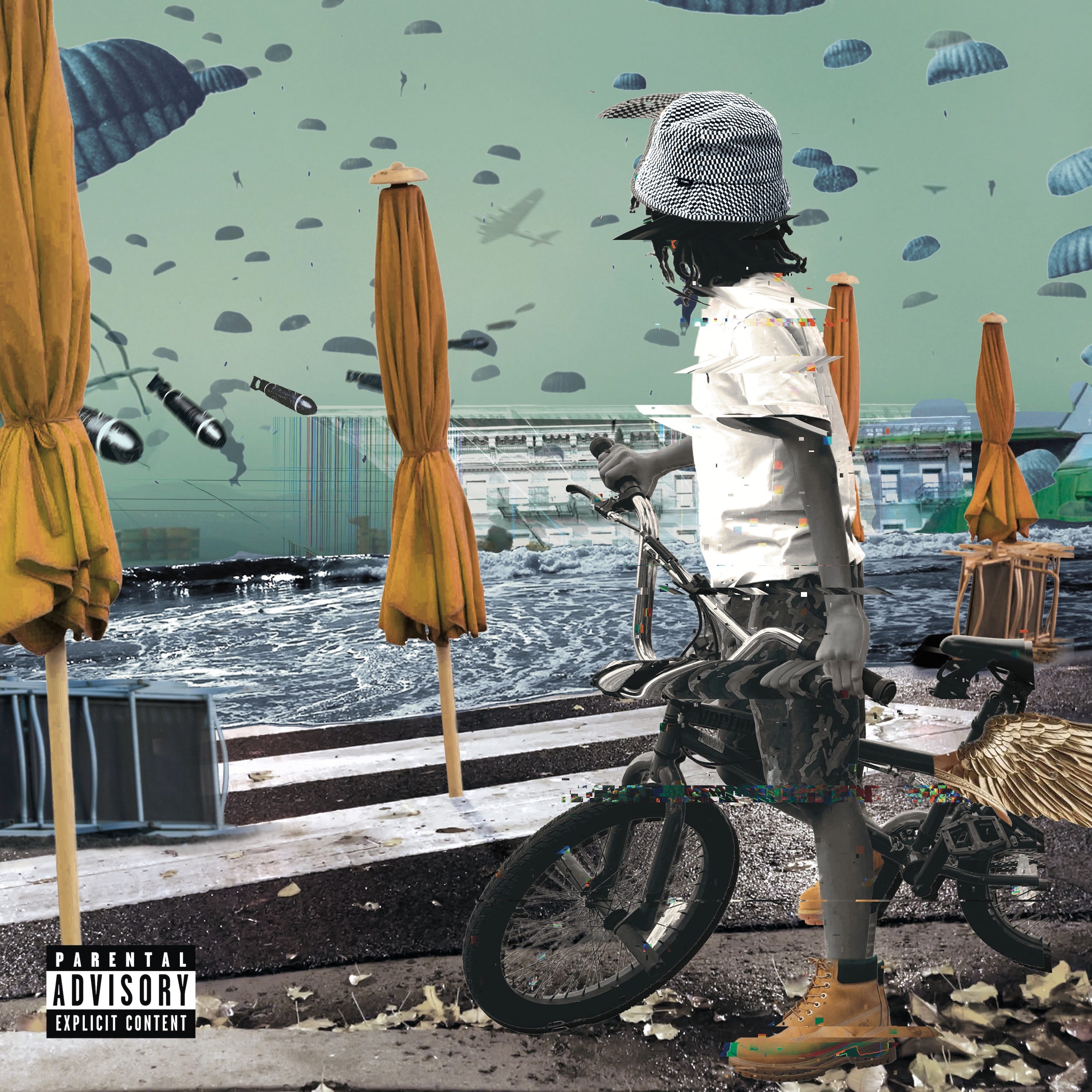
Manhattan Plaza, the Mitchell-Lama building on West 42nd Street, has given preference to performing-arts tenants since 1977—jazz musicians, Off-Broadway actors, dancers, all stacked in subsidized apartments while Times Square scrubbed itself shiny around them. Marlon Craft grew up there. Father on the drums, mother in the theater. He hooped AAU in the South Bronx, studied urban education at American University, came back to Hell’s Kitchen, and started freestyling on YouTube out of his childhood bedroom. He signed with Sony, put out Funhouse Mirror in 2019. Six years and a whole lot of his own cash later, he finished The Internet Killed the Neighborhood. The album’s central grievance is blunt enough to fit on a bumper sticker: the physical neighborhood—the block, the bodega corner, the open mic where strangers became collaborators—got eaten by the internet, and nobody seems to miss it much. On the title track, produced by five people including CARRTOONS and River Tiber, every city of dreams has become a city of memes dictated by a shitty regime, people reduced to human load screens with nothing behind the buffering. An interlude flips Wu-Tang on itself: it was about the money when the Wu wrote “C.R.E.A.M.,” but now wealth is just a smokescreen. On “Analog Man,” Havoc chops Samuel Barber’s Adagio for Strings into something that creaks under six minutes of bars and a string quartet recorded in Mexico City, and Craft says your favorite rapper would be cuddled up next to Elon on the rocket ship, leaving everyone for dead in the cockpit making TikToks. An MC from subsidized housing in Hell’s Kitchen who left a major label, paid for his own album, built a subscription community to stay afloat, and spent six years arguing with his phone about what it took from his block. — Quinn Baptiste
Javon Jackson, Jackson Plays Dylan
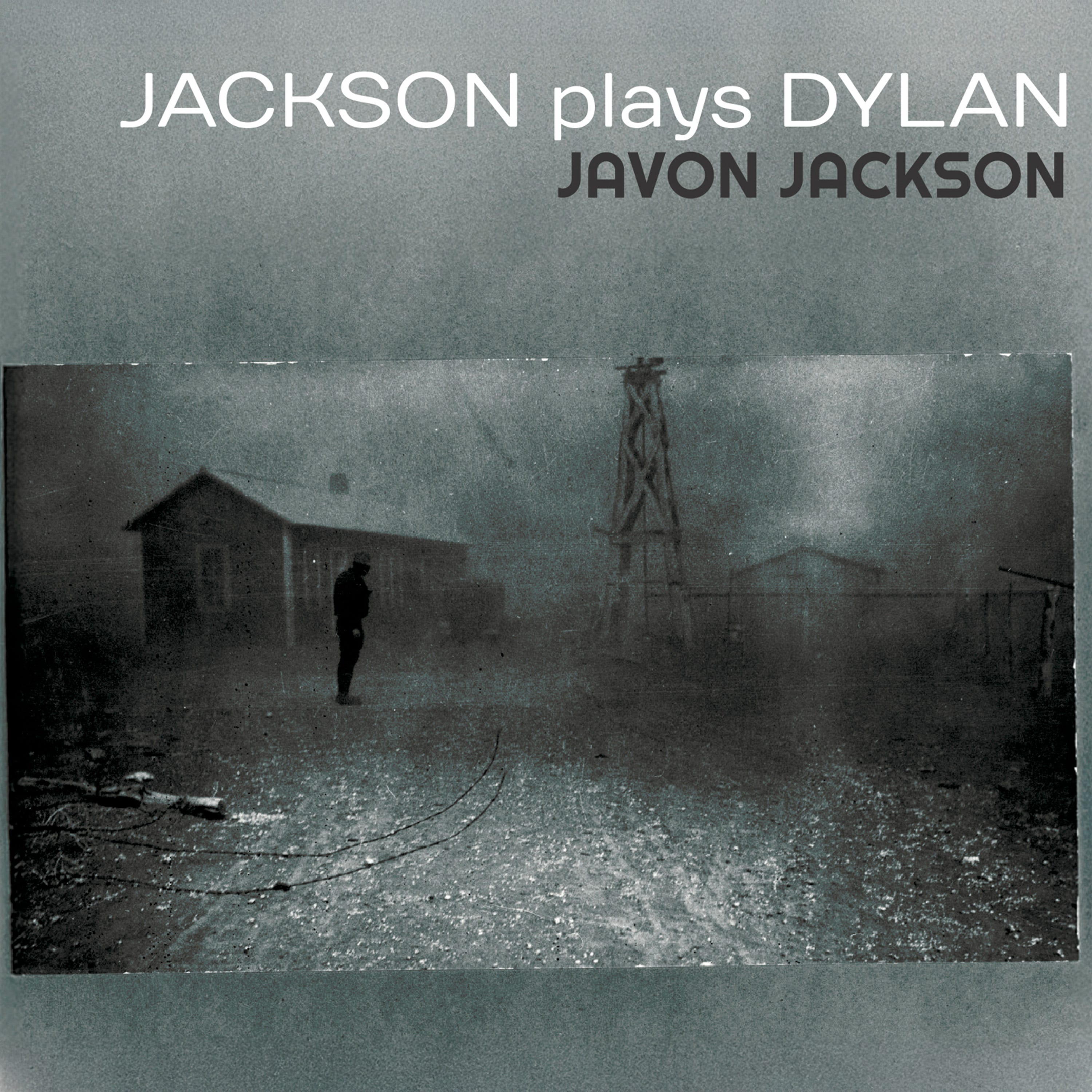
The tenor saxophonist came to Bob Dylan late and through an unusual door. Growing up immersed in jazz, he had no working knowledge of rock at all when Art Blakey’s attorney started playing him Dylan records during his Jazz Messengers years. The Denzel Washington film about Rubin Carter sealed it. Jackson Plays Dylan was originally planned as a third collaboration with the poet Nikki Giovanni, who meant to write new pieces in dialogue with Dylan’s lyrics until her death from lung cancer ended the plan. The quartet record that got made instead leans on Lisa Fischer and Nicole Zuraitis (both Grammy winners, both in their own way the only voice the song was going to take) wherever Jackson decides the lyric needs a body to sit in. A wordless “Hurricane” runs funk-charged through the original outrage without needing the lyric to keep it alive. Fischer takes “Gotta Serve Somebody” close to the mic and growls and sighs every line until Dylan’s threat sounds more like a confession than a sermon. Both vocals do the same job. They enter when Jackson decides the song needs a body to sit in. On “Lay, Lady, Lay,” bassist Isaac Levien holds the original melody while Jackson improvises above him. Has any horn player ever taken that song anywhere other than seduction? “The Times They Are A-Changin’” climbs from a near-funeral dirge into something almost jaunty, which, given the year it is landing in, says everything. — Nehemiah
Kehlani, Kehlani
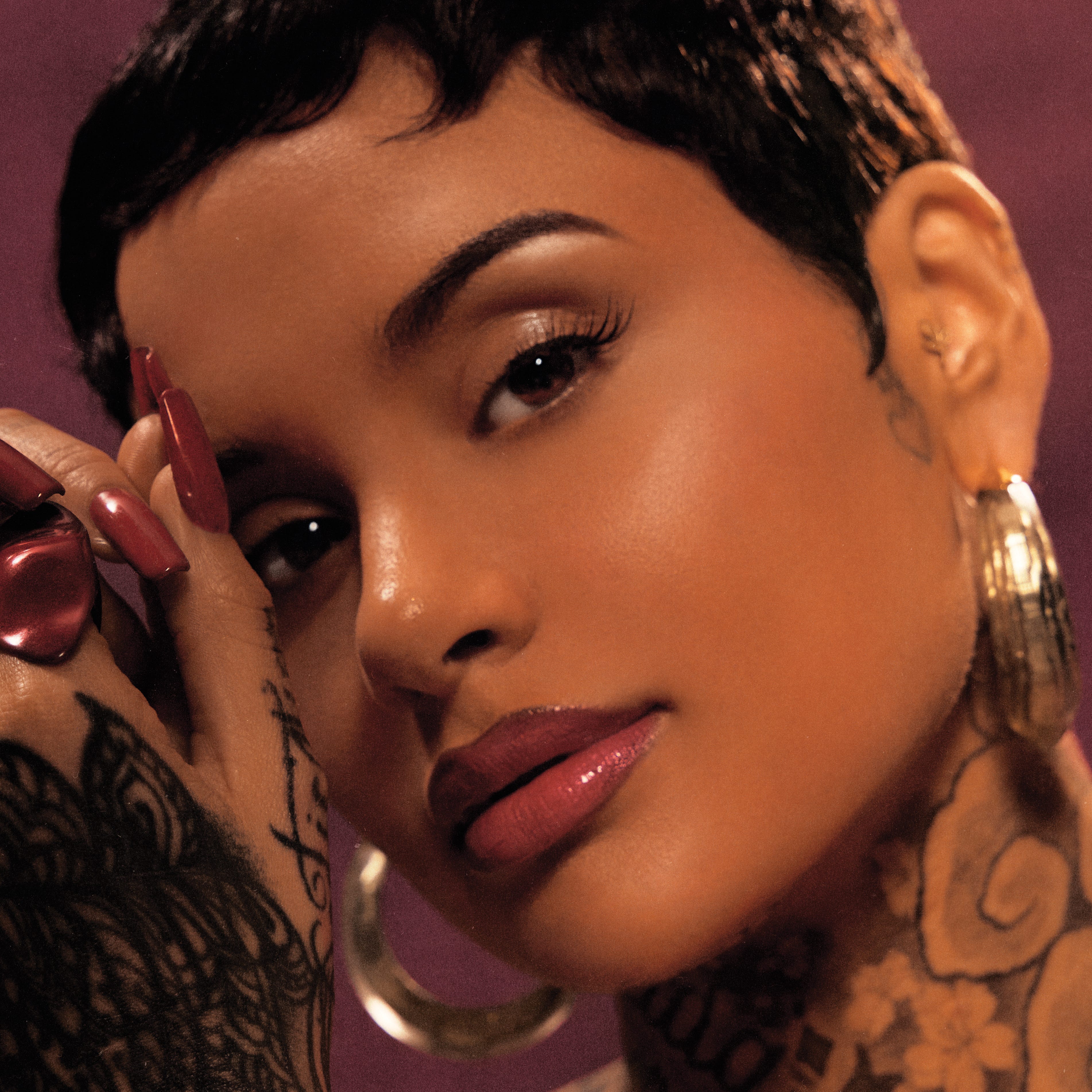
How do you get Brandy to sing a full verse on an R&B album in 2026? You don’t, unless you’re Kehlani. On her self-titled fifth album she got one on “I Need You,” along with a full Usher duet on “Shoulda Never” that gives him equal billing, a Clipse couplet over a Pharcyde drum loop on “No Such Thing,” and Missy Elliott playing the jealous boyfriend in a back-and-forth scene on “Back and Forth.” Imagine that lineup. The album arrived on her thirty-first birthday in April—eight weeks after she walked offstage at the 68th Grammys with her first two awards for “Folded” and a “Fuck ICE” closer to cap the speech. Hear the lead single. An ex has left clothes at her apartment, and she’s not about to drop them off. She washed them, folded them, stacked them on the bench by the door, and called to tell him to come get them. Notice how quiet she keeps it. The bravado cracks on “Anotha Luva,” where she spends her verse in circles: “I know you’re not mine, telling myself/But every time that I refine, I don’t want nobody else.” By “Still,” with ad-libs under the chorus line “My body knows I love you still,” she’s in a hotel room and past pretending. Every R&B voice Kehlani came up learning from shows up on the record. She matches all of them. The Grammy came ten years late. — Kendra Oluwaseyi
Jacob Banks, Limerence
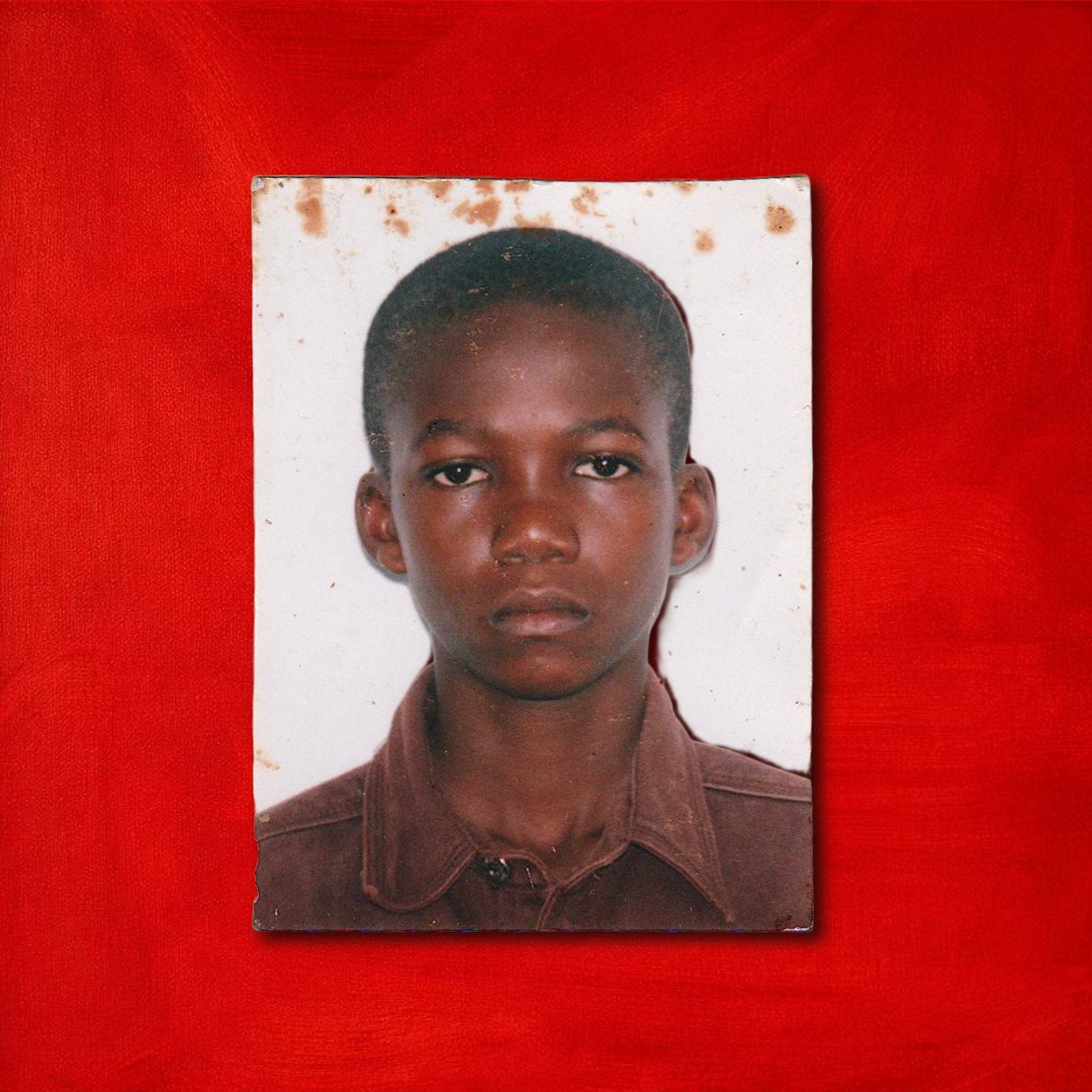
Jacob Banks did not sing in public until 2011, the year a close friend died and the family asked him to sing at the funeral. He was a Nigerian-born, Birmingham-raised twenty-two-year-old with no formal training and no plans, and he stood up and did it. Fifteen years later he is on his fifth studio album and his second on his own imprint, Nobody Records, which he founded in 2022 after walking away from Interscope. The two years before Limerence he gave to the three-part Yonder series, an extended sit-in with Sister Rosetta Tharpe, Sam Cooke, and Al Green that doubled as a retreat into the gospel music that raised all three. Limerence is the first love record on the other side of that retreat. Its title is borrowed from the psychologist Dorothy Tennov, who coined the word in 1977 to name the involuntary part of obsessive attachment, the part that runs circles in the mind praying for a bigger sign. “Easy Ain’t Home” turns common phrasing into confession over a piano figure that could have been recorded in an empty house at two in the morning, with him singing own compliance in the present tense. He puts himself across from a Superman on “Who Made You King?”, and the song asks the rescuer to stop catching him. — Lilian Sharpe
Starker, LIVING TYPE DANGEROUS Vol. 1 “North Face Nace”

The Cooper Houses in Williamsburg used to sit in the middle of a neighborhood where you might catch a buck 50 on the train on your way to cop a Tony Touch tape. That was the Giuliani-Bloomberg era, when the blocks still had Avirex jackets and ‘97 Benz with the bugged headlights and Jadakiss floating out of Jeep windows. Most of that is rubble now, or a quote on a plaque, but Starker raps about all of it like he just stepped outside five minutes ago. On LIVING TYPE DANGEROUS Vol. 1, the Nuyorican rhymer tears through soul loops and grimy East Coast beats at a clip so frantic the bars crash into each other—stray memories piling up on half-finished jokes, threats dissolving into punchlines before he remembers the threat. He’ll stuff his face with cannolis from the Italian bakery that survived gentrification on “Pignoli,” then skid into a story about his brother trying to rob their father for a watch. The family melodrama and the rainbow cookies share a sentence. He’s on his anti-“Empire State of Mind” shit; Aaron Judge ain’t saluting the flag to “Up in the deli is how she met me, giving the custy a nose job.” Over Nicholas Craven’s crate-digging mist and Lord Unknown’s grimy loops, Starker barks out nonsense with dead-serious conviction (“Y’all niggas is escovitch fish”), has a little of Ghostface’s dusted stream-of-consciousness, and there’s a Rio da Yung OG energy to the stretches where he clearly has no idea what’s coming out of his mouth next. YL, the mellower half of their duo RRR, drifts in on “W.K.I.R.G.W.” and “Flipmode” to let you breathe, but Starker shoves you right back. Subjxct 5’s chain-snatching theme on “Flipmode” will have you wanting to check if my uncle’s bootlegged Clue tapes from 2003 are still in his closet. — DeShawn Ellis
Coyote & Statik Selektah, Machetes & Micheladas
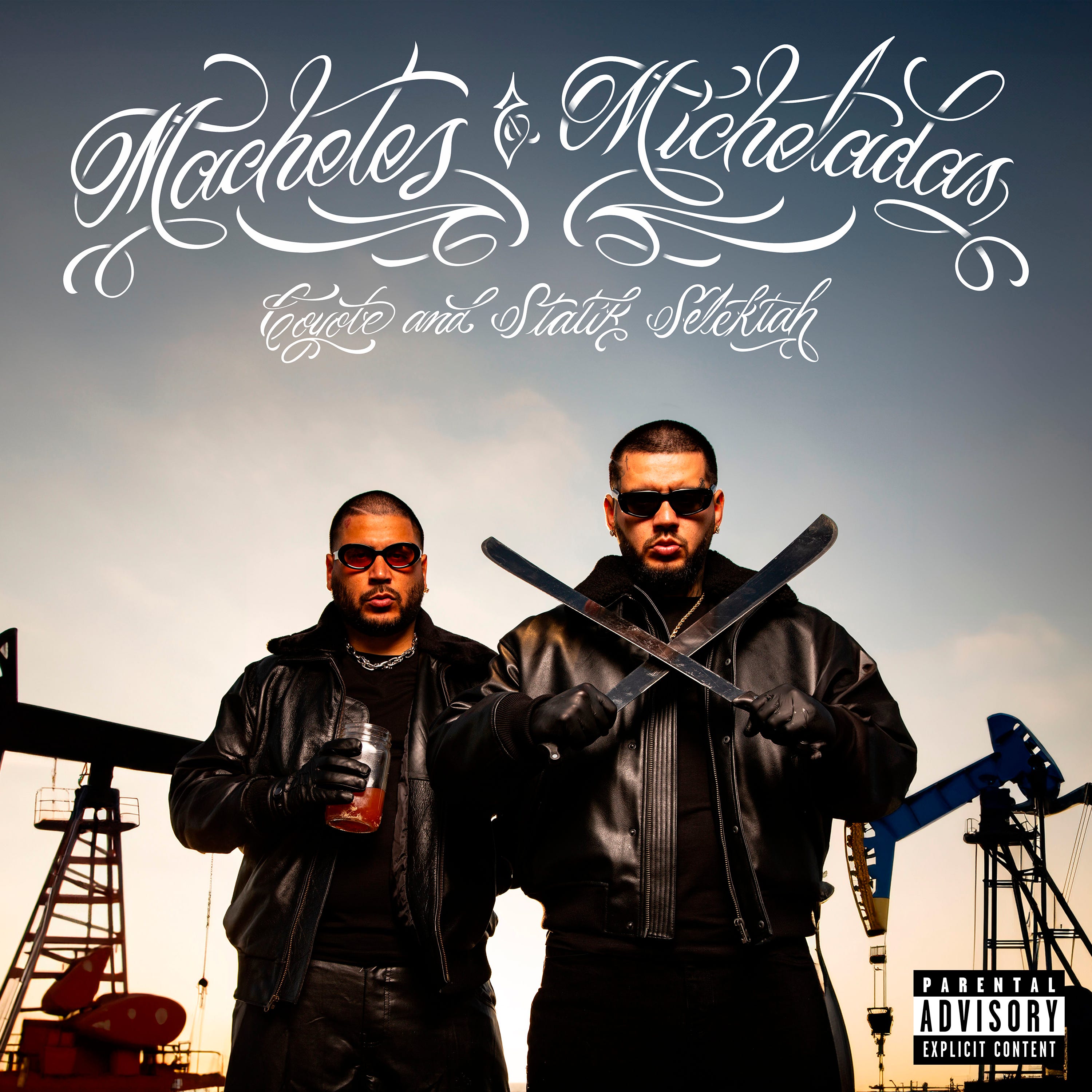
The Morales brothers, LadiesLoveGuapo and Ricky Blanco, grew up in Hawthorne bouncing between the South Bay and Mexico, raised on Wu-Tang and Nas, started rapping together after they lost a championship basketball game, sat down, smoked for the first time, and never stopped writing. They own a barbershop on Melrose Avenue. Their name, Coyote, means trickster and also means the person you pay to get your family across the border. Both definitions apply. Their fifth album hands every beat to Statik Selektah, the Massachusetts DJ who’s spent two decades keeping boom bap’s sample chops in circulation, and he repays the trust by never once trying to modernize them. Over that, the Morales brothers rap in Spanglish about finishing bagging up work and then playing lotería, about wanting Jordans and ending up at Ross where a pair of nylon Cortez on the half-off rack changed their whole self-image, about a kid named Johnny who was a straight-A student until his father got killed in a drive-by and ended up on the street begging for dope money. Conway the Machine stops by with a verse about a car that’s mango on the inside, tajín on the outside, silk pajamas, Tracy Chapman playing. B-Real and Sick Jacken share a track—a kind of Psycho Realm reunion by accident—and Jacken, three decades deep, announces that sobriety is his new high, his parents from Sinaloa. R.A. the Rugged Man, on the political song that flips Biggie’s “What’s Beef?,” goes after people who are afraid of Black mermaids and Bad Bunnies and Bud Lights, says the Oval Office looks like Jerry Springer, and stands behind every syllable. Locksmith, on the same track, figures if Jesus showed up tonight they’d deport him. Nobody pulled a punch. — Joelle Figueroa
Jesirae, Mama It’s a Renaissance
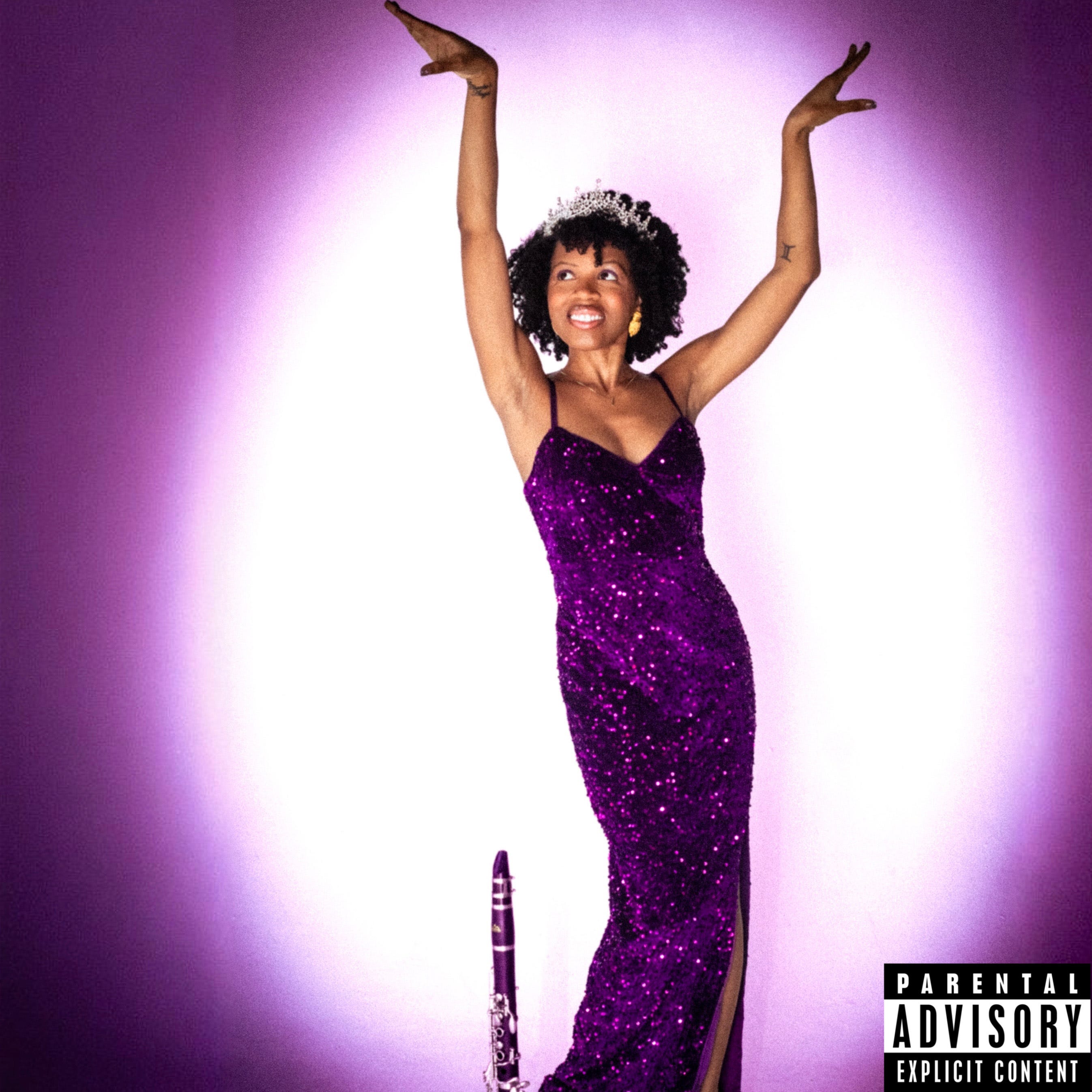
Duke Ellington, Billie Holiday, Augusta Savage, Cab Calloway, Florence Mills, William Grant Still. Josephine Baker shows up in the same verse, Diana Ross on a different song, Langston Hughes more than once. That’s a lot of names to drop on a debut. Most rappers who try this kind of thing wind up in over their heads inside three bars; what makes Jesirae’s version brazen is that she does it on an independent record with no marquee co-sign and writes the bars to back it up. Her parents arrive on “All of Me” as “lil Suge Knight, lil Huxtable”—eight syllables that ask you to hold those two figures in parallel and produce “purple” by mixing them. Tell me how many MCs working today would assume a reader can run that bar without a footnote. (And there’s a vampire-deflection joke about the Minneapolis area code two verses later that I’m not going to spoil.) Mama It’s a Renaissance defaults to 1995. Boom-bap drums, jazz-leaning neo-soul, no commercial-radio gloss anywhere, and Jesirae chose every bit of that on purpose. The Great Migration north from Mississippi is the actual subject of “Cross Country” (foreclosure crisis included). The second verse of “Self” is what label refusal sounds like, sandwiched between “land of ten thousand lakes, it birthed and raised me” and a personal-faith spelling-bee for her mother’s name. Nothing here is softened. Nothing is aestheticized. Jesirae names what she was given, what was taken, and what she’s putting on the page about all of it. — L. Ari James
Isaia Huron, Mr. Lovebomb

Isaia Huron’s father pastored a congregation and was a civil rights activist who received threats from the KKK; his mother directed the choir; by fourteen Huron was drumming professionally for a megachurch of four thousand. He taught himself production on Ableton, and used his SoundCloud as a public diary of unfinished demos until the pandemic killed his drumming gigs and gave him a reason to put music out under his own name. Mr. Lovebomb is his sophomore LP. He wrote it, produced it, sang every note. The premise, in his own words, traces “the unraveling of a man who built his life around the chase.” The man Huron plays meets a woman in the opening minutes, promises to learn her and love her starting tonight, then admits his habits have left past partners in tears and shrugs it off (“But that’s their issue”). On “Breakfast and Matcha,” the most damning thing here, he convinces himself he’s in love, suffers in silence, and creeps away in the nighttime to see a side piece while his girl sleeps, returning before sunrise with breakfast in his left hand and matcha in his right. “Pablo Honey Song #2” rationalizes a booty call by insisting they don’t have to touch (“Like Pablo Honey’s Song 2, I know I don’t belong to you”). And “Wool” turns on a stranger’s discomfort at a dinner table: new woman, feet out the window on the highway, Beyoncé playing, the sun going down, and then she’s rude to the waitress and Huron asks for the check. He’ll diagnose his failures with extraordinary clarity (“When we fight, you’re fighting with a low-res version of me,” he tells a partner on “Versions”) and then send them right back into the room and expect her to absorb them. — Daliah Green
Kumail, Mudbrown
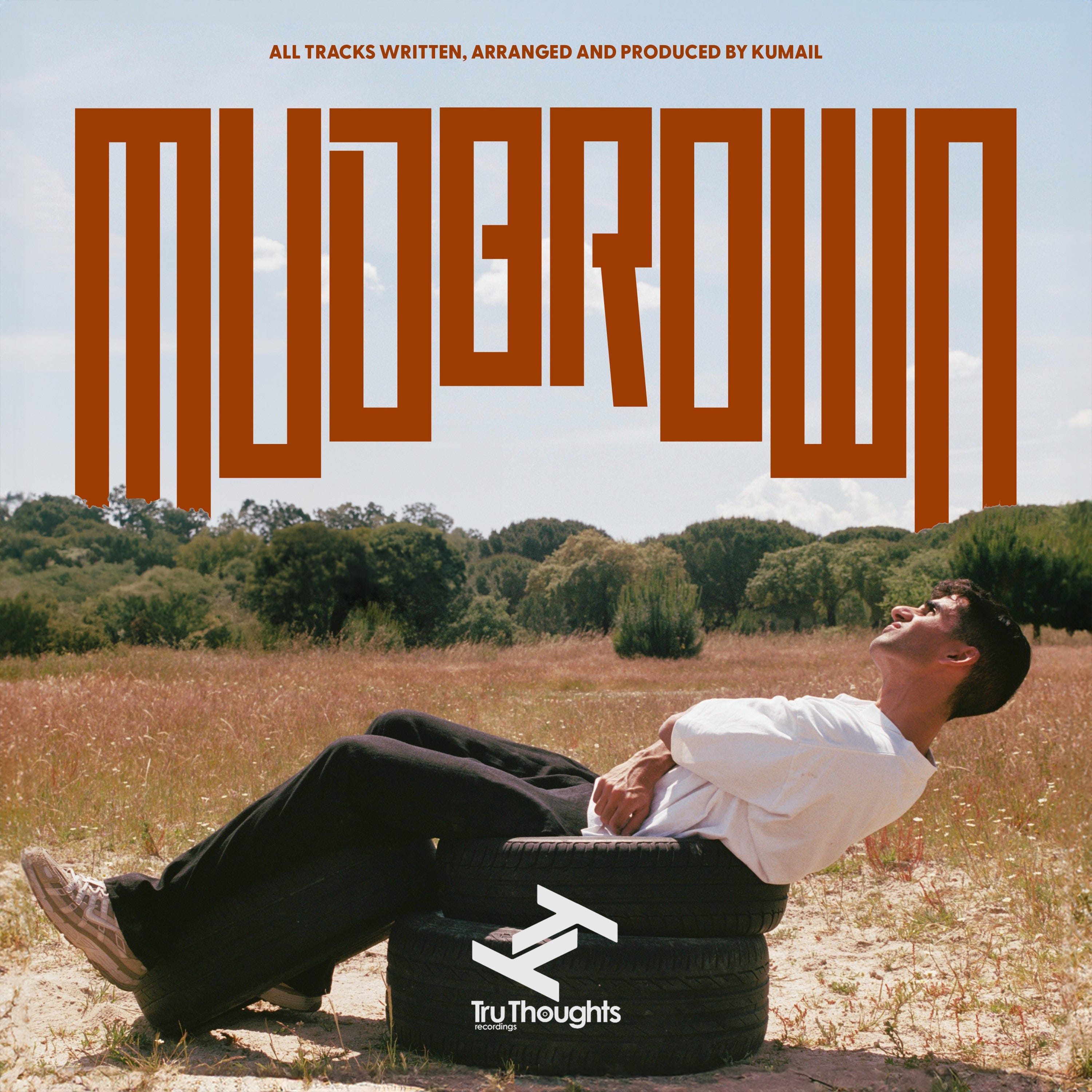
Kumail Hamid had a producer career going in Mumbai through most of the 2010s, with a foothold in the wonky end of beat music, bills shared with Four Tet and DJ Koze, and a debut on Bastard Jazz that pulled an old Pierre Akendengue Afro-jazz sample into the room. Then he moved to Kinshasa, opened a restaurant, and stayed five years without putting out music. Not nothing, in producer time. Mudbrown gets its name from the Congo River (the brown water people in Kinshasa say never leaves you once you’ve drunk it), and the players on the album are a band Kumail put together after he left Kinshasa for Lisbon, where he lives now. On “Lady” he tells a woman she puts the soul back into him, repeating the line until it stops being praise and starts sounding like an oath. Fly Anakin appears on “Tear It Off” to back Kumail’s argument that sex is where a person can’t fake who they are, and Kumail’s band moves a step toward Anakin’s cadence (when the convention with a one-author record like this is to ask the guest to sand his cadence down to yours). Kinshasa is the only city on the record. The title carries it, and the opening minute carries it, in the voice of an artist who lives there. — Kendra Vale
KNOWITALL & Skip The Kid, Music Saved Me 3
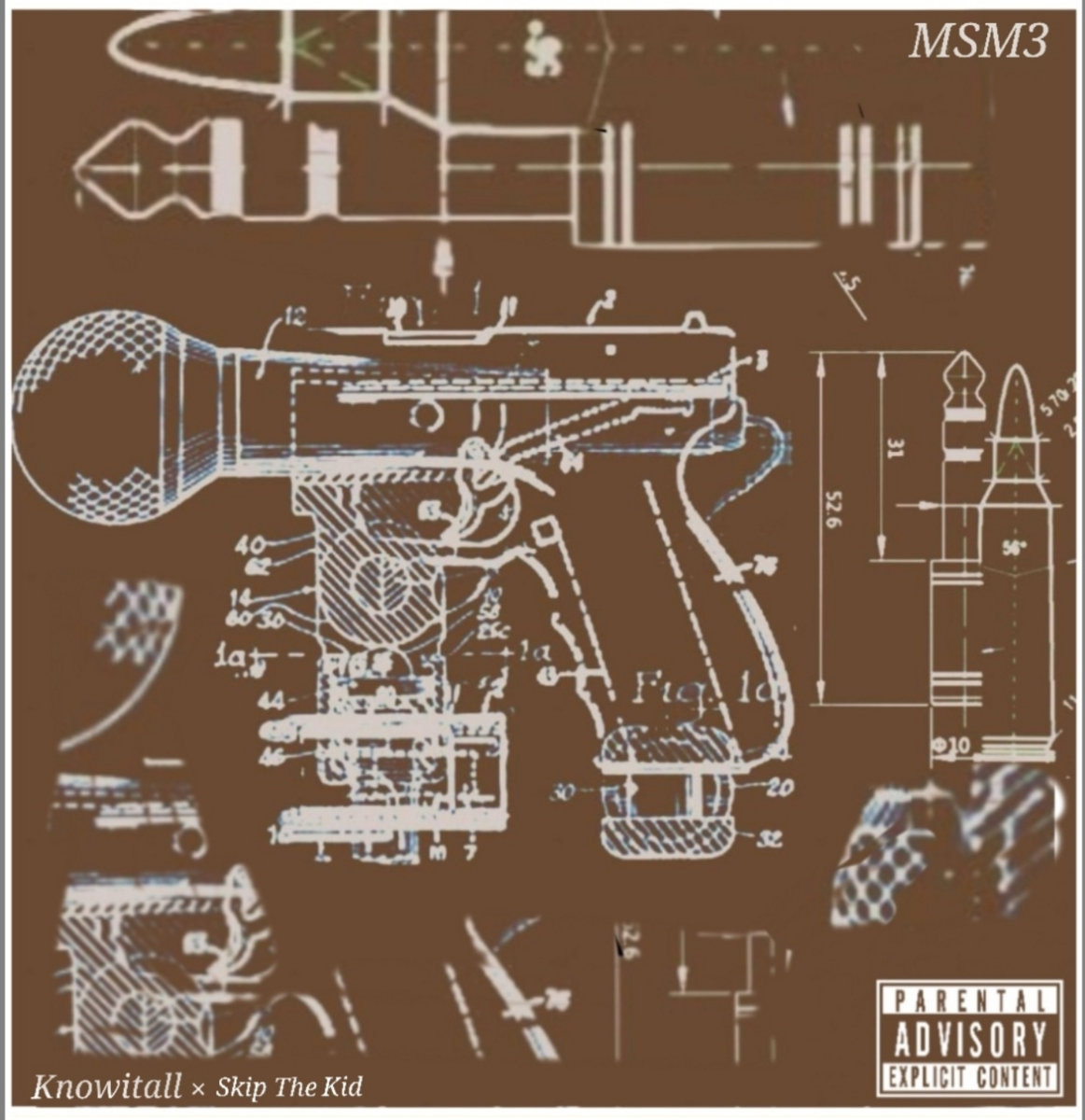
KNOWITALL has kidney disease, has collaborated with Tragedy Khadafi and a rotating bench of underground rappers from the borough (Patty Honcho, Backwood Sweetie, Blaq Chidori), and has been recording at a pace that makes even the most prolific Bandcamp rappers look idle. The Music Saved Me series is his and Skip’s recurring tag; MSM3 cuts everyone out with all Skip The Kid production, the Queens MC rapping alone, and the album is better for having nobody else in the room. He spends most of it in the past. His mother fried fish on Friday nights, “Wasn’t no Popeye’s when I seen my first biscuit.” He and somebody named Sam robbed and scammed together, “SPIC and SPAM,” and there were shootouts every day. “Vision Clearer” has him watching kids on the short bus doped up on behavior drugs, being dressed bummy at school, seeing people he used to smoke with get murdered; he cried his heart out into a tub of tears, but that was years ago. And on “Ignorant Livin’,” old heads blow mad piff, mix it with “Brad Pitt,” somebody shoots up the avenue over a woman, bodies are stiff, fiends hit glass, and then KNOWITALL asks, “Who would’ve thought of this as our future as we was kids on the block drinking quarter water?” On “Skip 2 Step,” God told him his buffet is buffering, and time will inevitably give you what the Romans gave Christ, “whether it be cancer or a knife.” He compares himself to Magic Johnson, Joe DiMaggio, Jordan in the fourth quarter, Jerome Bettis, Dikembe Mutombo, and Bob Pettit without a gram of irony. — Harry Brown
My New Band Believe, My New Band Believe
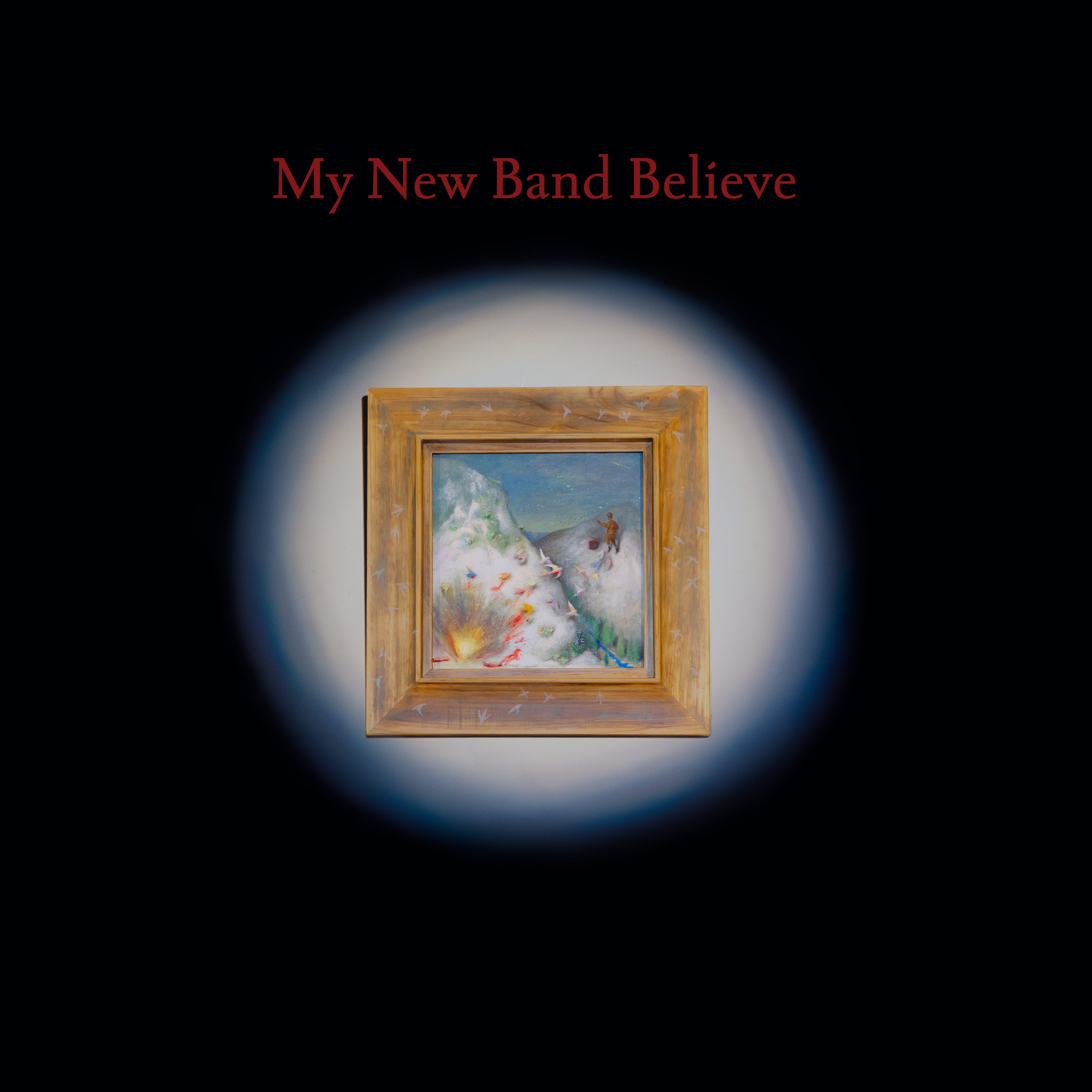
The band name was a souvenir from a Chinese hotel room, where Cameron Picton was burning through a fever and scribbling down the scrambled phrases that stuck through it. One in particular lodged in his head even after the fever broke. By his own admission he sometimes cringes at it, but he kept my new band believe anyway, all in lower case. After spending the back end of black midi’s hiatus releasing CD-only mixtapes under the alias Camera Picture, Picton pulled together a real lineup with Kiran Leonard, Caius Williams, Steve Noble, and Andrew Cheetham, then cut an almost entirely acoustic record across 11 London studios with nine different engineers. “Heart of Darkness” carries the late-period black midi folk-rock shape into a more unguarded place. “Love Story” sets a domestic scene of Picton cooking dinner for his partner, feeling sexy about it, and then collapses the sweetness on a flash of imagining her gone. “Actress” gets closer (closer than anything else here, anyway) to the chaotic instrumentality of the Lecture 25 single he released early last year. The record is a cluster of conflicting registers stitched together by a kind of fever-dream consistency, and it makes a strong case that Picton was doing more of the storytelling in his old band than the credits ever suggested. — Oliver I. Martin
Farma G & Relense, Nearly Nothing’s Enough
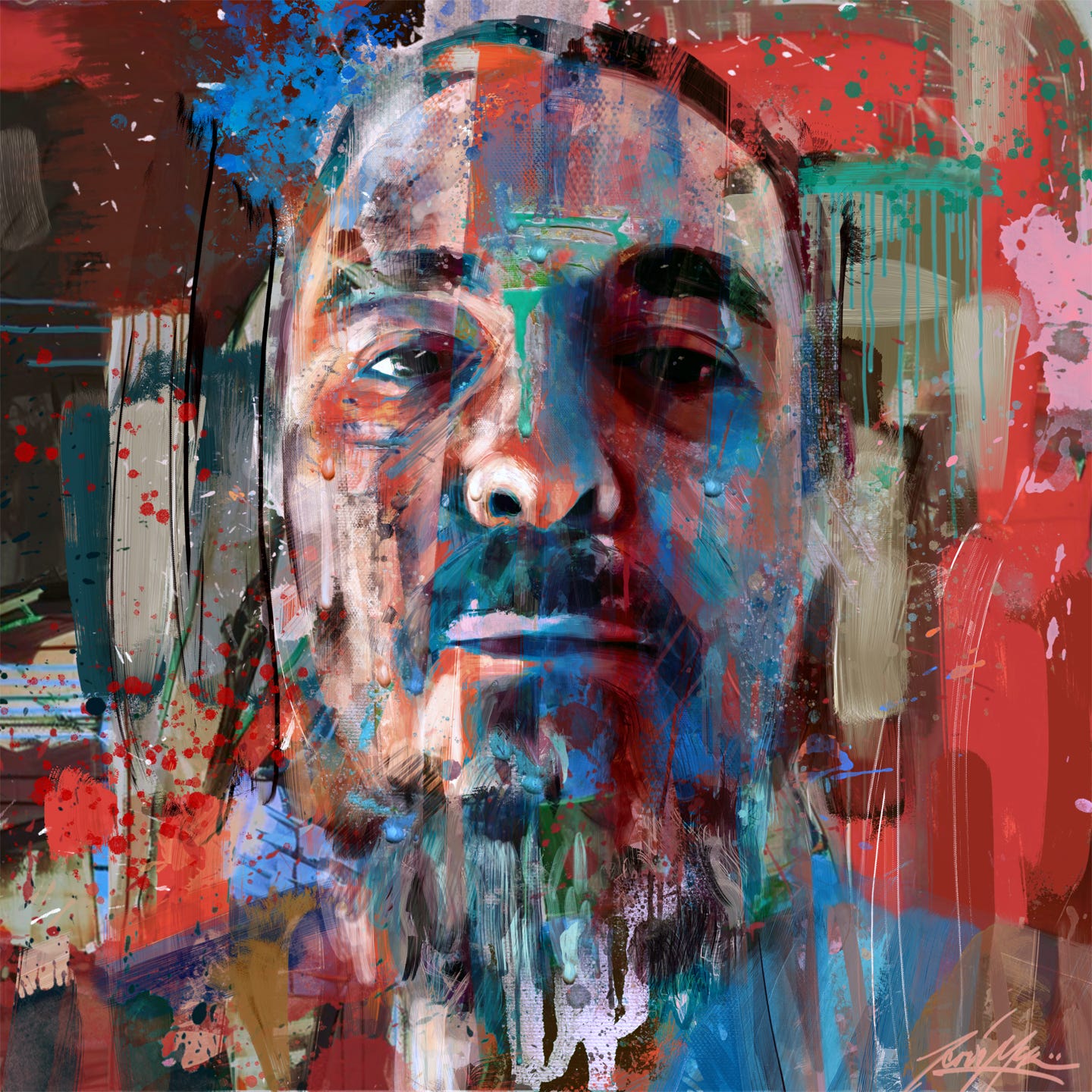
Depression never found its way into conversations for Robin Coombes. He chose to rap about it on “Mr. Moany.” The song presents the character waking up without energy. He’s surrounded by rubbish, rolls out of bed and watches the bugs, rolls a spliff, stares into a mirror and plays Call of Duty. He hasn’t done any chores, hasn’t showered, but applies Lynx and then a bleach gargle. He eats 5 cakes, and writes in grime on the window. Coombes is the child of songwriter Peet Coombes for the Swimmer’s 1978 transatlantic record hit, “Fool (If You Think It’s Over).” He and his brother Chester, drenched themselves into hip-hop. They saw it through Beatstreet and Roxanne Shanté battles. By the ‘90s, this dynamic birthed Task Force and led to a new style of hip hop—the Music from the Corner series, that defined a construct for a vast number of the UK’s underground catalogs. They are still receiving debates in their wake. The entire album is produced by Brighton-based Relense, whose thump holds every song at the same temperature, and the discipline of that single room forces Farma G to do the work with his voice and his pen. He is inspired by an unhealthy mix of conspiracy theories, Jack Kerouac, and even the Monkey King who is trapped for five hundred years and later wrote a form of a five-part stratagem and the Book of Five Rings. — Tariq Belson
Honey Dijon, The Nightlife
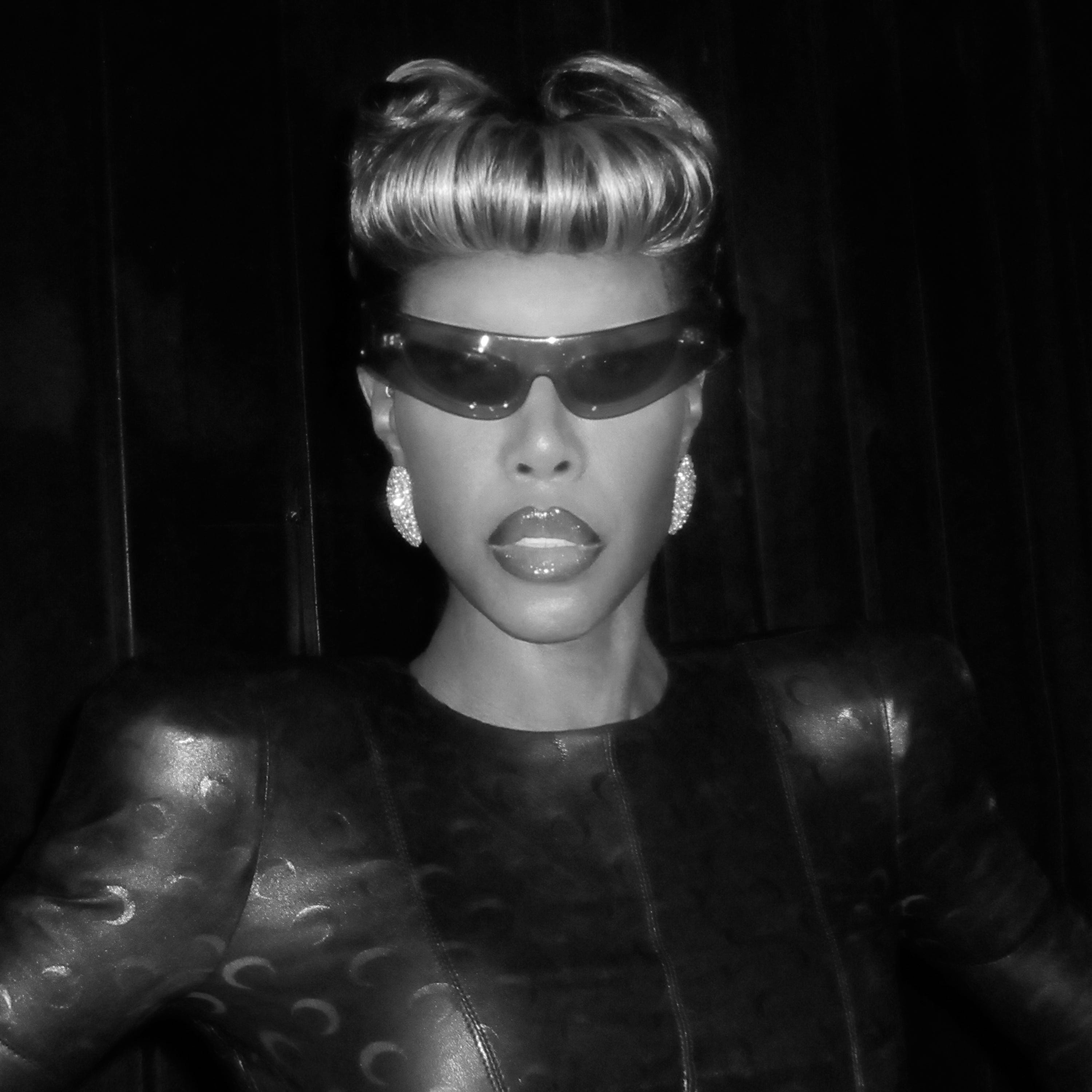
A diva voice over a four-on-the-floor kick was the original deal at the Warehouse on West Jefferson. Frankie Knuckles and Ron Hardy built Chicago’s genre on it; Larry Levan took the same idea to the Paradise Garage in New York. Thirty years of Chicago-born DJs have lived on the royalties of an argument they never copyrighted. Honey Dijon, who was a Black trans teenager in those rooms before she was anything else, knows exactly who gets the credit. Her third album hands every lead vocal to a guest and keeps Honey Redmond behind the boards. What Dijon does with them is the album’s real shape. “Just Friends” stacks Adi Oasis’s cool alto, Danielle Ponder’s smokier alto beneath it, and a Suni MF rap bridge across four minutes of euphoric disco-house that could have lit up a Parisian runway in 1994. Bree Runway raps “Slight Werk” with Missy Elliott-grade snarl over a kick drum and barely anything else. Mahalia holds “Don’t rush me, take your time, we’re not in love” as a four-minute directive on “Rush Me,” and Rochelle Jordan plays both voices of a one-way crush on “Private Eye.” Dijon has been DJing since her mid-teens. She co-produced “Cozy” and “Alien Superstar” on Beyoncé’s Renaissance in 2022, soundtracked Dior Men runways for nearly a decade, and still makes the trip back to Chicago every year. What is the point of all that tenure if not this—an album that gets every name it calls? The Nightlife is the cleanest case she has put on a single LP for where this music came from and who is still there to play it back. Not bad, for a third album. — Darryl Keyes
White Fence, Orange
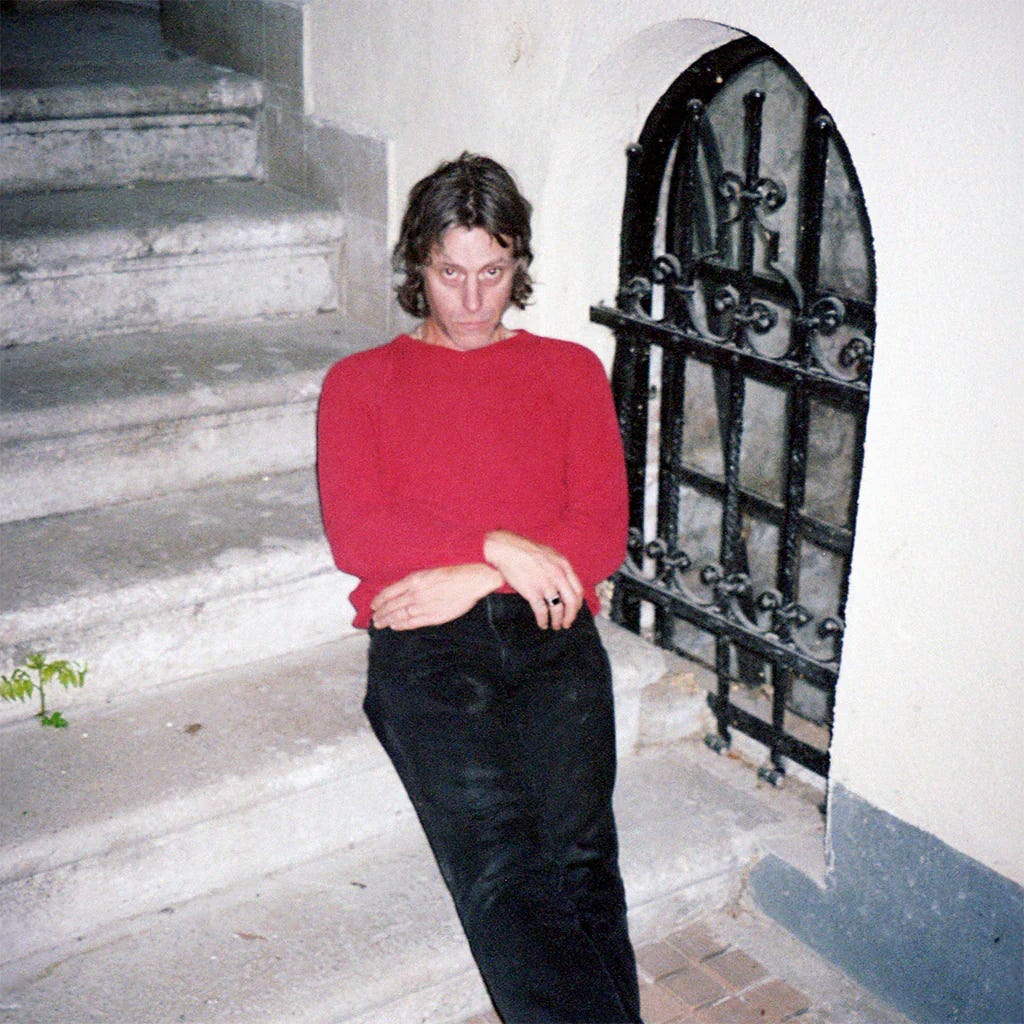
The last White Fence album was called I Have to Feed Larry’s Hawk, and Presley has said plainly that the hawk was his opioid addiction—the compulsion that had to be fed, the beast he’d been running from when he left Los Angeles for San Francisco and checked into a harm-reduction center there. That record came out in 2019, built around a piano he could barely play, and then nothing for seven years. In the interim Presley drew expressionist figures and wrote poetry, the creativity rerouted into media that didn’t require the instrument he associated with getting high. He told SF Weekly that getting clean felt like Samson’s haircut. He couldn’t look at a guitar. It is worth knowing all of this about Orange, his eighth album, because you can hear Presley remembering how to play—wanting you to hear every chord ring out, clearly, without the tape hiss and analog murk that used to swallow his earlier work whole. Ty Segall, who produced and plays drums on most of the record, has given him an uncrowded room. Alice Sandahl of La Luz adds keyboards that sit translucent against the guitars. The Simply Red cover “So Beautiful” sits at the center of this contradiction—a picnic-afternoon melody carrying a line about considering suicide for the first time, the borrowed prettiness of the song turning the confession into something you could almost miss. Presley said he wanted to sing his little heart out. On “Reflection in a Shop Window on Polk,” he sounds like he’s doing exactly that, staring at himself in the glass and getting the whole portrait down before looking away. — Oliver I. Martin
Tiwayo, Outsider
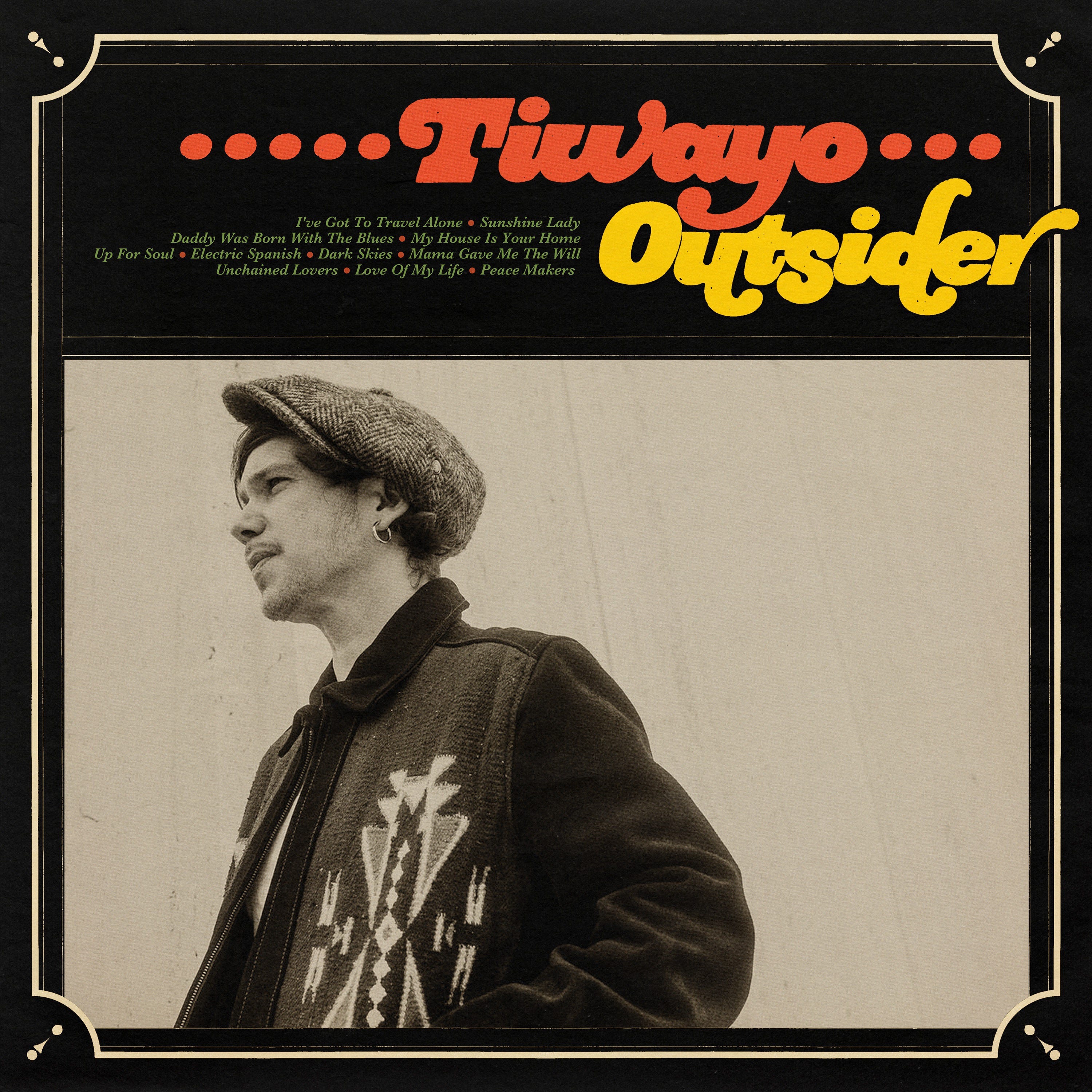
Tiwayo busked through his teens in the south of France, made two records for Blue Note, opened for Sting and Seal on the road, and then went quiet for long enough that what he’d already put out stopped being discussed. Adrián Quesada heard the demos, met him at Les Eurockéennes festival in eastern France, and brought him to Electric Deluxe in Austin to cut Outsider with a fixed band—Jay Mumford on drums, Terin Moswen Ector on bass and congas, Joshy Soul at the keys, Alexis Buffum bowing strings, Doyle Bramhall II as a second guitar on “Daddy Was Born with the Blues” and “Electric Spanish,” Kendra Morris on the duet “Unchained Lovers.” Quesada produced every track on the album, and the personnel barely changes across it. Tiwayo’s eulogy for his late father, “Daddy Was Born with the Blues,” skips the city, the year, and the cause, and the only thing he says about the loss directly is: “He didn’t get two lives to choose.” Six songs later “Mama Give Me the Will” is the inheritance song for his mother, a list of what she handed down, the will, the wings, the eyes to see, the love. Memphis shows up in both that one and in “Love of My Life,” and the sequence never tells you to notice. On “Electric Spanish” he sings “I say I’m electric Spanish, electric French” over a Doyle Bramhall II guitar lick, naming himself a guitar (the Gibson ES) and a doubled nationality, not quite from either country. — Asa McKenzie
Rosco P Coldchain & Nicholas Craven, Play With Something Safe
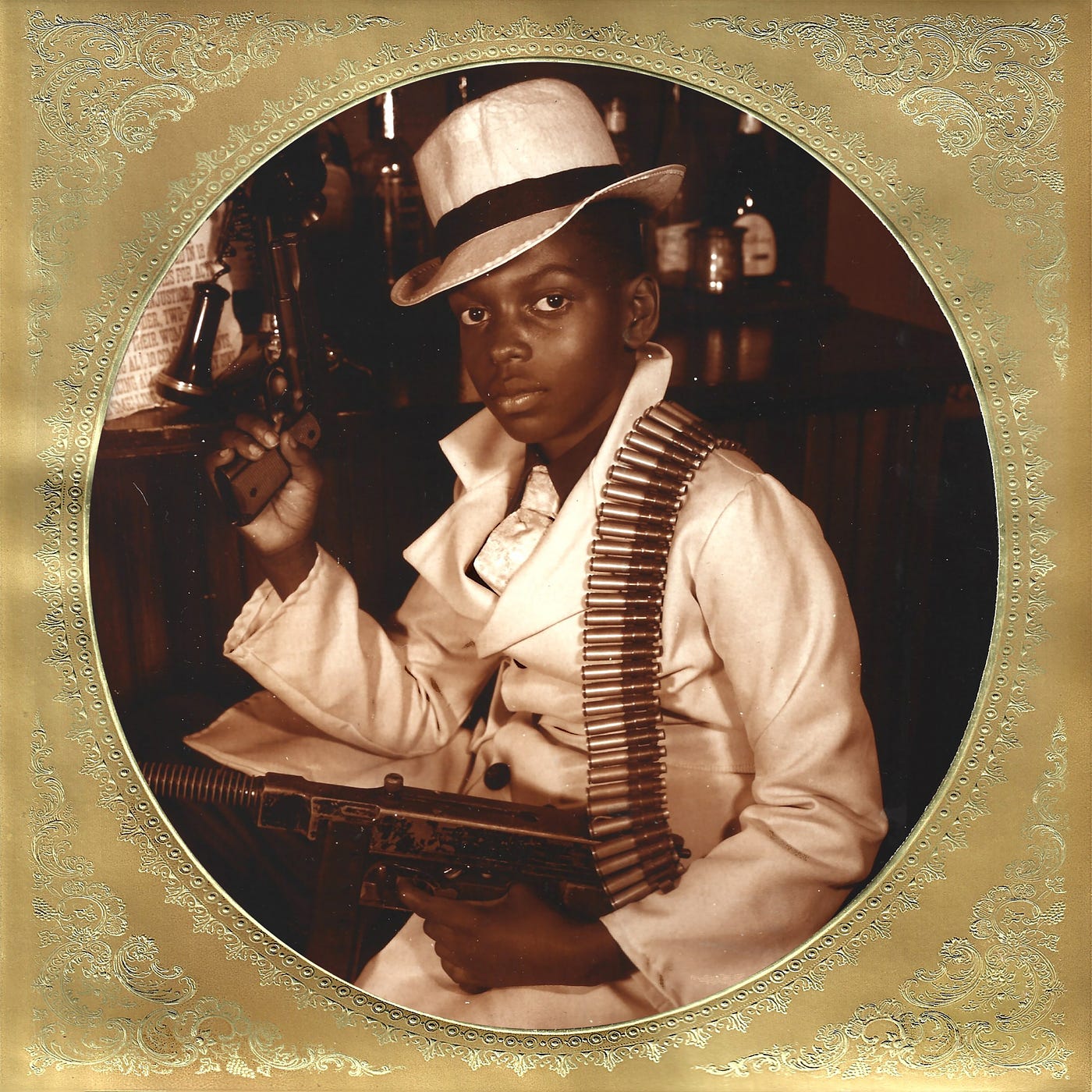
After spending fourteen years in prison, Play With Something Safe is Rosco P Coldchain’s first proper full-length since his release, produced entirely by Montreal’s Nicholas Craven, whose drumless soul-loop flips stay out of the way and let the stories run long. And the stories are staggering. On “Prayer Group,” he’s ten years old, lying in bed next to his sleeping mother, wondering if he can sell what the man in the Troop jacket and Lee jeans sells. He wore a kufi to school; kids called him Pookie, Pork Chop, Saddam Hussein. He dropped out in ninth grade. He was tired of powder milk and welfare cheese and boiling water on the kerosene heater, and watching his mother starve was eating him up, so he ran away from home, put on his LA Gears, and copped a buck-thirty pack from Brunroni at 17th and Ingersoll. On “Hold My Hand,” a mother’s crosswalk warning, “look both ways before you cross the street, hold my hand,” sits between two verses about brain matter on Louis Vuitton and buying outfits for closed caskets. Ab Liva and Jimmie D show up on the title track, both Re-Up Gang affiliates, and rap about filing serial numbers off guns and scraping pots in trap houses as if they’d all been sentenced to the same room at different times. Rosco’s grandmother shared blood with David Porter of Stax Records, and Premier kept calling the jail every year for fourteen of them. — Phil
Earl Sweatshirt, MIKE & SURF GANG, POMPEII // UTILITY
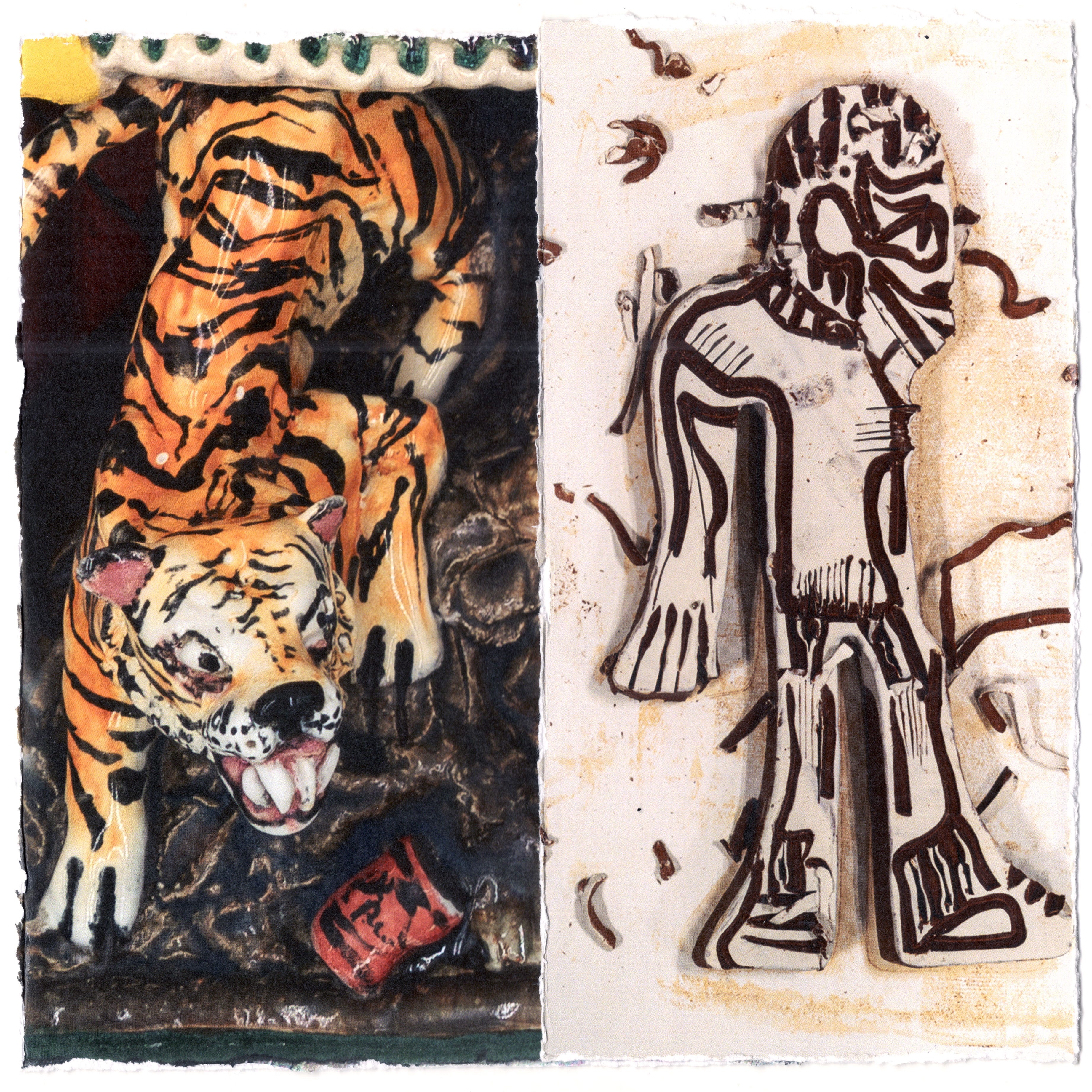
Late in 2023, at the Warp studio in Los Angeles, MIKE fell asleep in a corner while Earl Sweatshirt and a handful of SURF GANG producers kept recording. Other bodies were scattered around the room—exhausted, stiff, barely moving. Someone cracked that it looked like Pompeii. The joke became a title. The sessions stretched another two years, split between Tony Seltzer’s New York studio and various rooms in L.A., and the album that came out of them is enormous: 33 tracks across two discs, MIKE’s 15 on one side, Earl’s 18 on the other, every beat from SURF GANG’s Harrison, Evilgiane, and affiliates. MIKE writes tighter under the noise, compressing his mother’s death and the count of hundred racks into four bars on “AFRO,” then dashing through traffic with packages on “Minty,” telling a friend to take their talents off LinkedIn. On “Shutter Island” he speed-reads a whole childhood of damage in couplets: “Those crooked slums, a thug’s resort/...She shouldn’t trust my stubborn love/They never gave your son a choice.” Earl, on his disc, is funnier and more plainspoken than he’s been in years. On “Charli 2na” he compares himself to the Jurassic 5 MC and admits the bottle bent him out of shape in the same verse. On “:( again :)” he draws a line in the sand with a stick, takes account of the damage he did, and decides to fix it. On “AOK” he says he wants his kids, calls the people keeping them from him clowns, and remembers a time when all he wanted was a tub and his pops. When they finally trade bars directly on “Leadbelly”—“I told Twin, ‘you better than me/I still got vendettas to see through’”—both of them are grinning. Wiki introduced these two in 2016. — Koda Lin
VINSON, Raw Honey
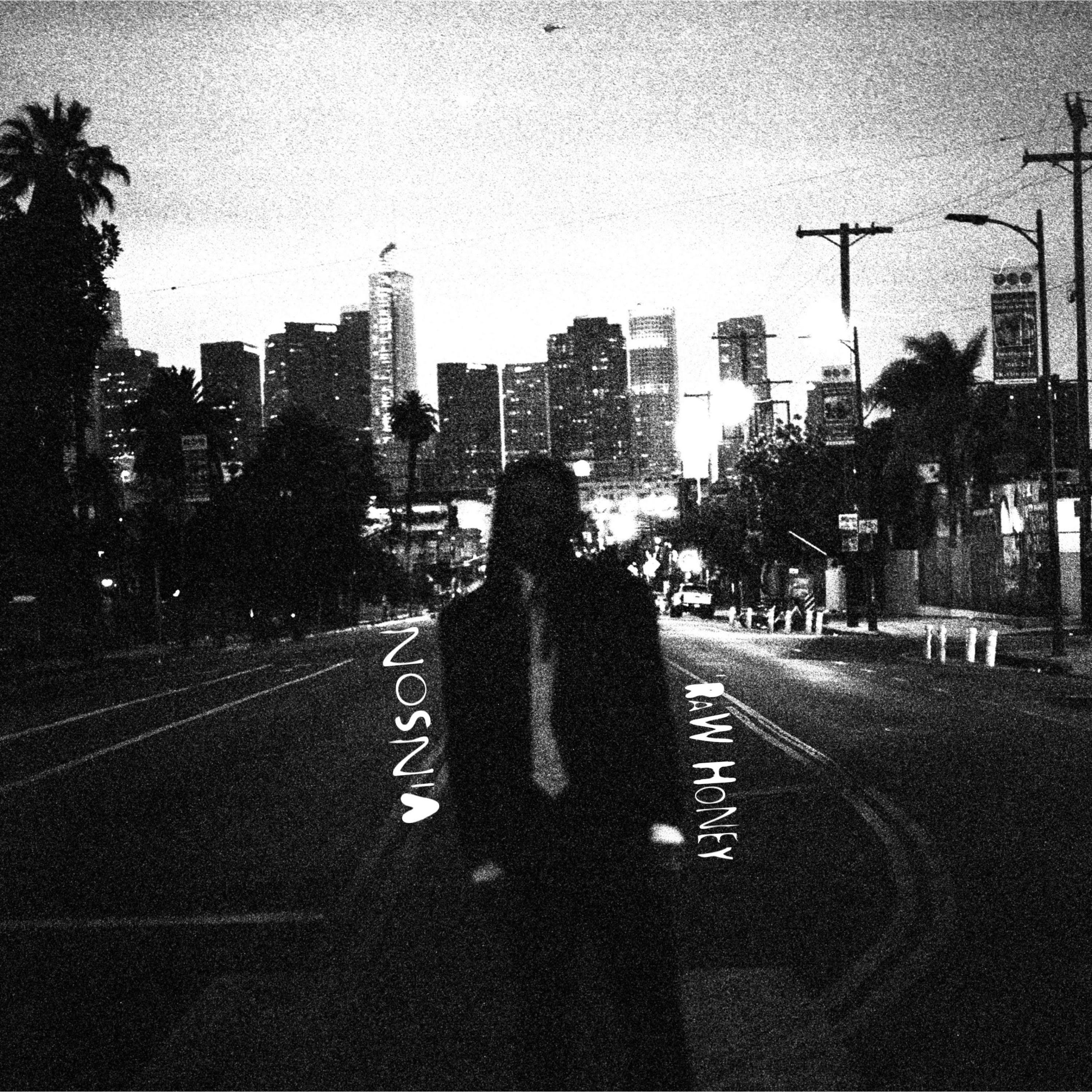
Two of Brenton Andre Vinson’s great-uncles sang in Motown-era vocal groups. His uncle and cousin rapped with Chuck D and Public Enemy. He grew up in Detroit getting played everything from every era, and when he finally left for Los Angeles in 2019 at twenty-seven or twenty-eight, he’d never lived anywhere else longer than a few weeks. The pandemic hit a year later, and he recorded through it. EPs came steadily between 2020 and 2025, each one on a different frequency: Loose Rap with the Ayuvir beat collective, Break a Sweat with Santiago Salazar from Underground Resistance, Rhythmic Pool with .Coffee. He started curating a quarterly showcase in LA called Good Company, booking Koreatown Oddity and Qu’ran Shaheed and Silas Short. VINSON had been circling his debut full-length for half a decade. On “Bout 2 Flourish,” the opener, he’s spreading cheese on a baguette in Europe, having sweaty sex behind curtains, praying to Yemaya in all white. His ex called him eighty times, spread eighty lies in a small city, was it because they made a baby and then it died? AshTreJinkins’ beats run tighter, more insistent, and “Feel Crazy” opens on a spoken-word sample declaring anger at racist transgressions the only sane response, then VINSON says he sees with both eyes and isn’t trying to see both sides. On “Never or Now,” his father only talked about his Beamer and his Benz and his many wins, never about anything else, and Nappy Nina takes the third verse: “Growing bitter in winter, said this was just enough/Times I couldn’t eat much.” — Darryl Keyes
bbymutha, rent due
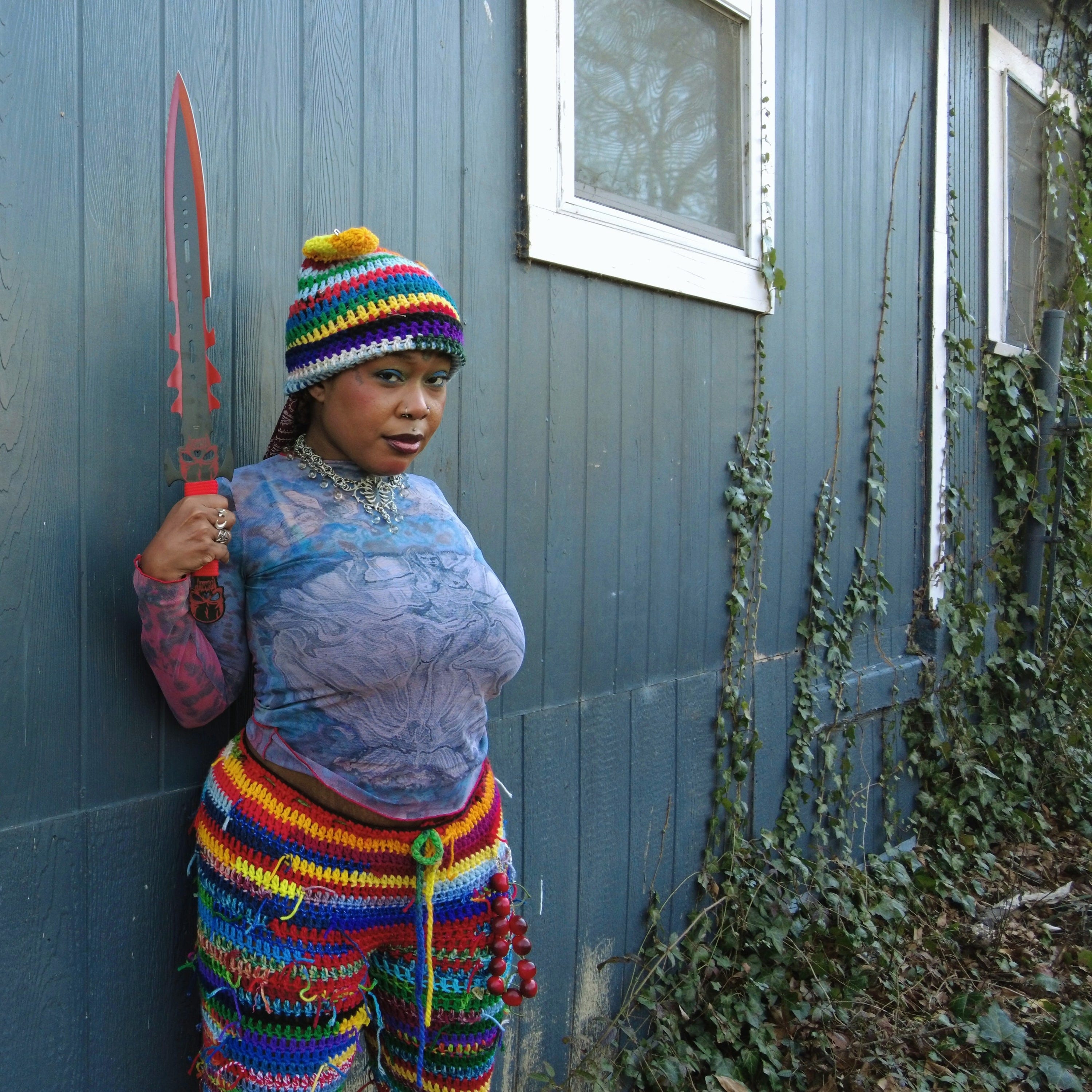
Brittnee Moore was twelve years old when she got committed to a psychiatric ward in Pensacola for hitting a teacher. They diagnosed her with depression and ADHD, expelled her, and sent her back to Chattanooga, where she’d spend the next two decades becoming one of the funniest, meanest, most stubbornly independent rappers in the country, mostly without anyone outside of Bandcamp and SoundCloud knowing her name. On “mainstream,” bbymutha admits her Louis bag is fake, says she fired her managers for giving her headaches, and notes that her boyfriend DJs for her both downstairs and on stage. “personally” lists everything she hates about the industry—signing deals, starting over, working with people who see her as a check. Then she asks why she always has to be the gangster, always the bitch, when she’s a hero to her kids and her neighbors. “runnin” is the one where she wants to escape but can’t, so the hook just says it flat: “Fuck it, I’m mother, so I gotta handle it anyway.” She has been doing this since Muthaland. She can rap “I’m a goofy goober” on a song called “mutha massacre’s mental mania!” and mean it as hard as anything on the record. She learned from Gucci Mane and Trina and La Chat and Gangsta Boo, Southern rappers who understood that talking wild shit and talking real shit are the same conversation, just different volumes. “threat” has a pre-chorus where she walks through every identity that costs her points in public: too country, too old, a mother, a witch. — L. Ari James
Fat Ray & Raphy, Santa Rosa
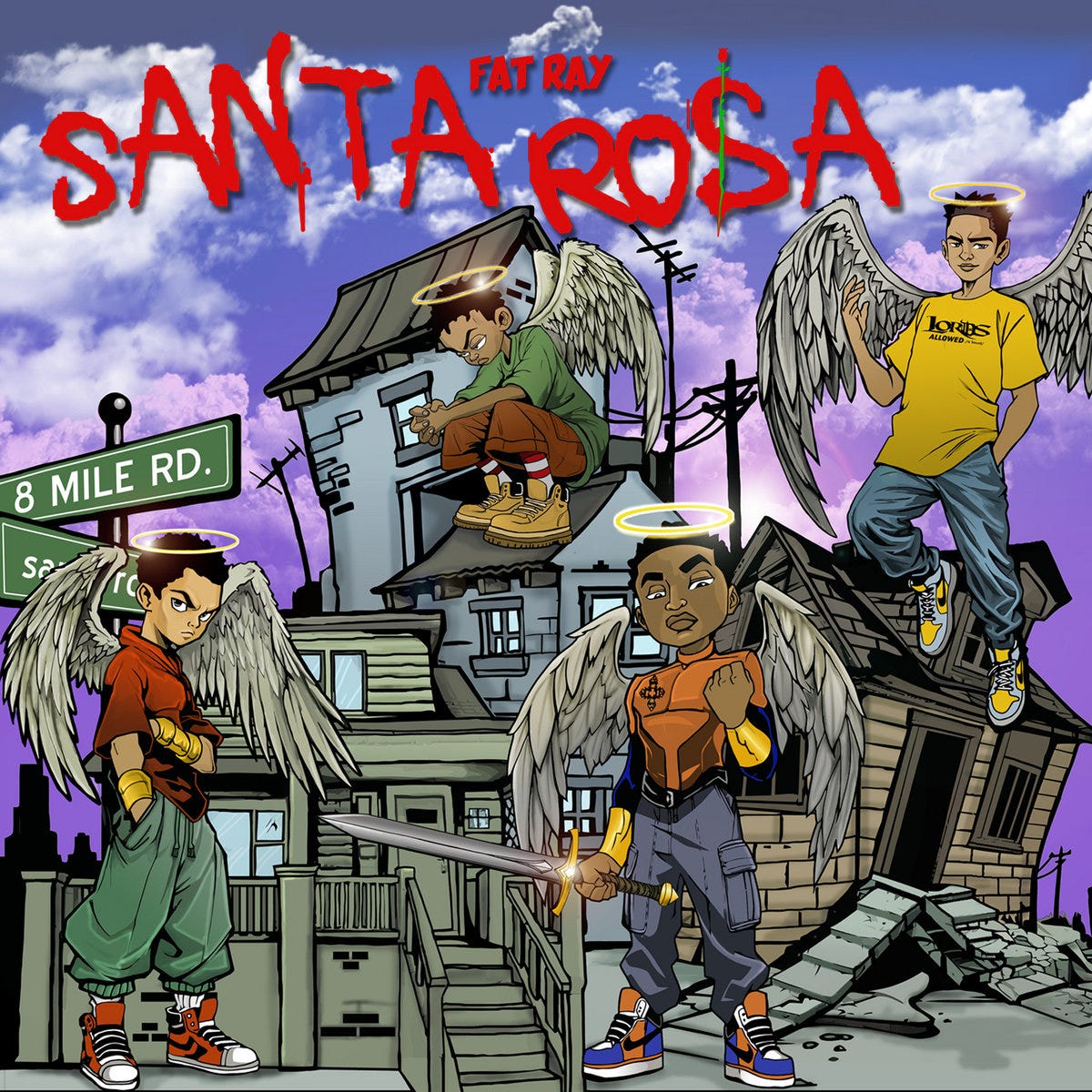
Detroit’s underground has been quietly running on its own current for years, the kind of scene where Fat Ray who watched Proof run battles at the Hip-Hop Shop window in the ‘90s can spend a decade off the grid, resurface in 2018 with a mixtape and a sophomore album in the same calendar year, and still feel like he’s just getting warmed up. He put out Santa Barbara in February 2021 as the second-ever release on Danny Brown’s newly minted label. Santa Rosa is the sequel, made entirely with Bruiser Brigade in-house producer Raphy, who Brown has compared to a young RZA for his ability to tailor beats to whichever Bruiser is at the mic. Raphy chops soul and funk samples into hard, unhurried loops; Fat Ray fills every pocket. On “Rap City in the Basement,” he wakes up berating his own reflection for living in the basement when he’s supposed to be on Melrose, then flips mid-verse and crowns himself Ray Hova. When billy woods walks into “Change Us” with a Pontiac fishtailing on black ice and rigor mortis waiting on him but moving too slow. He raps about street economics with no sermonizing—“Lockdown” has fiends copping even when the price of the stock drops, “Big Worm” warns you not to cross your plug if the plug has Indian blood and runs with the Aztecs—and addresses younger Detroit kids on “K-Dot Pool” with the directness of someone who’s been watching the same patterns repeat for twenty years: “Why is you sellin’ blues?/Hangin’ with niggas hatin’ and waitin’ to tell on you.” — Harry Ford
Stu Bangas & A.G., Selfy
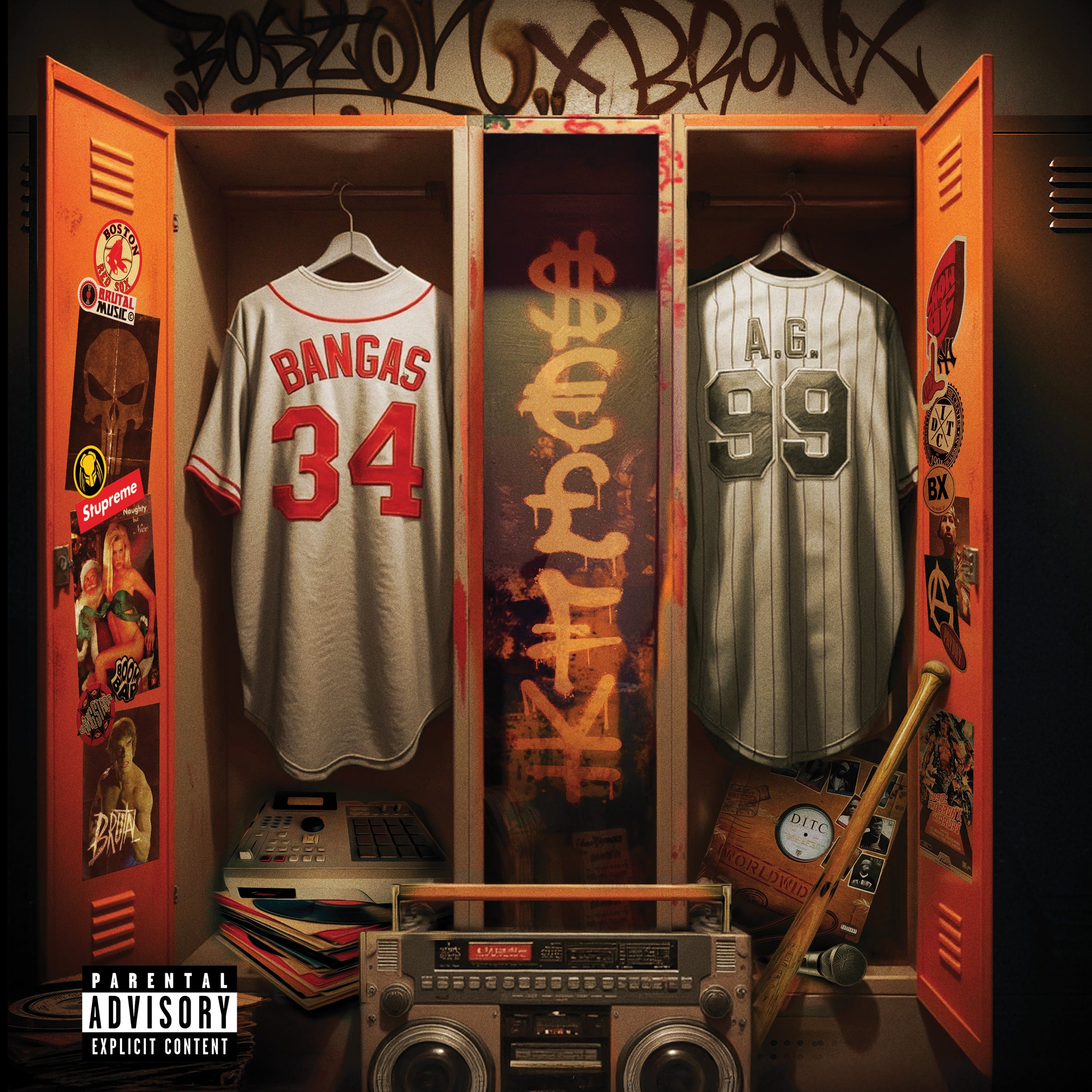
The Diggin’ in the Crates mythos, like the Wu or the Juice Crew before it, is the sort of lineage that gets invoked more often than the catalog that built it actually gets played. Andre Barnes, one of its founding voices and the half of Showbiz & A.G. still putting out solo records thirty-six years in, uses Selfy (his seventh solo cover, and his first handed entirely to one outside producer) to remind anyone still listening that the crew’s reputation was earned in the writing, not the shirts. Stu Bangas produced this tape. What does a sixty-year-old MC do with that much runway in front of him? He reaches straight for his contacts list, apparently dictated from memory. “All These Things All These People” gets read aloud as if he’s flipping through the phone in real time: Antho in Athens, Lizzie in Aspen, Killer Tone in Baton Rouge dancing with his gun the way Jamaican shooters do. Winston from Kingston married marijuana and found religion before getting recorded snitching. And you hear the Japan address even when he isn’t pointing at it, which is why “Megatron Bronx, reside in Tokyo” lands on “Suspense” as a fact. Near the close of “Real Hip Hop,” over a loop that samples KRS-One’s “Ova Here,” A.G. raps about making it home as if he stole dirt, now eating hors d’oeuvres at a five-star dinner he can afford. The Bronx is still where the verse comes from when somebody asks him where he’s from, and the answer, apparently, points down with the thumb. — Lance “LX” Brooks
Jai’Len Josey, Serial Romantic
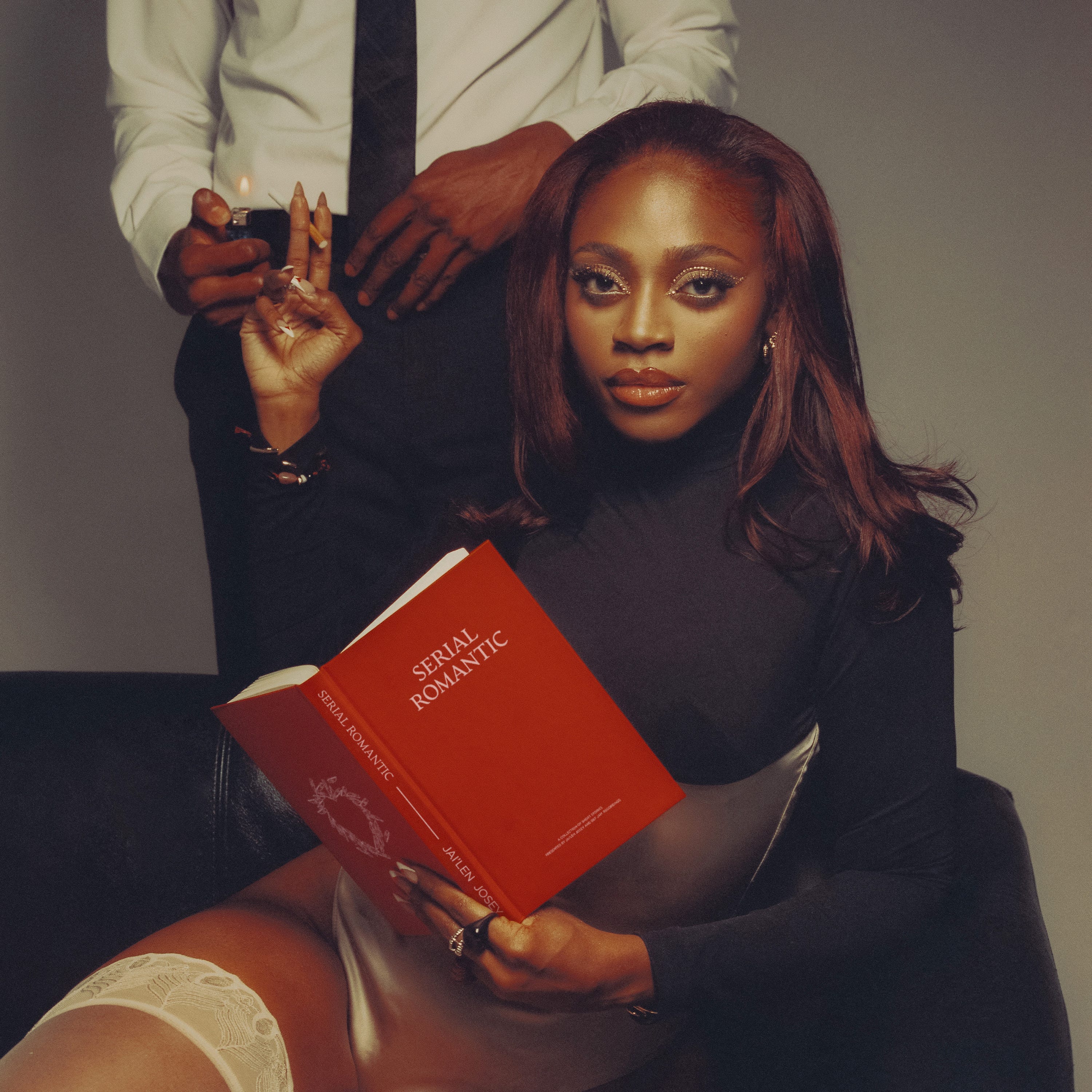
Before she had a label deal, Jai’Len Josey co-wrote a platinum single for Ari Lennox, held writing credits with SZA and Babyface, and left a Broadway role as a teenager to go make music in Atlanta. When Tricky Stewart heard six songs she’d written and produced on her own, he added six of his and stitched a debut from both batches, giving Serial Romantic a tonal restlessness that a single-session record wouldn’t have. It is an album about wanting (every permutation of the word), and none of it comes with an apology. On “Housewife,” she’s trading the Hennessy and the six-inch Pleasers for a honeymoon in Bali, singing “I ain’t never, ever think I’d submit to no nigga” with genuine surprise at her own willingness. On the title track, she’s reserving a table at Benihana’s for three and listing her ideal lovers like a dinner order. Halfway through, a phone skit about her man at Nobu with another woman splits the record in half, and the restaurant upgrade is the wound. Josey never reconciles any of it. She’s a self-described hot girl playing Lois Lane on one cut and ordering the buffet on another, and Serial Romantic holds all of those women in the same tracklist. The only complete track produced by Josey is the last song. On the last song, Josey has reached a point where she chooses to stop giving. Under twelve tracks created in collaboration with Tricky Stewart, The-Dream and Leon Thomas, the last song is an expression of what Josey chose to save for herself as she walks into the vocal booth alone and sings the lyric, “How silly would I be if I had none left for me?” After giving everything she has on thirteen tracks, the last track represents an act of acceptance of what she has chosen to keep for herself. — Sydni Carter-Reed
Liam Bailey, Shadow Town
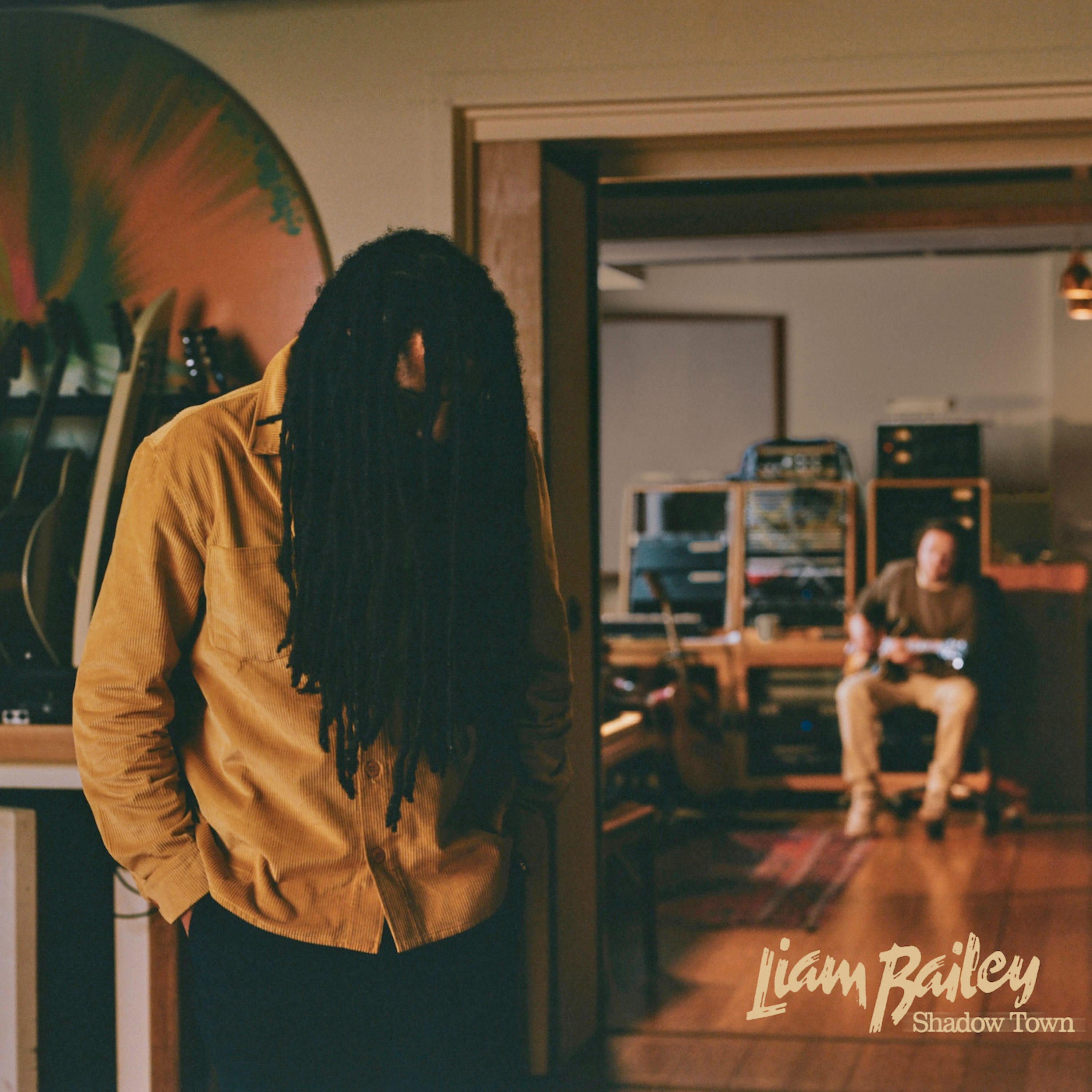
Amy Winehouse heard a demo and signed Liam Bailey to Lioness Records in 2010. Polydor shelved his debut over disagreements. He co-wrote Chase & Status’s “Blind Faith” and watched it hit No. 5 on the UK Singles Chart, then gave the next decade to records with Salaam Remi, Leon Michels, Sleaford Mods, Lee “Scratch” Perry, and Paul Weller while the industry kept trying to file him under one genre at a time. Bailey’s the son of an English mother and a second-generation Jamaican English father; he grew up speaking Patois with extended family, a Nottingham accent at home, and something closer to London everywhere else. For the length Shadow Town arrived, five studio albums deep and released independently through his own Home for Us imprint, Bailey had already been reggae (the Big Crown records with El Michels Affair), folk (the Thrill Jockey album with The Accidental), and soul (the Hogarth-produced debut that Polydor tried to own). Bailey freestyled the songwriting in Jimmy Hogarth’s Hampstead living room, and “Trauma” came from a psychology book he picked off the studio shelf, its clinical definitions of childhood damage (“Child’s sense of self is repeatedly threatened/But the child in no way possesses protection of essence of themselves”) feeding straight into a chorus where he chants “Trying to kill it, kill it, kill it/Killing your life away.” On “Got to Love You,” he croons, “It’s okay, now honey, I won’t change,” and then the culmination arrives: “Break me/Call me/And I beg you, beg you, beg you.” — Alexandria Elise
Daniel Son & Futurewave, Shattered Glass

When Daniel Son was eleven years old, he taught himself to write bars through text battles on internet message boards—the early-2000s rap forums where anonymous handles would post sixteen-bar rounds and vote on winners. He grew up in Toronto’s Northside, a part of the city that has about as much to do with the Drake-era image of the 6ix as Staten Island has to do with Manhattan tourism brochures. He started Brown Bag Money, a collective that includes his frequent collaborator Asun Eastwood, a Belizean-Canadian rapper raised in Toronto, and Saipher Soze. No frills in the name, none in the music. Futurewave, his most frequent production partner, works a day job, has a family, and still records, mixes, and masters everything himself. He chops samples the way a projectionist might splice damaged celluloid. Shattered Glass is the first set of fully new material from the pair since 2022, and it sounds like neither of them took a day off. On “Shipping Containers,” Daniel Son is at an airport bar with Swiss bankers while the product crosses borders in cargo holds; a few songs later, on “Ticket Sales,” he’s tipping scales and covering tracks so the trail goes cold. “Your life’s movie got low ticket sales/Just a bunch of trash on display,” he tells someone, mid-verse, between lines about forging invoices and ducking mall trips. Compare him to the Roc Marciano school, where the mink coat and the murder live in the same sentence, and Daniel Son fits. He just does it from a colder latitude, and the mink is probably a Canada Goose. — Xavier Thomas
Buddy, Simmie Sims III
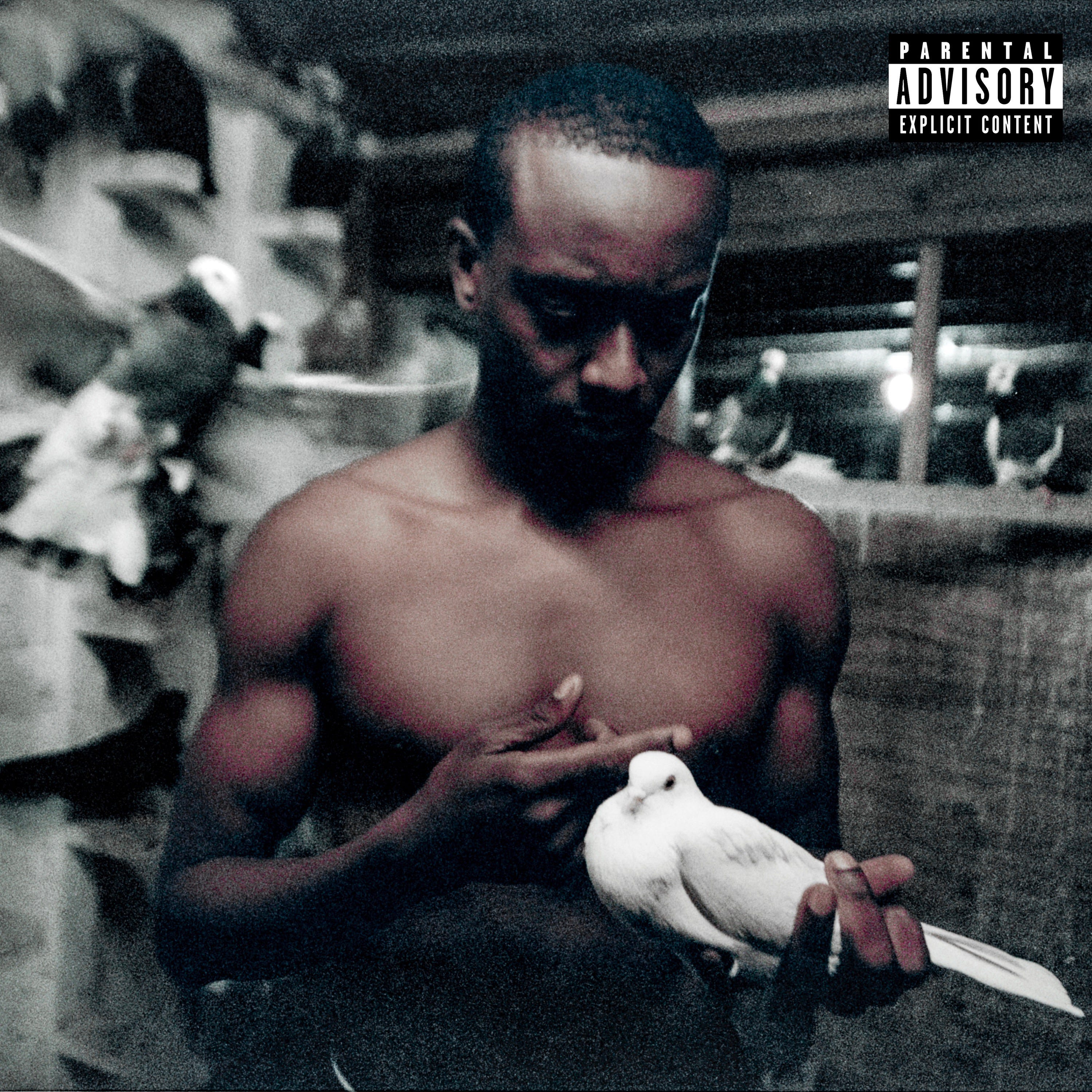
For fifteen years the name on every album cover has been Buddy. But before that, it was Simmie Sims III—a kid in Compton named for his father and his grandfather (both also Simmies), signed to Pharrell’s i Am Other at fifteen and rechristened on the spot. The fourth album puts the original name back where you can read it. The first song opens with an uncle dead and Buddy’s father on the phone grieving. Through the third verse Buddy is counting what it cost. He pushed family away, grinds too hard, drinks too much. And the son credited further down on “House Jam” is Simmie Sims Jr. Three generations of Simmies on one jacket, counting Buddy himself, and the rapper who arrived as a teenager with one nickname is stepping out from under it. “Round Me” demands distance from haters in its first verse and counts angels and homies as around him by the last. “Pray for a Blessing” has Buddy walking through what shows up in one week, a lotta love, a lotta hate, a lotta salt, a lotta shade, a lotta praise, every line landing on the title request. Jay Rock answers with refusals: heaven is what he wants, hell is a hole, he ain’t selling his soul, ain’t stabbing the bros, ain’t taking a life. Indigo Boys produce the saddest love song, “Marmalade,” where Buddy chases an ex through Chateau Marmont puns until a second vocalist interrupts to admit her departure had a name on it (“I think I made a monster, I’m scared, and I feel it down in my soul”). On “Hopped Out” with Long Beach’s Huey Briss, the verses sprint through more L.A. real estate than most West Coast rap songs know what to do with. Compton to Watts to Slauson to Dover Street Market, plane to whip to chopper. — Javon Bailey
Cult of the Damned, SIMONY
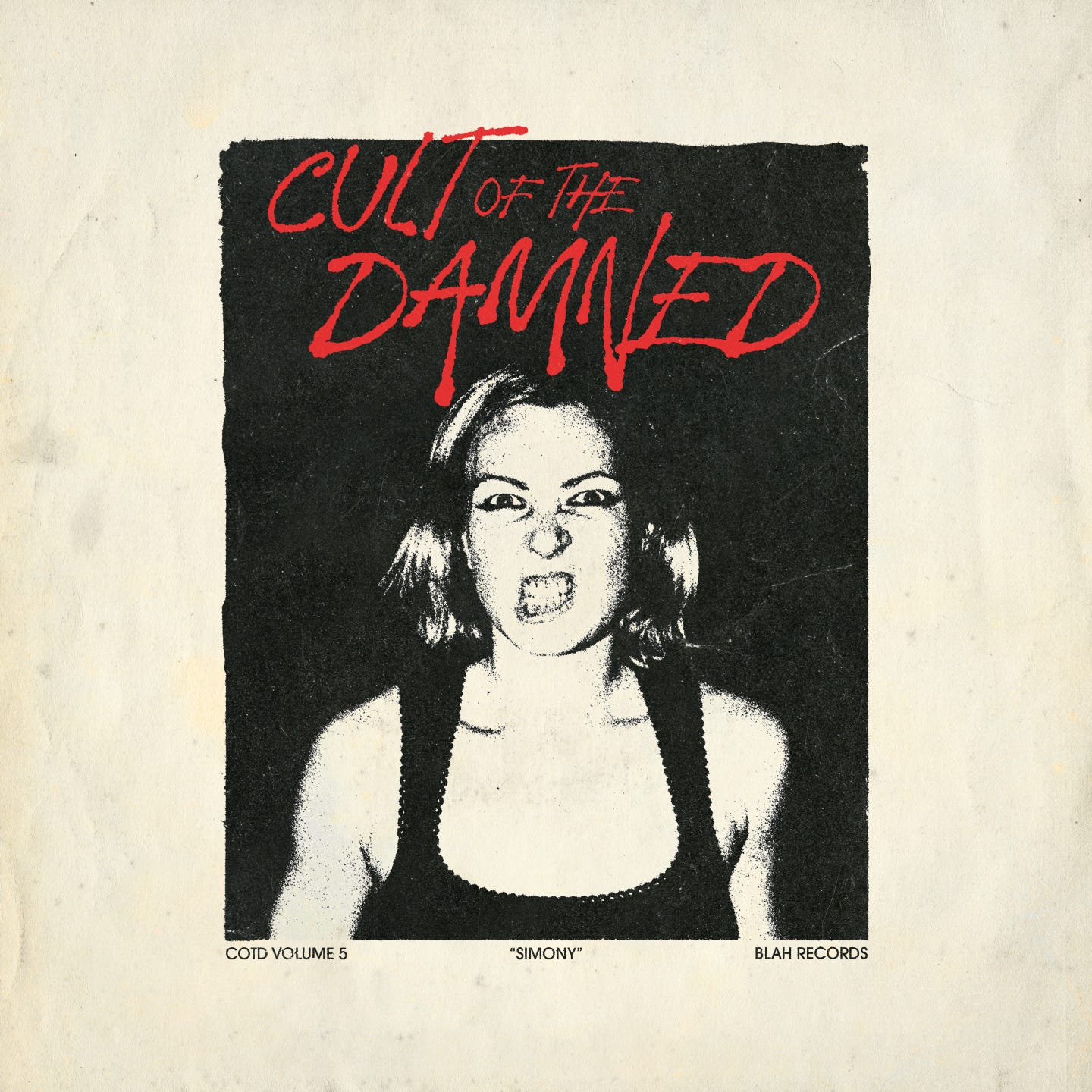
Lee Scott grew up on a council estate in Runcorn, Cheshire, that got demolished. He started rapping at eighteen, formed the Antiheroes with his mate Salar in 2003, and by 2006 the two of them had cofounded Blah Records out of walking distance from the engineer’s house, recording in bedrooms and annoying his mum. The label’s roster expanded into Children of the Damned, then reformed as Cult of the Damned with a shifting cast of MCs from Runcorn, Manchester, Liverpool, the Wirral, Blackburn, and London. In 2018, the British Library offered to preserve all Blah releases for posterity. SIMONY came with a structural first for the group: every beat produced by one outsider, Chicago’s Spectacular Diagnostics, a sample-digger named Robert Krums who’d told Bandcamp Daily he preferred “not trying to overdo it.” Earlier Cult records split production across the roster; this one handed the keys to a guy from another continent and told him to drive. Krums’ beats give the ten-MC chaos a glue it never had. On the opener, “EXT. CAR PARK - NIGHT,” all ten rappers take a verse; King Grubb drops the album’s title pun in his: “Simply selling this shit is considered simony,” the sin of profiting from sacred things. He later declares himself “occasionally awestruck by my own divinity” and claims to have more bars than Mallorca has spas. Lee Scott, given two solo verses on “Covenant” with no hook, raps about drowning his sorrows “in the riverside stand, swearing on the Bible with your whiskey in me right hand” and rhymes Gary Coleman with Different Strokes to get two punchlines out of one setup. — Brandon O’Sullivan
Eddie Kaine & BhramaBull, Still Trying to Figure Me Out
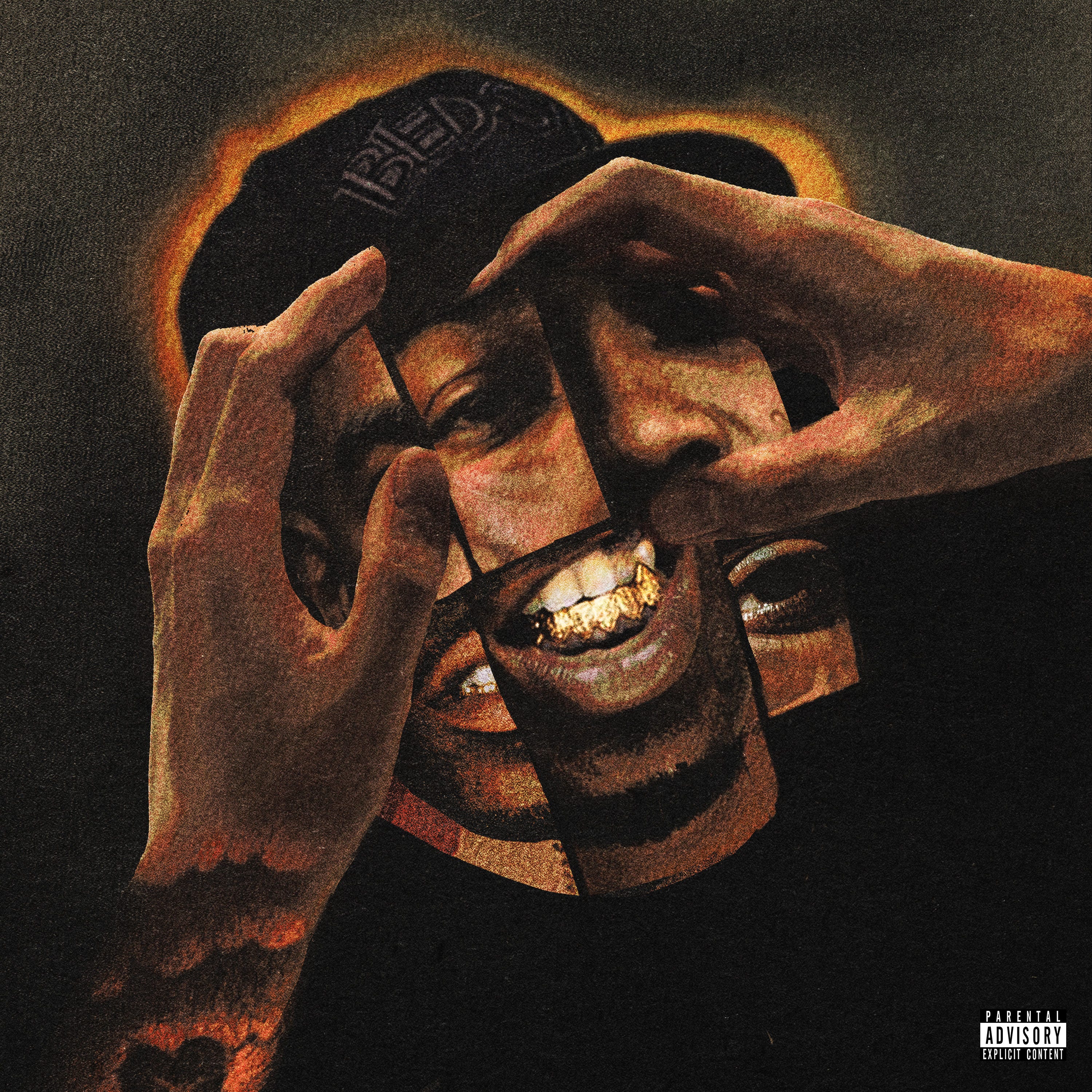
The one-rapper, one-producer full-length has been a pillar of post-2015 indie-rap work, a form borrowed loosely from the Premo-and-Guru or Pete-Rock-and-CL-Smooth template and retooled for Bandcamp economics. A producer holds down every beat, a rapper walks through a dozen songs, the tape goes up for pre-order, the vinyl sells out in a month, and the pair moves on to the next one. Eddie Kaine has been working inside that form almost exclusively since he was nineteen, pressing his own CDs out of Bed-Stuy and putting out a new paired record almost every year.What sets this tenth paired full-length apart from his previous ones is a quieter decision: he has stopped drawing any line between how the outside reads his life and how he accounts for it himself. Kaine puts his strongest writing on “Pray for Me,” where a homophone couplet most rappers would quietly retire on (“Had to realize the lies lie beneath the truth, real eyes be seein’ through the real lies”) shares the song with a loss verse that places a brother’s death in the third line (“Lost my little brother, been a year, still ain’t clicks”) and a Bed-Stuy scene three verses later (“Kickin’ it on Quincy Street, chattin’ over weed and brew”). On “Cups Up,” he compresses a Mitchy Slick nod, a Sacramento Kings callback, and a verb-noun pun on “Mitchin” into ten syllables. “Thieves” remembers Bushwick Bill and Tommy Strong in the same verse where Kaine writes himself free of the spectacle grid. Reek Osama drops in on “Smoking Burner” with the strongest guest verse on the tape, a West Adams Blood talking about slipping into a Crip lady once in the blue and watching his OG cook rock in a light bulb, while BhramaBull’s soul-heavy samples and deceptively low-profile drums pace the whole record to Kaine’s mid-tempo, talkative flow. — Miles Everette
CK The Spitta, Strictly 4 the Underground
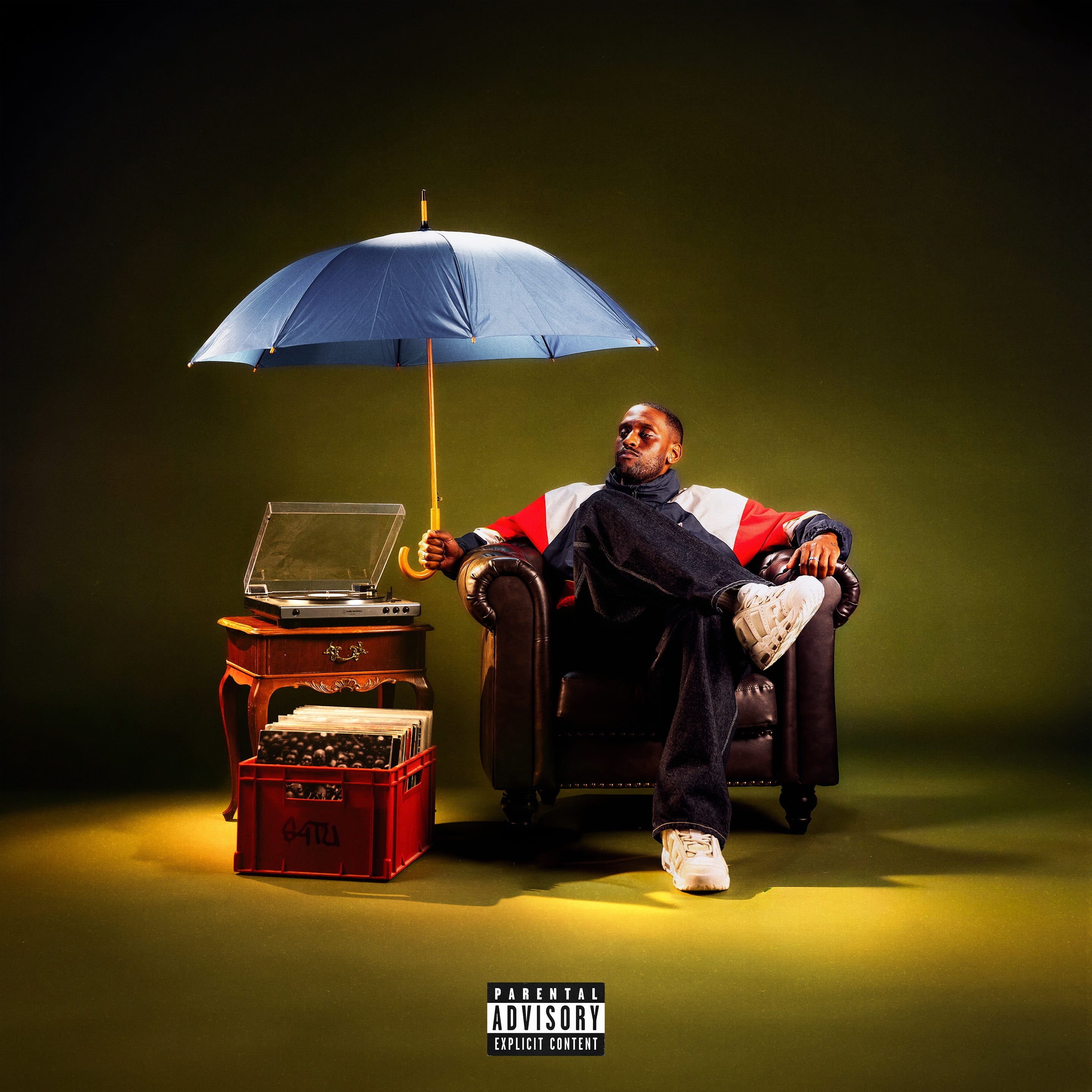
CK The Spitta signed a football contract before he ever recorded a song. He dribbled to applause, scored goals, caught a red card Balotelli style, the goal and the punishment in the same afternoon, and then didn’t go pro. The toll sent him to his friend Mansa’s kitchen, where Mansa had recording equipment, and CK stood there with one foot in, not wholehearted, unable to decide if music was really his. He admits this on “Fruits of My Labor,” the three-verse autobiography at the center of Strictly 4 the Underground, and the song is the whole record in miniature: a rapper who got to hip-hop late, through failure, and brought the language of the sport that discarded him along for the ride. He curls the ball “to the left like Foden” on “Karl Kani Freestyle.” He’s “Project Mbappé” on “Wavy Art,” shoots “like Bukayo Saka.” On “Tribute to Rap” he calls himself “Francesco Totti, captain of the game, Daniele De Rossi”—picking captains and leaders, players who stayed loyal to one club, and the selection says everything about what kind of MC he’s decided to be. CK pulls his from the sport he actually played, and the physical memory is in the rhymes. On “Fruits of My Labor” he’s at a party uninvited, vodka in hand, insecure feelings drifting off with the drinking, arguing with friends whether Kanye is better than 50 while The College Dropout plays in the background. With “Tribute to Rap,” he accounts his injuries and his persistence in the same bar, he raps, “From mud I rose, the ACL went click-clack,” the sports career that ended and the rap career that started, collapsed into six words and a sound effect. — Miles Everette
Jessie Ware, Superbloom
The third and final installment of her disco-pop trilogy stays entirely inside her own marriage. Superbloom is Jessie Ware’s sixth album, her third consecutive pleasure-mode outing, and the first one where the conceit is that two people in a long marriage pretend, for one night, they haven’t met. She A&R’d it herself, and she has said in interviews that the next thing she makes will move toward “synth and electronic and kind of blue and crooner-y” territory—which means the disco ends here, and she chose to end it at home. Her husband is the “you” on half the record, and a child’s voice opens “16 Summers” asking “Mom? Are you jumping, Mommy?” before Ware counts the summers she has left before the kid pulls away. The tour that closed That! Feels Good! had kick lines and sequins and an audience chanting “pleasure is a right” back at her across festival fields; this one settles for the living room, and the scale works. The disco history behind Superbloom runs through Larry Levan’s pre-Studio-54 Continental Baths and Ennio Morricone’s coyote-howl from The Good, the Bad and the Ugly. Stuart Price (Madonna, Pet Shop Boys) and Karma Kid take the Continental Baths onto a dance floor for “Sauna,” with Ware calling for “wood dropping, God-given love” over the steam. “Ride” loops the Morricone sample under a stallion fantasy, and she asks for a partner “who can go all night” over the beat. James Ford (Arctic Monkeys, Depeche Mode) takes the solo chair for “Don’t You Know Who I Am?,” the break-up fantasy at the center of the marriage record. Barney Lister produces eight of thirteen. He builds the mythology around what Ware has called “a garden full of gods and goddesses.” — Charlotte Rochel
Propaganda & ProducerTrentTaylor, This Is Our Fellowship
Jason Petty’s father was a Black Panther. Petty grew up as the only Black kid in a predominantly Mexican neighborhood in Los Angeles, took up graffiti and breakdancing, went to college and came out with degrees in illustration and intercultural studies, then taught high school for six years before he quit to rap full-time under the name Propaganda. His collaborator here, ProducerTrentTaylor, bought an MPC4000 on Amazon while deployed in Afghanistan, made beats between shifts servicing A-10 Warthogs, and got dishonorably discharged for smoking weed in his final week of service. He ended up homeless in the Phoenix area, knocking out beat tapes from couches. They connected through the underground West Coast network (Propaganda guested on TrentTaylor’s Fashawn collaboration YOU OWE US WITH INTEREST in 2024), and This Is Our Fellowship is what happened when two men with wildly different routes to the same room decided to make a record about what boys become when nobody teaches them how to feel. On “I Didn’t Leave You,” he goes after the institutional church by name, says good theology was supposed to crush arrogance but he got stuck in one-upmanship, says a place where a gay daughter is unwelcome is a non-starter, then delivers a four-bar indictment of Trump, then names Derek Minor and Lecrae at the end, calls them his dogs till the wheels fall off. — Phil
Blu & Exile, Time Heals Everything
A kid from the west side of Los Angeles famously made a rap album in 2007 about praying to the sky and believing the sky was listening back. Below the Heavens has been lionized on underground-canon lists every year since (which, admittedly, is the kind of reception most rappers would sell a kidney for), and the writer responsible, Blu, has put out records with his producer Exile all through the two decades since while the mythology of the debut kept collecting interest no royalty check could match. But what happens to a rapper who’s been understood to matter more than he’s actually been paid for? On “In My Window,” the 37-year-old Blu writes about that exact predicament, that while he didn’t get the money he envisioned, he’s “blessed enough to pay my rent with this.” Time Heals Everything, his sixth with Exile, is the record on which the duo apparently stops pretending the myth and the working rapper are the same person (and it’s about time), writing directly from the life of the guy paying rent. He separates “R-A-P” from “hip-hop” and claims the second, then spoils the claim by admitting his first Exile record was built to get shorties on the floor naked. On “Crumbs,” Rome Streetz and ICECOLDBISHOP get on a song with Blu to argue the machinery of prison and poverty from two different coasts at once. Black Thought, on the three-MC centerpiece, prays to the Lord for lighter skin and finer hair, a couplet that in most other mouths would curdle into a bad tweet but sits here inside a verse about being “out of pocket” for pride. Mach-Hommy reshapes “My Favorite Things” into an informant manual on the same track. Exile’s horns and Rhodes and chopped-soul loops still refuse every production trend since 2007. Blu has figured out how to be 37 inside the sound that made him at 24, and the harvest of hay of doing that is the whole engine of the record. — Phil
April + VISTA, Traditional Noise
A mock pharmaceutical ad opens the album: “Are you restless? Afraid? Can’t seem to focus? Reduce your existential panic today with traditional noise for anxious adults.” It sounds like someone rehearsed the gag on index cards. Then the actual music hits. The duo (April + VISTA), who met at a Busboys and Poets after April George found one of Matthew “VISTA” Thompson’s beats on SoundCloud, both fresh out of Hampton University, and they’ve been making EPs and singles for over a decade, including a 2023 project with Little Dragon, without ever committing to a full album. April writes about interior collapse using trees, brine, tides, sap, crystal lakes—the physical world doing the emotional work that abstract language won’t. On “Grotto,” she admits she ran so fast she left herself behind, then spends four and a half minutes looking for a grotto that might wipe her clean. She doesn’t find it. “The silence I pursued emptied out my mind,” she sings, and the cleansing she came for turns into another kind of loss. On “Bless My Heart,” April sings “Lost myself there, bless my heart” while TonyKILL’s ad-libs crowd the background and the song tilts toward “Flush it down the barrel of a gun.” The pharmaceutical ad promised a cure. The songs hand you the diagnosis. — Imani Raven
The Troubles, The Trouble Is…
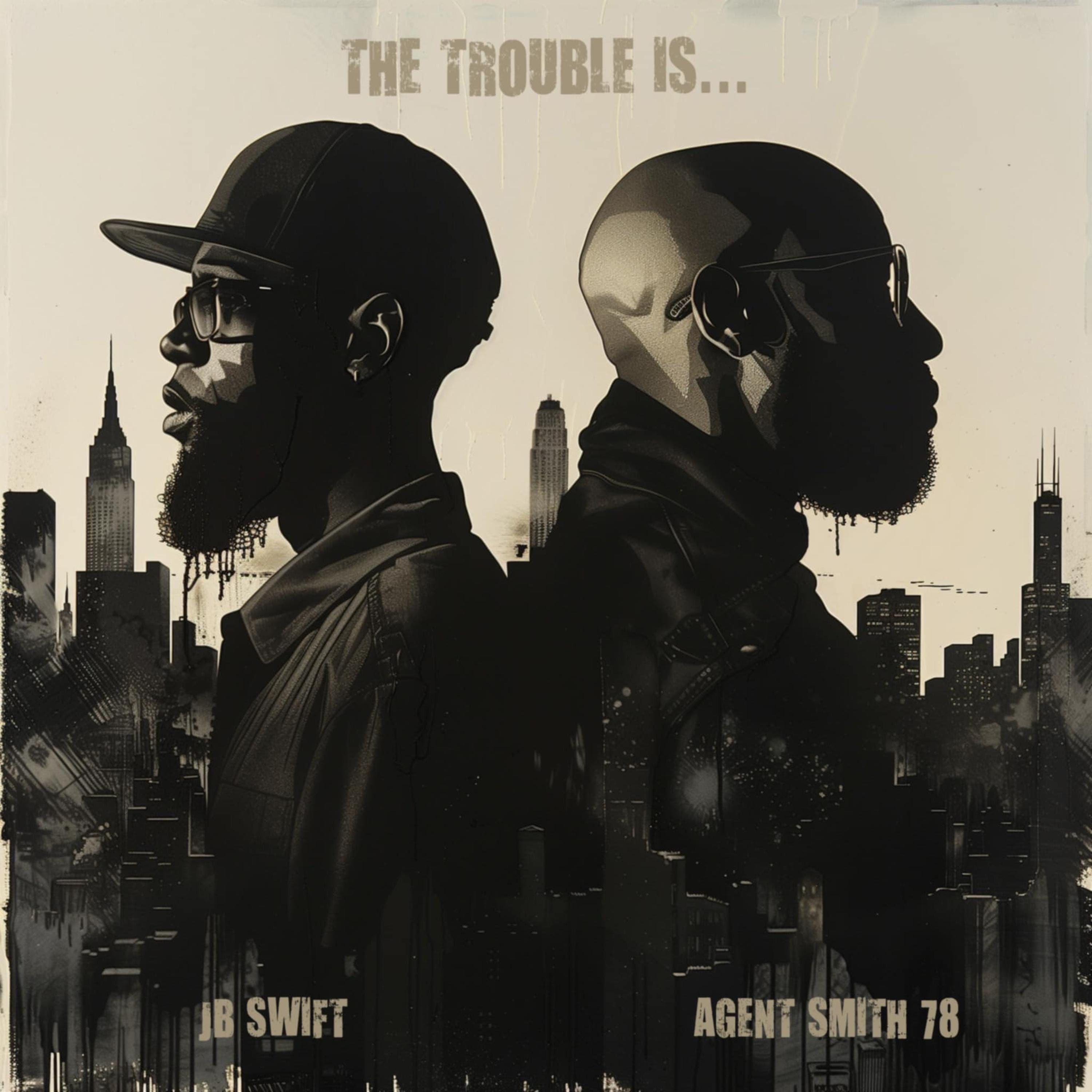
Craig G has been rapping since the mid-1980s (Marley Marl’s Juice Crew). Alongside Ruste Juxx and Flow Hypnotic on “Knock Knock,” and strikingly, on “Droppin’ Science,” which was made in ‘86, Craig G has neither gained nor lost momentum. The Michigan production duo JB Swift and Agent Smith 78 recorded The Trouble Is… as a collection of seventeen rooms, all of which have mid-tempo, snack-y, and kick-heavy boom-bap drum samples that have been aggressively prepared and have horn samples that have been malleted into a blunt lean. The best part of the record’s overall collection, as conservative as it seems, is that the art has not been lost. Vic Spencer travels from the East side of the Chicago rap community and snaps on “Words from Vic,” counting 5 years of the pain that he himself has caused in a duration that’s normally reserved for a prison sentence. Dudley Perkins appears on “Life Sentence” and sounds like he strolled in from a parallel universe. DJ Rugged One scratches some of the tracks here, and his scratches do what scratches have done in the boom-bap era—they connect the verses, punctuate the bars and make the turntable visible as a plank as an instrument. “FAFO” is filled with a wonky guitar riff, Rugged One scratches some brass, and the song is pushed into the territory of funk, with the drums remaining heavy. “Iron Sharpens Iron,” with its unbothered backbone flows, The Bad Seed and Vstylez raps. In “Quadruple the Trouble,” we have MENTaL da God and Northeast Beast, with Rugged One cutting between the two, and everyone, again, residing in some place and in no hurry to leave. — Harry Brown
Wendy Eisenberg, Wendy Eisenberg
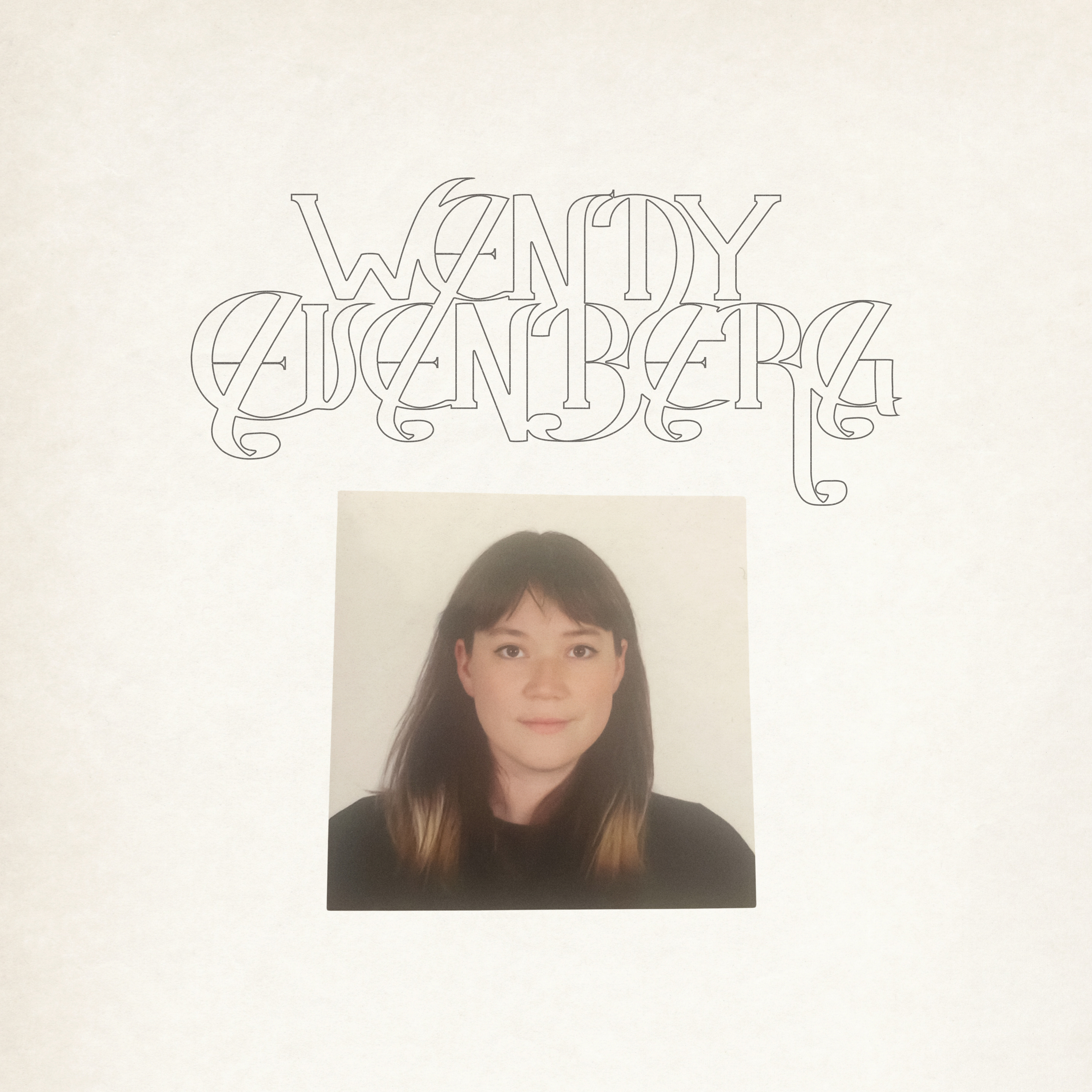
Rhetorical questions pile up across the ten songs on the Brooklyn songwriter’s first record released under just their name. None of them expect answers; the asking is the operating mode. Eisenberg has put in a decade across Squanderers with David Grubbs and Kramer, Bill Orcutt’s Guitar Quartet, the noise-punk outfit Birthing Hips, and the rock trio Editrix; 2024’s Viewfinder built a song cycle around recovery from corrective laser eye surgery. This one, produced with their wife and frequent collaborator Mari Rubio, settles into a folk-rock idiom of Willie Nelson balladry and Joanna Newsom phrasing without ever giving up the avant tendencies that made the noisier work worth following. Rubio (who records as more eaze) co-produced the record and arranged the strings, and her pedal steel turns up almost everywhere there’s a memory to color. “Another Lifetime Floats Away” rides one of those memories, a Proustian drift through highway driving and a mother making breakfast, time pulled forward and back at once. “Meaning Business,” an ode to David Lynch’s Twin Peaks, walks a Lô Borges-shaped chord progression so warm it practically hums; the recovery it describes slides into the harder work of grieving the self that didn’t survive it. “Vanity Paradox” catches the absurdity of writing about yourself for so long that you can no longer see yourself, and the melody opens on a patch of dissonance before the lyric tumbles out plainly. Whatever those questions go on to ask, Rubio’s pedal steel stays in the room. — Charlotte Rochel
Action Figure 973 & Artificer, What Would Harley Race Do?
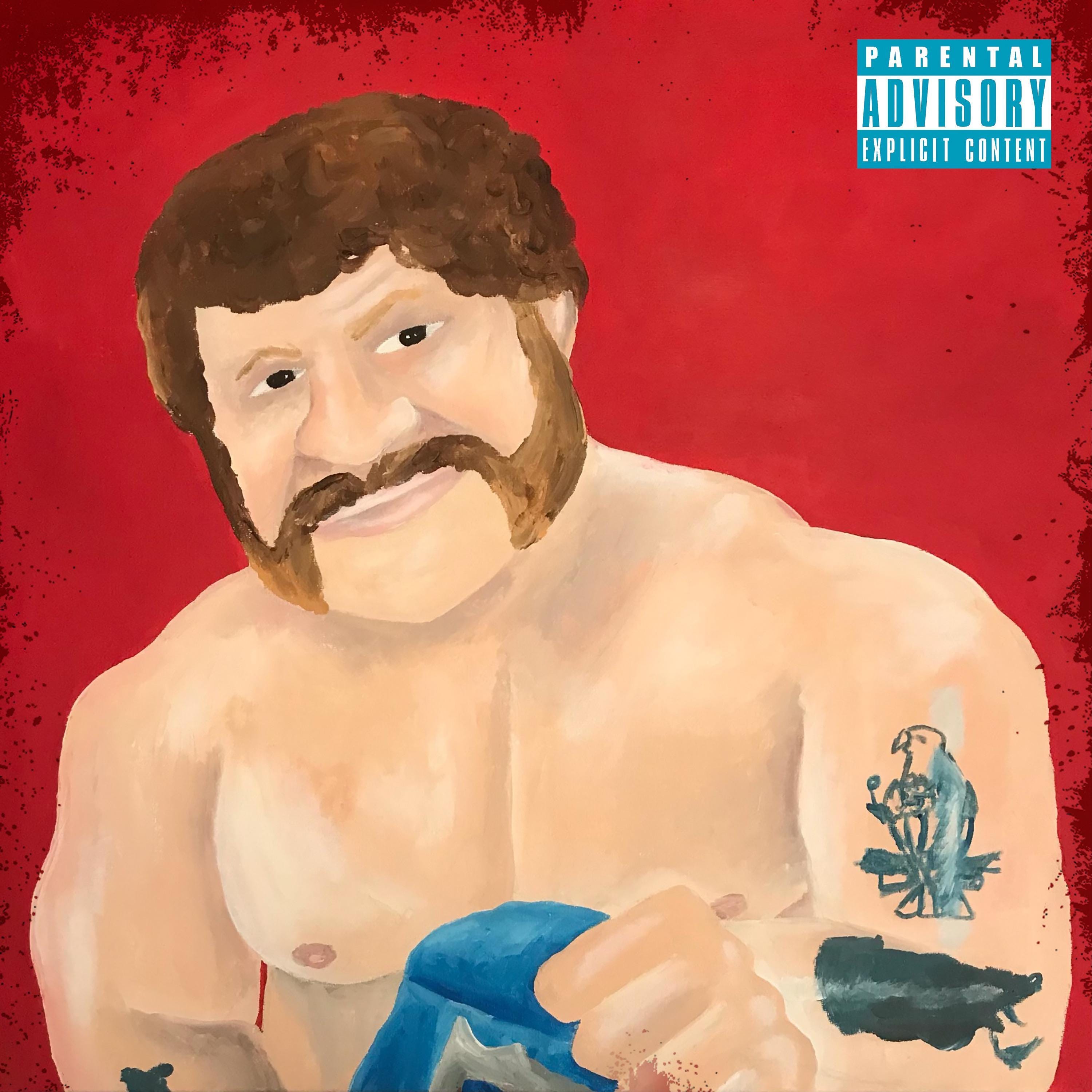
Halfway through “Harley and Nash Driving Thru the Hood,” the audio breaks for a story Kevin Nash told about Harley Race in his sixties, reigning NWA champion, barreling the wrong way up a Washington D.C. one-way at 90 miles an hour past an open-mouthed cop. Nash’s voice has a dry weariness. He got out of that car once and never climbed back in. That’s the operating image of What Would Harley Race Do?, the third record from Belleville, New Jersey rapper and producer Action Figure 973, who goes mainly by Aklo and who signed up Race (dead since 2019) as a working partner. Race’s archival audio closes the bookend songs and lives inside the body of the record, so that whenever Aklo’s verses finish, Race comes on to tell another war story. Artificer is the album’s sole producer, and his beats are the sound a Griselda record would be if Conway were better read. Dusty sample chops, shuffled drums pitched low, horns tuned so Aklo’s voice carries above them like a heat signature. Inside those narrow lanes, Aklo ricochets through knots, wrist locks, Faith Evans apologizing to Tupac, Babe Ruth’s Dominican heritage, a Spanish-language Trump insult, even a Rashad Jackson reference by way of the Syko Stu squared-circle death (the kind of obituary you only name if Cagematch is in your daily tabs). — Harry Brown
Adrian Younge, Younge
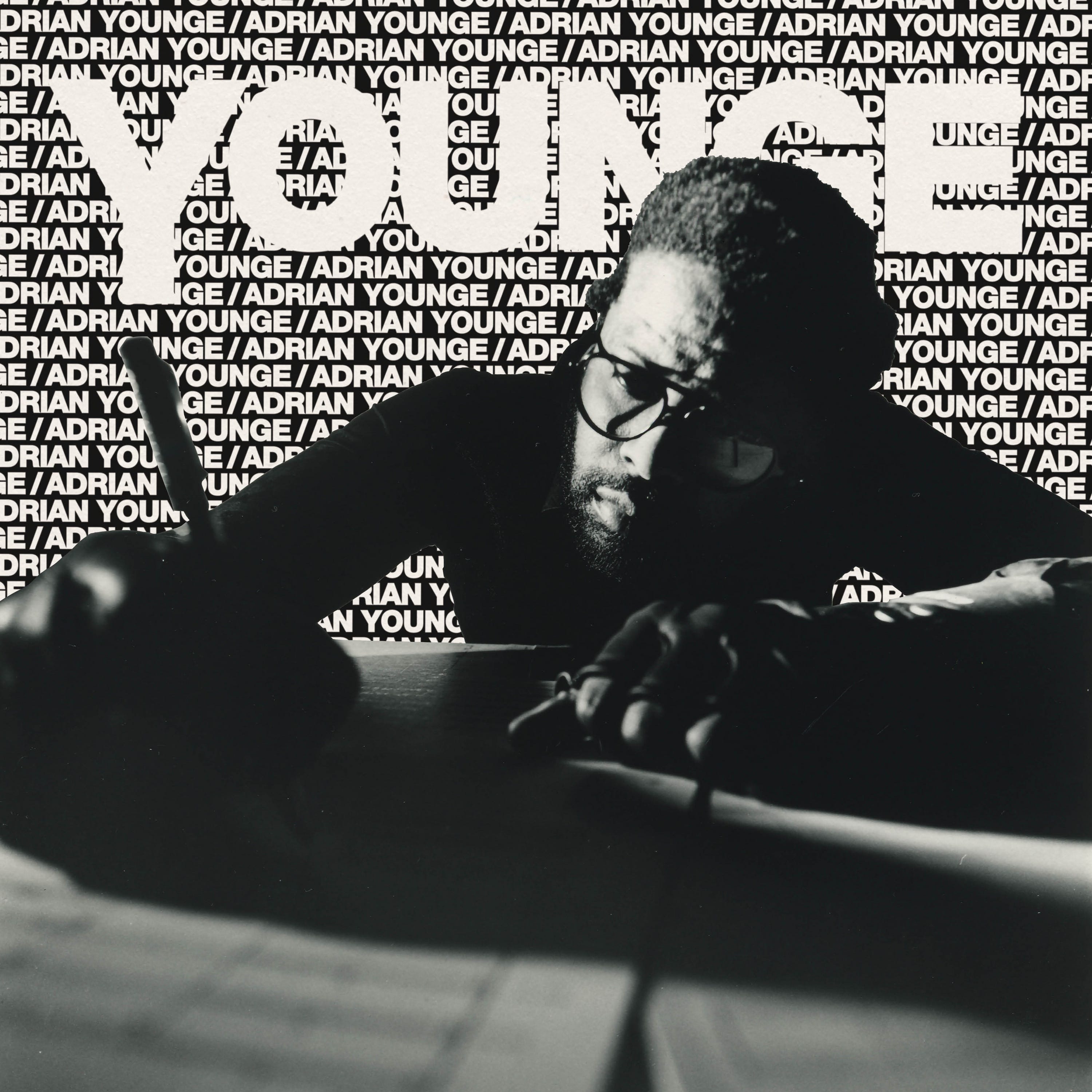
With Younge, Adrian Younge delivers an album that commits fully to his own form of musical thinking, and in doing so develops a remarkable coherence. Anyone familiar with Younge knows not to expect polished, digital jazz or funk productions here. Instead, a dense, analog-minded, orchestral soundscape unfolds, one deeply rooted in the traditions of eclectic jazz, psychedelic soul, and cinematic funk, all threaded together through the framework of hip-hop’s now 50-plus-year remix culture and methodology. The arrangements, down to every detail, feel perfectly coordinated and composed. What sets him apart is the way composition and production interlock. String beds, organs, dry drum grooves, and warm basslines fuse into a sound that aims less at individual songs than at a larger atmospheric portrait. Equally striking is the consistency with which modern production standards are abandoned. Originally working as a film composer, he drew early attention through his devotion to analog production methods. Projects spanning film and television, along with collaborations with international artists (notably Jazz Is Dead), have made him a sought-after architect who works deliberately against the digital mainstream and has developed an unmistakable signature in the process. — Noura Haddad