

Blow Up 2001, with Lauryn Hill, RZA, En Vogue, and Roger Troutman
We’re tracing artist portraits through bmr’s classic and unreleased photographs from Lauryn Hill, RZA, En Vogue, and Roger Troutman.
Translator’s Note: Written for bmr (Black Music Review) in a March 2001 magazine issue number 271. Originally written in Japanese; translated into English for publication. All rights reserved.
Lauryn Hill
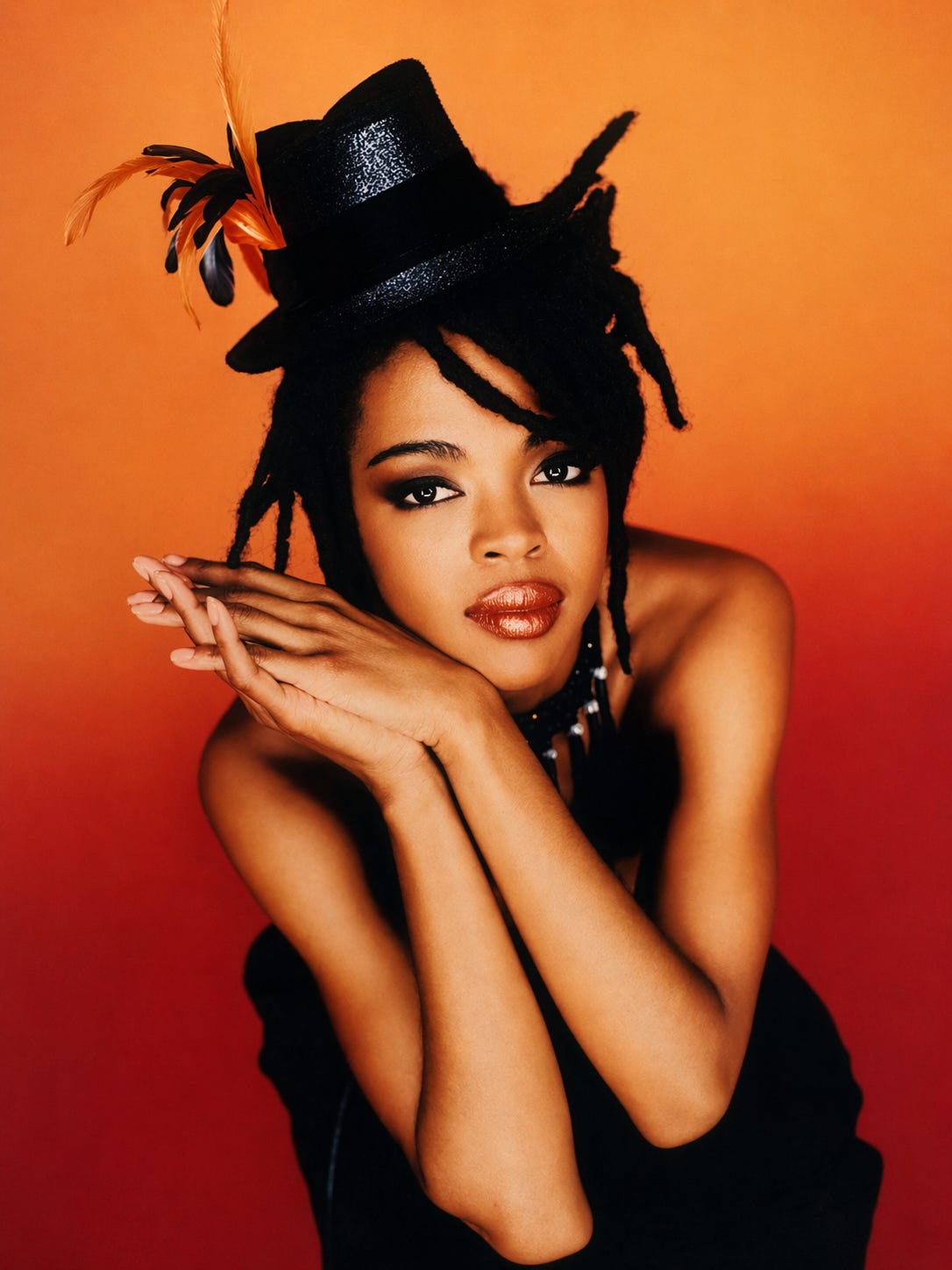
This is the cover photograph from a special issue that gave Lauryn Hill a ten-page lead feature, shot just before the release of her debut solo album The Miseducation of Lauryn Hill. The magazine was still in its small A5 format at the time, so for this occasion the image has been revived in a larger size. Back then, a great many Japanese media outlets were all scrambling to run her portrait. I wasn’t present at the shoot, but this photograph, which we were given exclusive use of, is one I still consider the best picture of that moment. Roughly ten months earlier, Lauryn had given birth to her son Zion, and in our interview conducted by Kei Deta, she said, “I was able to focus on myself more than ever before. And on top of that, he taught me what it means to truly love someone.” She also spoke of “feeling an energy I’d never felt before,” and that life force is visible in her gaze here. There is a powerful, love-filled feminine beauty here that was likely never seen during the Fugees era. It was from this point that Lauryn’s conquest of the world began, as an independent artist standing on her own.
Shinichi Iwama
RZA
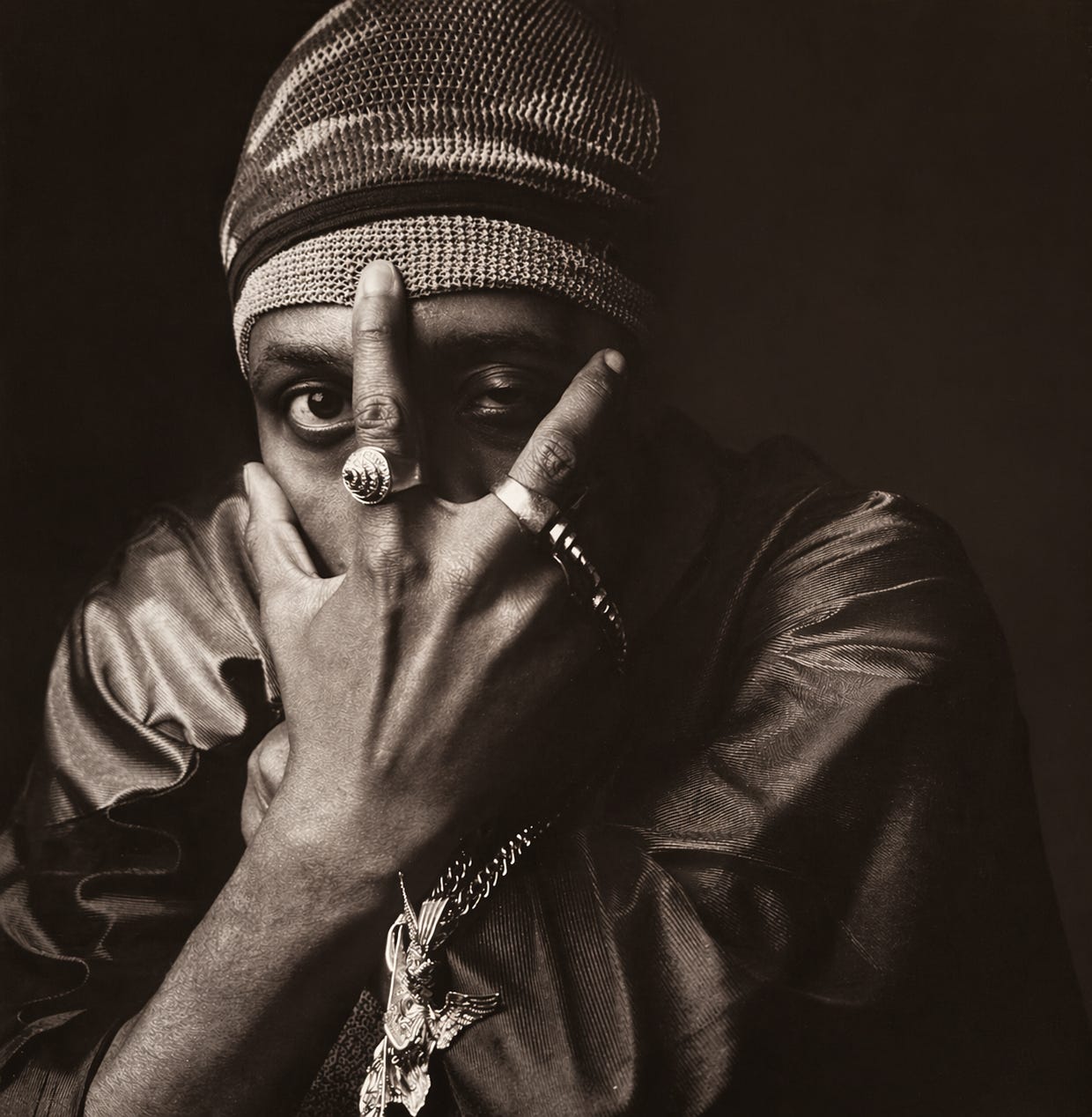
RZA, a.k.a. Prince Rakeem, had actually debuted once before as a solo MC with the single “Ooh I Love You Rakeem,” released on Tommy Boy in 1991. But he was dropped from the label after just that one single, and the setback he experienced then is said to have profoundly shaped his path going forward.
RZA has visited Japan only once. It was in mid-May of 1997, during Wu-Tang Clan’s second Japanese tour (he had not participated in the 1994 tour). Wu-Tang at that point, having just released their second album Wu-Tang Forever, were incredible. I remember being stunned, thinking, “So this is the real thing.” Ol’ Dirty Bastard was in a class of his own, drinking wine and sleeping onstage (though his rapping was legitimately great), but the one who stood out was RZA. He kept ad-libbing, and whenever another member stumbled he’d immediately step in and rap the verse himself. For the twenty-odd songs they performed, he seemed to have memorized every other member’s lyrics as well. It was astonishing. What kind of brain does this man have?
If I recall correctly, the interview took place on May 17th, in a hotel room in Yokohama. He talked about the Five Percenters and Wu-Tang’s future strategy, and the way he laid things out, citing specific numbers and concrete examples, was masterful. I remember thinking, “So this is how he keeps the crew together.” Sociable and a natural talker, RZA was also a consummate professional during the photo shoot, readily striking poses and handling the business side of things without a hitch. Compared to the other Wu-Tang members especially, he was the grown-up.
That said, something I also sensed from our conversation was that RZA has a deeply fortified inner world. I wouldn’t go so far as to say he’s shut inside himself, but you have to wonder whether it stems from the setback of the “Tommy Boy incident.” RZA’s beats feel like a direct expression of his personality: sociable and insular at once. The tension between an awareness of what’s trending in hip-hop and an absolute commitment to originality, and the precarious balance that emerges from that collision, is what makes RZA’s beats so compelling. Since Ghost Dog: The Way of the Samurai - The Album, that balance has taken on a different, sharper edge. Which is why, right now, the beats RZA is making are deeply interesting to me.
Akira Obuchi
En Vogue
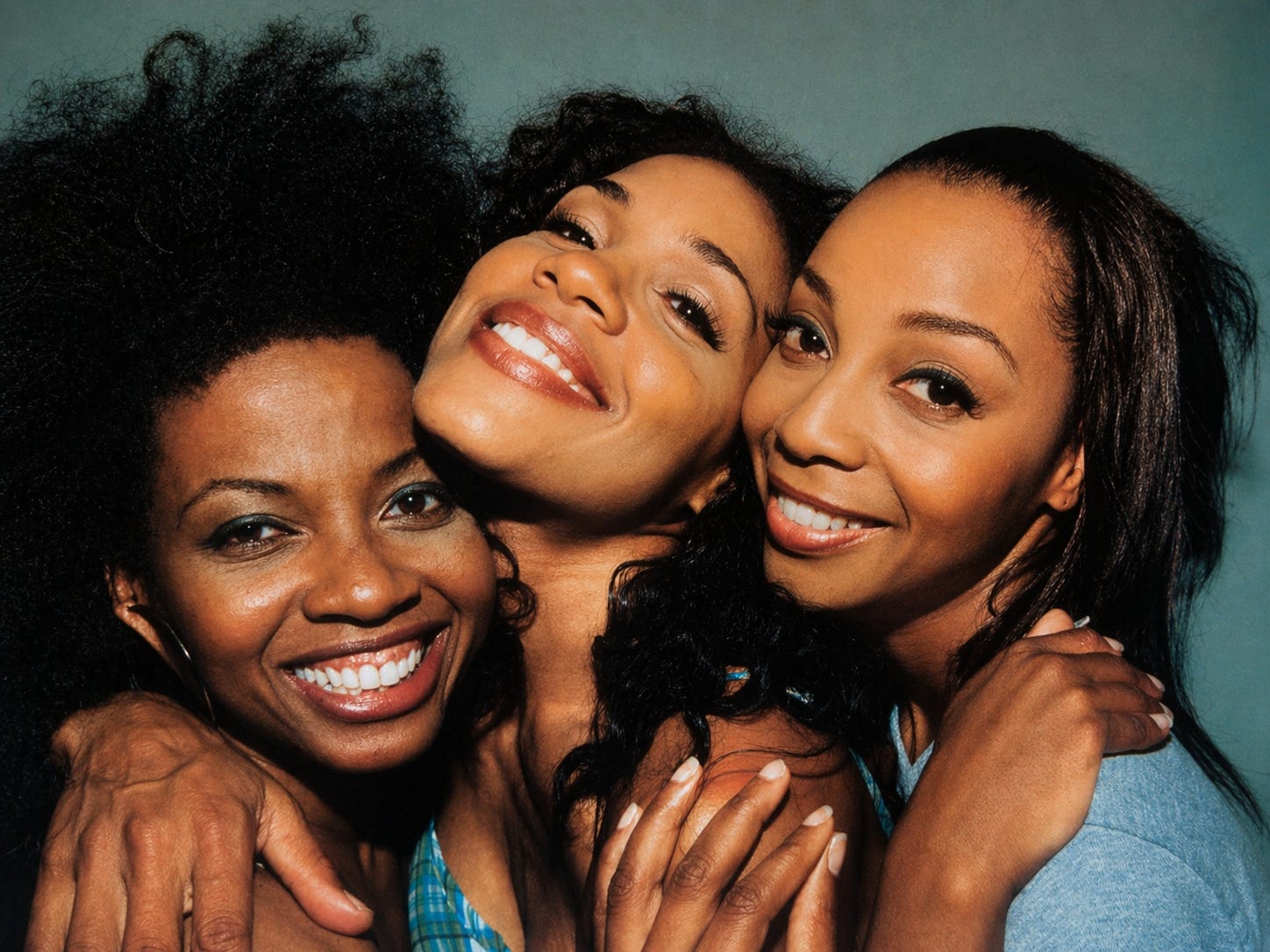
Their second album, released in 1992 and a massive hit, was titled Funky Divas. The word “diva” gets thrown around carelessly these days, but to me, no group deserves to be called goddesses of song more than En Vogue. Vocal groups that truly combine elegance and allure with power and accessibility are, in truth, few and far between.
Lena Horne, the jazz singer who also graced the silver screen in the 1940s. LaVern Baker, known as a bluesy R&B balladeer from the 1950s through the 1960s. Linda Jones, who delivered deep, rich sweet soul from the late 1960s into the early 1970s. These are just a few names in the lineage of African American women singers who embodied both beauty and strength, yet endured continual struggle as artists. En Vogue, though a group, could rightly be called heirs to that tradition of tough, noble divas.
This photograph was taken on July 29th of last year, when they performed at Reggae Japansplash at Tokyo Big Sight. In issue 266 we had only devoted a single monochrome page to the live report, so this photo went unpublished. As the sun began to set, we hurriedly shot them in front of a backstage tent, but they didn’t show the slightest displeasure, smiling warmly and cooperating fully. They had shed their black stage dresses and changed back into casual clothes, T-shirts and blouses, yet their distinctive elegance remained intact. The confident smiles they gave us were unmistakably those of top-tier professionals. Meanwhile, Beenie Man’s set was going on behind them, so getting close enough to talk meant pressing in and shouting into their ears. I have never cursed my own appearance more than at that moment: sweating through a “reggae mode” haze, having been drinking beer since before noon. Even so, Cindy rested a hand on my shoulder as I rambled about the soul bars in Yokohama Honmoku that she and her husband, the athlete Braggs, had apparently frequented, and she gently went along with the conversation. Good lord.
I’ll be honest: I haven’t been satisfied with En Vogue’s work since they became a trio. But precisely because today’s scene is overrun with singers of questionable ability, I want them to unleash that graceful power once more. And even as a three-piece without Dawn Robinson, they’re more than capable of doing so.
Shinichi Iwama
Roger Troutman
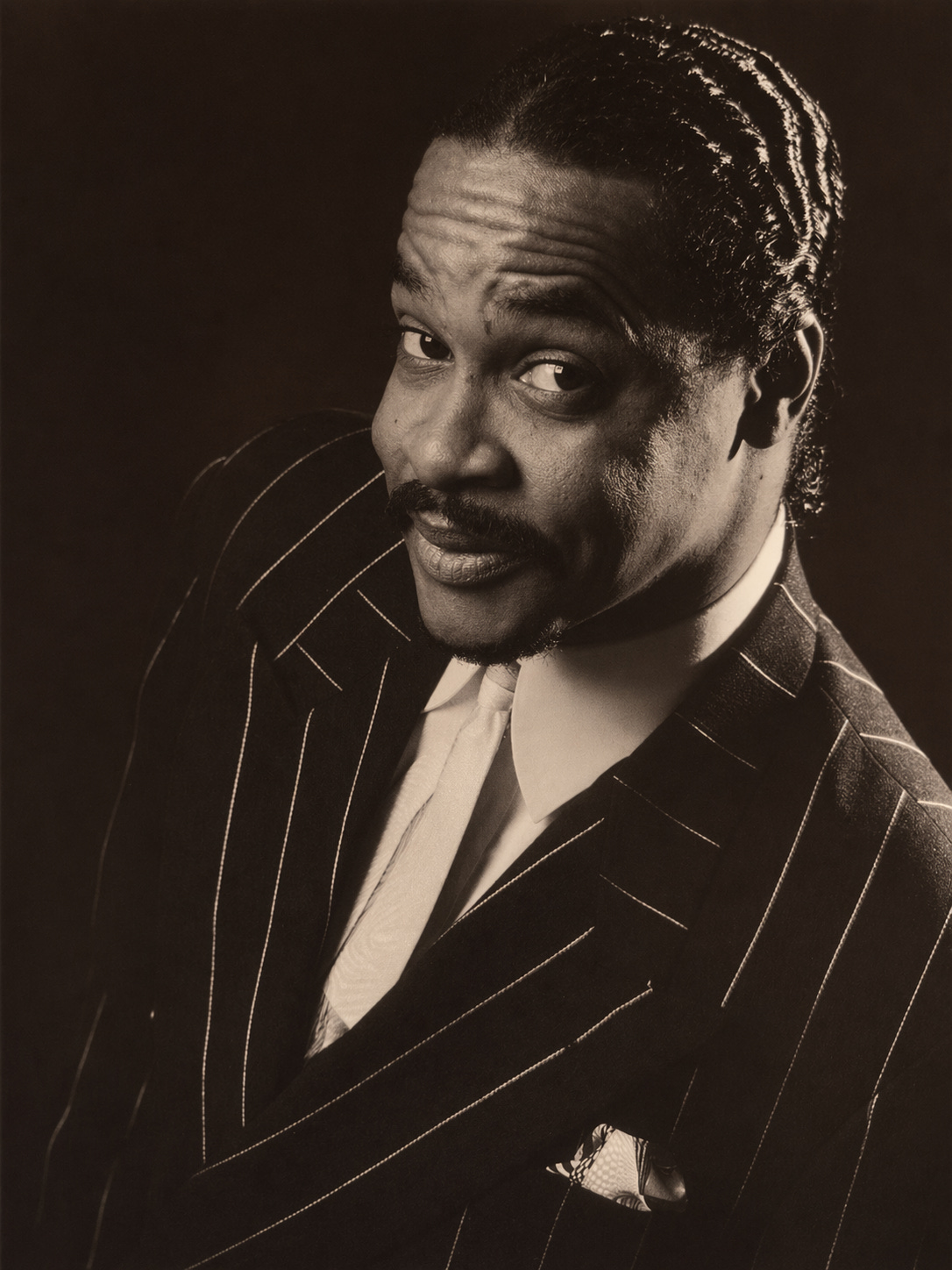
Looking back, during the era when soul and funk were in full bloom, the lyrics of Black music were remarkably clean. Sex was always in focus, of course, but the words carried no violence. Strength was even less likely to be celebrated or glorified. When you consider the violence that churned through the blues, or the gunfire that still echoes through hip-hop today, that soul-to-funk era may have been a kind of miracle. And the last child born of that era was a funky, soulful entertainer whose purpose was to make people laugh and have a good time.
Which is precisely why his death felt so abrupt.
My first and only meeting with Roger Troutman took place on December 21, 1997. I had tagged along for an interview conducted by Shō. Back then, Roger and Zapp were coming to Japan practically every year, so he was on familiar terms with Mr. A at M&I, the agency handling the bookings, and photographer Toshiya Suzuki, who had already shot him many times, was close to him as well.
With Roger, even the greeting was entertainment. He called out to Suzuki first: “My old friend!” Then turned to the two of us: “...and my new friends.”
There was an aspect of him that clearly considered keeping the press entertained part of the business. He told us he was planning to make an album of collaborations called Roger & Friends, rattling off pairings: Roger & Show, Roger & Kyubei, and so on.
While displaying a genius-level talent for making friends, he also delivered a couple of pieces of sharp humor. Number one: despite coming to Japan nearly every year for “Christmas live” shows, he declared, “Christmas is for Christians. It’s got nothing to do with Buddhists or Muslims.” Number two: when we showed him an article on Common from our issue 232, he cracked, “Changed his name from Common Sense to Common? Guess he didn’t have any sense.”
After the interview, only Shō and I were invited to hear a new track. Roger told us the album containing it was already finished and that it would come out under the Roger name. When we told Mr. A at M&I about this listening session, he was deeply envious. We felt fortunate to have had such a rare experience.
As it turned out, it became far too rare. That music has never seen the light of day.
Roughly a year and a half later, on April 25, 1999, the news of his death arrived. He had been in the middle of making that Roger & Friends album. Mr. A at M&I, knowing the funeral had already taken place, still traveled to visit the family in Dayton, Ohio. Yet even Mr. A never heard the unreleased track. That song, and the Roger-credited album it belonged to, are almost certainly still locked away in some Warner Bros. warehouse. Like the Lost Ark.
Kyubei Maruatsu