

Deciphering IDK and Pusha T’s “LiFE 4 A LiFE”
IDK and Pusha T settle debts in blood, cash, and silence. The exchange rate is brutal, and no one walks away clean.
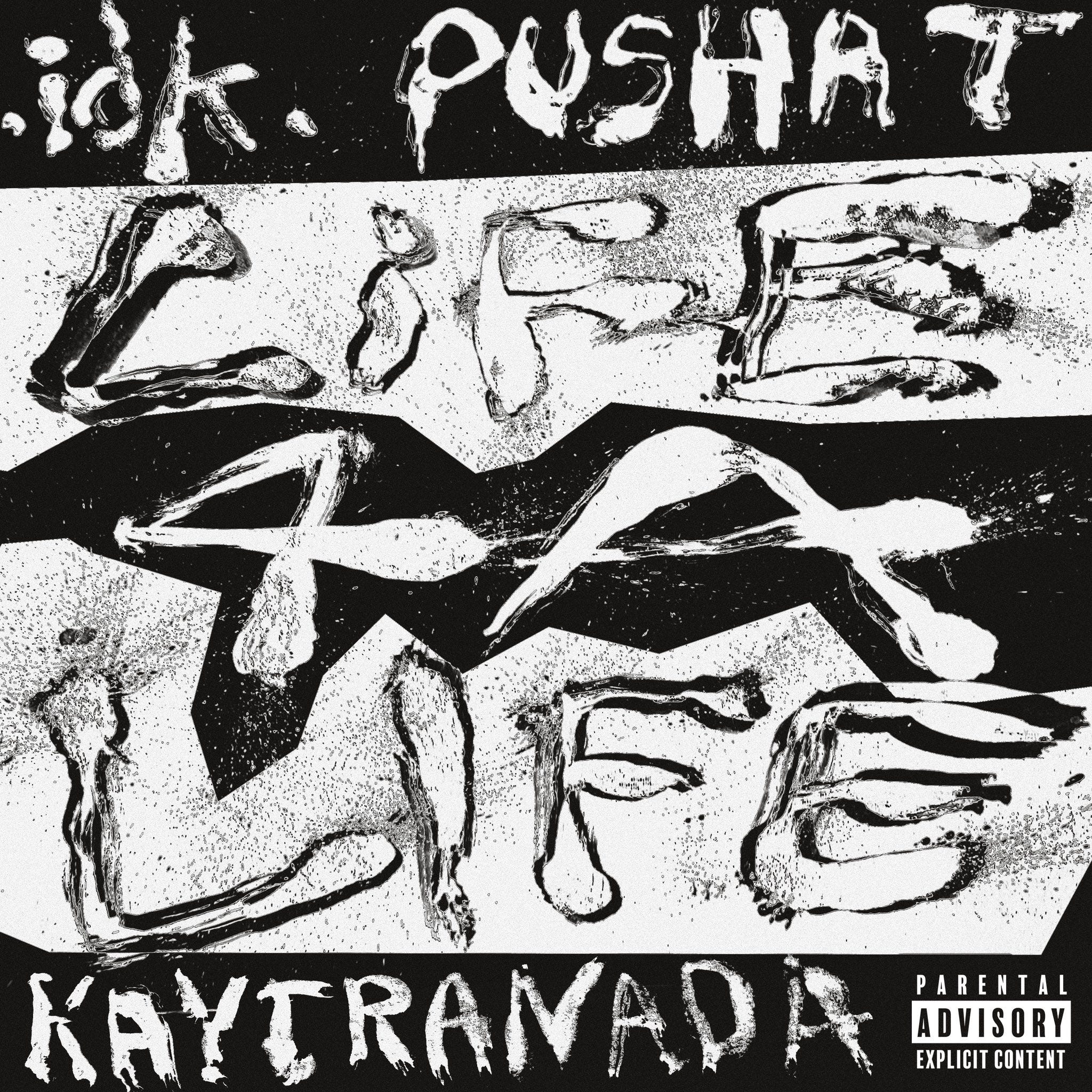
Street rap has always had its accountants—cats who tally debts and settle them with interest. But most records at least pretend there's feeling underneath the arithmetic. “LiFE 4 A LiFE” doesn’t bother. IDK and Pusha T built this thing as a ledger, murder and money and reputation feeding into the same column, grief shoved so far to the margins it barely registers. Anything short of murder barely registers as serious. The only real currency is life itself, and debts get paid in kind. Both rappers know the math corrodes whoever keeps it. They keep it anyway.
Backed by a dark beat by KAYTRANADA, IDK tells you where he learned the math. “Dreamt about this shit when I was back on lockdown/I learned my shit inside the pound.” Prison was the classroom. What you dream about in there becomes what you do when you get out. “I’m trying to get him for his crown” and “Death before dishonor, tell a nigga calm down” land in the same breath—ambition and warning fused. The pound sharpened the calculation; it didn’t soften anything. The crown he wants belongs to someone else, and he learned on lockdown that transfers require violence.
What’s wild is how clean IDK keeps his personal space while the work gets handled elsewhere. “Bumpin’ jazz while my bitch clean the house, she keep it fresh/She don’t know my niggas en route to leave a mess.” Meanwhile his people are creating carnage across town. She doesn’t know. That’s the whole point—he keeps her separate from what pays for the jazz and the clean house. “I wish I could change how my niggas like to live/The problem is the change ain’t enough to pay the bills.” He names the wish for something different. Then he names why it can’t happen. The bills don’t care about your conscience. “So for what the ice worth, they gon’ leave your body chill.” Twenty dollars on a head. Jewelry and corpses priced in the same sentence.
“They live inside of hell while my life is hella blessed.” IDK can see the gap between where he sits and where his people struggle. He doesn’t pretend he can close it. And that’s the trap: “Wish that I could change how they think, it got me stressed.” He wants out of the cycle. He wants his people to want out. But wanting costs money, and money comes from the cycle. The wish gets named and canceled in two lines. The stress stays. The ledger stays open.
Pusha T comes in and takes the ledger public, already delivering a verse of the contender. Where IDK tallied local scores, Push is talking hierarchy, media, class. “Knockin’ Buju Banton, boom, bye-bye” has execution music on the car stereo, the Jamaican singer’s notorious track as soundtrack to a drive-by. “You pussy niggas miscountin’ all them nine lives” warns anybody who thinks they have chances left. “These guns ain’t whisperin’” dismisses secrecy entirely. Then Push goes somewhere else: “Pick an island, Gilligan/Sit your bitch poolside, sun, turn to cinnamon.” He can vacation, then he can leave. “Drive 2026”—a car from next year, something most people won’t touch. “LV Cash Cow, St. Jude’s cash out” puts luxury and charity donations side by side. His money moves so fast he writes checks to children’s hospitals without thinking about it. None of it redeems anything.
“I can’t even podcast, givin’ all my past out.” Push won’t do the confession circuit, won’t trade old dirt for new engagement. “I don’t do rememberin’, gettin’ money right now”—he’s not here to reflect. “Interview with anybody sittin’ in a glass house”—he only speaks to people as exposed as him. “I’ma pull that mask out, all you niggas mascots.” The mask is threat. The mascots just entertain. “Lookin’ at the difference ‘tween the have and the have-nots.” He names the gap. He stays on his side. Somewhere else, the mess gets made.