

February 2026 Roundups: The Best Albums of the Month
February’s best albums came from people who had been holding something back. Jill Scott returns in a decade, Tiana Major9 left Motown and came back sharper, and much more.
January is always the hangover. The year-end lists have settled, the Grammys haven't aired yet, and the release calendar thins out enough that most people stop paying close attention. Fast-forward, February delivered an unusual density of albums that had clearly been gestating for a long time. Several of the records on this list were made by artists who had been away for years, in some cases more than a decade, and came back with material so specific it was obvious the silence had been productive rather than idle. Others were made quickly, in isolation, by people who seemed to need the act of recording more than they needed an audience for the finished product. A few arrived with almost no advance notice. At least one was commissioned for a completely different purpose and wound up becoming something the artist hadn’t planned.
What tied the month together wasn’t genre or generation. The list below includes R&B, spiritual jazz, mafioso rap, gothic pop, neo-soul, gospel, and progressive rock, made by artists ranging from their early twenties to their late eighties, working out of London, Los Angeles, Detroit, Dallas, Hackensack, Yorkshire, and Auckland. Some of these records were backed by major labels and film studios. Others were self-released or dropped on Bandcamp with a day’s notice. Not all of them are flawless. A few are genuinely messy. But each one had something to say that we hadn’t heard put quite that way before, and that was enough.
Aquakultre, 1783
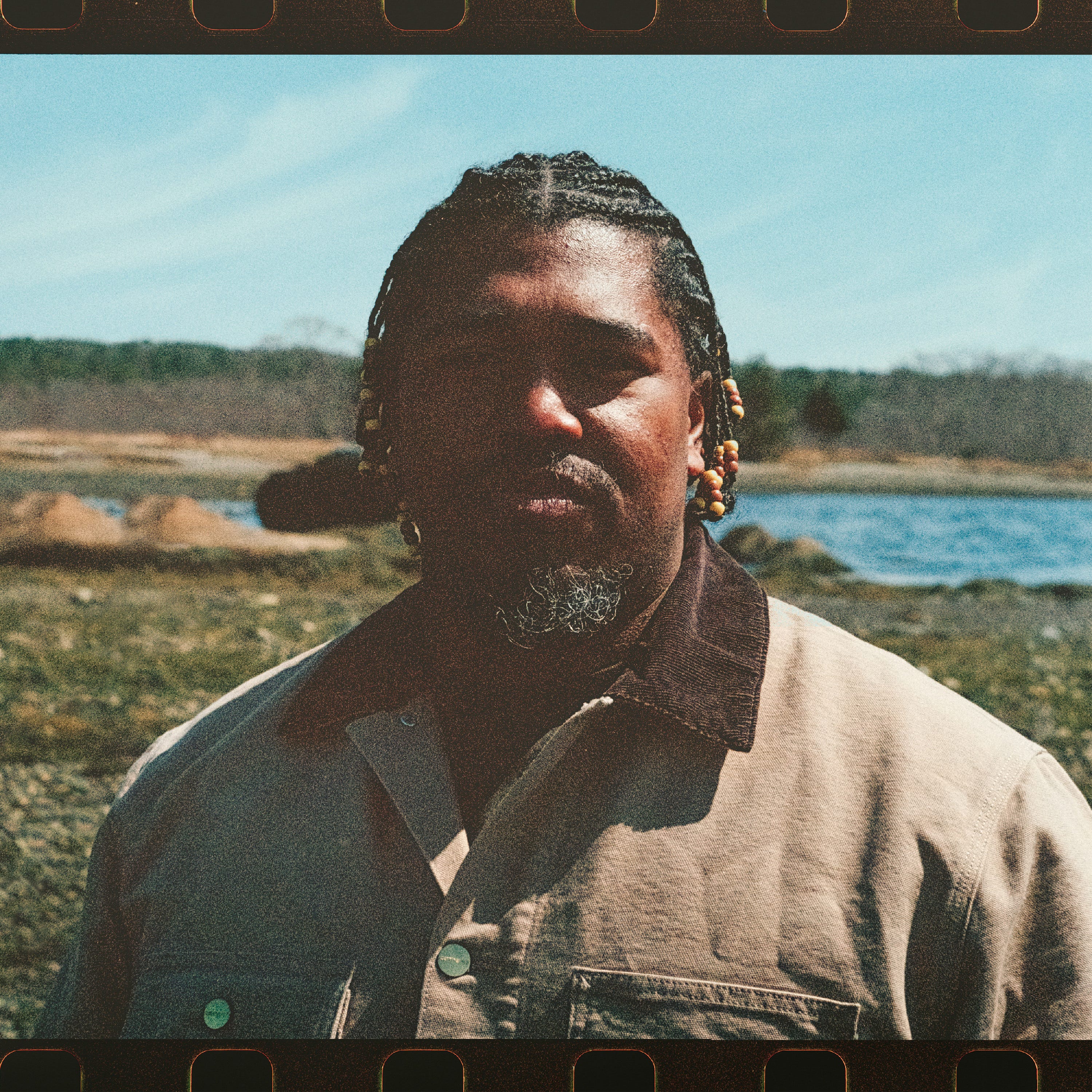
In 1783, when the American War of Independence sputtered to a close, over three thousand people of African descent boarded ships out of New York Harbor bound for Nova Scotia, promised land and liberty by the British Crown. They received neither in full. The Black Loyalists scratched settlements into the province's rocky soil, and their descendants are still there. Lance Sampson, who records as Aquakultre, can trace his own blood to those first arrivals, and his fourth album borrows their year as its title. Produced by Erin Costelo and mixed by Qmillion, the record draws from gospel, soul, R&B, folk, and hip-hop without ever sounding like a genre exercise. Sampson sings hymns in the voice of Reverend William White, father of famed opera singer Portia White, imagining the letters the reverend might have sent home from France during the First World War. On “Gallows,” pounding drums evoke a chain gang as Sampson assumes the perspective of his great-great-grandfather Daniel Perry Sampson, convicted of murder by an all-white jury and hanged in Halifax in 1935. The family believes he was framed, and Sampson is currently working to exonerate him. These are not academic recoveries of the past. “The Avenue” slides along a groove indebted to Marvin Gaye’s What’s Going On, Sampson’s delivery silk-smooth while a sampled elder recites the surnames of families who've occupied the same streets for generations. Across 1783, the album asks a question that doubles as a gift to Sampson's young daughter: Who are we, and who made it possible for us to be here? — Daliah Green
RJD2 & Supastition, According To…
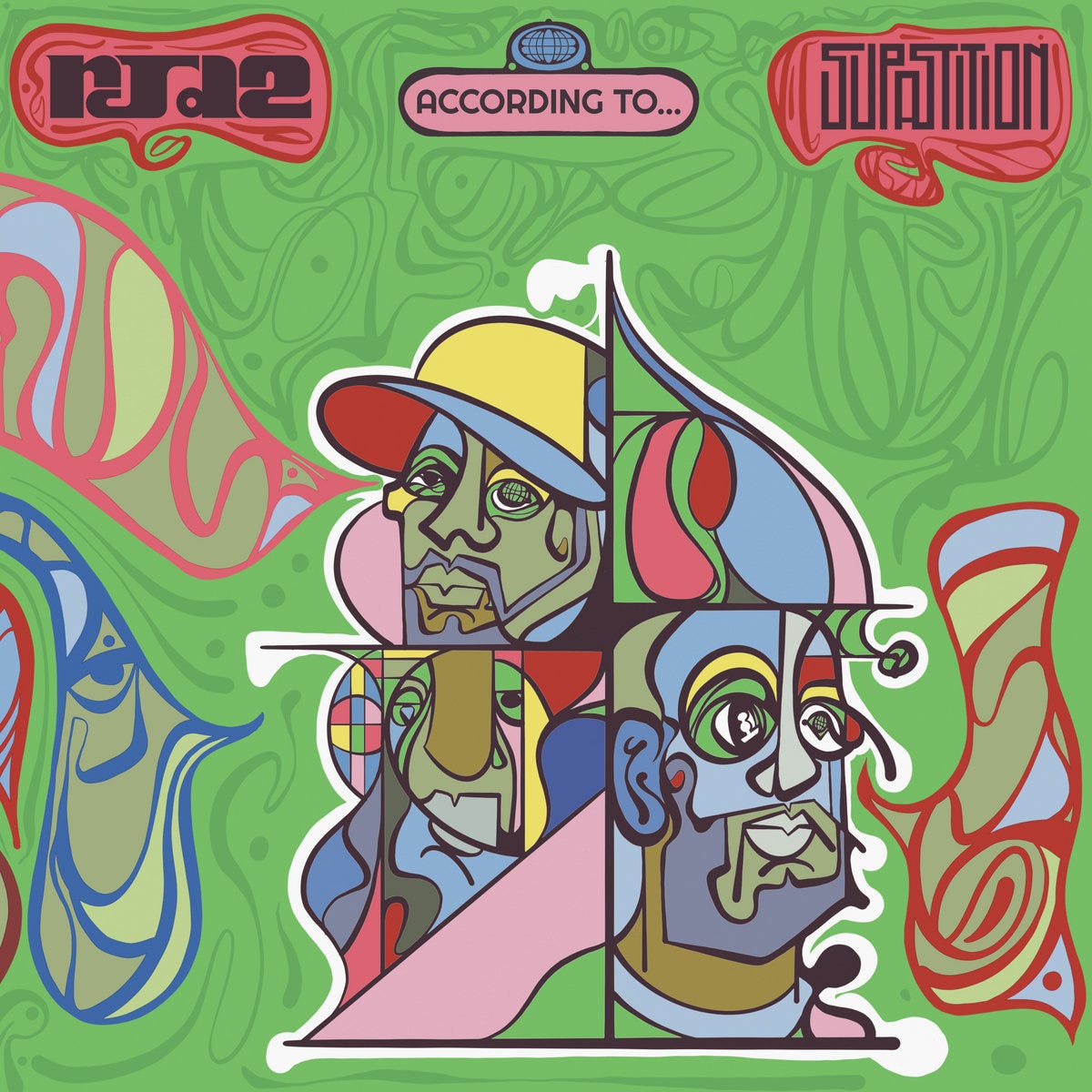
Most people describe Supastition by listing the famous rappers who respect him—KRS-One, Royce da 5’9”, Little Brother—as if his own catalog were a footnote to somebody else’s career. He chose the name because nobody in Greenville, North Carolina believed he’d make it, and then he toured a dozen countries, collected XXL write-ups, and remained the kind of artist whose reputation always outpaced his sales. RJD2, who pressed Deadringer on El-P’s Definitive Jux in 2002, scored the Mad Men theme, and at some point started soldering his own hardware in Columbus, Ohio, occupied a parallel lane. According To…, their first full album together, distributed through their own channels, and the finished product suggests they should have done it a decade ago. With “Machines Like Us,” he catalogues through cubicles that aren’t beautiful, salaries designed to make you forget your ambitions, and a blood pressure that climbs faster than your pay grade. If you died tomorrow, your company would sign a couple sympathy cards and post your position by the following week. He delivers all of it with the weary authority of somebody who has actually watched the clock from that chair. “Wins and Losses” goes further into the domestic math. His cousin sold drugs, went to prison, came home, started a business. Supastition just wants a scratch-off. And then the line that cracks the song wide open: “Maybe God don’t want me to be a millionaire.” He doesn’t need to be rich, just comfortable—but he’s been watching how his kids eat lately, and comfortable won’t cut it. — Rian Frost
DeevoDaGenius, Kil the Artist & BLUEHILLBILL, Angels with Filthy Souls

As a trio, DeevoDaGenius, Kil the Artist, and BLUEHILLBILL make underground rap steeped in old gangster movies. Their previous record, Bleu Magic, ran hardboiled bluffing over Deevo’s distorted choirs and piano-heavy loops, and Angels with Filthy Souls tightens the act. On “Chicago Typewriter,” Kil and BLUEHILLBILL trade territorial threats, each verse daring the other to go harder, and on “Filthy Animals,” they volley bars fast enough to blur who's who. Conway the Machine steals the show on “Quarter Zip” and folds into the group’s tone so completely that he could be a permanent member nobody announced. Al.Divino barely raises his voice on “Charlie Brown,” and that quiet, against Deevo’s bass-smeared production, makes him the most menacing guest on the record. The album borrows its name from the fictional noir that Kevin McCallister watches in Home Alone, and the whole thing runs on that same energy, with three guys committed to playing dangerous, talking fast, and never breaking character. — Quinn Baptiste
hemlocke springs, The Apple Tree Under the Sea
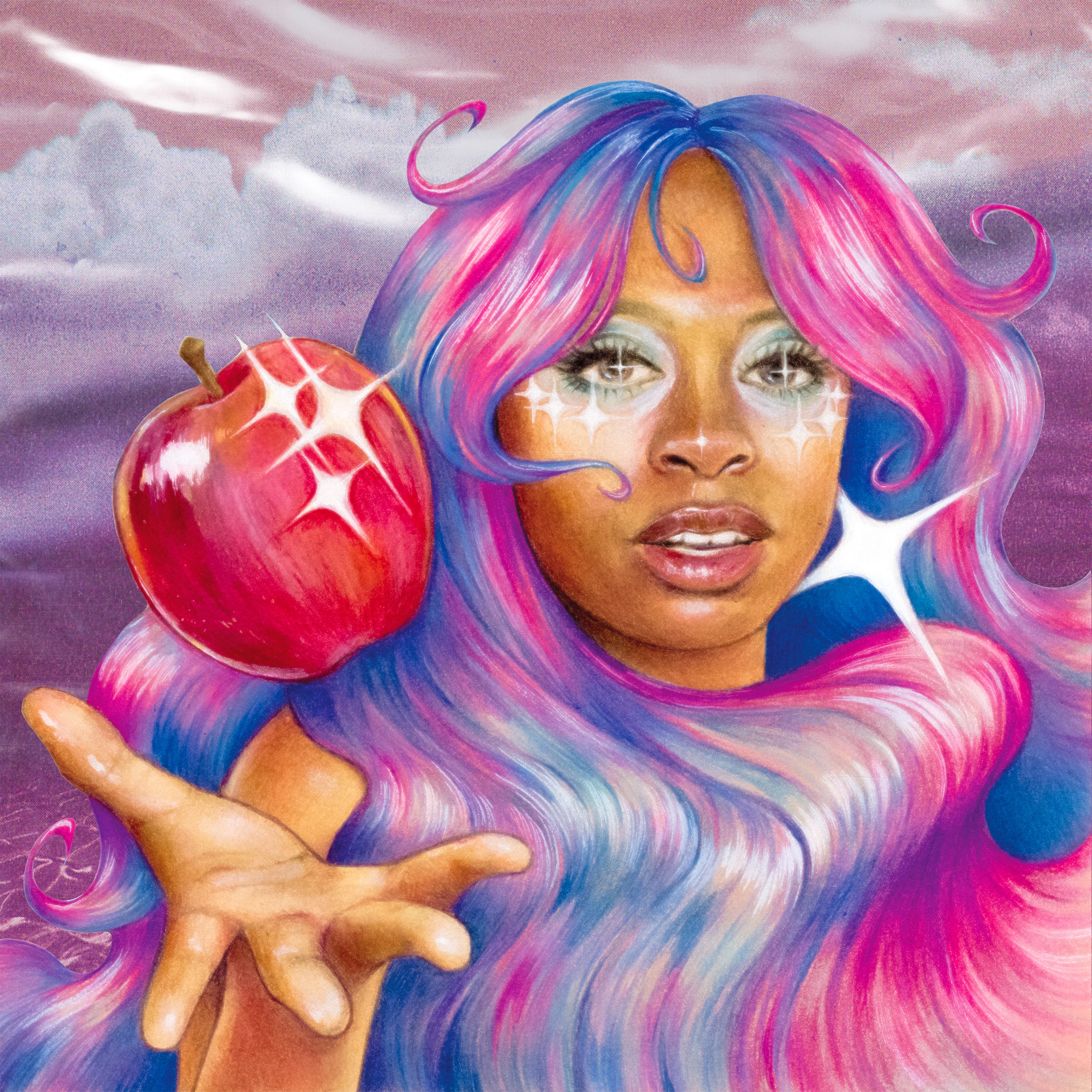
The album opens with a cassette recording of Isimeme Udu’s mother, a warm scrap of domestic tape hiss that vanishes the moment the synths swallow the room. Udu, who records as hemlocke springs, spent years building a following off singles that split the difference between Kate Bush theatrics and Devo’s plastic funk, and her debut drives that instinct into darker, stranger territory. She wrote “W-w-w-w-w” out of disgust, and it became the funkiest cut on her debut, her voice jumping between a falsetto that borrows from Prince and a bark that borrows from nobody. Co-produced entirely with Burns, The Apple Tree Under the Sea runs on a dark-fantasy concept stitched from fairy tales, religious guilt, and the specific paranoia of being praised by people who’ll turn on you. “The Red Apple” summons the narrative with a theatrical opening that recalls the musicals Udu studied at Dartmouth before she left the medical program. “Sever the Blight” pivots to industrial synths and a chorus where she pleads for release from something she won’t name directly. And on “Sense (Is),” she stops being coy about fame. “Words of honor and of praise have lost their noble highs,” she sings, and the bitterness is real as Udu went viral on TikTok, toured with Doja Cat, and still spent three years finishing this record. — Darryl Keyes
Mick Jenkins & greenSLLIME, A BLACK ASS KUNG-FU FLICK
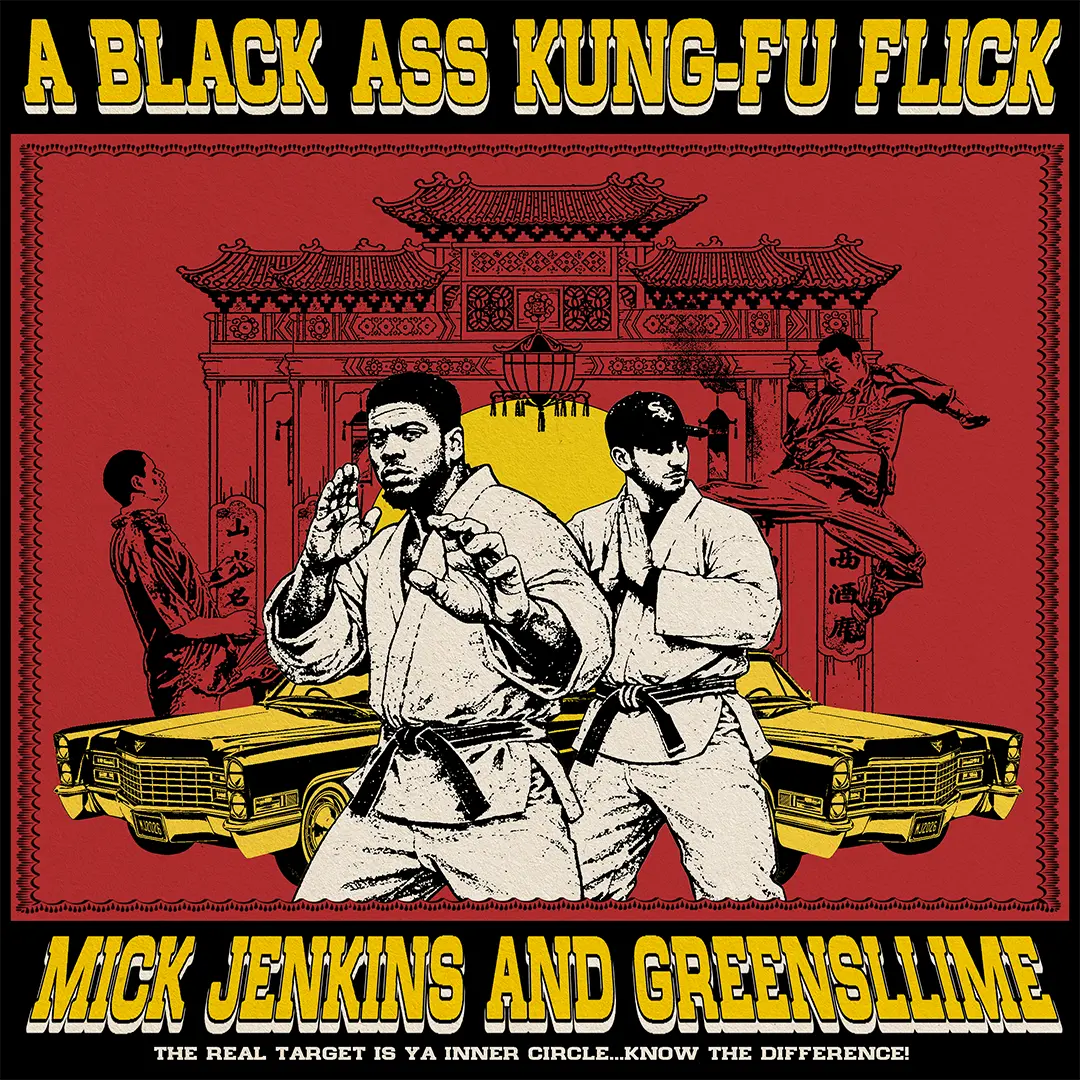
On A BLACK ASS KUNG-FU FLICK, everybody raps like the rent check bounced and the landlord is standing on the porch. Mick Jenkins and greenSLLIME built the project together after years of scattered guest spots—greenSLLIME produced Jenkins’s “Percy” back in 2019—but this is the first time they’ve locked into a full record, and the South Side of Chicago comes through in every bar, down to the block names and the funeral details. The title borrows from blaxploitation and martial-arts mythology; the music borrows from neither. Their dynamic runs on incompatible processing speeds pointed at the same wreckage. greenSLLIME calls out Gordon Parks, Larry Hoover, David Barksdale, and Chief Malik, then tells the chief of police to read and weep on “Kaiju.” Jenkins responds with morning-labor imagery (cracking dawn, catching worms, whipping biscuits) and a dare disguised as a fact: “Read everything I ever wrote, you’d never quote a line.” The best bars belong to the moments where both of them quit performing toughness and say something that costs them. On “Jungle,” greenSLLIME addresses a fourteen-year-old serving a life sentence and promises he won’t die alone, that he’ll smuggle truth until it overflows and crumbles the walls. Jenkins stacks tithes, Godiva butter toffee, and submarine pressure into a single verse on the same song, leaving the beat’s gaps between kick and sample chop to absorb the weight. — Kevin Matthews
Mickey Diamond & Big Ghost Ltd, Black Sheep
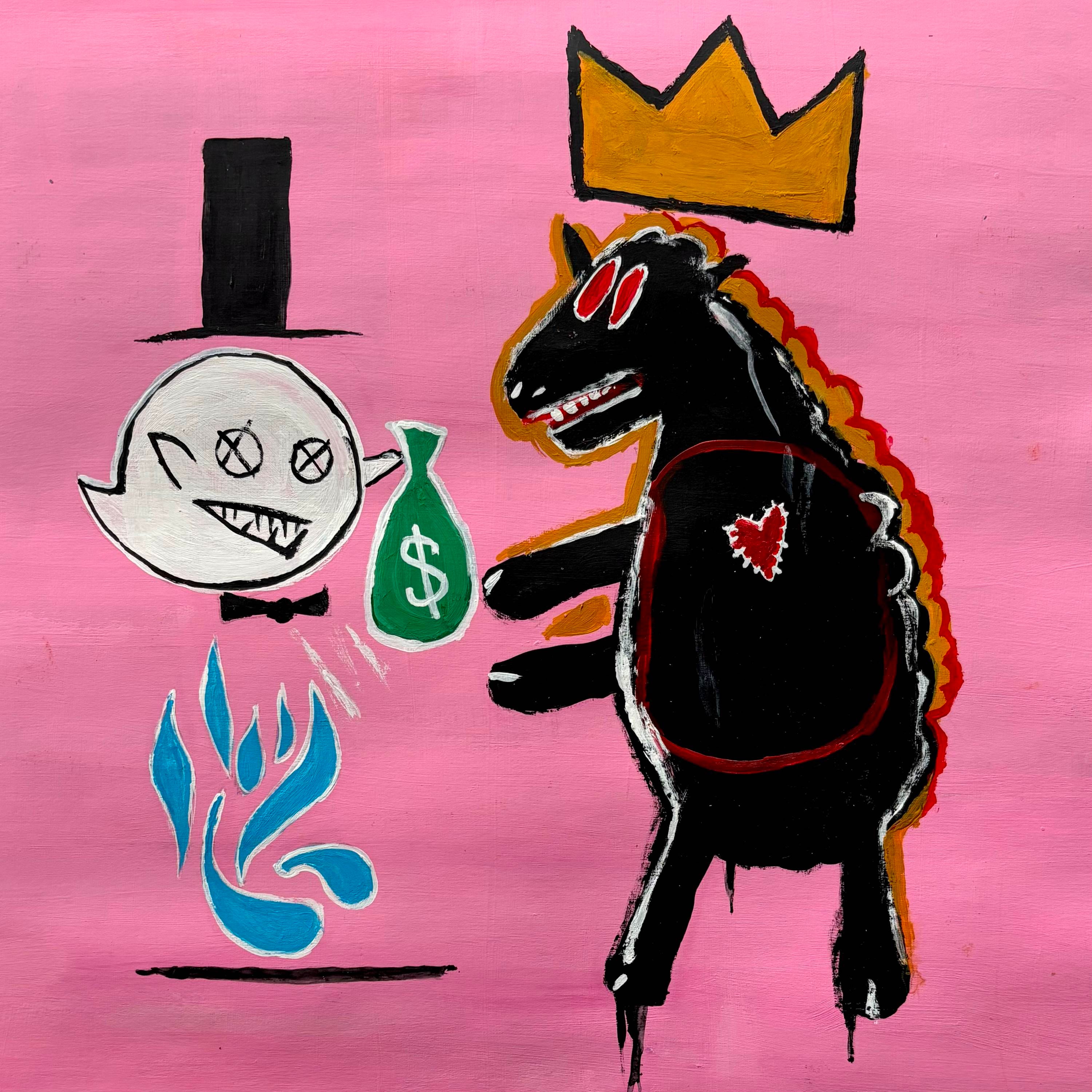
Mickey Diamond and Big Ghost Ltd have been running this pairing so hard over the past few years that a lesser duo would have emptied the well by now. Black Sheep, the second installment of their Wolf, Sheep, and Goat trilogy, arrives barely two months after Wolf Tickets, and it shifts the weight from Diamond’s usual mafioso delivery toward something more confessional. On “Matthew 7:15,” he recounts a conversation with his daughter about why he carries a gun, promising she’ll understand when she’s older. “When It Rains” cracks open his relationship with the Umbrella Collective, the underground network he's built his career around. Big Ghost’s production still bangs with that signature grit—dusty loops, thick bass, drums that hit like fists on a table—but the palette tilts moodier here, making room for the vulnerability Diamond has spent eighteen albums keeping at arm's length. “Cry Wolf” breaks the introspection with a vicious drum pattern and funky key progressions that recall the Gucci Ghost era, and Diamond sounds reinvigorated by the contrast, ripping through bars with a chip on his shoulder the size of Detroit. The underground’s most prolific partnership keeps finding new corners in the same room. — Harry Brown
Baby Keem, Ca$ino
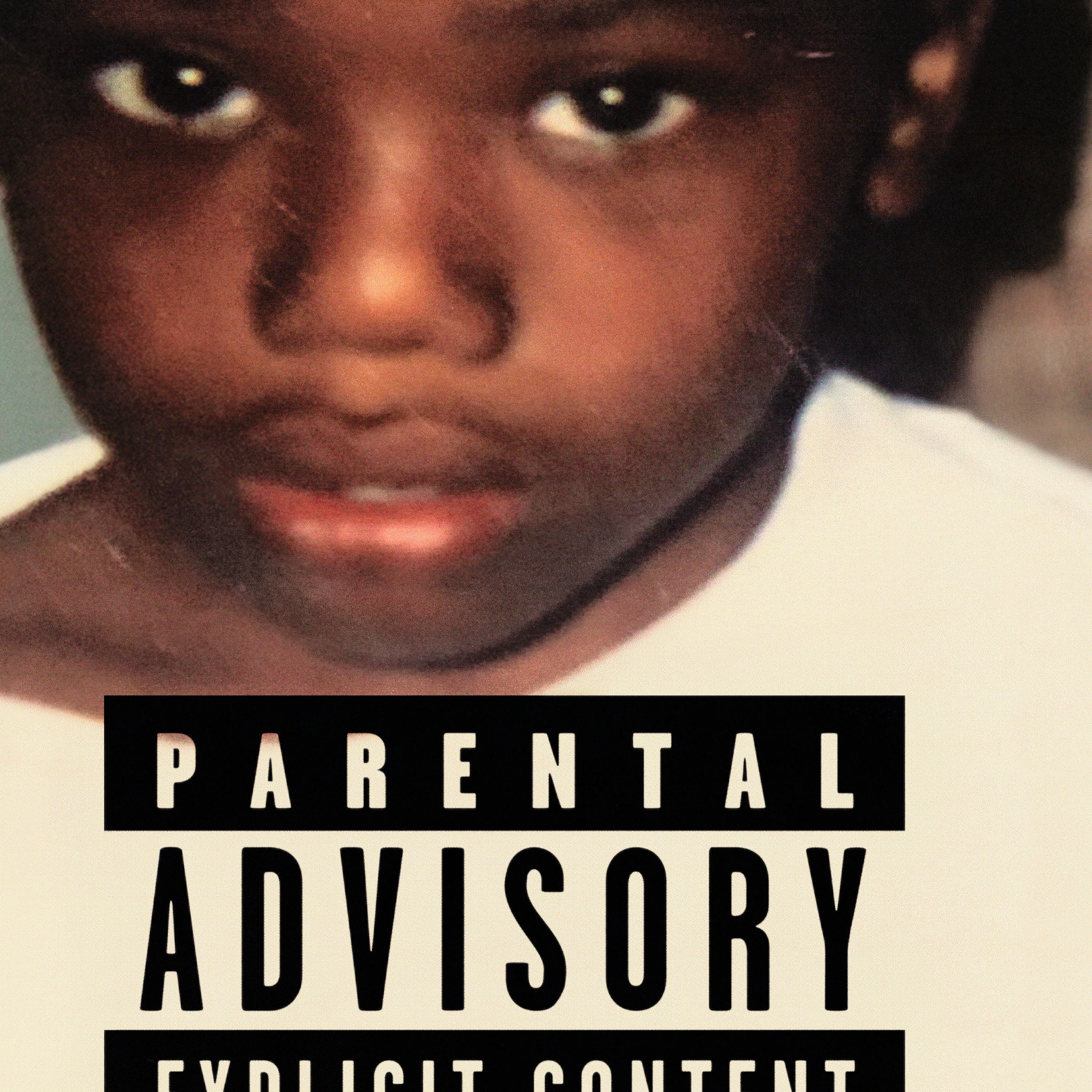
Hykeem Carter was raised in Las Vegas, and the cover of Ca$ino uses a childhood photo of him, gap-toothed and grinning, before the city’s neon stained everything. The eleven tracks that follow spend thirty-seven minutes reckoning with what happened between that photo and now. On the opener “No Security,” built around a Natalie Bergman sample, Keem sounds like he’s exhaling for the first time in half a decade, picking at grief and resentment until the song cracks open into something cathartic. He told his audience at the Las Vegas listening party that it wouldn’t be fair to pretend nothing had happened during the silence Ca$ino was originally supposed to be named after his mother; he pivoted, dedicating the closer “No Blame” to her instead. That track paints a vivid picture of her smoking cigarettes in the house, popping pills while pregnant, disappearing for nights at a stretch—and then absolves her, because her own childhood in Chicago gave her no template for anything better.
Keem’s cousin Kendrick Lamar appears on “Good Flirts” alongside Momo Boyd of Infinity Song, and the throwback R&B production suits all three, though Lamar sounds like he could be phoning from another room. One of the fun tracks is “$ex Appeal” with Too $hort, a Bay Area party record that lets the veteran’s freaky storytelling collide with Keem’s squeaky yelp to genuinely goofy effect. Elsewhere, “Dramatic Girl” swerves into alt-rock with enough conviction to make you wonder why he doesn’t try it more often, and “Circus Circus Free$tyle” finds him shape-shifting through flows that occasionally mirror his older cousin’s cadence from the Section.80 era. Keem has sharpened his voice and narrowed his focus. The elastic goofiness of The Melodic Blue has been replaced by something heavier, and not every track can support the weight and nocturnal drums outline his most naked writing to date. — L. Ari James
Puma Blue, Croak Dream
Jacob Allen brought half-finished songs to Peter Gabriel’s Real World Studios and asked his band to improvise to fragments they barely knew. Sam Petts-Davies, who mixed for Thom Yorke and Frank Ocean, committed them to tape. The process left artifacts everywhere. “Desire” begins on a soft-rock pulse that could pass for conventional until a dissonant guitar tone bends the key, and nobody corrects it. “Heaven Above, Hell Below” withholds its beat for the first half, letting Allen’s falsetto drift over a detuned acoustic guitar until percussion finally enters and reorients the room. Miles Spilsbury’s baritone saxophone wanders across the record at odd intervals, sometimes mid-verse, sometimes between songs. The album is dedicated to Peter Rehberg, the late founder of Editions Mego, who died in 2021. A croak dream is a vision of your own death. Several of these songs circle that premise without addressing it head-on. On “Silently,” he sings about watching someone vanish and not knowing whether the person left or he did. “Cocoons” buries a weak electronic pulse under an ambient drone, and the pulse grows louder as the song continues, slowly overtaking the stillness. The Portishead and Massive Attack comparisons are fair but insufficient. Allen is making songs about people he might not see again and recording them as if the tape could run out at any minute. — Phil
Zo! & Tall Black Guy, Expansions
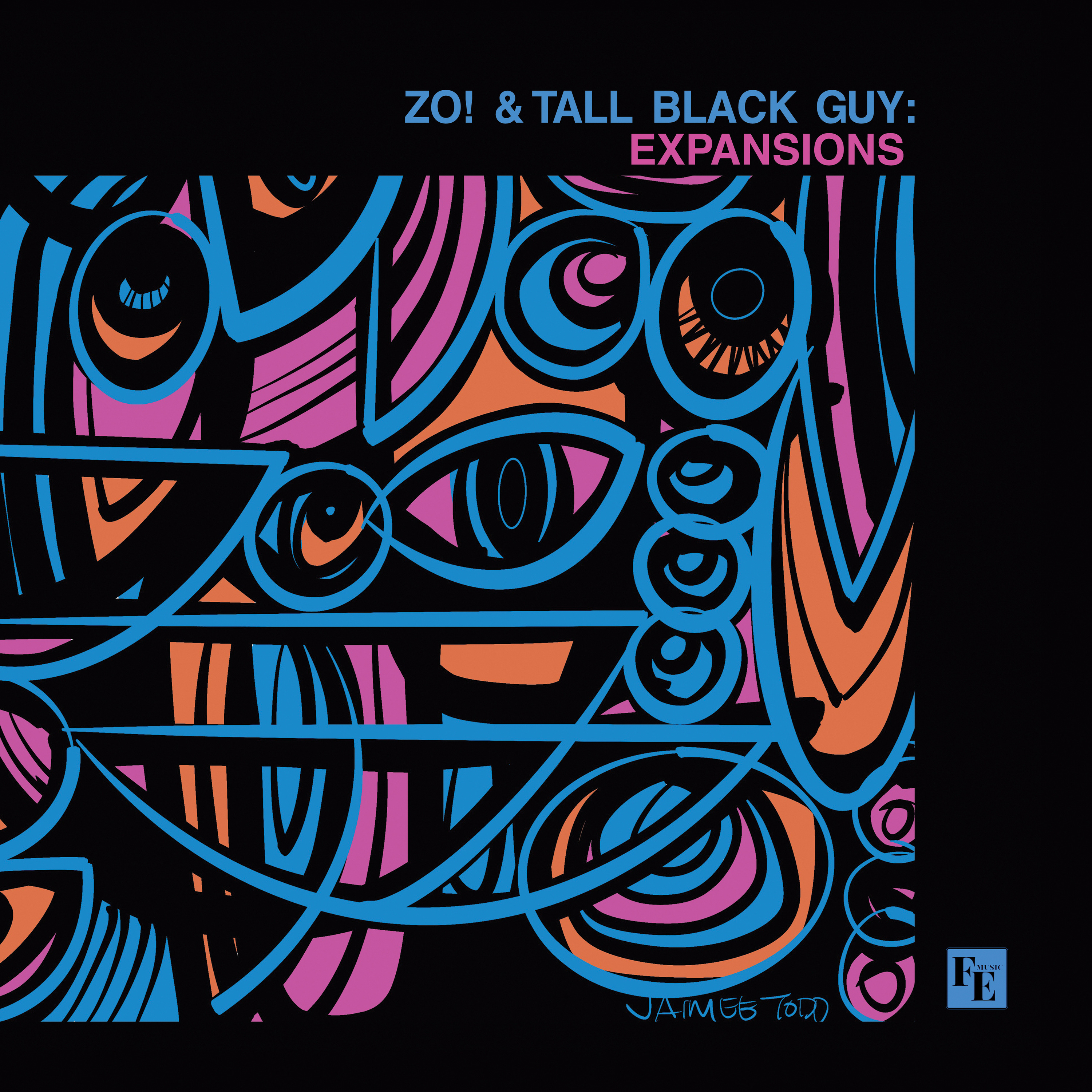
Both producers grew up in Detroit, both came through the same beat-community pipeline, and they still carry the feel of two friends cooking in the same kitchen without bumping elbows. Their 2021 debut as Zo! & Tall Black Guy, Abstractions, proved they could make a record together. Expansions stays locked in a groove pocket that borrows from house, jazz-funk, and midtempo R&B without settling into any single lane for long. J. Ivy delivers a spoken-word passage over flickering Rhodes chords, his cadence pitched somewhere between sermon and toast at a family reunion, and DJ Jazzy Jeff scratches his way through a bridge on one of the bouncier cuts with the precision of a man who hasn't lost a step since ‘88. “Keep Him Satisfied,” co-produced with 14KT, rides a bass line that could have come off a lost Mary Jane Girls 45, complete with a falsetto hook that winks at Rick James without impersonating him. Debórah Bond and Sy Smith split vocal duties across the record’s quieter stretches, and both sing like they’ve known these songs their whole lives. Darien Brockington shows up and adds the most tenderly ragged performance on the album, his voice cracking at the edges of a lyric about staying when it would be easier to leave. Expansions never preaches, never lectures about what grown-folk music should be. It just puts on the record and turns the lights low. — Harry Brown
Melissa Aldana, Filin
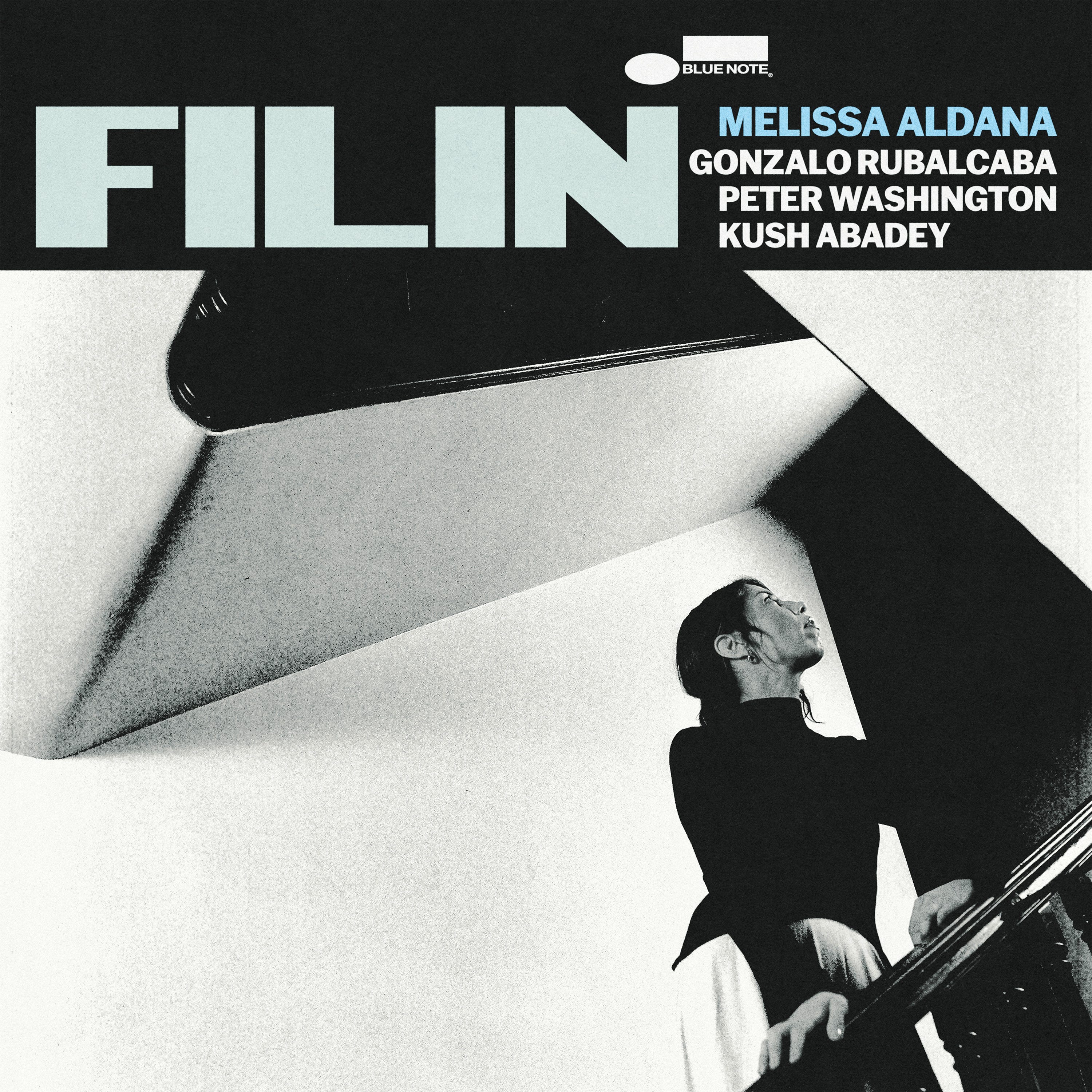
Cuban filin occurred in the 1940s among Havana’s young bohemian musicians, romantic ballads shaped more by cigarette smoke and late-night conversation than by big-band discipline, and the tradition has always prized intimacy over volume. Melissa Aldana chose it as the foundation for her Blue Note follow-up and assembled a quartet calibrated to honor that scale. Pianist Gonzalo Rubalcaba, who arranged all eight sessions, shifts from spare single-note melodies to dense impressionistic clusters that force Aldana to weave around him, and the two develop a push-pull that gives the record its center of gravity: where Rubalcaba crowds the harmonic space, Aldana thins her phrases to a whisper; where he retreats to a single sustained chord, she stretches a solo line until it starts to ache. Bassist Peter Washington and drummer Kush Abadey play behind them both so quietly the pulse nearly vanishes, reappearing only when the melody needs a nudge back to earth.
On two tracks (“No Te Empeñes Más” and “Las Rosas No Hablan”), Cécile McLorin Salvant’s voice enters and immediately changes the register, her grain of sadness drawing Aldana’s horn up into its highest, most exposed range, the two bending the same phrase from opposite emotional directions. Don Was produced, and the live recording at Oktaven Audio catches the four of them breathing together in a way that makes the silences between notes as deliberate as the notes themselves. Aldana won the Thelonious Monk International Jazz Competition in 2013, the first woman to do so, and in the thirteen years since she has learned what restraint costs and what it earns. Her tone runs warm and grainy down low, clean and piercing up top, and the solos stay brief because she’d rather leave a phrase unfinished than overstay it. Every note she chooses to leave out sharpens the ones she plays. — Nehemiah
Vahn Black, I Am a Woman Again
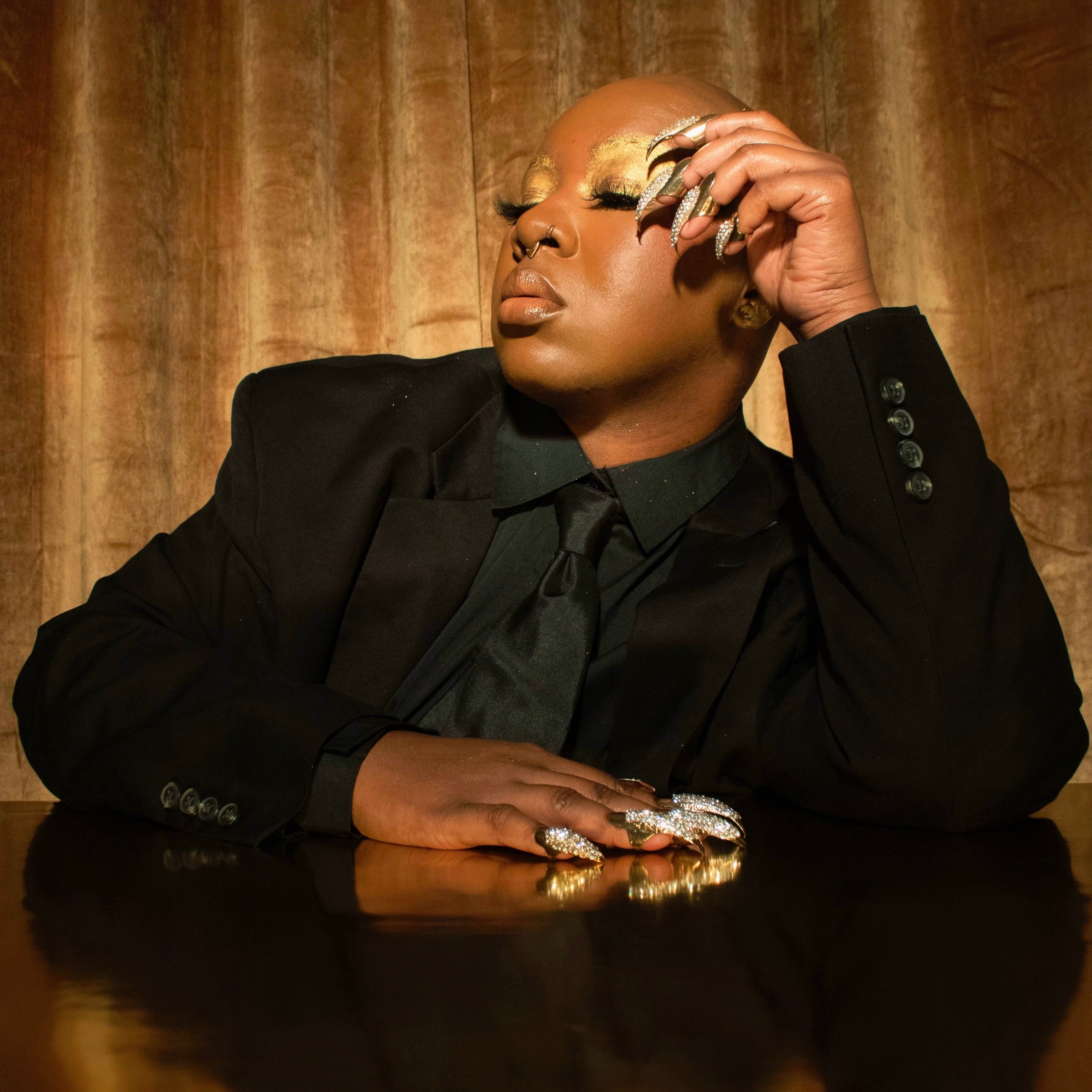
Inspired by Gladys Bentley, Vahn Black grew up in Detroit surrounded by Motown 45s and Sunday gospel and the thump of techno coming through somebody’s car window. She studied jazz voice at Detroit School of Arts, placed runner-up in the Detroit Jazz Festival’s Youth Vocal Competition at seventeen, and eventually landed in Atlanta, where she opened for Anthony Hamilton, Chrisette Michele, and Maze featuring Frankie Beverly. She also played bass, wrote scores for short films, and spent years researching Bentley’s life. Petrichor: The Joy of Gladys Bentley came in 2023, a five-song EP about the freedom years. Walk in the Rain followed last year, twelve tracks about the unraveling, sexuality, gender, and the pressure to shift. I Am a Woman Again closes the trilogy, and Black self-produced every second of it. On “What Can You Do,” she’s talking about hallucinations and medication resistance, not in metaphor but in plain language: “The voices tell me to do things I wouldn’t do/And I see them all the time dancing around you.” “Drive” is desire with the brakes off, covering Venus and the balcony floor in the same breath. And “Undone,” the album’s last and best song, is where the woman who wouldn’t perform for anybody finally lets someone in: “Gave me my wings, but I don’t wanna use them/Cradled my softness when others would have used it.” The fact that it exists is almost beside the point. The fact that it’s this good is the point. — Zoe Westfield
Brent Faiyaz, Icon
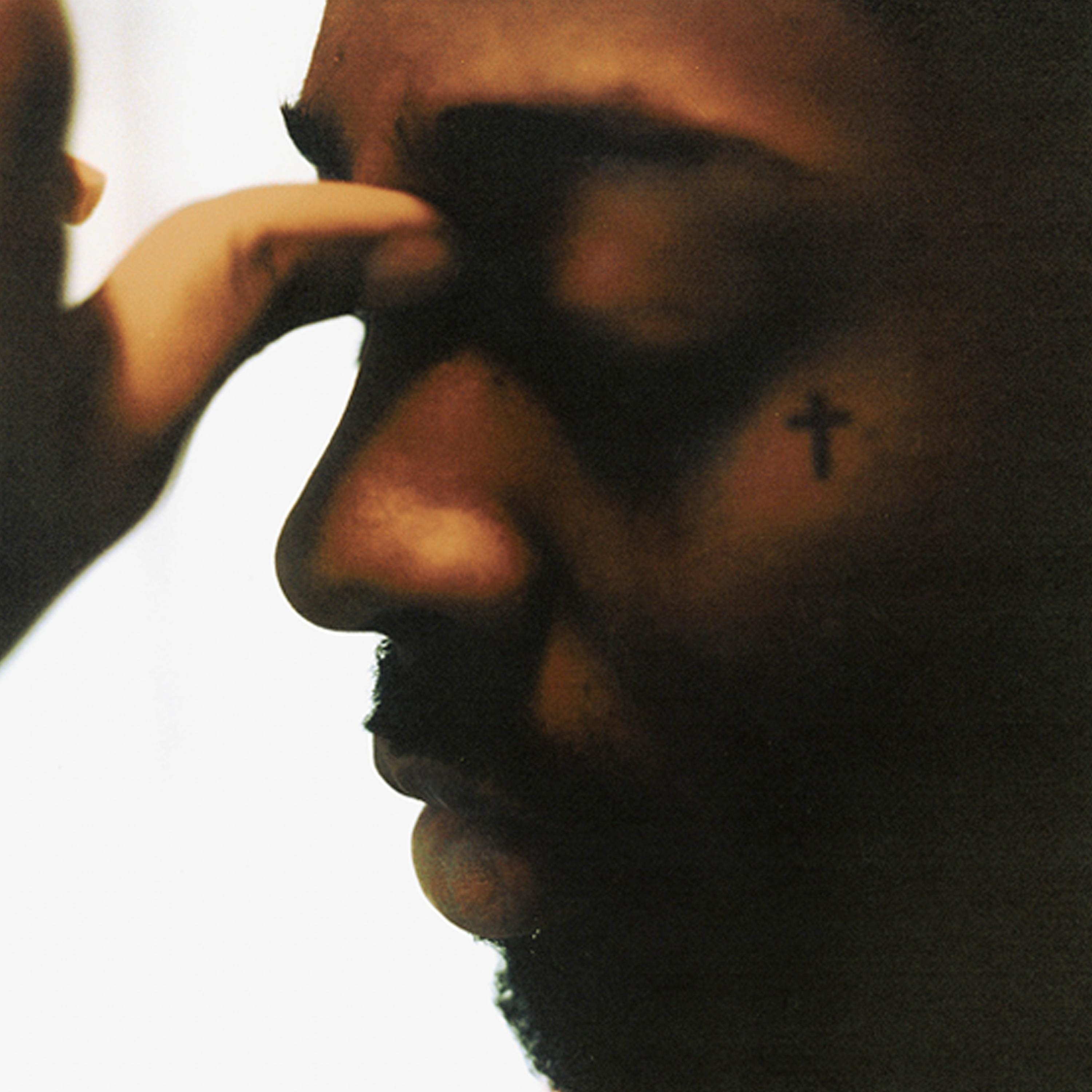
The night before Icon was supposed to drop in September 2025, Brent Faiyaz sent his team a group text pulling the plug. He scrapped the lead single. He killed the music video. Five months later, the record arrived on Valentine’s Day weekend, executive produced by Raphael Saadiq, with additional production from Chad Hugo, Benny Blanco, Tommy Richman, and Dpat of Sonder. No features. Just Faiyaz’s voice, multi-tracked and manipulated across a half-hour of R&B that swings between ‘80s synth-pop, proto-disco, and the kind of plush slow jams that would have sounded at home on a Jodeci album. “Other Side” drops his golden tone into a sleek disco-soul arrangement. “Pure Fantasy” shimmers like a lost Michael Jackson outtake, complete with crowd effects that make the track feel like a stadium performance dreamed from a bedroom. “Four Seasons” uses weather as shorthand for romantic uncertainty, and while the metaphor isn’t new, Faiyaz’s voice sells it with enough grain and frustration to keep the cliché from calcifying. Saadiq’s involvement lends the album a retro warmth that Faiyaz’s earlier work lacked, and the best moments—“Have To,” with its pitch-shifted playfulness, and “Butterflies,” with its tender balladry—suggest that the September scrapping was the right call. Icon is the sound of a singer in love with his own voice, which would be unbearable if the voice weren’t so good. — Imani Raven
The Olympians, In Search of Revival
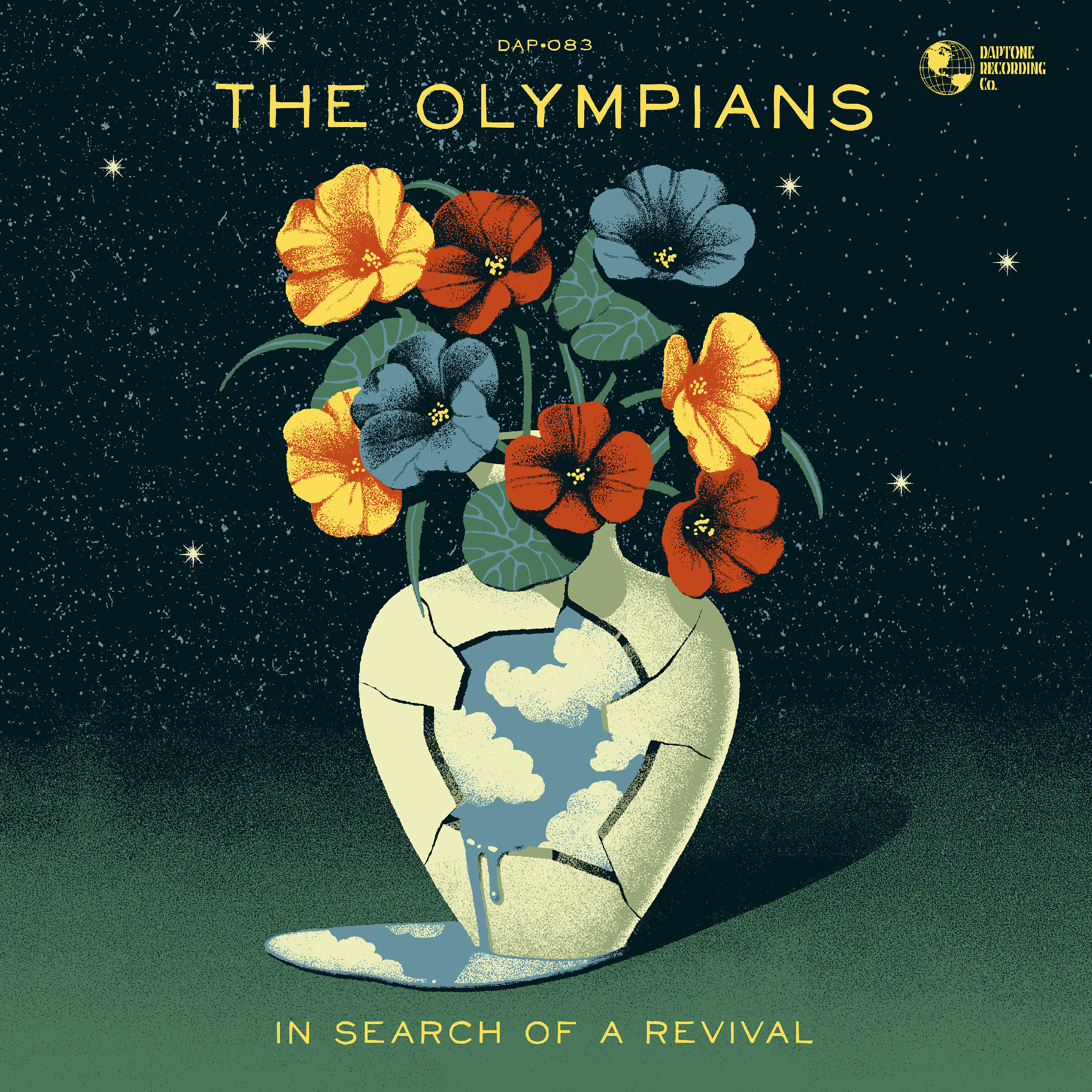
Toby Pazner manages Lee Fields’ career, plays keys in Fields’ band, and still finds time to conduct a seventeen-piece instrumental ensemble on the side. “Sirens of Jupiter” opens with harps cascading over a rhythm section that punches with the weight of an old Stax 45, and the first thing you notice is that every one of these seventeen musicians is breathing the same air. Pazner wrote, arranged, and produced the entire album alone. He started The Olympians in a Brooklyn bedroom in 2008 with a Tascam 388 reel-to-reel tape recorder. The self-titled debut on Daptone Records arrived in 2016, and then Pazner disappeared into a decade of touring with Lee Fields’ band, writing songs for other people, and raising a family. Some of the players return from that first record. Others came through friendships Pazner formed on the road. The instrumentation is big and acoustic, and the Greek mythology fixation gives the arrangements a narrative ambition that instrumental soul records rarely bother with. “Sagittarius By Moonlight” ends on a horn coda that could have stretched another five minutes, and nobody would have complained. This is music built to fill an auditorium, not a pair of headphones. — Brandon O’Sullivan
Kurt Elling and the WDR Big Band, In the Brass Palace
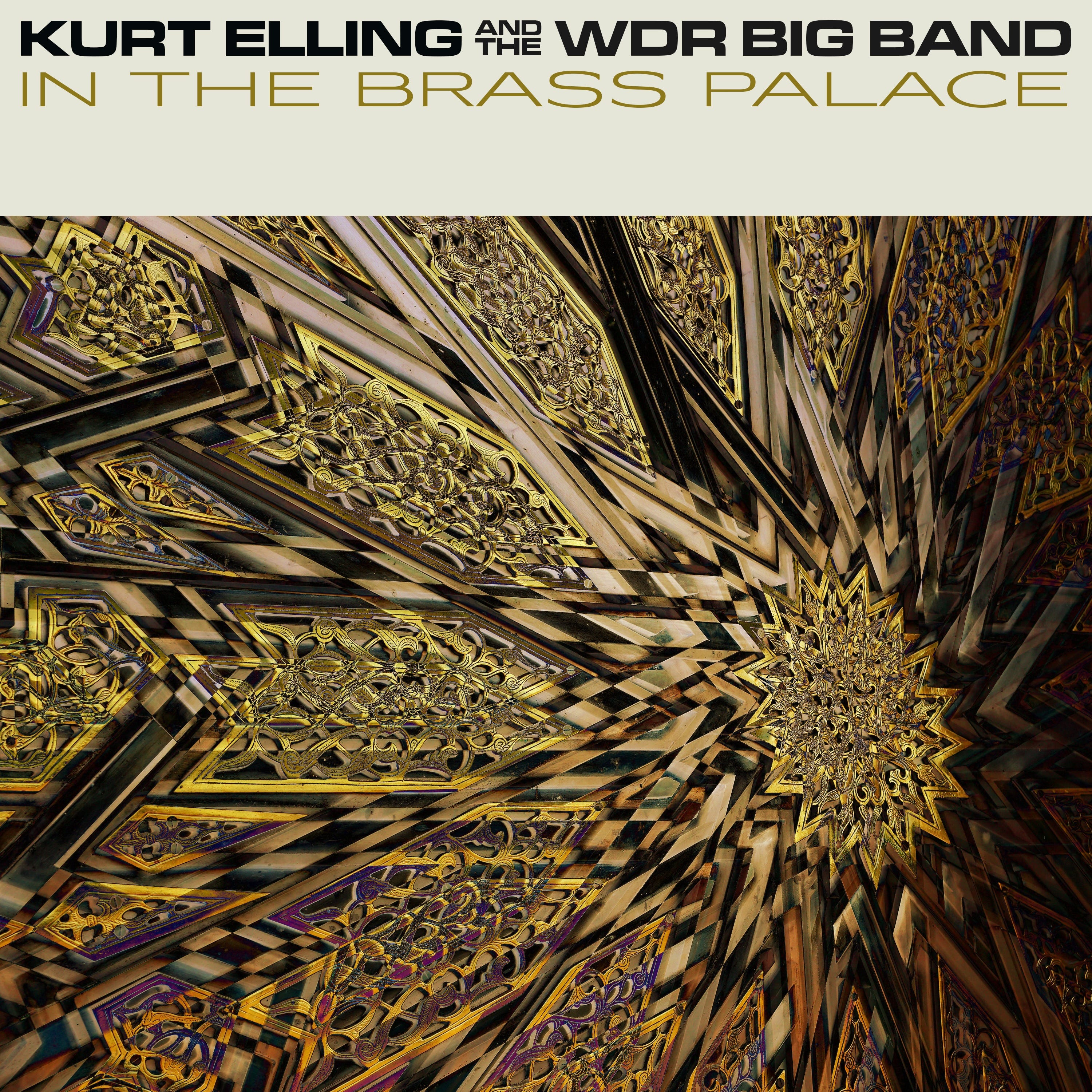
Elling took six instrumental jazz compositions and wrote lyrics to every one. Ellington, Thad Jones, Wayne Shorter, Joe Zawinul, John Scofield, and Joe Jackson. Then he flew to Cologne, walked into WDR's Studio 4, and sang those lyrics while Bob Mintzer conducted the WDR Big Band and four arrangers (Mintzer, Michael Abene, Tim Hagans, Jim McNeely) rebuilt the compositions around his words. The audacity of the project alone would earn it a footnote. What earns it a listen is how hard the band pushes back. Each track runs between six and nine minutes, long enough for the orchestrations to develop their own arguments, and Elling’s Broadway phrasing, sharpened by years in Hadestown, lets him treat a Shorter melody as a dramatic monologue, syllables arcing and falling with the brass rather than perching on top. But the WDR players refuse to play accompanist. They shift the harmonic floor under Elling’s feet mid-phrase. They thicken a Thad Jones arrangement until the reeds nearly swallow his tenor whole. They dare him to land cleanly, and he doesn’t always manage it, which is precisely where the record gets interesting. The Zawinul piece takes the biggest risk: Elling grafts a narrative of exile and return onto a melody never built to carry words, and the strain between lyric and source material gives the track a tension the smoother numbers can’t touch. On the best passages, his voice tangles with the brass so thoroughly you stop hearing a soloist and start hearing a sixteenth instrument, neither leading nor following, just caught in the current. — Reginald Marcel
KMRU, Kin

Peter Rehberg founded the Editions Mego label and asked Joseph Kamaru, after Peel made Kamaru one of ambient music’s most visible new figures in 2020, what a sequel might sound like. Rehberg died in July 2021. Kamaru stopped working on the material. When he came back, the grief and the interruption had folded into the music. Kin is dedicated to Pita, Rehberg’s artist name. Six tracks run fifty-five minutes, and a guitar gets destroyed, warped, and reassembled across all of them. Christian Fennesz, who played alongside Rehberg in Fenn O’Berg, guests on “Blurred.” “We Are” splinters into shrieking feedback colliding with bright sustained tones. “By Absence” stretches past twenty minutes. A cataclysmic swell builds and then suddenly clears into tonal calm, as if a storm passed and the ground underneath had shifted while nobody was watching. Kamaru says this is not the Peel sequel. He’ll know when that record arrives. Kin is something else, a record about the specific weight of continuing work that someone who died believed you should finish. Play it slow. Play it loud. Those were Kamaru’s instructions. — Oliver I. Martin
Justin Hicks, Man of Style
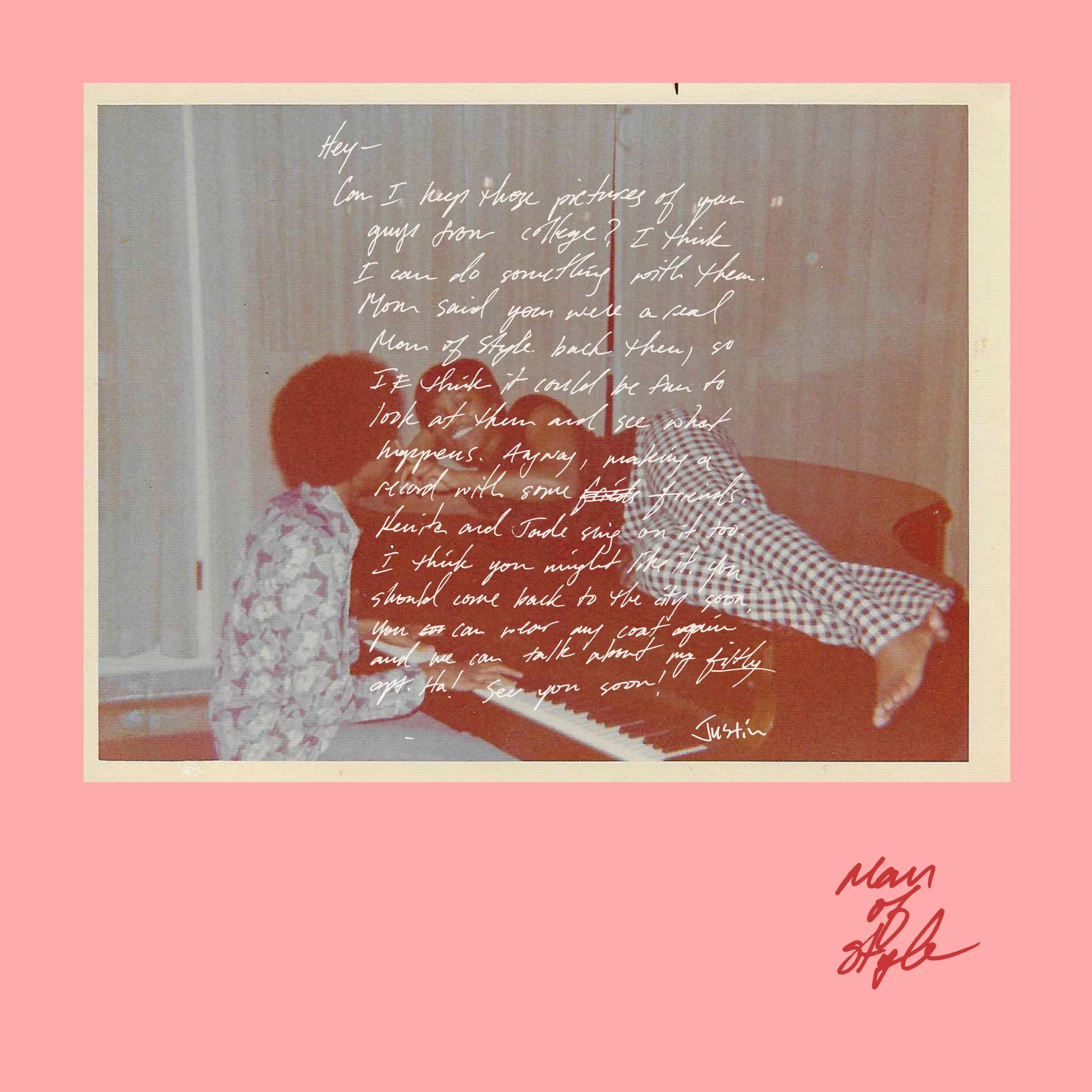
Meshell Ndegeocello and guitarist Chris Bruce booked a studio in Long Island City and gave Hicks two days to cut the album. Twenty-plus years of noise rock, sound art, multimedia installations, and vocal trios had kept Hicks busy in New York’s experimental circuits, but he’d never released a record under his own name. He sang on Ndegeocello’s The Omnichord Real Book and No More Water: The Gospel of James Baldwin. Both won Grammys. And still, Man of Style is his debut. “Poly” came from a conversation Hicks overheard in a bar around 2011, two friends arguing about monogamy and polyamory. He turned it into a folk-soul song with a clean, swaying pulse. “Man of Style” tilts toward Marvin Gaye’s falsetto-to-chest transitions without copying them. His songs are about desire, restlessness, and the specific disorientation of middle age, and Hicks delivers them with the directness of a person who decided the next record might not come, so this one should say it all. — Jamila W.
Dina Ögon, Människobarn
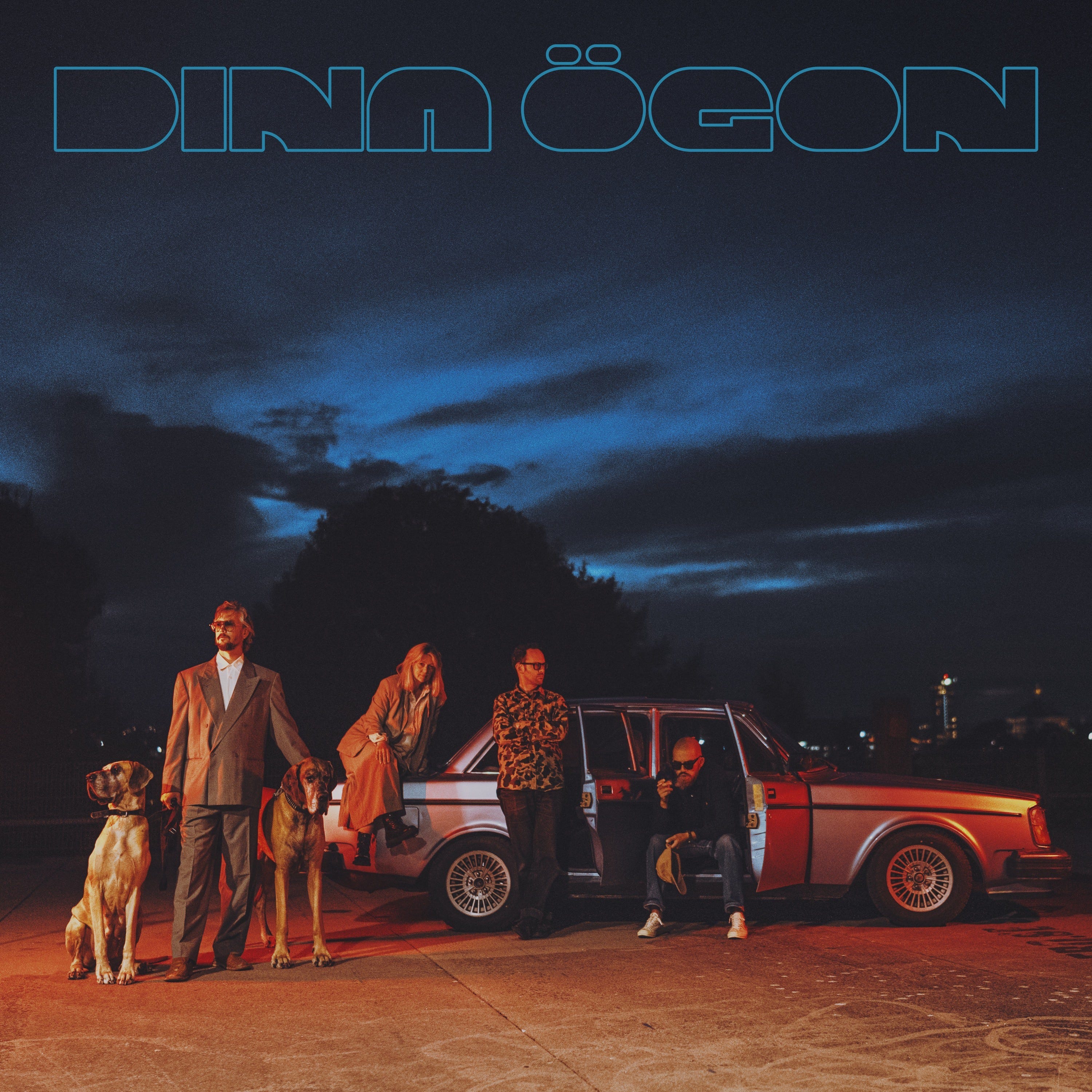
Tyler, the Creator once flagged Dina Ögon’s early single “Tombola 94” as a favorite track. The thing he heard in it, a sweetness that never curdles, a warmth that holds its shape without turning sentimental, runs through their fourth album by the gallon. Människobarn (“Human Child”) is the Stockholm quartet's longest record, thirteen songs and forty-six minutes, and their darkest. Anna Ahnlund sings entirely in Swedish, and even without understanding a word, you can feel the songs pivoting between tenderness and its wreckage. “Dålig teve” (“Bad TV”) bounces on a jangly riff that recalls the Zombies at their most caffeinated. “Margaretas sång” slows everything to a crawl so Ahnlund’s phrasing can carry a sadness the tempo won’t interrupt. Daniel Ögren, who also mixes, stacks organ, Rhodes, and acoustic guitar in combinations that nod to Tropicália and ‘60s sunshine pop without cosplaying either one. The band won two Grammis for 2023’s Oas, and Människobarn treats that confidence as a license to go further: “Grå labyrint” (“Grey Labyrinth”) opens with a bassline heavy enough to vibrate your teeth before the vocals drift in like weather, and closer “Hélena” strips everything to Ahnlund and a single instrument, no ornamentation, just the lyric and her breath around it. — F. Qureshi
Momoko Gill, Momoko
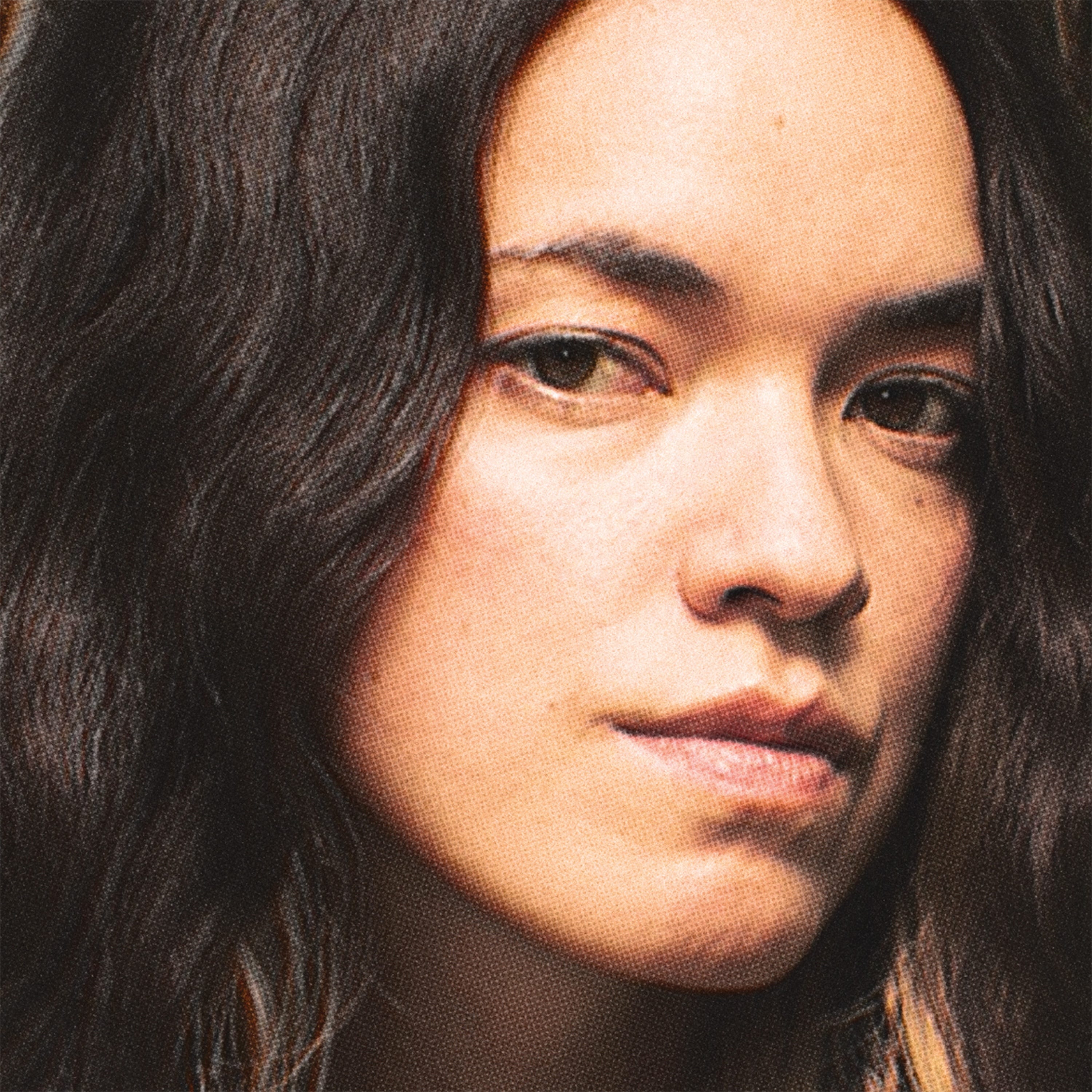
Fifty people gathered in a studio to sing on “When Palestine Is Free.” Soweto Kinch and Shabaka Hutchings stood among them. The song runs six minutes on Momoko Gill’s first solo record, and it carries the force of a public declaration inside a record that otherwise speaks at room volume. Gill has drummed for Alabaster DePlume, played keys for Tirzah, collaborated with Coby Sey, and co-produced Matthew Herbert’s Clay. At the north London Total Refreshment Centre, Momoko lies down and handles nearly everything alone. “No Others” rides her drumming and a piano melody that refuses to resolve where your ear expects. “Heavy” sneaks in flute and harp, two instruments that risk preciousness in a soul-jazz setting but stay dry and unadorned under Gill’s hand. “2close2farr” is a love song constructed from almost no material. “Ineffably” ends the record on acoustic piano and a vocal so quiet it threatens to vanish. Gill grew up in Japan and California before settling in London, and the album moves between those geographies without advertising the distance. — Mina Abdel
Gorillaz, The Mountain
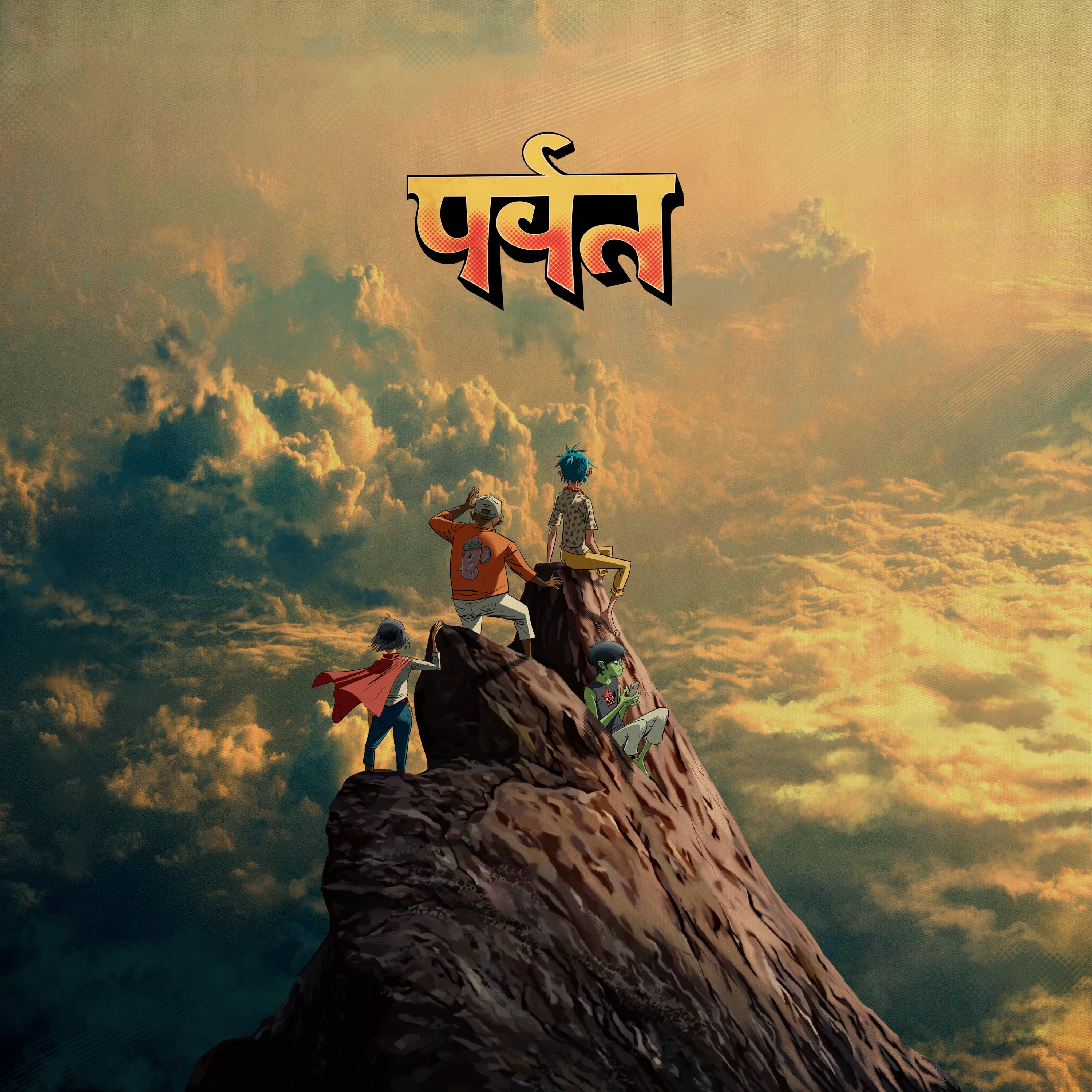
Damon Albarn and Jamie Hewlett lost their fathers within ten days of each other in 2024. Hewlett’s mother-in-law had died the year before. The two had been estranged. Grief brought them back together, and then a trip to India, where Albarn had scattered his father’s ashes in the Ganges, gave the grief somewhere to go. Hindu mourning customs treat death as a beginning rather than a sealed door, and that reorientation sits at the center of The Mountain, the ninth Gorillaz album and the first one in years that feels like it was made because something needed to be said rather than because the release calendar demanded a product. The dead appear on the record alongside the living—Dennis Hopper, Bobby Womack, De La Soul’s Dave Jolicoeur, Tony Allen, Mark E. Smith, and Proof, all gone, all present through repurposed vocal takes from earlier sessions, folded into new arrangements.
Anoushka Shankar’s sitar recurs throughout—her father Ravi’s music had been a favorite of Albarn’s dad—and the Indian classical instruments that accompany her (bansuri flute, sarod) give the album a spine that holds even when the collaborator list threatens to sprawl. Black Thought raps alongside Jolicoeur on “The Moon Cave,” the living and the dead sharing a track without any sense of gimmick. Mark E. Smith tramples the slow-burning melancholy of “Delirium” with unhinged gibberish, exactly the kind of chaos he would have caused in person. Tony Allen’s voice opens “The Hardest Thing,” where Albarn sings what amounts to the album’s plainest confession: “You know the hardest thing is to say goodbye to someone you love.” Performed in English, Arabic, Hindi, Spanish, and Yoruba, across fifteen songs, The Mountain is the first Gorillaz record in years that earns its length by refusing to let the guest list substitute for a reason to exist. The reason is right there in the title. Some people climb to get perspective. Some climb because they’ve got nowhere else to put the grief. — Phil
Leigh-Anne, My Ego Told Me To
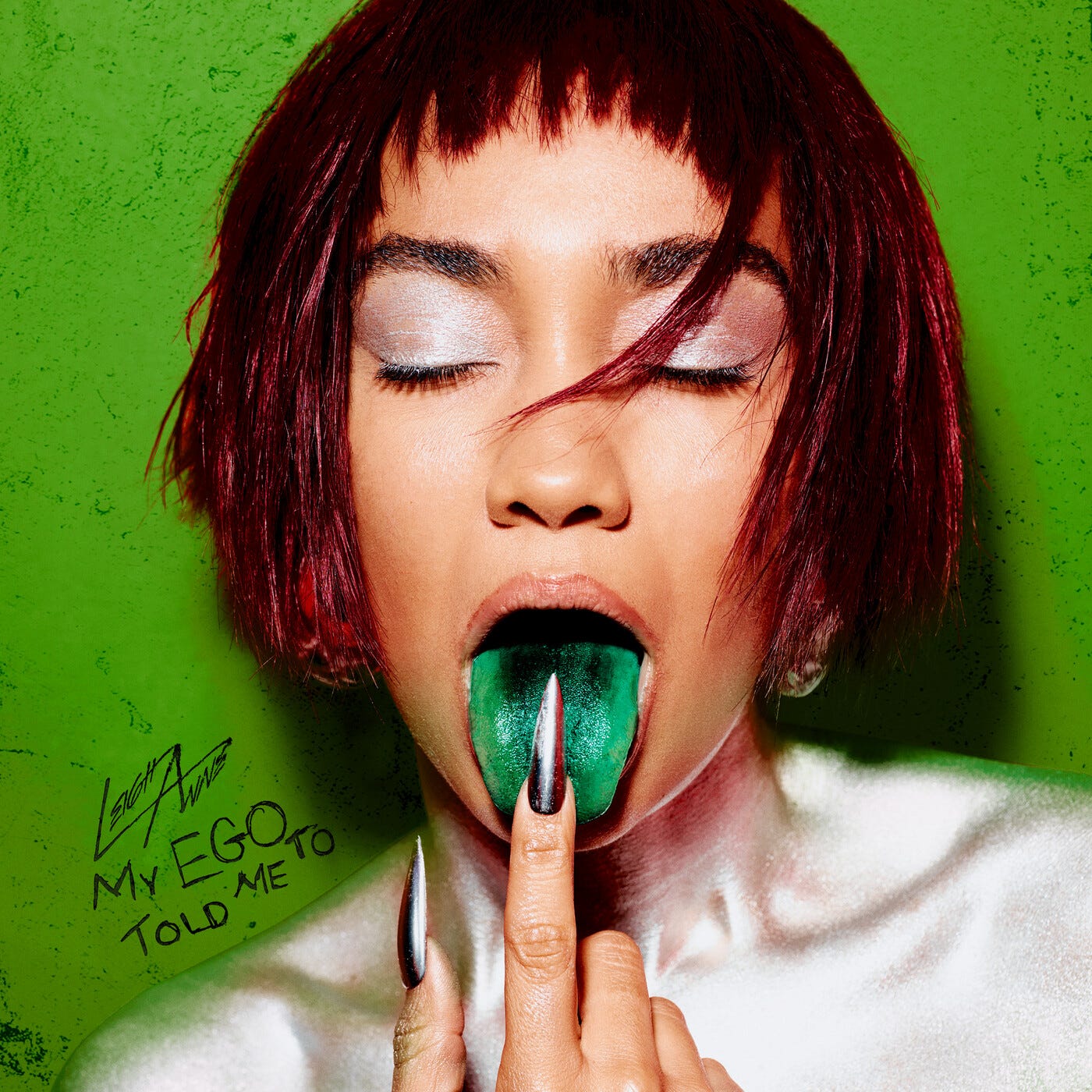
As a former member of Little Mix, Leigh-Anne Pinnock left Warner Records, went independent, dyed her hair red, and made an album rooted in the reggae and dancehall she grew up hearing at home. Three years after her first solo single, “Don’t Say Love,” My Ego Told Me To hits with a defiant energy, Pinnock says, that came directly from the frustration of butting heads with her former label. “Dead and Gone” in particular thumps with an aggression that earns its placement as a single, Pinnock’s voice riding a four-to-the-floor pulse with steel in it. The reggae lean is genuine and consistent throughout, though Pinnock stamps it with pop hooks and R&B vocal runs that keep the album from sitting in any single lane. “Tight Up Skirt” pulses with a dancehall strut and real sex appeal. “Goodbye Goodmorning” dials back to something more wounded and reflective, her voice cracking slightly in the lower register. “Heaven” features her daughters’ voices at the very end, a brief, disarming coda to an album about fighting for the right to exist on your own terms. She sounds liberated, which is exactly the claim the album wants to make. — Ameenah Laquita
Dominique Fils-Aimé, My World Is the Sun
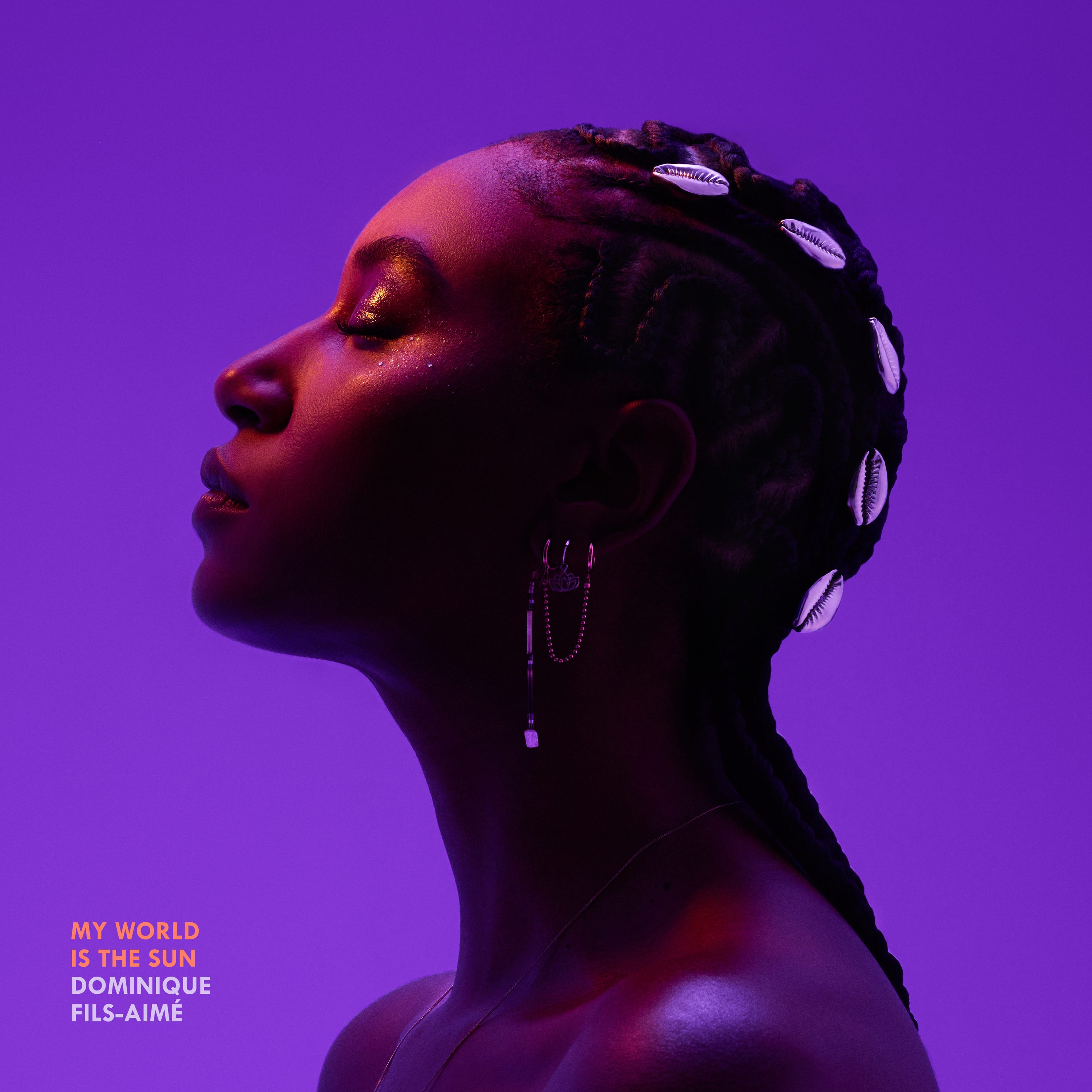
Claudette Thomas, Fils-Aimé’s mother, recorded herself singing a Patricia Carli tune on a cassette in the 1970s. That recording opens this album. On the last track, Fils-Aimé takes her own version of the same song a cappella. Between those two performances, the Montreal singer moves through jazz, soul, and blues as the second installment of a trilogy that began with 2023’s Our Roots Run Deep. Pianist David Osei Afrifa plays with a patience that gives Fils-Aimé room to stretch syllables until they soften into something closer to breath than speech. Percussionist Elli Miller Maboungou and tabla player Shawn Mativetsky bend certain songs toward West African and South Asian rhythmic patterns without anyone needing to call it fusion. “Life Remains” is the track that stays with you. There is a looseness to it, a willingness to let a held note exist without rushing toward the next phrase. Then a Francis Cabrel cover, just piano and voice, closes the set. Fils-Aimé spent the past two years playing over 150 dates across fifteen countries, and the road shows in how comfortably she inhabits these songs, even the ones that belong to other people. — Janelle K. Moore
Mitski, Nothing’s About to Happen to Me
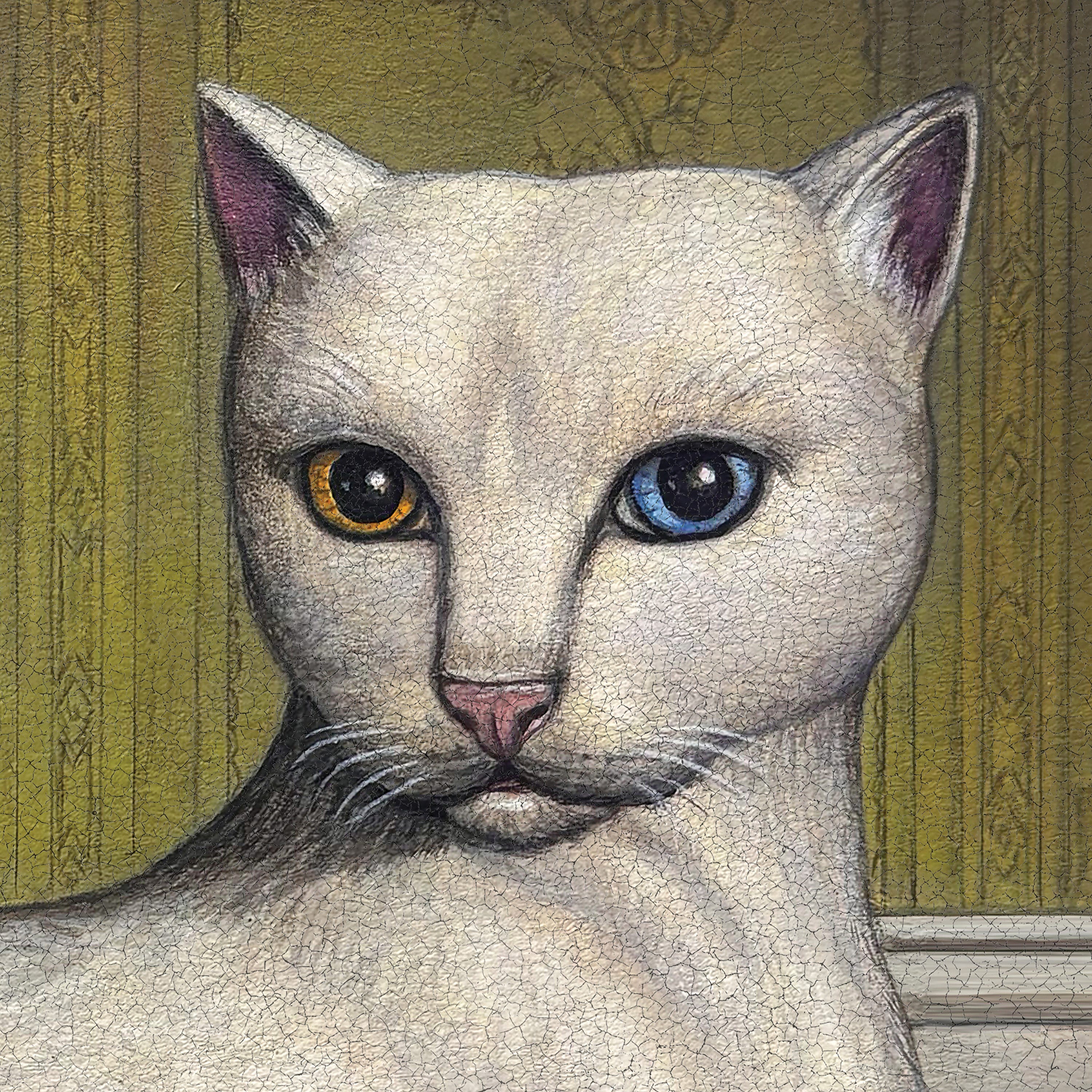
Mitski told a crowd of 20,000 at Merriweather Post Pavilion that she was almost done, as if reassuring them they wouldn’t have to be around all these strangers much longer. Nothing’s About to Happen to Me, her eighth album, gives that impulse a character and a house. Outside, she’s a deviant, inside, she’s free, and the songs move between small-town claustrophobia (”In a Lake,” where anyone you can get close to smells like your first love because there’s only one brand of soap sold in town) and the desperate arithmetic of a breakup. “I’ll Change for You” is a bossa nova-tinged ballad she wrote about being pathetic, about the bargaining stage of loss where you know it’s over, but you’re still drunk-dialing, still offering to rearrange your entire personality if it means they’ll come back. “Dead Women” pictures her as a ghost while friends and ex-lovers rewrite her life into something more heroic than it was. “That White Cat” channels PJ Harvey’s 4-Track Demos into a feral rant about a neighborhood cat claiming her house, guitars slamming, vocals howled, the whole thing unhinged and funny and a little frightening. The persistent suspicion that Mitski’s desire to vanish is the very thing that keeps making her impossible to ignore. — Charlotte Rochel
Tiana Major9, November Scorpio
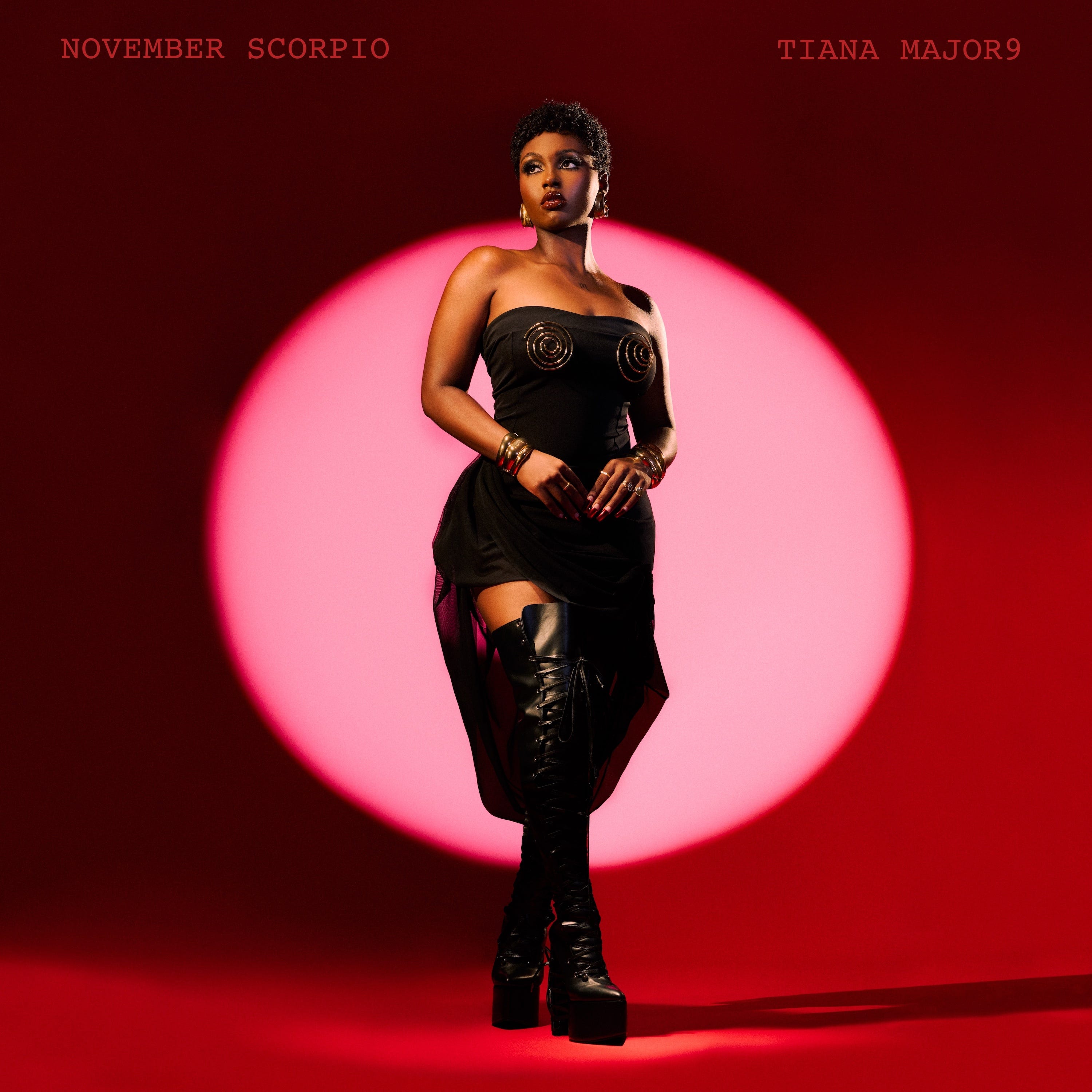
Tiana Major9 broke out in 2019 through “Collide,” a collaboration with EARTHGANG for the Queen & Slim soundtrack that earned a Grammy nomination for Best R&B Song. Four EPs through Motown followed. Then she left the label, signed with an independent imprint (+1 Records), and went quiet for two years. On “Money,” she personifies cash as a fickle lover who’ll desert her after one reckless encounter. She admits she’s “high key possessive,” which could scan as a cute conceit if she didn’t immediately anchor it in memory. She grew up counting pennies to buy basmati rice. The sharpest writing sits on “Shook One” and “desire.” The first borrows its title and a sample from Mobb Deep and aims that menace at a partner who refuses to talk. “I can’t read your mind if you don’t communicate” is the plainest bar on the record, and nothing else cuts deeper. Then “GRACE” arrives. She wakes up, smokes a spliff, walks her dog, and fakes composure. After the music drops away, a voicemail plays. A woman quotes Second Corinthians 12:9 and tells her she doesn’t have to earn rest. It’s the only outside voice on the entire album. November Scorpio is the sound of someone who stopped asking permission to be specific about the mess she’s actually living. — Phil
KJADE, On Everything I Love
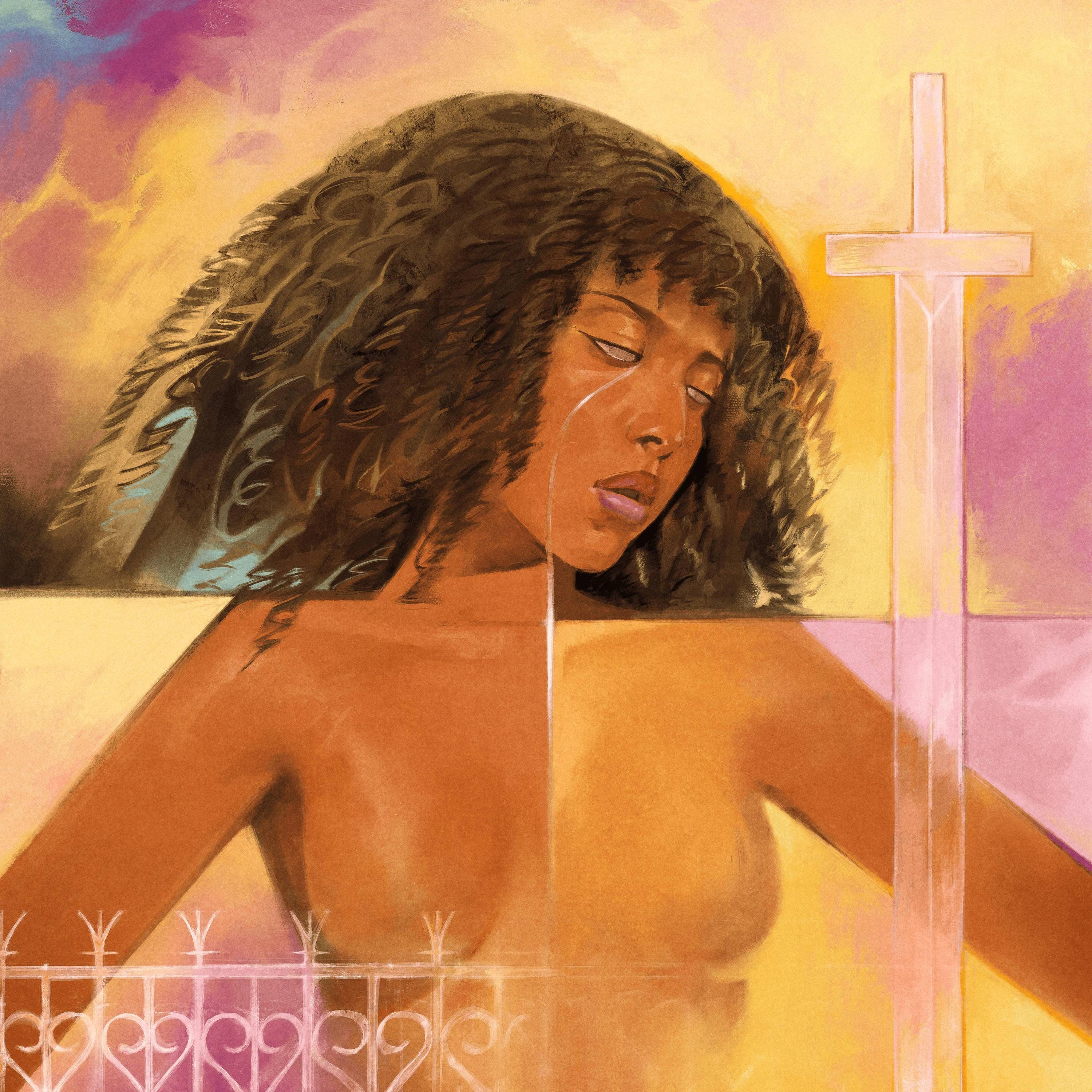
Before she ever rapped, KJADE was staging performance art exhibitions and modeling for Envy Mag. She moved from California to Arizona, started making music in 2022 with the single “REASON,” and spent five years building her debut, The Sound That Trees Make, produced entirely by Esteba. That record had the patience of someone who learned to sit still before she learned to write bars. On Everything I Love has none of that patience. On “Redbone,” she announces, “I’m on the hunt for my rapist to kill what weapons inside of me,” and then, a few bars later, names Phoenix as a place where people are coordinating not for the game but for her harm. She follows it with “Keep the raps high just to keep the rent low/I won’t stop till we free the Congo,” putting the rent and the Congo in the same sentence as that’s how her life actually works. On “Douglas,” she drops the most difficult bar on the album: “They almost killed me when I told ‘em all that you gon’ need some help/Asking a Black woman for something, well, she’ll go kill yourself.” That’s about requesting help and being told to die for it. On “She’s So Heavy,” she opens with “You not hard, you just aggressive,” aimed at one person who confused volume for substance, and by the second verse she’s asking for her mom, her sister, her nan at a funeral. “Superjail” starts with “Fuck going global, I’m going solo” and means every word, then refuses to trade on her own damage for clout: “No better chip on my shoulder just from the trauma.” She collects the dub like Tchaikovsky instead. — Noura Haddad
Absolutely, Paracosm
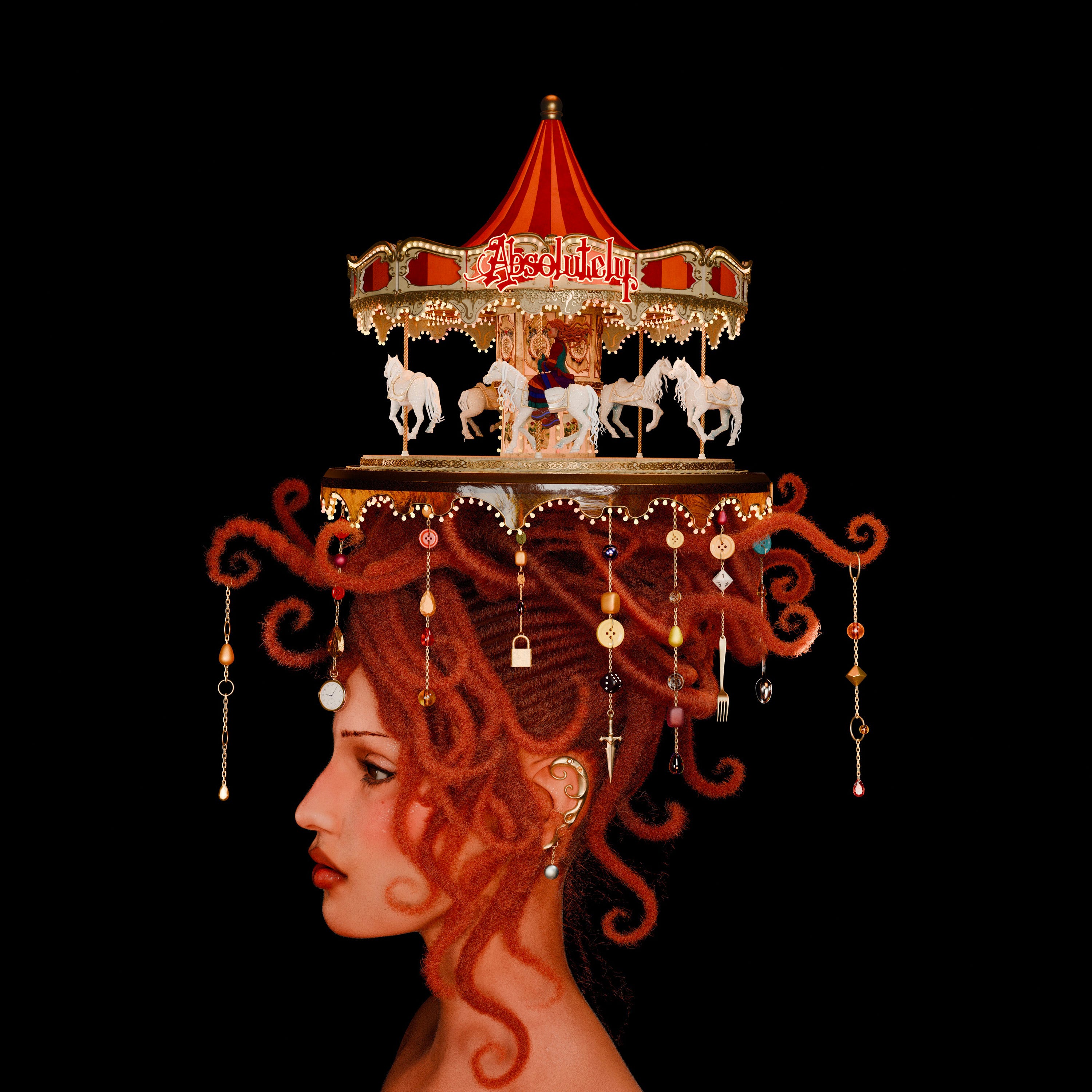
Abby-Lynn Keen grew up in London alongside her sisters RAYE and Amma, began writing for other artists, and contributed to projects by Pharrell, Giveon, Teddy Swims, and Tinashe before launching her solo career as Absolutely. Her 2023 debut, CEREBRUM, established her range; this second album was written after she returned to London from Los Angeles, and she has described that homecoming as the event that unlocked the record. “I Just Don’t Know You Yet,” the lead single, went viral last summer and started earning standing ovations on her opening stint for RAYEe’s arena tour. “No Audience” asks the sharpest question on the record: “Oh, can you visualize it?/Dancing without even trying/Moving your body out of timing/Does it ever get tiring?/Feeling like you do it all for show?” “Goodbye Glitter” pushes toward a darker, more dramatic register, while the title track opens with the delicacy of a music box before expanding. “Maybe some things are not meant to change, this life makes less sense as I age/The best pieces of me they remain, just a little bit strange,” she sings, accepting strangeness as a permanent condition rather than a phase to outgrow. A paracosm is a fully realized imaginary world developed over time. Keen built one in public, and it holds. — Charlotte Rochel
GENA, The Pleasure Is Yours
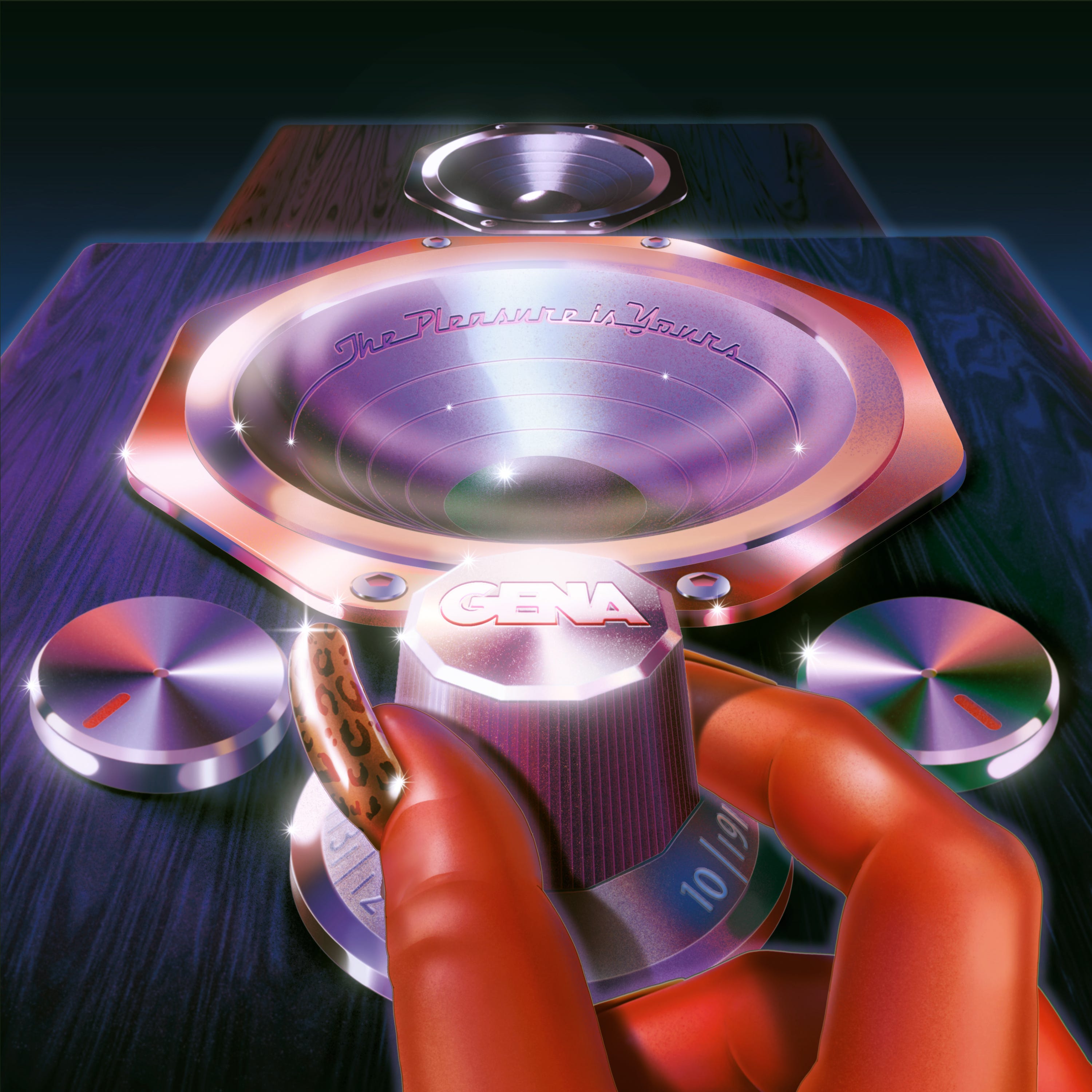
A duo that we never thought we needed. Liv.e and Karriem Riggins met through a mutual acquaintance and recognized each other fast. They started playing shows under the name GENA, short for “God Energy, Naturally Amazing”, and loosely borrowed from Gina on Martin, before anyone knew they were making a record together. Riggins has drummed for Common, Erykah Badu, The Roots, and Madlib. His rhythmic signatures have shaped records across two decades of hip-hop and neo-soul, and his solo work has always leaned into the conversation between jazz improvisation and beat-making. Liv.e, from Dallas, made her name with Couldn’t Wait to Tell You... and Girl in the Half Pearl, records where her voice changed shape from bar to bar. Here she sings, raps, and mutters across a percussive bed that Riggins keeps loose enough for her to wander. The album sits in the gap between Detroit and Dallas, between Dilla’s unquantized drums and Sun Ra’s cosmic patience and the flirtation of early-2000s neo-soul, but it never turns nostalgic. — Renée Halloway
Work Money Death, A Portal to Here
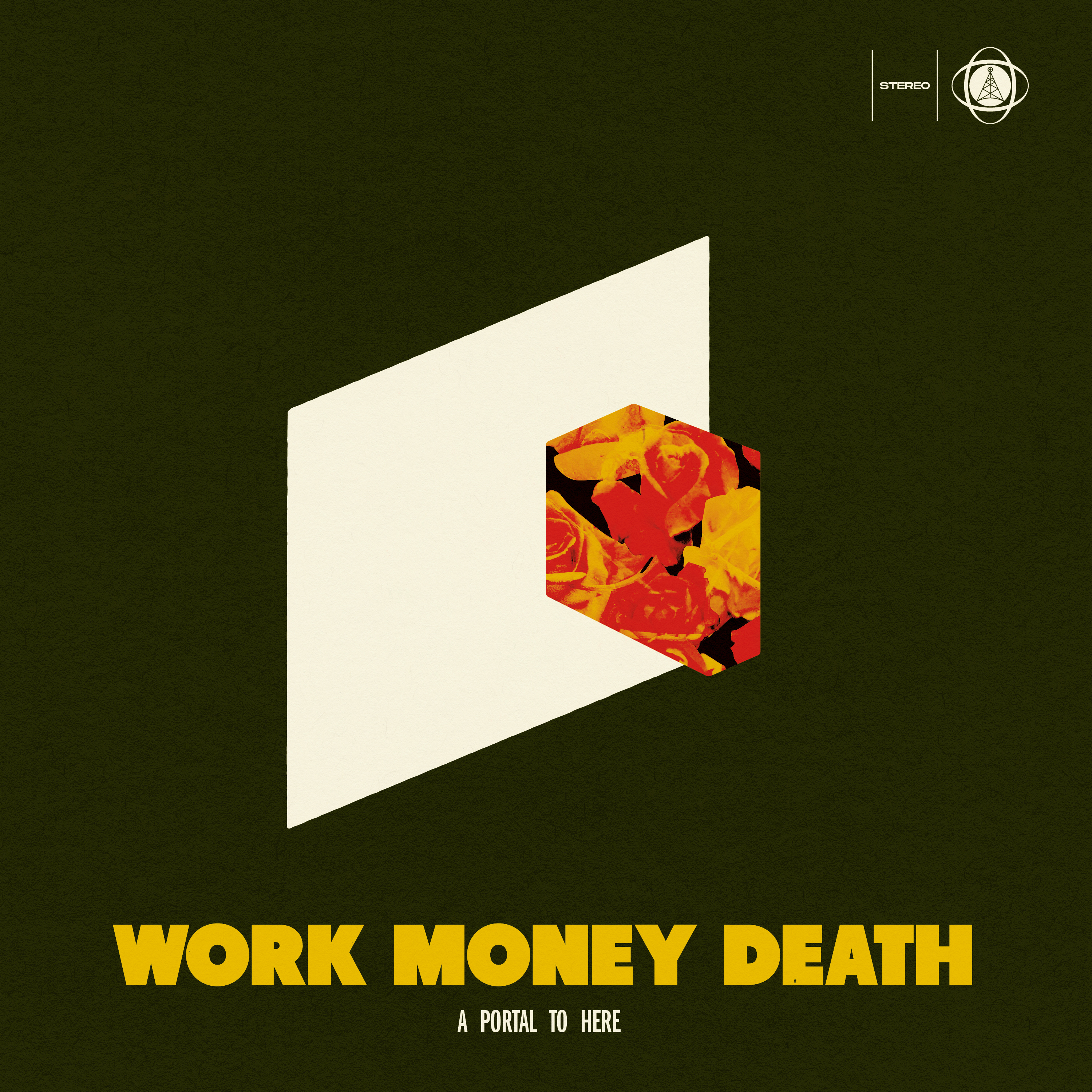
The Yorkshire spiritual jazz collective lost guitarist Chris “Earl” Dawkins in early 2025, and this album is his memorial. Tony Burkill on tenor sax, Neil Innes on bass, Sam Hobbs on drums, and newcomer Johnny Richards on piano form the core, with Alice Roberts on harp and a rotating brass and woodwind section that occasionally recalls Sun Ra’s Arkestra at full tilt. Handclaps run through every track, celebratory and mournful depending on where the music sits. “A Dance for the Spirits” carries a heavy foundation of baptism and blues, and Richards’ piano playing draws on what is plainly a deep knowledge of jazz history without becoming a catalog of references. “Brother Earl” opens with Burkill on flute over rhythms that evoke late-1960s open-heartedness, the kind of playing you hear on records that Impulse and Strata East used to issue. Burkill moves to tenor saxophone and, as on all four pieces, eventually climbs toward the kind of shattering emotional peaks that reward patience. “Sometimes It’s Death” names the worst thing and sits inside it. Influences span New Orleans to India to the Baptist church, and the horn sections, when they swell, lift everything around them. — Miles Everette
Bruno Mars, The Romantic
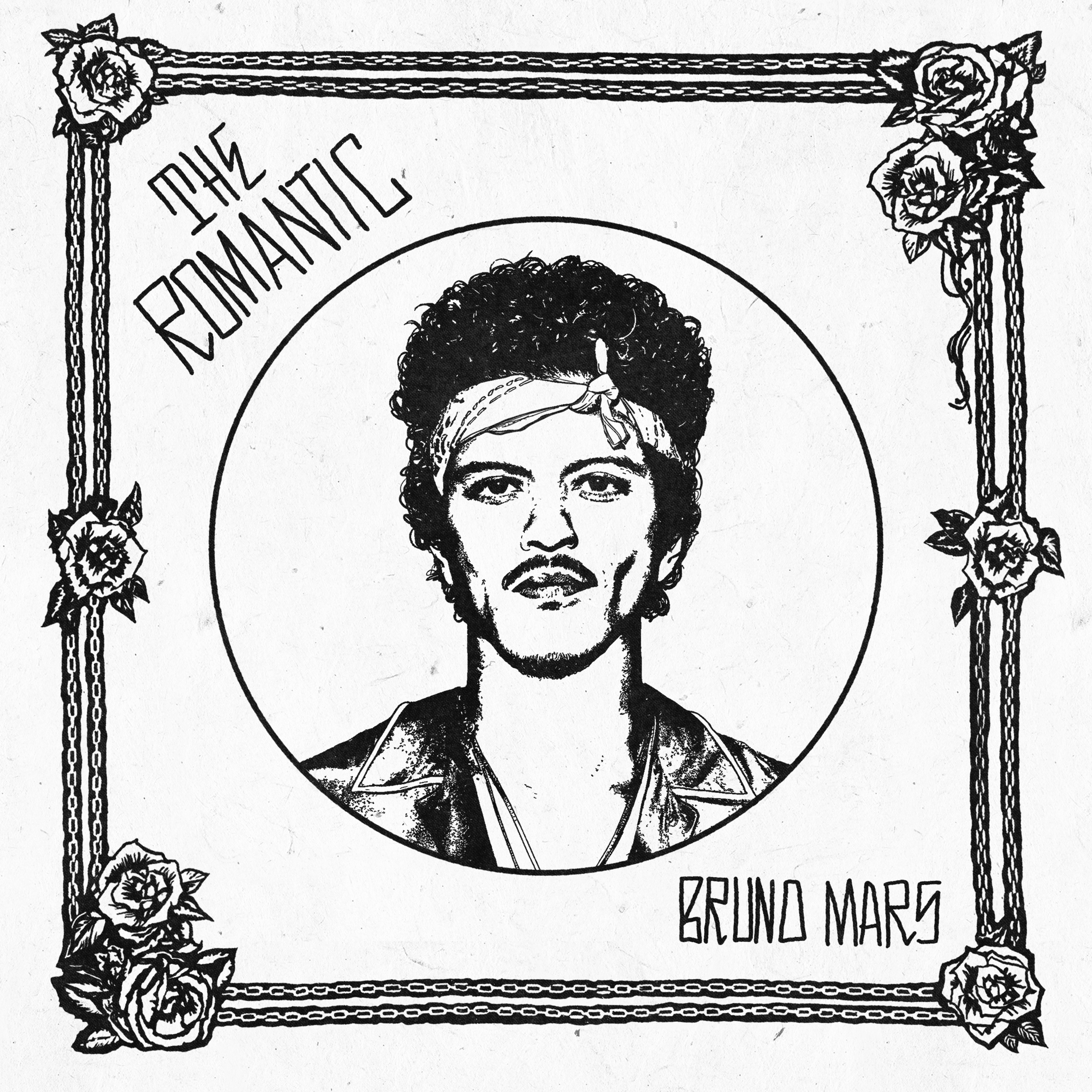
Every song on The Romantic could close a wedding reception, but none of them would rush the floor—they’d slow-drag it to a halt. Bruno Mars hasn’t released a solo album since 24K Magic in 2016. In the years between, he held a Las Vegas residency, formed Silk Sonic with Anderson .Paak, and proved he could land number-one singles without needing a full-length behind them. He turned forty while finishing this one, and the record sounds like it, pulling harder from cha-cha, bossa nova, and late-‘70s quiet storm than anything he’s attempted, trusting the songs to carry themselves. D’Mile, who engineered the warmest corners of the Silk Sonic record, co-produced everything here, and the collaboration keeps the arrangements band-driven and analog (even Dave Guy, Homer, and Leon Michels from Big Crown Records help contribute). “Risk It All” opens with an understated ballad, a gamble for an artist whose instinct has always been to grab you by the collar first. “God Was Showing Off” borrows its horn charts from somewhere near the pearly gates, and Mars delivers its best couplet grinning through every syllable: “Is ‘Heaven’ your name, or is it ‘Divine’?/Don’t matter, girl, it’s gonna look good next to mine.” “Why You Wanna Fight” revives the art of begging—he’ll call her mama, plead with all her friends—in the tradition of Al Green falling to his knees during “Let’s Stay Together” takes. — Chiamaka Boudreaux
alayna, Set Her Free

The New Zealand singer-songwriter’s second album, following 2023’s Self Portrait of a Woman Unravelling, spends most of its length in the room before liberation, where a woman checks the mirror and doesn’t believe what she sees, asks for reassurance and doubts it the second it arrives. On “Small Things,” care gets measured in a bleeding finger and a Band-Aid produced without being asked. “A little blood showed me something your heart’s made of,” alayna sings, and the image is so minor and so literal that the surrounding language never inflates. On “Love You More,” the bridge draws an extraordinary line: “I don’t own you, I/I just love you back/Simple as fact/I love you more than I love us.” That distinction, loving a person more than the relationship you share with them, sacrifices the couple for the individual, and almost nobody in pop writes that way. She follows it with “And if that weighs too much/I’ll gladly turn to dust,” naming a willingness to dissolve. alayna wrote across Aotearoa, Australia, Los Angeles, and Bali with primary co-writer Ben Malone, and the production keeps things warm and uncluttered, soul-inflected pop with R&B undertones. — Lillian Sharpe
Michelle David & The True-Tones, Soul Woman
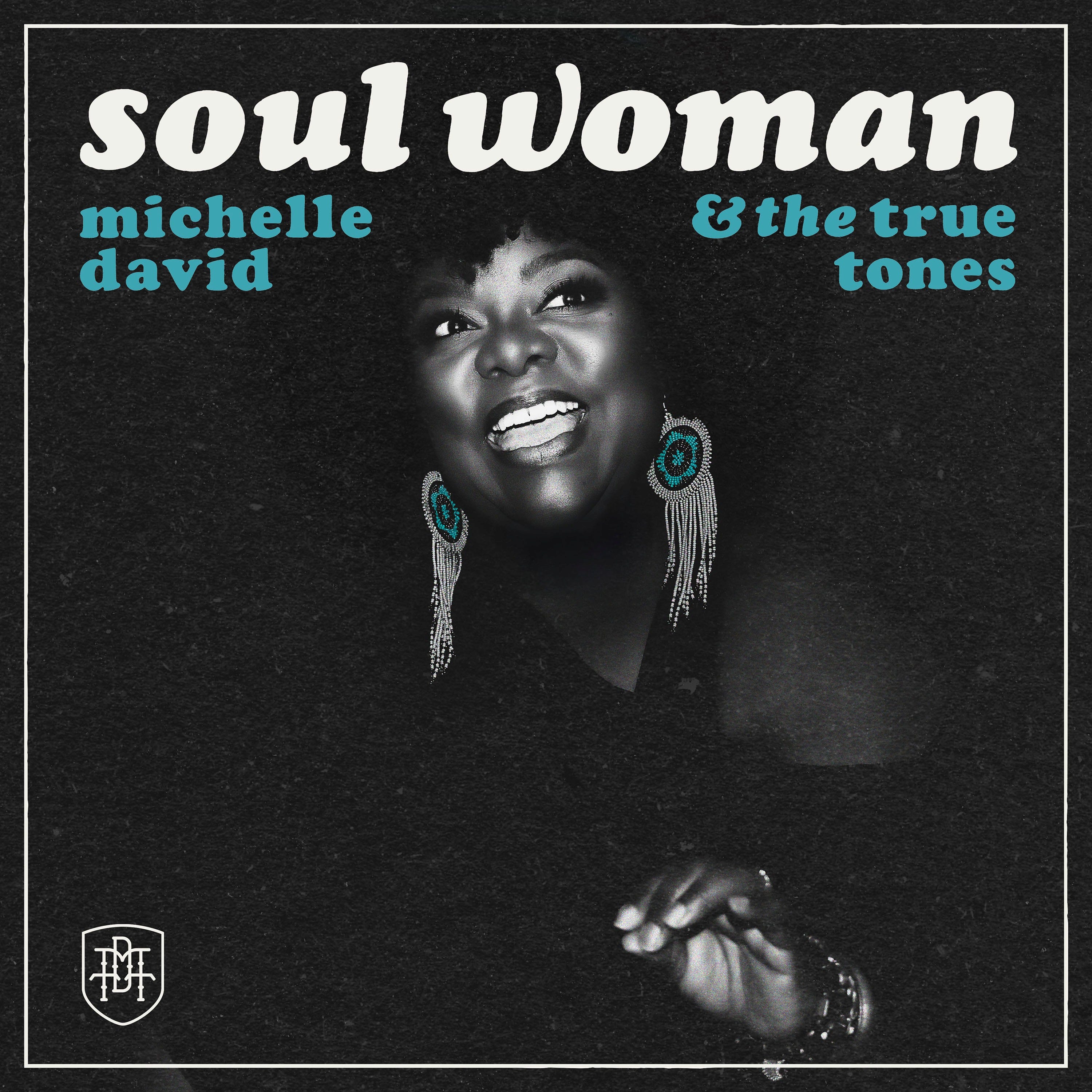
“How can I ask others to take time to reflect on their lives if I’m not doing the same myself?” Michelle David asked before making Soul Woman, and the answer turned her seventh album with The True-Tones inward. Their previous LP, 2024’s Brothers & Sisters, pointed its lens at the wider world. This one is a self-inventory. David, a New Yorker raised in church, started singing at four and joined her first group at five. She spent the decades between starring in Broadway productions, recording with Diana Ross, and eventually relocating to the Netherlands, where she formed The True-Tones with Dutch musicians Paul Willemsen, Onno Smit, and Bas Bouma. Soul Woman sounds expensive in the way that a three-piece band playing warm, tight, analog arrangements in a good room always does. Willemsen and Smit split guitar and bass duties while Bouma keeps the drums punchy and dry, a Muscle Shoals-style rhythm section small enough to leave David’s voice the widest possible lane. “Running” charges forward with the breathless urgency of a Northern Soul floor-filler, the kind of song designed to make you sprint to the dance floor before the chorus lands. “Golden Sun” races at a similar clip, blues-tinged and unrelenting. “I Thank You” is the fastest thing on the album, but David wraps around the tempo rather than chasing it, bending each note with the instincts of someone raised on gospel shout-singing. — Imani Raven
Ron Carter & Ricky Dillard, Sweet, Sweet Spirit
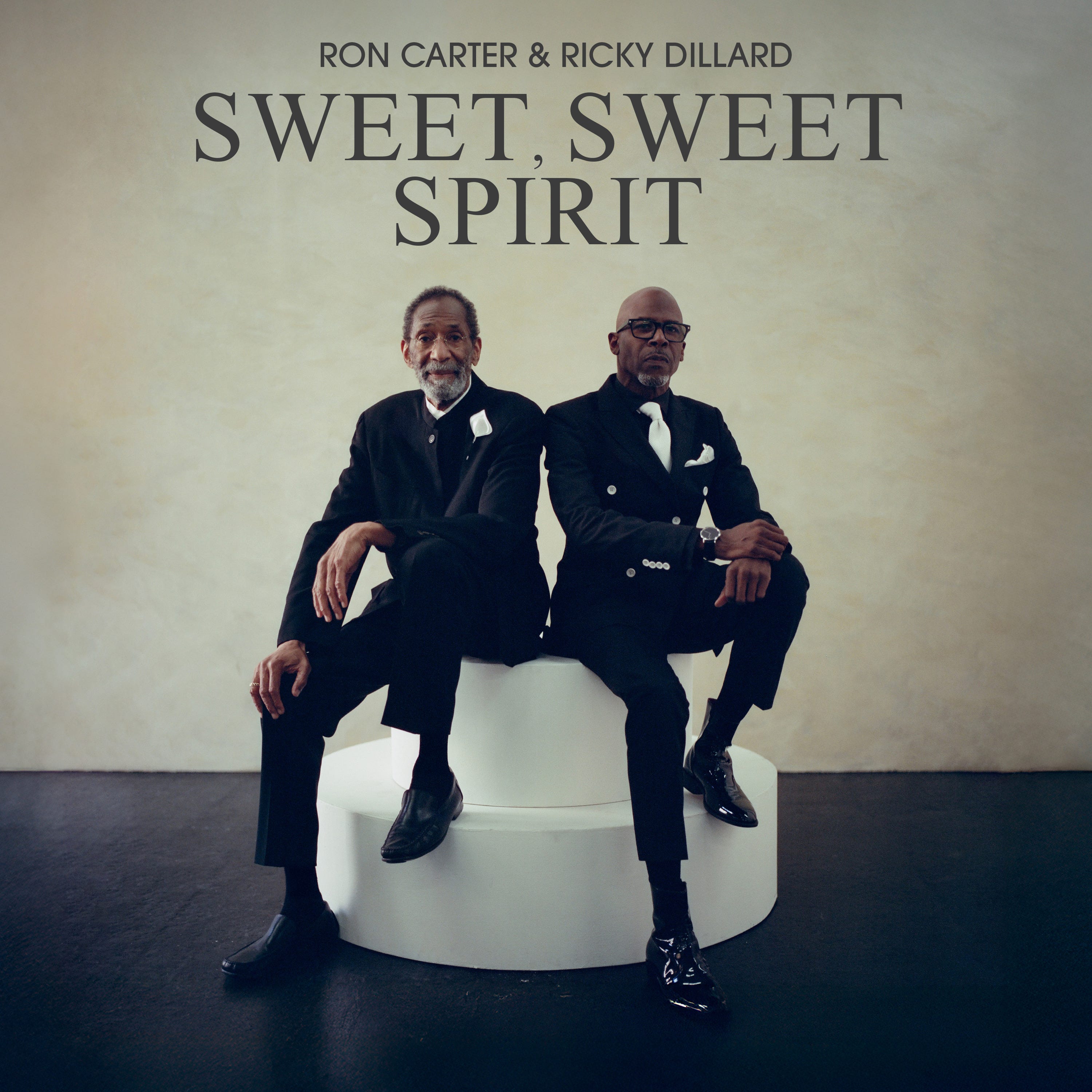
Ron Carter holds the Guinness record for the most-recorded jazz bassist alive, with more than 2,200 recording credits since his 1961 debut. At 88, he made a jazz-gospel hybrid for his mother. Willie O. Carter raised her son in a small Detroit church where the congregation sang without instruments, and when she was on bed rest toward the end of her life, she asked Ron to sit with her and sing the hymns of his childhood. He went home, recorded himself composing bass lines around those hymns, and brought the tapes back for her final weeks. The vision needed a choirmaster, and there was only one name on the list: Dr. Ricky Dillard.
“Pass Me Not” is a retro groove that dips into something almost funky while the choir holds the hymn’s emotional weight. Carter’s bass does what it has always done: anchor everything while moving through the harmony with a precision that makes the playing sound inevitable rather than virtuosic. These are songs with deep, independent histories in the gospel community, and Carter and Dillard treat them with both familiarity and discipline. Blue Note’s Don Was helped shape the concept. The result doesn’t modernize gospel or jazzify it so much as honor the fact that in Carter’s upbringing, these musics were never separated. Willie O. Carter’s church had no organ, no drum kit. The voices were the instruments. Her son, six decades into a career that rewrote jazz bass, circled back to that original congregation and put it on tape. — Harry Brown
Sideshow, TIGRAY FUNK
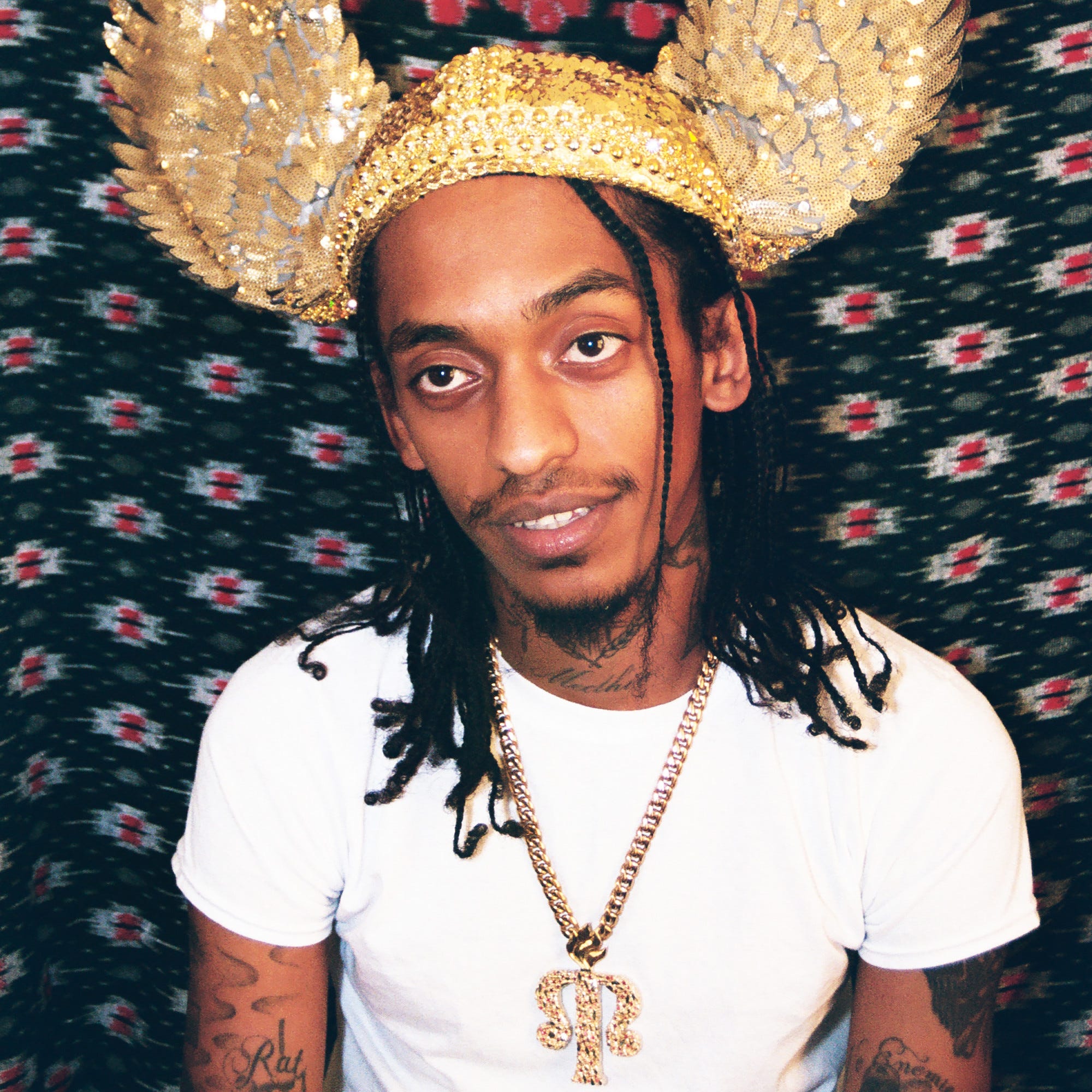
Born in Tigray, Ethiopia, Sideshow was raised in the DMV after his family emigrated, and settled in Los Angeles, and TIGRAY FUNK carries all three zip codes in its bloodstream. The album spans thirty-two tracks across four discs and an hour of runtime, which sounds unwieldy until you notice that most songs clock under two minutes. A recurring parable threads through the record about how animals became predators and prey, and Sideshow uses it to frame everything from the Tigray War (which killed hundreds of thousands of Tigrayans and displaced millions between 2020 and 2022) to serving as a teenager in the DMV to throwing dollar bills at the club while the speedometer hits 120 on the highway. On “LIFES AS VIOLENT AS YOU MAKE IT,” produced by Alexander Spit over a jaunty piano loop that contradicts every word, he asks, “You need advice, or you need a weapon?” and doesn’t wait for an answer. “MARTYR MOST HIGH” rides an elegiac beat that could have drifted off an unreleased MF DOOM session, and he admits flatly that he doesn’t trust white people. “ALENA(ኣለና)PARADISE LOST” names the cruel math directly: the rich get richer while the poor get their wages cut. It’s the work of someone stitching a war-torn homeland, an adopted country that keeps confirming his worst suspicions, and a bruised personal history into a single garment, and wearing it without apology. — Termaine M. Scott
Jill Scott, To Whom This May Concern
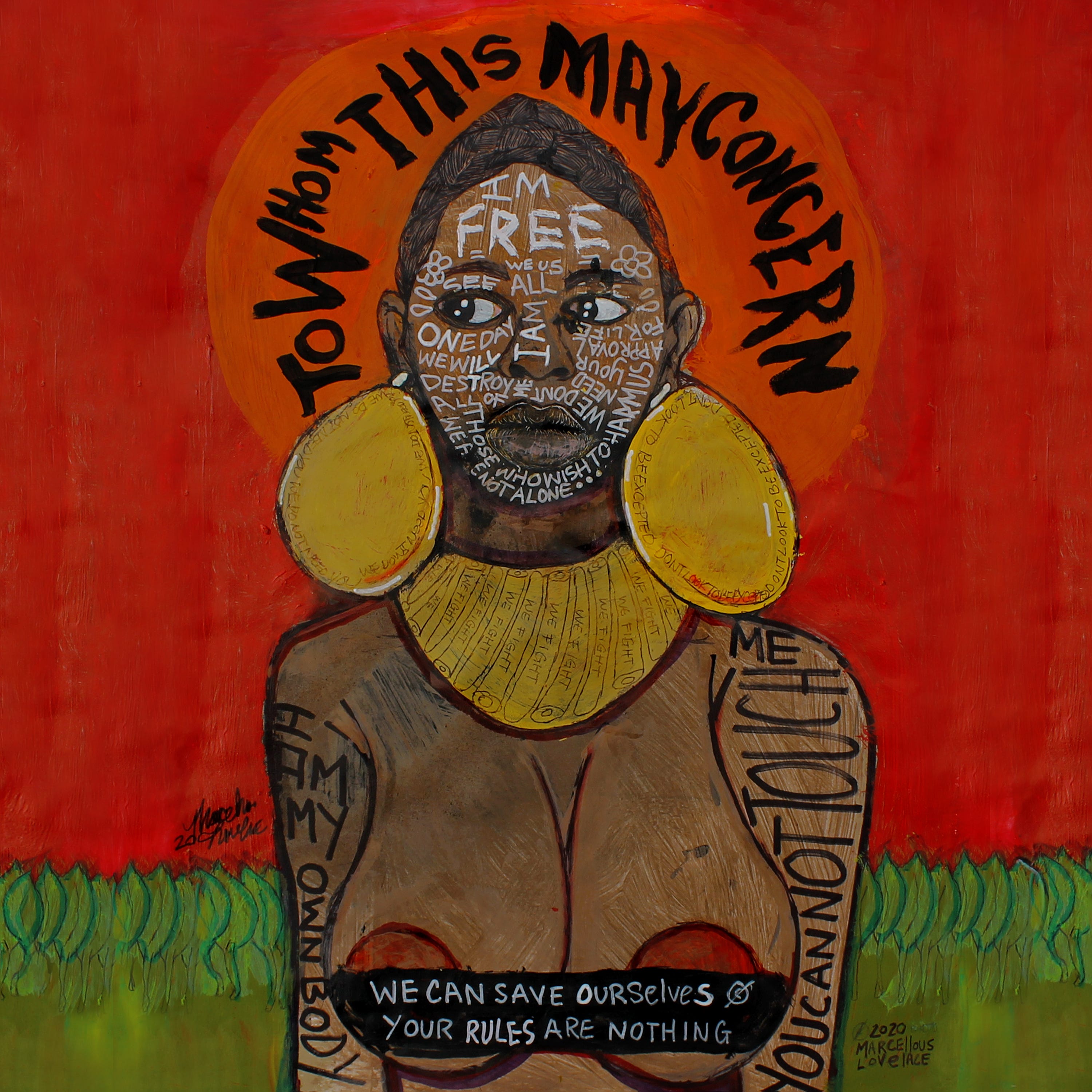
Eleven years between records, and Jill Scott came back swinging with both fists, one wrapped in silk, the other in brass knuckles. “I married a bitch,” she announces on “Me 4,” running through the wreckage of two dissolved marriages with the same comic directness she once brought to songs about bubble baths and incense. “Dope Shit” opens with Maha Adachi Earth proclaiming her own goodness before Scott even touches the mic. Scott has always preferred to arrive in company. The Philly songwriter’s sixth album belongs to a woman who spent a decade collecting things she needed to say and found that most of them still applied. “Be Great” stacks horn punches from Trombone Shorty under Scott’s self-coaching, and when she tells herself, “I’ma go ahead and be great, why not?” it lands without hesitation, a statement delivered mid-stride. “A Universe” catches her off guard by love after she had written off the possibility. “I felt like my love life was finished/I was satisfied, believe me/I got my music, my family/Genuine friends who love me,” she admits, and the surprise is genuine because the contentment was, too.
JID slinks onto “To B Honest” with a verse packed tighter than anything else on the album, and the contrast between his compression and Scott’s spaciousness makes the song bigger than either voice alone. “Beautiful People” swings from Valentine warmth to critiquing “algorithms and wicked, wicked systems of things” without breaking its groove. “Pressha” puts the weight of beauty myths, status games, and social expectation into one word and then shrugs it off. To Whom This May Concern is a big record because she had specific people to talk to. She sasses ex-husbands, consoles young women asking her about love on “Right Here Right Now,” salutes DJs who championed her voice on house tracks, and invokes ancestral lineage on “Àṣẹ” with the authority of someone who actually tended those relationships through her silence. — Kendra Oluwaseyi
Chris Crack, Too Late to Start Following the Rules Now
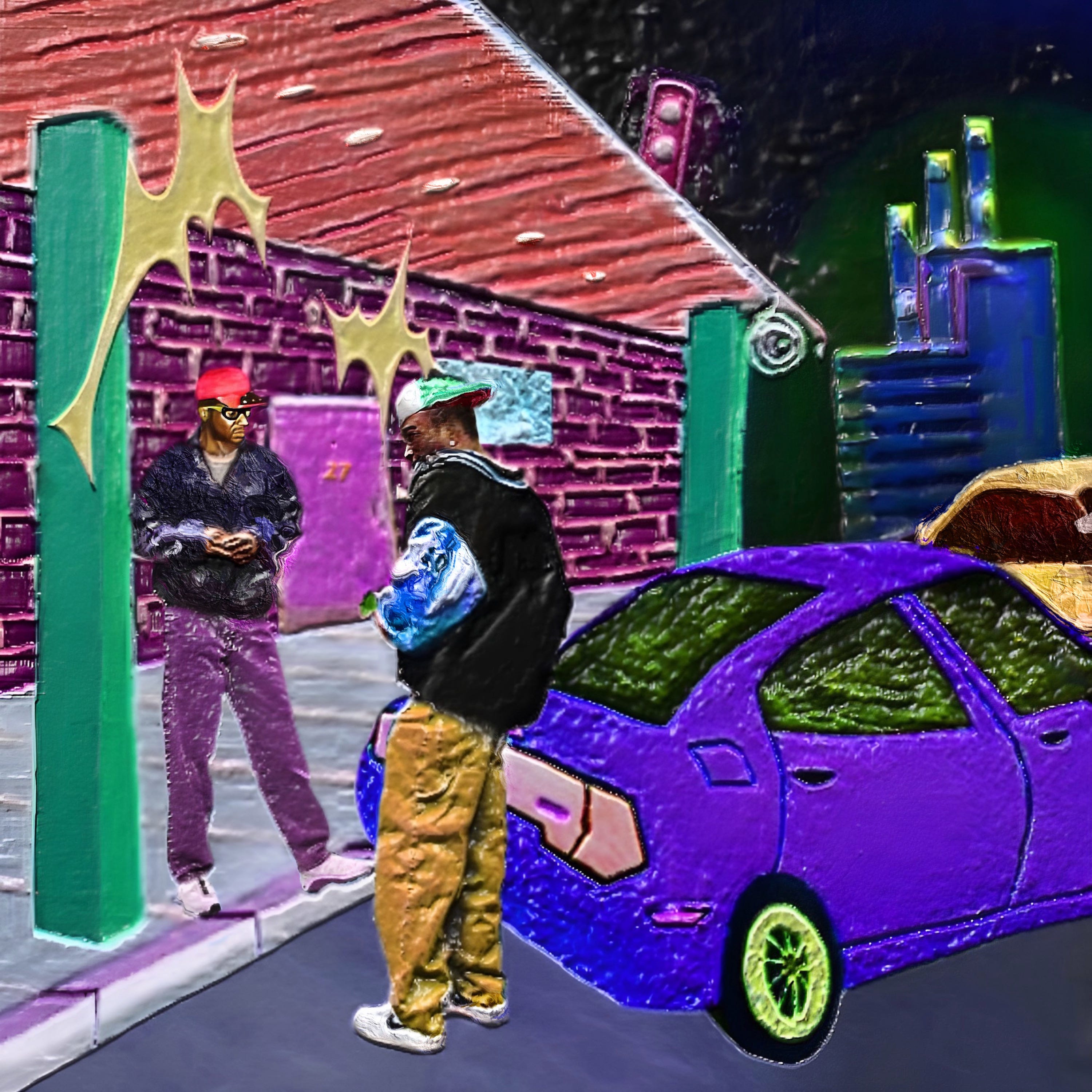
Nobody in Chicago rap right now is funnier than Chris Crack, and almost nobody is more prolific—twenty-four albums since 2018, each one clocking in short enough to finish on a lunch break and dense enough to quote for the rest of the afternoon. Too Late to Start Following the Rules Now, his second outing on Fool’s Gold after 2021’s Might Delete Later, gives him his biggest production budget yet, starring Madlib and Hudson Mohawke behind the boards, Bruiser Wolf, Sir Michael Rocks from The Cool Kids, and undersung Chicago veteran Shawnna cameo on “Don’t Wear Your PFP Outfit on the First Link” grounds the absurdity in Chicago lineage, a veteran riding shotgun through somebody else’s fever dream. Crack stays planted at the center of it all, his signature deliver slipping between advice, sex, pop-culture tangents, and confessional biography without signaling the transitions. But Crack isn’t only jokes. On “My Brother Knew the Real Angelo Roberts,” he breezes through complicated relationships with his parents, sleeping with older women as a teenager, and leaving college, all with the speed and flatness of somebody who processes heavy material by refusing to slow down for it. He has Devin the Dude’s gift for everyman fables and Kool Keith’s appetite for the absurd, and he’s been saying the same wild, specific, frequently filthy things for years, but he keeps finding new people willing to stand behind the camera and yell action. — Quinn Baptiste
CRIMEAPPLE & Evidence, War Cash

Spending and suspicion share a lease on this record. CRIMEAPPLE, from Hackensack, of Colombian descent, has released an almost absurd number of projects since 2017, most of them thick with threats that double as punchlines. Evidence, the Dilated Peoples co-founder and Rhymesayers fixture, produced every beat on War Cash with sparse drums, deeply pitched backdrops, and a muffled mix that suits CRIMEAPPLE’s flat, conversational delivery. The whole thing was announced less than 24 hours before it went up. On “Dr. Scholl’s,” CRIMEAPPLE brags about needing twenty hands to count his plugs, watches “life decay,” and cuts a friend loose for gossiping. The funniest image on the entire project sits here: doing graffiti on his foot in doctor’s shoes because he “ran it up so much, I got rotten toes,” a few bars from a blunt concession that loyalty expires. “Karachi” sends product overseas and rinses blood off cash in water without flinching. The most unsettling line on the project has no punchline at all. “Put my cash in the water, rinse the blood off,” stated with the calm of describing a chore. On “Last Day,” he talks about “Kevlar everything,” about keeping his life “hater-proof,” about developing “a colder demeanor” and putting “an ocean between us” after success. He chose “options more tropical, maybe less logical” and bet on crime “every single day and twice on Sunday.” — Nehemiah
Moonchild, Waves

Amber Navran, Andris Mattson, and Max Bryk met at the University of Southern California in 2011, where all three studied jazz. Fifteen years later, their sixth album is their first built around grief instead of romance. D’Angelo’s death in October 2024 shook their core; they had to announce Waves the same week he passed. “He’s our north star,” Navran said. “There really wouldn’t be Moonchild without D’Angelo.” Waves features Jill Scott and Rapsody on “Not Sorry,” Robert Glasper and D Smoke on “Up From Here,” Lalah Hathaway and Chris Dave on “For Yourself,” PJ Morton on “Fear (Hey Friend),” and Elena Pinderhughes on flute throughout, plus string players from the Latvian National Symphony Orchestra. The album was recorded in person after Starfruit (2022), their Grammy-nominated LP, was made remotely during lockdown, and the difference in proximity shows. “Strong” asks for a shoulder rather than offering one: “I didn’t need you to be strong/I needed someone/Someone to cry with me/Someone to hide with me.” “For Yourself” turns the gaze outward; Hathaway sings, “Dust off your cape/Get your mind right/It’s time to fight, girl/Fight for you/Don’t you let nobody/Take you back there.” “Ride the Wave” surrenders to the rhythm of loss and reformation. You can tell that the love songs are gone, replaced by songs about surviving the absence of the people who made the love songs possible. — Yara Blake
Charli XCX, Wuthering Heights
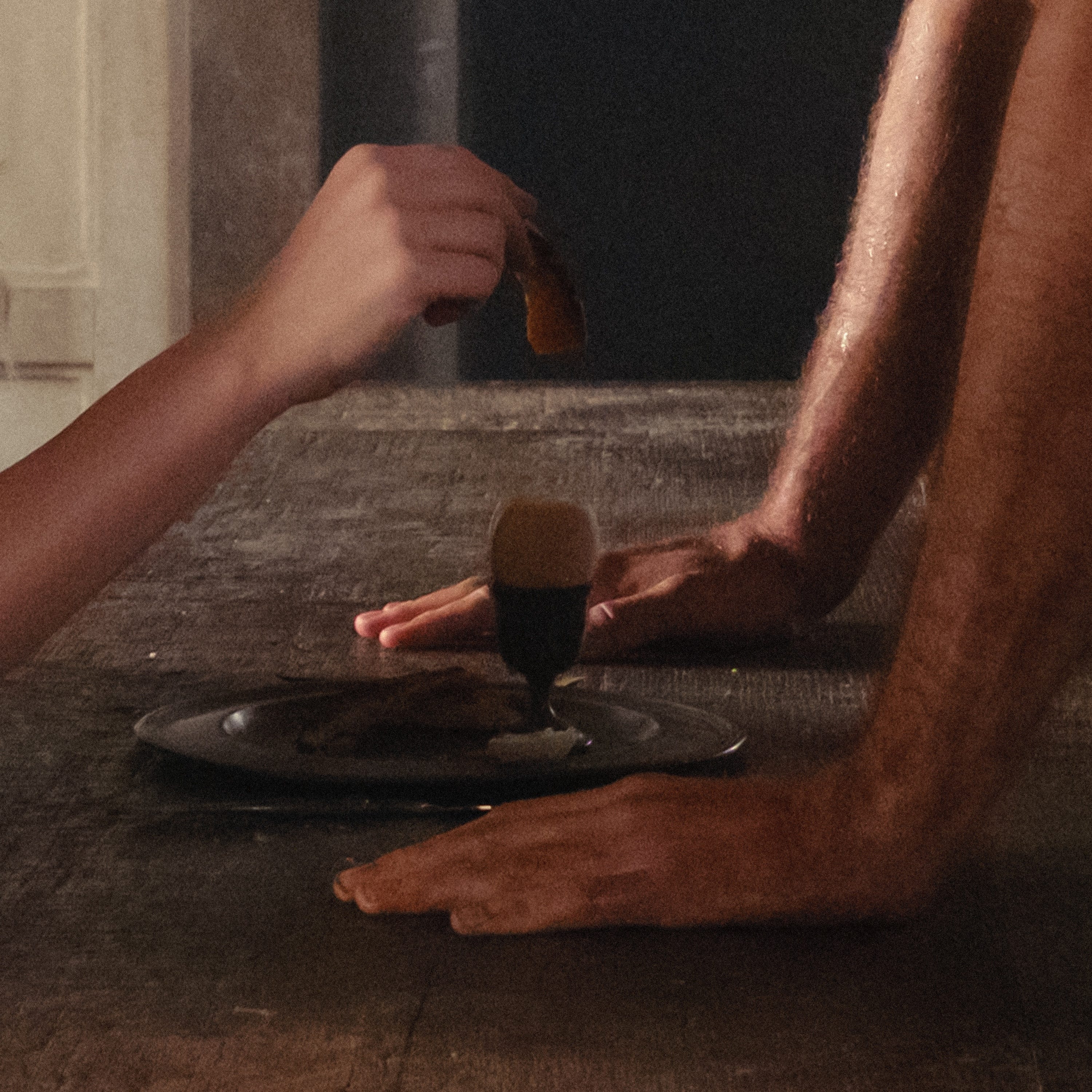
Emerald Fennell messaged Charli XCX in December 2024 asking for one song. Charli read the screenplay for Fennell’s Brontë adaptation and came back with a counteroffer of twelve. She and Finn Keane recorded the album in rented studios between dates on the Brat Tour throughout 2025, and the finished product shares almost nothing with that record’s neon euphoria. Wuthering Heights is a set of miniatures about confinement, desire, and the terror of needing someone so badly that it stops being distinguishable from hatred. “Dying for You” is the track closest to Brat territory, its club-ready pulse cut against lyrics about aching entrapment, and the song stays taut because neither side wins. “Chains of Love” carries a synth-pop lilt that Charli herself linked to her 2013 debut True Romance, and hearing her circle back to that wounded, lovelorn frequency while riding the biggest commercial wave of her career suggests the pivot was less about Fennell’s script than about something she had been postponing. Sky Ferreira rises through “Eyes of the World” like a specter. “Always Everywhere” was released the same day as the film, and its plainspoken need is both a love song and a petition. As a mood piece connecting her old sound to something genuinely haunted, it’s a striking maneuver from someone who could have coasted on Brat-adjacent material for years. — Darryl Keyes