

Five 2000 R&B Albums That Lived in the Shadows
Between Moore’s polished risk, Sweat’s unshaken slow-jam discipline, K-Ci & JoJo’s Southern-soul obsession, and more, these albums show how messy, adult, and oddly fearless that year really was.
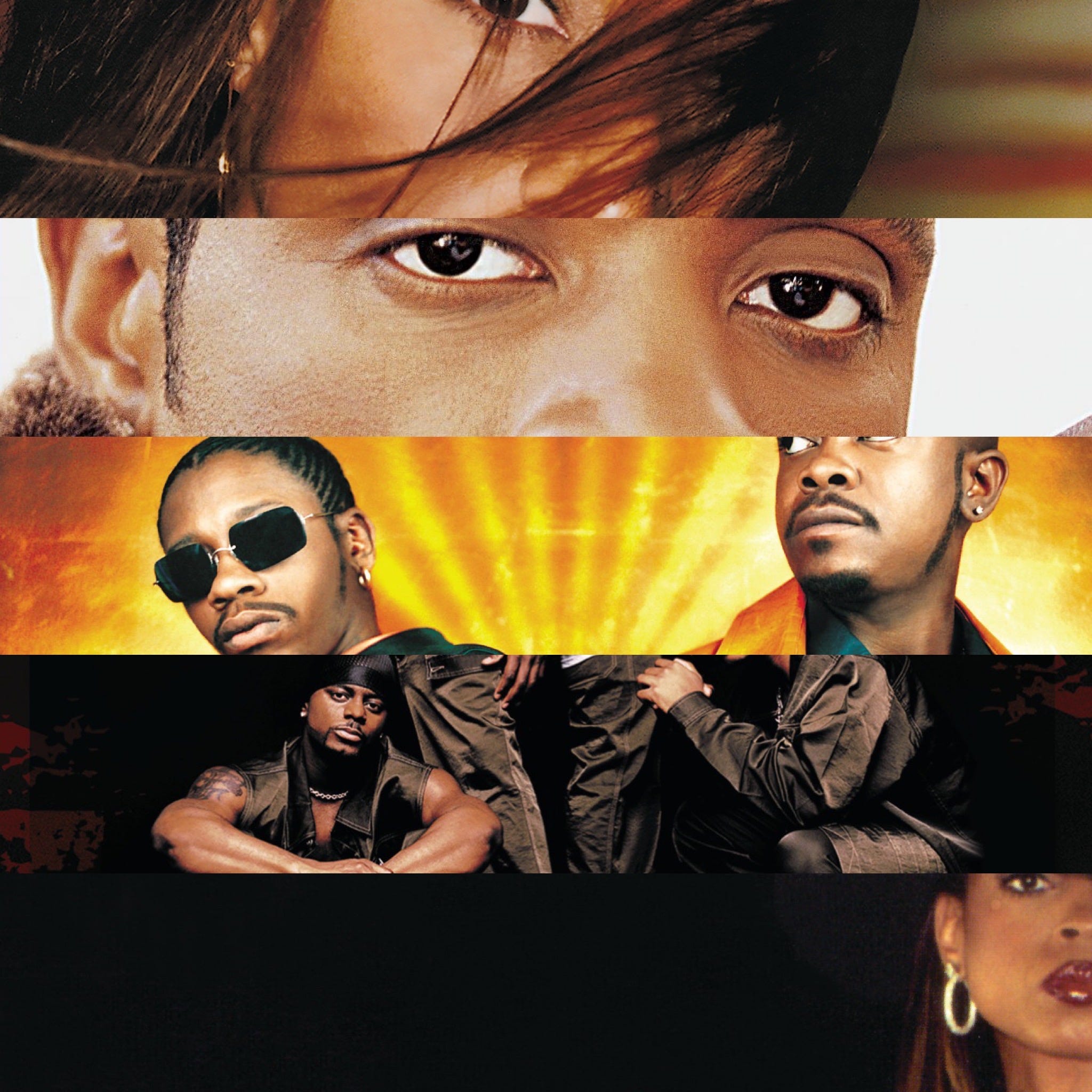
Twenty-five years later, the year 2000 feels like a hinge—R&B standing between analog luxury and digital precision, between the old A&R era and the algorithm’s rise. Five 2000 R&B Albums revisits that crossover moment, when singers, producers, and labels were still negotiating how grown-up soul could live inside a pop machine. The series looks back at that moment through the projects that defined its balance, where records caught between slow jams and singles culture, between the sound of human touch and the pull of technology (even if specific albums aren’t rated highly or are forgotten amid competition).
Chanté Moore, Exposed
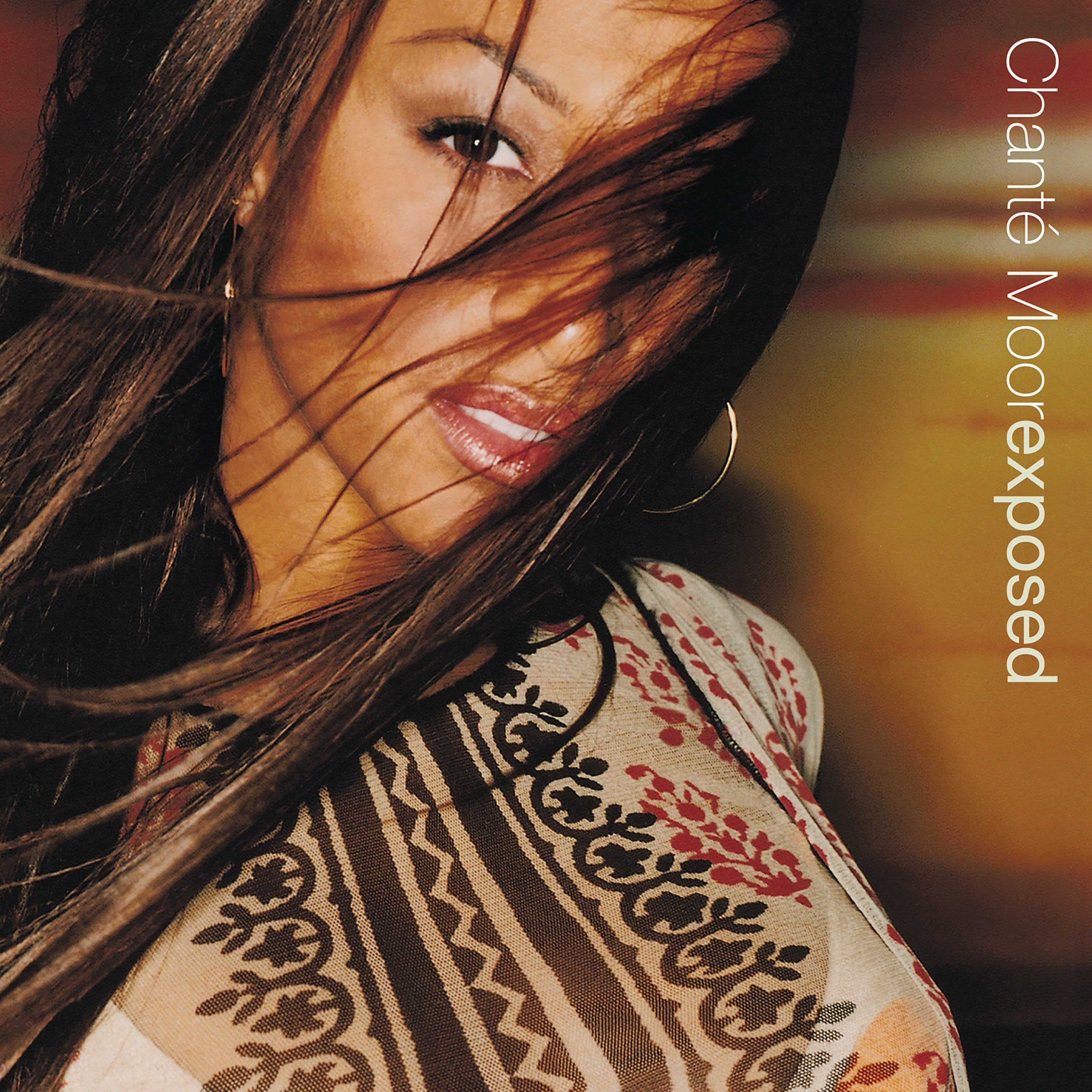
Since the advance single “Straight Up” was already causing a huge stir on the streets back in 2000, I imagine readers of Shatter the Standards are more than ready to revisit this with fresh ears. Still, when you think about it, the gap since the previous album is shockingly short, to an extreme. Roughly a year—this kind of quick follow‑up is very rare for a recent major release. On top of that, she’s pulled off a completely natural image change, so the surprise is doubled. To jump to the conclusion: Exposed is, without a doubt, a sleeper that will later be talked about as one of her definitive works. The previous album was certainly great too, but the level of fulfillment here is on another scale. To be honest, there is a part of me that’s still floating from the shock of “Straight Up” mentioned above. But the fact that just a single song can leave you that dazed—that’s already straight-up magic.
The producer is Jermaine Dupri. And yet, when you see the name of one co‑writer in the credits on this unusually un‑Dupri‑like production, everything suddenly makes sense: Bryan‑Michael Cox. Of course, it’s him. From the Chanté we’ve known up to now, you could say this approach is a bit on the heavy side, but that actually sends the album’s tension soaring all at once. Riding that updraft, the songs that follow seem to shine even brighter. Bryan, teaming with Dupri on “Go Ahead With All That,” and also backing a promising newcomer, Donnie Scantz, on “Man,” has created material more than rich enough to immerse yourself in her world. Chanté’s vocal, fluttering and dancing to match each song’s mood, suddenly seems to have a new kind of gloss that wasn’t there before.
Of course, even beyond those, the album’s percentage of real gems is extraordinarily high. Among them, the Jam & Lewis production “Better Than Making Love”, a follow‑up to their work on the last album, is a wonderfully rich medium‑tempo track where the magnetic fields of both parties’ charms strongly attract each other. Then you have Tim & Bob from the Atlanta connection, Christopher “Tricky” Stewart, West Coast representative Jamey Jaz, and the great Laney Stewart, who has been right at her side since the first album—together they all bring out their best repertoire and throw a grown‑up party with her. The way the record faces the winds of the times is incredibly smooth; this is, without question, one of the bombs of 2000’s second half. — Asa McKenzie
Keith Sweat, Didn’t See Me Coming
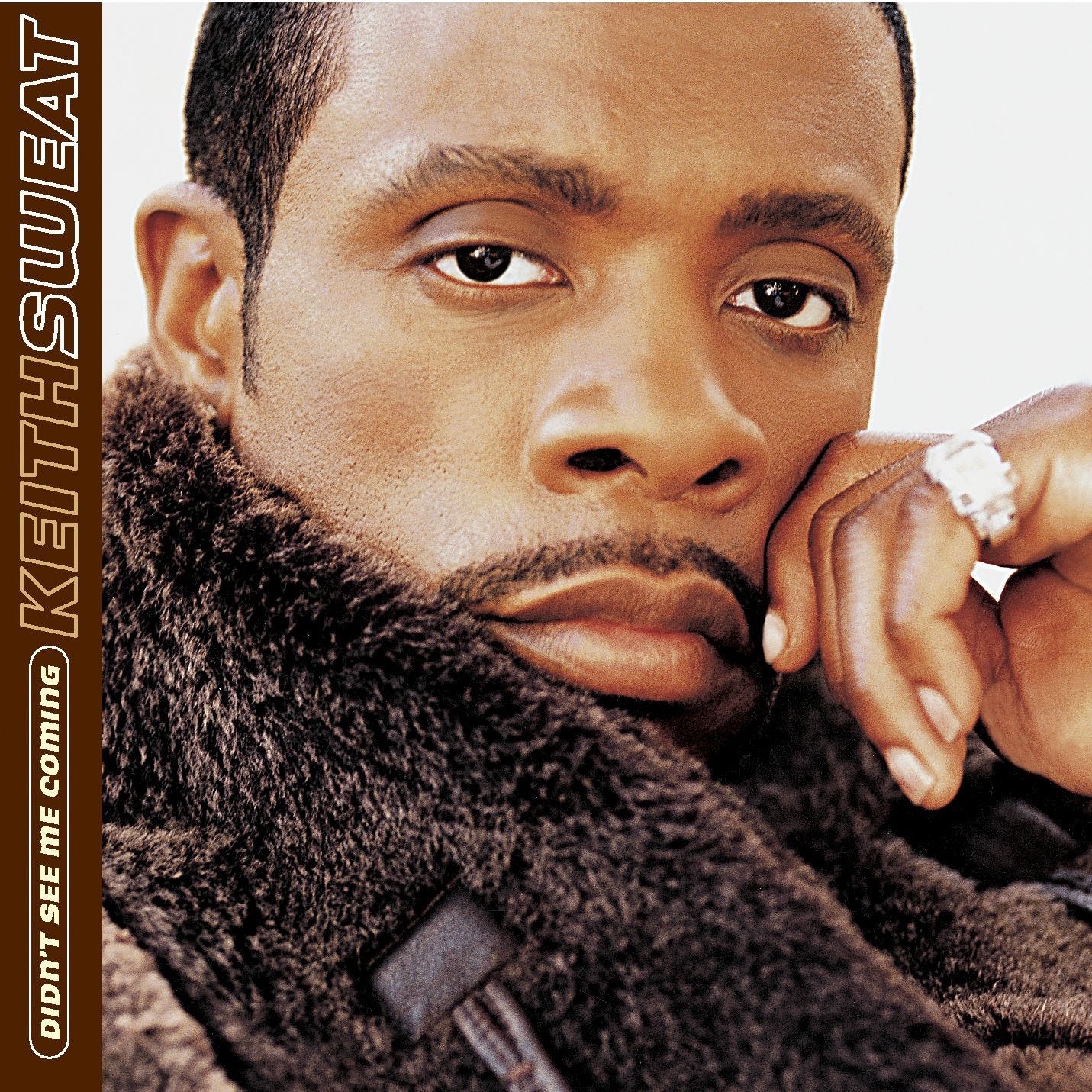
From his debut in ‘87, it’s already been 13 years. No one feels that more than Keith himself. The intro, which runs through snippets of his past hits, feels like a declaration that he’s drawing a line under everything he’s done so far and making a fresh start. Yet once you listen on, though the production credits have changed here and there, we’re once again plunged into that same slippery, silky Keith Sweat world that can only be described as uniquely his. Didn’t See Me Coming comes two years after the previous Still in the Game, and is his seventh studio release overall. At this point, there’s practically no one but Keith who has been able to keep delivering such consistently high‑quality work for more than ten years.
If the hook on the last album was the Snoop guest appearance, then here it would have to be “Things,” featuring Busta Rhymes and Rah Digga. “Things” is a hard‑hitting uptempo track produced by newly drafted Steve “Stone” Huff, and together with another cut in the same vein, “Satisfy You,” it’s a very Huff‑like piece: even while adding real weight to the bottom end, the vocals are pushed right up front. Huff, whose fine work for Joe and Avant is also unforgettable, shows outstanding skill on the medium‑slow tracks he co‑produced with Keith, “Games” and “Why U Treat Me So Cold,” and those upper‑range vibes help boost the album’s overall tension. The Rodney Jerkins collaboration “I Put U On” also makes for a nice accent. Even so, Keith’s commitment to singing straight through in his own style never wavers in the slightest.
This time, though, one point that differs a bit from the previous album is how actively he brings in female voices. On “Whatcha Like”, co‑written with old‑school Bobby Crawford, a woman called KiKi goes toe‑to‑toe with Keith, and on “He Say She Say” he invites T‑Boz as a guest for a full‑on “chest‑voice” duet. Then, as if to fill the hole left by Cut Close, who sit this album out, there are plenty of tracks with female backing vocals as well; “Real Man” in particular has a very “Twisted”‑like feel that’s oddly reassuring. On the gospel‑tinged ballad “I’ll Trade (A Million Bucks),” Lil’ Mo’s clear voice—like a cross between Coko and company—rings out beautifully; this one is wonderful too. Incidentally, Dee Dee and Andrew “DL” Lane, who co‑produced “He Say She Say” and “Real Man” with Keith, play a supporting role for him throughout the album, and they show great taste on “Don’t Have Me,” a fiery slow jam where he battles it out vocally with Dave Hollister (even though it was no competition).
You could say the album is missing that one decisive killer track, but the sharpness of the slow ballads is once again no joke. “Caught Up”, produced by Spanky from Men of Vizion (MOV) and crew, with MOV handling the chorus, is a given; and by the time you get to “Kiss You” and “Only Wanna Please You,” all you can do is sigh. Amazing. — Brandon O’Sullivan
K-Ci & JoJo, X
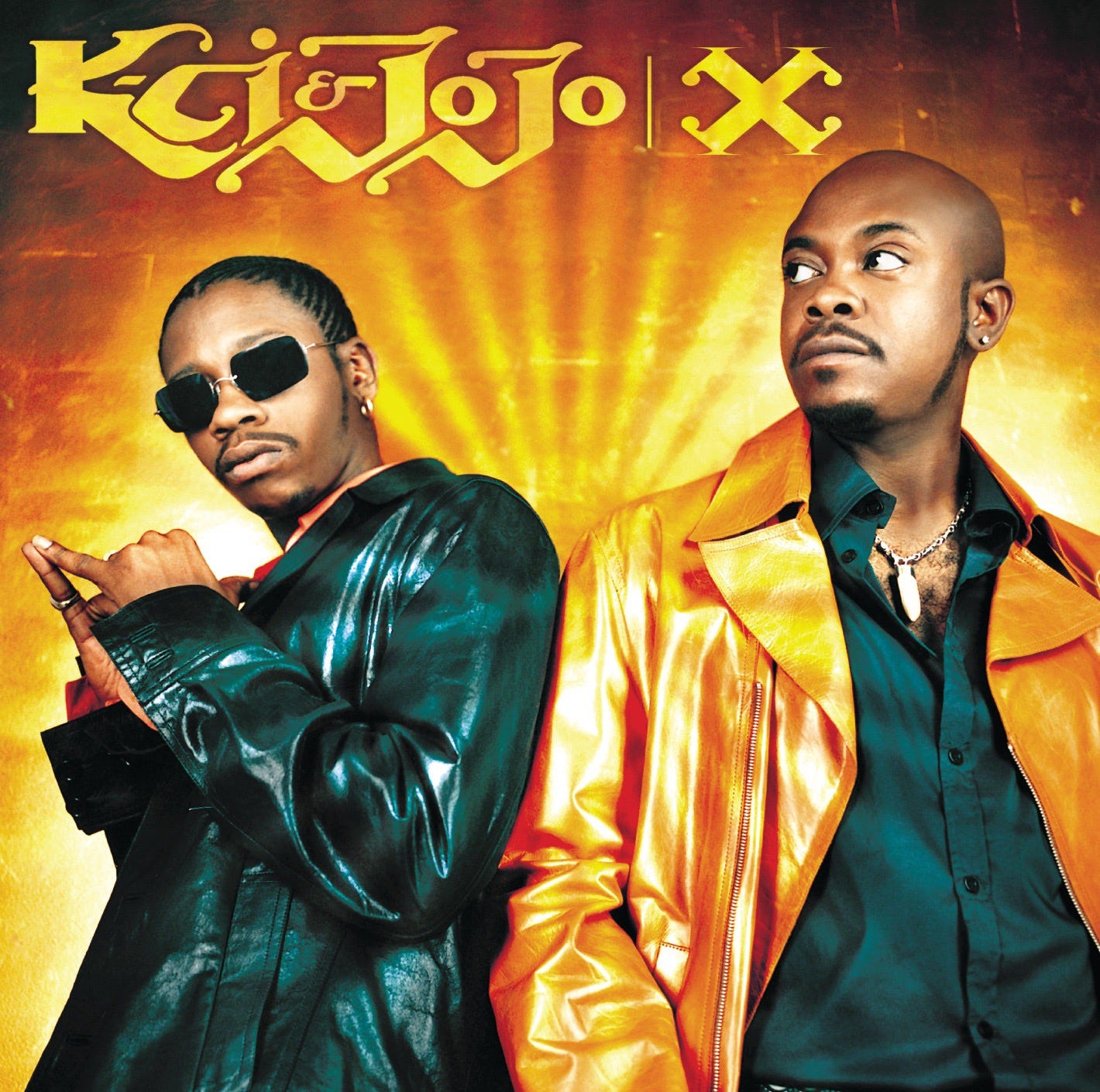
What really blew me away on X is, above all, “Wanna Do You Right,” produced by Teddy Riley. The tune isn’t one of Teddy’s trademark bouncy rhythm tracks at all, but an outright bluesy Southern‑soul‑style number. As you can guess from the title, it replays and interpolates Luther Ingram’s (and Millie Jackson’s) “(If Loving You Is Wrong) I Don’t Want to Be Right.” K‑Ci, at this point, is skipping right over Bobby Womack and sounding like O.V. Wright at the very peak of Southern soul—and not the early O.V., but that weathered, “Into Something”‑era O.V. With him having reached this kind of territory, you almost start to worry whether there’s anywhere left for him to go; it’s that seriously incredible.
Even so, the album as a whole is very well balanced. “Honest Lover” is a now‑familiar “so clean it almost stings” type of number with gorgeous strings in tow, and that’s exactly why the contrast with “Wanna Do You Right” is so exhilarating. Throughout the album, they almost completely eliminate the blank space between tracks, and the Jodeci‑style pacing, where the songs rush along in sequence, is highly effective—the transition from “Wanna Do You Right” into the super‑mellow “Get Back,” co‑produced by DeVante and K‑Ci, is downright goosebump‑inducing, and the falsetto on “Get Back” really hits home.
Another trait of this album is the way JoJo and K‑Ci’s interplay, whose individuality has grown sharply since the last album, has become even more thrilling. “Crazy”, handled by Darrell “Delite” Allamby of 2000 Watts, is a slightly overblown pop ballad, but the two of them simply overpower it and turn it into pure, deep R&B. Timbaland’s “Game Face” is a bit of a misfire; even so, the bass and drum patterns are very Sly & Robbie‑like, and they form a good bridge into “Thug N U Thug N Me,” whose rhythm also has that Sly & Robbie feel à la Grace Jones’s “Pull Up to the Bumper.” “Thug N U Thug N Me” is the track 2Pac left behind for them, and his rap appears in it as well.
The album’s latter half is packed with strong material too; compared to the previous album (It’s Real), the songs are clearly better. There’s “If It’s Going To Work”, which brings Stevie Wonder to mind; “All the Things I Should Have Known,” produced by Babyface; the triple‑meter ballad “I Can’t Find the Words,” which makes you want to have Otis Redding and Sam Cooke duet on it; “Something Inside of Me,” with its beautiful harmonies; “One Last Time”, where you even spot Tim Owens’s name among the backing vocal credits; and “Ooh Yeah”, featuring a solo from West Coast hip‑hop veteran Stan “The Guitar Man” Jones—there’s no shortage of highlights. And near the end, there’s even a ghost track under the Jodeci name. — Murffey Zavier
Profyle, Nothin’ But Drama
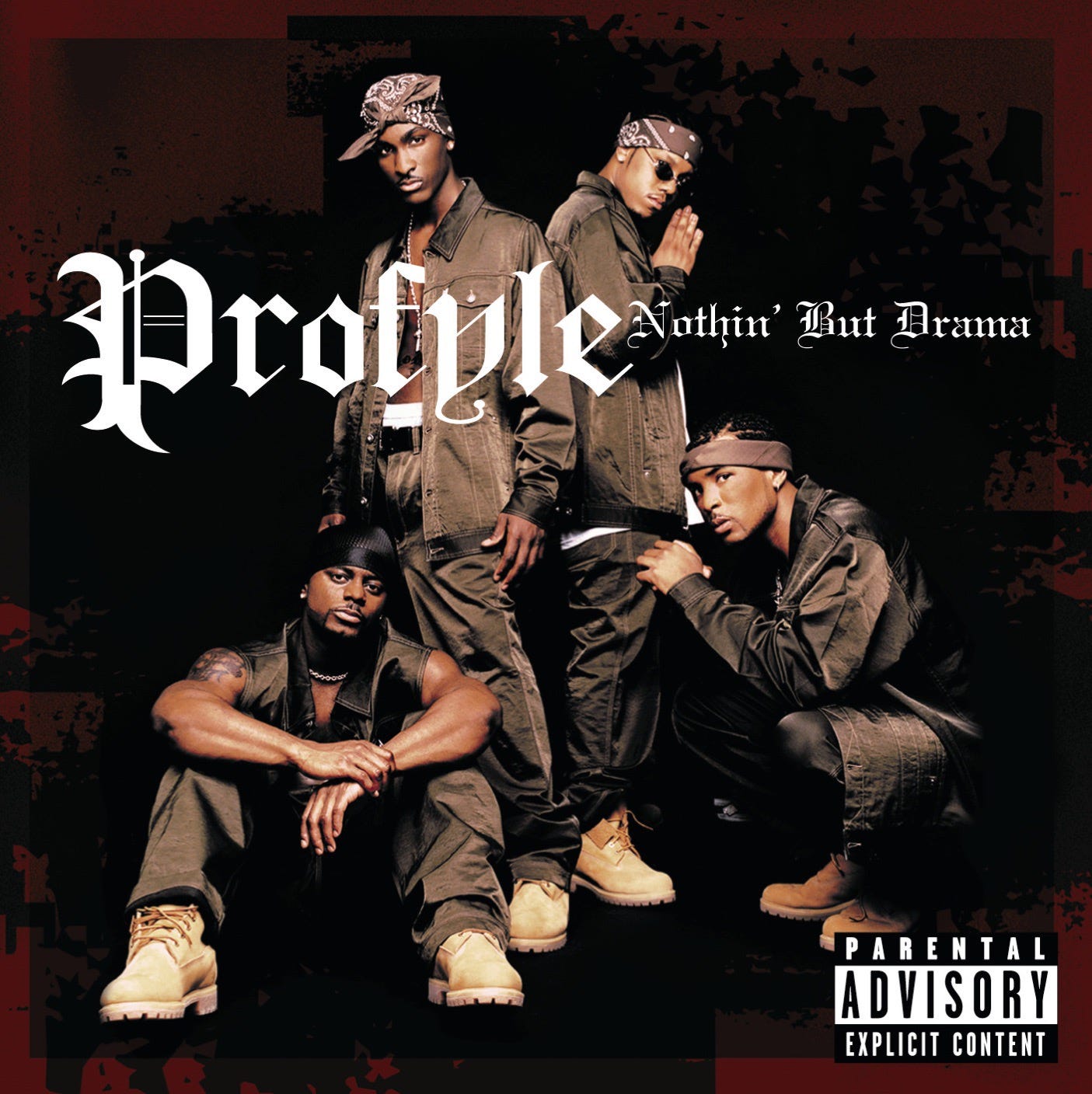
For their second album, Profyle attempted an image change from “refined uptown types” to “downtown young bosses.” At the same time, the logo’s typeface has been completely revamped. Naturally, this means their target has shifted from Boyz II Men over toward Jodeci and Dru Hill. Maybe that visual makeover is working, because the single “I Do” has climbed to the top of the R&B chart, opening the first chapter of their success story in striking fashion. Among the production team, the only holdovers from the previous album are Joe and Teddy Bishop; most of the rest are new faces, and that lineup is nothing short of exhilarating.
Most conspicuous, of course, is Teddy Riley, who co‑produced “I Do” and “I Ain’t the One” together with Roy Hamilton. Then you have Steve “Stone” Huff providing the ballads “Make Sure You’re Home” and “Can We Talk (About Us)” in his usual Stone‑brand style—that’s exciting in itself. Allstar takes charge of two dance numbers, “Changes” and “Addicted,” and does a fine job. The Characters and Greg Charley also draw every ounce of strength out of them, which is impressive. If I had to nitpick, I’d say it’s a shame there isn’t a killer ballad that makes absolutely everyone cry, the way “Kick It Tonight” did on the first album (Whispers in the Dark). But if you tried to complain, given how good this record is, that would be the height of luxury. Personally, my best cuts are the Steve Huff‑related “Make Sure You’re Home” and “Can We Talk (About Us).” Incidentally, “Too Shady” is a cover of a Simone Hines track. — Kendra Vale
Sparkle, Told You So
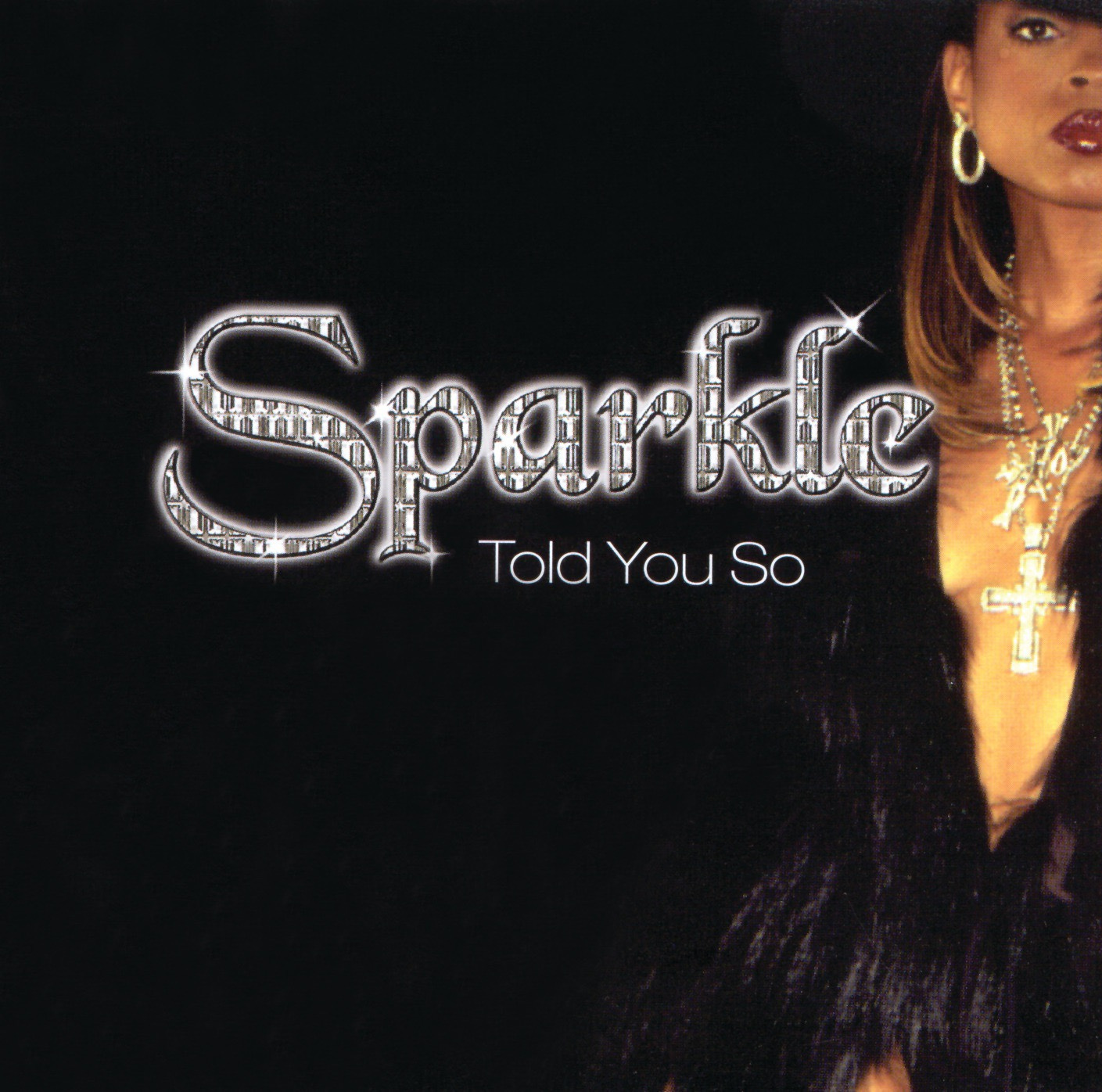
Sparkle turned out to be a tougher woman than anyone imagined. There’s even an anecdote that she didn’t move from the studio sofa until that man accepted her, so you’d think she was bound to him with unshakeable loyalty. But now, using the success of her self-titled debut as a springboard, she’s quickly jumped over to Motown, and with an all‑Steve “Stone” Huff production done in a thoroughgoing manner like that man, she’s aiming to claim the throne as Chicago’s favorite daughter. A bad woman, you might say. And yet that “bad woman” persona only makes Sparkle shine all the more. A Jennifer Lopez‑style revealing dress, that slightly mocking gaze, the feverish tone of her singing—every one of those elements is lonely at its core. She over‑decorates and puts on a brave face more than necessary, then cries alone.
What a brilliant piece of direction—going this far! I don’t know how he feels, watching her play the sequels to “Be Careful” and “When a Woman’s Fed Up” all by herself, songs they once portrayed together. But the ballad “When a Woman’s Heart Is Broken,” written by Joe and David “Pic” Conley from Surface, and “Somebody Else,” “Everything,” and “Never Can Say Goodbye”—all drenched in a Chicago‑style sadness even heavier than him—every one of them is tear‑jerking, and her voice gleams, wet like clear tears, as it pours over them. Each song on its own squeezes your chest tight, but when you listen straight through, you almost feel like you’re watching a drama. When you realize that, at the same time, that vile being has released his comeback album TP‑2.com, where he plays a foolish man drowning in cheap sensuality, it stops feeling like a coincidence. The fact that such fantasies arise is nothing more than proof that Told You So wastes not a moment and is structured entirely to showcase its leading lady. — Jill Wannasa