

Five 2000 Rap Albums That Tell on Their Era
These projects catch Ja Rule, E-40, CNN, Afu-Ra, and Dice Raw in motion rather than in control. The friction between what they could do and what they actually did is the whole point.
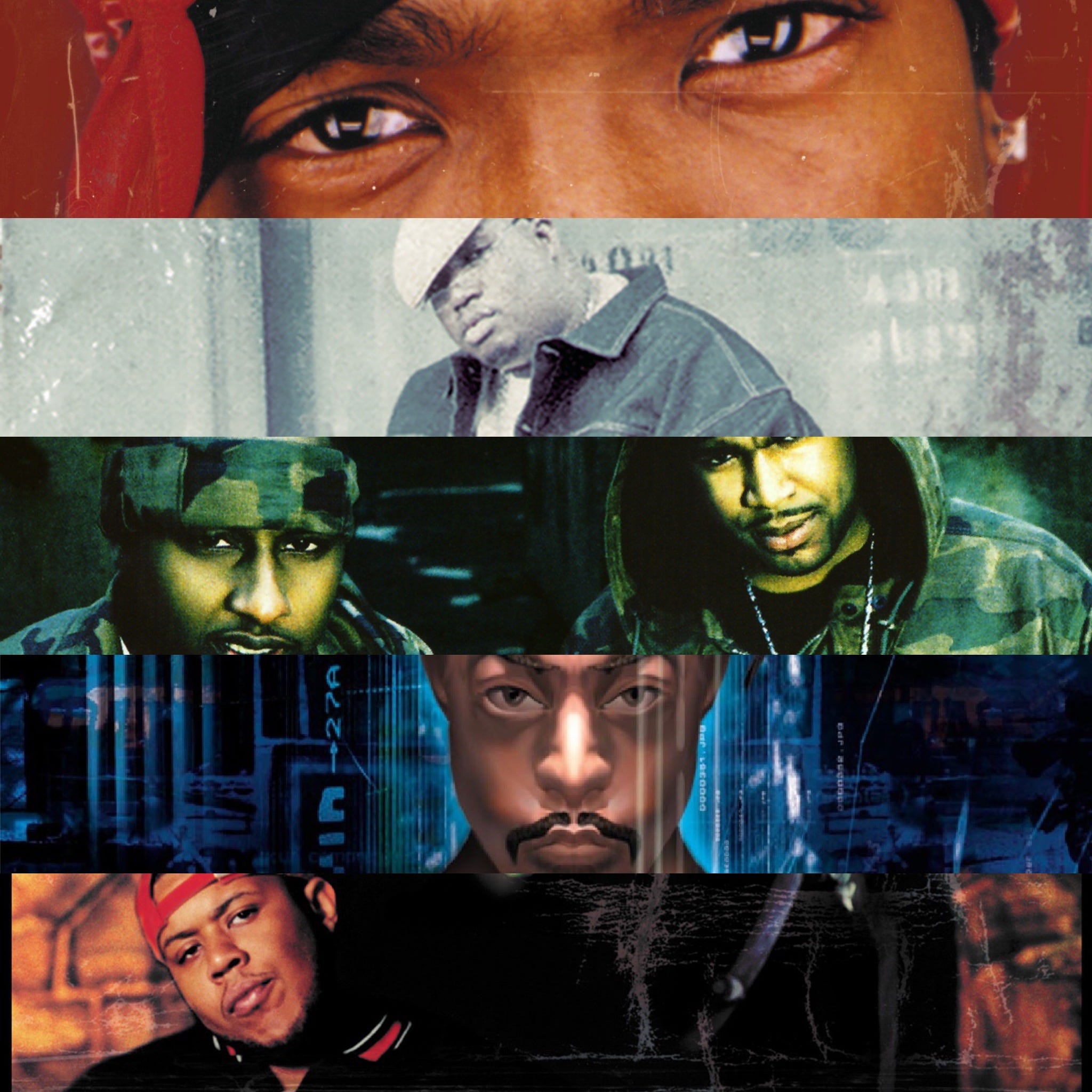
With Five 2000 Rap Albums, it’s a short series about records that got buried under the official story of the year 2000, but it says more about that moment than the canon does. Twenty‑five years on, the project goes back to albums that sounded “late,” awkward, or out of step at the time and treats them as documents of what it actually felt like to live through that shift.
Ja Rule, Rule 3:36
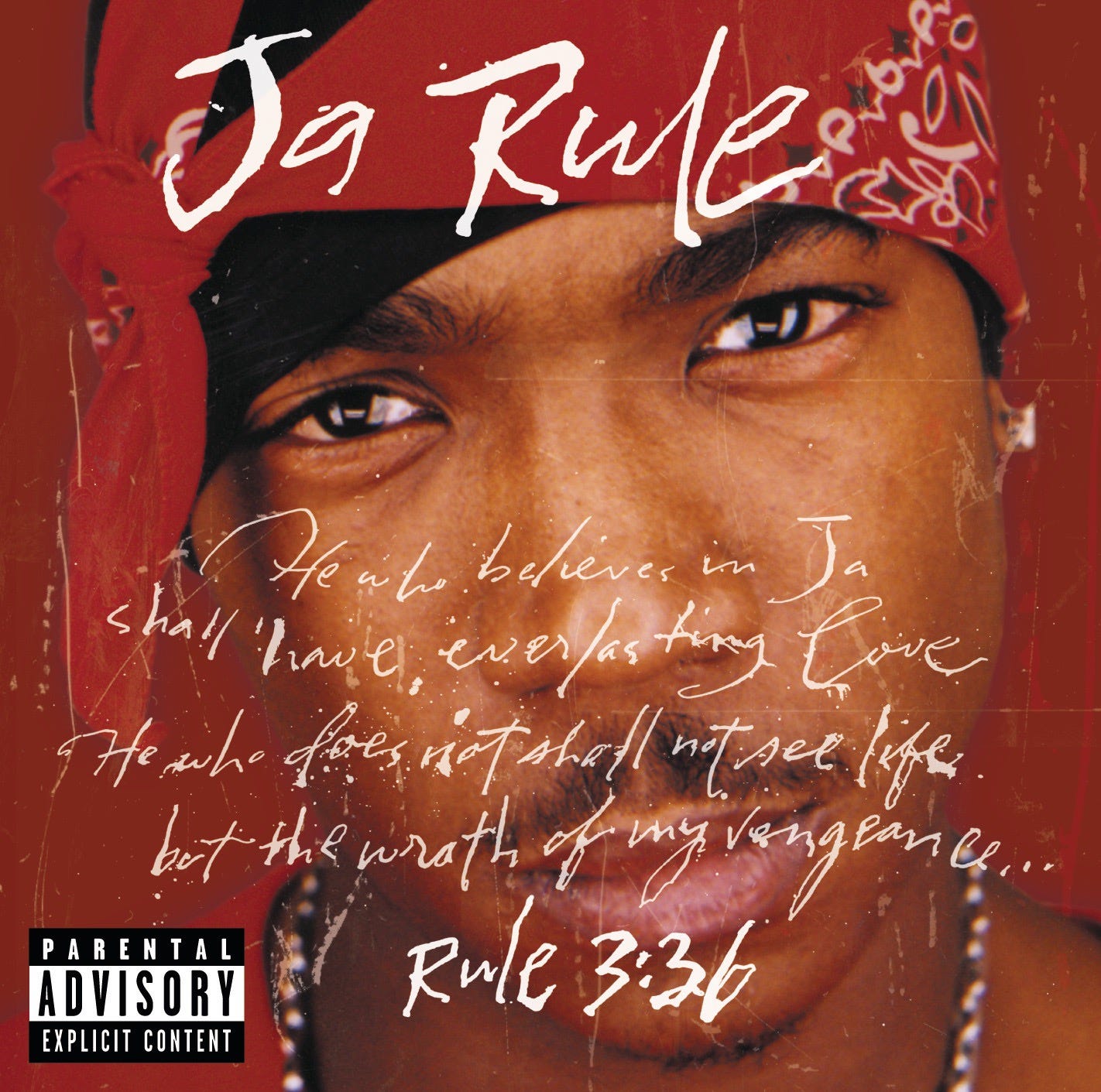
This is Ja Rule’s second album, arriving a year after his debut, with the Murderers crew album in between. He’s constantly compared to DMX because their voices sound similar. But DMX is actually a very technical MC: he throws in catchy phrases, switches his delivery and flow within a single track, and always keeps things entertaining. Ja, on the other hand, leans too heavily on the tone of his voice; his delivery tends to stay on one level, so he may not be the kind of MC whose rapping alone you can enjoy the way you do with DMX. That said, there’s no real problem on the production side. Irv Gotti—Ja’s mentor, head of Murder Inc., the Def Jam subsidiary Ja’s signed to, and co‑producer of almost every track here—has serious skills.
The first single, “Between Me and You,” rides a synth loop that sounds like a koto and a super‑catchy female hook, over a beat that could easily be something Swizz Beatz cooked up for Eve. It’s already a hit. Even stronger, though, are “Extasy” and “It’s Your Life.” “It’s Your Life,” which features Shade Sheist—the main voice from “Where I Wanna Be” by Shade Sheist featuring Nate Dogg & Kurupt—was produced by Damizza, the mastermind behind that “Where I Wanna Be” project. Surprisingly, instead of a dancehall track, it comes off as straight reggae. Meanwhile, “Extasy,” produced by Lil’ Rob, uses a four‑on‑the‑floor, feel‑good disco groove similar to “Where I Wanna Be.” There’s also a slow jam, “I Cry”, which features Lil’ Mo—familiar from Missy’s camp—and flips the O’Jays’ “Cry Together” into a rap version. It all adds up to an album that you can definitely have some fun with, even if Ja’s rapping itself isn’t as versatile as his peers.’ — Phil
E-40, Loyalty and Betrayal
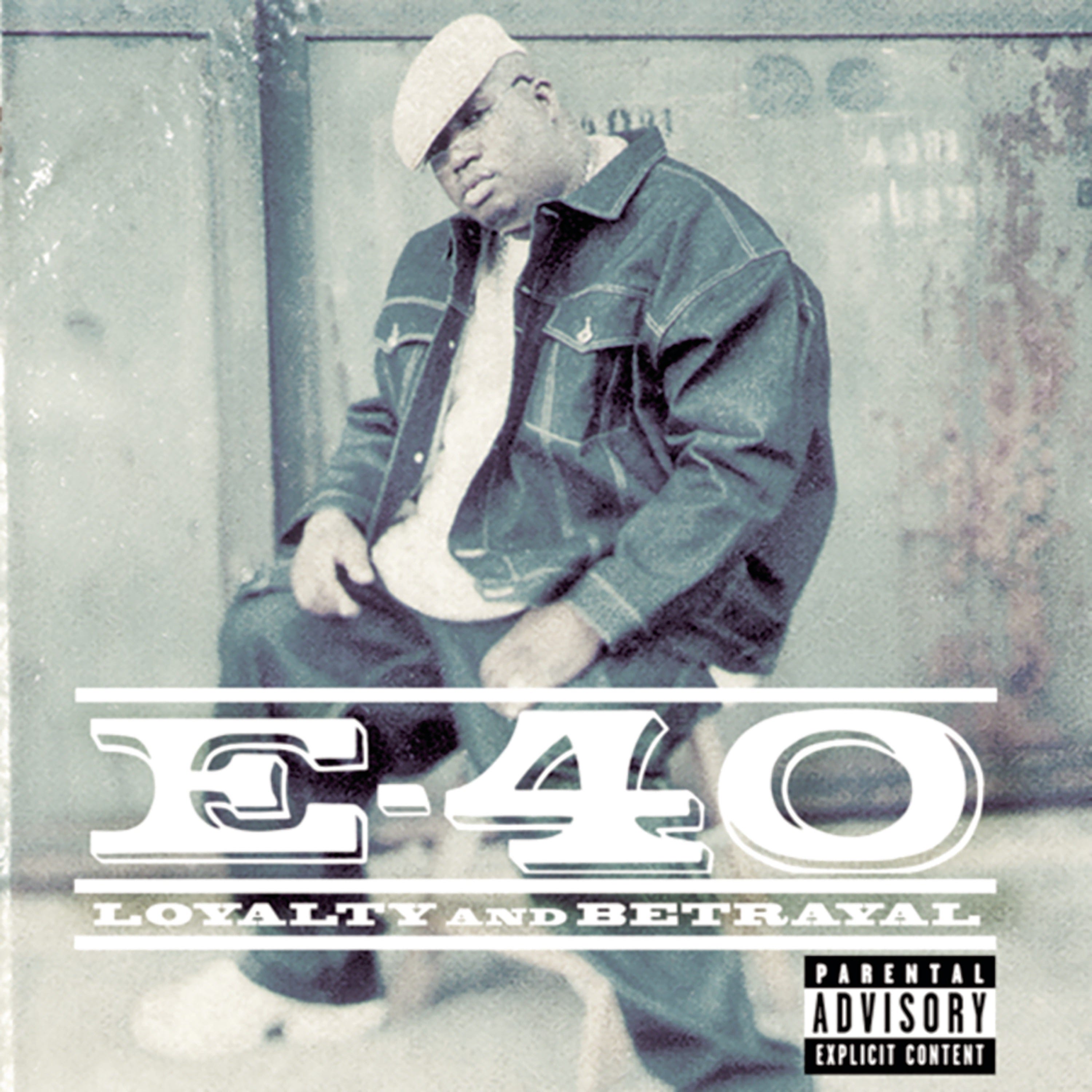
E‑40’s seventh album comes with plenty of buzz, especially thanks to the single “Nah, Nah…,” which heavily showcases Nate Dogg’s impossibly smooth, rugged singing. Production is handled by familiar names—Bosko, Rick Rock, and DJ Battlecat—plus DJ Silk and Blaqthoven. Together, they frame E‑40’s one‑of‑a‑kind, “scattin’ and scootin’” style of flow, a style nobody else can really compete with at this point. Compared to the previous album, where his bizarre, runaway style dominated everything, this record actually leaves more space for guests to shine. On “Clown wit’ It” with Mystikal, he rides a bounce‑style track, while “Doin’ the Fool” with Too $hort and others is Bay‑area funk through and through—the beats feel tailored to the guests. But E‑40’s oddball flow has more than enough skill to skate freely across all of these different grooves.
The real standouts, though, are the cuts with his inner circle. “Lace Me U,” where Suga‑T’s sticky, aggressive delivery sits perfectly on top of a heavy funk beat; “Nigga Shit,” a posse cut with Mack 10 and The Click; and “Pop Ya Collar,” a lighter track built around a sample from One Way’s “Can I,” with quirky, ear‑catching synths and percussion skipping over the groove. All of these are family affairs, and all hit the mark. Nate Dogg is in top form, not just on “Nah, Nah…” but also on “Sinister Mob,” and from the Cash Money camp—who sent the Hot Boys over for the last album—CEO Baby (of Big Tymers) steps in for a “summit meeting” on “Flamboastin’.” “Ya Blind,” which features 8Ball and is produced and passionately sung on by Jazze Pha, even flips a Missy Elliott cut for its sample. I’ve focused a lot on the guest list, but as I said at the start, none of this ever shakes E‑40’s presence as the clear main character—you’ll hear that as soon as you press play. — Randy
Capone-N-Noreaga, The Reunion
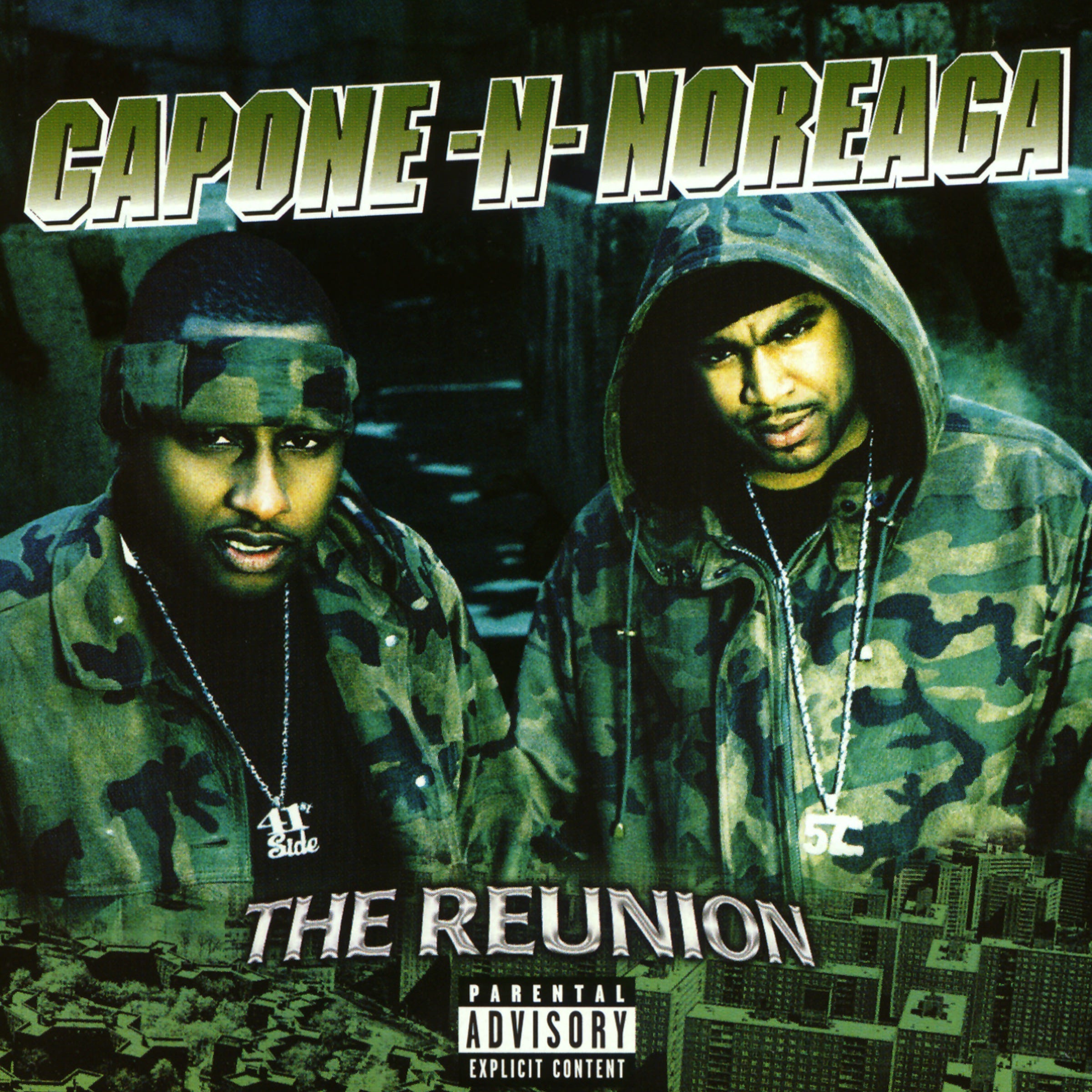
Because The War Report was, in practice, more a Tragedy & Noreaga record, this album is, title aside, effectively Capone‑N‑Noreaga’s real debut as CNN. In reality, the two MCs appear in almost equal measure, and on “Invincible”, where DJ Premier crafts a beat reminiscent of The LOX’s “Recognize,” it’s actually Capone who sounds especially energized. There aren’t many of the overly bouncy, chaos‑driven beats you might expect. At most, you get EZ Elpee’s “All We Got Is Us,” Nokio’s “Y’all Don’t Wanna,” and “Gunz in da Air,” produced by Havoc, yet consciously stepping away from a typical Mobb Deep sound. On these tracks, Noreaga’s flow does stand out, but compared with his solo work, the production is considerably more restrained, clearly designed to differentiate CNN from N.O.R.E.’s own albums.
Even with some variety in the producers, certain tracks stick to that reliable “classic soul sample” formula: “Straight Like That” and “Brothers” both ride those kinds of loops; “B EZ,” with a guest verse from Nas that leaves you wanting more; and “You Can’t Kill Me,” where Dame Grease lays down a big, string‑heavy backdrop. All of these feel like direct extensions of The War Report’s sonic line, and unsurprisingly, they suit CNN the best. That said, whether it’s the gangsta material or anything else, the album overall doesn’t lean too hard into graphic, brutal imagery; the songs themselves feel a little weaker for it. The hook and title of “Bang Bang,” which weaves in lines responding to the way guest Foxy Brown was dissed by Lil’ Kim, are almost “smirk‑worthy” in how over the top they are—though, as on “Queens,” Alchemist’s production is genuinely interesting. As new catchphrases to follow Noreaga’s classic “What! What!,” you could probably point to the way he stretches “B EZ” and the shouted “Hey y’all, hey y’all!” that keeps popping up. — Brandon O’Sullivan
Afu-Ra, Body of the Life Force
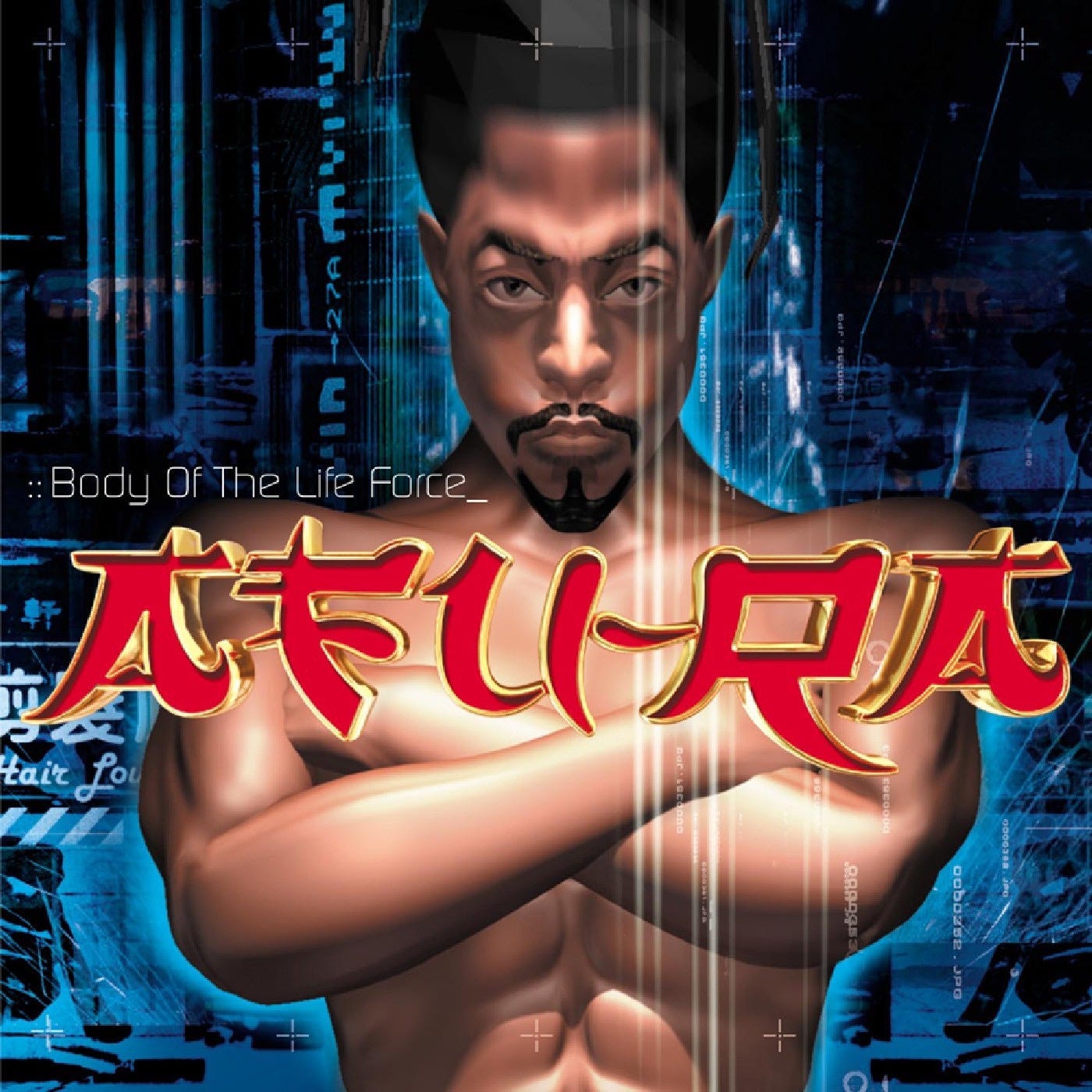
Afu‑Ra first showed up as Jeru the Damaja’s sidekick, and you could spot him in Jeru’s promo videos. After a string of singles and guest spots last year, his long‑awaited debut album has finally arrived. Contrary to what you might expect, DJ Premier only fully produces five of the nineteen cuts, though he’s involved on the mix side; other producers include DJ Muggs, True Master, and Da Beatminerz. In the end, that variety works in the album’s favor, with different tracks stepping forward as highlights. The run from “Defeat” through “D&D Soundclash” is especially tight. “Defeat” is a nimble bit of Primo craftsmanship that meshes perfectly with Afu‑Ra’s choppy, stop‑start flow. “Bigacts, Littleacts,” with guest GZA, shines thanks to GZA’s cool, understated style. “Quotations” plays like a brief a cappella interlude—almost like a sudden cloudburst cutting in—while “D&D Soundclash” has Afu‑Ra trading verses with the Cocoa Brovaz crew over a Beatminerz track built from Barrington Levy samples, something you feel like you’ve been hearing a lot lately. Together, those four cuts create a really good atmosphere. There are more tracks that deserve some spotlight. “Mortal Kombat,” with Masta Killa (yes, from Wu‑Tang), “Warfare” with the ever‑intense M.O.P., and “Equality,” where Ky‑Mani Marley brings a deep vocal tone inherited straight from his father Bob—these are all very much “guest‑driven” songs, but they’re impossible to dislike. As a first step, Afu‑Ra lands in a pretty solid place. — Javon Bailey
Dice Raw, Reclaiming the Dead
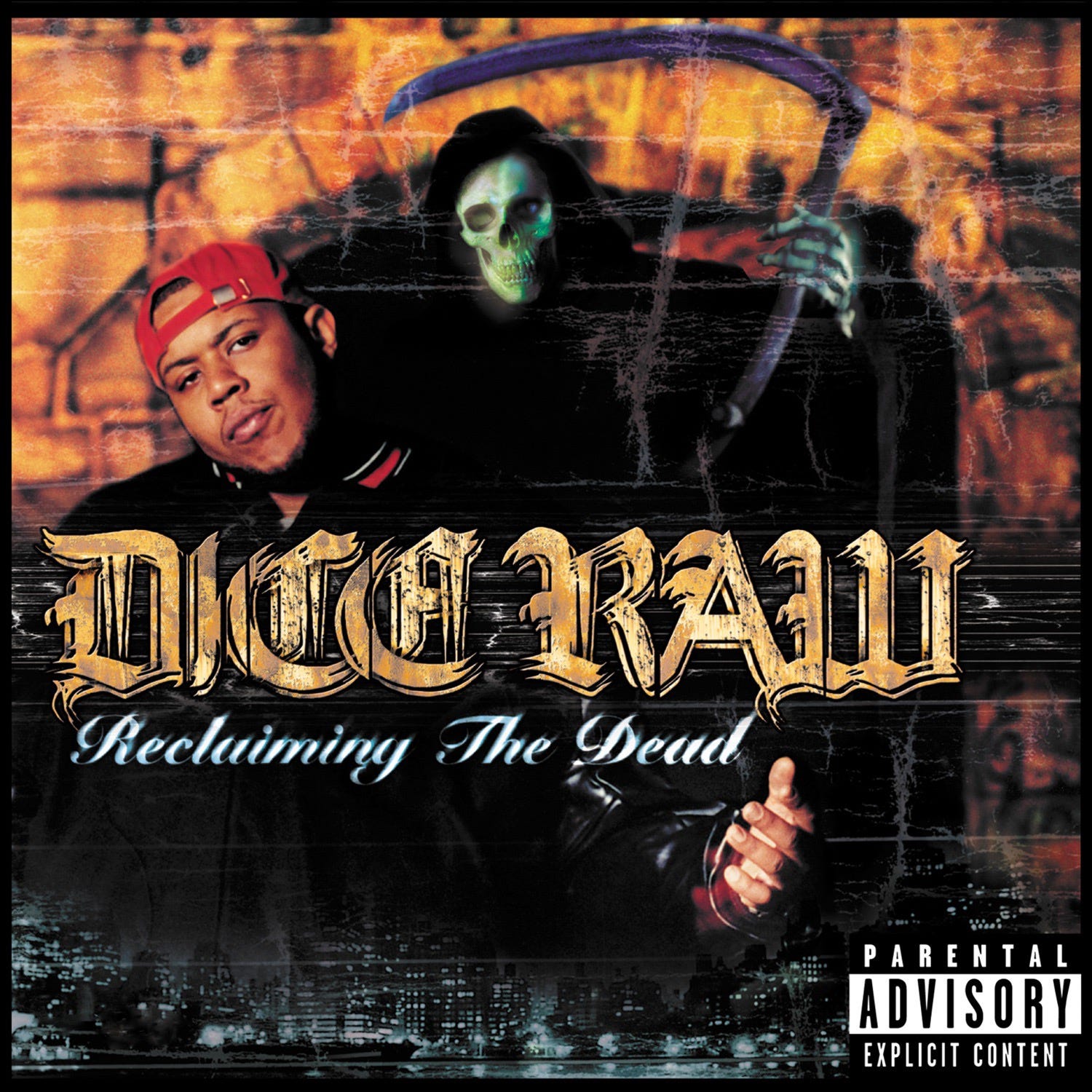
As a part of The Roots’ extended family, Dice Raw steps out with his solo debut—but to be blunt, it feels like this solo album might have come a little too early. Instead of chasing fresh, experimental soundscapes, his approach is to bite into straightforward, hard‑hitting tracks and just rap, which showcases his own “loose cannon” personality apart from the main Roots crew. As a concept for a solo record, that’s perfectly legitimate. The problem is that, beyond what often comes off as a hysterical level of emotion, his actual rapping doesn’t communicate much more. Since his voice isn’t the kind that can turn sheer shouting into a compelling art form, that lack becomes even more noticeable. Honestly, if there were more tracks like “I Don’t Think”—with its slightly restrained, well‑balanced, almost old‑school Roots‑style production and a bit of softening from the female rap—his own taste and personality might come across more clearly. Instead, the more energetic the beats get, the more his performance sounds like he’s feverish and out of control. Leaning so often on screams and yells may be one way to respond to the current climate, but it just leaves him sounding isolated and, frankly, exhausting to listen to. You almost want to tell him, with a bit of sarcasm, to study how guests Black Thought and Malik B talk and rap on “Thin Line (Between Raw & Jiggy)” a little more closely. Before he goes calling back the dead, he should probably make sure he doesn’t end up joining them himself. — Asa McKenzie