

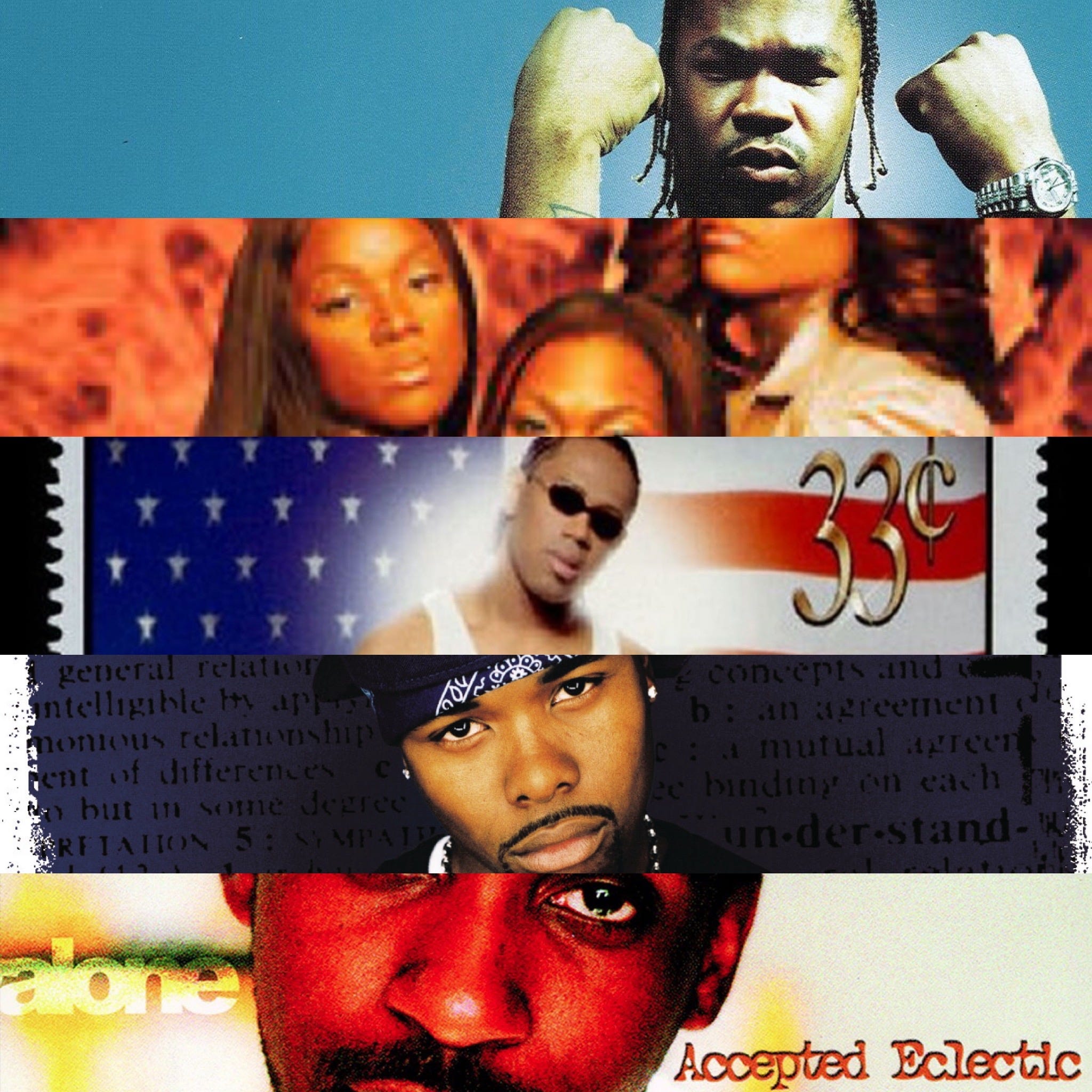
With Five 2000 Rap Albums, it’s a short series about records that got buried under the official story of the year 2000, but it says more about that moment than the canon does. Twenty‑five years on, the project goes back to albums that sounded “late,” awkward, or out of step at the time and treats them as documents of what it actually felt like to live through that shift.
Xzibit, Restless
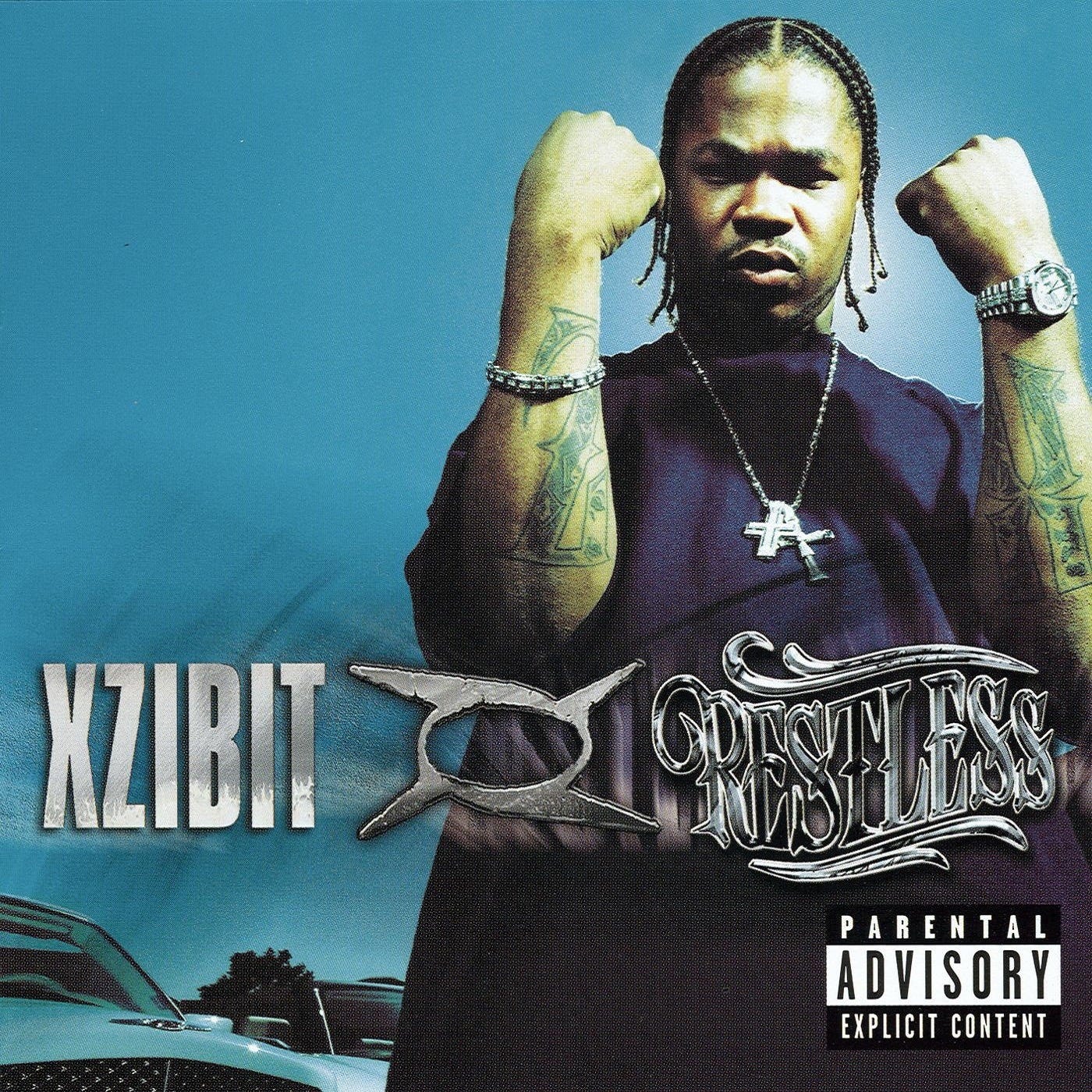
Xzibit, the main character this time, isn’t a lofty lyric craftsman or a keep-it-underground scholar. He’s the guy grinning onstage on a lowrider bike—a very West Coast persona, even if he’s originally from Detroit. What sets him apart is how few straight-ahead, strong-style MCs there actually are on the West Coast; in that lane, he really does stick out. You can feel that “I’ll carry the coast on my back” energy even in the intro “Intro/Restless,” where the first thing you hear is the sound of a hydraulic suspension, that hallmark of Westside car culture. It’s the same kind of mechanical lurch you heard at the top of Dr. Dre’s 2001, like a mobile suit stomping across the asphalt. On that 2001 intro, it was Xzibit trading hydro tricks with Tray Deee—of course it was. Here, they ride the rhythm of that hydraulic noise straight into “Front 2 Back,” stacking the beat on top of it so the album just drops in. You’d assume Dre did that one, but it’s actually Rockwilder.
These days, even when Snoop puts albums out, Dre’s actual involvement is lighter than you’d expect, and that’s true here too. Xzibit packs bars into the gaps of the beat with that low, dirty rasp, or just spits “Bitch, please!” as a full stop. That voice is why his guest verses can hijack someone else’s song. The flip side is obvious: a presence that strong can flatten an album into the same face no matter where you slice it. The solution is a wide producer lineup. Even so, the Rockwilder joint “Front 2 Back,” the Battlecat track “Been a Long Time” with Nate Dogg on the hook, and Erick Sermon’s “Alkaholik” all sit in a similar 2001 zone: big pockets of space, not much ornamental playing, and little melodic fragments flickering in the gaps. Then there’s the Dre orbit: “X,” “Best of Things,” and the Dre-fronted “U Know,” plus “Get Your Walk On” from Mel-Man and Battlecat. Roughly half the record moves in that Dre grammar of roomy, efficient beats with small melodic stabs instead of full-blown riffs. The fantasy I had for Snoop’s last album—“take the sound of 2001, but build the record so the MC is clearly the star”—is half-realized here, and “X” especially feels like a follow-up to “Bitch Please.”
There’s another side, though: “D.N.A. (Drugs-n-Alkahol),” built around a goofy, squealing synth line in a way that hints at Parliament’s “Dr. Funkenstein,” comes from Rick Rock, and Soopafly’s “Fuckin’ You Right” lives in a similarly playful lane. Xzibit rides those lighter tracks without breaking a sweat, which says a lot about his raw ability. Erick Sermon’s “Double Time,” with its blaxploitation-style strings and guitar—very Black-Jack Jaguar in mood—lands hard too. The Eminem-produced “Don’t Approach Me,” with Em also singing the hook and dragging in a sticky rock-ish mood, is one of the few cuts that feels unnecessary. Taken as a whole, though, you finally get the full picture of Xzibit standing on his own two, not just the guy who crashes other people’s records and not just a crew piece. — Phil
Doggy’s Angels, Pleezbaleevit!
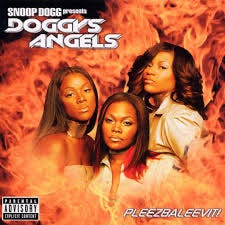
Snoop Dogg is unusually good at catching the current. After Death Row collapsed, he slipped into No Limit right as Southern rap surged. When West Coast rap started looking healthy again the year before this, he pushed Tha Eastsidaz from his own Dogghouse label and turned them into a win. The next move out of that pipeline is Doggy’s Angels, his second act on the label. The name itself echoes a hit TV show–turned–movie, timed a little too perfectly, and his strategy makes sense: women MCs are having a moment, and yet there’s no obvious “representative” female rapper for the West Coast. He’s filling that gap, and he’s doing it at a point in his life where he clearly has the patience and bandwidth to groom new artists. That alone makes the project interesting.
The Cinderella trio in the spotlight—Cognac, Chan, and Kola—land in a very privileged position: everyone’s watching. With the exception of two songs, Snoop is on everything alongside a full West Coast guest roll call: Tha Eastsidaz, Nate Dogg, Soopafly, Layzie Bone, Kokane, Suga Free, and others line up one after another. On paper, it looks like the women might disappear under all those heavy names, but if Snoop picked them, he picked for a reason; their tough, no-nonsense delivery can stare down those veterans without blinking. Battlecat and Meech Wells handle a lot of the production, dialing up sharp, funky tracks that anyone who enjoyed the Eastsidaz album should be perfectly happy with. It’s the kind of record you catch while it’s still in the air, in the same way you’d rush to a buzzy film before the conversation moves on. — Brandon O’Sullivan
Master P, Ghetto Postage
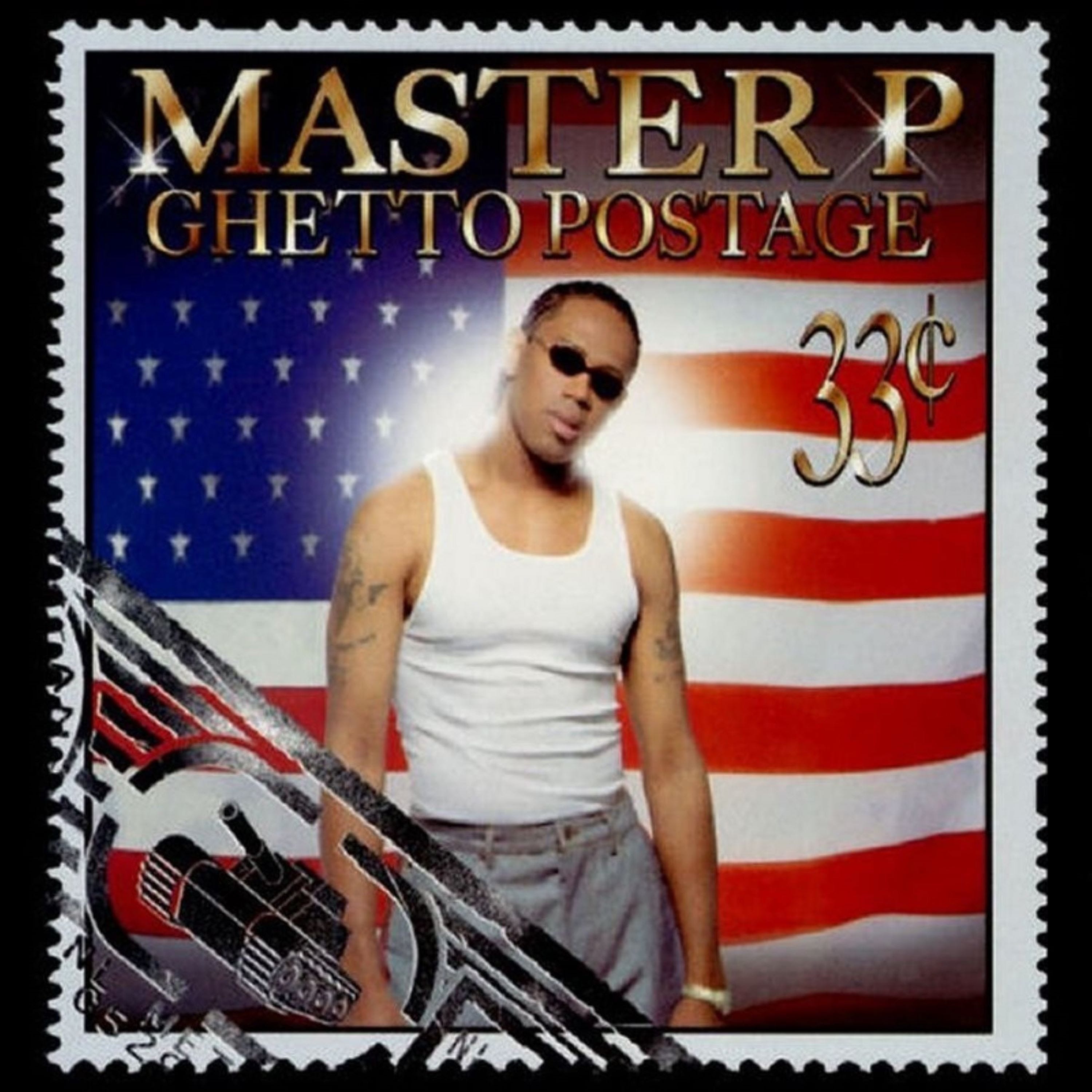
Master P’s second album since his comeback is surprising in one basic way: he’s finally freed his delivery from the drawn-out, phrase-ending drag that always felt like a 2Pac imitation. Once that tic is gone, the heaviness that used to cling to his flow lifts, and the album opens up into something brighter. For a start, there are simply more songs where P carries the verses alone. Magic, who’s turned his “Mystikal plus RBX” roar into something sharper, Crazy, whose voice still leans toward 2Pac, and the rough-edged singer Erica Foxx make up a slimmed-down guest roster that’s used very efficiently, but it works because the lead voice is solid and comfortable.
Even Snoop Dogg, dropping a weighty verse on “Poppin’ Them Collars,” and Kokane, sliding in with a woozy chorus there, can’t steal the spotlight from this version of P. On the production side, you can hear the influence of recent Southern club records: the booty-shake beat, and top-line interplay are more squared-off, the kick drum lumbers back toward Miami bass heft, and the hooks are simpler and easier to latch onto. That approach really jumps out on the hit single “Souljas,” which topped rap charts, but it’s all over the record: the electro-flavored “Bitch I Like,” the Cash Money–style synth loop driving “I Don’t Give a Fuck,” the super-mellow “Life I Live” built on DeBarge’s “All This Love,” and the Latin-tinged “Soulja Boo,” to name a few. The whole thing opens with a parody of the U.S. national anthem on “Intro,” cut off by P’s full-throated “AAAAH!”—a burst of energy the rest of the album actually lives up to, instead of faking. — Randy
Memphis Bleek, The Understanding
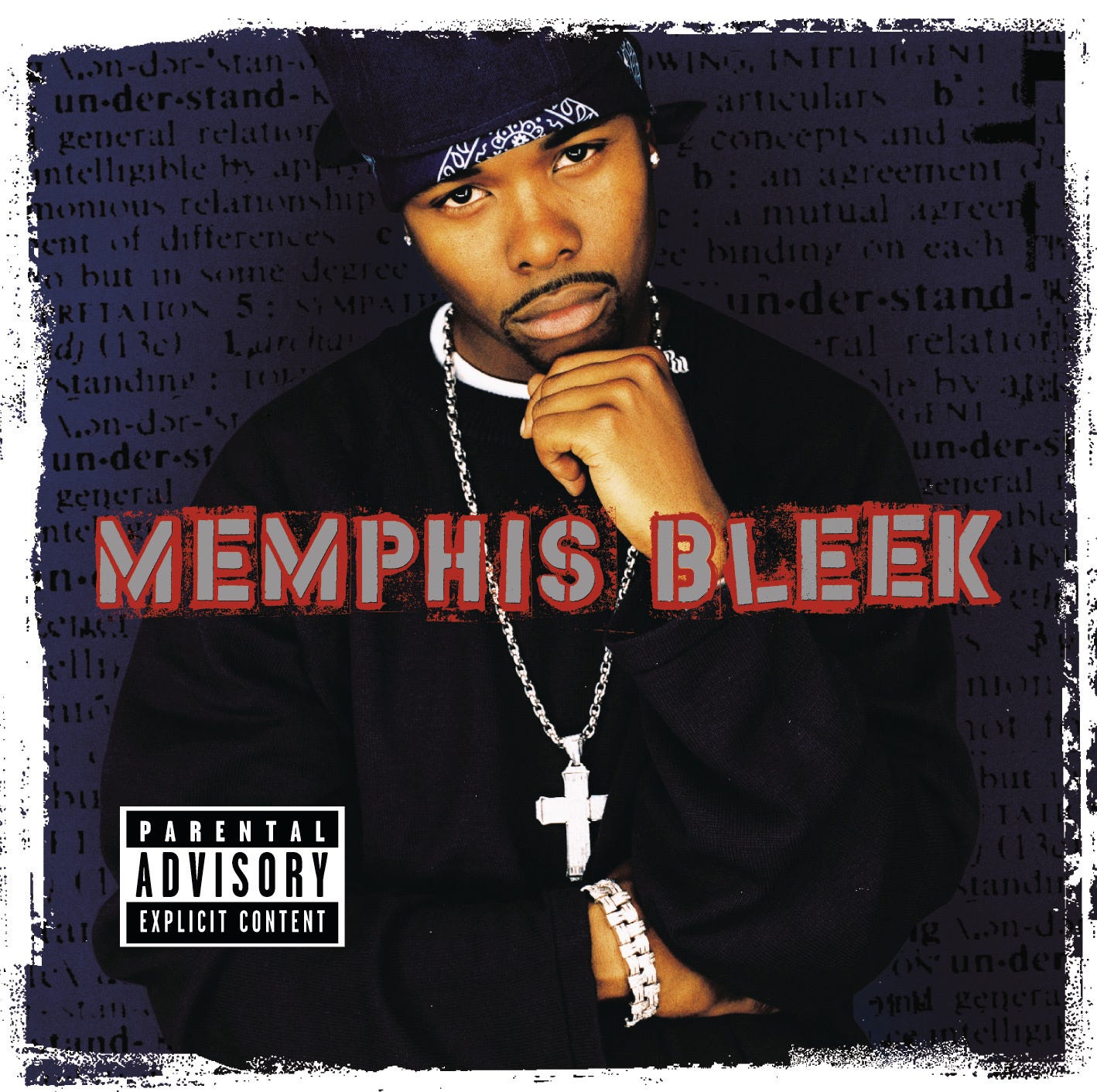
A little more than a year after his debut, Roc-A-Fella’s second MC after JAY-Z, Memphis Bleek, comes back with his second solo album. The lead single “Is That Your Chick (The Lost Verses),” with JAY-Z, Missy Elliott, and Twista, is already a major hit, but at the end of the day, it’s basically a reworked “Is That Yo Bitch” from the international version of JAY’s Vol. 3… Life and Times of S. Carter. It rides one of the most aggressive, oddball Timbo beats in circulation—a kind of apex hybrid beat—and everyone’s flow is so amped it’s hard to complain.
The same trick shows up again: “My Mind Right (Remix)” was on the Backstage: Mixtape soundtrack, and once more, the verses get rewritten here. “Do My…,” with its four-on-the-floor kick that feels built for the club, the mid-song tempo switch in “Change Up,” and the syncopated bounce of “PYT” all bring JAY-Z back into the frame. It’s hard for me personally not to key in on Jay whenever he appears, but even putting that aside, there are a lot of beats here that outshine what landed on JAY’s own The Dynasty. On top of those, the cute, bounce-leaning groove of “Bounce Bitch” feels aimed straight at women listeners and works. If I say I wish JAY had used these beats for The Dynasty, I’m basically admitting I don’t care much about Memphis Bleek’s rapping, but the album is stacked with cuts every DJ should be flagging. — Javon Bailey
Aceyalone, Accepted Eclectic
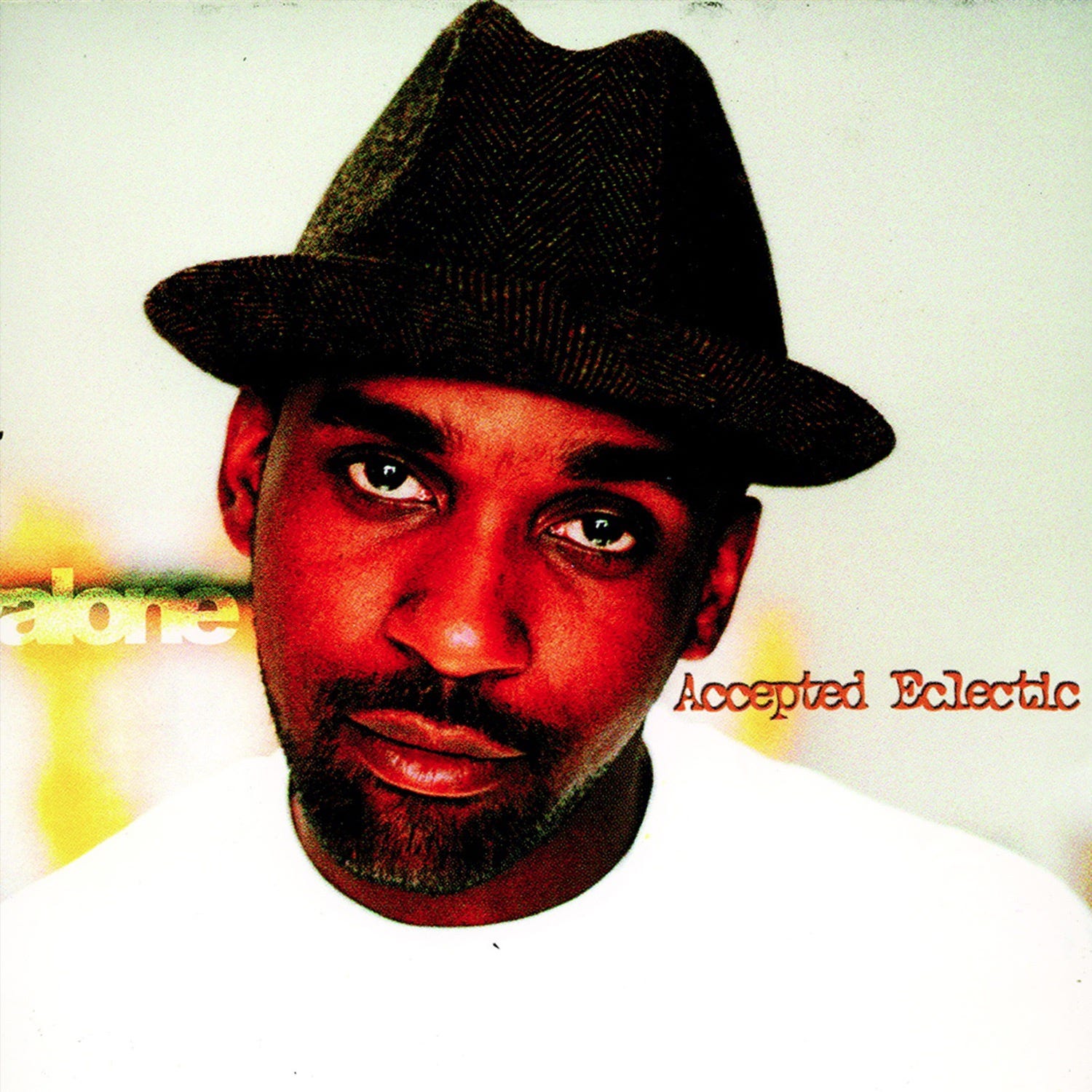
Lately I feel like I’ve done nothing but complain about the West Coast underground, but that’s partly because so much of what’s come out of that scene just hasn’t hooked me. I care a lot about interesting production, and since I don’t understand all the English lyrics, those deliberately pared-down Project Blowed–style tracks—stripped to make the MC’s flow stand out—can be a grind to live with. Aceyalone’s third solo album, Accepted Eclectic, fits that tendency in some ways, but it breaks through in others. I loved the spiritual-jazz tone of A Book of Human Language, so I miss that atmosphere a bit; still, the stripped-back structures, springy drums, and often-comical top lines here show off Acey’s flow so well it’s hard not to give in. “Rappers Rappers Rappers,” where his verses tumble forward in a rolling pattern, is especially addictive. Producers I’d never fully warmed to before—Fat Jack and Evidence, for example—turn in what feel like their best beats to date. In this tighter, more focused context, even the long tracks brought over from the Carter to the DJ compilation, “Five Feet” and “Golden Mic,” sound renewed instead of overextended. Given the overall production approach, this probably won’t cross genres and audiences the way the last album sometimes did, but that’s tied to the way Aceyalone has chosen to aim deeper rather than wider. — Asa McKenzie