


Five 2010 R&B Albums is a time-capsule series that revisits five distinct projects from a year when R&B was in flux—still tethered to radio cycles, but already bracing for streaming shifts, digital edits, and a changing industry pulse. Fifteen years later, these albums read less like trends (well, depending on the list) and more like blueprints for how artists held on to emotional directness, full-album ambition, and layered vocal craft in an era that was quietly reshaping what R&B would become.
Tank, Now or Never
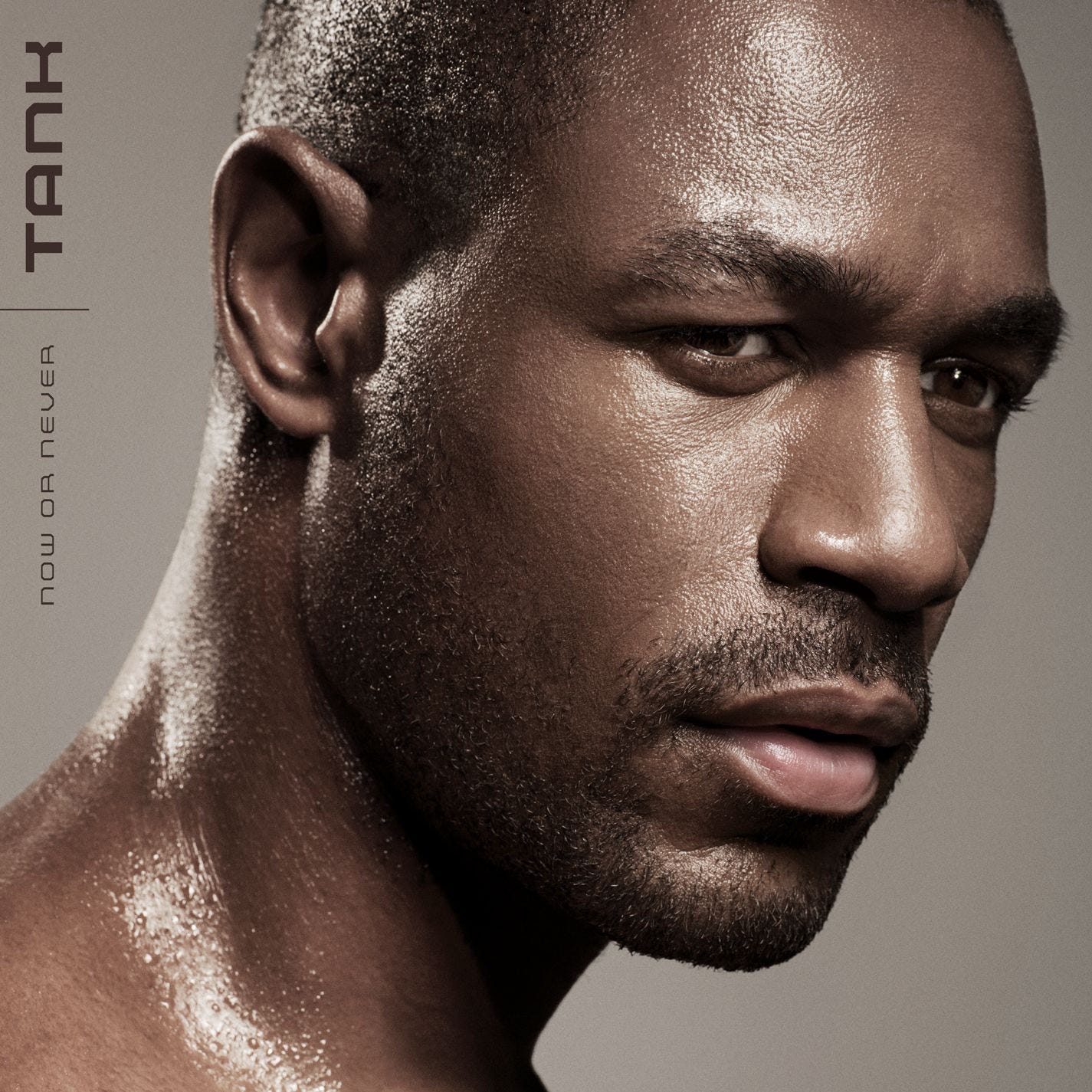
In his 10th year, Tank finally left Blackground and moved over to Atlantic. The previous album Sex, Love & Pain got his first-ever No. 1 on the R&B chart, and lately his opportunities as a producer have also been increasing more and more, so this release arrives while he’s really in his ‘prime.’ The one running this album is Song Dynasty. It’s the producers/songwriters team led by Tank.
Tank had belonged to the Underdogs camp, but with the breakup of the Underdogs, he formed this team, Song Dynasty (it’s probably a pun between “song” and “dynasty,” but why “dynasty,” I wonder?). Work under the Dynasty name seems to start around Omarion “I Get It In” (late 2009), so it’s only been about a year, but the Dynasty members J. Valentine (Jonny Newt), Robert Newt, Jerry Franklin, and Kristina Stephens were friends who had already been working together even before calling themselves Dynasty, on things like Pleasure P “Under” and tracks on LaToya’s Lady Love. The J. Valentine and R. Newt brothers (?) are people who, in the past, together with Damon Thomas from the Babyface school days (before the Underdogs), were also involved in Coco “So Hard to Say Goodbye” (1999) and things like that, and if you look at it broadly, you can see it as just going around and around among people around the Underdogs.
In other words, on the making side, this album basically follows the previous one, and from “Maybe I Deserve,” Tank’s direction has consistently not wavered. But this album, starting with the album title itself, like “if you don’t do it now, you’ll never get an opportunity like this for the rest of your life” (super-translation), and even the sex column he was writing in VIBE, is built with “sex” placed at the core more than ever, and that’s where it differs from the previous album that carried sorrow. Up through “Celebration,” foreplay hasn’t even started yet.
With an intro in between, when he goes into “Emergency,” which gives plenty of space to vocals, and loudly sings a lewd mind called “a sense of duty to save the girl who’s lonely at home,” and then barges into her room, his real strengths finally come out. “Scream,” made by Jim Jonsin and Rico Love, is also on their Usher “There Goes My Baby” line, but with S-leaning lyrics like “see, see, you like this kind of thing, right, I’ll give it to you.” The unexpected “Foreplay,” a Kevin Barnes (of Montreal) job, is also built so that both people in their 30s and people in their 20s talk hotly about foreplay. The outside producers match Tank’s groove (curve?) properly. Then, in the late stage where it’s inserted—no, where it rushes in—“Can I,” he attacks thoroughly while being modest with his mouth like “okay? it’s okay, right?” and he doesn’t forget the pillow talk either: wrapped in a languid sound, he whispers in falsetto “you’re amazing,” on “Amazing,” that’s the Tank way. Even after the afterplay, he connects it to an Underdogs-like belted love ballad, with Harvey Mason Jr. participating, “You Mean That Much to Me,” and with the exquisite Bonnie Raitt cover “I Can’t Make You Love Me,” he casually suggests a second round.
This album burns romantic feelings for one night (a lewd feeling by another name). Around the lead single “Sex Music,” it still doesn’t quite hit, but it’s really good how it gets better and better as the bed-in development goes on. If you’re going to do it, like making it a threesome, I wanted more sticky, clinging parts too, but it’s a work full of confidence, like it was made only to become a night bedside library, that lack of hesitation. — Seraphina Joy Clarke
Keyshia Cole, Calling All Hearts
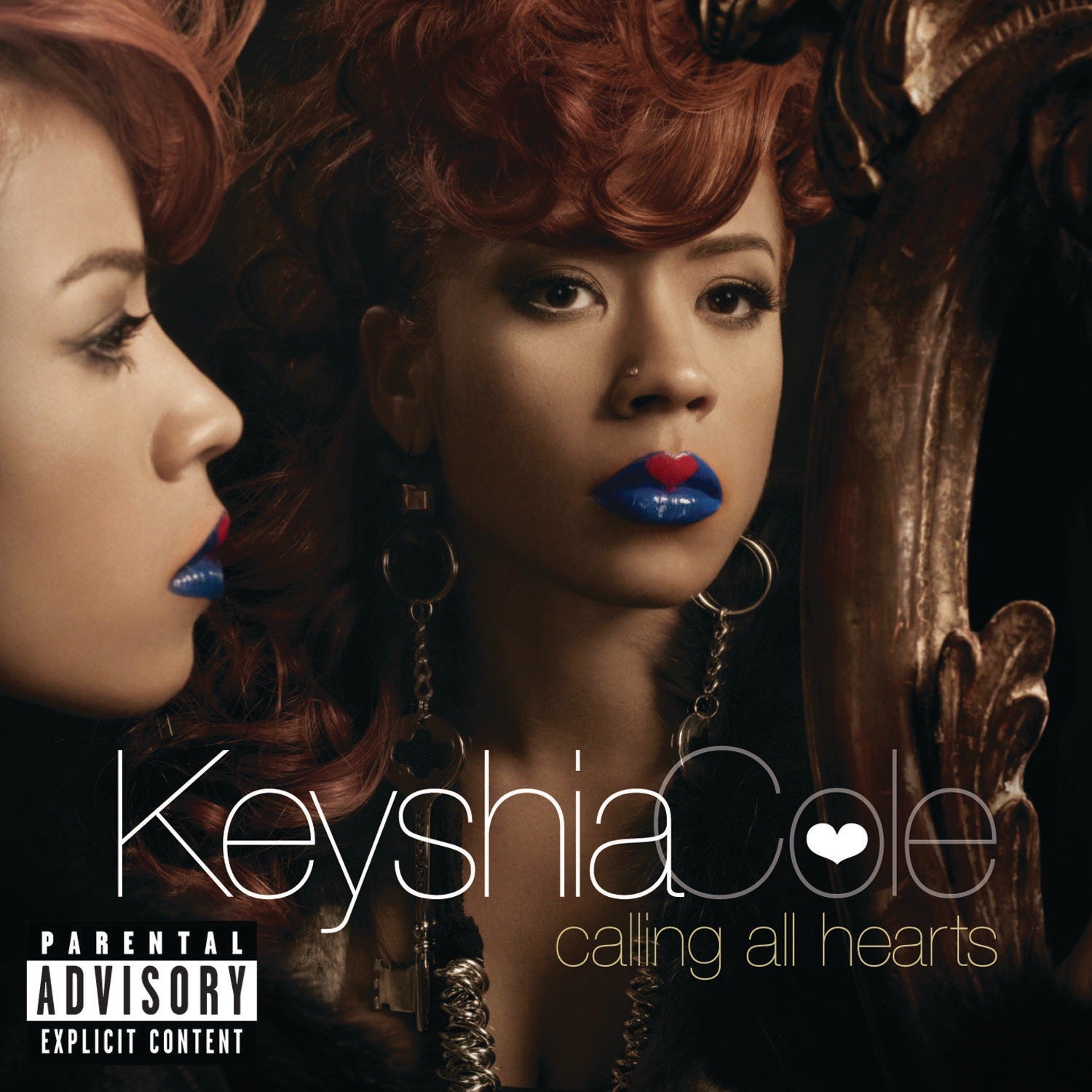
Keyshia Cole, where you can hear how happy she is, like she’s even celebrating a wedding on Bora Bora island, floating in the dead center of the Pacific. This is her fourth album, after two years from the previous one. In the dizzying, constantly changing urban music scene, she almost never wavers. Conservative, or should I say kind of old-school. Either way, for R&B fans who love songs with their whole body, not leading-edge expression, Keyshia is always someone who meets expectations.
If you say she’s aware of “now,” it’s probably only the opening track “I Ain’t Thru” featuring the in-season Nicki Minaj (long before she became unbearable). The track, built tightly over a slightly hysterical organ, isn’t old, but it also isn’t new enough to call leading-edge. You can enjoy Keyshia’s clear, beautiful voice, and it’s not that it’s poorly made, but it’s also true that it’s a little different from what she’s decided for. They say Keyshia, wanting growth and forward movement as an artist, pushed past label opposition and chose it as the lead single, but….
What seems like it will blow that uncertainty away is the J.U.S.T.I.C.E. League-produced “Long Way Down,” chosen as the second single. After all, dramatic stuff suits Keyshia well. What’s amazing about her is that even in an unforced chorus, there’s something packed in that makes you shiver. The pleasure that comes when that calm, layered chorus overlaps with explosive power at the climax is a flavor only she can do. Carrying that flow forward, “Tired of Doing Me” becomes a big-scale ballad in Keyshia’s specialty lane, a duet with Tank. You already know it, there’s zero surprise, and yet the fact that you still get pulled into their thick, sticky co-singing is just the nature of a soul fan, I guess. I assumed Tank also produced it, but this one is Toxic and Ron Fair, and others. Speaking of Ron, of course, like the previous album, this time too he presses the album forward together with Keyshia as executive producer, and he also handles the string arrangements on “I Ain’t Thru” and “Tired of Doing Me.” And if you’re talking about songs where Ron’s strings come alive, the predictable ballad “Sometimes” is exquisite. The reason this song, based on a simple guitar line, looks gorgeous is thanks to the strings placed in the middle section. Because his strings are there, Keyshia’s songs also live.
By the way, this album has a song that was a topic even before its release. That’s “If I Fall In Love Again,” with Faith Evans, and while it’s a bit like it gets pushed by Faith’s force, the build that samples Biggie’s “Warning,” the kind of thing people raised in the ’90s will like, fits Keyshia, and including the mother-duo vibe of “Thank You,” it even makes you feel like you’re listening to Faith’s early work.
This album is conservative, for better or worse. The Jam & Lewis-produced “So Impossible,” which develops steadily and pleasantly from a mellow melody that recalls the Isley Brothers, of course, and also “Take Me Away” handled by Chink Santana, and also “Last Hangover” from Timbaland, never go to the cutting edge. That’s both the work of having a good brain like Ron Fair, and also feels like her singing, her qualities, refuse to sharpen into a point. And that’s fine, I think. Because Keyshia is someone who fits the last track, the expansive big ballad “Better Me.” — Phil
Keri Hilson, No Boys Allowed
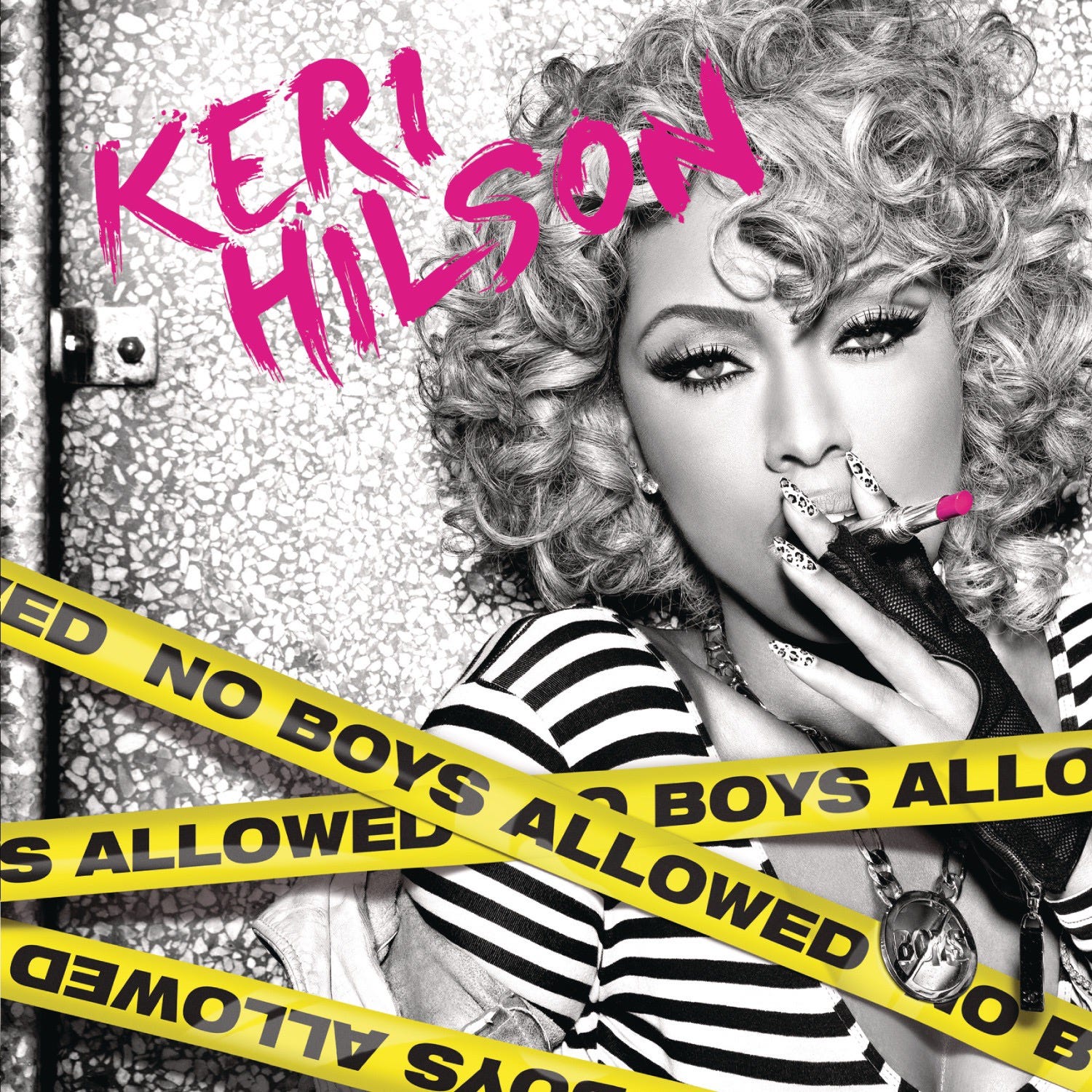
A second album after about a year and a half, pushing the concept “No Boys Allowed = boys forbidden.” Even so, on the previous album In a Perfect World…, with the single “Turnin Me On,” she was already putting distance between herself and the “lame men” coming at her, and in the first place, for her as a woman to sing women’s songs/support songs isn’t something especially new. But the reason she pushed that concept fully to the front this time is probably that “Turnin Me On” was a big hit, and being recognized as a new pop icon by women in the world became a big confidence boost. You can see how confident she is from the cover photo, too, where she appears with a punk-ish look, after the boyish vibe.
For producers, in addition to Timbaland, Polow da Don, and Danja, who held down the side on the previous album, new participants include Boi-1da, Stargate, Chuck Harmony, Bei Maejor, and so on. But maybe because Timbaland and Polow are again executive producers like before, the sound doesn’t change especially much—there are new tries like Polow’s reggae tune “Bahm Bahm (Do It Once Again)” and “Breaking Point” where Timbaland provides a vintage-feeling sound, but the basic route follows the previous album. This, too, was probably a decision after the previous album hit, but that doesn’t mean it’s just following with no bite, so don’t misunderstand. From the start there are spicy numbers that hit you: “Buyou” featuring J. Cole that grabs attention with its forceful low end, “The Way You Love Me” where Rick Ross’s presence being too thin is a problem but the shrieking sound is undeniably cool (both Polow jobs), and the near-future medium “One Night Stand” produced by Charlie Bereal featuring the Rihanna beater turned Bad Boy.
On the women’s songs/support songs, there’s “Pretty Girl Rock,” where even from the PV of her dressing as Diana Ross, Janet, and T-Boz you can’t doubt the respect for women, “Breaking Point,” where lyrics like “this kind of man, I’m at my limit!” will probably get sympathy from girls, and the synthetic Boi-1da number “Gimme What I Want” that draws a brave woman, and so on. Not only these strong-girl songs, but there are also songs prepared that sing single-minded love and painful feelings, like the slow “All the Boys” written by John Legend and made by Jerry Wonder, and “Lie to Me” where a smooth melody rides a Timbaland-like industrial sound, and it seems like a work that will get empathy from more people than the previous album, especially girls.
But on the other hand, honestly, if there were even one more “kaboom-class” song, the album’s presence might have changed a bit more, that’s also how I feel. There are good songs like “Pretty Girl Rock” that were rising on the charts, and every sound is cool, but it feels like it never exceeds the range of “Timbaland and them can probably make about this much.” I don’t think numerical results represent everything about an album, but the result of a slightly lower R&B chart than the previous album might be expressing that vague “one step short” feeling you get from this album. Someone with this level of talent and beauty is rare, so in order to become a true star, on the next album, I want her to pop off more and show a more present, powerful figure. Fifteen years later, she delivered another forgettable project. — Tai Lawson
Kandi, Hey Kandi
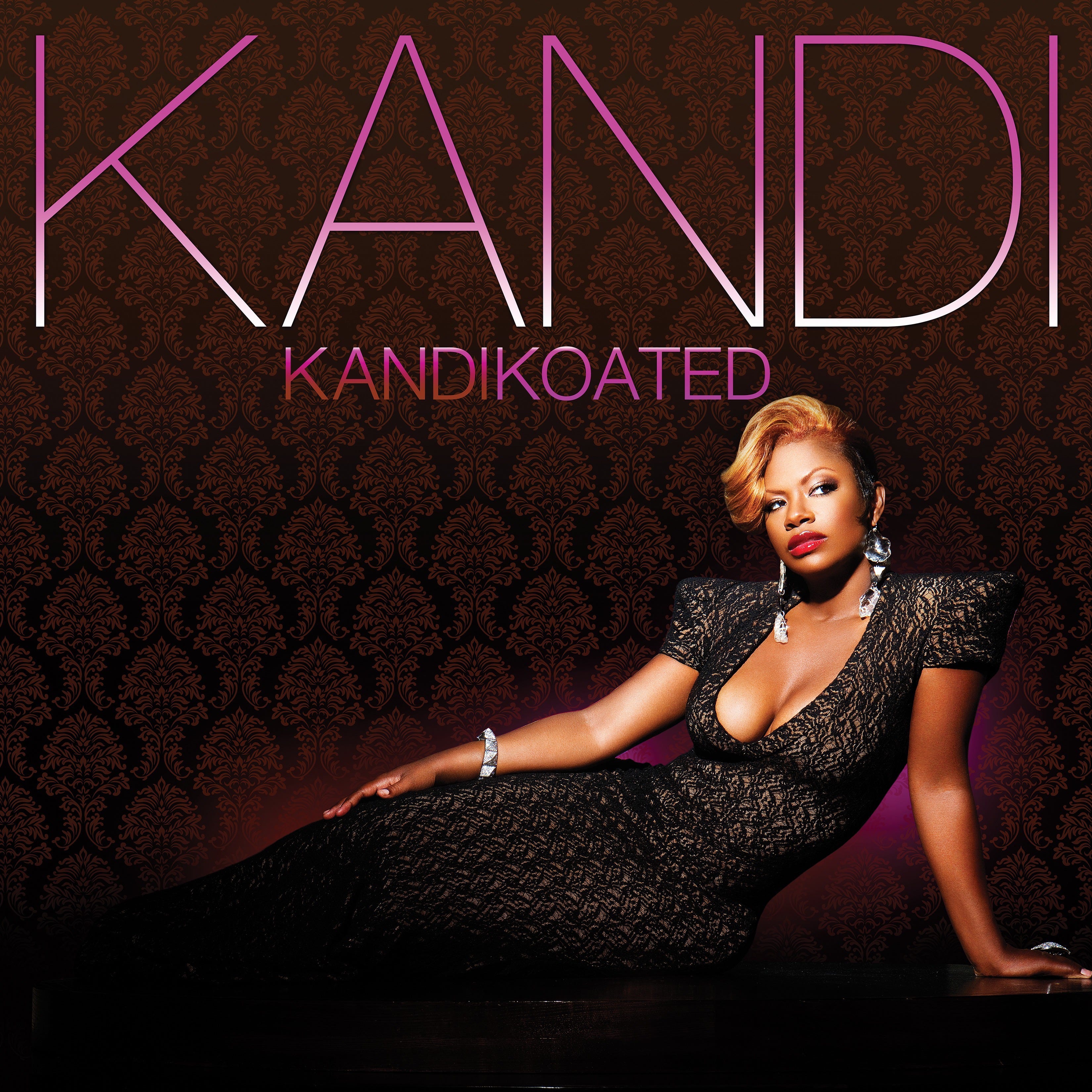
In 2000, she worked with She’kspere and was active as a songwriter, and in that flow, made her solo debut. After that, too, she steadily continued behind-the-scenes work and formed a duo called Peach Candy with Rasheeda from the same hometown, Atlanta, stirring up talk in her own way, Kandi. But the planned solo new work collapsed a few times, and in 2008, her ex-fiancé was murdered, and she had hardships too. With all that, this is the solo 2nd, released after ten years.
The advance track produced by Jazze Pha, “Leave U,” is a passionate slow jam in Jermaine Dupri’s manner that recalls Xscape’s “My Little Secret.” The album is basically this line, with slow-to-medium as the main, and on “Give It to You,” sung in chest voice over a beautiful, agonizing Bryan-Michael Cox track, there’s also the scent of the late ‘90s. “Me & U,” which can be called an homage to the quoted OutKast “Elevators (Me & You),” is a good song produced by Compund…-types, with Ne-Yo’s voice inserted. There are other mid-slow tracks by Justice League and Malay & KP, and so on, and while everything is passing-grade, including Kandi’s singing voice, the tone is dark, and when you listen through the whole thing, there’s no contrast. But in the first place, this album is said to be a shishōsetsu-like album themed around what happened with her ex-fiancé. In an interlude, she appears with her son Riley, on “Superwoman,” featuring her former colleague Tiny, she encourages single mothers based on her own experience, and on the bounce-style “Fly Above” produced by Drumma Boy, she finds a light of hope, but the flow until she reaches that is heavy. She has the ability, so I’ll just call this mediocre work. — Imani Raven
Miguel, All I Want Is You

Miguel’s debut album, which features the title track with J. Cole, with its bittersweetness and languor crossing in an exquisite way, became a smash hit. Even before the hit of “All I Want Is You,” the southy mellow tune “Sure Thing” made by Happy Perez, and Ne-Yo’s “Let’s Just Be” (not included), and things like that had been talked about on the net for a few years, so there are probably a lot of people who were waiting for this album.
His sweet and sexy vocals, heavy and slightly choked at the same time, fitting for someone who also inherits Chicano blood, might be questionable for universal appeal, but they’re very cool, and once you get hooked they become a habit. He’s also a co-writer of Musiq's “ifuleave,” and on “Quickie,” which uses reggae looseness, and “Vixen,” where you can fully lie back together with the singing voice, you can smell something close to Musiq. But on the other hand, he also wrote Usher’s “Monstar” and toured with him, and he also has a sharp, edgy coolness, and he explodes that kind of character on a Timbaland-like electro tune like “Pay Me.” Supporting Miguel’s character sonically on these, like “Pay Me,” “Quickie,” and “Vixen,” is his local LA producer team, Fisticuffs. Also, on the title track, it’s Salaam Remi, on “Teach Me,” which is like turning Midnight Star’s “Slow Jam” into a sticky funk, it’s Donnie Scantz, and on “To the Moon,” where the homage to MJ is wonderful, it’s Dre & Vidal, and strong producers back him up powerfully. You can get drunk on that character and that voice, and you could say it’s a truly dense work. — Keziah Amara Reid