

In 2006, mainstream R&B was getting pulled in two directions at once, where the hip-hop center of gravity was getting heavier, and the older soul language was being recycled either as shortcuts or as a real set of values. These five albums sit in the middle of that tension. They’re not unified by one sound, but by a shared insistence that the singer still decides what the record is. Twenty years later, this set is a quiet counter-argument to the idea that the era was only trends and singles. The point of the series is to show how 2006 R&B kept its spine, even while the ground under it kept shifting.
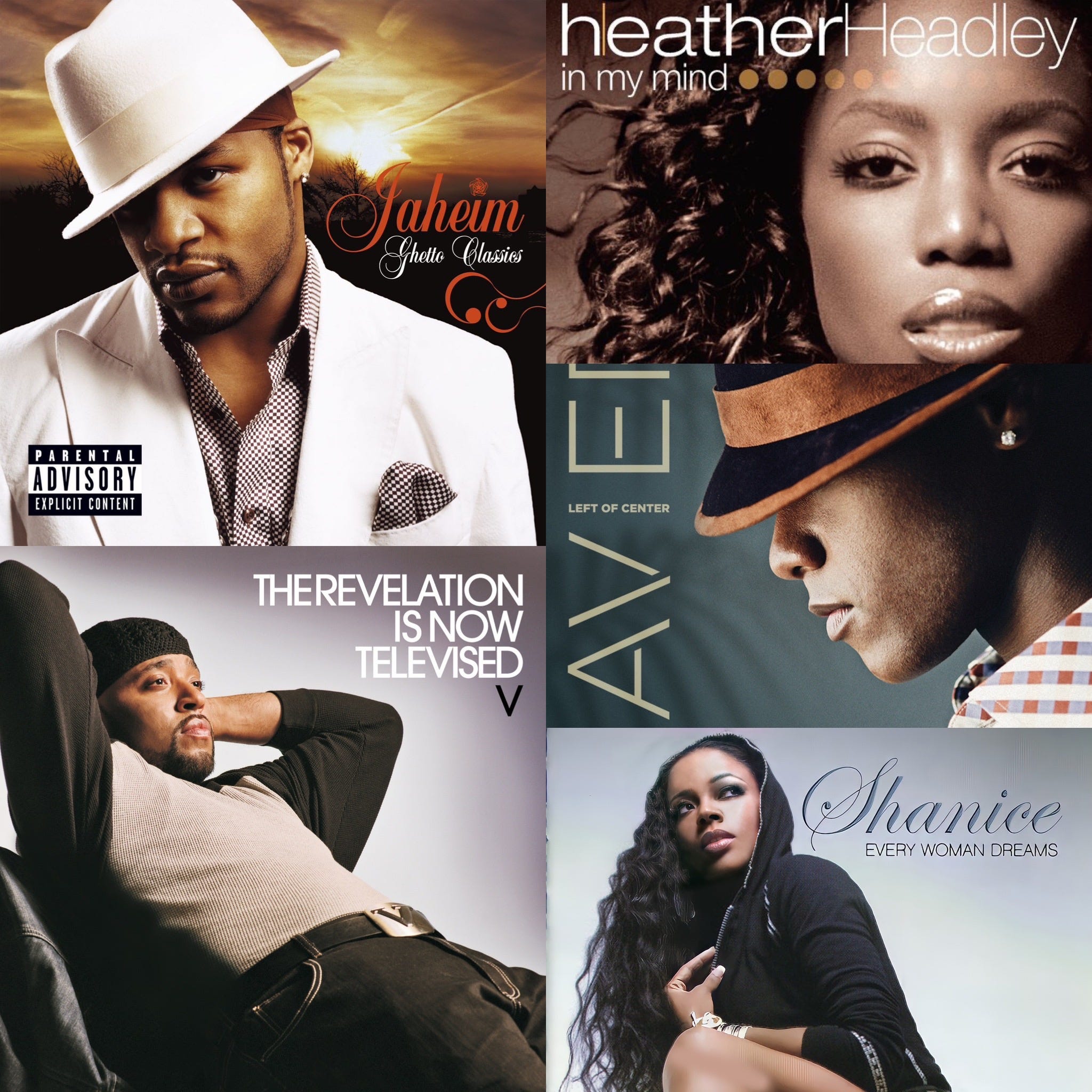
Jaheim, Ghetto Classics
Shit, it really comes through, loud and clear, that he wishes he could’ve lived through the ‘70s–‘80s like Teddy Pendergrass or Luther Vandross. Along with Anthony Hamilton, Jaheim is the one whose soulful voice is being widely demanded right now. His singing on Nelly’s “My Place” was fully soul too, but ahead of this new album, on the Bink-produced collab with Jadakiss (“Everytime I Think About Her”) that got released first, he took the chorus part from Lost Generation’s “Sly, Slick and the Wicked,” and sang like he was deliberately putting on the act of a ’70s soul singer.
I thought, yeah, same as always, but only for a moment. When you actually open up the new album, right from the top with “The Chosen One,” he comes out over a track that straight-up lays Willie Hutch’s “I Choose You” under it, like an old-school singer walking in the door. Then you pass through “Everytime I Think About Her,” and on “Daddy Thing” he loops the intro of Harold Melvin & the Blue Notes’ “To Be True,” which, on the previous album, had been used for a different song. KayGee, his patron, handled it. This is clearly intentional, like a sure thing, and when it comes to picking the source material, a lot of it is chosen from artists whose vocal grain is really close to Jaheim’s. You can tell KayGee and the other producers are basically casting Jaheim as a ’70s soul singer.
Even “I Ain’t Never” by The Co-Stars borrows Marilyn McCoo & Billy Davis Jr.’s “Stay With Me,” which had been used for something else back on his debut single. And on “Conversation,” made by the continuing team of Flaxtreet’s Eric Williams and others, there’s no credit, but the melody of The Dramatics’ “In the Rain” is used so blatantly. In every case, the original lead voices have that manly, raspy, worn texture, and it lines up with Jaheim’s voice too. Still, across three albums, his fixation on the word “ghetto” is just him honestly expressing the scene of “the neighborhood was run-down, but warm soul music was always overflowing there,” from the viewpoint of somebody raised in a modern ghetto. He’s not falling into pure nostalgia.
The Delfonics source that stirs up heat on “Fiend” also drags Styles P in, so the stage is the present-day ghetto, and the Scott Storch bluesy soul he built without leaning on a source on “Forgetful” also hit hard. Even so, the smooth dancer “Like a DJ” by Eddie F and the rest comes off crazy close to Luther, and the running time is only around 40 minutes, like an LP, so the old-schoolization is definitely moving forward. But I don’t think there are any R&B fans who would hate that. — Phil
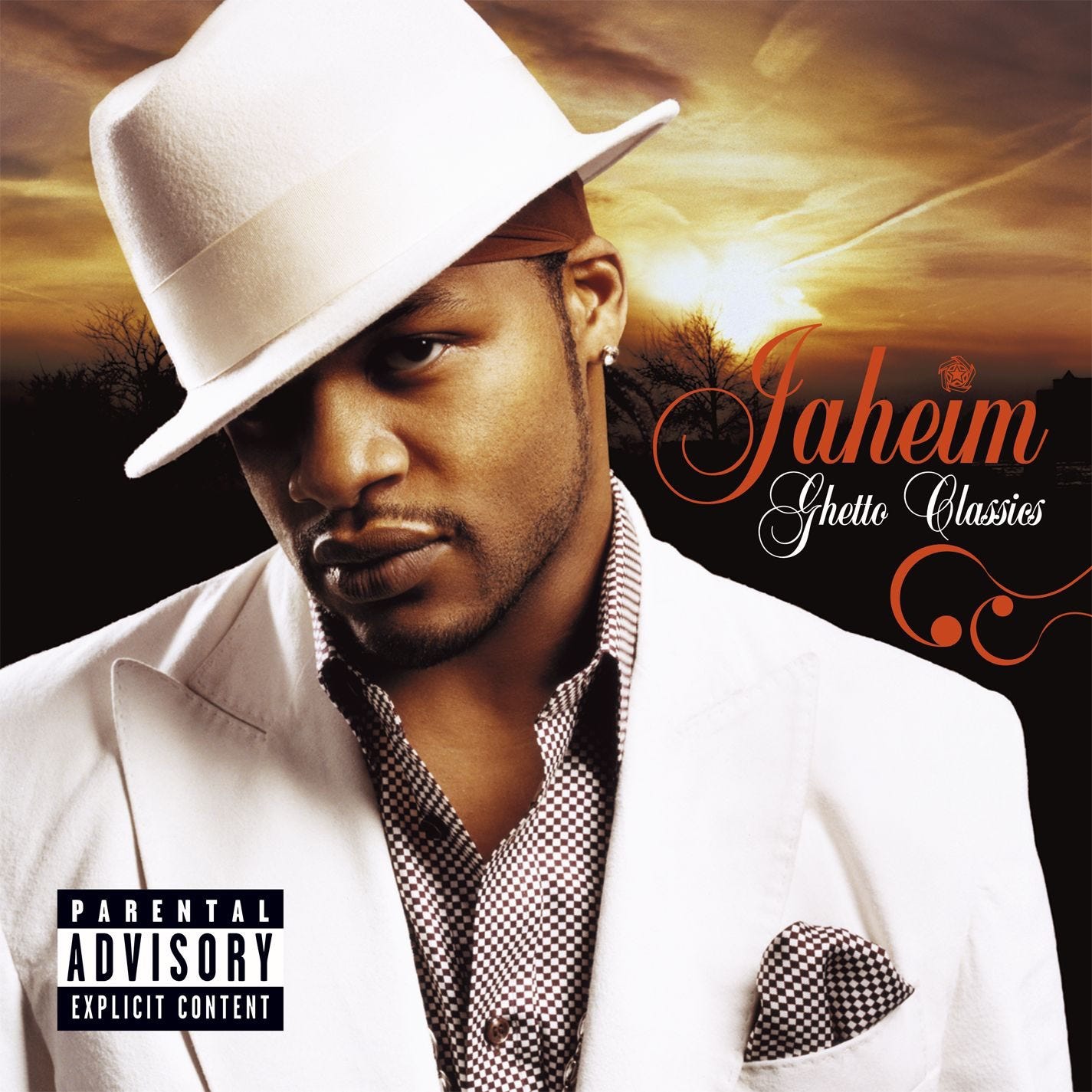
Heather Headley, In My Mind
Do you remember? That stage-born singer who debuted on album in 2002. It wasn’t like there was a single “this is it” song, so it didn’t grab flashy attention, but the previous album was a high-quality work, got certified gold, and even picked up Grammy nominations in two categories. That position, quiet but solid, carries into this one too. I mean, right from the start with “In My Mind,” it’s produced by Shannon Sanders. He’s highly regarded for work like India.Arie, so it’s kind of a connoisseur pick, but it’s just incredible. It starts quietly with guitar arpeggios, gradually heats up as it heads toward the chorus, and then reins itself in on the A-melody. It follows the obvious form the right way, totally straightforward, but perfect.
Maybe it’s meant as expressing her Trinidad-born roots, because “How Many Ways” and “Rain,” with reggae acts participating, jump you out to a lively Caribbean. But besides that, it’s slow-to-mid material that puts her big, musical-star-level vocal power right up front. The dramatic Shep Crawford slow “Wait a Minute,” the “Back When It Was” that Lil Jon finishes in an oldies style instead of crunk, the neo-Philly-like “The Letter” by Heavyweights & Sauce & Ne-Yo that feels like Musiq Soulchild, the bright gospel “Change” by Warryn Campbell, and so on. It shifts styles while making sure you properly hear the singing, the main character. If you call yourself someone who loves singers, you should absolutely. — Jamila W.
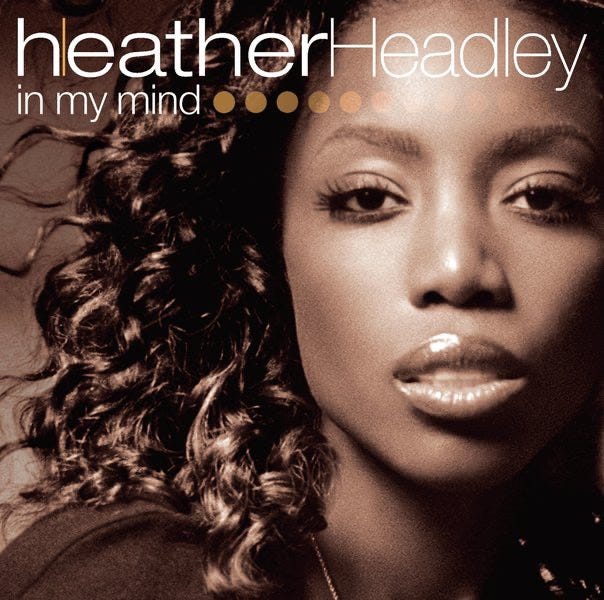
Javier, Left of Center
The meaning of the title, “more left than center,” is tied to the fact that Javier is left-handed, and it’s supposed to represent his stance that his music isn’t only “straight” R&B. I’m not trying to be mean, but any R&B is, more or less, a mixture, and in most cases it takes in hip-hop methodology. There’s no such thing as “straight” R&B. Sorry to him, but those left-leaning elements are basically just the odd kick on “Wassup,” the Spanish guitar on “Dance for Me,” the choir-raising gospel on “The Answer Is Yes,” and the reggaeton mix that was treated as a secret track, “Dance for Me (Reggaeton Remix).” That’s completely within what “straight” R&B can handle. If anything, compared to his debut three years ago where everything was feeling-around-in-the-dark, this one has way more color as a trendy R&B record and it’s enjoyable.
Carvin & Ivan on “You’re the One,” “Is This Love,” and “Poetry,” Sauce and Ne-Yo’s compound production on “Dance for Me” and “Count On Me,” the returning Rhythm Syndicate on “The Answer Is Yes” and “Ways I’m Feeling U,” plus Michael Angelo Saulsberry on “Wassup,” and the ex-ATOJ team of Johnnie “Smurf” Smith & Frank Romano on “Once We Start,” are a genuinely appropriate and attractive producer lineup. Helped along by Anthony Hamilton’s overpowering guest spot on “Count On Me,” Javier’s soft vocal that doesn’t have any harshness gets pulled into new appeal, sometimes funky, sometimes bold, and you start to feel more depth in his artisthood too. — Renée Halloway
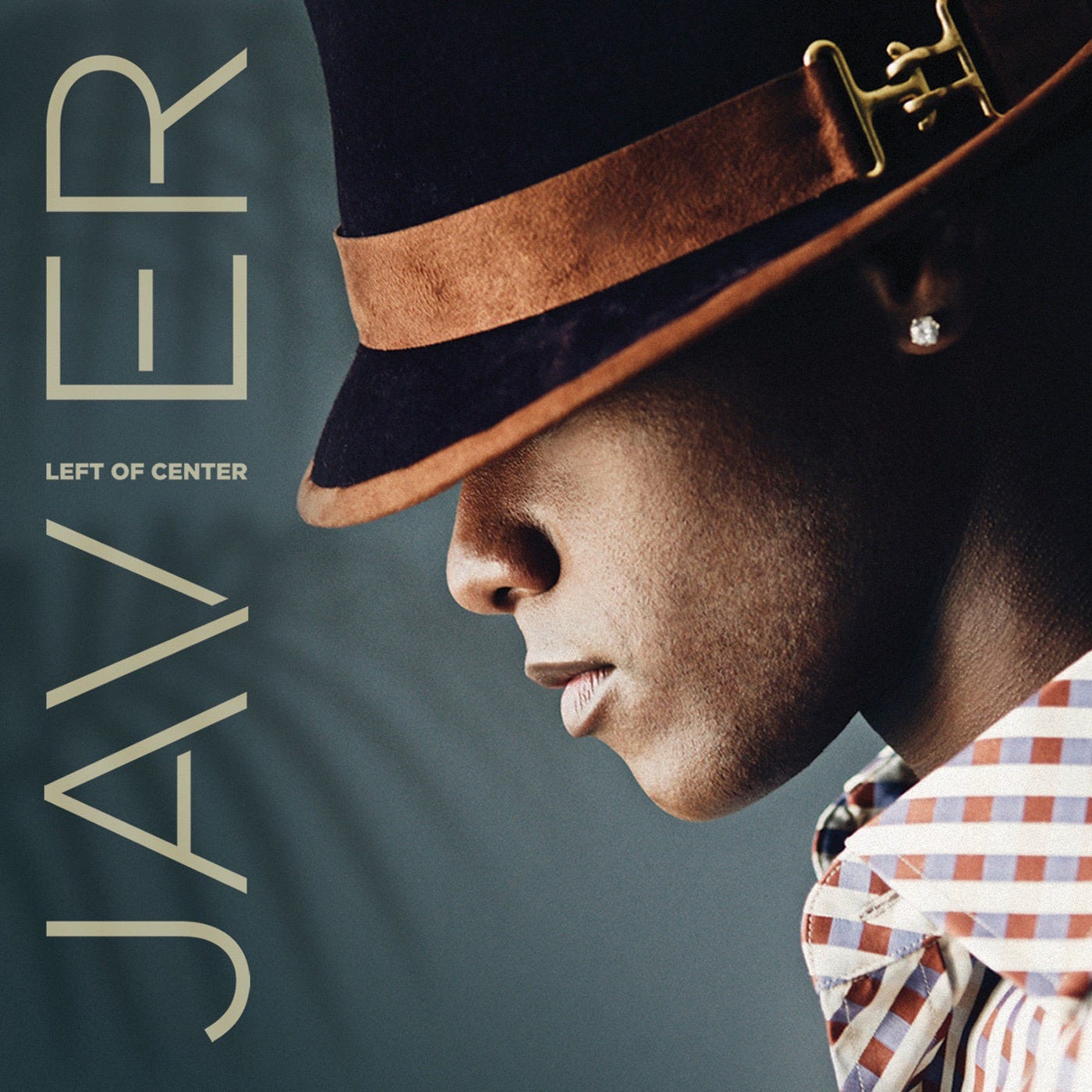
V, The Revelation Is Now Televised
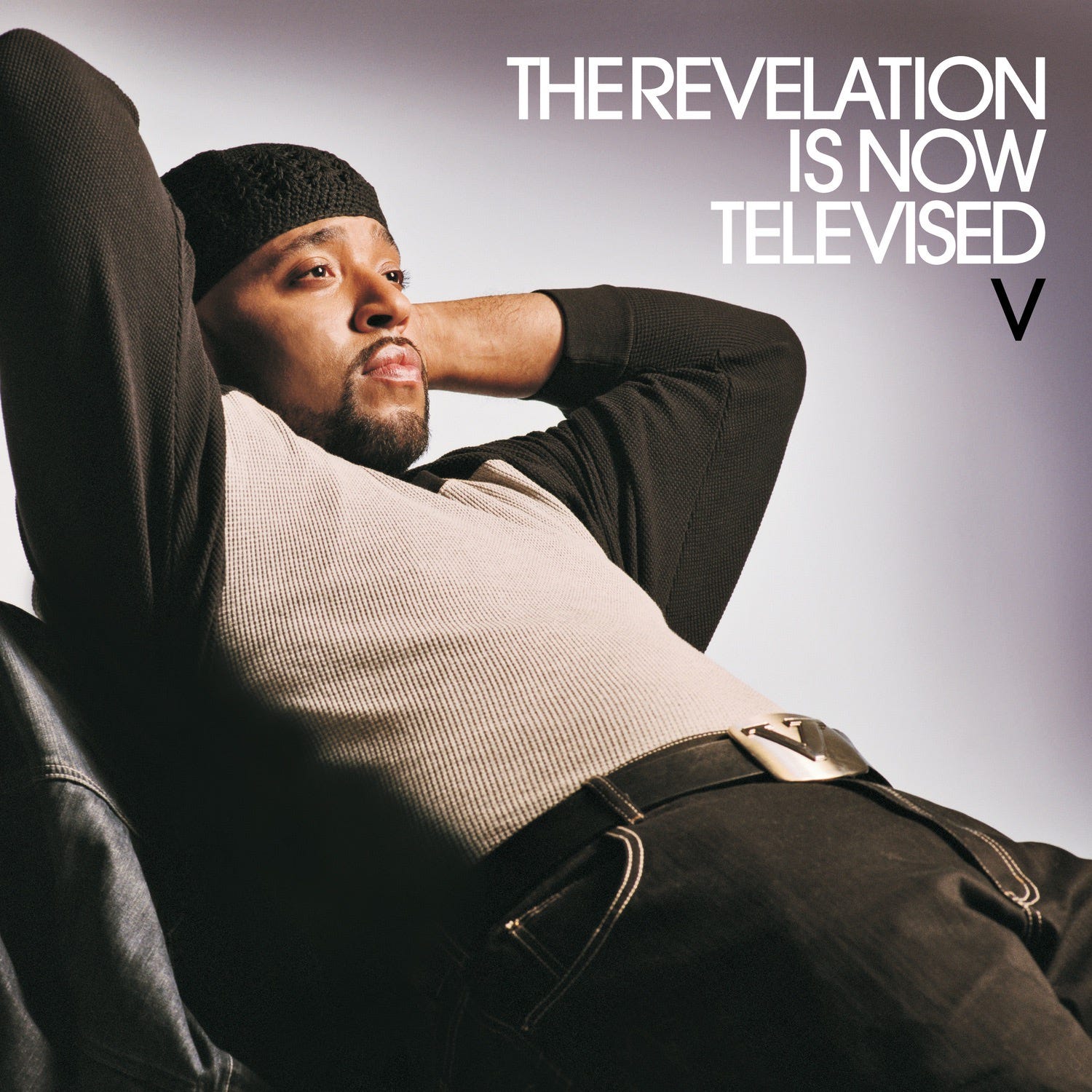
V, aka Valvin Roane, is a singer/songwriter from the A Touch of Jazz (ATOJ) crew. Later I found out he used to show up on Christopher Williams’ first album and even wrote songs for Silk. In the ‘90s, his singles were a topic in Philly, and through James Poyser, a gospel buddy, he joined ATOJ. After that, he stacked up behind-the-scenes results on ATOJ-involved projects, including DJ Jazzy Jeff’s The Magnificent, and now he’s finally making his album debut.
This record mobilizes the current ATOJ elite like Pete Kuzma, and it’s basically a collection of sweet, mellow future-soul that connects to Raheem DeVaughn and Eric Roberson, who were also around Jeff’s work. “Picture This,” and “Would You Be Mine,” which Carvin Haggins and others wrote, even bring Musiq to mind, including the smoothness of the singing. But like the MAW-produced “In Time” was, V has also decided to work in the house direction, and you can tell that’s obvious from how there’s a dancer like “Anotha Phase” on here. The album title and the pose on the jacket look like they’re conscious of Gil Scott-Heron, and there’s a kind of ‘70s new-soul introspection spread across the whole thing. Especially “Confess,” where he pours in a suspiciously smooth, Marvin Gaye-like heavy chorus, is outstanding. “Born Again,” where Jill Scott drops spoken-word, isn’t catchy or anything, but there’s a pure soul-ness packed in here that only an ATOJ crew that doesn’t bow down to commercialism can do. — Esther Blake
Shanice, Every Woman Dreams
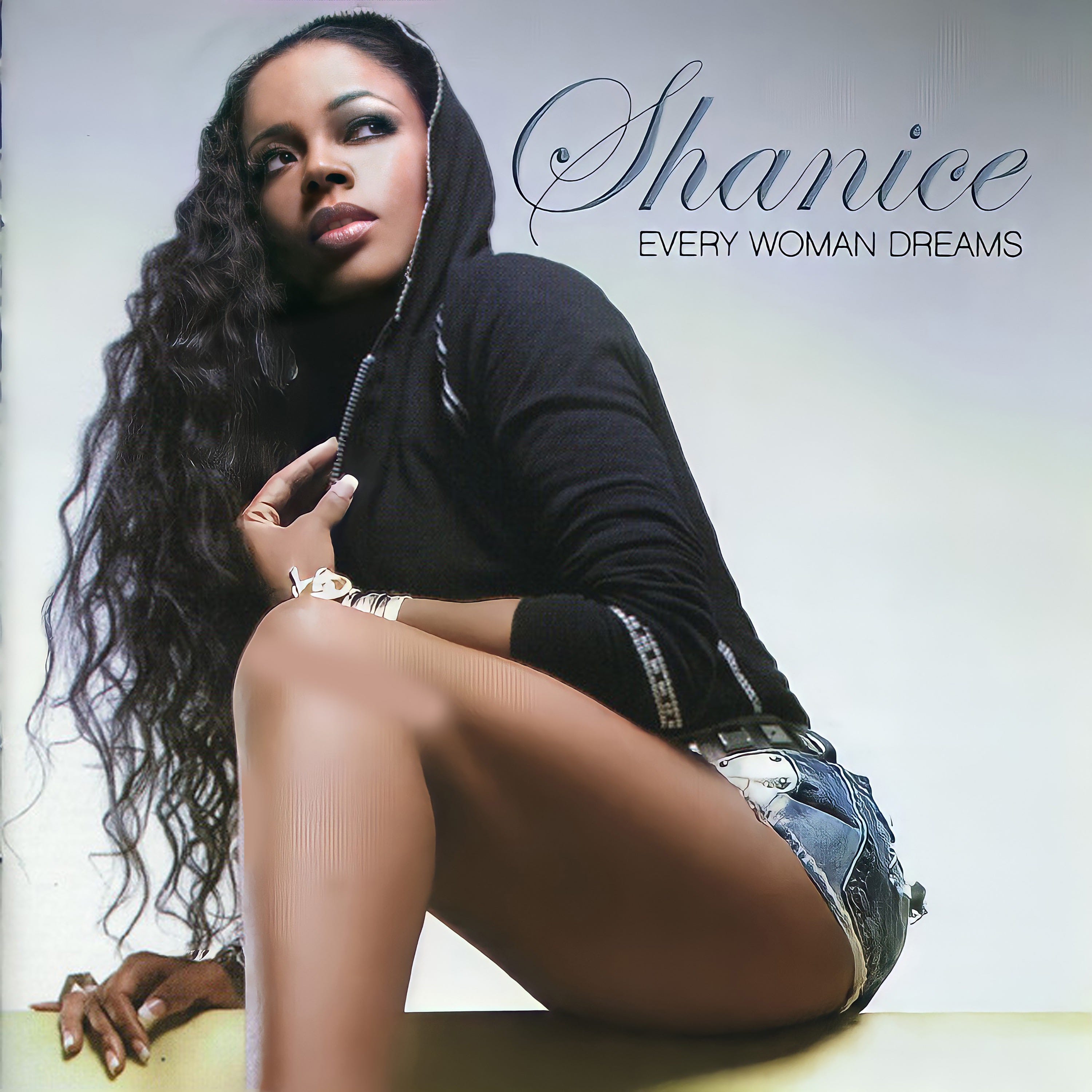
A massive hit can sometimes become an artist’s shackles. Shanice, if you count from her CM jingle era, has over 30 years in the game, and she must’ve been troubled by the ghost of “I Love Your Smile.” That adorable song fixed her image in place, and I think it ended up narrowing the width of what she could express. The LaFace transfer album where “When I Close My Eyes” hit, with its crisp dancing feel, was a good turning point in the sense that it broke that fixed image. This time, coming out on her own label, she pushes that line even further, and you can feel a more aggressive attitude toward current sound, like how she tries crunk on “So Sexy.”
“Get Up,” which brings Sheila E. in on percussion, is also nothing like what you’d picture from the guest name, and it has a high hip-hop percentage. It’s also interesting that, including those two up-tempo songs, Shanice herself plus alpha is making most of the first half of the album. There are songs where the sound is one more step away, like “Every Woman Dreams,” where a Prince-like way of singing unexpectedly fits, but she completely covers that with the force of her singing, with a five-octave range. Starting with Mike City’s smooth mid-groove “That’s Why I Love You,” the second half, where there are more organic-leaning tracks by Shamie Shas, is also really good. The Minnie Riperton cover “Loving You” gets properly listened to, with a sticky, Shanice-like vocal that hangs on. — Tai Lawson