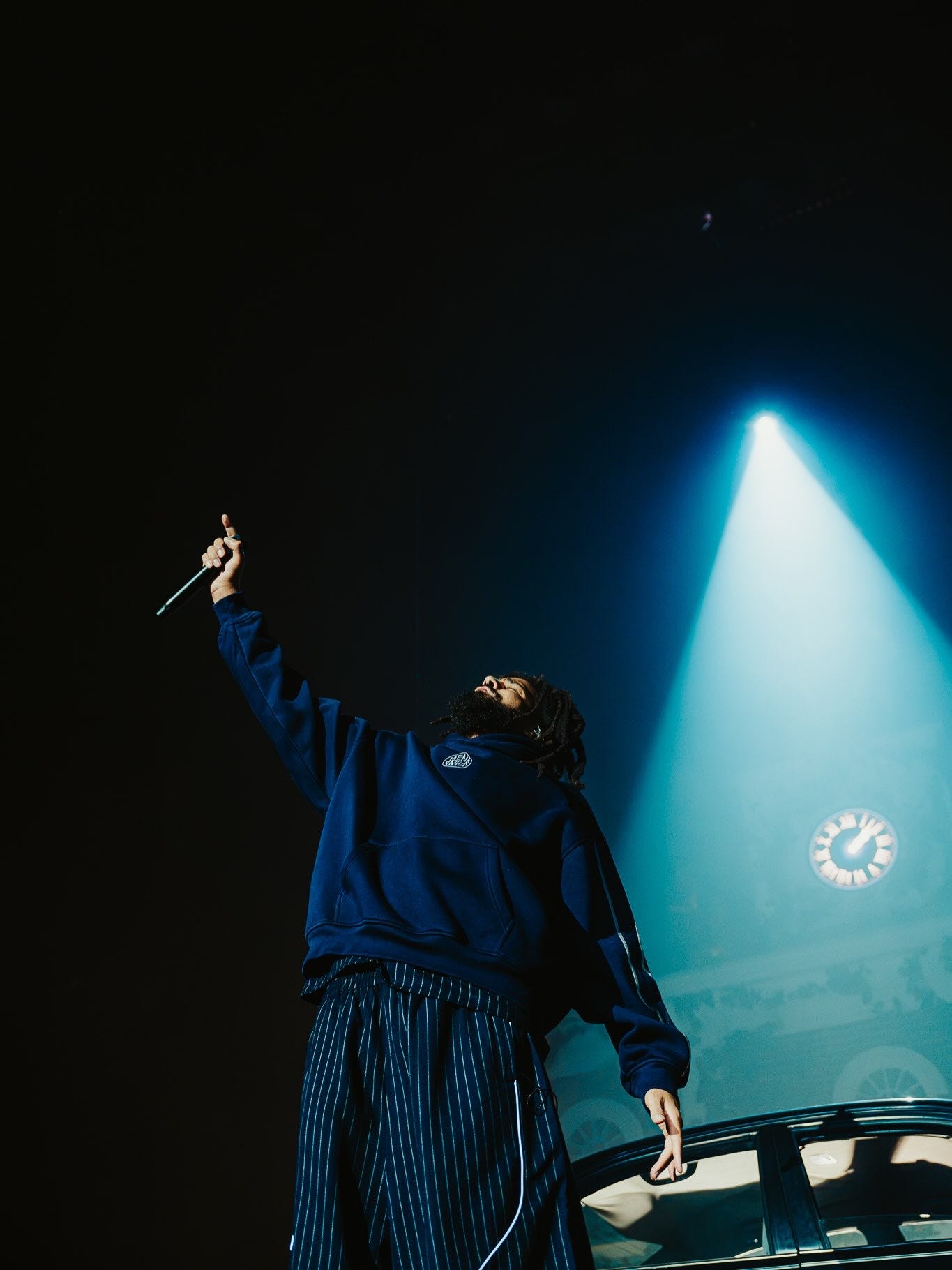
J. Cole Turned the House Lights On In Baltimore
Amid a front-loaded run through The Fall-Off, Cole called for the house lights, ran a five-state roll call, and asked Baltimore to pretend it was from North Carolina. Two hours, 30+ songs, no goodbye.
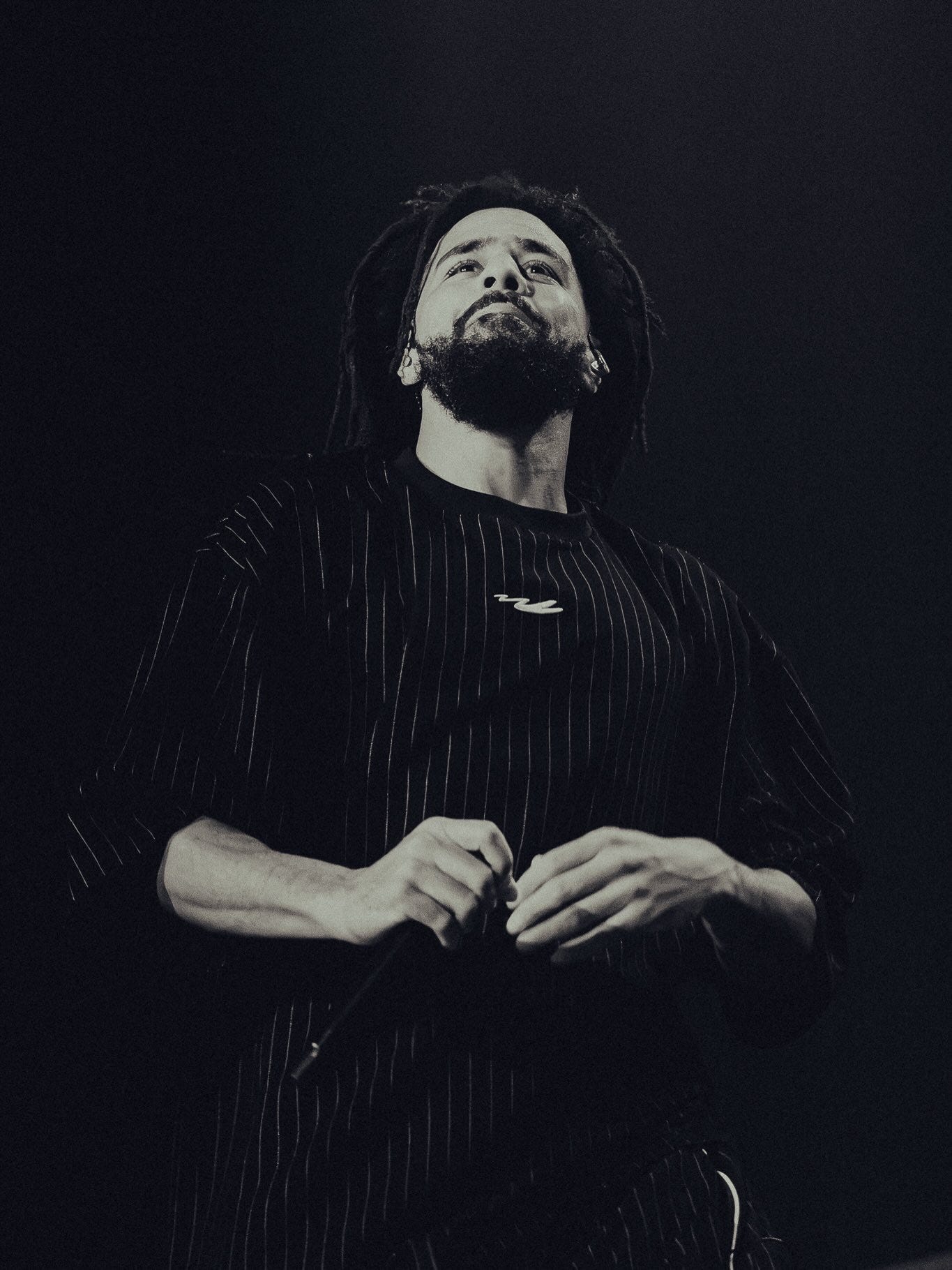
I know I’m late, but let me breathe a little.
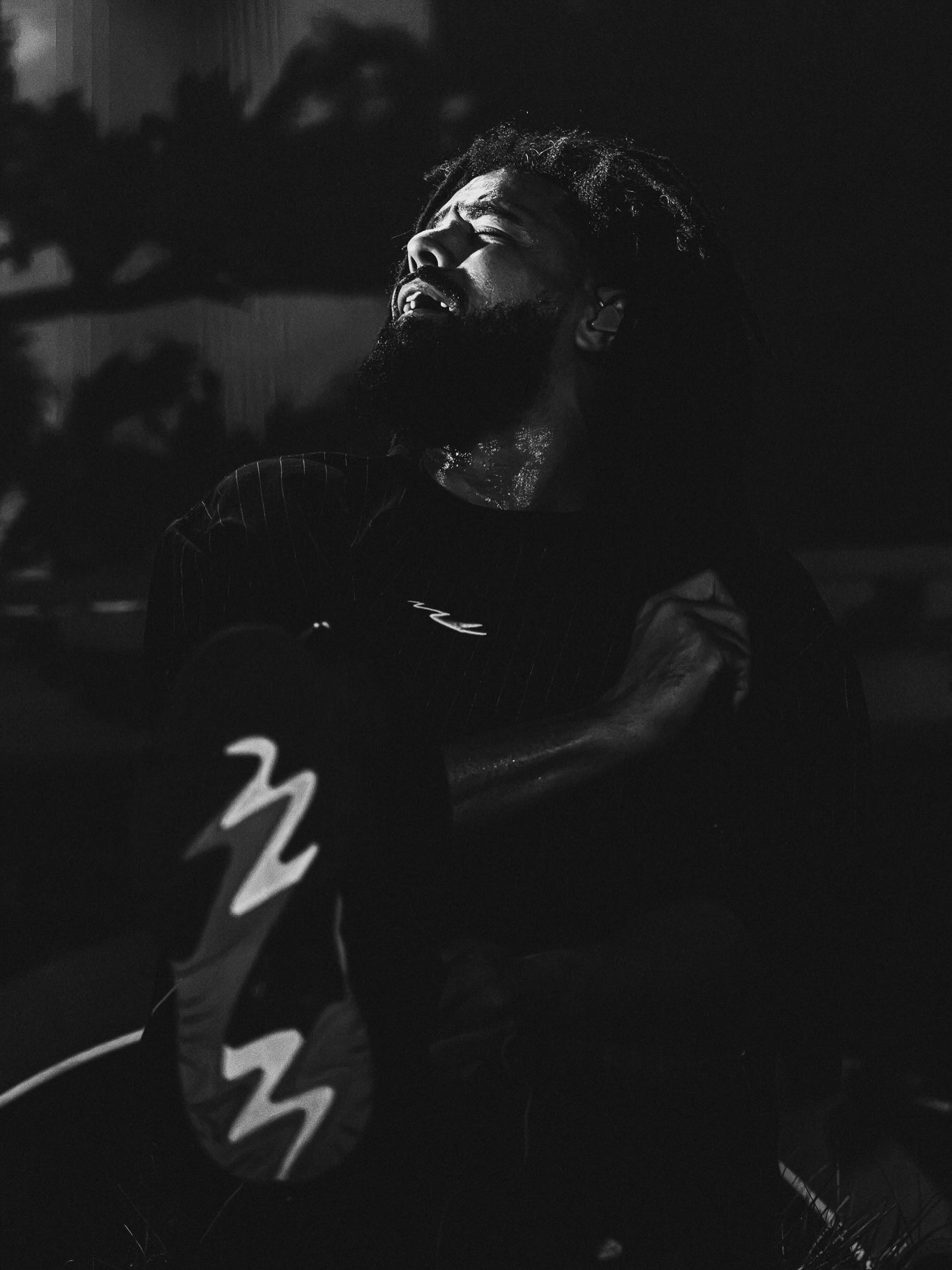
At the CFG Bank Arena, Dreamville Radio had DJ Nitrane and Bas spinning before any of that kicked off, working the crowd with R&B while a lit-up two-story building waited in the back of the stage. PJ was up first with vocals, followed by PFG. And when the headlining act took the stage, he didn’t get up with a song. Called over to the booth for the lights, he asked for a visual, and waited while the whole arena lit up. Went around the arena, taking the right side, the seats on the right, the people in the back and the middle, two passes, because Jermaine Cole knows he’s still looking.
There was Baltimore, then D.C., then Maryland, then Virginia, then Delaware, which he said is a neighbor that the rest of them don’t love enough. “On most nights I’ll call out DC and Baltimore separately,” he explained, “but is it cool if I just call the DMV?” The room let him. Then he reminded a paying arena that the album is as long as hell and thanked anyone who had listened to it all, which rappers don’t usually do with their albums.
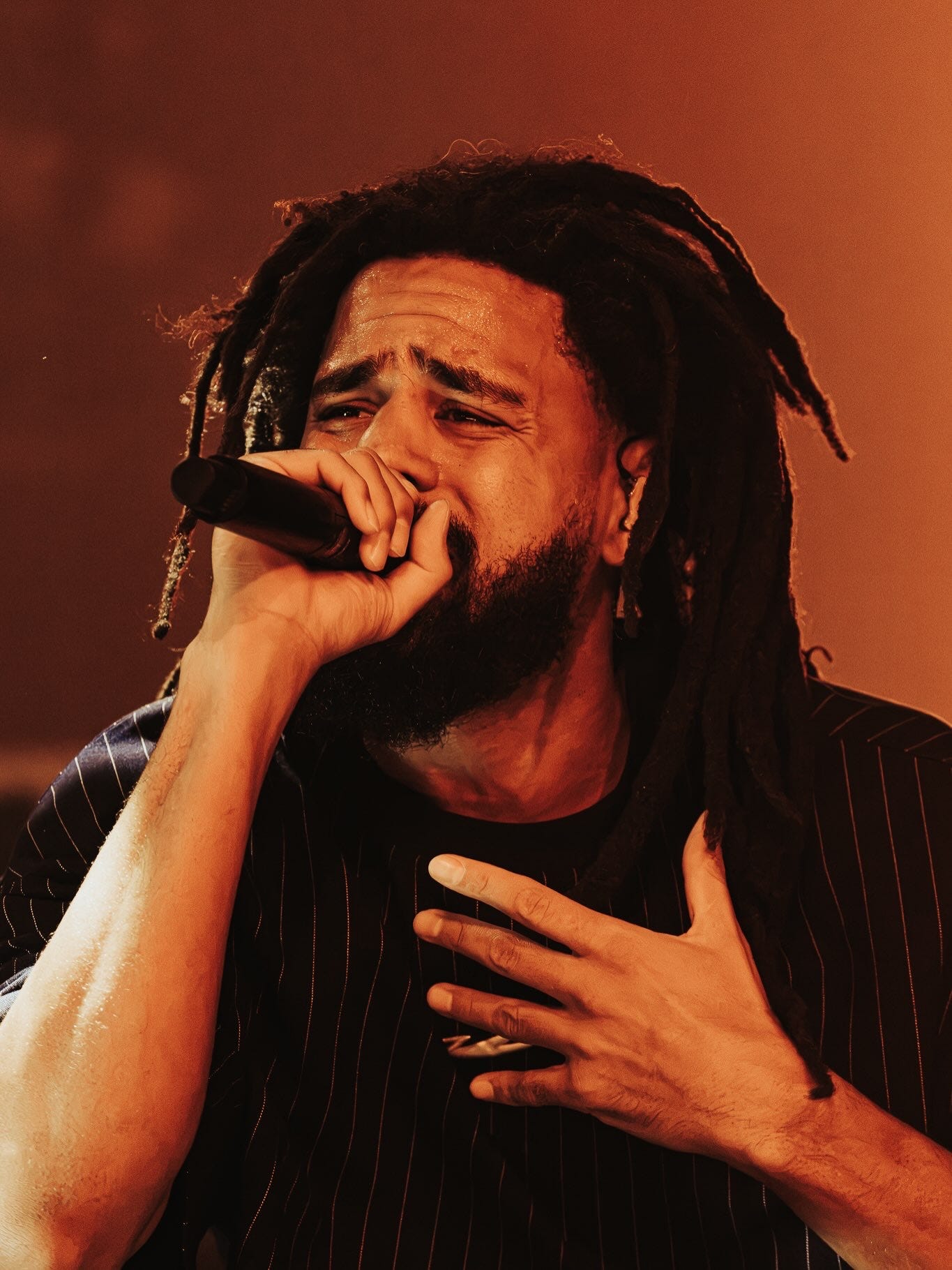
He had already told the arena that he can recognize the people who know every bar and the people who will bail on him after the first couple songs, and then he made them wait. Remember the videos you see on social media of Cole taking a seat in an open seat near the nosebleeds in the arena? No different there. “39 Intro” opened the set, off the second disc, followed by “Two Six,” “SAFETY,” “Run a Train,” “Poor Thang,” and “Legacy.” Fayetteville gave “Two Six” its title, the 2-6, and Mr. Bigg’s “Trial Time” gave it the interpolation. “SAFETY” is three verses of messages left for him by people in his hometown, constructed the same way Nas constructed “One Love,” over horns borrowed from Queen Latifah’s “U.N.I.T.Y.” The third verse is about a man who died from AIDS, and it gets ugly well before it gets anywhere else. Cole recreated the nickname he and his friends used to give him and then dropped: “Nah, times change, I know that’s wrong.” And before “Run a Train,” he requested the crowd to hold middle fingers in the air, and only the people who actually know the song can sing along. “Poor Thang” interpolates Boosie Badazz’s “Set It Off” and is the nastiest song on either disc, and “Legacy” brought out PJ to sing about the one who got away. The replica of the Fayetteville Market House in the background—the place where the slaves were sold, and where protesters set it ablaze in 2020.
It took twelve minutes between the start of “Poor Thang” and “Legacy,” and almost all of it wasn’t music. He told the audience about an itty-bitty city, four hours south from them, a dream that is Mount Rushmore and a dream underneath that one about putting his little town on the map. He isn’t bragging, he told them; he’s just keeping it a hundred, and it seems that he did. Then he outlined the time when he didn’t want to be proud of that. Men who expected him to be proud of them hated him instead. People who didn’t know him were bashing his name. Calls to his parents brought news of someone getting shot or killed. Then came the burden of taking care of people, and then the text from a number he hadn’t seen in years. And then he introduced the song by telling them that they don’t have to rap along to it. “You don’t gotta do it,” he said, “you just gotta listen.”
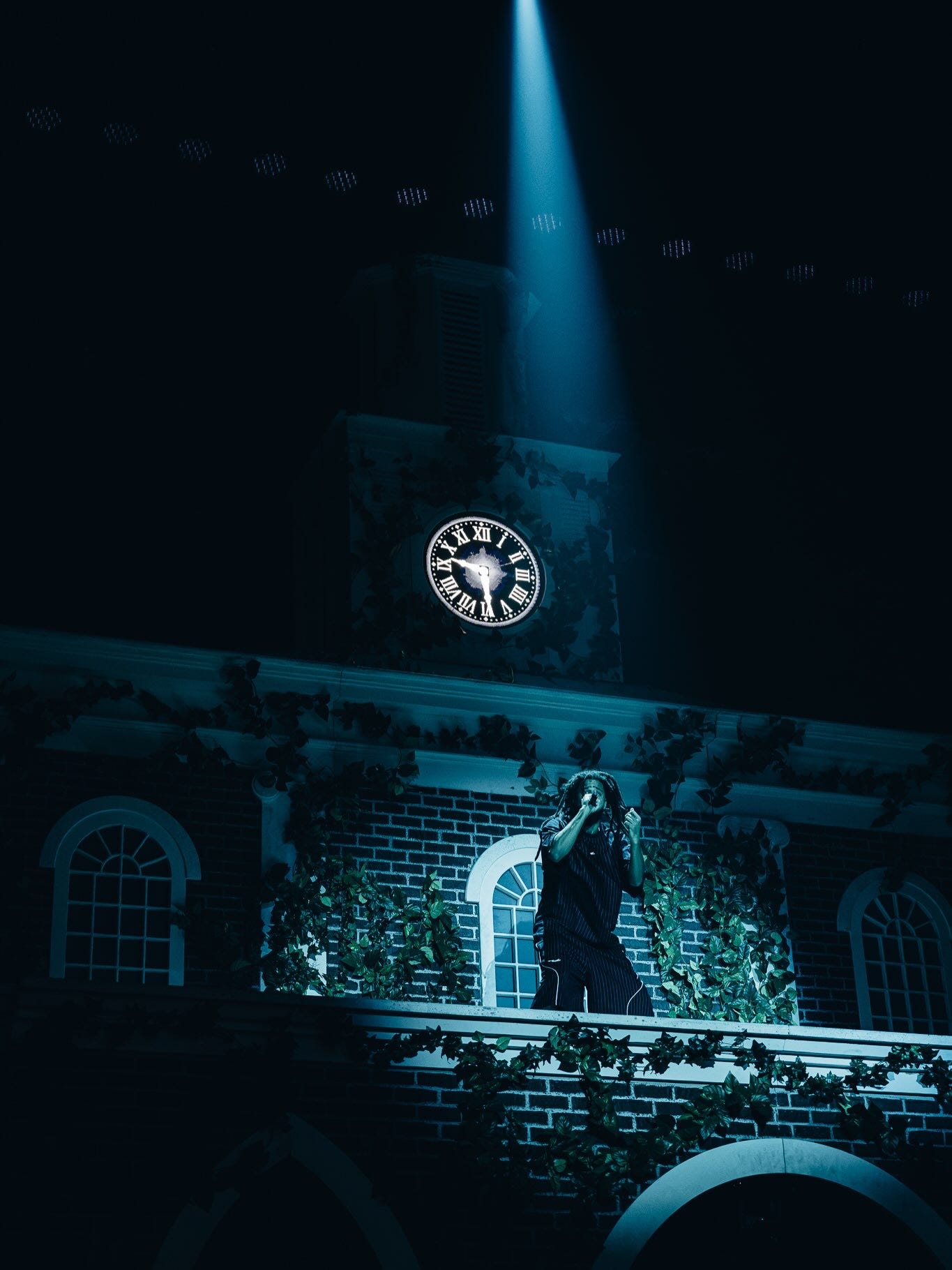
The seventh song was the first song anybody in there lived with, “A Tale of 2 Citiez,” and the hour following it belongs mostly to 2011 through 2019. Benny the Butcher’s “Johnny P’s Caddy” was preceded by the request from Cole to raise hands if they could do that word-for-word, bar-for-bar. And then he scouted the crowd for them, spotted the sign, worked the middle, and asked if anyone could reach the guy in the higher seats. Three people appeared on the big screen. One of them went onstage, and he enjoyed that, saying there were lots of people watching, so step up and murder it. “Lights Please” was introduced with the warning that they might not know that one, and the song puts him in bed with a woman, trying to say something about how far Black people have to go, then giving up halfway for what he actually wants, which he states bluntly. “Fire Squad,” “Middle Child,” and “a lot” follow that stretch, “Wet Dreamz” and “G.O.M.D.” later.
Ahead of “Old Dog,” he asked the crowd for a favor. For one song, pretend that you’re from Carolina. “Make me believe it, please.” Petey Pablo hooks it on that song, and Cole does the verses, saying that he is home for now, C-O-L-E, state of N.C., back rich in a place that never had anything. He went into Petey Pablo’s “Raise Up,” and the lighters and the shirts were raised on his command. No printed setlist of this tour contains that song. During the run billed as the last, Cole gave a slot to a record he hasn’t written, by the first North Carolina rapper to put a song on the national radio.
Back end of Disc 29 comes late into the show, with “Drum n Bass” performed and handing straight over to “The Let Out.” In this one, a stranger in a club tells Cole that the men standing by the bathroom door are plotting on him, asks what he is doing in the Ville with no security, and the hook wonders if anyone is going to survive the parking lot. “Bombs in the Ville / Hit the Gas” gets its title from the ranges at Fort Bragg firing next to the neighborhood. The second half hits harder live.
Cole killed the beat during “Life Sentence.” Told the DJ to cut it off, told the room he understands the song sits deep on the disc that most of them didn’t get that far yet, and made sure they understand what he meant by saying that he wrote the realest thing he ever wrote. Then he scouted them by the company that brought them, whose girl is at home or in another city, and who is still waiting for the right one, not just anybody. Finishing the song—which interpolates DMX’s “How’s It Goin’ Down” hook and transforms doing life with somebody into the good life of the sentence—he went into “Love Yourz,” saying that the older is the reason he could write the newer one. “Love Yourz” is a man talking himself off envy, telling whoever is listening that there is always a bigger house ahead, and nobody is happy until they learn to love what they have. It came out in 2014 and did more work than anything else played in that building. Finished the song, he thanked them for teaching him that they’ve already been on a high level and just went higher, and said good night. Played four more songs afterwards.
Two of those went to “Power Trip” and Jeremih’s “Planez.” Before “No Role Modelz,” he had the whole room put a finger to the sky as he rapped on “Deja Vu,” ran several bars of something that wasn’t the song, stopped, and admitted that he just wanted to see who would bite. Mentioned that he had been up there for two hours. Set up “Quik Stop” with the warning that they can leave now, that it is no hit record, that a lot of them won’t know it, and that it means something to him. “Quik Stop” is a four-minute song about pulling into a gas station when the tank is nearly empty with Trap Muzik still on, and about a stranger coming up to say he was thirteen when he got a hold of Cole’s tape, and was playing it when his mother was tripping, and he had nowhere to stay. He rapped the whole song to the room that he had just given permission to leave. That night was a reminder that the real is back, the Ville is back.