

JAY-Z, Pusha T, and Stan Wars Turn Epstein Files Into Fan Fiction
You demand proof only when it helps your hero. If alleged assault makes you smile, log off. Your beef is not bigger than abuse, and survivors are not props for stan wars.
Trigger warning: This story contains mentions of domestic violence and sexual abuse. We encourage you to reach out to The National Domestic Violence Hotline (1-800-799-SAFE (7233) or https://www.thehotline.org) if you experience or see domestic abuse.
Within hours of the latest Epstein-related document dump, the screenshots were already circulating with laughing emojis attached, names getting pulled from declassified pages and dropped into reply threads like ammunition, stripped of context and wiped clean of any legal meaning. Hardcore fans who had spent years dismissing accusers suddenly became investigators, prosecutors, and executioners all at once, armed with nothing but a PDF and a grudge.
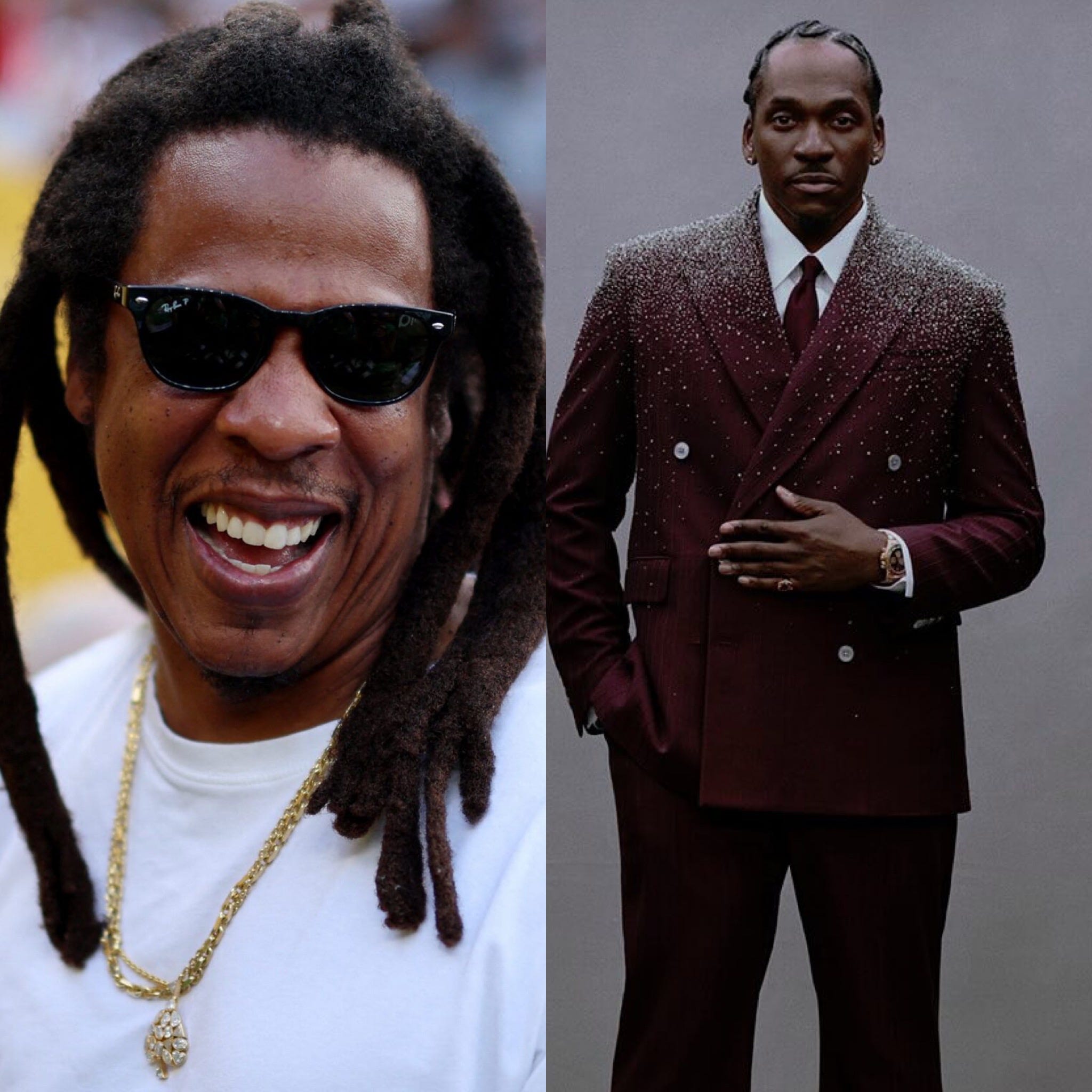
JAY-Z and Pusha T have both had their names thrown into this churn. Their names surfaced in FBI “crisis intake” reports from 2019, released on January 30, 2026, as part of the DOJ’s Epstein Files Transparency Act document dump. The reports originated from anonymous tips submitted to the FBI’s National Threat Operations Center hotline, not from Epstein’s flight logs, address books, or any verified investigative evidence. One caller alleged that JAY-Z was present alongside Harvey Weinstein during an incident in 1996; another labeled Pusha T a “handler” who helped lure victims in 2007. Neither allegation led to charges, formal investigation, or prosecutorial action. Separately, JAY-Z was named in a civil lawsuit alleging sexual assault, filed in December 2024 and voluntarily dismissed with prejudice by the accuser in February 2025 after inconsistencies in her account occurred. Both names have been weaponized in stan wars, hurled back and forth by fans looking to score points rather than pursue accountability.
Guilt or innocence is not the point here. That work belongs to courtrooms, sworn testimony, and cross-examination, not timeline debates between people whose primary interest is seeing their preferred artist win a proxy war.
The language being thrown around requires correction. A name appearing in an FBI hotline tip does not indicate guilt. Tips are unverified reports, sometimes anonymous, sometimes from people with obvious motives. An FBI report is not an FBI finding. A document being declassified means it became public, not that its contents were validated. Names circulated in a civil suit remain allegations until a jury rules otherwise. Rumors that proliferate on social media carry no legal weight at all. If someone tells you a name on a list equals proof of a crime, they either do not understand how law enforcement works or they are counting on you not understanding.
Conflating these categories does one thing. It lets bad-faith actors manufacture certainty where none exists. Fans hungry for ammunition grab the most alarming phrase available and fire it at their target without verifying whether the underlying claim has been investigated, charged, tried, or adjudicated. The difference between those stages is the difference between accusation and conviction. That distinction should not collapse because someone wants to win an argument about whose discography is better.
Meanwhile, real harm goes unexamined. Jeffrey Epstein was a convicted sex offender whose victims, many of them minors at the time of their abuse, have testified in court, cooperated with federal investigators, and pursued civil remedies against his estate. Ghislaine Maxwell was convicted on federal charges including sex trafficking of a minor. Donald Trump was found liable in a civil case for sexual abuse of E. Jean Carroll, with the jury awarding her $5 million in damages in 2023. These are adjudicated facts, documented in court records, tested by legal process. Prince Andrew settled a civil lawsuit brought by Virginia Giuffre, an Epstein victim, for an undisclosed amount. These settlements and verdicts exist in the public record. They name specific people, describe specific conduct, and carry consequences.
That record tells us something about how power, access, and money insulate abusers. Epstein operated for decades while authorities looked elsewhere, his victims dismissed or discredited, witnesses intimidated, documents sealed. The machinery of wealth and reputation worked overtime to keep allegations from sticking. When survivors finally got their day in court, it took years, multiple investigations, and relentless advocacy to hold even some of the responsible parties accountable.
None of that history should become fodder for rap beefs. Victims should not watch their trauma reduced to meme material because fans want leverage against an artist they dislike. Lobbing “Epstein Files” like a rhetorical grenade at enemy camps dishonors every survivor who fought for the slim accountability that exists. Their pain does not exist for your amusement, and their testimony was never meant to fuel your arguments.
Stan wars corrode whatever accountability they claim to pursue. The same fans who demand proof when their favorite artist faces criticism accept rumor as gospel when the target is someone they despise, their skepticism running in one direction while evidence standards flex to suit preferred outcomes. A denial from a favored artist passes as definitive while identical denials from rivals get mocked. Nothing about this resembles justice, just tribalism borrowing its vocabulary.
Worse, the celebration itself exposes the lie. If you genuinely cared about abuse victims, news that another person might have harmed someone would not make you happy. It would add weight to an already crushing reality. Instead, these revelations get greeted with delight, as though an allegation against a rival validates years of bad-faith arguing, the cruelty becoming the point, suffering becoming entertainment when it damages the right people.
Cheering for abuse allegations because they hurt someone’s reputation treats survivors as collateral damage. Their experiences get flattened into scoreboard material, useful only insofar as they advance a preferred narrative. The human cost of assault, the years of therapy, the fractured relationships, the professional setbacks, the lifelong wariness, all of it disappears the moment an accusation gets absorbed into fandom warfare. What remains is the accusation itself, hollowed of its stakes, converted into clout.
Unverified claims harm the accused as much as anyone, destroying lives and shattering reputations under the pressure of public conviction before any trial occurs. Families fracture, careers buckle, and even if someone is eventually cleared, the stain often persists. Circulating unproven allegations as though they were established fact inflicts real damage on real people, damage that cannot be undone by a quiet acquittal or a dismissed lawsuit, while the people who spread those claims face nothing and the accused bear all of it.
The misuse of institutional language compounds the damage. “FBI” carries authority, and “Files” sounds like official documentation when it often means nothing of the kind. “List” implies systematic tracking, even when the underlying document is a tip line log full of unverified names. Bad-faith actors exploit that authority, knowing most people will not read past the headline, knowing the phrase “FBI Epstein Files” sounds damning whether or not the underlying document supports any particular conclusion, propaganda dressed as disclosure that relies on public confusion about how law enforcement operates and succeeds because clarification takes longer than innuendo.
Accountability requires seriousness. Survivors are owed belief and investigation, not the opportunistic citation of their trauma by people who will forget it the moment the news cycle shifts. Alleged perpetrators are entitled to due process, not conviction by viral screenshot. And the public needs accurate information about what has been proven, what remains alleged, and what amounts to nothing more than online noise.
Anyone who cannot tell the difference between a tip and a charge, between a rumor and a verdict, should stop pretending to care about justice. Smiling at someone’s potential victimization is a signal to log off and examine what fandom has done to your capacity for basic human sympathy. And when the beef with an artist grows so large that you celebrate the possibility someone was harmed just to win an argument, you have already lost something more important than any rap rivalry.
Your favorite rapper is not worth this, and no artist is. Survivors are not ammunition, allegations are not content, and turning abuse into a game forfeits any claim to speak about accountability at all.
My main grip with this take is the following : you are arguing that we shouldn't believe the mere mention of their names as presumptive of association to the crime, because no prosecution was followed.
Well no prosecutions were made against Weinstein, R.Kelly and others for years, and yet they were all found guilty of serious crimes at a later time.
Shouldn't we at the very least examine the existence of accusations through the years and ask for answers on their end, instead of blindly disregarding accusations as mere "Stan" fodder ?