

March 2026 Roundups: The Best Albums of the Month
From comeback records to quiet stunners, March proved that the year’s best music might already be behind us. Jazz, soul, rap, and everything in between collided this month in ways nobody saw coming.
There is a particular feeling that arrives every so often when you pull up a release calendar and realize you are looking at something unreasonable. Not just a strong month. Not just a handful of records that happen to land in the same window. Something closer to an avalanche, where the sheer volume of quality music starts to feel like a dare. March 2026 was that kind of month. It came through the door swinging with both hands, dropped over forty albums on the table, and walked away without apologizing for any of it.
What made this month hit different was not just the quantity. It was the breadth. The list you are about to scroll through contains comeback albums from artists who had been quiet long enough for people to start wondering. It contains records from duos and collaborations that never should have worked on paper but ended up producing some of the most cohesive music of the year so far. It contains debuts that arrived fully formed, with the kind of confidence that usually takes three or four albums to develop. It contains jazz records, soul records, rap records, experimental records, and records that sit so far outside any single genre that trying to categorize them feels like missing the point entirely.
One of the threads running through this month is the idea of artistic patience. Several of these projects feel like they were cooked slowly, over years rather than months, and the difference is audible. There is a weight to them, a sense of intention in every arrangement choice and every vocal take, that separates them from the assembly-line content cycle that dominates so much of the streaming landscape. These are albums in the truest sense of the word. They have arcs. They have moods that shift and build across the tracklist. They reward the kind of attention that most modern releases have stopped asking for.
Another thread worth noting is how many of these records come from artists operating outside the spotlight. For every name on this list that you might recognize immediately, there are two or three that you might be encountering for the first time. That is by design. The best months in music are the ones that force you to expand your map, to follow a name you have never heard into a sound you did not know you needed. March was generous in that regard. It kept handing out discoveries like it had an unlimited supply.
The international scope of this list also deserves a moment. London, Atlanta, Los Angeles, Chicago, and a handful of cities and scenes that do not get called out by name nearly enough all left fingerprints on these records. The geographic diversity mirrors the sonic diversity. You can hear different cities in the production choices, in the vocal cadences, in the way certain records breathe and move. Music has always been a product of place, and this month made that connection feel especially vivid.
We are not going to tell you what to expect from any individual record on this list. That is the whole point. Part of the pleasure of a month like this is the act of going in cold, pressing play without reading the tracklist, letting an album reveal itself on its own schedule. What we will say is that no matter what you tend to gravitate toward, there is something here that will stop you mid-step. There is something here that will rearrange your year-end list before the year is even halfway finished. There is something here that will make you send a text to someone at two in the morning that just says, “Have you heard this?”
Not a single skip in the bunch. March came to work with 72 additions. This list could’ve easily been the best albums of 2026 already.
Blessing Jolie, 20nothing
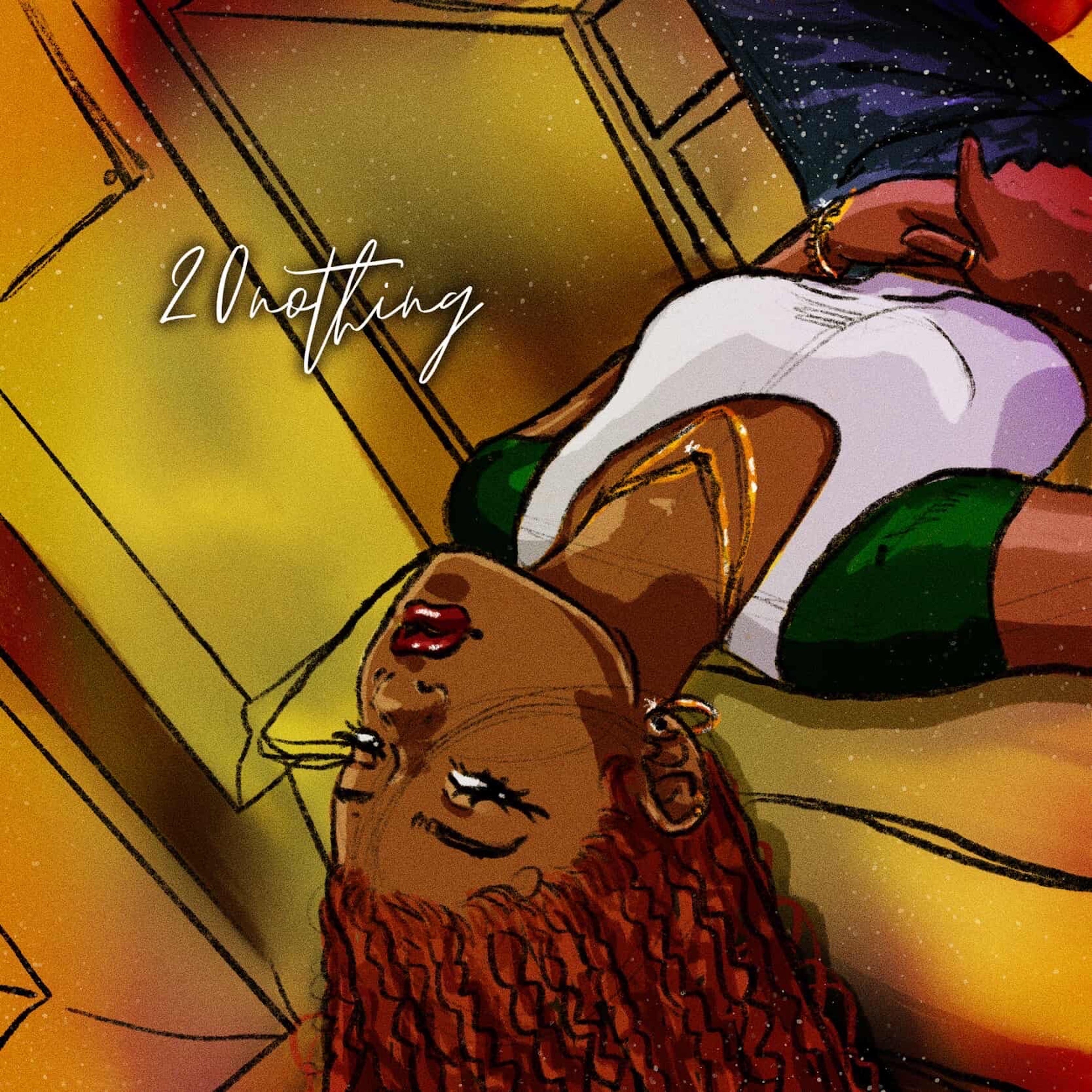
Blessing Jolie picked up a guitar at fifteen in Katy, Texas, after hearing Shawn Mendes’s Handwritten, the youngest of five in a Nigerian household where her mother played Donna Summer and Shalamar on weekends. She posted covers on Instagram, got discovered at nineteen, enrolled at the University of North Texas for computer science, and dropped out. Thirty Tigers signed her off a six-song EP called the girl next door that was mostly just her voice and an acoustic guitar. Then, late last year, she uploaded a short clip of “20teens” filmed in Katy, and Tyler, the Creator shared it; Kehlani cosigned; hundreds of thousands of followers arrived within weeks; and SiriusXM, KEXP, and Radio Milwaukee put the single in rotation. None of that origin story prepares you for “Software Developer,” the longest and densest track on 20Nothing, where Blessing wonders who she’d be if she’d stayed in school (“Could’ve been one hell of a software developer”) talks about friends who went the traditional route, mentions growing up around mostly white friends, calls herself “that comic book reading bitch,” tells a guy who tried to put her on layaway to come correct, and closes out begging a software developer to fix her dreams, the humor thinning until the ache underneath shows through. On “Regular Shmegular Girl,” a man gave her his number at a gas station in the Texas heat, and she spent three minutes letting him know the terms: “Bitch, I ain’t no regular, shmegular, begging, hurt, bitch-type girl.” She offers conditions for pursuit. She never once asks to be chosen. Blessing Jolie has a lot to say, and none of it is asking for permission. — Zoe Westfield
GiddyGang & Vuyo, After All
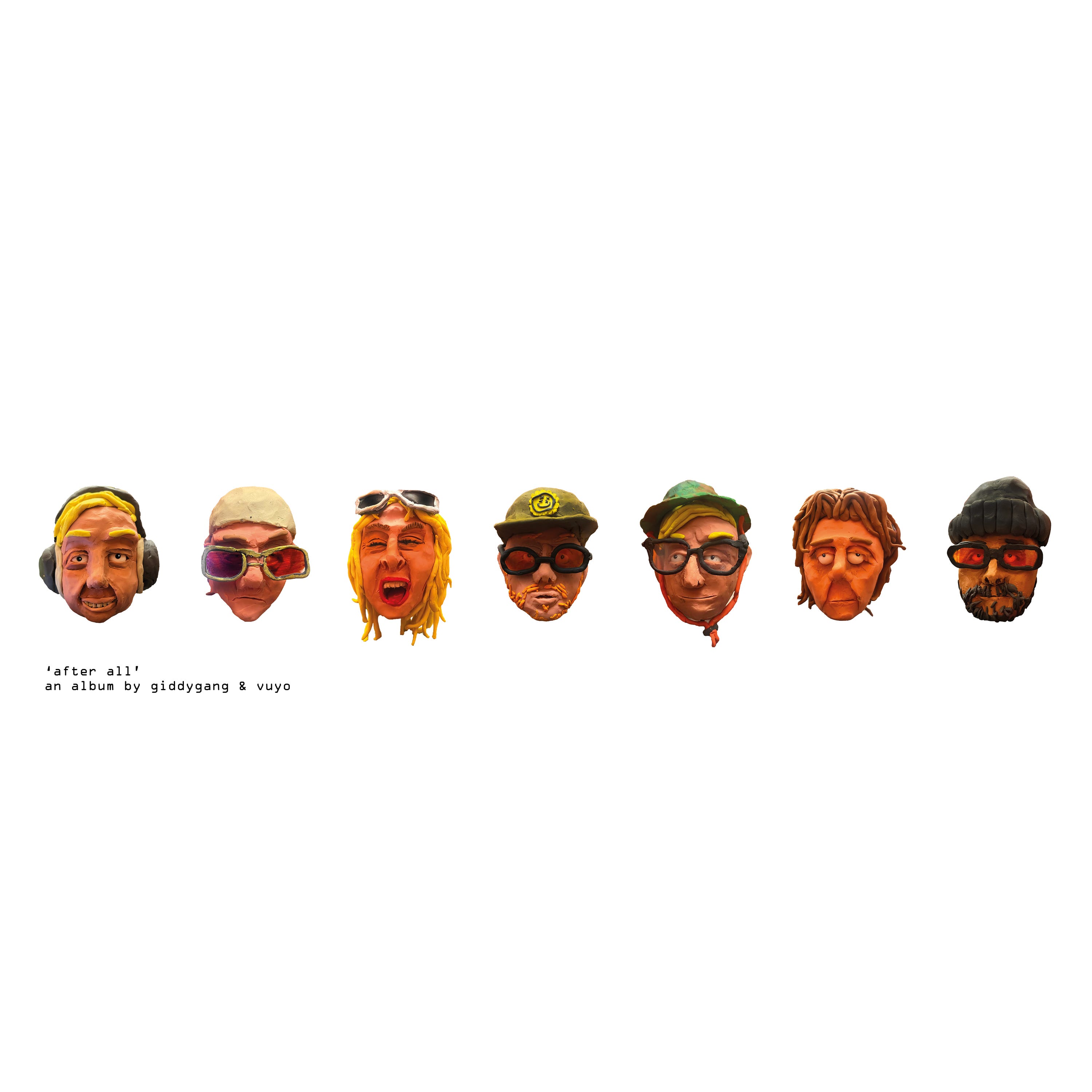
GiddyGang found Vuyo in 2019—a six-piece Oslo collective with a trombonist, a boy pablo drummer, and a couple who sing and play keys together—and the two parties spent the next few years making mixtapes, EPs, and a debut called Destiny/Sacrifice that earned co-signs from Robert Glasper and DJ Jazzy Jeff. After All is their second full-length, and within the first song Vuyo is already talking about his sister Lunga, the South African visual artist who died in 2022 at twenty-seven, mentioning her once and then drifting to aching knees and designer clothes and a shroom trip from years ago, the grief stuffed into the same bar as the bravado. On “Survivor’s Guilt,” backed by Braxton Cook’s saxophone, he lays out the distance between his life and his siblings’ with an almost clinical bluntness: couldn’t move home because of self-apartheid, barely met his sister because of apartheid, hardly met his brother because of apartheid.
The romantic confessions cut just as deep. On the title track, Vuyo calls himself Icarus, admits he knew she was trouble and added himself to the mess anyway, scrolls her timeline from a Hyatt at three in the morning while she tells him they’re better off as friends. “Peace” goes further still, with Vuyo demolishing a healthy relationship on purpose and then cataloging the aftermath without flinching—Netflix and chilling with bad choices, hollow tears, calling himself a narcissist and a misogynist in consecutive bars, saying a house in Chabo would mean more than a Grammy. Sarah Vestrheim is the record’s secret weapon throughout, and not as a hook singer. Her domestic details on “Head Over Heels” (toothbrushes, ripped band tees, self-tan on the sheets) give the love songs their grubby, lived specificity, and her full turn on “Heavenly”—where she tells you the only way to fail is to never begin, put it all on paper, don’t think—is the most direct creative statement anyone makes on the whole LP. This is a record where every ugly admission gets exactly enough air, and not a second more. — Nyasha
Patty Honcho & Wiz Kelly, Art Monk
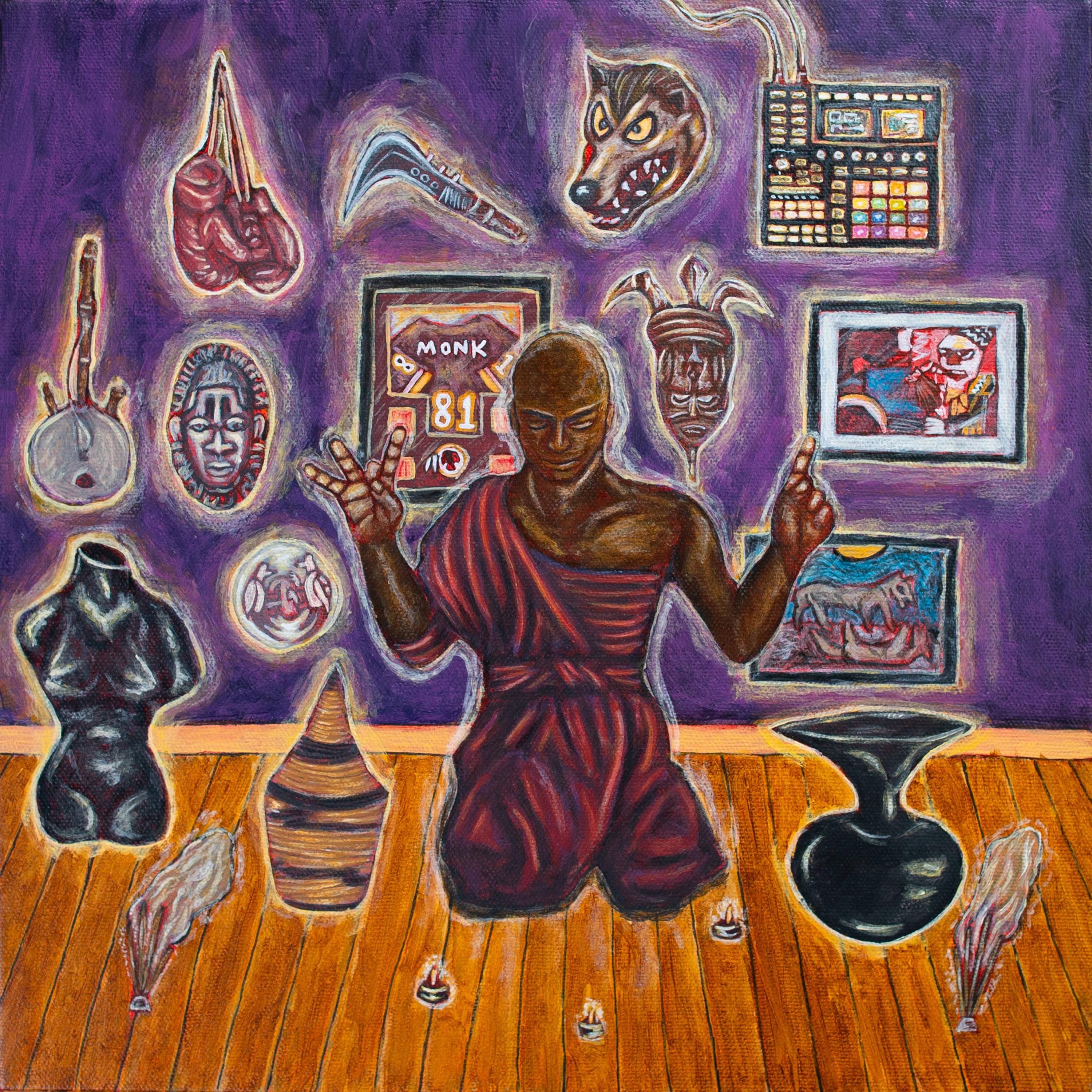
When Patty Honcho and producer Wiz Kelly linked for a full-length, having worked together once before on a single track from 2024’s The Black Madonna Piece, they named the album after Art Monk, the Washington Redskins wide receiver who caught 940 passes across fourteen NFL seasons, set the single-season reception record in 1984, won three Super Bowls, and then waited eight years past his first year of eligibility before Canton let him in. Patty folds all of it, the football player, the jazz blood, the quiet discipline, the belated recognition, into an album title that collapses “art” the practice and “Art” the proper name. On “Septa: Train of Thought,” named for the Southeastern Pennsylvania Transportation Authority commuter rail, the snare taps in and recedes against a clipped, drumless loop while Patty raps about blessings and adolescent shame and peasants claiming you weren’t king. “Introduction” opens with a spoken-word demand that you remove your shoes on his marble floors, and Patty spends the verse cataloging women who look like characters from the sitcom Girlfriends (Maya, Lynn, Joan) until he meets one smarter than all of them, a woman who tells him Tha Carter III isn’t as good as Tha Carter II, and his eyes light up: “I’ll buy everything in the mall for you.” KCxJones, the album’s only guest, stuffs “Path of Gems” with Roman kings, polypropylene, Jeremy Renner, and a monastery burial capped by an M. Night plot twist, all inside one sixteen-bar stretch. He does it for the art, he tells you, and the album is short and sweet enough that you believe him. — Owen Baptiste
Gnarls Barkley, Atlanta
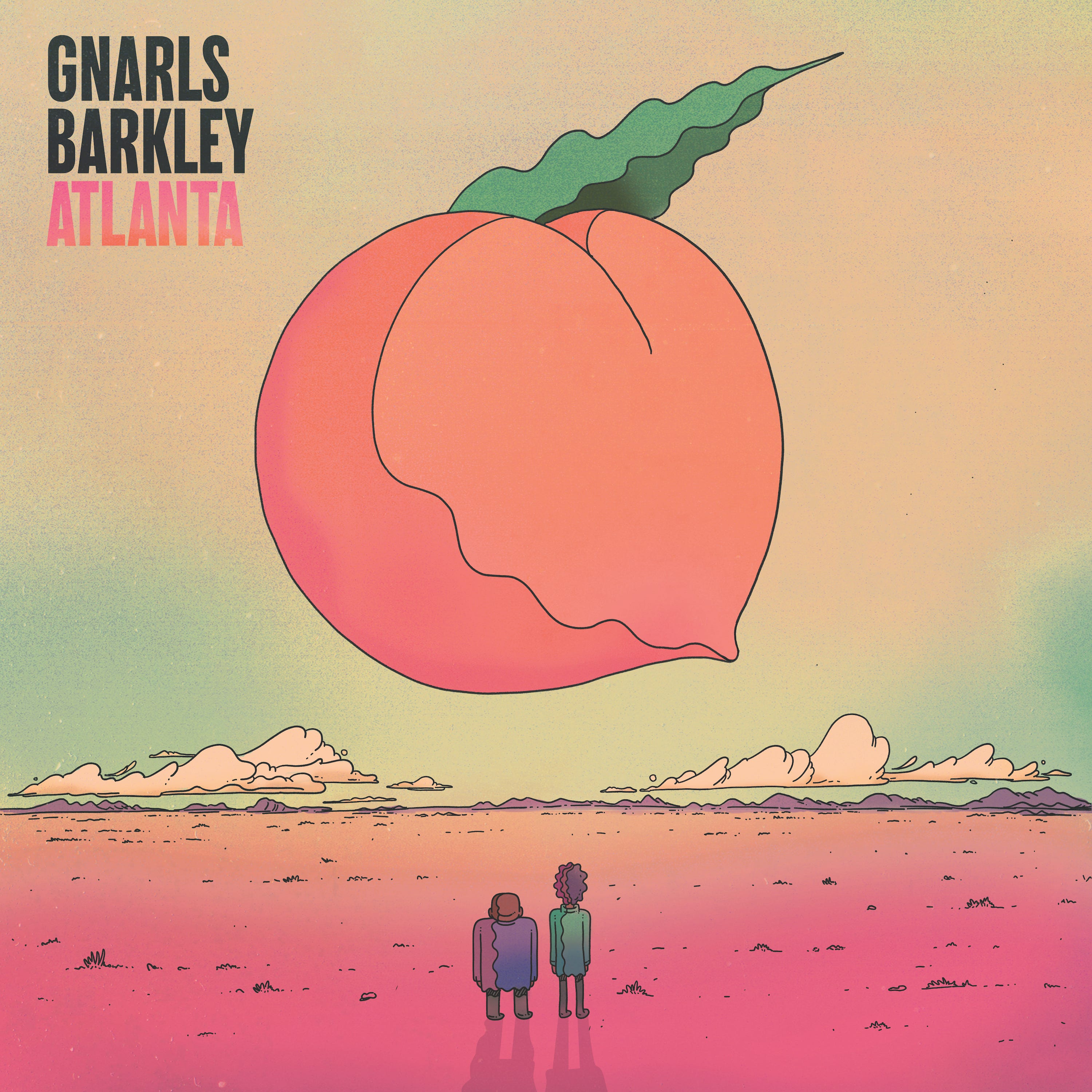
Both of CeeLo Green’s parents were firefighters. His father died when CeeLo was two. His mother was paralyzed in a car crash when he was sixteen and died two years later, just as CeeLo’s career with Goodie Mob was gaining speed. He struggled with suicidal thoughts afterward and wrote about it for years—on Goodie Mob’s “Free,” on Gnarls Barkley’s “Just a Thought,” on songs scattered across solo records most people never heard. By the time he and Danger Mouse put out The Odd Couple in 2008, their second album in two years, both men had enough momentum to walk away from the project and into separate, productive lives. When they reconnected in 2025, neither had run out of things to do elsewhere. They came back to close the trilogy they’d always intended. Atlanta, named for the city where Green grew up, and Danger Mouse spent his teenage years in Stone Mountain, is that closing chapter about what the city produces in people, what it costs them, and what stays in the body after you leave. The record opens with the sky raining bullets. It closes with CeeLo announcing there ain’t gonna be no goddamn afterlife and asking shiny happy people to clap their hands. Between those two points, he rides the MARTA as an eighth-grader kicked out of school every Friday, counting one dead, one in jail, one a functioning addict, the train rolling and rolling until it stops running. He wants to get so high he forgets he still has to die. He tells someone they have every right to take their own life. Atlanta is the rare farewell album that earns the name of its city—not as branding, not as geography, but as the place that taught CeeLo Green how to bury people and keep singing. — Chiamaka Boudreaux
Marquis Hill, (Beautifulism) Sweet Surrender
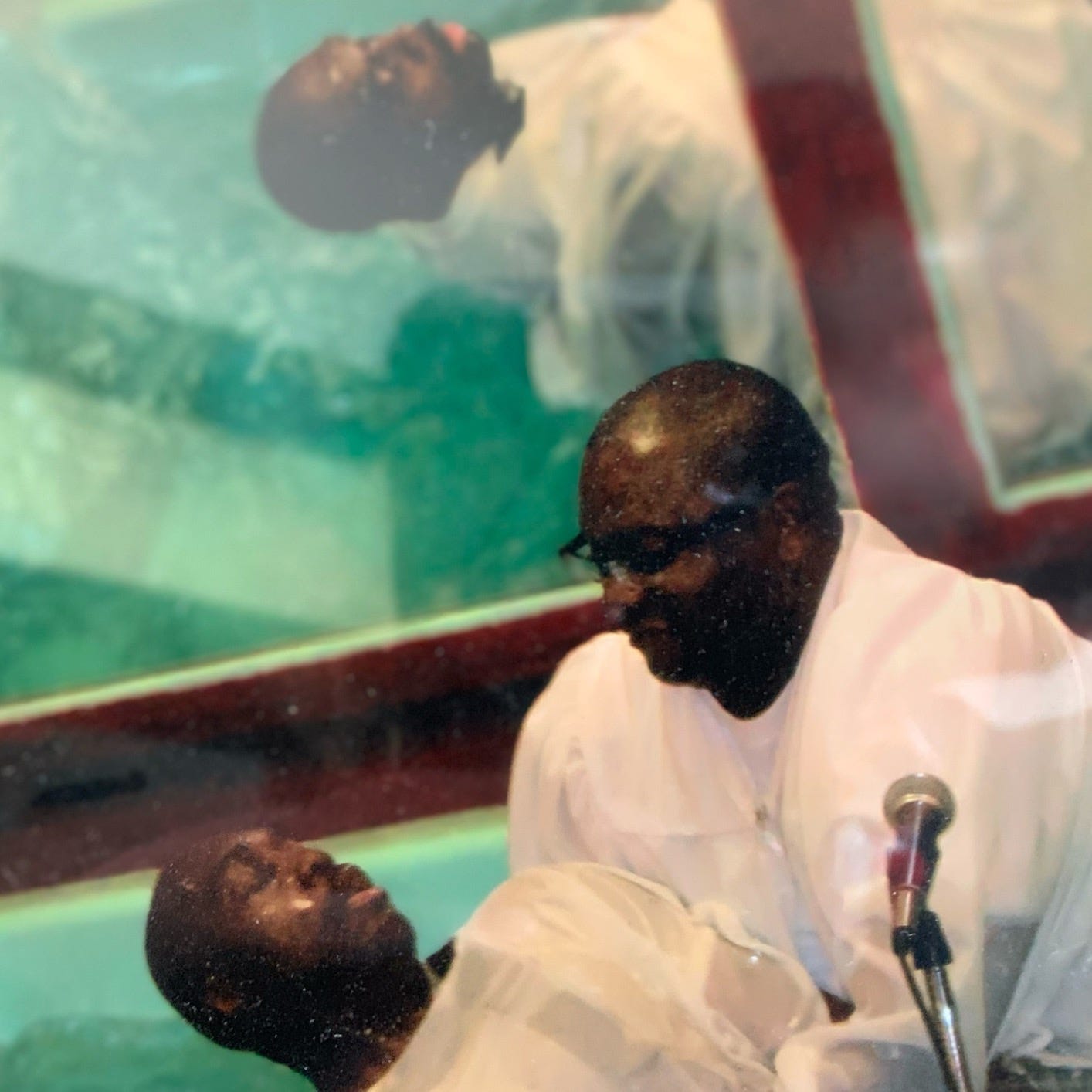
Marquis Hill won the Thelonious Monk International Trumpet Competition in 2014 and has been quietly running through Chicago’s jazz infrastructure ever since—touring with Marcus Miller, leading the Blacktet, folding hip-hop and house into his post-bop vocabulary on release after release for his own Black Unlimited Music Group imprint. (Beautifulism) Sweet Surrender pulls together a murderers’ row of Chicago and New York talent. Makaya McCraven and Justin Brown split drum duties, Junius Paul on bass, Immanuel Wilkins on alto, Jeremiah Chiu threading synthesizers into the spaces between acoustic instruments. ‘Water (Feelings, Emotions)” pairs Wilkins’ alto with singer Amyna Love over a groove that sways between R&B and modal jazz, and the two soloists trade the spotlight without a wasted phrase. “Sweet Surrender,” featuring Zacchae’us Paul’s tender vocals, floats on an R&B bed while Hill’s trumpet hovers above it, ghostly and warm, never playing more than three or four notes where a lesser player would play twelve. The two-part “Free” shifts the temperature entirely. “#1A” brings in rapper Kumbaya over a tense, compressed beat, and “#1B” hands the mic to Cisco Swank, whose voice adds a bruised sweetness that cuts against the instrumental agitation. “Blues” is the muscle of the LP—guitarist Matt Gold digs into a minor-key funk groove with Hill’s horn pushed forward and brassy, the compressed mix adding grit to every note. — Reginald Marcel
dälek, Brilliance of a Falling Moon
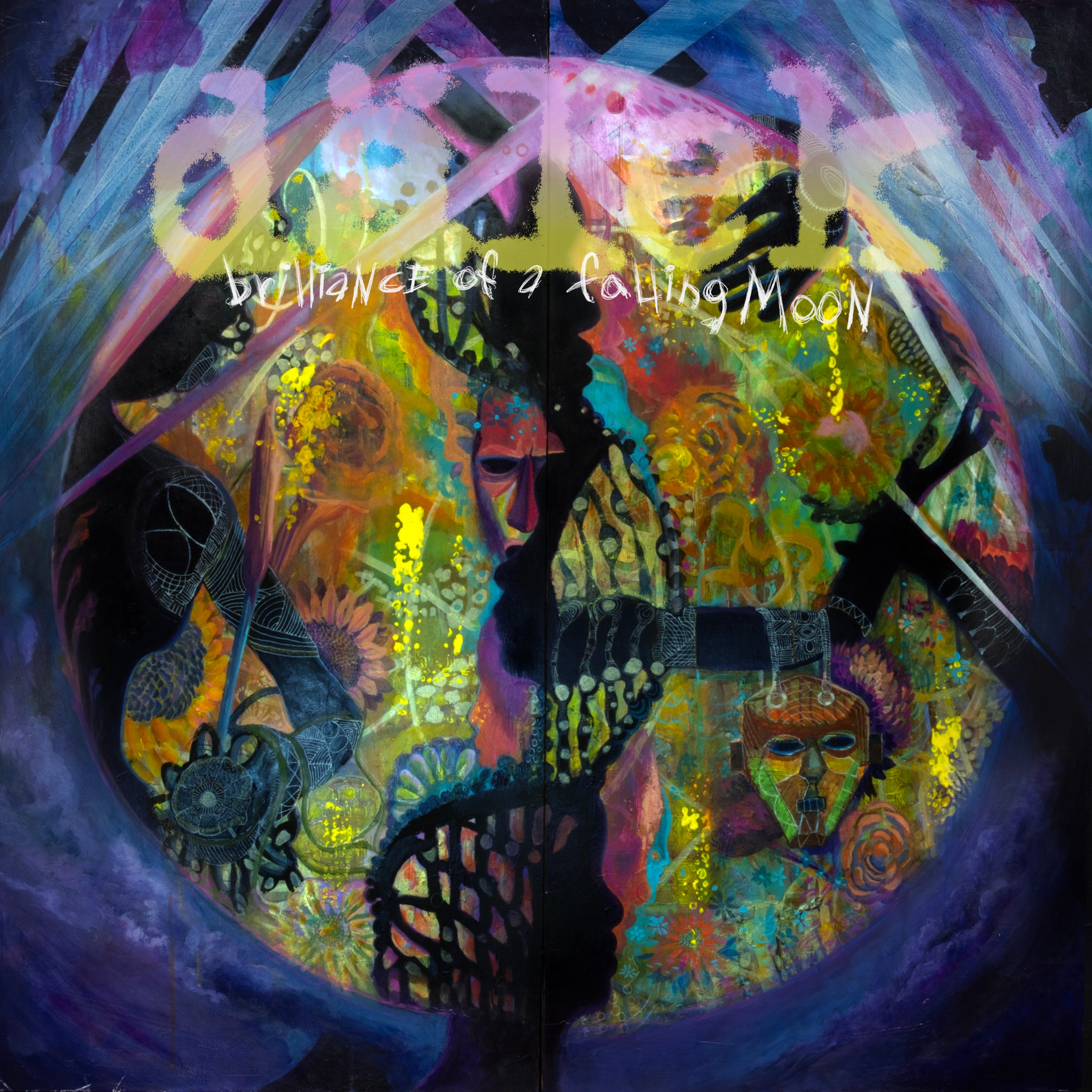
Will Brooks won a college scholarship, used the money to buy an MPC3000, dropped out, and formed dälek in Newark in 1998. He named the group after his own stage name—“like Van Halen,” his original production partner Alap Momin suggested. They toured with Tool and De La Soul in the same year. They opened for Mastodon and played shows with Grandmaster Flash. Brooks has always insisted what they do is purely hip-hop, and for almost three decades nobody has successfully argued otherwise. When COVID shut down their studio in 2020, he recorded seven albums on a 4-track from his apartment, released them monthly on Bandcamp, and called the process a ritual. He came out the other side sharper. On Brilliance of a Falling Moon, his tenth full-length with Mike Manteca behind the boards, Brooks is fifty-something, rapping harder and more precisely than he did at thirty. On “By the Time We Arrive in El Salvador,” he can’t shake the image of a bastard grandstanding backstage at an underage pageant, connects melanin levels to disappearance rates, and traces the line back to Flint. The title comes from Erik Larson’s In the Garden of Beasts, a book about an American family watching Nazi Germany take shape in 1933 and doing nothing adequate to stop it. Brooks is not reaching for the parallel. He’s has been saying this for decades. The difference is the country finally looks the way he always said it did. — Alexandria Elise
Carlos Niño & Friends, Bubble Bath for Giants
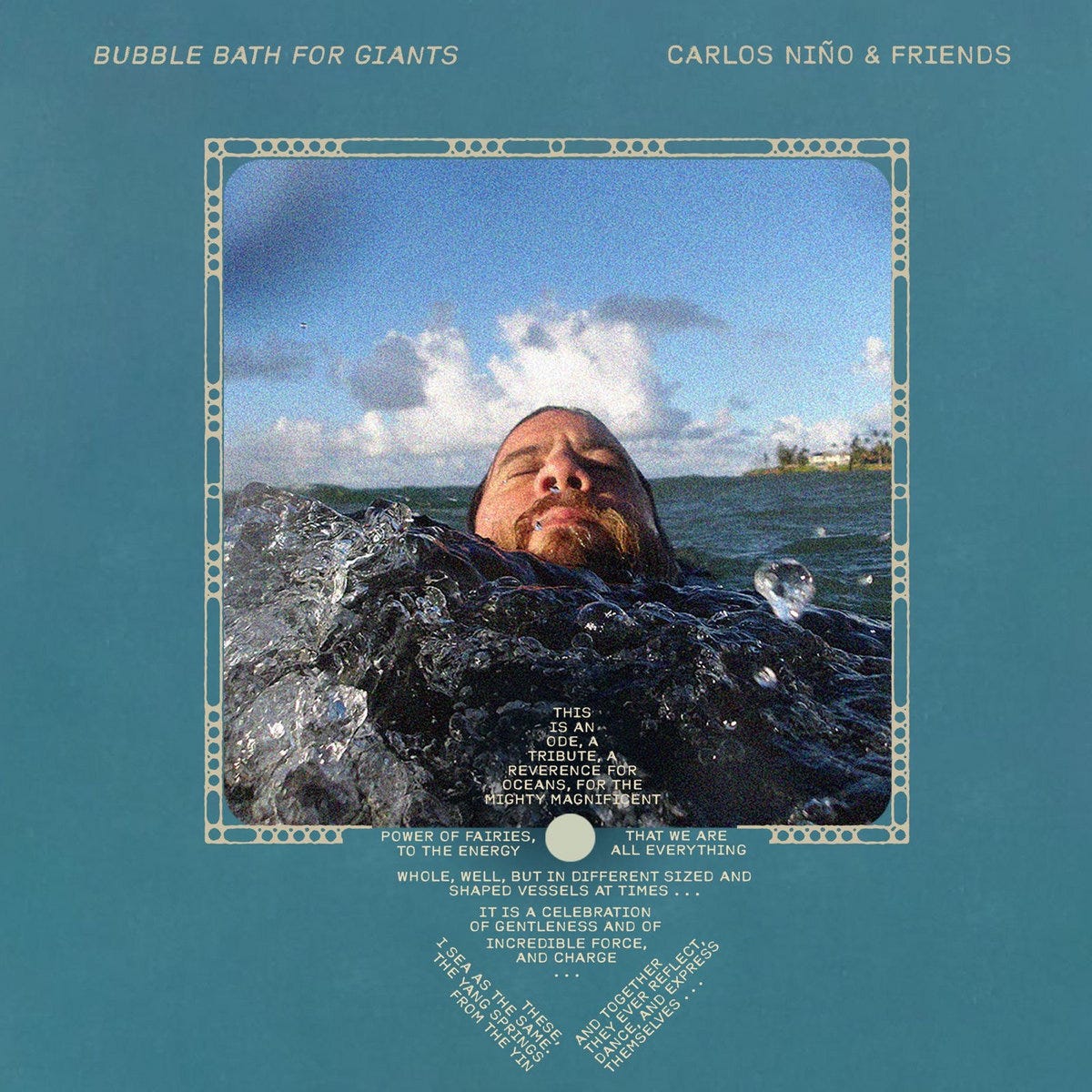
Most people who know Carlos Niño’s name know it from the credits of André 3000’s New Blue Sun, the 2023 flute record that André and Niño co-produced after bumping into each other at an Erewhon in Los Angeles. Niño was already deep into his own catalog by then, twenty-plus albums of improvised percussion music recorded with rotating casts of friends in basements, studios, and living rooms around L.A. He works out of Topanga now, where he arranged and mixed Bubble Bath for Giants himself, playing bells, bowls, ceramics, chimes, cymbals, gongs (Chao, Cup, Indonesian, Sun, and Symphonic, per his own liner notes), keyboards both metal and wooden, plant leaf bundles of bamboo and eucalyptus and palm, rattles, shakers, whistles, and drums of every size. Shabaka Hutchings and Jesse Peterson appear among the collaborators, and part of the record was cut at the Marciano Art Foundation in Los Angeles, the room’s natural reverb baked into the mixes. Niño has said the album is an ode to oceans and to the power of fairies, which is exactly the kind of sentence that either sends you running or tells you this is your guy. — Phil
Nubiyan Twist, Chasing Shadows
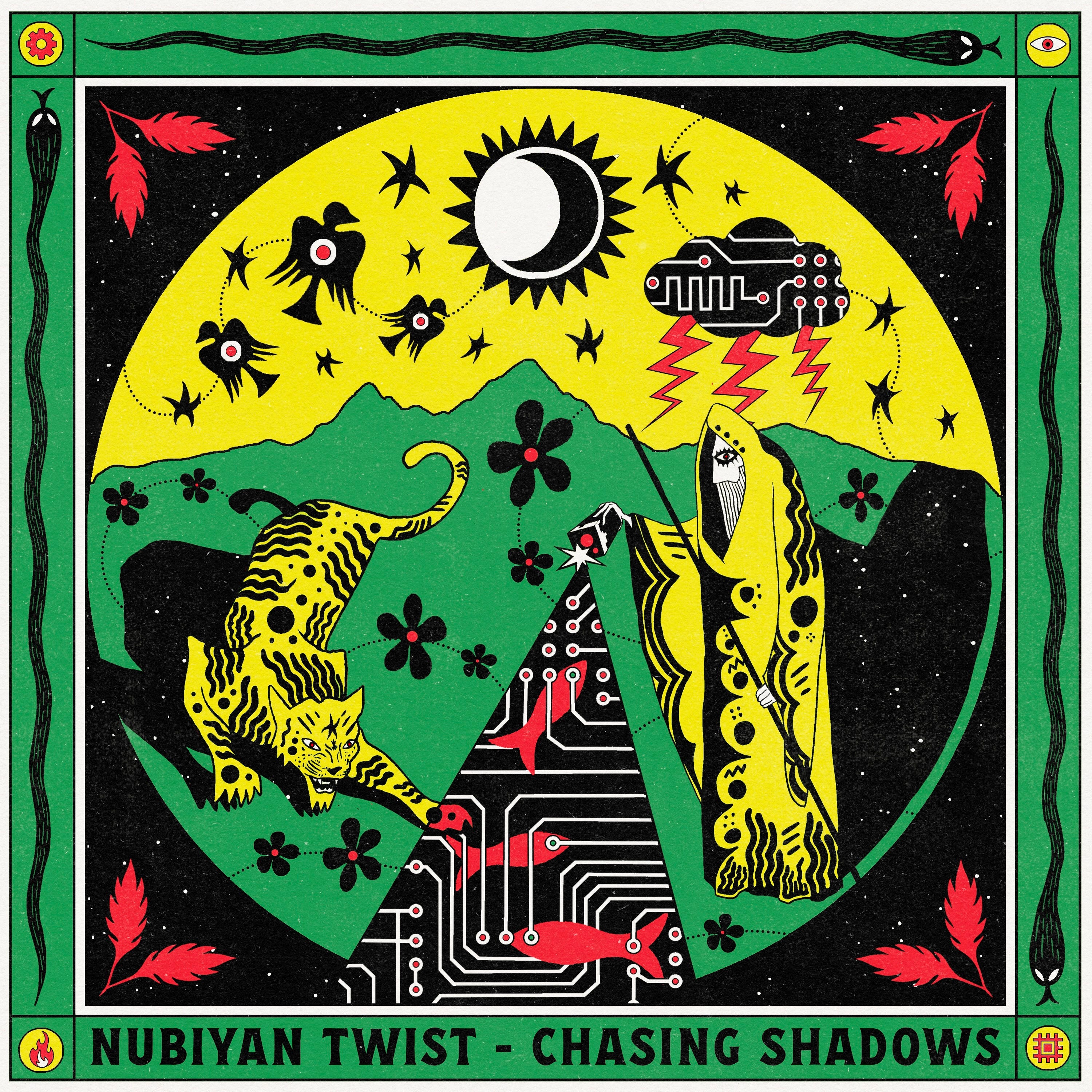
Nubiyan Twist has been a nine-piece out of London for the better part of a decade, running Afrobeat, jazz, reggae, and hip-hop through the same live room with the looseness of a band that tours constantly and records the way they play live, horns falling over each other in the best possible disorder. Chasing Shadows is their fifth album and the first built around Eniola, a vocalist fresh out of Trinity Laban Conservatoire whose voice sits right at the front of the mix, cool and commanding in a way that reshapes the band around her. Bandleader Tom Excell produced the record on Strut, and the guest list tells you where their heads are at. Fatoumata Diawara, Patrice Rushen, Bootie Brown from the Pharcyde, Ghanaian MC M.anifest, London dancehall staple Mr. Williamz, and pianist Joe Armon-Jones. “Red Herring” swings the other direction—Bootie Brown dropping unhurried verses over a wide instrumental pocket, the horns pulling back to let his cadence breathe. M.anifest rides a rolling rhythm on “How Far” with the same ease, his Accra-bred English slipping between punchlines. “Threads” slows the whole record to a murmur when Rushen sits down at the piano, and “Rhythm Of You” closes things out as a dub workout with Armon-Jones on shimmering keys, building to a trumpet finale where the band dares itself to play one more chorus. Every collaborator showed up with something specific to say, and the record is tight enough that none of them overstay. — Brandon O’Sullivan
Duncecap & Samurai Banana, Comfortably Suffering
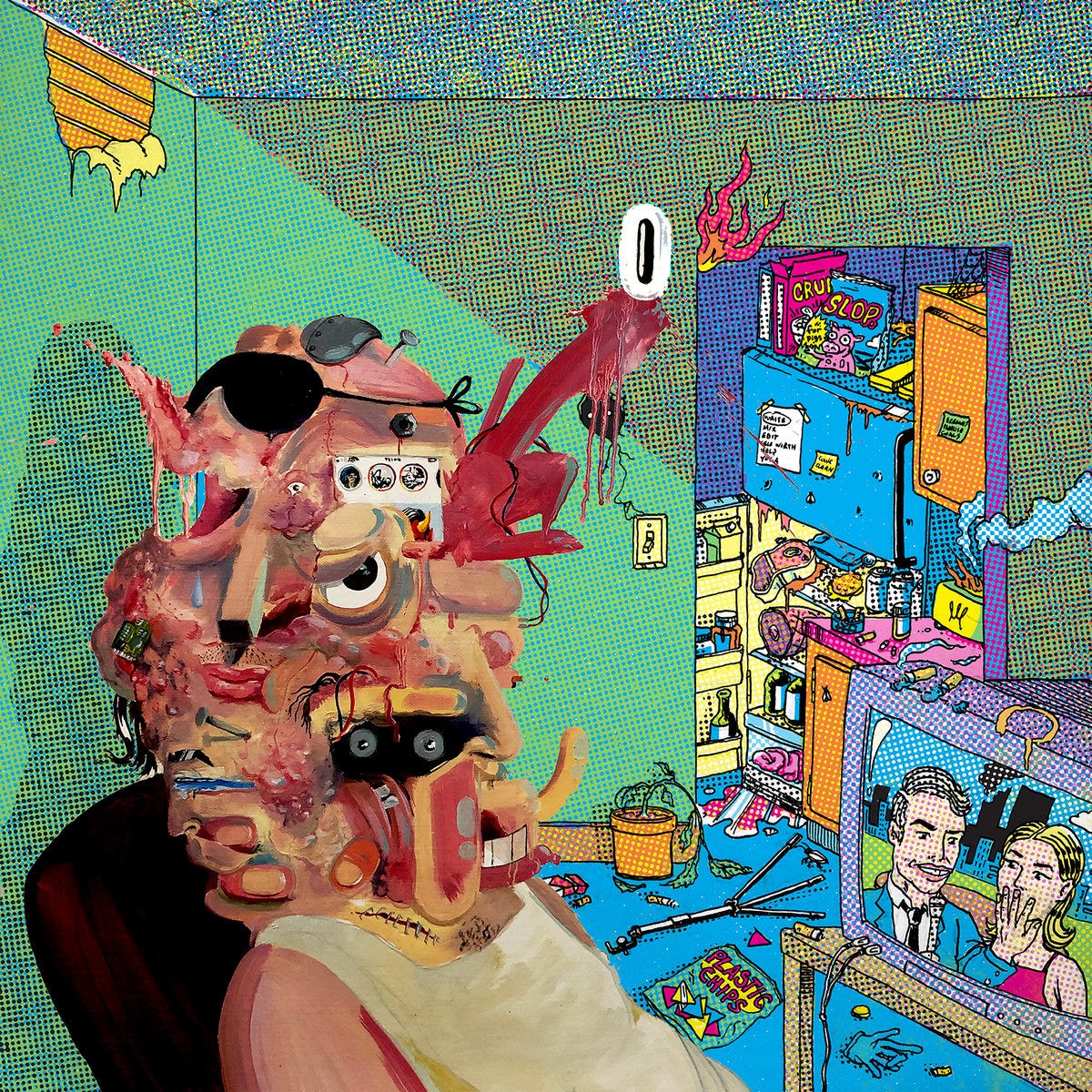
Before they were co-hosts of a video games and hip-hop podcast on the Cabbages network, before Duncecap racked up six solo projects with six different producers across Backwoodz Studioz and Fused Arrow, before Samurai Banana cut an instrumental album engineered by Uncommon Nasa, Mike Petrow and Tim were two college friends running basement shows on Long Island under the banner of a scrappy indie collective called WATKK. They put out their first collaborative full-length, Human Error, in 2016, and then spent a decade apart—Duncecap bouncing between ELUCID, Hajino, steel tipped dove, and his own boards, Banana scratching and spinning theremin for other MCs in the Karma Kids orbit. When they reconnected for Comfortably Suffering, the self-deprecating tenderness of their earlier work had soured into something with teeth. On “Content,” Duncecap traces the full supply chain of a feeling: emotions go to journals, journals to memoirs, memoirs to newsletters, newsletters to opinions, opinions to reviews, insecurities to captions, ideas to jokes. “Rome In a Day” is bleaker. Friday night he doesn’t want to be alive, eats because he has to, wants to get high. By Sunday he still wants to die, slept a full day and woke up drained. Fatboi Sharif contributes a predictably unreadable verse on “Great Dane,” while Old Grape God opens “Sell Sand” with the loosest verse on the record, conceding “easy being honest when you assume no one’s listenin’.” — Mina Abdel
Victory, Confessions of a Lonely Girl

For years, Victory Boyd and her eight siblings sold CDs out of bags at Bethesda Fountain in Central Park, harmonizing under the stone arches of the Minton Tile Arcade while tourists dropped bills in a hat. Her second solo record, Glory Hour, was all hymns and scripture recitations. Confessions of a Lonely Girl, her third, keeps the faith but writes about men first and God second. She produced or co-produced every track, wrote every lyric, and on “I’ve Yet to Learn,” she plays accordion and guitar while confessing that she faked strength and hid her foolishness in pride until it broke the person she loved. On “Ghost,” a midtempo pop-soul cut, she recounts meeting a man online, browsing from her living room, waiting hours for him to show up for their first date, then spotting him on Instagram with somebody new. “All up on the gram with your bae tryna’ boast,” she sings. “What if Love Was Free?” is seven minutes of social critique with trumpets and chord changes arriving halfway through, asking why she’s posting selfies and counting calories to earn attention, why he’s pulling up in a Benz to get paid with likes and mentions. “Lonely hearts are a target,” she sings. “Our need for love fuels the markets/They’re sitting over there filling up their pockets/from our insecurities.” — Tori Hammond
Sole & TELEVANGEL, Dads at the End of the World
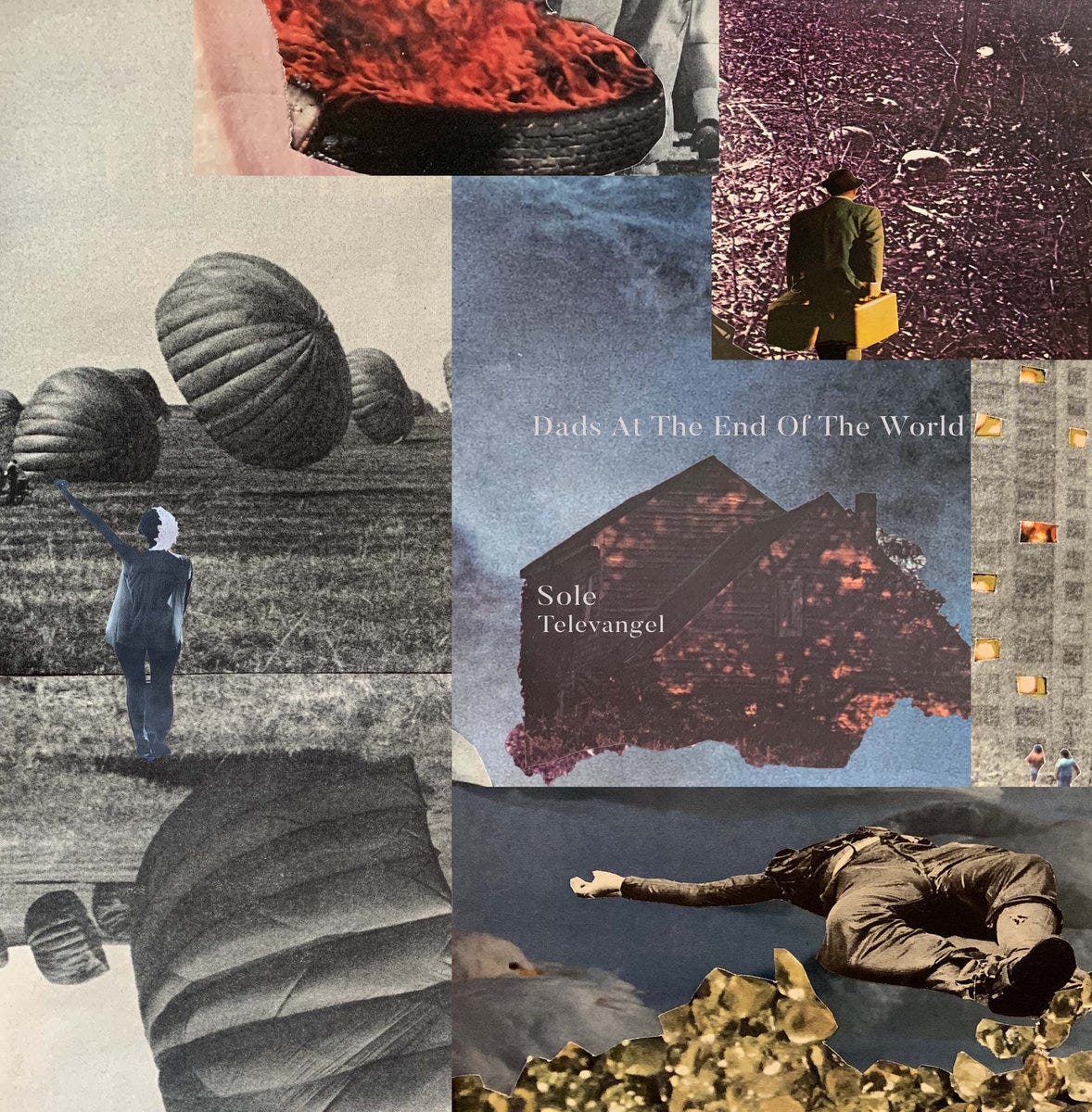
In 1996, a kid from Portland, Maine, named Tim Holland met Brendon Whitney, and the two of them started rapping together as Live Poets, which became Deep Puddle Dynamics, which became Anticon, the indie hip-hop label that spent the early 2000s convincing a small but devoted audience that abstract rap could hold its own against the mainstream. Holland went by Sole. Fast forward: now recording TELEVANGEL, Dads at the End of the World was born. “Homies in Catalunya” lays the whole biography flat in under four minutes—Greyhound to Fatbeat Records at seventeen, a classmate who tried to bomb his locker, a dot-com job where he walked away from a quarter million in stock options, Anticon, the red rocks of Sedona, his father’s apartment sold after the first overdose. “Kids” addresses his dead dad with zero cushion: a drug addiction, a trailer funeral, a watch his father’s girlfriend promised to send and never did. On “Freedom,” Sole tells the story of a Swiss fan who deposited sixty thousand dollars in his bank account, paid off all his debt, and never answered another email. On “Lift the Curse,” he asks, “If direct action gets the goods, then why has nothing changed?” and answers it not with theory but with a grocery list: stack firewood, store bullets, plant 401 fruit trees, teach the kids to fight. The light that lights the Molotov, the light that keeps the lighthouse on. Sole has been rapping for nearly three decades and never sounded this specific about what he actually believes. — Wesley Durham
ELIZA, The Darkening Green
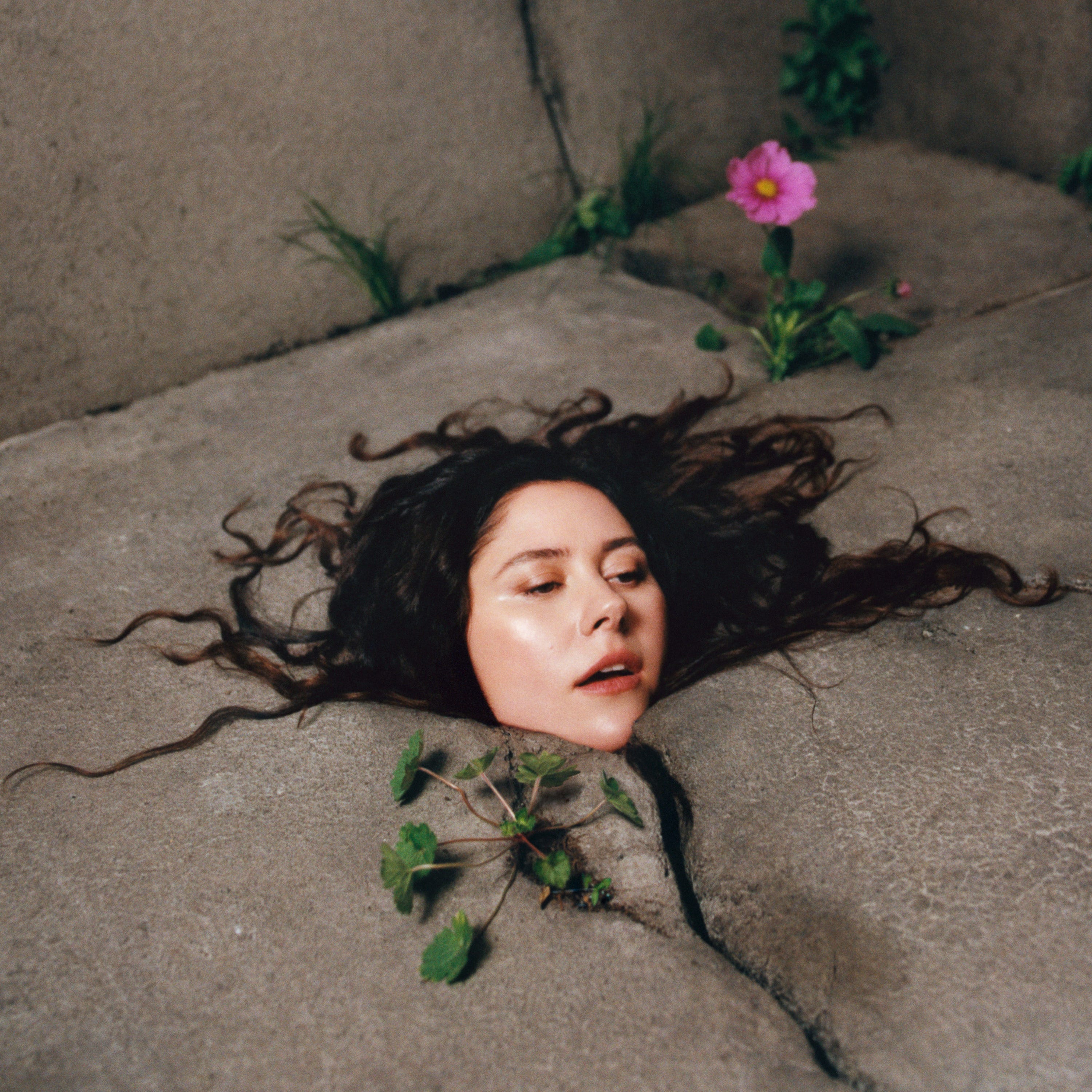
Signed to Parlophone under the name Eliza Doolittle in 2010, she had a platinum debut and a top-five single in “Pack Up.” In 2013, she sang on Disclosure’s “You & Me,” one of the standout cuts on Settle, a record that helped redraw British dance music for the decade. She was 25, pedigreed, charting, and by all commercial metrics on her way. Then she walked off the escalator. Rebranded as ELIZA in 2017, she put out A Real Romantic the following year and A Sky Without Stars in 2022, both independently released, both progressively stripping away the pop gloss until what remained was voice, guitar, and nerve. Somewhere in between, she became a mother. Her son Rex is two. The Darkening Green, her third independent album, borrows its title from William Blake’s “The Ecchoing Green,” a poem from Songs of Innocence about childhood joy darkening into evening. Nine songs, and the best of them have the quality of a friend gripping your arm and asking if you’ve been paying attention. “For the Hell of It” names us all hypocrites and manages to accuse and forgive in the same verse. “Cheddar” is about discovering a close friend had been milking her for years; the slang cuts, and the post-chorus dares that person to admit it, but the second verse refuses bitterness, choosing instead to let love stay open while growing thorns. “Pleasure Boy” is the record’s bluntest song about desire, and it doesn’t flinch, while “Anyone Else” panics through the same apology four different ways, desperate to be believed. — Ameenah Laquita
Selwyn Birchwood, Electric Swamp Funkin’ Blues
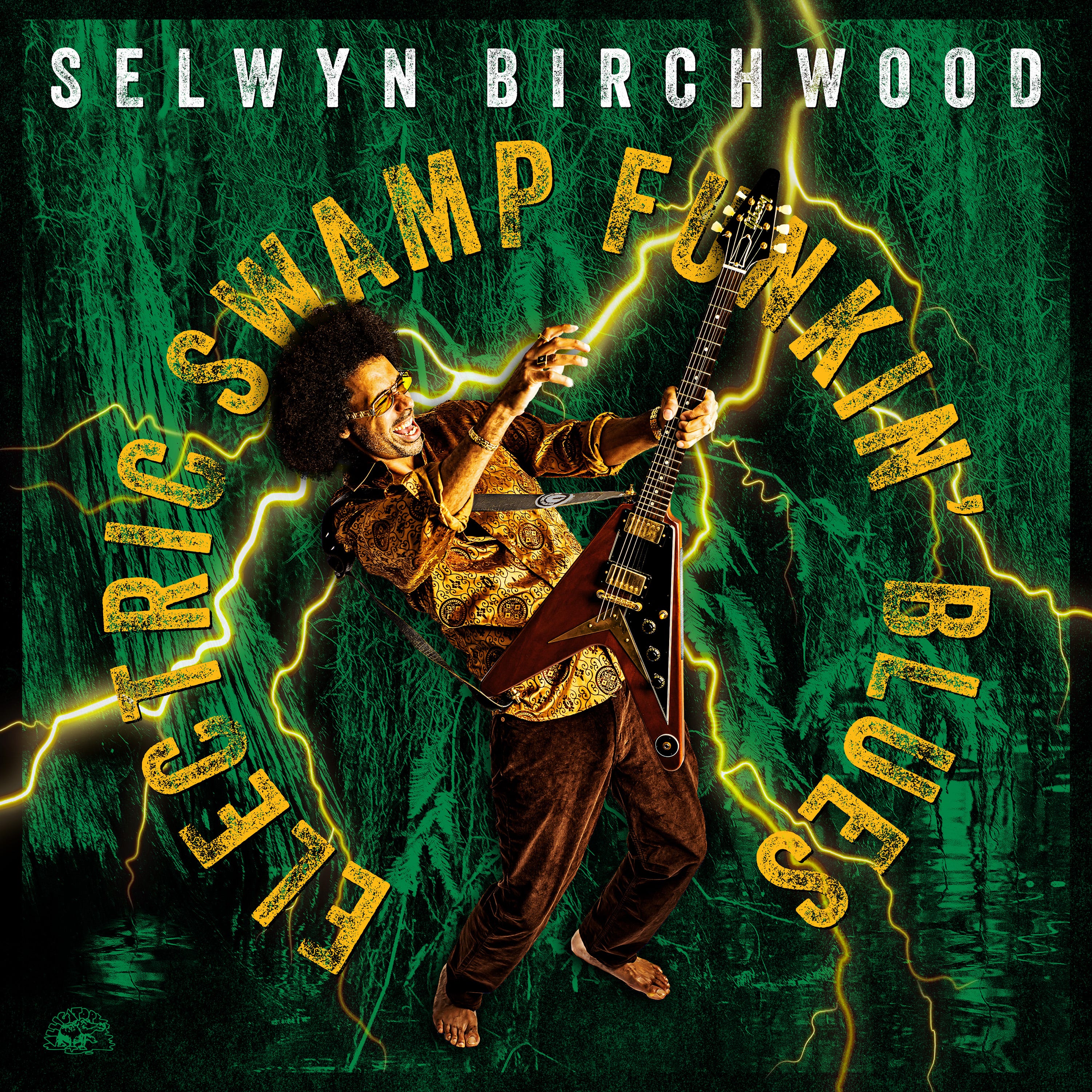
Selwyn Birchwood stands six-foot-three, performs barefoot, and has been tearing through blues clubs from Tampa to Berlin for most of his adult life on a signature-model Caladesi lap steel that he plays sitting down like a man settling into a sermon. Electric Swamp Funkin’ Blues is his fifth record for Alligator and the first he produced himself, cutting everything in Florida with a band he trusts enough to let them stretch. Regi Oliver on saxophones and flutes, Donald “Huff” Wright on bass, Henley Connor III on percussion, John Hetherington on keys, Eli Bishop on violin, viola, and cello, and backing vocals from Briana Lutzi and Taylor Opie. Birchwood wrote all ten songs, and the self-production shows. The mix is bright and clear, every instrument audible, nobody buried. “All Hail the Algorithm” and “Talking Heads” take dead aim at the way people consume content now, and Birchwood’s gravel-and-grit vocals sell the social commentary without turning it into a lecture. “Damaged Goods” strips the production down for a slow, plain-spoken confession; “Labour of Love” flips to the joys and anxieties of raising kids. “Should’ve Never Gotten Out of Bed” is the hottest guitar performance on the record—Birchwood’s slide work scorching through a tempo that dares the rhythm section to keep up. “Soulmate” burns slow and romantic. The whole thing moves between psychedelic soul, swamp funk, and uncut electric blues without flagging a single genre change, since Birchwood doesn’t think of them as separate in the first place. — Brandon O’Sullivan
NAHreally, EXTRA CHEESE

On 2019’s TAPE 4, buried in a verse called “Shoutout to Me,” NAHreally rapped a throwaway line comparing himself to a pizza topping: “If I were making a pizza, I’d add some extra cheese.” He liked it enough to retroactively stamp “Extra Cheese” as his label name on every self-released project going back to 2018, and seven years later, when he sat down to title his tenth release, he circled back to it. In his liner notes, he writes about how a decade of building a character as a rapper led him to realize the character he’d built (someone funny, thoughtful, curious, calm, earnest) is also a little cheesy, and that the baggage he had to shed before making music honestly was a fear of being corny. EXTRA CHEESE, entirely self-produced, is the record that finally stopped oscillating and said both things at once. “I Need a Hobby” might be the most original rap song of the year. He’s rapped since he had braces, gotten too good, and now wants the feeling of being a beginner again, listing knitting, potato batteries, and boats in a bottle before scrapping every option and going back to his verses. “Human Error” packs commodified community and ruling class impunity and money in maximum disunity into a rhyme scheme so dense it could buckle, but NAHreally keeps the speaking voice clear with a plain admission that he’s been focusing on decency, recognizing how the things that take a piece of him move him further from the person he needs to be to do right by the people who still believe in him. — Mina Abdel
Gregory Uhlmann, Extra Stars

Gregory Uhlmann spent a few years backing Perfume Genius and Hand Habits before anyone noticed he’d been quietly stockpiling his own records. Small Day, the duo project Doubles with Meg Duffy, a trio session with Josh Johnson and Sam Wilkes, two albums with synth-jazz outfit SML—he was everywhere and nowhere at once. Extra Stars, his International Anthem solo debut, absorbs every one of those side gigs into brief tracks that feel less composed than grown. “Pocket Snail” opens with a plinking guitar figure that develops a slow, strange swing, half cartoon music and half post-bop, while a synthesizer hums beneath it like a refrigerator in a quiet kitchen. “Lucia,” named after a cliffside lodge in Big Sur, brings in Alabaster DePlume’s breathy saxophone, and the two musicians circle each other without ever quite landing on a shared pulse. “Bristlecone”—named for the ancient pines Uhlmann visited in California’s White Mountains—adds Anna Butterss on bass and Josh Johnson on saxophone, and the melody starts cautious before gaining speed and confidence, sunlight warming a ridgeline. For a set built almost entirely by one person in a home studio, Extra Stars breathes generously, its silences as deliberate as its notes. — Nehemiah
Olive Jones, For Mary

Olive Jones grew up in Dorset, a rural stretch of English coast with no gigging circuit, no open-mic nights, no local tradition of young singers cutting their teeth in front of strangers. What she had was her parents’ record collection. She spent years singing lead for the Leeds electro-soul group Noya Rao before a vocal feature on Gotts Street Park’s “Tell Me Why” drew praise from BBC 6 Music and an endorsement from Elton John, and by the time she sat down to record For Mary, some of these songs were already a decade old. The title character is fictional, but Jones has said Mary stands in for real people in her life affected by mental health struggles, people she wanted to be there for and couldn’t always reach. “A Woman’s Heart” puts the exhaustion of womanhood in the plainest possible terms. Tired of being second best, smiling through it, carrying on because that’s what women are told to do. And then one couplet grounds all of it: “You’re telling me that it’s alright/but I can’t even walk the streets at night.” “Kingdom,” the album’s lone political cut, turns her anger toward Brexit and the people who made it happen: “I own this town/I’ll bring you down/and I watch you drown/in all your pity.” The love songs ask for almost nothing. “Only You” admits the soul gets heavier the further she goes, and that here, in this person’s arms, is all she knows. “Colour On the Wall” looks at mortality with the patience of someone twice her age: “We all fade away like the colour on the wall taken by the sunlight.” For Mary is a debut that earned its own patience. — Deja L.
CA7RIEL & Paco Amoroso, Free Spirits

The duo comprised of CA7RIEL and Paco Amoroso have been friends since childhood in Argentina, and their late-2024 Tiny Desk Concert launched them into the English-speaking world with the force of a bottle rocket aimed at a piñata. Papota won a Grammy and five Latin Grammys. They booked Coachella, sold out a North American tour, and then—a day before their sophomore album Top of the Hills was supposed to drop—pulled the whole thing. They scrapped the record and rebuilt it as Free Spirits, framed around a satirical twelve-step program supposedly administered by Sting at a fictional wellness center. The bit is absurd and fully committed. Sting actually appears on “Hasta Jesús Tuvo un Mal Día,” a rock en español throwback where his guitar and voice slot in beside CA7RIEL’s elastic rapping like the whole thing was always supposed to sound this way. Anderson .Paak shows up on “Ay Ay Ay,” a bachata-laced dance track dripping with thirst. Fred again.. contributes. But the guest list isn’t the point. CA7RIEL and Paco shift styles so fast inside individual songs that the features barely have time to settle before the ground moves again—Latin pop into dance-punk into nylon-guitar tenderness on “Vida Loca,” a bittersweet confession wrapped in a surreal existential haze. “Himno del Mediocre” revives ‘70s Latin pop. “Soy Increíble” goes full dance-pop. They’ve figured out how to bottle chaos without killing it. — F. Qureshi
Tom Misch, Full Circle
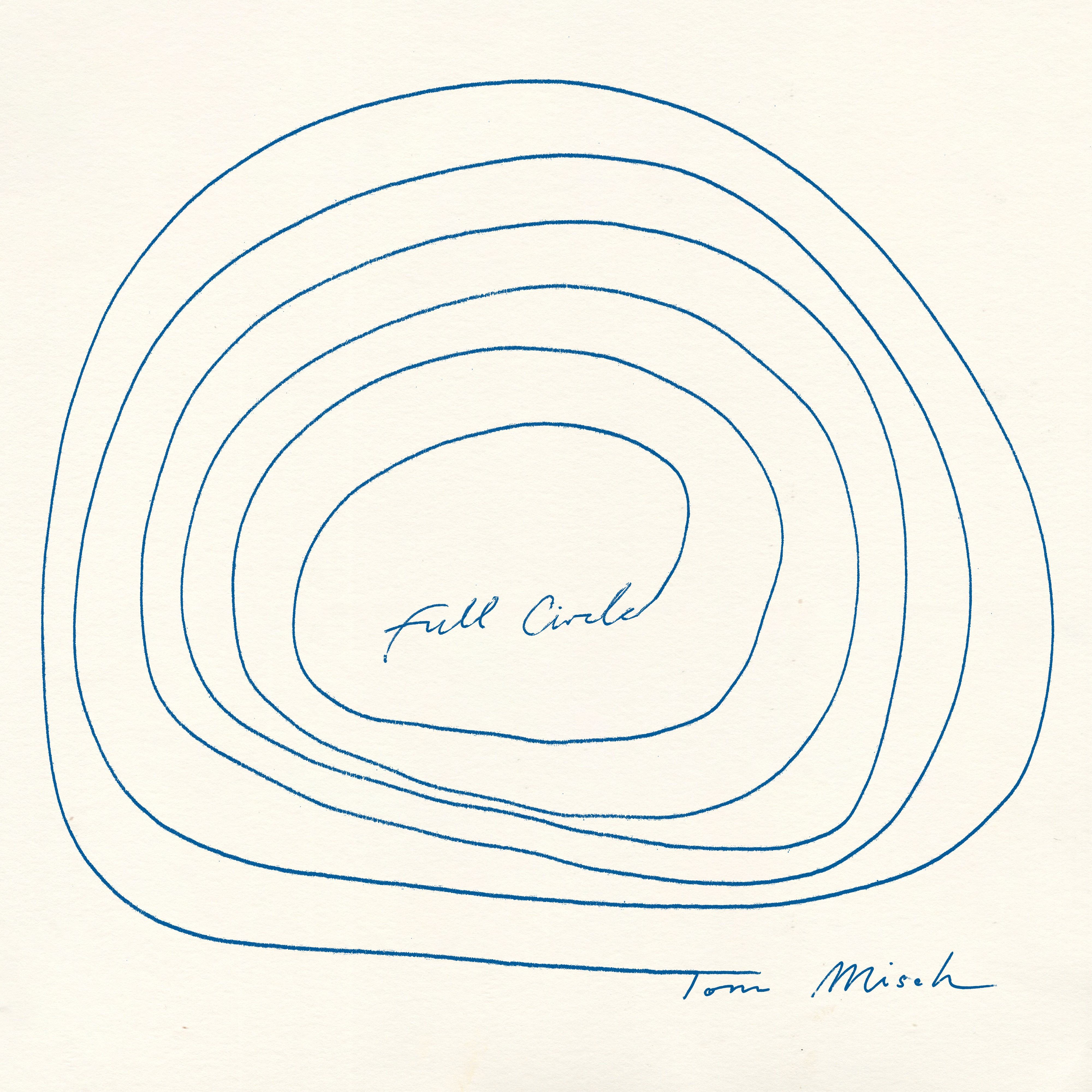
The whole Full Circle album was built on piano and guitar first, then brought to Nashville, where Ian Fitchuk and Daniel Tashian—the team behind Kacey Musgraves’ Golden Hour—helped Misch develop the material with a live band, tape machines, and a vintage Neumann U47 microphone. The influences Tom Misch cites are Joni Mitchell, Neil Young, John Martyn, JJ Cale, and all of them show up in the way the songs breathe, in the space left around his voice. On “Old Man,” he sings about finding grey hairs and seeing his father staring back from the mirror, then imagines a great-great-great-grandson catching flights decades after he’s gone, and the whole thing rests on a melody so spare it could survive in a living room with no amplification. “Sisters with Me,” written while Misch lived with his two sisters in the family home for the first time as adults, catalogs the closeness of siblings without a single wasted image: “Cut from the same threads/Pinks, greens, and reds/No falling behind/No running ahead.” “Slow Tonight” is the album’s funniest and most physical song, a Friday-night sprint home that dissolves into his partner telling him she doesn’t like his friends, and him conceding he loves them if it’s once a month, and the whole exchange ending on a four-letter word and a grin. Meanwhile “Goldie” is pure gratitude addressed to someone who pulled him out of hell, and “Days of Us,” the lone collaboration, lets Kaidi Akinnibi’s saxophone wander through a two-voice argument about whether a relationship can survive distance. — Priya Okafor
Irreversible Entanglements, Future Present Past
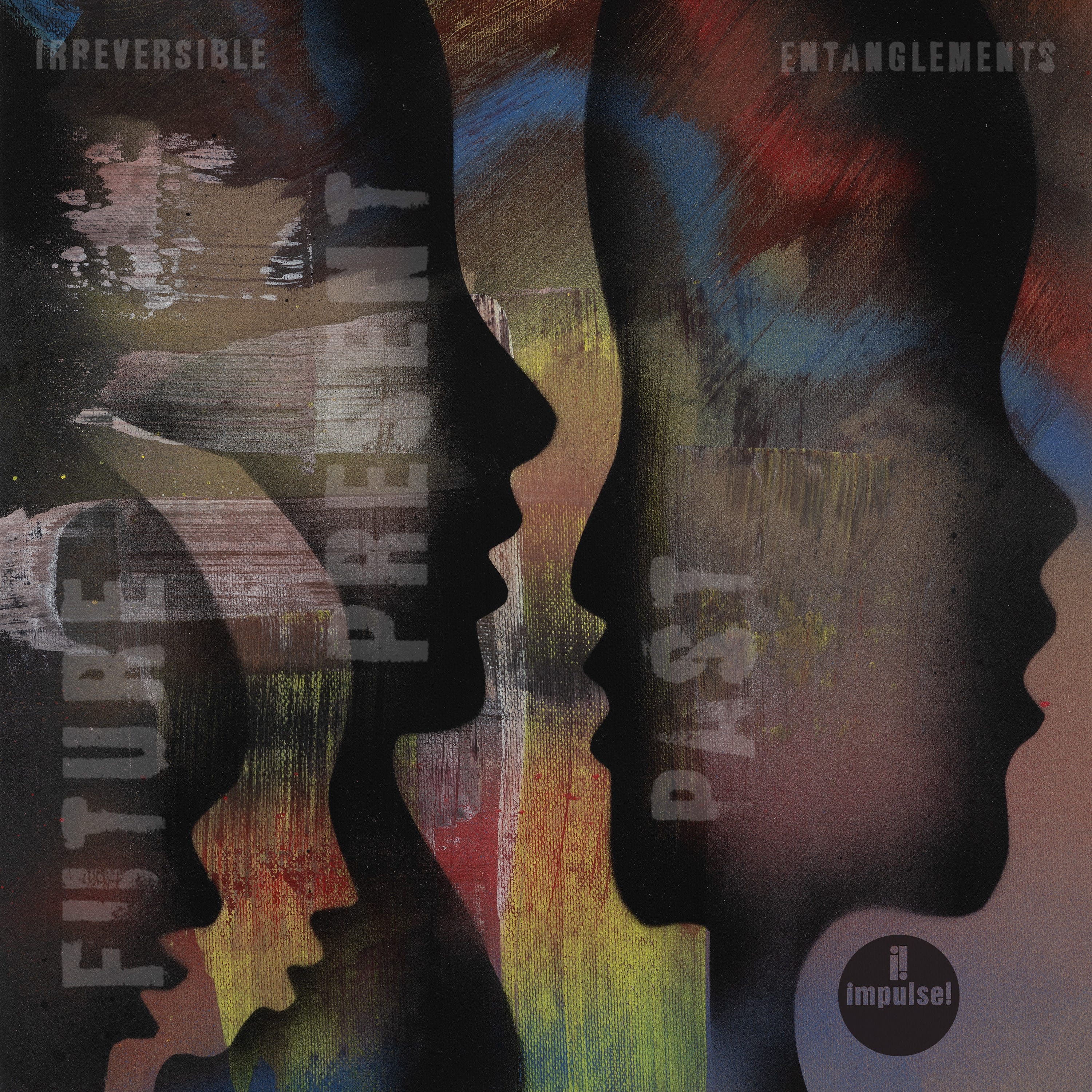
Irreversible Entanglements came together at a Musicians Against Police Brutality event in Brooklyn in April 2015, five strangers who showed up to protest and left as a band. A decade later, the quintet is poet and vocalist Camae Ayewa (who records solo as Moor Mother), bassist Luke Stewart, trumpeter Aquiles Navarro, saxophonist Keir Neuringer, and drummer Tcheser Holmes. Future Present Past is their fifth album and their second for Impulse!, the label that put out Coltrane’s A Love Supreme sixty years ago. They recorded most of it at Van Gelder Studio in New Jersey in October 2024, the same room where Rudy Van Gelder engineered half the Blue Note and Impulse! catalogs, and the band’s frequent collaborator MOTHERBOARD appears on five of the ten tracks, with Helado Negro guesting on the first and last songs, “Juntos Vencemos” and “We Overcome,” the same declaration in Spanish and then English. “Vibrate Higher,” while “Panamanian Fight Song” nods to Mingus without copying him. “The Messenger” opens with an instrumental barrage and then Ayewa steps in, her spoken word threading between the horns and percussion without ever settling into a single cadence. “Keep Going” runs close to seven minutes, the longest stretch on the album, the quintet locked into a collective improvisation that tightens and loosens without anybody calling it. — Phil
Rap Man Gavin, Garden Dance
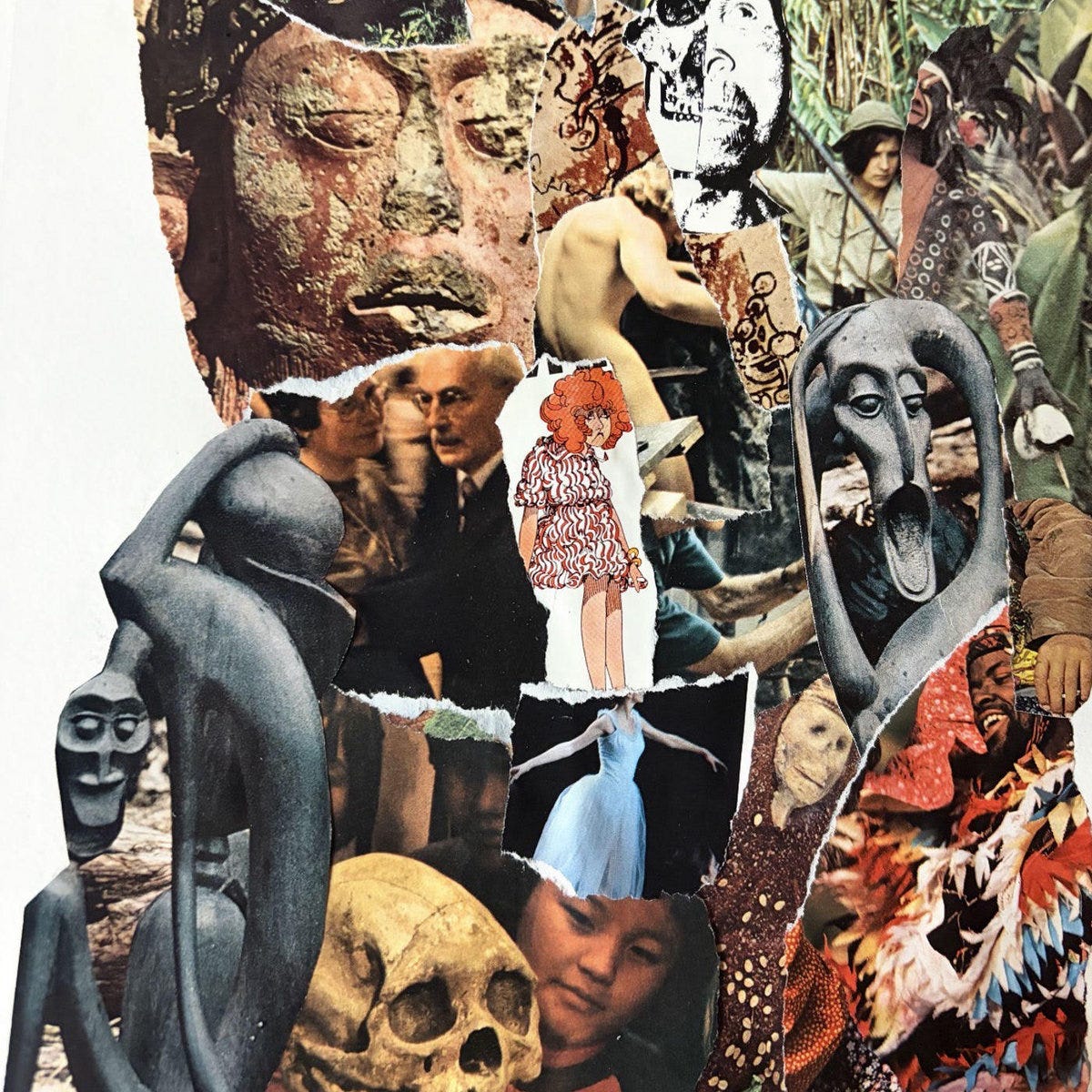
Bottom Rock is a one-man art collective and label run out of Cape Town by a rapper named Gavin who has been uploading music to Bandcamp since 2020. He named an album after the Carl Jung autobiography. Garden Dance is the full album been circling for four years. The beats provided by Jesse The Tree shuffle and smear more than they hit, the loops come buried in a low fog, and dialogue samples from psychology lectures, apartheid-era news broadcasts, and interviews about LSD open every song. On “Mapungubwe,” named for the ancient southern African kingdom whose ruins European settlers insisted Black Africans couldn’t have built, he spends three verses moving through that lie. On “Ritual of Art,” the only song where both rappers share a mic, Gavin references the master bleeding out in the cotton field and statues that shouldn’t have stood; Jesse pictures bloody hands clutching pearls at a wretched golden door. “In the Angel’s Nest” barrels through relentless overthinking, swallowed guilt, and psychedelic disruption. He’s been uploading music for six years to a platform most rap fans forgot existed, running a collective nobody outside the underground has heard of, mailing verses across the Atlantic to a guy in Rhode Island. Garden Dance is the best thing either of them has ever made. — Kendra Vale
Grace Ives, Girlfriend

Grace Ives released Janky Star in 2022 and burned out fast. The New York-bred artist’s bedroom synth-pop had positioned her as Bushwick’s answer to a pop diva, but the touring broke something. She hit what she called a “true rock bottom” in an open letter this past November—the drinking had turned songwriting sessions into accidental benders, and her life had gone stagnant in a way she couldn’t write her way out of. She got sober, moved to California, called Ariel Rechtshaid (Charli XCX, Vampire Weekend, Kelela) and John DeBold (HAIM, Dijon) to co-produce, and Dave Fridmann (Flaming Lips, MGMT) to mix. Girlfriend, her third album, is the biggest thing she’s made, and the directness of the lyrics—no poeticizing, no hiding behind clever phrasing—is what makes the scale feel earned. “Avalanche” swelters with a Charli-adjacent energy, and the line “If I run right off for my cute little life/Then I’ll settle into something and I’ll die by the knife” has the bluntness of a person who stopped filtering. “Fire 2” is a dance track where Ives admits she’s “blue as a match, I’m unkempt, unattached,” and “the shadow of a girl who’s just doing her best,” and the beat keeps moving underneath her like the world doesn’t care whether she’s ready or not. Down the line, “Stupid Bitches” wraps the whole thing with pop hooks sharp enough to justify every comparison to Robyn she’s ever gotten. Ives came back from a three-year silence with a record, trying to be honest, and the honesty turned out to be more interesting than the cleverness ever was. — Darryl Keyes
The Sophs, Goldstar
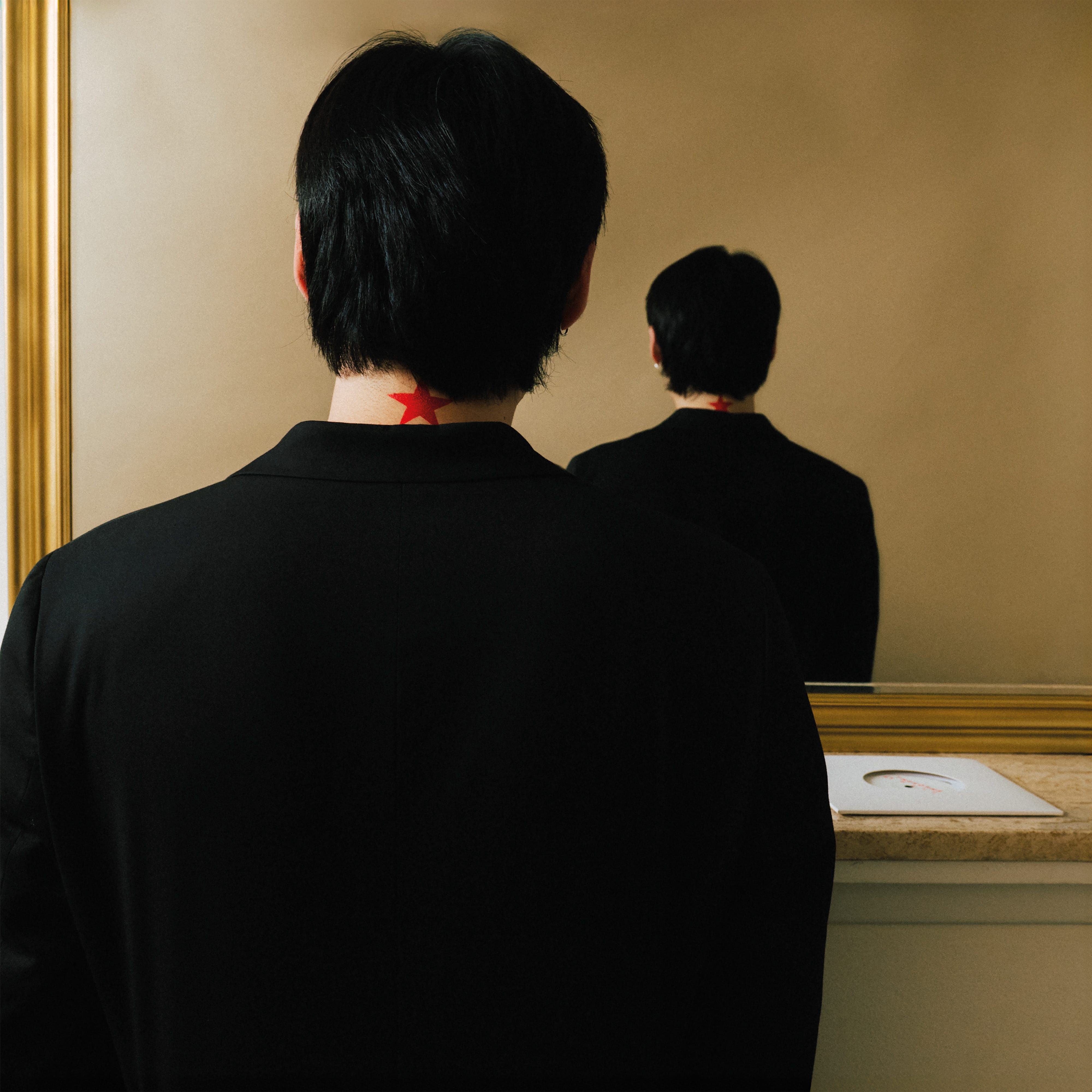
Ethan Ramon cold-emailed Rough Trade’s Geoff Travis and Jeannette Lee a demo reel before his band had ever played a live show. Travis wrote back the next morning. The Sophs—Ramon, guitarists Austin Parker Jones and Seth Smades, keyboardist Sam Yuh, bassist Cole Bobbitt, and drummer Devin Russ—recorded every song on Goldstar in Smades’ home studio across eight sessions, each track written and arranged in under a day, and every final version on the album exists in its original demo form with live drums and a mix laid on top. That speed shows. “The Dog Dies in the End” opens with a sudden, gleeful declaration of canine hatred before the riff drops and pulls the whole thing into a careening garage-rock sprint. The title track pivots from tense flamenco guitar into distorted power chords within four bars, Ramon wailing, “Where’s my gold star?” with the desperation of someone begging for a participation trophy and meaning it. “Blitzed Again” sprawls to five minutes and lets the band stretch into a loose, ZZ Top-adjacent boogie. “Sweat” locks into punk-funk. “House” drifts toward something quieter and stranger, and “Sweetiepie” swings back into pop territory with harmonies stacked three deep. Six people from Los Angeles who shift from Delta blues to lounge jazz to pop-punk inside a single LP, and the only thing holding it together is the conviction that genre loyalty is for cowards. — Charlotte Rochel
Ego Ella May, Good Intentions
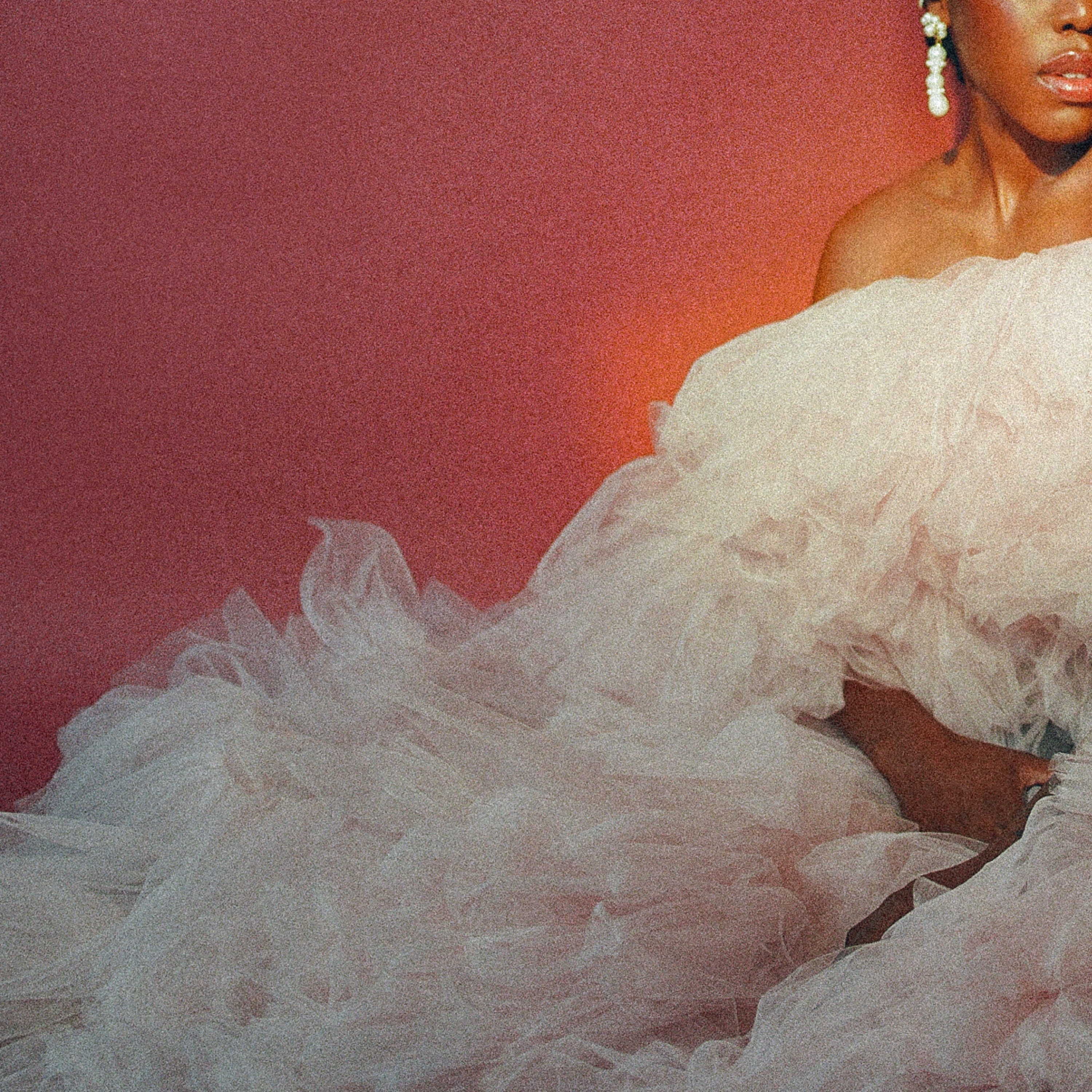
Vice called Ego Ella May “the future sound of neo-soul” in 2014, when she was 22, self-taught on guitar, and releasing EPs out of Croydon to an audience that could fit in a living room. She had a debut, Honey for Wounds, that won Best Jazz Act at the MOBOs, got her songs placed on Insecure and Sex Education, and earned her a Vocalist of the Year nod from the Jazz FM Awards. None of it translated into the kind of momentum that sustains a career. She spent the next few years putting out FIELDNOTES, a three-part EP series written in and around the pandemic, then disappeared into a residential studio with her band for five days of jamming, cooking, and walking with no deadline. Good Intentions, her second LP, came out of those sessions. The album prays for her enemies to fall (her brother chiming in with “fire, bun dem all” on the title track) then shifts into a Buddhist metta chant wishing happiness and safety for everyone, including you. It names Keir Starmer’s government directly on “We’re Not Free,” thanking him for scrapping the Rwanda deportation plan and then asking whether that was morals or just money. “It won’t feed our kids, it won’t ceasefire/And it won’t heat up our homes.” A still, small voice—the whisper God sent to Elijah in 1 Kings—tells her she’s not free until everyone else is. She believes it and still doesn’t know what to do about it. The record’s best song might be “Potluck Baby,” where May calls her mother on the phone, hears Igbo coming through, and can’t follow a word. Or it might be “Sister,” a direct address to a woman in a relationship she should have left years ago. Good Intentions was made with a pure heart, and you can tell as May never pretends she has the answers to any of it. — Ameenah Laquita
Jae Skeese & ILL Tone Beats, The Good Part, Vol. 1

Jae Skeese started writing short stories as a kid in Buffalo before converting those narrative instincts into rap bars. He spent a decade grinding through mixtapes and affiliations—first his own crew, then a co-signing from Conway the Machine’s Drumwork Music Group alongside 7xvethegenius—before landing on the producer partnership that sharpens him best. ILL Tone Beats, a Buffalo native who built his reputation pressing gritty boom-bap for Elcamino, Benny the Butcher’s Black Soprano Family collective, and half the Griselda-adjacent ecosystem, chops soul samples with a butcher’s economy, fat trimmed, bone left in, just enough marbling to keep things rich. Conway the Machine and Stove God Cooks show up on “Accelerant” and trade bars with Skeese like three cousins trying to outdo each other at a cookout, each verse escalating in density until the track feels overstuffed in the best way. Cory Gunz rides a summery instrumental on “Curt Menafee” with a nimbleness that Skeese matches phrase for phrase. ILL Tone keeps the production tightly sequenced across eight tracks, each beat a variation on a theme and never a stylistic detour, and the restraint lets Skeese’s pen do the heavy lifting. Buffalo keeps breeding rappers who talk about their city like it’s the only place on Earth worth claiming, and Skeese makes that pride sound specific enough to land anywhere. — Harry Brown
Ghais Guevara, Goyard & The Kayfabe Reveal
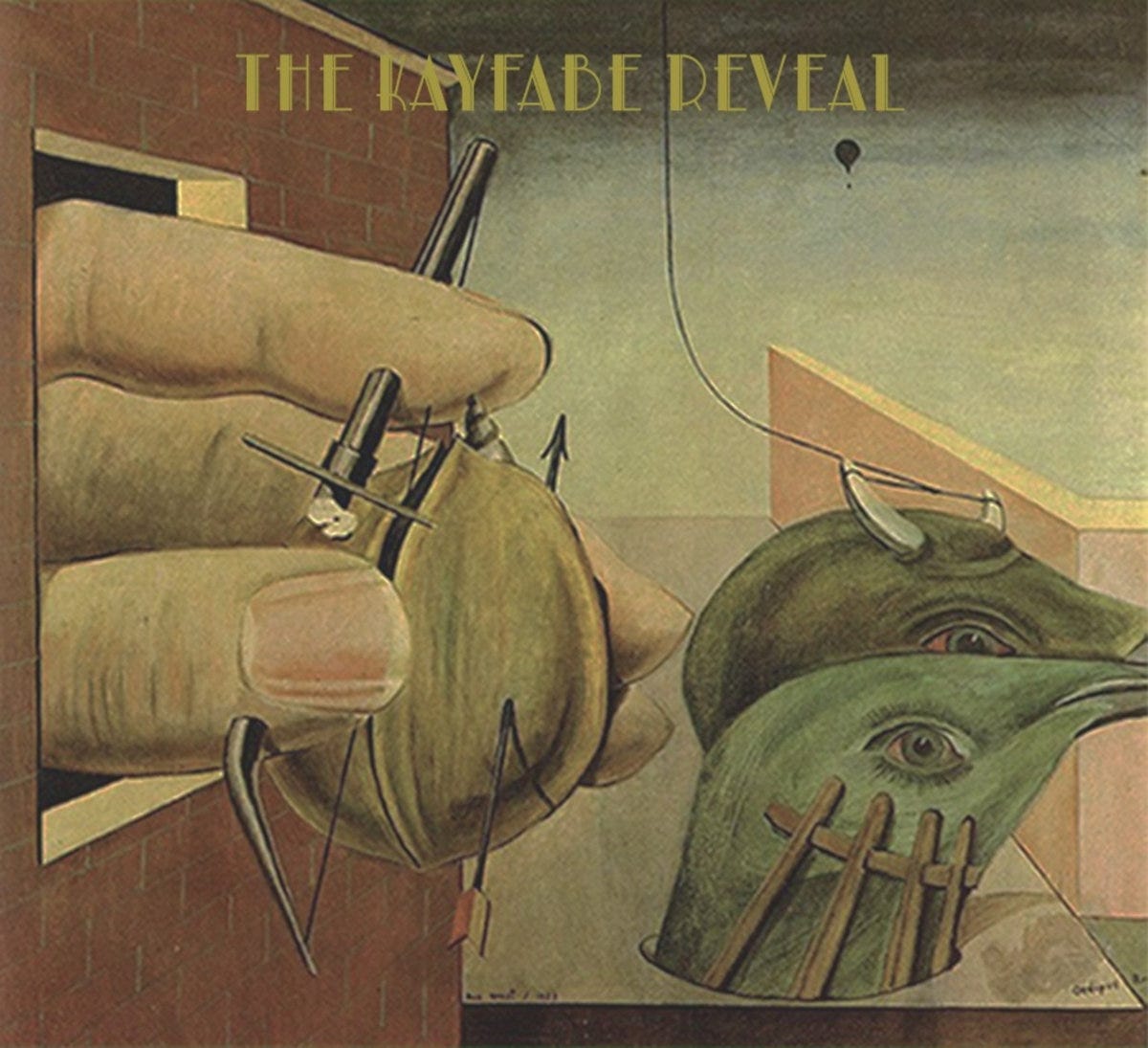
Not many rappers have performed at Marxist bookstores, punk dive bars, and sold-out festival stages before turning 25 like Ghais Guevara. His debut, Goyard Ibn Said, dropped last year as a two-act concept record built around a fictional rapper named Goyard whose rise through the industry stripped him down to nothing. It played at Kendrick’s Super Bowl. Critics caught on. Audiences stayed cautious. With The Kayfabe Reveal, Guevara picks up where he left off, continuing the fiction, but the autobiography bleeds through so hard that the character can barely contain it. Goyard is still the narrator, this time recounting a revolution. A tyrant called Jouissance, the ruler behind the kayfabe, gets exposed, and the album follows the uprising from its spark through the final battle through the wreckage of the aftermath. Robinson sources his philosophical citations the way filmmakers source their epigraphs. Nietzsche on ressentiment, Bruce Fink on Lacan’s jouissance, Deleuze and Guattari’s Anti-Oedipus peppered between tracks as interstitial narration, a closing passage pulling from Cormac McCarthy. It sounds like it should be pretentious and indigestible. It isn’t, for the reason that the songs themselves are so rooted in specific physical memory that the theory fades behind the living. — Alexandria Elise
Numbz & Thought Provokah, Hagler Hearns
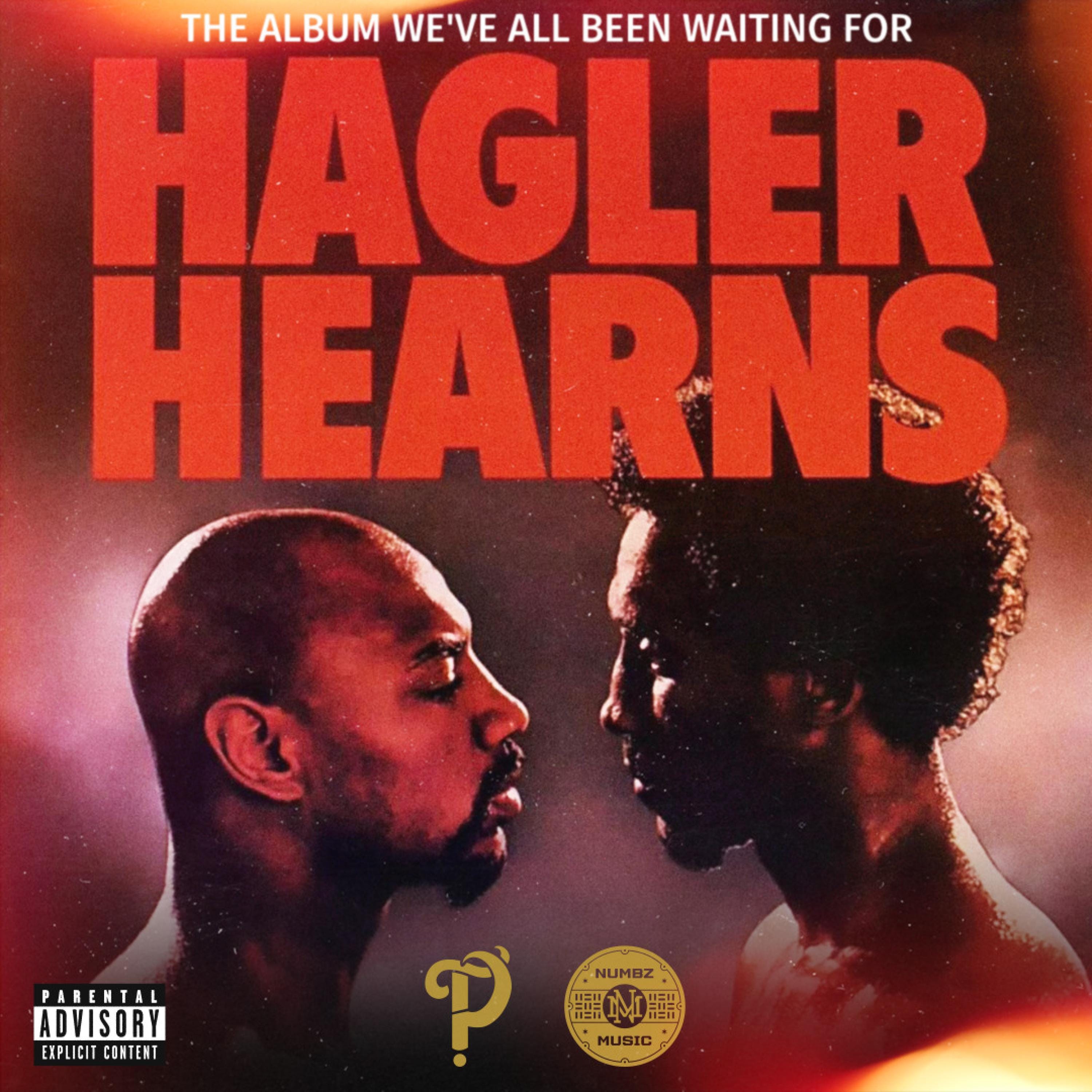
Marvelous Marvin Hagler had fifty fights before he got a title shot. He made fifty dollars a night in the early going, trained alone at a camp in Provincetown, Cape Cod, and retired as undisputed middleweight champion with a record the judges tried to take from him twice. He was born in Newark, New Jersey, the same city as Numbz, the rapper-producer who built every beat on Hagler Hearns from samples, letting the broadcast commentary from the actual 1985 fight bleed between songs. Thought Provokah, an independent rapper from Port Jervis, New York, matched that timeline to his own. On “Fighting to Be Great,” he lays the numbers side by side, Hagler’s twenty-four bouts in 730 days, his own twenty-one records in five years, and the math is too clean to ignore. The boxing detail across these eight songs goes well past metaphor. “The Inferno of Antifermo” reconstructs Hagler’s controversial 1979 draw against Vito Antuofermo, his fiftieth bout, the one that denied him the belt, and Thought Provokah folds the bitterness into his own hook: “It burn slow when the bouts don’t mean a W/Using the flames to make a name how Marvin did/’Til y’all believe it, I’ma make y’all call me marvelous.” On “Stop the Bleeding,” he walks through the first round of the Hearns fight itself, the cut on Hagler’s forehead, referee Richard Steele nearly stopping it, Hagler demanding to continue, while a sample of Hagler’s own voice recalls how “they’re going to find some way to take away from me what I’ve earned.” Thought Provokah studied these bouts the way a biographer would, and Hagler Hearns is the rare rap record that could pass a fact-check against the Ring Magazine archives. — Joelle Figueroa
Teller Bank$, HATE ISLAND
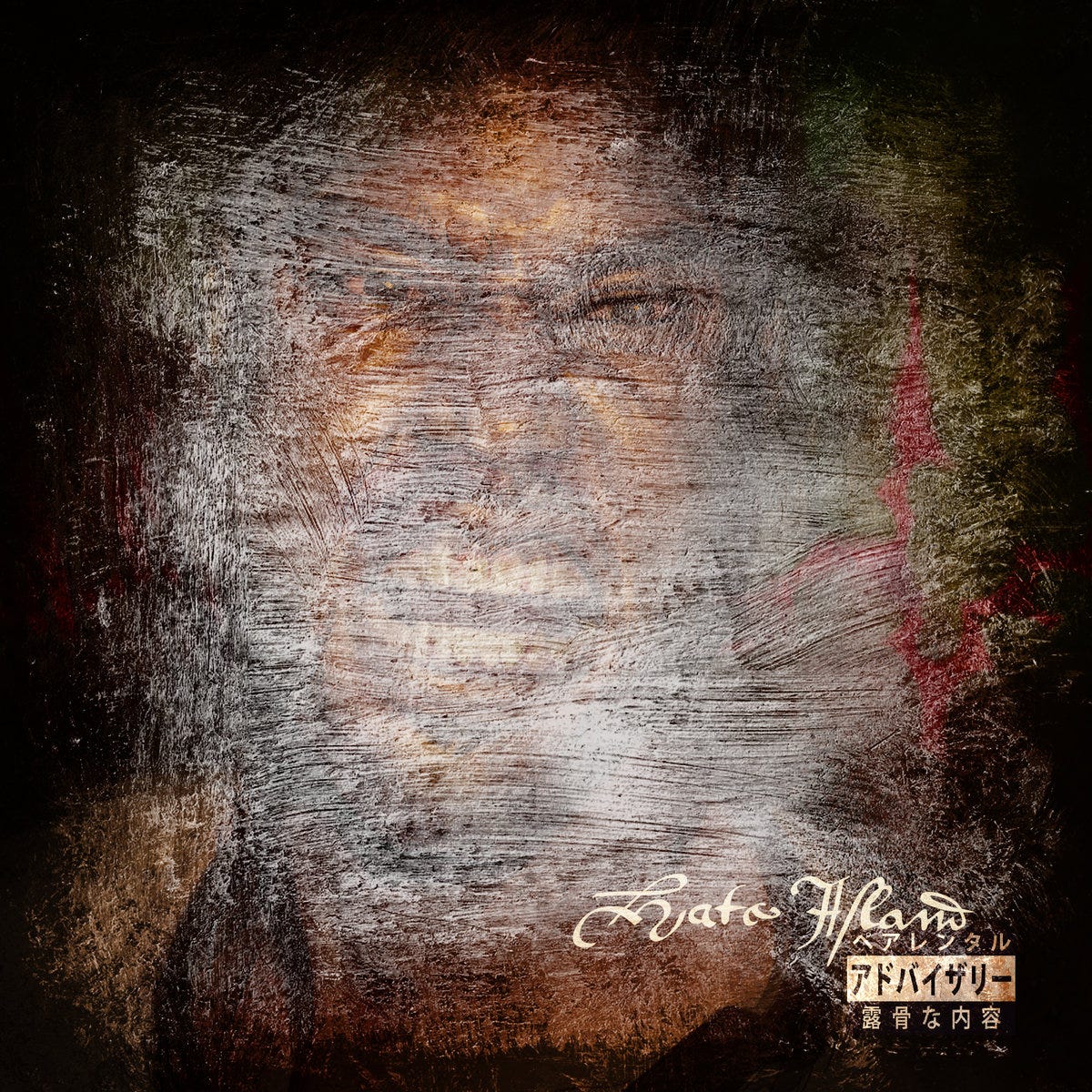
On DRUG$$$, the 2025 album he cut with Philadelphia’s TripleDollar$ign crew (Philth Spector, Q No Rap Name, Killer Kane), the premise was “what if Rico, Mitch, and Ace were all one person and that person was a rapper.” Get rich or die trying, except the protagonist raps. HATE ISLAND, which followed seven months later with the same production team, picks up after the getting-rich part. The money came, but the peace didn’t. The TripleDollar$ign beats chop soul and funk loops into thick, abbreviated phrases, and Teller Bank$ barks over them at full volume on almost every song, packing so many bars into each verse that the production just has to hold still. On “A Hate Supreme,” he claims he caught a body, moves enchiladas, sleeps with his rifle, then apologizes to his mother: “Sorry momma had to do it/Know you raised me smarter but life is stupid.” On “HATE HATE HATE,” he serves in front of a church on Colfax, checks Facebook from a burner phone for missing persons ads, and then mid-verse, same breath, swerves into American imperialism and mass incarceration (“Slavery ain’t ended that’s American imperialism”) without ever stopping to announce the shift. HATE ISLAND won’t make you comfortable either. On the title song, Teller announces the rest of it “just happened,” and he chose not to write it down. For a man who floods the zone with 30-plus records, that gap between the compulsive recording and the deliberate silence is where the whole album lives. — Devon Kai Brooks
War Child Records, HELP(2)
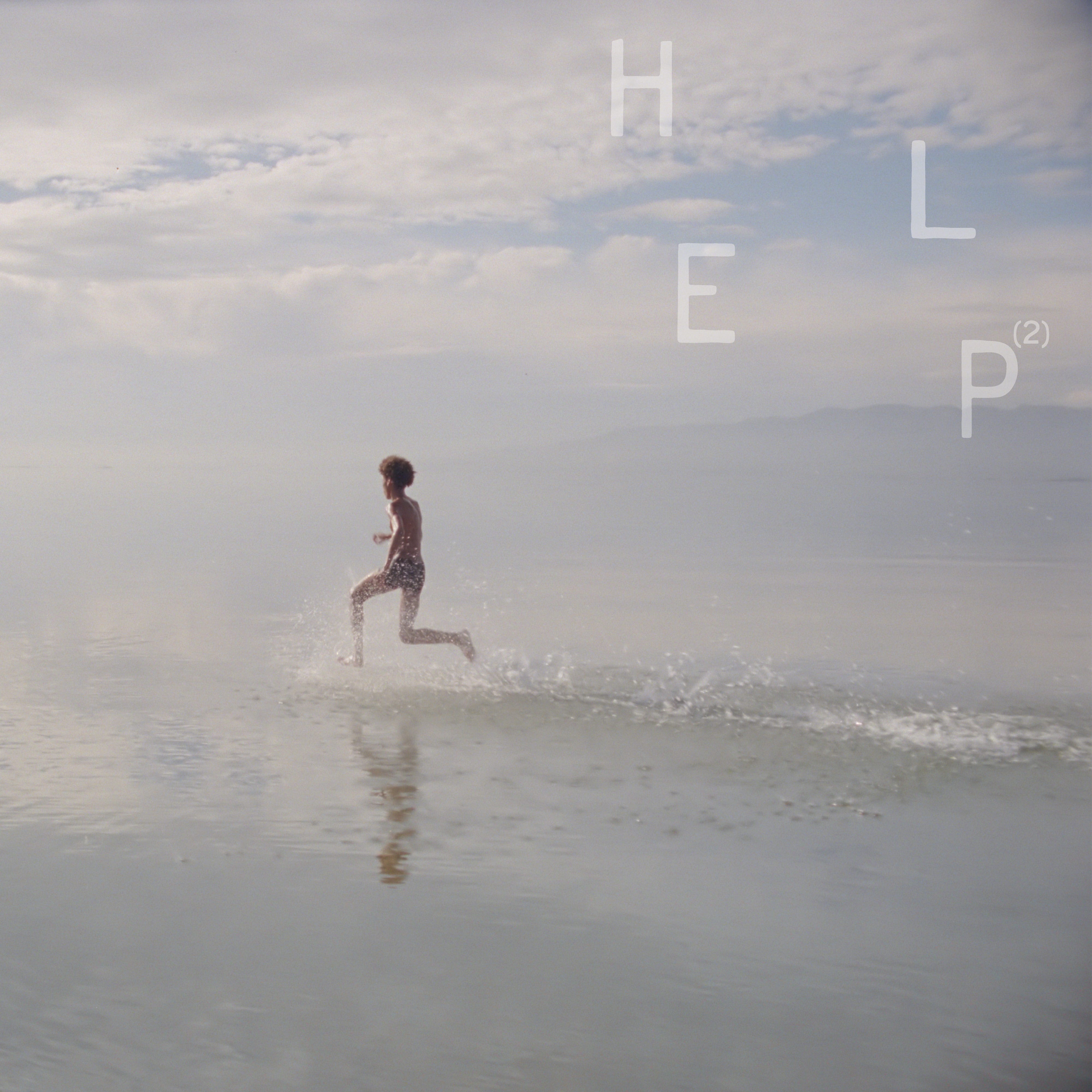
The original HELP album was made in a single day in September 1995 and sold 70,000 copies before sundown. Brian Eno quarterbacked it. Oasis and Blur occupied the same tracklist while pretending the other didn’t exist. Radiohead turned in “Lucky,” which ended up on OK Computer two years later. Three decades on, 520 million children worldwide—nearly one in five—live in conflict zones, and War Child asked James Ford to run the sequel out of Abbey Road during one frenzied week in November 2025. HELP(2) arrived days after an American missile strike killed over a hundred children at a school in Iran, and that timing gave its quieter moments a different weight than anyone involved could have planned. Ford’s production hand gives the compilation a rare cohesion. Arctic Monkeys’ “Opening Night,” their first recording since 2022 and built from an idea abandoned during the Humbug sessions, layers sinister harmonies over a slow-creeping piano line, and it’s the most restrained thing Alex Turner has committed to tape in a decade. Beth Gibbons’ “Sunday Morning” barely registers above a murmur; Fontaines D.C. cover Sinéad O’Connor’s “Black Boys on Mopeds” with the reverence of people who understand exactly why a song about police brutality from 1990 needed no updating. Pulp, absent from the first HELP, finally show up with “Begging for Change,” a skronking, confrontational noise-rock tantrum that Jarvis Cocker delivers like a man who’s been waiting thirty years to collect on a debt. — Oliver I. Martin
Flea, Honora
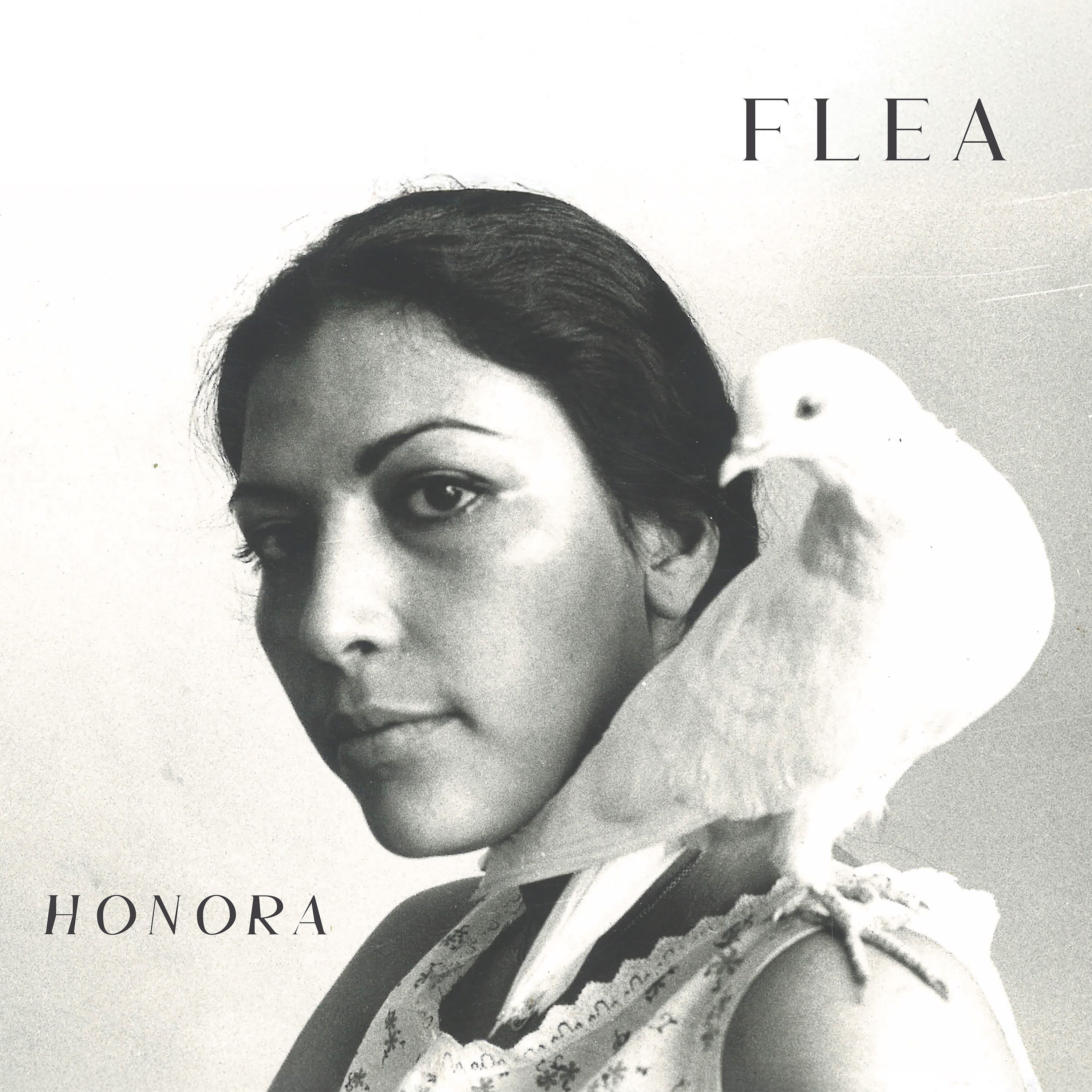
Before there was a bass guitar, before the Red Hot Chili Peppers, before the shirtless funk-rock marathons in stadiums on five continents, there was a kid in a living room in Los Angeles listening to his stepfather’s jazz records, wanting to be Dizzy Gillespie. Flea picked up the trumpet as a child, got good enough to play through school and into college, and then put it down for forty-odd years to become one of the most famous bassists alive. Honora, his first solo album at sixty-three, is the record that kept getting postponed by everything else in his life. He named it after a beloved family member; the cover carries a 1960s photograph of his mother-in-law, Shahin Badiyan, in Iran. Six of the ten songs are originals; the remaining four are covers that say more about Flea than any memoir excerpt could. He takes Eddie Hazel and George Clinton’s “Maggot Brain” and plays it on trumpet, stripping the electric-guitar anguish down to brass and breath. Nick Cave sings on a reading of Jimmy Webb’s “Wichita Lineman,” recorded separately in London with engineer Luis Almau, Cave’s baritone turning a song about a telephone repairman into something cavernous. Flea’s instrumental pass through Frank Ocean’s “Thinkin Bout You” peels the R&B original back to a slow trumpet melody over Jeff Parker’s spare guitar, and “Traffic Lights,” co-written with Thom Yorke, is the album’s liveliest cut—Yorke’s vocals and synths bubbling against a rhythm section that recorded the take in one pass and kept it. — Tai Lawson
S. Fidelity, I Guess I’ll Never Learn
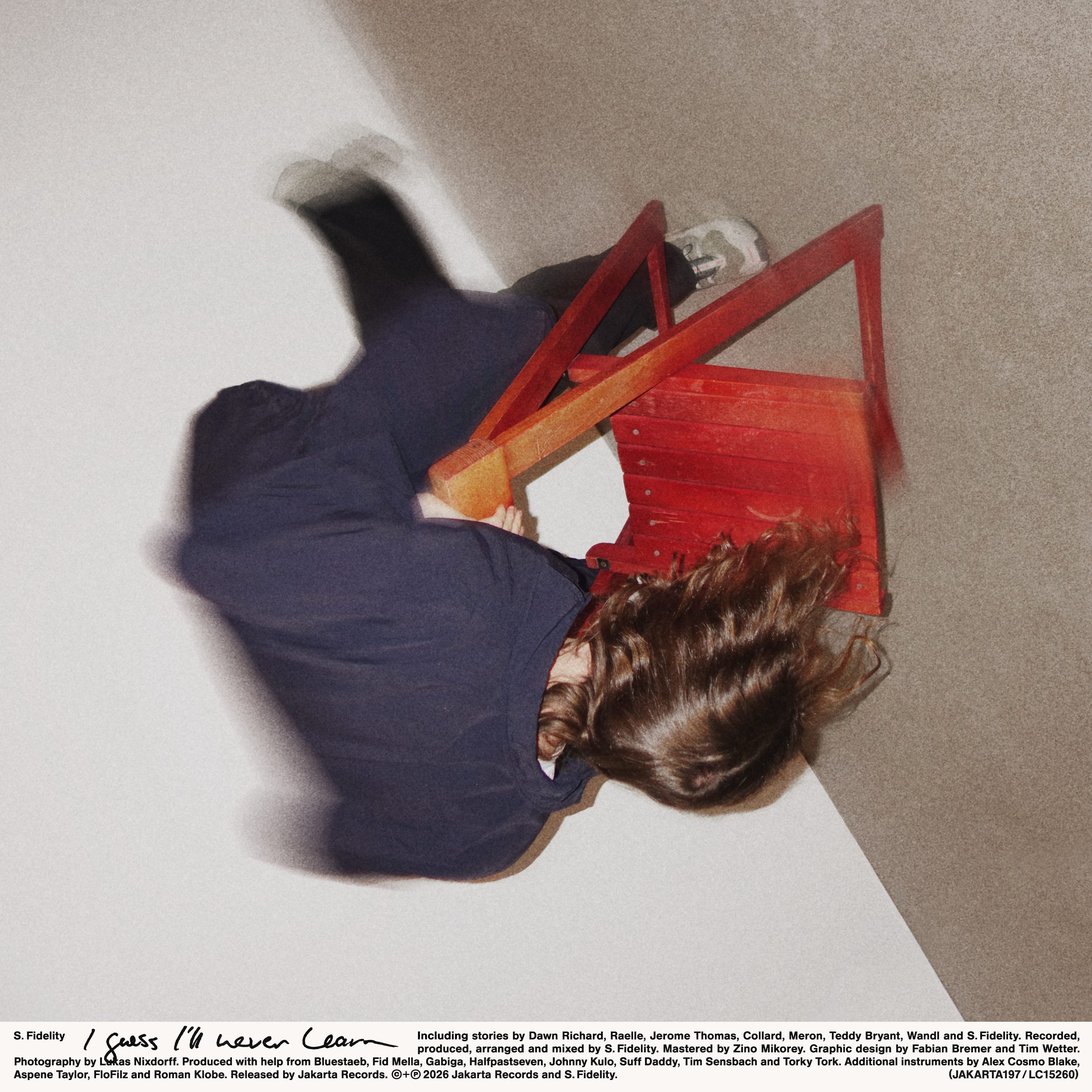
When S. Fidelity was a kid in St. Gallen, Switzerland, he and his friends burned competitive compilation CDs for each other, and the whole game was finding records nobody else knew existed. He taught himself to DJ and produce on his mother’s computer at thirteen, no lessons, no mentors, just a frantic need to own sounds before anyone else could claim them. That collector’s instinct ran through his first two Jakarta Records albums (A Safe Place to Be Naked, Fidelity Radio Club). I Guess I’ll Never Learn narrows everything down to wanting someone, having them, losing them, and circling back to wanting them again. The production, built out of his Berlin-Neukölln studio alongside longtime collaborator Bluestaeb, is warmer and more patient than anything he’s put on wax. Dawn Richard opens “Play” with “We like to fuck/We like to play, babe” and rides it for four minutes flat, spelling it out down to “make it drip drip like raindrops” with a “lick to center like it’s a blow pop.” Jerome Thomas matches that appetite on “So Good,” picking up bodies like he stole them, then turns around on “24h (Joyride)” and tells a woman who wants a lover, daily calls, and a home that he can offer her twenty-four hours, jet flights, and an expiration date. The cycle spins, and nobody learns a thing. — Sabine Okafemi
ELUCID & Sebb Bash, I Guess U Had to Be There
ELUCID was in The Alchemist’s studio in L.A. finishing up Haram when Alchemist started playing other people’s beats between sessions. ELUCID kept asking who made them, and the answer, more often than not, was Sebb Bash—a Swiss producer and crate-digger from Lausanne who’d won a national music prize from the Federal Office of Culture and run “Métissages,” the first rap show on Swiss public radio. When ELUCID pressed, Alchemist gave him a compliment he’d never handed anyone who wasn’t DJ Premier or Pete Rock: “He’s the best producer I know.” Sebb sent beats during the I Told Bessie sessions, and two of them stuck. But they didn’t meet in person until Sebb came to New York, and even then they didn’t record. They smoked in the park and ate sandwiches. From the first day of the I Guess U Had to Be There sessions, both of them knew they were building an album, and these twelve cuts carry that patience in their bones.
“Coonspeak” takes the slur right there in its title and wears it out from the inside (burnt cork smeared on laptop computers, Donny Hathaway crooning on a balcony with iridescent wings, a gumbeat that stays unapologetic) and by the second half ELUCID has reclaimed every inch of the word until it belongs to him and nobody else. On “Fainting Goats,” a James Baldwin sample between Breeze Brewin’s fast-twitch Juggaknots bars and ELUCID’s own verse spells out the stakes plainly: not being permitted to articulate anything is the final devastation, and a silent labor force would be perfect. And then “Parental Advisory” closes the whole record with questions a child actually asks: why is at the end of a belt, did the strap wake you from your sleep, how’s it hurt you more than it hurts me. — Mina Abdel
Joshua Idehen, I know you’re hurting, everyone is hurting, everyone is trying, you have got to try
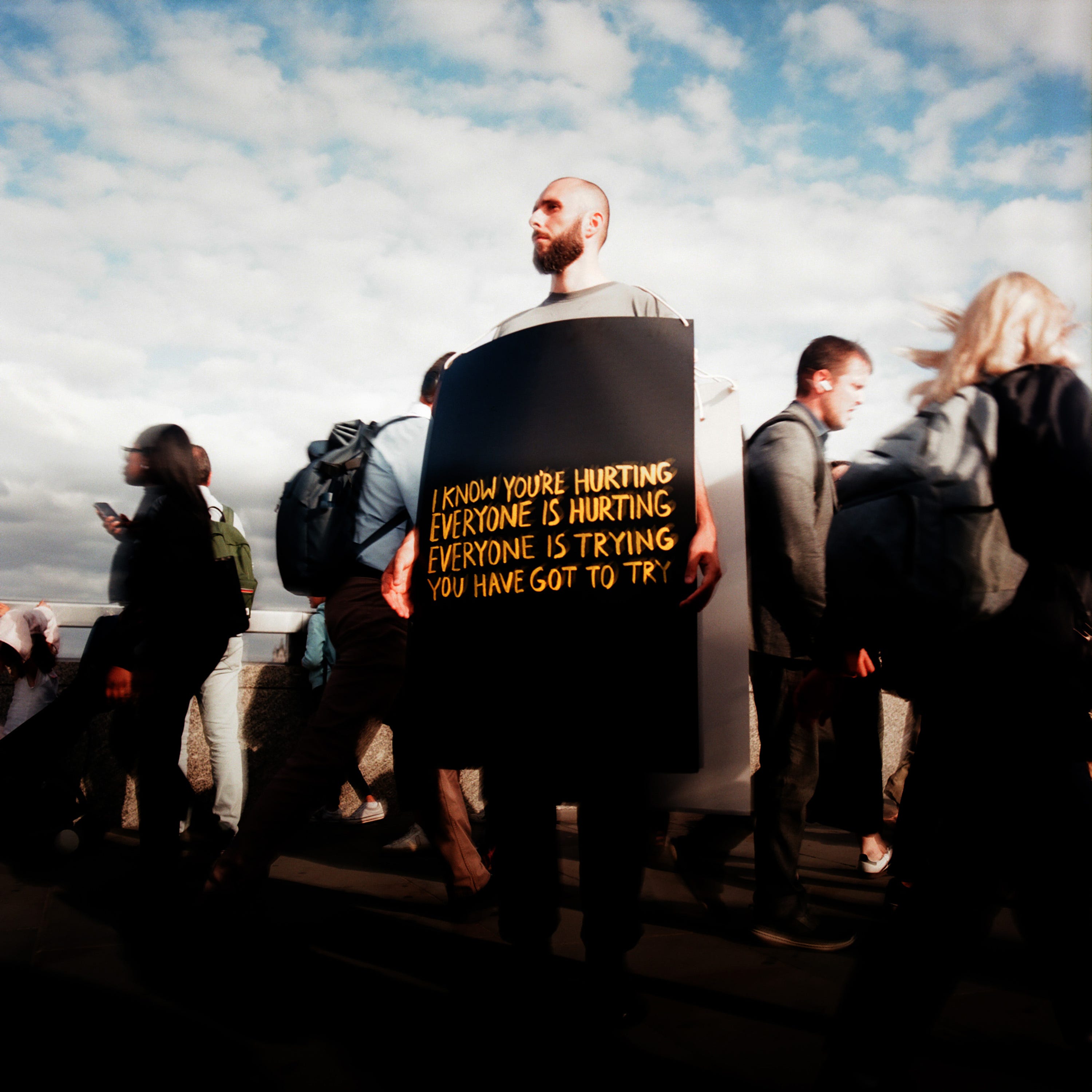
Joshua Idehen spent years carrying guilt through the dissolution of his marriage and a stretch of mental health trouble that soaked into everything he wrote with his former band Benin City. At forty-five, the British-Nigerian poet moved to Sweden, linked up with producer Ludvig Parment, and built his debut solo album to make people dance while he said the hardest things he’d ever said out loud. “You Wanna Dance or What?” opens with a house-adjacent groove modeled on Baxter Dury and Fred Again..’s “These Are My Friends,” and Idehen’s voice rides it with the cadence of a man who just had an epiphany late at night with his shirt stuck to his back. Shabaka Hutchings plays flute on the record. Writers Leone Ross and Charlotte Manning contribute text. Amanda Bergman sings on “My Love,” a slow, philosophical piece where her vocals hover above Parment’s keys and Idehen asks whether love is something you find or something you build from scraps. And then there’s “Your Mum Does the Washing,” the track that went viral and got him signed to Heavenly Recordings. Idehen takes one domestic image and runs it through a dozen political definitions. Capitalism is your mum doing the washing while you pay her a dollar and charge your mate fifty. Communism is everyone doing the washing every night, saluting a picture of your dad. Zionism, mansplaining, Brexit—every -ism gets the same treatment, the beat building underneath until the definitions stop being funny and start drawing blood. — Aicha Odilia
Rashad, I Was Told There’d Be Gold
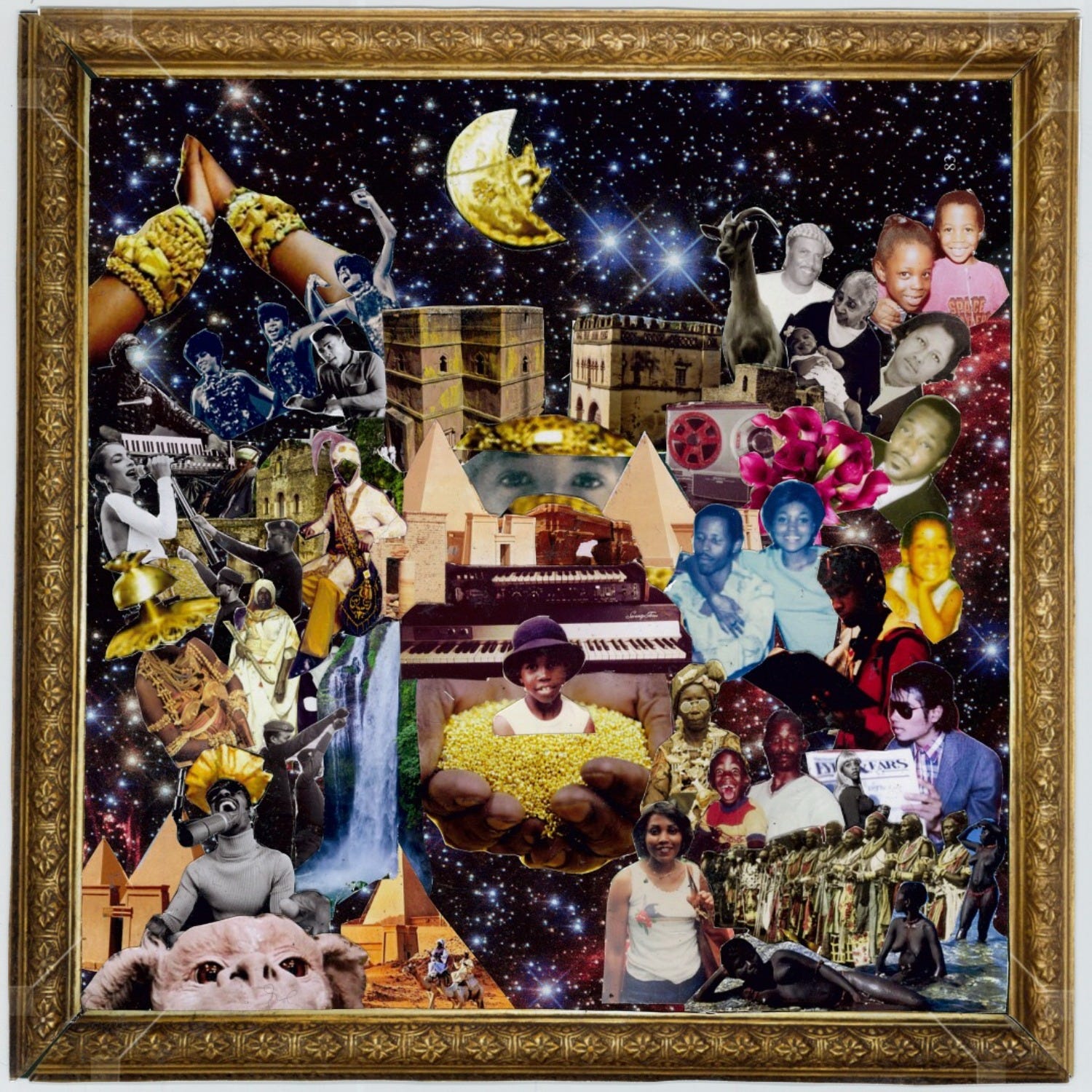
After getting shelved three times by the majors, Rashad went home to Columbus, Ohio, started Elev8tor Music with the guys he’d grown up with in The 3rd Power, and began producing for other people. His first two solo albums, Museum in 2012 and The Quiet Loud in 2015, were entirely written, produced, performed, programmed, and mixed by Rashad himself, and both came and went without industry machinery behind them. Then eleven years passed. I Was Told There’d Be Gold is the third, built the same way, every note his, and the title comes from a line on “Larry's Lament” where he raps, “I won’t fold, I was told there’d be yellow gold, brick roads/Back when pops was hanging with Mike and Dickie/I was making music, you wasn’t with me.” On “We Expect You,” Rashad sings about good thoughts and getting past the pain and then asks, “But if God ain’t coming back/I don’t know how we can justify these actions.” “The Craft” raps “I’m not one for worship, but I believe in God/and God can mean gods, depending where you are,” then cites Tupac twice—once about building a nation and needing freedom, once about building a nation and needing money. The other half of the album is love songs, and every one of them is about someone who stayed. “Ribbons” rides a Stevie Wonder “Ribbon in the Sky” sample down to the simplest possible sentence (“I wanna share my life with you”) and a verse that says “loyal when I wasn’t winning, day one, but you ain’t forget me, when I was wrong, you forgave me.” The gold he was promised as a kid, the yellow brick road, the payoff at the finish, never arrived in any form the industry recognizes. — Sameira
Morgan Nagler, I’ve Got Nothing to Lose, And I’m Losing It
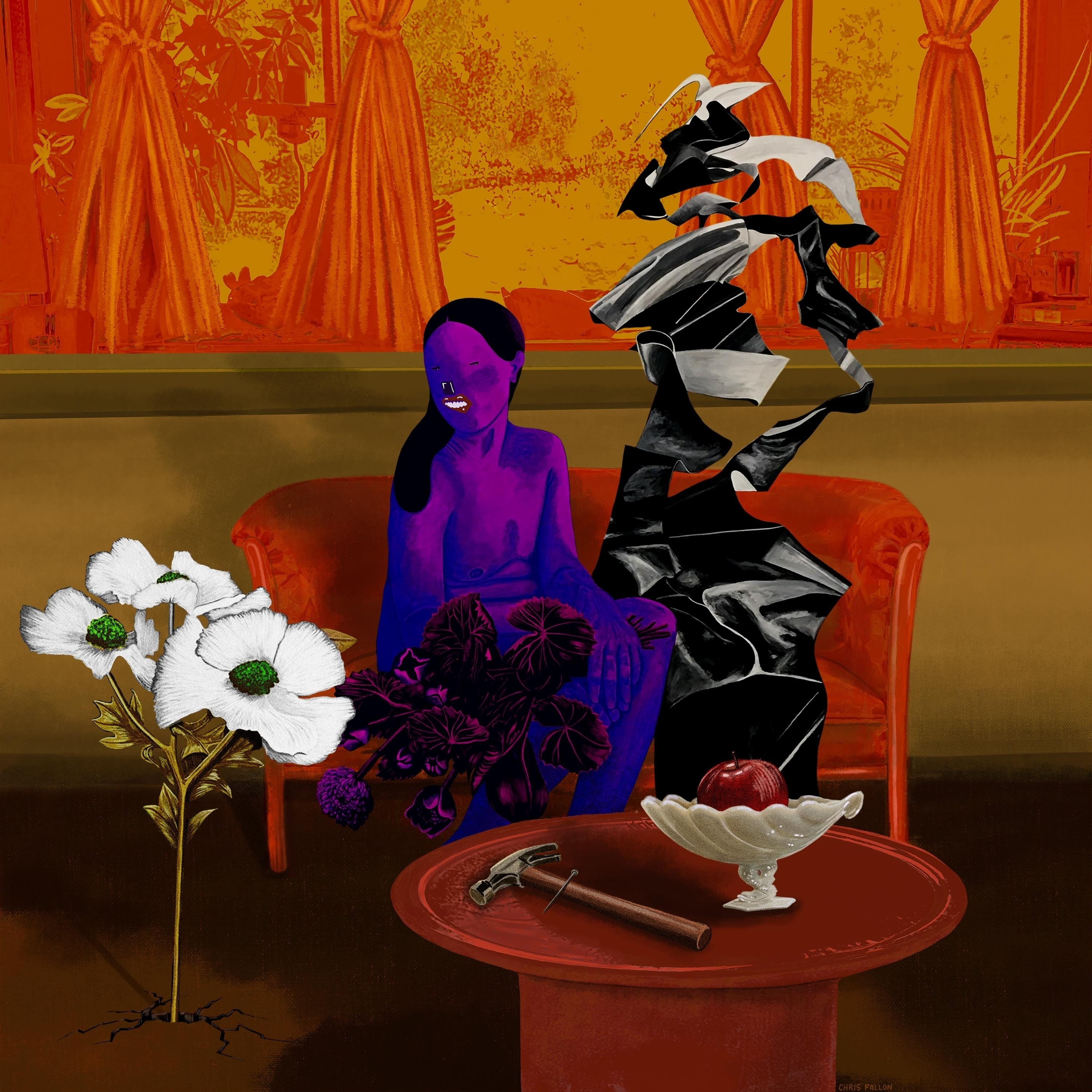
Morgan Nagler was five years old when she started acting (Punky Brewster, The Fresh Prince of Bel-Air, Frasier, ER, Star Trek: The Next Generation, American Pie 2) and twenty when she picked up a guitar in the downtime between sitcom takes and started writing songs she never intended to share. Jenny Lewis, then launching Rilo Kiley, heard them and pushed her to keep going. Two decades of writing for other people followed. She co-wrote “Kyoto” with Phoebe Bridgers (Grammy-nominated), cut sessions with Margo Price, Kim Deal, and HAIM, and ran two bands of her own (Whispertown and Supermoon) without ever putting out a solo record. Her engagement fell apart in 2024, and the songs started arriving faster than she could give them away. She called Kyle Thomas (King Tuff) to co-produce, booked a studio in LA, and filled it with Courtney Barnett on guitar, Meg Duffy on slide, Josh Adams (Cat Power, Weyes Blood) on drums, Gabe Noel on bass and cello, Oliver Hill on violin, Allison Crutchfield, Madi Diaz, and Bethany Cosentino singing harmonies.
“Cradle the Pain” opens with guitars that buzz and roar while Nagler speak-sings through it, her voice flat and sure. Duffy’s slide solo cuts across the second half. “Hurt,” co-written with Suzy Shinn, boils post-engagement wreckage down to a single line—“You don’t know love if you don’t know hurt”—and the backing vocals from Crutchfield, Cosentino, and Diaz confirm the verdict in unison. “Grassoline,” written with Diaz, is the LP’s sunniest moment, a jangle-pop ode to weed as survival mechanism where Nagler sings “I know Jesus ain’t gonna save me/And if he does, that’d just be crazy/But God gave me a will divine to get by on my own” and sounds like she’s already tried all the other options first. “Hammer & Nail” nods to Kim Deal. “Dad’s on Acid” does what the title promises. And “Heartbreak City,” written after the album was finished and tracked live in one take, just Nagler and a battered acoustic, closes the whole thing with the underproduction and directness of someone who finally ran out of ways to avoid saying the simplest version of the truth. — Charlotte Rochel
Willy Rodriguez, In the Unknown (I Will Find You)
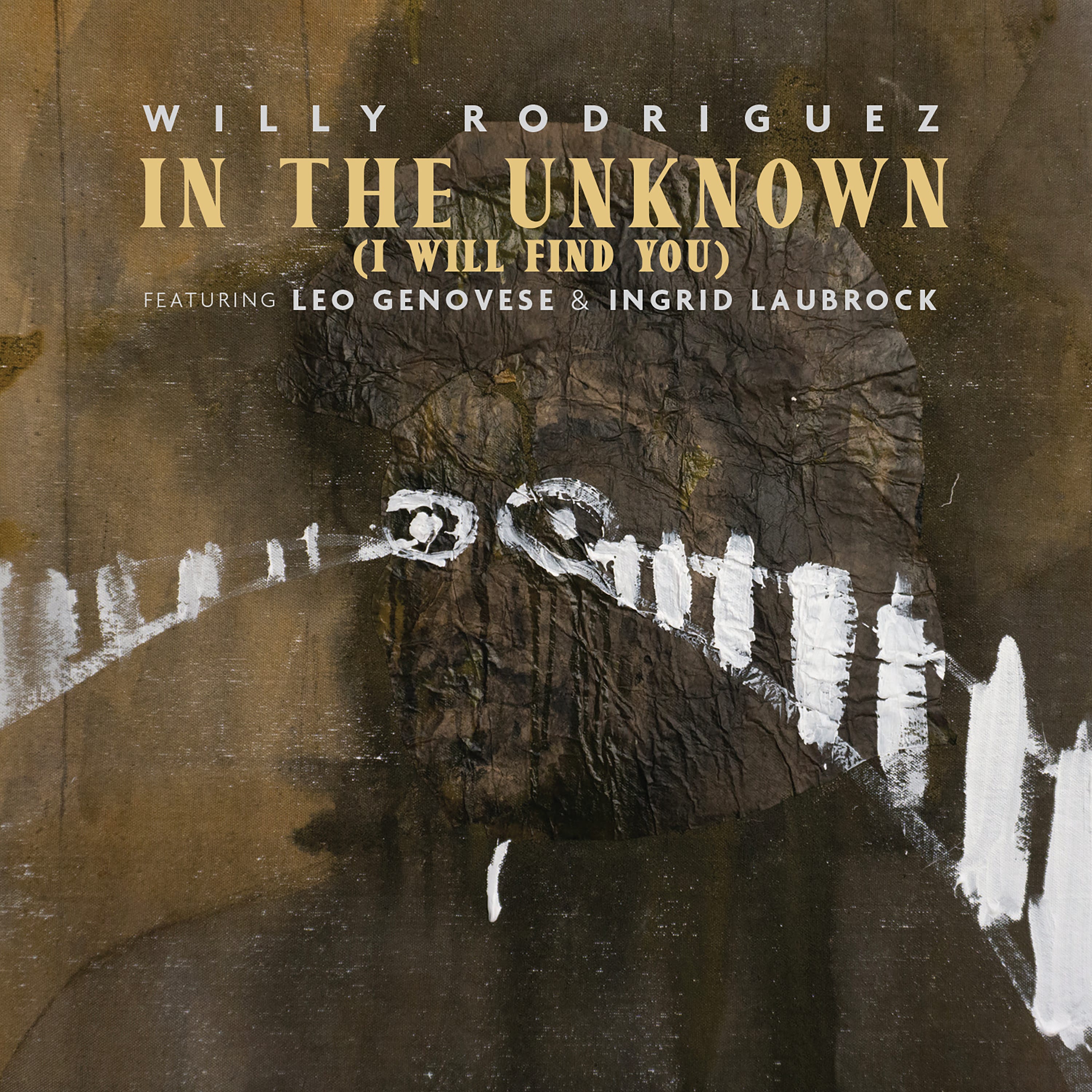
Born in Ponce, Puerto Rico, Willy Rodriguez came up through Berklee and New England Conservatory studying under Terri Lyne Carrington and Ralph Peterson, won a Latin Grammy drumming on Mon Laferte’s Norma, and sat behind the kit for the Mars Volta’s 2022 reunion album and its 2025 follow-up Lucro Sucio; Los Ojos del Vacío. He could have made any kind of record he wanted. He made one about his mother dying of cancer. In the Unknown (I Will Find You) was tracked at Rudy Van Gelder Studio with a bass-free trio—Ingrid Laubrock on tenor and soprano saxophone, Leo Genovese on piano and Hammond organ—plus spoken word from Allan Harris and sound design from Chris Connors. The absence of a bass player opens a cavity in the center of the music that nothing fills, and that vacancy is the whole point. “Curie’s Notes” opens with Laubrock alone—her tone clear, a hint of dissonance underneath—before Connors’ sound design bleeds electronic texture into the acoustic signal, smudging the line between what’s played and what’s manufactured. “A Room Full of Confusion” starts with a long, dark minimalist piano intro over a fuzzed-out background, suggesting the movement from clarity to fog, and Laubrock enters with elongated lines that shorten and fracture as Rodriguez’s gong-like cymbal strikes build the drama toward a controlled chaos. Rodriguez told an interviewer that the cover painting, Angel Borroto Diaz’s St. Benedict the Moor, shows souls entering the saint’s eyes—Benedict guides spirits to heaven in certain Caribbean religions. The album works the same way. — Murffey Zavier
rum.gold, Is There Anybody Home?
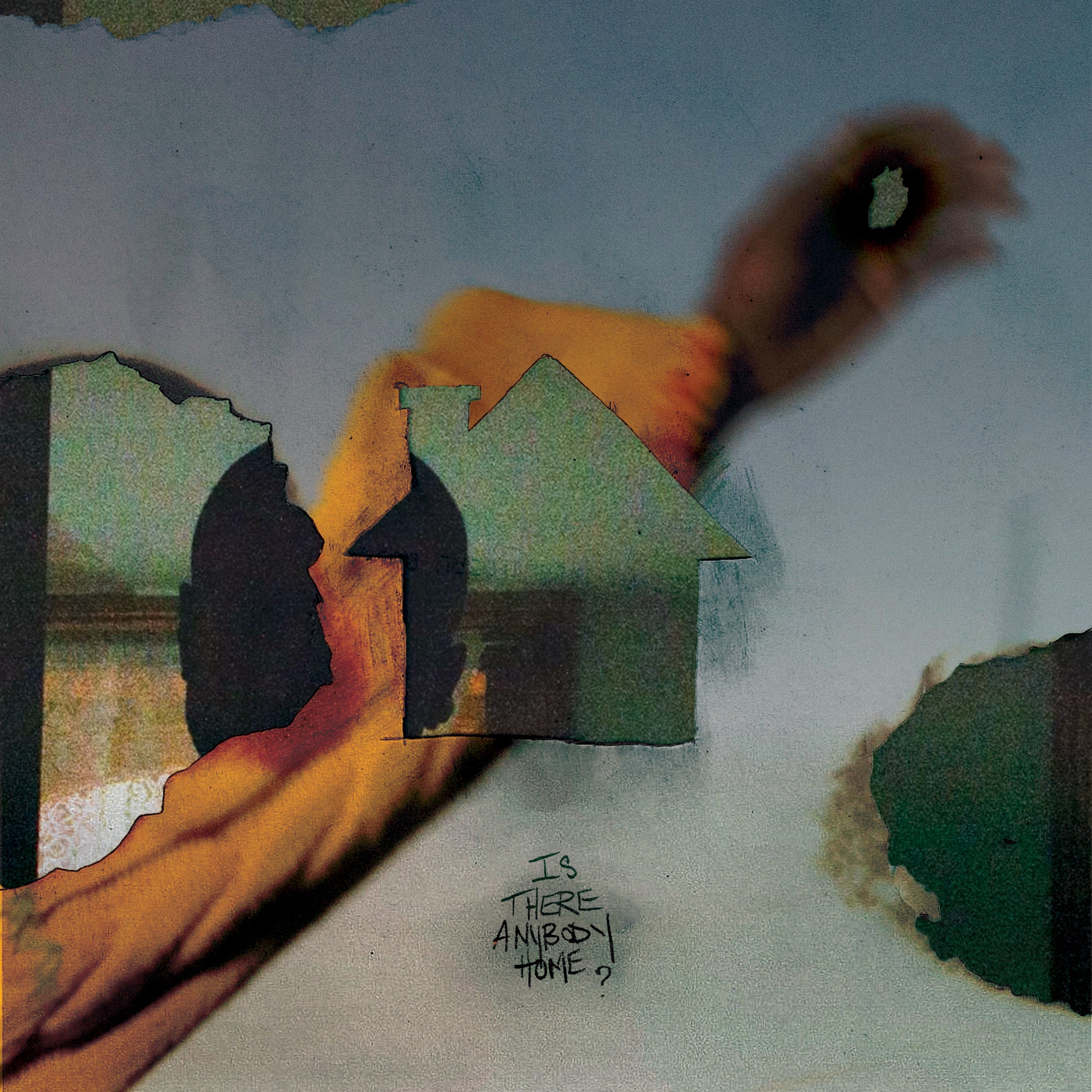
Delonte Drumgold stuttered through conversations but could sing in church just fine. He played trumpet from the fifth grade through a Berklee degree, spent years terrified of his own singing voice, and didn’t release a note of his own material until he was 24, uploading songs anonymously to SoundCloud under a name hacked from his surname (drop the D, keep rum.gold). He grew up shuffled between family members’ houses across D.C., and his second LP, U Street Anthology, turned that geography into a tribute to Black Washington, tracing the crack epidemic and poverty through his family’s block with the same civic devotion Gil Scott-Heron brought to Black Wax. Then he got divorced, moved from Brooklyn to Lisbon, and made Is There Anybody Home?, a record split into two discs. The second half came out first, as a standalone EP. The full sequence rearranges the grief. Adulthood goes up front; the childhood that caused it sits underneath, waiting. Producers Frankie Scoca, Rahmm Silverglade, Aire Atlantica, and Zak Khan kept the instruments wide and low, rum.gold’s voice pressed close to the ear while the beats pulled back behind it. On this record, the space is still mostly empty, but what he filled it with says precise, unglamorous things about what people do to each other when love stops being enough. — Jhanel
Yebba, Jean
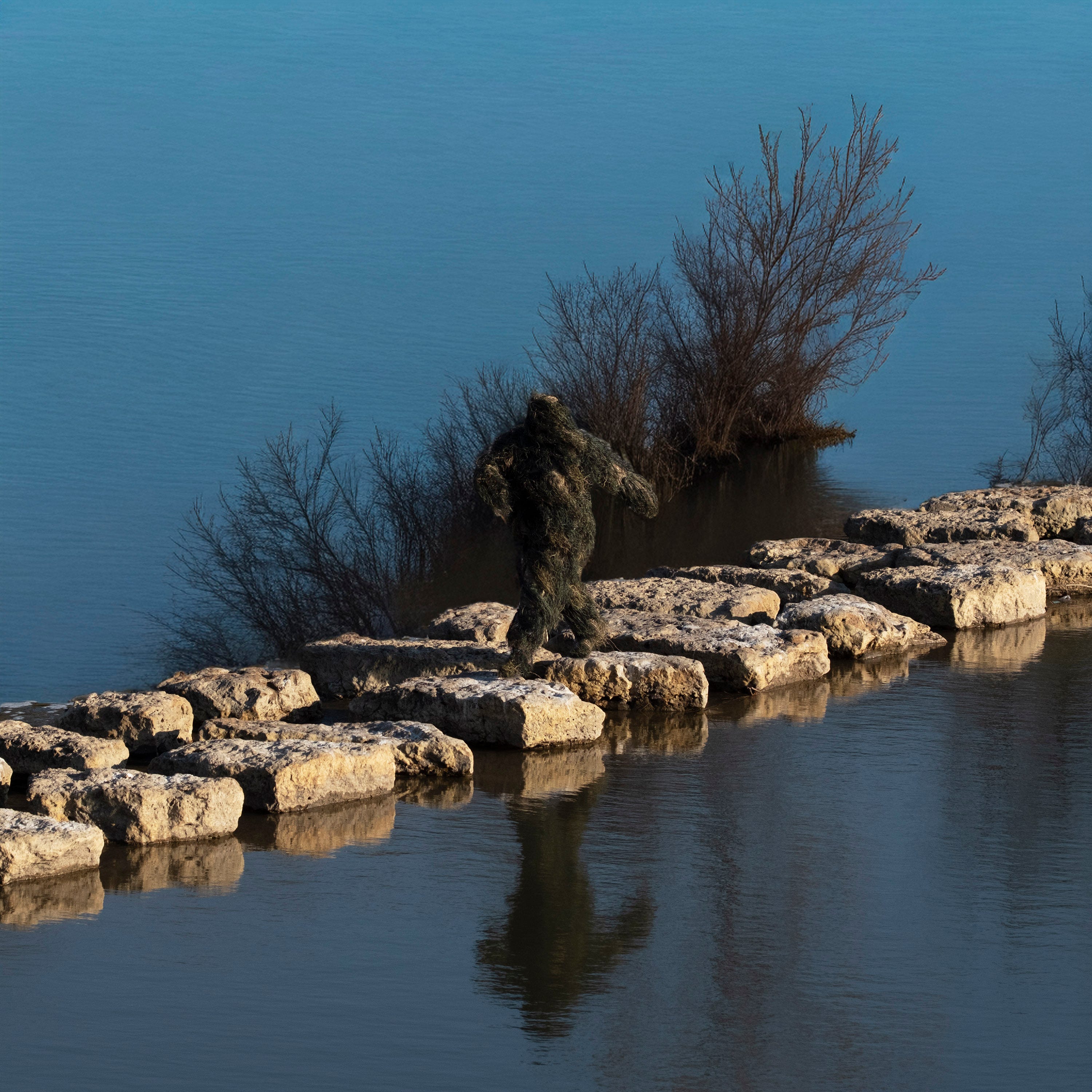
When Dawn finally arrived five years ago, built alongside Questlove and James Poyser and Pino Palladino, shaped by Mark Ronson and stitched consciously to the bones of Voodoo, it carried every month of that delay in its voice. Then close to five years of quiet. Abbey Smith sang on CLB, turned up on Don’t Tap The Glass, stood next to Robert Glasper at his Blue Note residency, and held the room in place. Yebba became the vocalist other vocalists mentioned when they wanted to prove they had taste. Jean, her second album, is named after her late grandmother, and it opens with a question most gospel-raised singers would never ask out loud: “What if I forgave it all?/Be the laughing stock of every guard at every wall.” She’s asking whether faith requires you to look stupid on purpose, whether standing still on someone else’s promise counts as anything. “West Memphis” picks up the thread with a cigarette between her teeth and a neighbor bringing tea and one of the year’s best lines: “What’s realer than the part of you that you don’t even claim?” “Of Course” is Yebba at her funniest and her most ruthless—a man calls her Mademoiselle, her ex is back fucking her place up, somebody’s stealing from the mall, a DM gets reported as a scam, “all these men are fucking scams,” and every verse ends the same way, “of course.’ The joke was obvious from the jump, and she went along because she wanted to. “Yellow Eyes” goes somewhere more painful, where two people flooded the bank together, yellowed their eyes together, and now the house feels unfurnished but still feels like home. Then “Alright” arrives at the album’s boldest claim: “There is no virtue in poverty/And all in all, love is still kind.” That’s a person who hated LA, missed her so badly that the city got worse, and decided that being broke doesn’t make you righteous and that being hurt doesn’t mean love lied. — Reuben Dara
MT Jones, Joy
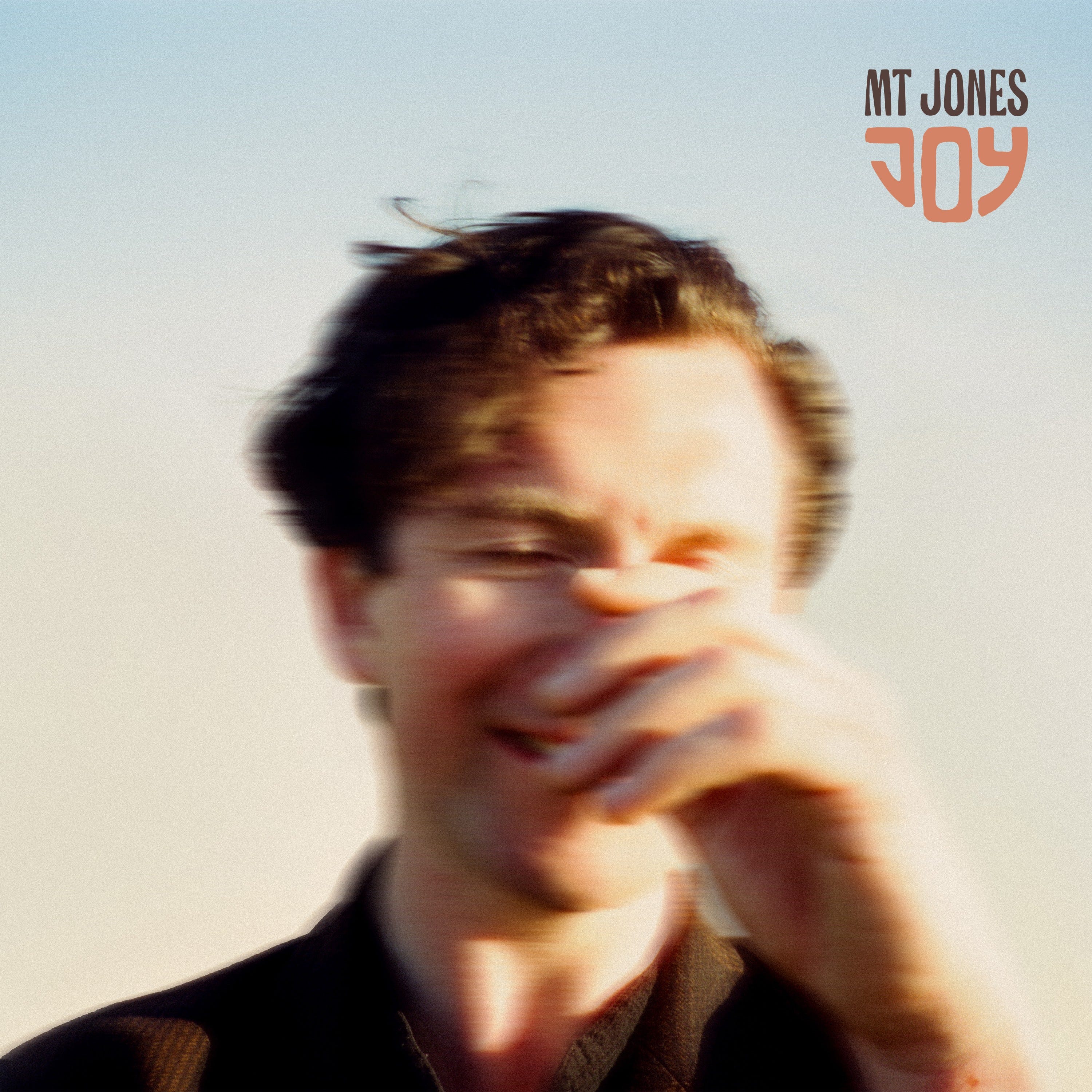
MT Jones studied at LIPA in Liverpool, fell in with Jalen Ngonda in the same cohort, and spent his twenties carrying other people’s gigs, playing bass for Ngonda’s touring band across Europe, keys and harmonies for Liverpool singer Louis Berry, a support slot with Ngonda backing Ms. Lauryn Hill in Montreal. He and Ngonda moved to London after graduation to try to break in as songwriters. Jones commuted back to Liverpool on weekends to play cover gigs that paid his rent on a flat he could barely afford, and the sessions he was getting in London weren’t the ones he wanted. Eventually the money stopped making sense. He went home. Then lockdown hit, and he was back in the house he grew up in, writing at the piano with nowhere to be and nobody waiting on the other end. Nine singles came out between 2022 and 2025, all self-released. Joy, produced entirely by Jonathan Quarmby, is the full picture those singles were sketching.
Quarmby keeps the arrangements plain and honest (live piano, bass, drums, a stray horn) and Jones fills whatever space the band leaves open with a tenor that sells every word without overselling any of them. On “I Don’t Understand,” he’s bewildered by his own happiness, so confused by being in love that he sold his car to buy her pearls and doesn’t even mind walking. “Why I Cry” stacks the same confession six different ways in the verses (“When I had you I took my life for granted/When I had you love was all around/When I had you I never thought I’d lay it down”) until the accumulated regret becomes its own kind of weight, and calling the loss his Waterloo feels proportional. “So Lost” is the one where the romance disappears entirely, and Jones is just a guy stuck in a town that won’t kick him out, watching pennies turn to pounds, waking up but hardly living, admitting he’s not that kid in Neverland anymore. The sideman finally stepped to the front of the stage, and the music he brought with him was worth the decade it took to get there. — Imani Raven
Bernadette Price, Kissing the Ground for Sinners
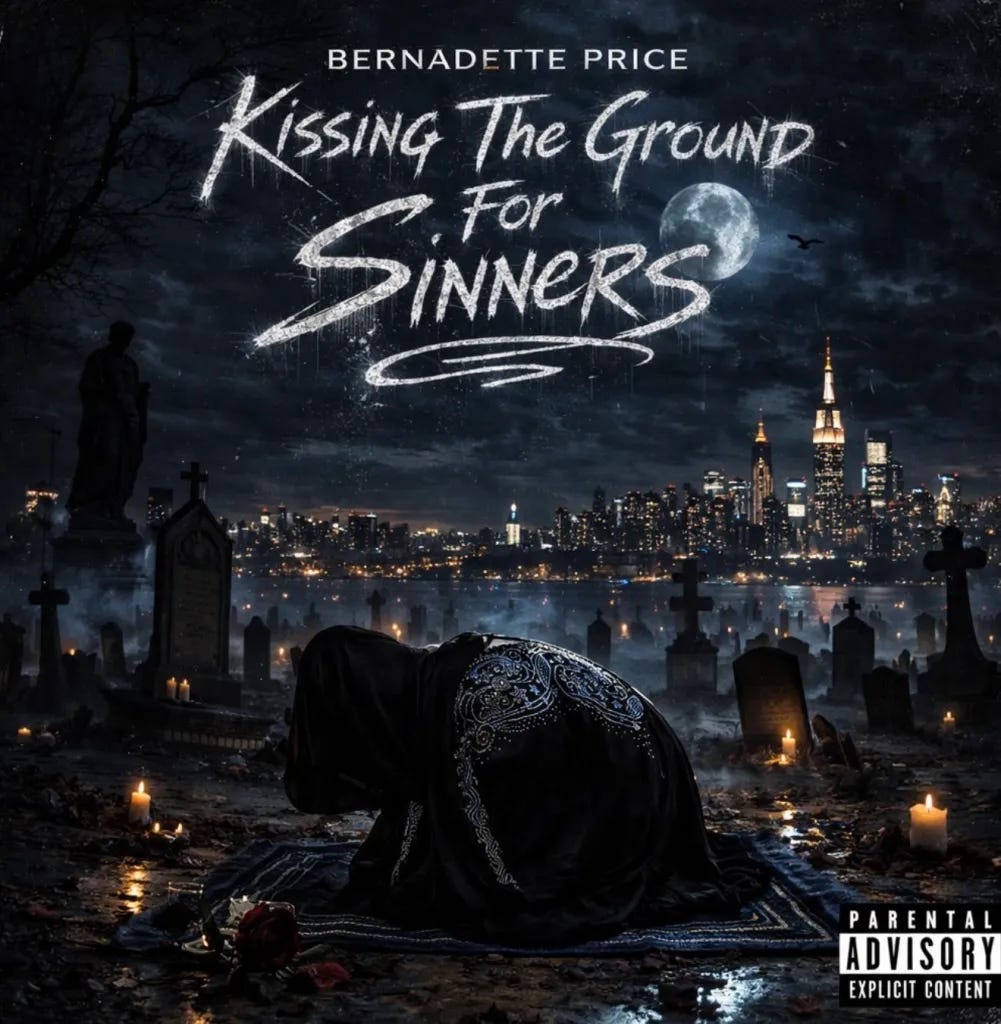
Sean Price died in his sleep in his Brownsville apartment on August 8, 2015, at forty-three. Ruck—one half of Heltah Skeltah, a Boot Camp Clik soldier, the man behind Monkey Barz, Jesus Price Supastar, and Mic Tyson—left behind three children and a wife named Bernadette who had never rapped a day in her life. She started writing around 2020. Last year, she’d released her solo debut A Widow’s Cry on Duck Down, featuring production from Da Beatminerz, Khrysis, and Stu Bangas, collaborations with Smif-N-Wessun, Ruste Juxx, and Rockness Monsta, and a never-before-heard verse from Sean himself. Kissing the Ground for Sinners, her follow-up, dropped on what would have been Ruck’s fifty-fourth birthday. Every beat is Stu Bangas. Every track features Terror Van Poo, a Brooklyn rapper who appeared on A Widow’s Cry and whose chemistry with Bernadette proved strong enough to carry an entire project. She didn’t come to rap to honor Sean’s legacy. She came because she had something to say, and the fact that she sounds like a woman who lived in the same house as one of Brooklyn’s sharpest pens for two decades is coincidence only if you believe in coincidence. — Harry Brown
Leven Kali, LK99
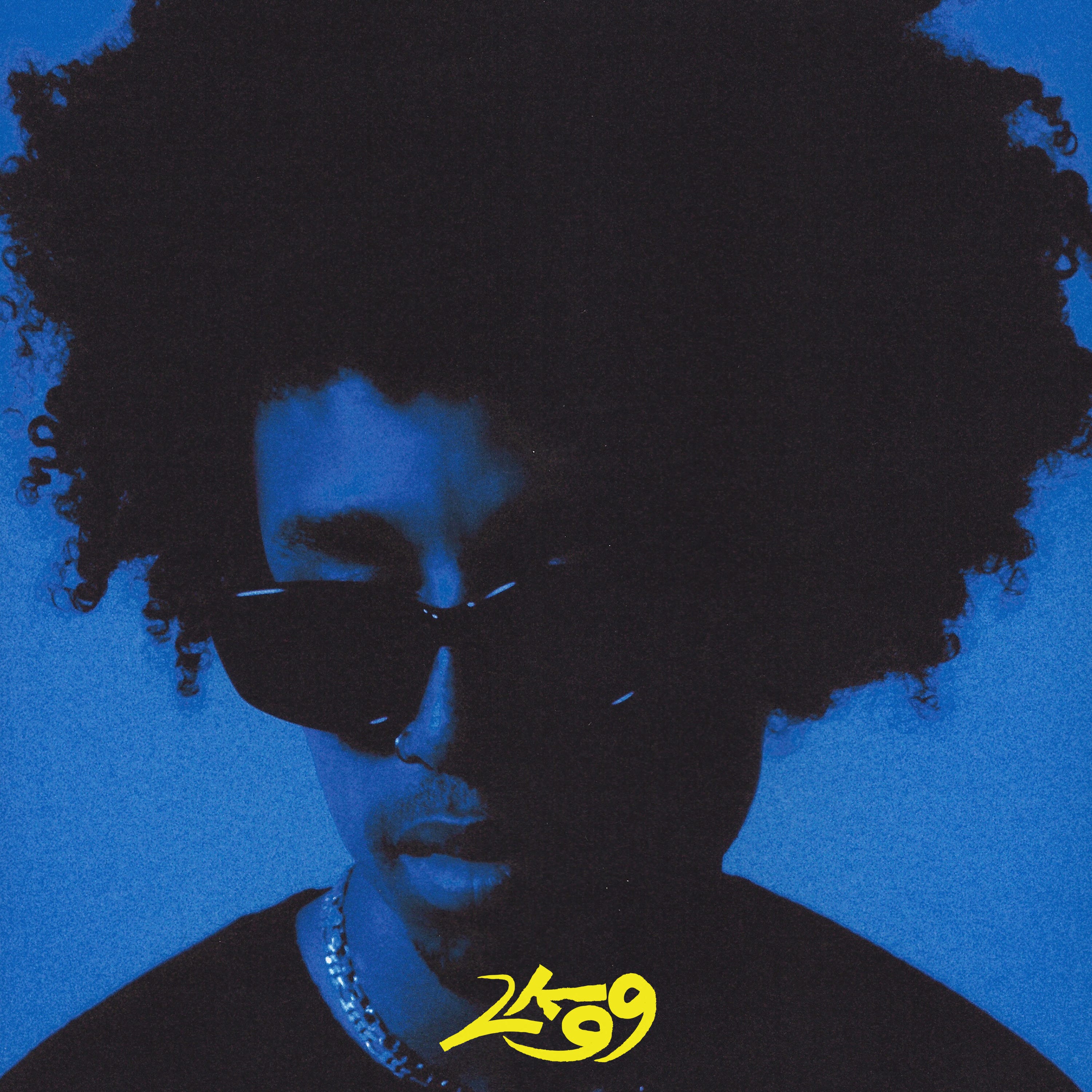
After leaving a Division I golf scholarship to UC Riverside to chase music, Leven Kali was signed to Interscope, went independent, and spent two years writing for other people (Tinashe, Jazmine Sullivan, Yuna) before co-writing and co-producing four songs on Beyoncé’s Renaissance (“Virgo’s Groove,” “Alien Superstar,” “Plastic Off the Sofa,” “Summer Renaissance”) and “Bodyguard” on Cowboy Carter. Playboi Carti’s “Flex,” which he also had a hand in, has north of 240 million Spotify streams. Co-signs from Quincy Jones and George Clinton sit on his résumé. And still, most people could not pick him out of a lineup. LK99, his third full-length and first for Def Jam, is the record where he finally quits standing behind the curtain. Every number here is a different way of asking somebody to stay, come back, or give in, and the best ones earn the plea. “Are U Still” opens on a confession—he told himself the other person was the problem, then owns up to being the one still stuck—before sliding into plans for kids and a house, then dissolving into a chant about vibration and ghosts and a wolf’s howl, and by its last stretch he’s demanding a straight answer: “Is you bout it bout it bout it bout it?” “Jus a Lil’ Bit” pins its longing to an actual place: “It’s New York in August/A little too hot, but I like the weather.” — Brandon O’Sullivan
Immanuel Wilkins Quartet, Live at the Village Vanguard, Vol. 1
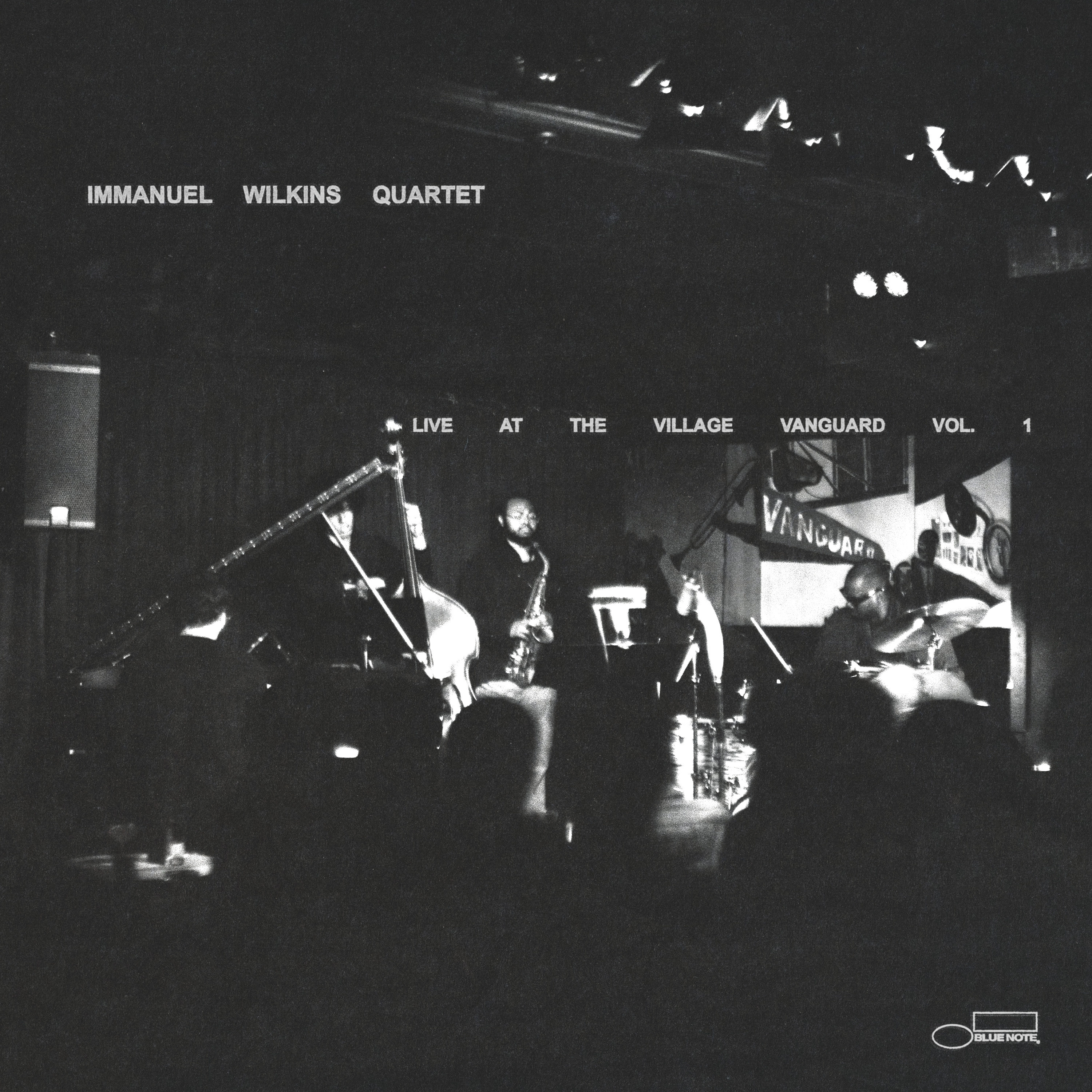
The Village Vanguard is a wedge-shaped basement on Seventh Avenue where the ghosts of John Coltrane, Sonny Rollins, and Bill Evans are supposedly still paying rent. Immanuel Wilkins, a twenty-something alto saxophonist from Philadelphia with three Blue Note studio albums behind him (Omega, The 7th Hand, Blues Blood), walked his quartet down those stairs in May 2025 and recorded enough music for three volumes. Vol. 1 runs four tracks deep, and none of the four musicians on stage have turned thirty. Pianist Micah Thomas, bassist Ryoma Takenaga, and drummer Kweku Sumbry have been Wilkins’s working group long enough to finish each other’s phrases, and the Vanguard’s strange, triangular acoustics pin you inside the sound whether you asked to be or not. “Warriors” opens the set mid-negotiation, the quartet feeling out a form that isn’t fully written, improvising around the skeleton of a composition until the skeleton starts moving on its own. “Composition II,” modeled on Bach’s Well-Tempered Clavier, drops the temperature to something breathy and careful, Thomas’s piano barely touching the keys while Takenaga’s bass whispers beneath it. Then “Charanam” turns the room into a devotional circle, borrowing the Alice Coltrane composition from her 1981 Turiya Sings and letting the repetitions build until Sumbry’s drums swallow everything. “The Big Country” goes twenty-three minutes deep, Wilkins’s alto spiraling into upper-register cries while Thomas comps with the possessed urgency of someone who grew up memorizing McCoy Tyner solos. The crowd hollers are audible on the recording, and they should be. This is the kind of set people lie about having attended. — Imani Raven
Bop Alloy, Masters of the Artistry
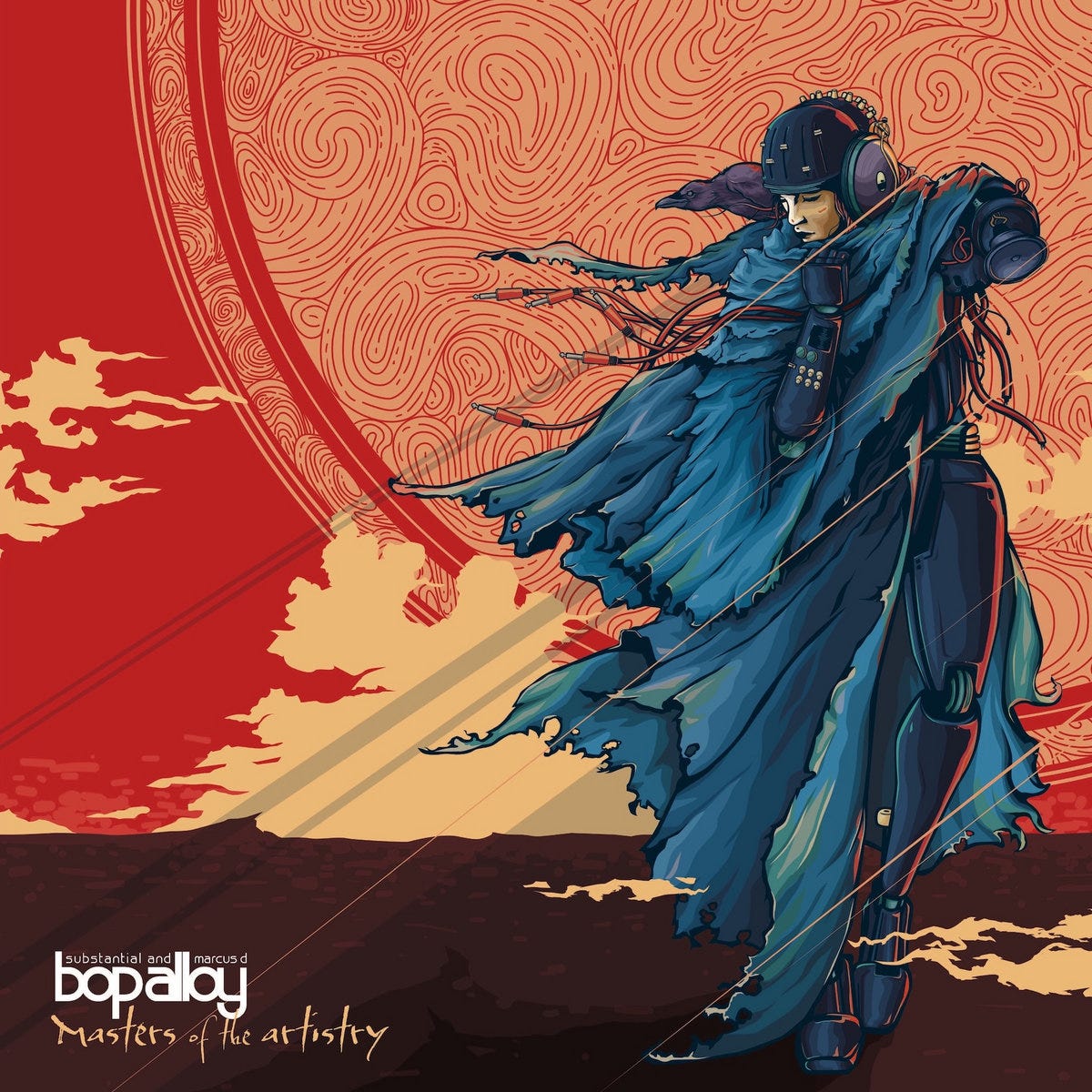
When the Japanese producer Nujabes died in a Tokyo car accident in February 2010, he left behind two disciples on opposite ends of the Pacific. MC Substantial, a Pratt-educated graphic designer from Prince George’s County, Maryland, had recorded his debut album for Nujabes’s Hyde Out Productions back in 2001 (it was a top-10 hit in Japan). Marcus D, a Seattle-born beatmaker who’d relocated to Tokyo and considered Nujabes his mentor, was finishing his own first record. The two met, realized they could continue the jazz-meets-hip-hop sound their late friend had pioneered, and started making albums together. That was sixteen years ago. On “You Don’t Have No Idea,” Substantial lays out the math on his work ethic: selling his drawings to neighbors before he hit double digits, no sleep in the studio for weeks, contracts in hand while his peers caught contact highs. “Wind Blows” covers the rest of life at speed. You’re walking through the park with your daughter and then you’re in the ER because she broke her arm. You’ve got a dream job and a big house; next year you’re laid off. Someone spends twenty years selling drugs, comes home, gets a job selling cars. None of it comes with a moral. Masters of the Artistry is what happens when two guys on opposite sides of the planet decide, for the third time, that the music is worth the postage. — Harry Brown
Noah Guy, MEMORIA, in blue
When NYU went online in 2020, Noah Guy couldn’t justify the tuition anymore. He’d been a film production major in name only, spending his days songwriting and his nights in class, interning at Fool’s Gold Records in Brooklyn between semesters. He moved back into his parents’ house outside Philadelphia, bought a $15 microphone from Walmart, opened GarageBand, and started writing every day. That daily discipline followed him to Los Angeles, where he spent his first year sleeping on couches and recording Who’s Taken Time?!, a pair of five-track EPs cut under conditions so unstable he later admitted the first one came from a “very ego-driven, self-centered” place. The shift happened when he went back East and reconnected with his brother—something opened outward. As he and Devin Concannon, a producer who’d initially reached him through a cold beat pack online, became roommates in LA, Guy had the songs and Concannon had the infrastructure. They built MEMORIA, in blue the way you’d expect two people sharing a lease to build anything: daily, in close quarters, finishing each other’s musical sentences. Concannon produced nine of the ten songs. The only outside voice belongs to Amaria, a Tampa singer who’d been in Guy’s circle since a communal recording retreat at a cabin in Lake Arrowhead, and whose verse on “My Loss” (“I can’t wait for you, baby/I know things fall apart”) carries the specific fatigue of someone who actually stopped waiting. With “Higher,” whose percussion stutters and chops in a way that recalls Amerie’s “1 Thing” before the groove cracks open into something danceable and alive, Guy praying for forgiveness over a beat that actually wants to move. He spent years making five-song EPs, and his first full album knew exactly what he was saving up for. — Danica Ford
waterbaby, Memory Be a Blade

Stockholm singer-songwriter waterbaby, born in Sweden and signed to Sub Pop with twenty-five minutes of music, learned the word “limerence” a couple of years ago and realized it described her entire emotional wiring. She romanticizes, ruminates, replays. Her 2023 EP Foam introduced that tendency at a polite distance, its bedroom-pop production slick enough to keep everyone comfortable. Memory Be a Blade removes the buffer. Collaborator Marcus White, who also produces for Hannes and Anna of the North, builds arrangements around acoustic strings (violin from Olivia Lundberg, cello from Filip Lundberg and Kristina Winiarski), and the shift from synth-pad softness to gut-and-horsehair immediacy makes waterbaby’s lyrics impossible to mishear. Her brother ttoh guests on “Beck n Call” and “Clay,” and the two share a vocal intimacy that only blood proximity explains—he doesn’t upstage her, he just stands close enough that you can tell they grew up harmonizing in the same living room. The two-part “Minnie”/ “Minnie Too” splits a single emotional thread across six minutes, the first half confessing a fear of disappointing people who believed in her, the second half turning that fear inward. And “Amiss” asks the question the whole album keeps circling. If she didn’t try, would she be wrong, or would she just be honest? Waterbaby never answers. — Jamila W.
Selah Sue & The Gallands, Movin’
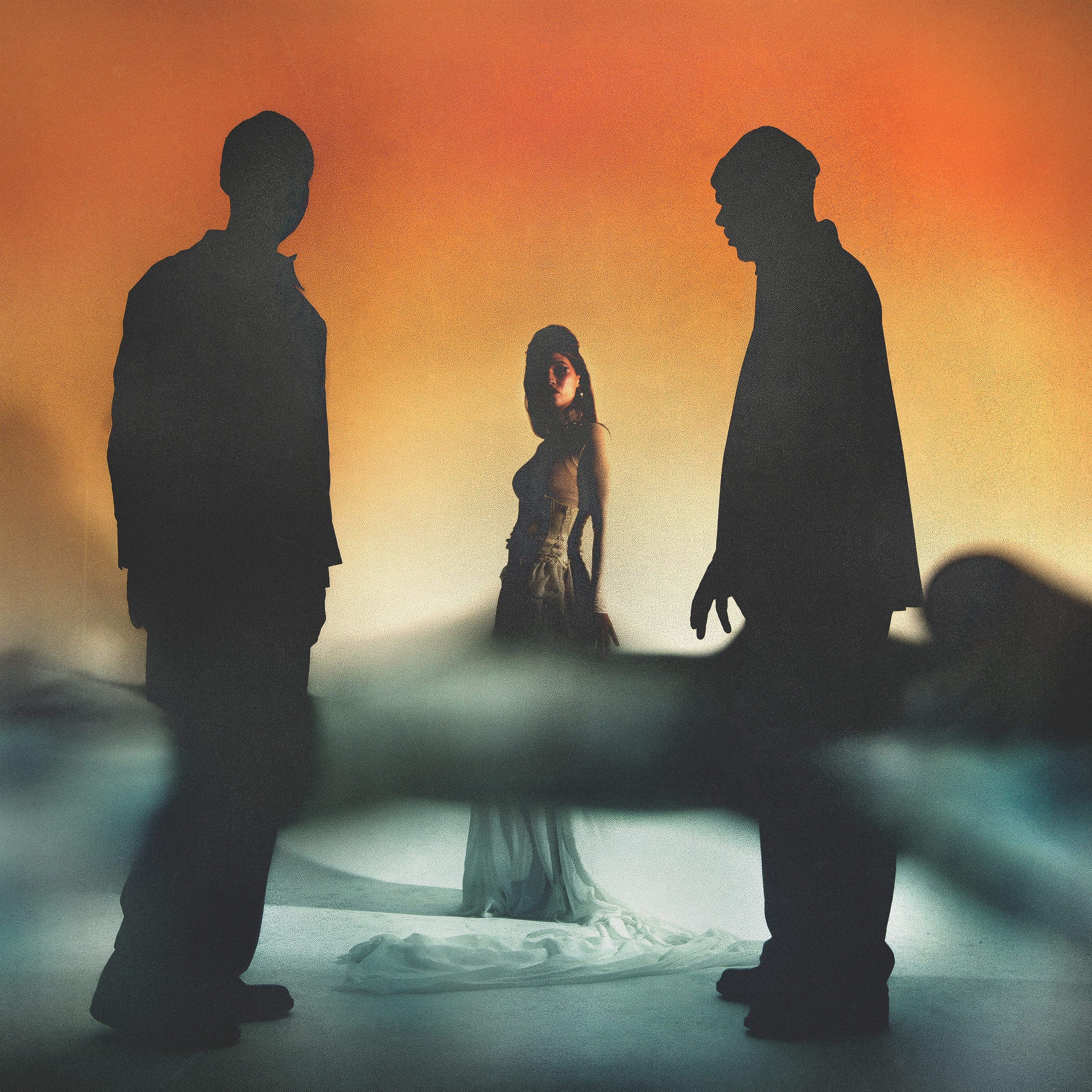
Depression runs in Sanne Putseys’ family on both sides. Both sets of grandparents were psychiatric patients. She started antidepressants at eighteen, built an entire career on them (a number-one debut in Belgium, 720,000 copies sold across Europe, a duet with Cee Lo Green, a Prince co-sign, collaborations with Childish Gambino and J. Cole), and then, in 2021, stopped taking them. Tried microdosing psilocybin truffles instead. By mid-2022, months after releasing her third album Persona, she posted publicly that she was “going through hell.” She went back on the pills. So when Stéphane Galland, the drummer who cofounded Aka Moon and spent twenty-five-plus years as one of Europe’s most decorated jazz musicians, invited her to sing at Jazz Middelheim in Antwerp, her husband had to talk her into going. She showed up to Elvin Galland’s living room, heard the father-son duo’s instrumentals for the first time, and the first thing they wrote together was “Another Way,” a song about begging someone to find you a way out of your own head. “Into Forever” is the one that stops you cold: “Finding a way to die, still alive/I wanna fall again into the wild/Take what is left of me, infinity/I wanna fade away.” — Osei Addae
Daniela Andrade, Oda
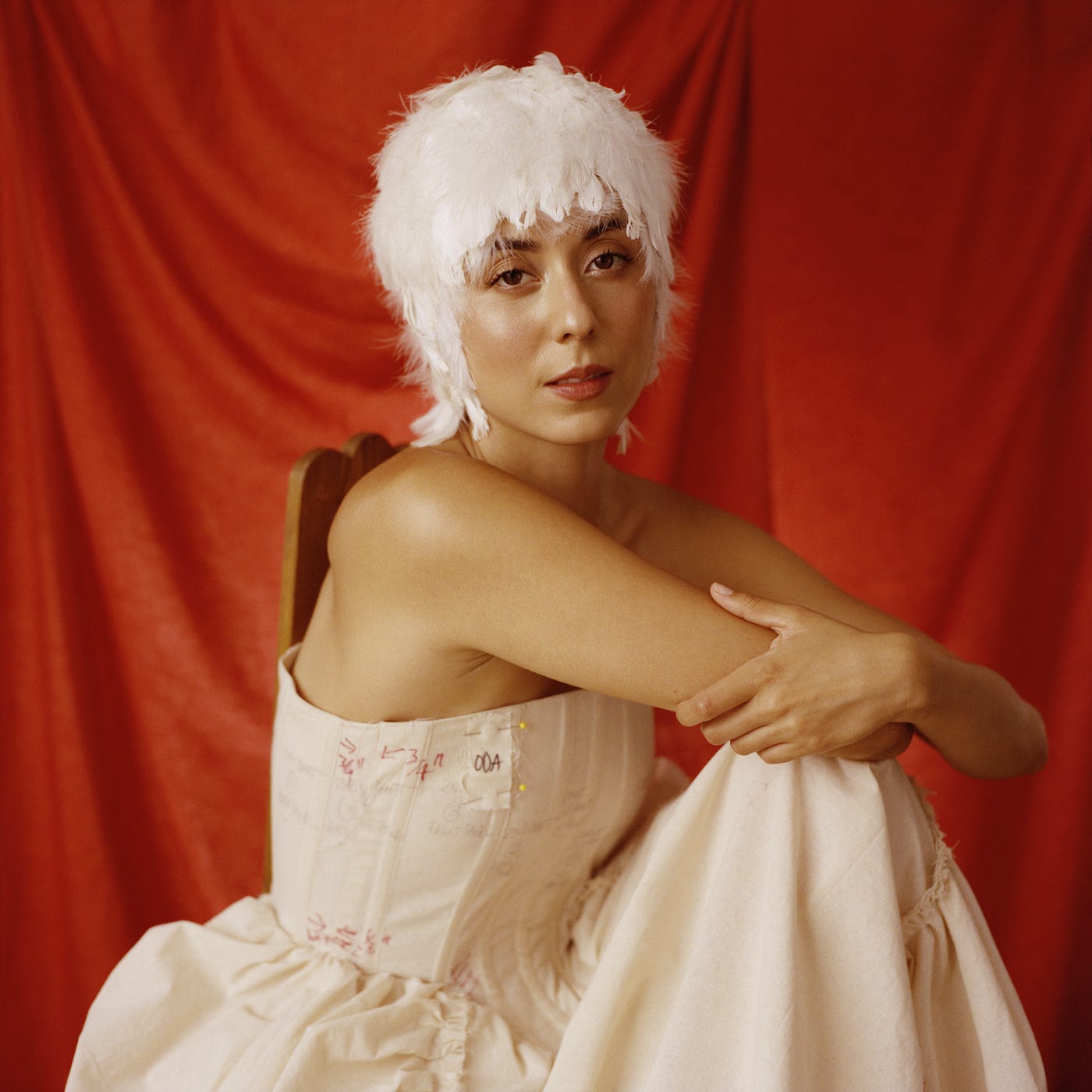
In 2008, a sixteen-year-old in Edmonton started a YouTube channel called DanielaSings and posted acoustic covers of Beyoncé, Nirvana, and Edith Piaf. The channel grew to nearly two million subscribers. A Gnarls Barkley “Crazy” cover went viral, then a “La Vie en Rose” that cleared 100 million views. TV placements followed. For fourteen years, Daniela Andrade sang other people’s songs to an audience that kept growing while she figured out what she wanted to say with her own voice. Oda, her self-produced debut on Crooked Lid Records, is the album that took all of it—the covers, the church upbringing, the cultural rejection she described to Remezcla as growing up “the only Latina at school,” the anger she didn’t know where to put—and gave it back in three languages across thirty-two minutes. “Fantasmagoría” puts Andrade in a salsa club in a black skirt and tall boots, no photos because this is just for the two of them, her phone dead anyway, what she keeps stored only in her mind. “Beds of hay,” the album’s lone feature with Montreal cellist and producer Ouri, gets even closer. “It was 2:30, you planted one on me,” she sings, “I said why don’t you come in, why don’t you stay.” But “steer” puts her in empty parking lots with the radio turned all the way up, disciplining herself away from someone she still wants. “I feel like I met you in a past life,” she sings. — F. Qureshi
Shabaka, Of the Earth
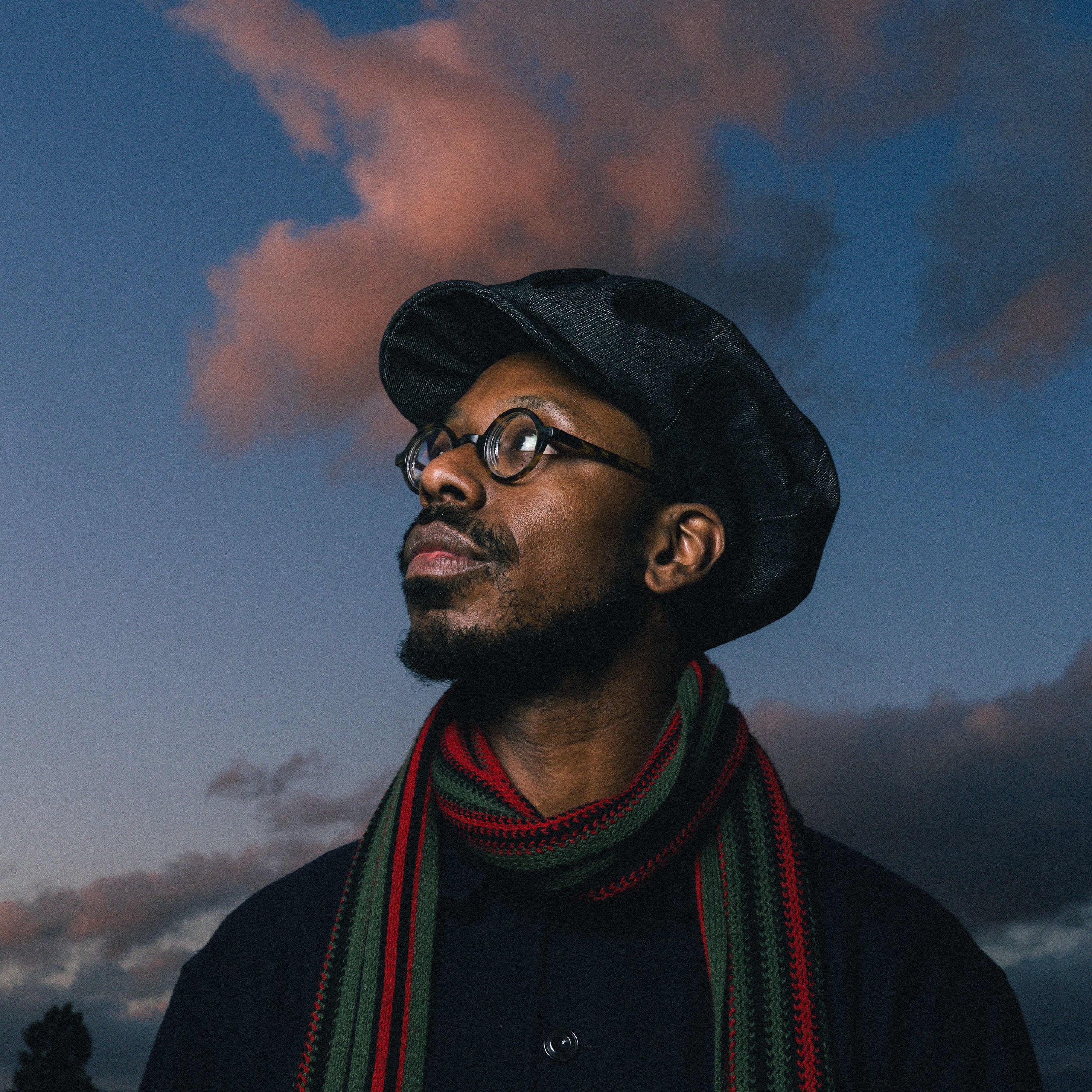
Shabaka Hutchings bought his first CD in the mid-‘90s—D’Angelo’s Brown Sugar—and spent years afterward puzzling over how one person could play, sing, and produce an album that felt so bodily and complete. Thirty years later, he figured it out. Of the Earth was written, performed, produced, and mixed entirely by Shabaka, and the ambition pays off. The saxophone—absent from his recordings for a year and a half—returns on “Marwa the Mountain” with a blistered, overdriven tone that splits the seams of a lo-fi beat cobbled together from what sounds like someone tapping a kitchen table. On “Step Lightly,” arpeggiated synths straight out of a Mort Garson greenhouse pivot two minutes in toward a pummeling dancehall stomp. And on “Go Astray,” Shabaka raps for the first time, crediting André 3000’s flute pivot as the permission slip he needed to stop curating his own mystique. You can hear tape hiss and room tone bleeding through the percussion on “Ol’ Time African Gods,” and that residue keeps the whole thing from floating off into spa-ambient territory the way portions of Perceive Its Beauty, Acknowledge Its Grace occasionally did. Where that release meditated, Of the Earth stomps, pivots, and dances, pulling its emotional weight from rhythm, not stillness. — Kevin Matthews
Mark Turner, Jason Palmer, Joe Martin & Jonathan Pinson, Patternmaster
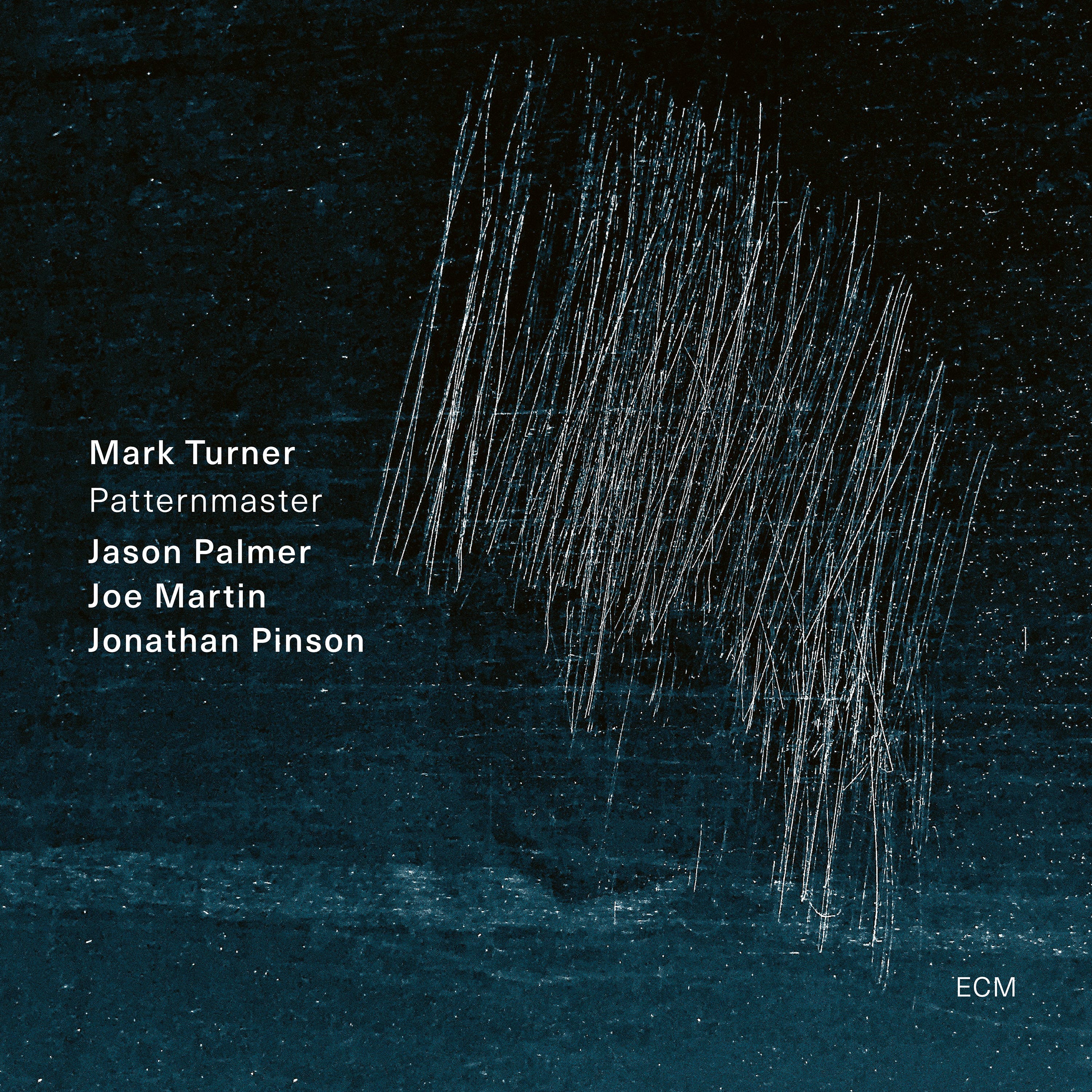
Mark Turner named the album after Octavia Butler’s 1976 science fiction novel about telepathic beings, and the quartet communicates like they’ve read it twice. Turner, Palmer, Martin, and Pinson have been playing together since 2022’s Return from the Stars (also an Octavia Butler title, also on ECM, also produced by Manfred Eicher at Studios La Buissonne in southern France), and Patternmaster picks up where that LP left off with the trust cranked higher. The title track opens on a contrafact of Wayne Shorter’s “Pinocchio”—Martin and Pinson lock into a bossa-inflected groove, Turner and Palmer state the theme in tight unison, and then Turner takes the first solo with a resolute attack that lands somewhere between patience and certainty. “Trece Ocho” begins with an extended Martin pizzicato turn before Pinson arrives and the two of them lay down a Spanish-flavored pocket. The horns unfurl a melody built from long, held notes, and then a jagged passage breaks through, and the whole band swings hard enough to make the earlier restraint feel like a setup. Six Turner originals where every piece composed with wide-open space that the quartet fills by feel. The pianoless format forces Turner and Palmer to carry all the harmonic information between two horns, and the tension of that limitation is the engine that drives everything. — Reginald Marcel
Dave Stapleton, Quiet Fire
Dave Stapleton founded Edition Records, led the electro-trip-jazz outfit Slowly Rolling Camera through seven albums, and then went fourteen years without putting out a record under his own name. His 2012 solo debut Flight was an ambitious chamber-jazz affair crossing acoustic combo with string quartet. Quiet Fire sounds nothing like it. Stapleton built this one from loops, Rhodes keyboard, and a producer’s ear tuned to early Bonobo, Yussef Dayes, Kamaal Williams, and Richard Spaven—beat-based jazz where the drums and bass come first and everything else drapes over the rhythm. Jon Goode on electric bass and Elliot Bennett on drums provide a skittery, shuffling foundation that sometimes builds to a sprint and sometimes subsides to a smolder, and Stapleton skips between Rhodes, synths, and sampled fragments like a man who finally has the studio to himself and plans to touch every piece of gear in it. Nils Petter Molvær guests on trumpet, and his contribution slots into the mix the way his best work always has—spare, ghostly, a single held note doing more damage than a full phrase. Olga Amelchenko’s alto saxophone threads through the middle of the stereo field, and Stuart McCallum adds guitar on “Character Box” and “Resolve.” Victoria Stapleton plays violin. Fourteen years is a long gap between solo records. Quiet Fire makes it sound like Stapleton spent every one of those years learning how to say more with less gear and more groove. — Nehemiah
Arima Ederra, A Rush to Nowhere
Arima Ederra released a debut EP in 2012 that she later pulled from streaming, a second EP in 2016, and then An Orange Colored Day in 2022, her first full-length. Ten years between the first recording and the first album. A Rush to Nowhere, her second, arrived four years after that, and it sounds as though she finally stopped waiting for permission to say what she means. Fifteen tracks, most of them co-produced with Halm, written partly at Lake Arrowhead and partly in Havana and Oaxaca, all of them asking the same question from different angles. Why am I running, and what did I miss while I was moving? On “Shine,” a friend has died, and Arima doesn’t hide it: “God, I just want my friend back.” She says she’s running out of shoulders, running out of days, and wants to see them grow old. On “Heard What You Said,” a confidant revealed how little they understood her, and the gap between who she became and who they thought she was turns permanent—“You froze me in time while you cling to the past/And you missed how I’ve changed/So you could never know who I am.” On “Heads or Tails,” a butterfly catches on her knee, and she wants to shadow dance by the soccer park, hear a voice in a little desert breeze. “Are you still whole?” she asks. “You’re all I know.” — Maya LeRoux
SOLCHLD, Scarred and Sacred
At the Blackfulla-Palestinian Solidarity Dinner in Brisbane, the song they played was “Freedom Come.” Not a recording by a touring headliner, not a standard pulled from a catalog of protest anthems. A spoken word piece by a local poet named Aurora Liddle-Christie, performing as SOLCHLD, backed by Callum Pask on piano, Julia Beiers on bass, Ryan Hammermeister on drums, and Tristan Rogers on trumpet. The song calls for an “urban witch” to “cleanse them colonial spirits,” quotes Beyoncé mid-stride, then collapses children laughing into children crying beneath rubble without pausing for breath. Aurora is of Arrernte, Alyawarr, Jamaican, Irish, and Scottish settler descent, raised in Magan-djin (Brisbane), her Arrernte lineage running back to Mparntwe (Alice Springs). Before Scarred and Sacred she was a spoken word poet, performer, and playwright with a handful of singles and a spot in QPAC’s BlakBeats cohort. The album is eight poems delivered over a jazz quartet, and its range is wider than anything that description prepares you for. “My Nana Is a Pelican” tells the story of a six-year-old Aurora sitting on her grandmother’s knee, calling the woman a pelican—meaning she was a banyan tree, a seaside, a forest—and then jumping decades to the same two people together, the nana eighty-three, body hunched and tired, mind sharp. Aurora asks if she’s afraid of dying. “Aurora, I am a pelican, and death is but my next migration.” Nobody else made an album like this in 2026. Few people have made one like it, period. — Sierra El-Sayed
Robyn, Sexistential

Eight years passed between Honey and Sexistential, and in those years Robyn became a mother. She went through IVF as a single parent, shelved the songs she’d been writing with longtime collaborator Klas Åhlund during the pandemic, and returned to the studio only after the distance let her hear them fresh. Her first live show back was a surprise gig at the Fonda Theatre in Los Angeles in November 2025, her first concert since 2019, followed by a New Year’s Eve performance in Times Square and two nights at the Brooklyn Paramount in January. “Dopamine” rides its electronic kick drum for three full minutes before a snare roll blows the track open, and then later, all buildup and no payoff by design, want as a formal choice. “Sucker for Love” is Sexistential‘s mission correction to “Dancing on My Own,” Robyn no longer watching from the corner but storming the booth: “You think I’m soft/Like that’s a flaw somehow.” The title track has her joking with her fertility doctor about wanting Adam Driver’s genes, scrolling Etsy in sweatpants, rapping “My body’s a spaceship with the ovaries on hyperdrive” over a beat that would fit a Scandinavian warehouse party. “Talk to Me” slides into phone sex; “Light Up” chases a guitar-riff pop song she says Prince kept writing on Dirty Mind, the Kawasaki, not the Harley, as she put it in an NPR interview. — Charlotte Rochel
Chief Keef, Skeletor
Keith Cozart filmed the video for “Love Sosa” under house arrest at his grandmother Margaret Carter’s house in Parkway Garden Homes on Chicago’s South Side. He was 16. Carter, a school bus driver, told the Chicago Sun-Times “Where’s this gang at? In my kitchen? In my refrigerator where he go all the time?” and raised him as her own while he became, in short order, the most consequential figure to come out of Chicago drill. By 17, he had Finally Rich on Interscope. By 19, Interscope had dropped him, and he was running his own label, 43B, out of Los Angeles, where he’d moved with at least some of his children (he has at least nine) and where he’s remained ever since. Margaret Carter died in March 2022. He wrote on Instagram: “I would give all this shit up just to start over because I know what to do now.” She is the most important person on Skeletor. She’s quoted directly—“Tie the bread up before it go stale”—and remembered catching him with his hands in the pot on “The Real Chief Keef.” On “Slide,” he gives her ten words: “Granny knew that I was smart because she hate dummies.” On “Only for the Night,” which opens with his baby son babbling “dada” in the intro, he’s quoting himself reassuring her: “Don’t worry ‘bout me, okay? I’m a soldier, I’ll be okay.” “Harry Potter” is five-plus minutes of the sharpest writing of his career: “Ain’t get my GED, but I get every dollar/I got G-Wagons, but I wanted an Impala,” a man rattling off the distance between his first day of school in old pants and the Trump Hotel he paid cash for, his scars and his cousin who throws up pitchforks even though he’s Black Disciple, the opp who accused him of shooting at him (“He wasn’t lying, I shot at him with my partner ‘nem”). — Nia Lattimore
Elmiene, sounds for someone
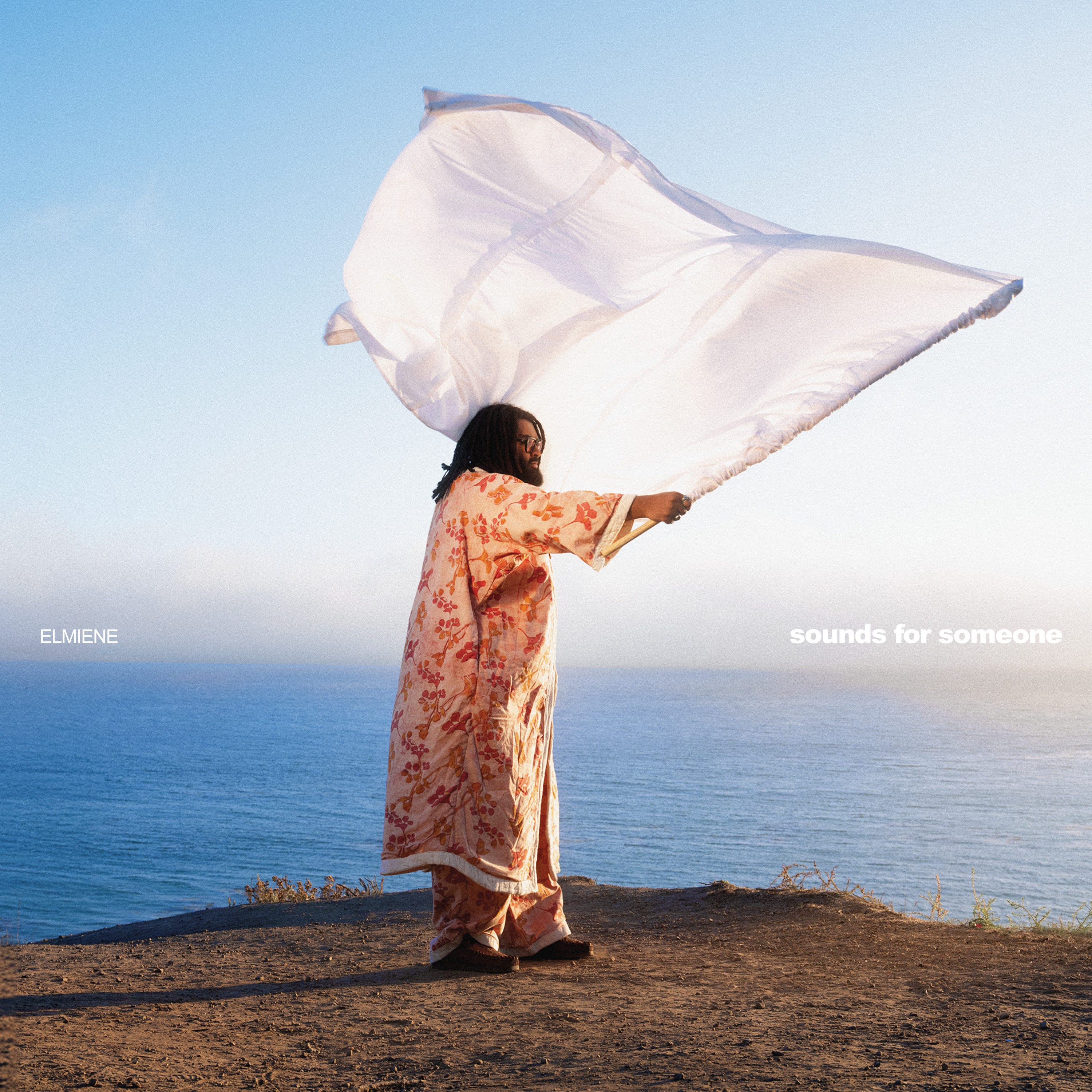
Since his virality, Elmiene burned through four EPs and a mixtape in three years, working with Sampha, Syd, BADBADNOTGOOD, D’Mile, and Jeff “Gitty” Gitelman, and somewhere in there, he realized seven out of ten of his new songs were about his father. sounds for someone, his first album, is the product of that realization. On “Cry Against the Wind,” Andrew Aged and Buddy Ross set warm keys behind Elmiene while he admits the ugliest thing on the album—“I’d watch the whole world drown/To see you cry again”—and then watches the tears dry in the wind, which becomes its own punishment. On “Don’t Say Maybe,” Ghost-Note and No I.D. give him the album’s most uptempo groove, snapping and insistent, and Elmiene uses it to shed the pleading that defines every other song. “Lie With Me” asks a lover to fake it, to lie, to make him believe what they don’t, just until he can move on—which is basically the same transaction he’s attempting with his dead father on “Told You I’ll Make It,” where he reaches the man’s house, puts the key in the lock, and it won’t turn. “Reclusive,” built from a debilitating illness Elmiene had in late 2024 and inspired by Biz Markie’s gift for making the mundane stick, zooms into the tiniest rhythms of avoidance (wake up, play video games, think about going outside, don’t go outside). Elmiene was born in Frankfurt to Sudanese parents, raised in Oxford by his mother, the grandson of poets and musicians on both sides. He grew up in a house where expression wasn’t optional but volume was negotiable, and every song here sounds exactly that way. — Marjani Fields
Ms Banks, SOUTH LDN LOVER GIRL
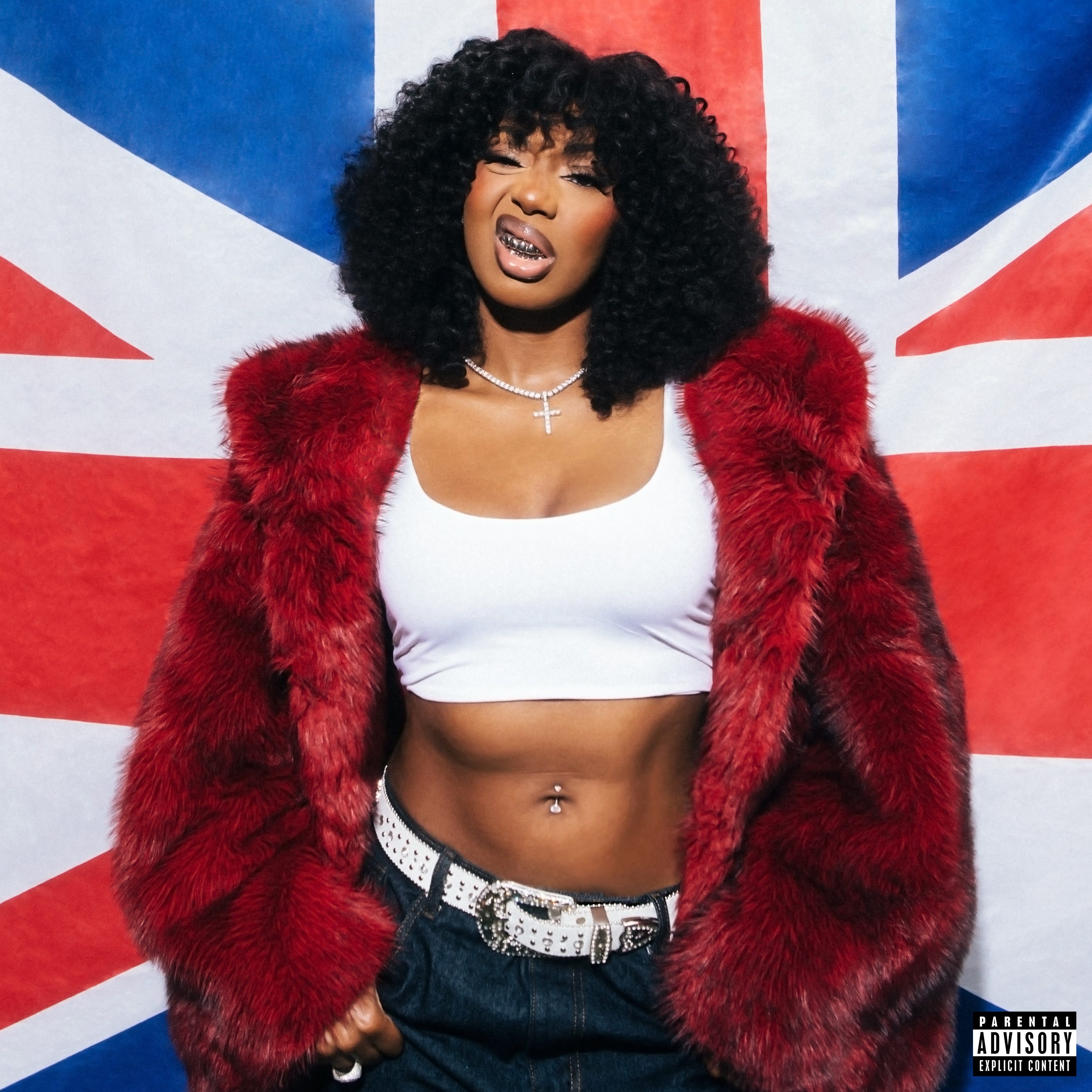
Nicki Minaj tweeted her lyrics unprompted in 2017. DJ Semtex told Little Mix she was the one to fill in at the BRITs. She opened for Cardi B’s UK tour, stood onstage at the Queen’s Jubilee with Duran Duran and Nile Rodgers, and dropped a Fire in the Booth on 1Xtra that still gets referenced as one of the best the segment has produced. All of that, and no album to her name. Ms Banks spent twelve years building a career that everyone could see, and nobody could buy on one record. SOUTH LDN LOVER GIRL is the record, and it opens with a woman staring in a mirror: “Second generation, but I’m first place for the cream.” Her nan came over and paved the way. “If the line don’t work, then the trap won’t work, then them lights won’t work.”
The album’s other axis runs through “Why?” and “Work Harder,” where Banks asks why she’s more at risk in labour due to race, why she’s told she’d have more global appeal if she were light-skinned, and why a woman was found dead in her house while police stayed outside for twenty minutes. Layyah sings the hook on “Work Harder,” “it’s hard being a woman, let alone one that is Black,” and Banks turns to asking what she’s supposed to say to her little sister when the workplace isn’t fucking with her. She went to Spain and her only souvenir was watching her brother sell sunglasses at the seashore. “4C” wears the Afro like a crown, no BBL, no filler, calling out the lip filler trend while rapping over the bassline. But the album’s heaviest moment arrives on “Me & You (Outro),” where Banks addresses herself by her birth name and walks through Penborough Estate—smoking blem at ten with her white friends Tommy, Danny, Chelsea, and Alex, butting heads with a friend who shared her birthday because they were both Aries. Then the song reaches the thing everything else was protecting: “There was a night that he touched you. That time in Dad’s house, mentally and physically, he fucked you.” She tells herself not to speak on it. And then she does the opposite, addressing herself one final time: “You done it, Thyra. I’m proud of you.” — Ameenah Laquita
TrigNO, SPOOKY: ACT I
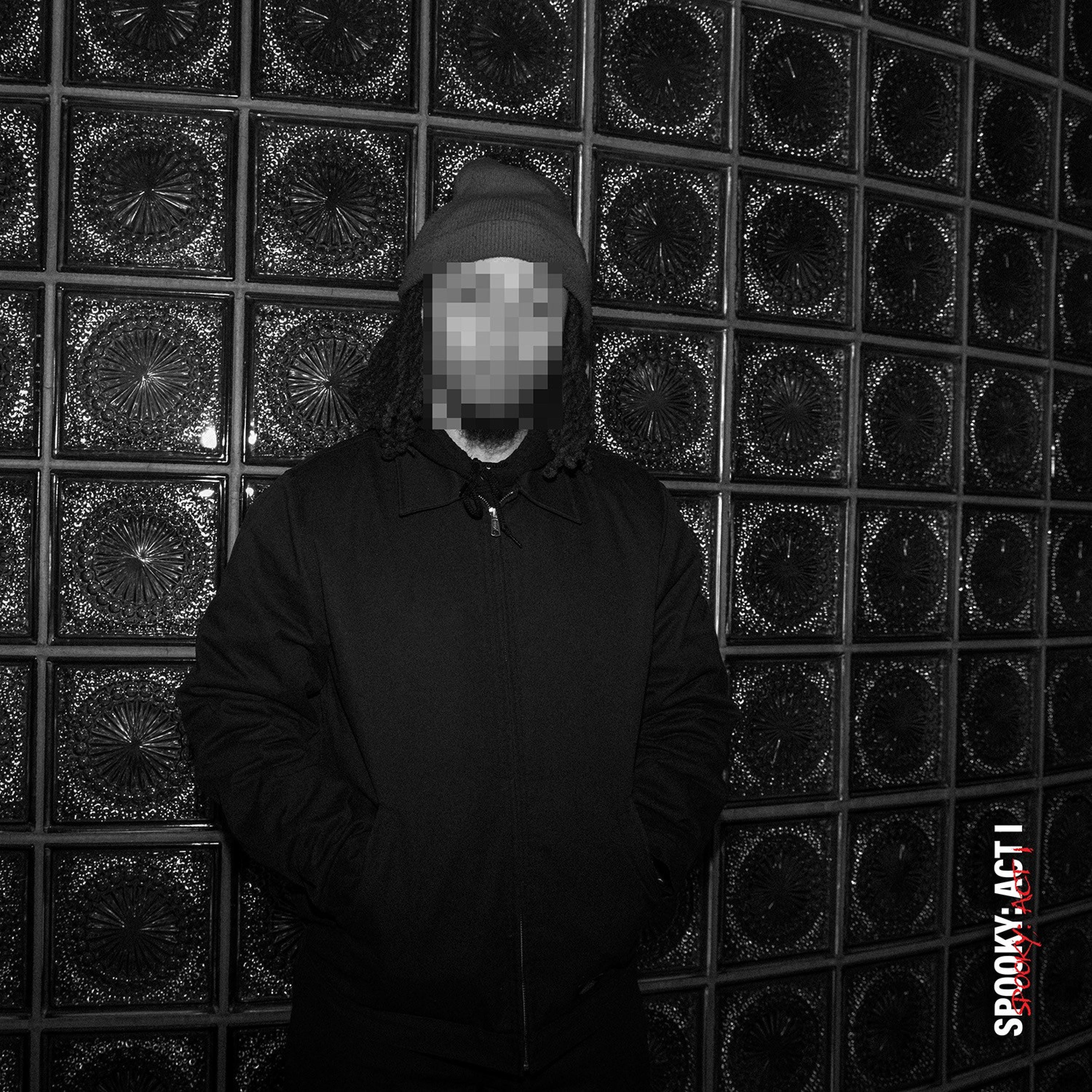
TrigNO was a krumper first. He came up in Columbus, Ohio’s dance circuit in the early 2010s, battling on different coasts, sleeping on park benches with his boys when they couldn't afford a room, paying entry fees with whatever cash they'd scraped together that week. The rap came later, around 2015, and the catalog stacked quietly from there. You know you're dealing with a different kind of rapper when “MyGod” spends its first verse walking you through a drive-by from the shooter's seat—college graduate, mask on, pills in his bloodstream, cousin's murder still rotting in his head—and its second verse ends with him finding out the person he killed was his own brother. “EasyMoney” puts him in the back of a police cruiser after a drug bust, thinking about freedom, the woman, the kids he doesn’t have, and then he snitches: “Pass me the cigarette and juice on bro/Sorry, nigga, I’m tryna come home.” “everybody can’t go” fits two entire short films into one song—a coworker he saves from a prison sentence by starting a fight to get the man fired before the company catches him embezzling, and a woman who lets him raise her daughter for nine years before confessing the child was never his. Dev Draper and Sean Starks handle most of the production, and the beats stay low enough to let TrigNO’s pen do the heavy lifting, which is exactly where the weight belongs on a record like this. A rapper with no deal, no label infrastructure, and no audience beyond his hometown made something in 2026 that most artists with ten times the budget wouldn’t have the nerve to attempt. — Deja L.
cunabear & Steel Tipped Dove, STBC! III: “Shifa”
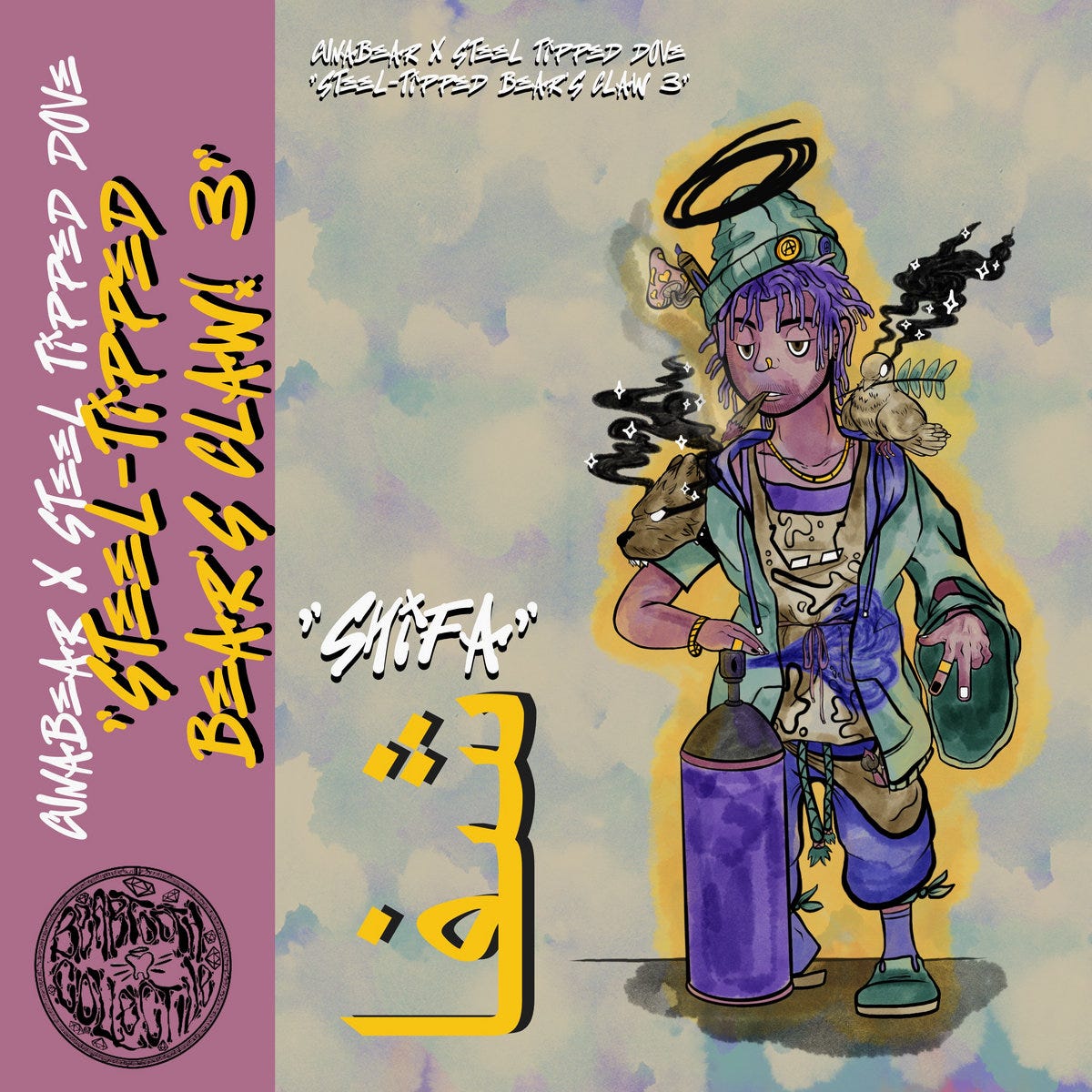
The STBC! series started when cunabear, a rapper and illustrator from Richmond, Virginia, subscribed to Steel Tipped Dove’s Patreon sometime around late 2018 and downloaded beats from his recurring “loohps” series, challenging himself to write to as many as possible. The first outing dropped in 2021. The second, Phantasmagoria, followed in 2023. By the time they got to Shifa, the third installment, the chemistry between them had settled into something almost telepathic. “Shifa” is Arabic for healing, and cunabear had two specific things he needed healed. His money situation and his family dysfunction. Once he fixed those, the talent he’d always had could operate in peace. On “Grandma’s Hands Manifested a House for Me,” he raps about crossbeams and concrete slabs, his wingspan opening doors, his shoulders lifting walls, feet stuck in the foundation of a family house he’s building from scratch. On “Sardonyx-Coated Prayer Hands,” he smells like chai and sweaty subway piss, his bank account is on all fours, and he’s asking, “Do you understand the violence it took to become this gentle?” before tearing borders down to build a communal throne. “Colossus (How to Build Community)” has him finger-flicking One Punch Man out the storyboard and charging spirit bomb energy by touching thumbs, then stopping to ask, “If punk never died then where are all the radical lovers?” — Lance “LX” Brooks
Da Flyy Hooligan, Supreme Cut Untouched Magnificence II
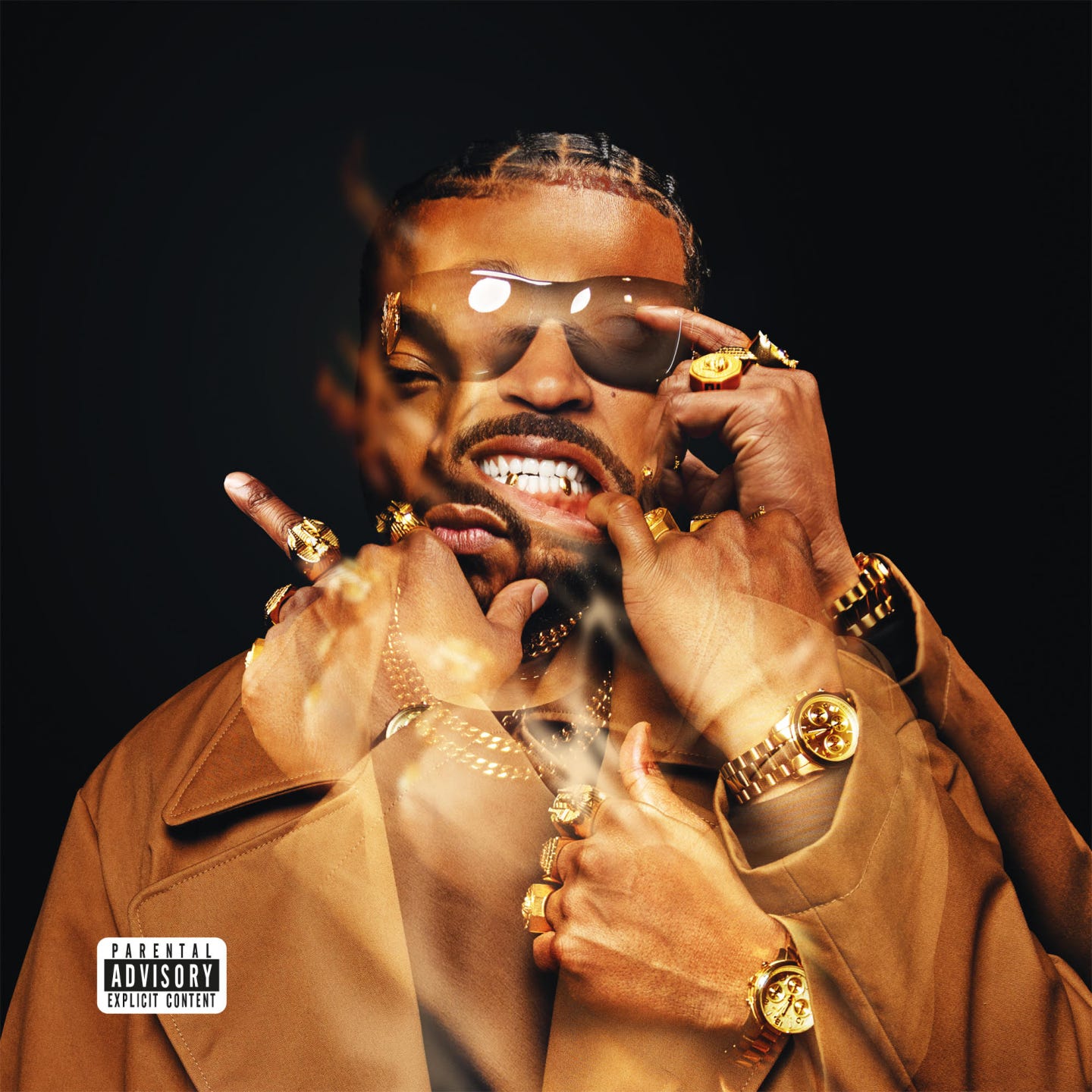
Before he was Da Flyy Hooligan, before he was even Iron Braydz, he was a kid from Nigeria who’d arrived in Harlesden, northwest London, in the early ‘90s and started rapping wherever anyone would let him. The story that sticks is that he was backstage at a Public Enemy show in London when Chuck D invited him up to perform. He went up, rapped, and earned Chuck’s respect on the spot. That kind of boldness, walking into someone else’s arena and refusing to be a footnote, runs through everything he’s done since, including the roughly twenty projects he dropped between the first S.C.U.M. in 2017 and this sequel. The original was entirely produced by Agor, full of drumless, sample-based loops that owed more to Roc Marciano and Wu-Tang than to anything happening in UK rap. S.C.U.M. II keeps the same formula and the same producer but brings heavier company.
On “Lab Coats,” he snaps SIMs and ghosts his proximity before torching his burner phone. “Nightingale Road” breezes through a Maserati ride in White City and a Nipsey Hussle dedication, then a phone call from a cousin describing a violation hits, and the mood curdles. With “China,” M1 remembers touring with Big Pun in ‘99 and wants to smack Bush for what he did to Haitians in Miami; Hooli pins COVID on Boris Johnson; General Steele names Fred Hampton and says if we aren’t fighting to live we’re probably already dead. Sean Price shows up posthumously on “Sean Price II,” calling himself “the prophet of profit,” selling crack with a smile, karate-chopping krills. Loose and funny and mean, like he walked into the booth without a plan and left with something better. Then “Expensive Wishes” drops the whole act. Two verses, no features. Hooli sprays on new Versace and his mind goes backward. Years in solitary not answering calls while his mama was getting worried, seeing the day she was getting buried, feeling like a failure who couldn’t make her wishes come true. His own brother cut him open. Sixty-four stitches. Eight months of pain. He beat depression and walked away from hatred. — Noura Haddad
Alvin Garrett, Talk to Her Like This

Alvin Garrett got his first bass guitar from his father, a Tuscaloosa preacher, at eleven years old. His uncle, a funk drummer, fed him Earth, Wind & Fire records and Motown 45s. He grew up singing quartet gospel in Alabama churches, co-founded the soul band that gave Ruben Studdard a stage years before American Idol found him, toured as Studdard’s musical director, and went on to write songs for Joe, Fantasia, Kelly Rowland, and Johnny Gill. But the line that ended up titling his fifth LP didn’t come from any of that. It came from watching his father talk to his mother in the kitchen, in the living room, on any given afternoon. The boy asked his father about romance and chivalry, and the answer was plain enough to remember verbatim decades later: Son, talk to her like this. Gerald Langford produced the whole record, and Garrett built it as a concept album about the specific ways men speak to women. The title track gets right to it. A woman’s smile, he warns, might be camouflage for something falling apart underneath. Touch more than her body, massage her heart. Look her in the eyes and grab her by the hands.“Every Little Thing” works the opposite angle, shrinking devotion down to its smallest proof. Ten songs in, Garrett is still on “Can I Just Lay,” out of lessons and instructions and declarations, his fingers tracing feelings into someone’s skin, asking for nothing except to not be moved. — Jen Mauvais
RAYE, THIS MUSIC MAY CONTAIN HOPE.
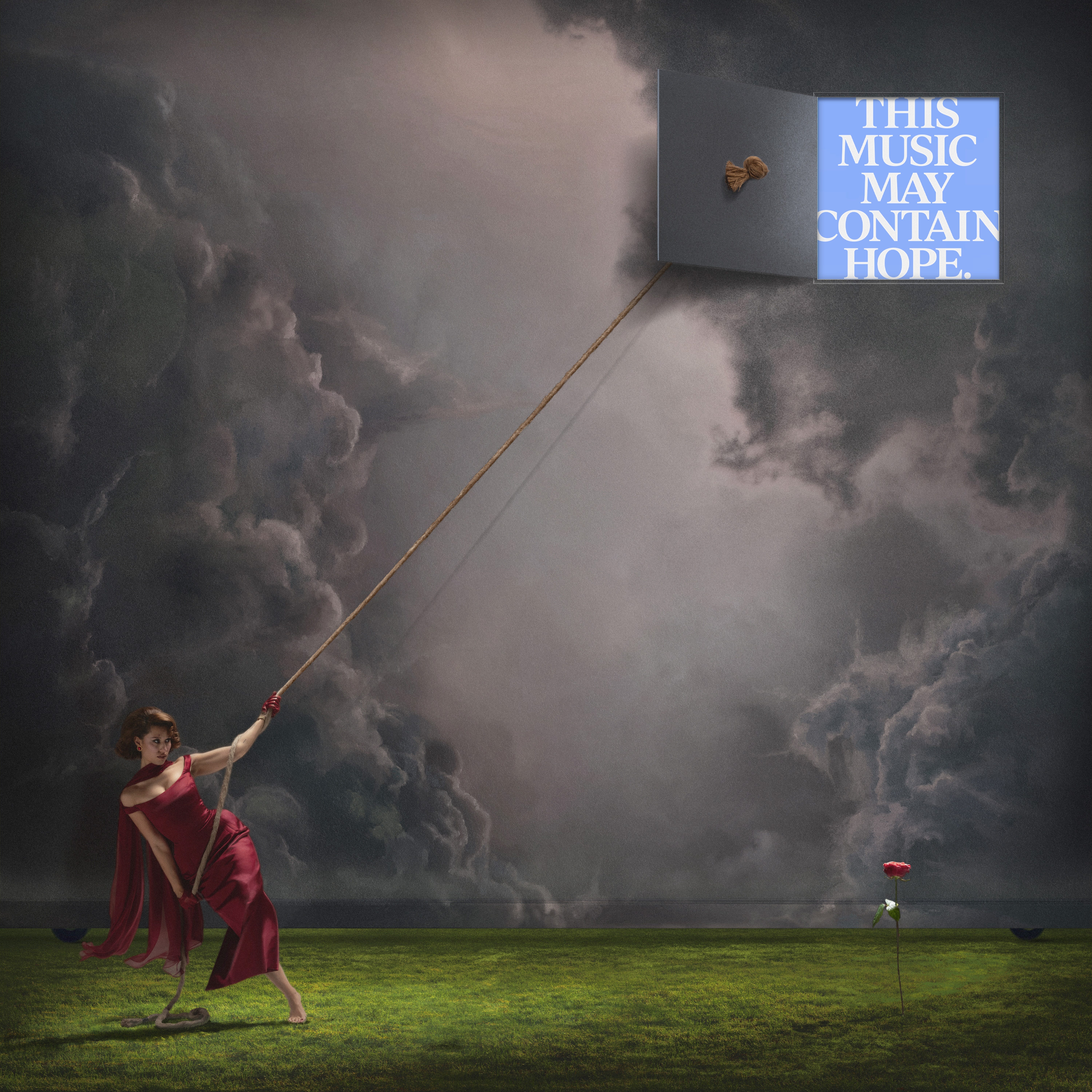
Rachel Keen was sixteen when Polydor signed her, and for seven years she wrote songs that made other people famous. Beyoncé sang them, Charli XCX sang them, John Legend sang them, and Keen collected her ghostwriting checks and waited for the label to let her make her own album. They never did. She went public in 2021, split from Polydor, signed with a distribution company called Human Re Sources, and put out My 21st Century Blues independently. It won six BRIT Awards in one night, breaking the all-time record. On THIS MUSIC MAY CONTAIN HOPE., the woman who spent her twenties writing for everybody else finally has the room to say the one thing none of those assignments ever asked for: that she is lonely, that she has been lonely for a long time, and that she suspects the loneliness might not kill her but she’d appreciate some company while she waits it out.
The men who pass through this album each get their own crime scene. The South London Love Boy grabs your arse before you’ve sat down and pulls up in an all-black car reading poems out the window. The WhatsApp Shakespeare writes cursive kisses and sweet poetry but won’t put his name on paper, and by the song’s end RAYE discovers she was one of seven leading ladies in a romantic thriller nobody told her about. Al Green, seventy-nine years old, enters from Memphis to sing about heartaches that don’t get easy, and his voice next to hers might be the most lopsided and perfect duet anybody recorded all year. Meanwhile, her grandad, Michael, appears on “Fields” to answer a voicemail she left him months ago. Her sisters, Amma and Absolutely, clap their hands on “Joy” and promise that morning is coming. The whole family shows up not as guests but as the reason RAYE can afford to be this sad without falling apart. — Hana Beltrán
Shloob, Trippin from the West
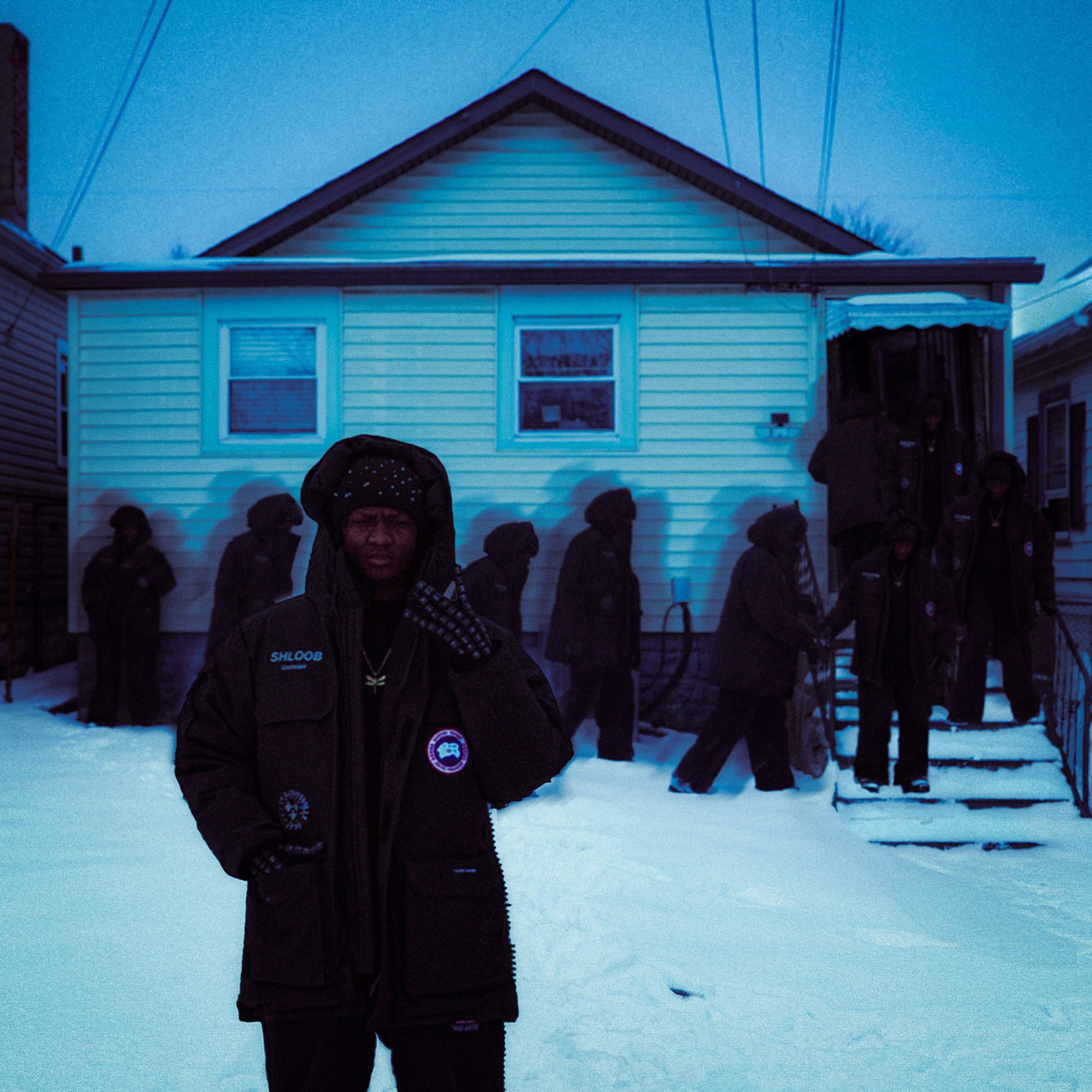
West of 9th Street in Louisville, nine neighborhoods sit on top of each other in a strip that redlining built and a billion dollars in redevelopment money is trying to remake into something the people who live there aren’t sure they’ll be allowed to stay for. The 502 sent Jack Harlow and Bryson Tiller out into the world and didn’t build much of a pipeline behind them. DaEndre “Shloob” Lawson, thirty, Harlow’s oldest running mate in the Private Garden collective and the fraternal twin of producer-engineer DaWoyne “2forwOyNE” Lawson, never left. He opened for Harlow on two tours, raps in The Homies alongside his brother and three other Louisville MCs, and put out Trippin from the West while working forty hours a week and paying for everything himself. On “joe frazier,” he recounts a conversation with a label that wanted two or three bands a month for ads and a Spotify growth campaign. “Dog, I’m working 40 hours and I’m paying out of pocket,” he told them, and the song keeps going. He quit smoking and it wrecked him. “miss the ganja” is a full song about sobriety as a punishment. No vice to clean out his conscience, too clear-eyed, too mean to keep his mouth shut. On “Android 18,” the longest and loosest cut, he talks about a leaking tire, a Walmart visit, a breakup right before Valentine’s Day, thirty years old and naturally lazy, Dead Rose and Wendy’s and Indy’s and Central, all Louisville landmarks that mean nothing to you and everything to him. He figures young rappers talking about killing are going to make their families sad. Old rappers trying to preach have bad music. He’s stuck between the two camps, sharing his feelings and not setting examples. — Chinedu Faulkner
James Blake, Trying Times
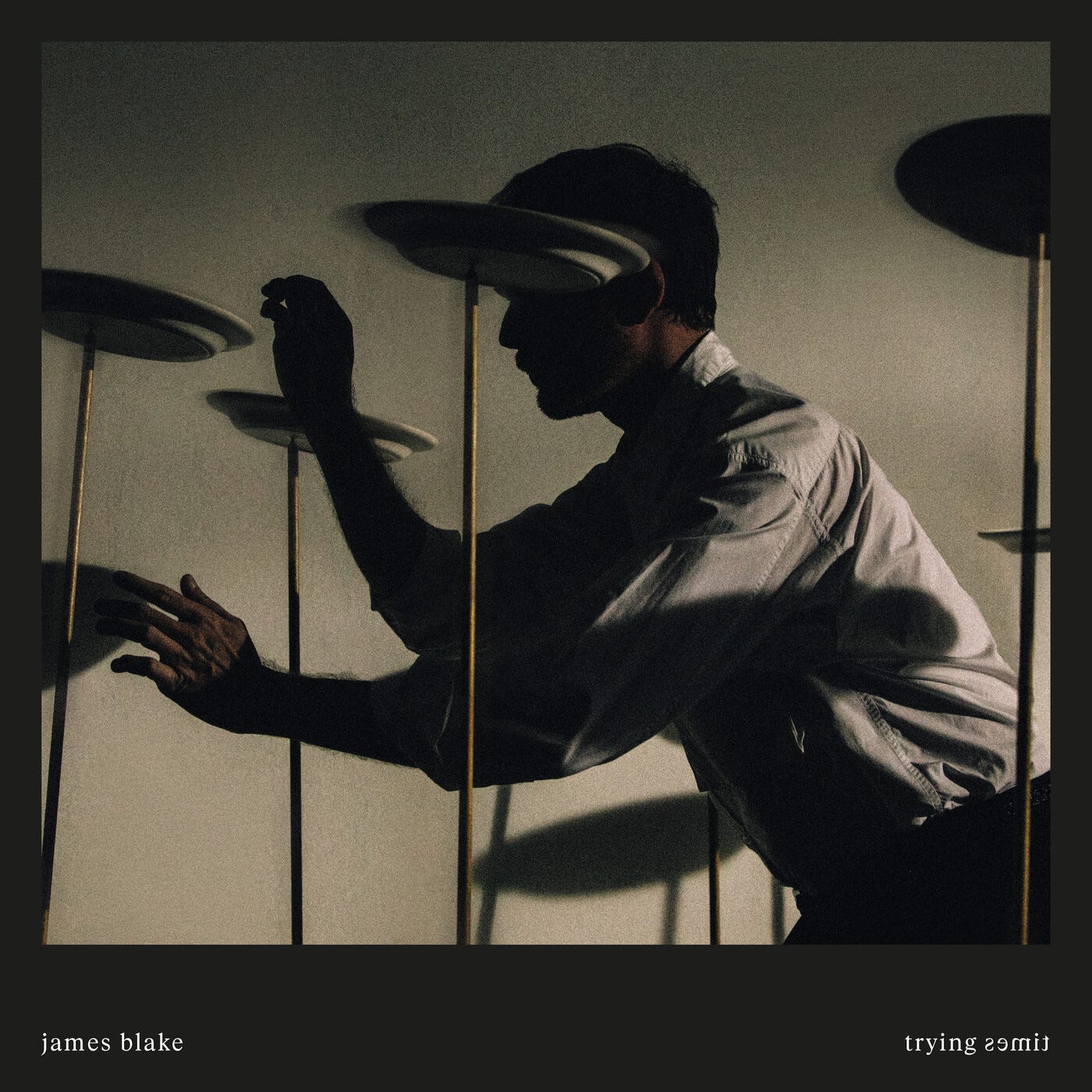
James Blake spent most of his thirties producing for Beyoncé, Kendrick Lamar, Travis Scott, and ROSALÍA. He won a Mercury Prize at twenty-four. He put out six albums on Republic and Polydor. And somewhere in that run he became the most respected background player in popular music, the guy whose pitched-down vocals and piano chords other artists wanted on their biggest records while his own got reviewed once and forgotten. He talked openly about this. Label dysfunction, streaming economics, the particular indignity of watching your sound become currency for somebody else’s career. And then, for his seventh album, he left. Trying Times is the first record Blake released independently, and it is by far his most uncomfortable. On “Make Something Up,” he writes about standing on a bridge while voices compel him to jump, even though he doesn’t want to die, and then asks, “What’s the word for that?” “Death of Love” opens with “Hineni,” Hebrew for “here I am,” and then spends three verses watching a relationship bleed out. Dave’s guest verse on “Doesn’t Just Happen” is the most densely packed minute-and-change on any Blake album. He draws a line from jacking people in the morning to dirty money to spiritual aspiration and lands on Blake’s hook, twisting a statement about romantic effort into something closer to damnation. The peaks here are Blake’s sharpest writing since Overgrown, and maybe his most honest ever. He spent a decade making other people’s music enormous. These twelve songs are what he put down when the only person he owed anything to was himself, and the admission that scares him most is one he can’t even find the word for. — Phil
Walter Smith III, Twio, Vol. 2
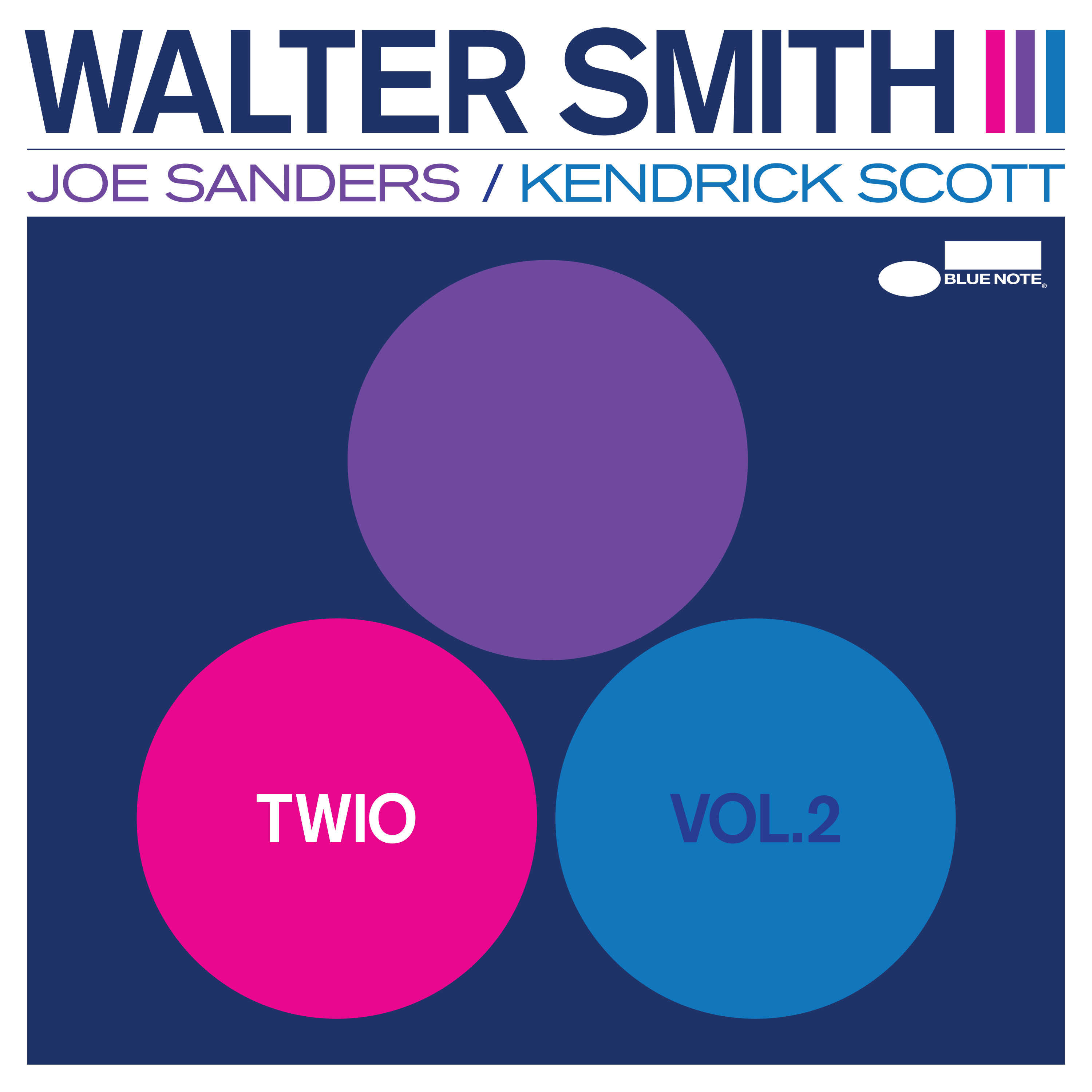
For Walter Smith III, he came out of Houston, studied at Berklee, and spent the next two decades absorbing lessons from bandstands with Terence Blanchard, Jason Moran, Herbie Hancock, and Joshua Redman without ever sounding like he was borrowing from any of them. His tenor tone has matured over the years—the earlier harshness has softened into something more harmonically supple, and his avoidance of flash has deepened into a principle. The first Twio, released on Whirlwind in 2018, tested the premise of stripping his playing down to small-group conversation. Vol. 2, his third Blue Note release, brings bassist Joe Sanders and drummer Kendrick Scott into the core trio and adds two guests who reframe everything around them. Ron Carter appears. Branford Marsalis appears. Neither is there to decorate. “My Ideal” opens with Sanders’ bass walking a warm, steady line underneath Smith’s solo, which glides from note to note with the unhurried phrasing of a vocalist who knows the melody so well he can bend it without losing it—Smith lives in the tenor’s middle register, its speaking range, and that proximity to the human voice is what gives his playing its conversational pull. “Isfahan,” the Billy Strayhorn/Johnny Hodges ballad, gives Smith room to let a phrase hang in the air, Kendrick Scott’s brushwork so quiet behind him it could be the sound of the room itself. And “Swingin’ at the Haven” closes the set with a five-minute blowing session where Sanders and Scott lock into a pocket sturdy enough for Smith to push against, the tempo hot, the feel easy. — Nehemiah
underscores, U
On U, April Harper Grey wrote, produced, recorded, mixed, and mastered it herself, mostly on a laptop and a stripped-down audio interface while touring behind 2023’s Wallsocket—the dystopian concept album that got her booked on Coachella, opening slots with Porter Robinson and Danny Brown, and an NME cover. Wallsocket built an entire fictional town and populated it with characters; U scraps all of that “Tell Me (U Want It)” opens the album sounding like a PC Music rewrite of a Katy Perry single, Grey’s voice pitched and processed and anxious, fretting over a bad dye job and whether she’s giving anyone in the room what they came for. “Music” follows with production that imagines Skrillex covering a Timbaland beat, Grey having “wet dreams ‘bout the perfect song” while the bass shreds underneath her. “Hollywood Forever” lets her revel in the perks of fame—“Is it bad that I kinda love being a bitch?”—before “The Peace” strips everything to a vocoder sample and adds layer after layer of flattened, ultra-processed vocals until the bass finally drops, and the restraint-to-release swing is some of her most expressive production to date. She made the whole thing on the road, between soundchecks and hotel rooms, and U carries that restlessness in every compressed, glitching, sugar-rush second of it. — Darryl Keyes
Nickelus F, The Undisputed
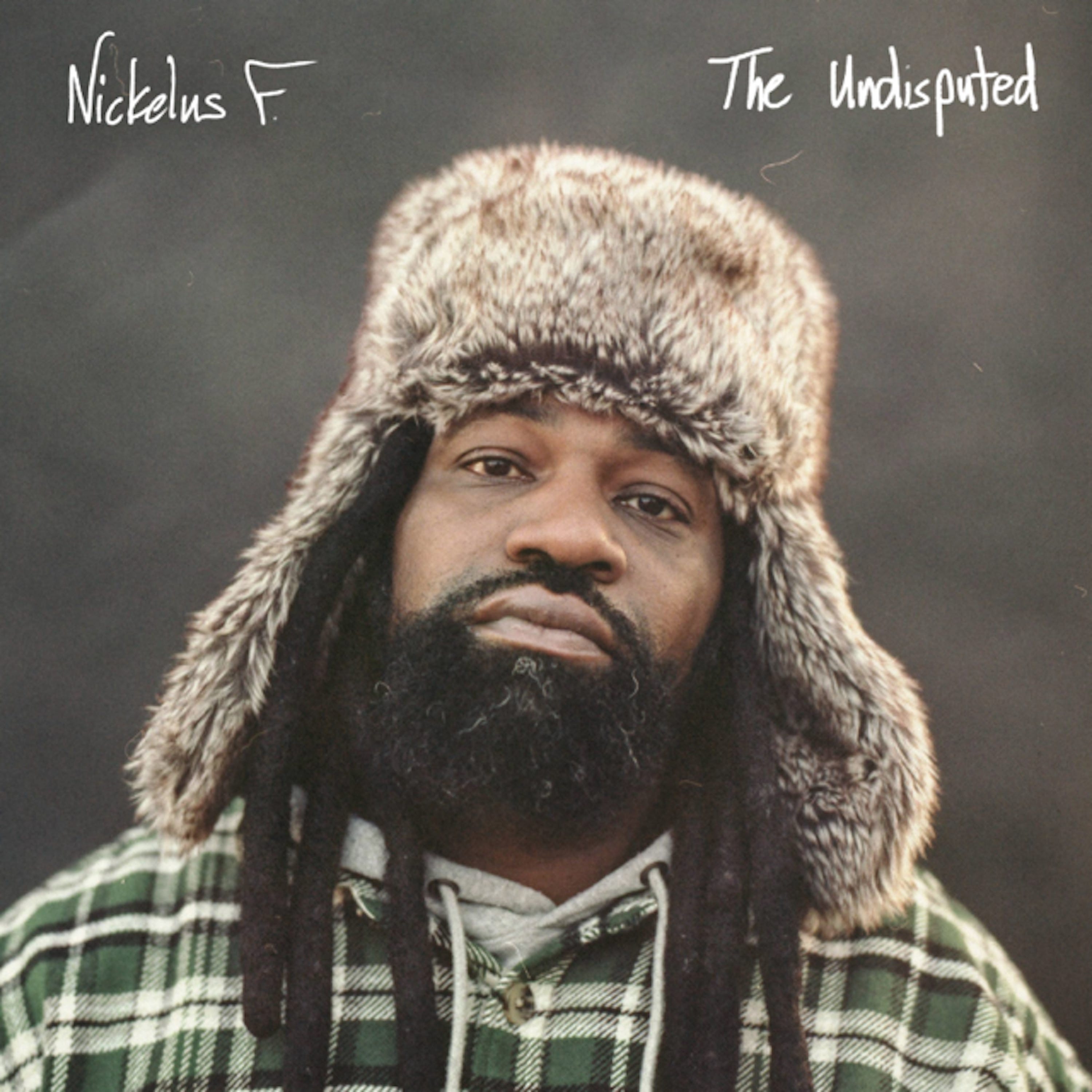
In 2007, a Richmond, Virginia, exterminator named Daniel Jones drove to New York City on Thursday nights after his Terminex shift to compete on BET’s 106 & Park Freestyle Friday. He won seven weeks running and got inducted into the Hall of Fame. Nickelus F stayed in Richmond, kept releasing records on his own dime, went back to Virginia Commonwealth University as a full-time student with twin daughters and a mortgage, earned a Gold Addy for art direction, and wound up as a creative director at Adobe. None of that biography prepares you for what The Undisputed actually sounds like, which is vintage boom-bap tracks with no features, no outside producers, and drum chops. “Snuggle Bear” puts him crawling into a cold bed from a hot shower, staring at an empty fridge with nothing in it, then shifts into counting dollars until the crib looks like Creflo Dollar’s residence. “Ghost Gun” runs the gamut from being told to go to hell at the bank to money coming through his cell phone daily. He blows bags at Saks Fifth and still buys white tees from the hood store. The Marvel nerd in him is everywhere, casual and unforced. “Madripoor” is named after the lawless island from Wolverine comics; “Cauldron Bubbles” scopes in like the Eye of Sauron before wandering into mist, chapel roofs, and talismans, and he namedrops Omega Red’s tentacles as a stand-in for his dreads. The Undisputed is what two and a half decades of rapping with no industry cushion sounds like when the rapper finally stops explaining himself and just talks. — Tariq Belson
Marqus Clae & !llmind, Untitled
Last year, Marqus Clae became independent, recording You Don’t Know You Love Me Yet as a 7-track strip-down with no institutional backing, just bars and a bet that someone would eventually notice. Untitled is Volume 2 of that bet, produced entirely by !llmind—Ramon Ibanga Jr. from Bloomfield, New Jersey, who beat Kanye West at a Philadelphia beat showcase in 2003, built two decades of credits with Drake, J. Cole, and Beyoncé, and still builds his minimalism so tight that nothing sounds missing until you notice how little is actually there. The loops breathe, the beats knock, and Clae fills every square inch of that spare backdrop with the names of dead relatives, unanswered questions about whether he should change his sound, and the kind of confessions that only work when there’s nothing else in the mix to hide behind. On “Who Am I,” he calls himself the last of the Mohicans and a fire-breathing dragon in the same verse, but neither of those lines is the song. The song is Clae stuttering through comfort for his grieving mother, who misses her own mother, and the words aren’t landing, and he knows it.
On “Gods Work,” Clae prays aloud to his grandmother and his grandfather, telling them he’s making them proud, and you believe him because in the next breath, he admits he sent his music around, and they left him unseen while everybody else chased clout. “Life dealt me broken records, but I remixed the pain/Dropped the needle on my scars, now they singing my name.” But the album’s crown jewel belongs to “No Gain,” where Clae pours an eight for DJ Screw, rides by NRG on a Sunday night where shots ring on South Main, gets told backstage by Ghostface to keep his foot on their neck, and then admits in the second verse that people keep telling him he raps for Rakim fans and needs to switch it up if he wants to expand. The rap game and the crack game run parallel, he says. The re-rock outsells the original. Should he change? He’s torn. He doesn’t pick a side, and the fact that he won’t is the most unguarded thing on the record. — Danica Ford
Bobby “Prince” Billy, We Are Together Again
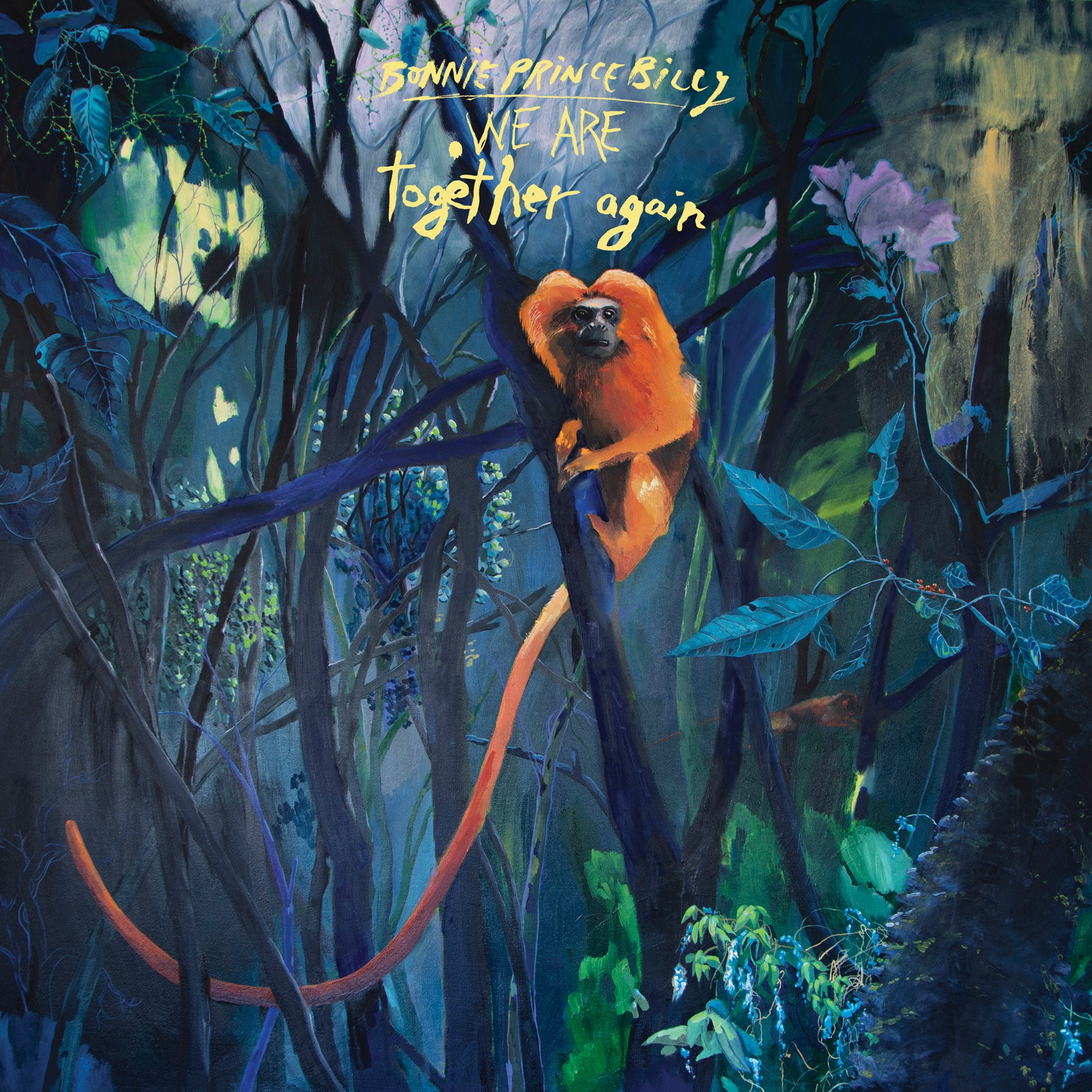
Will Oldham has been making records under various names since 1993, and We Are Together Again—his thirty-first studio album—was actually begun before The Purple Bird, the 2025 Nashville session that became his most acclaimed release in years. He brought these songs back to Louisville, to End of an Ear Studios in the Portland neighborhood, and assembled a band thick with family and city. Brother Ned Oldham on bass for the first time in two decades, cousin Ryder McNair on string arrangements and piano, tourmates Jacob Duncan on saxophone and flute and Thomas Deakin on accordion, whistle, clarinet, cornet, and baritone electric guitar. Catherine Irwin, Sally Timms, and three members of the Louisville band Duchess sing harmonies throughout. The album was made closer to the Ohio River than any Oldham project since There Is No-One What Will Take Care of You, and you can feel the water in it. Between those two poles, Oldham writes songs that paraphrase Bowie (“Change tastes like trouble and trouble tastes like change” on “Strange Trouble”), mourn murdered friends (“Davey Dead,” where Erin Hill’s harp and Chris Bush’s modular synth turn a terrible story into something almost unbearably tender), and reckon with parenthood’s terrors (“The Children Are Sick,” stripped to voice and acoustic guitar, sung with the careful breath of a man standing in a hospital hallway). Oldham has always believed that recording is a social act, that the people in the room change what the song becomes, and We Are Together Again makes that faith audible in every word. — Charlotte Rochel
heavensouls, westside trapped
heavensouls, a Houston-based Nigerian producer known mostly through his experimental hip-hop duo the Sidepieces with Stickerbush, made westside trapped for the country that raised him. Nigeria “has been bombed, imperialized, exploited and abused,” and its art has been robbed of the chance to reach Western ears more times than anyone can count. Afrobeat-inflected funk and jazz recorded between Padova, Houston, and New Orleans, with percussion from the NYSC Lagos Brigade Band and guitar from Shelby Obzut and Big Head, sax from Maxwell Obialo, violin from Maria Obialo, and a circular saw credited alongside the keyboard and piano heavensouls played himself. He is still young—this is his nineteenth solo project by some counts—and this project sounds like the first one where every instinct he’s developed across glitch, ambient, and hip-hop production converged on a single idea and held it steady. — Reginald Marcel
Charlie Puth, Whatever’s Clever!
Charlie Puth had been Berklee-trained, perfect-pitched, and capable of explaining chord substitutions to a million TikTok followers, and still publicly filed under “Marvin Gaye guy” years past the point where that label made sense. The record that changed it started with a prompt from BloodPop® to write a song about his father, territory Puth had never touched in a decade of pop songwriting. He wrote “Cry” a week before his grandmother died, watching his father grieve in a way he hadn’t witnessed in 34 years. BloodPop®’s stated aim for the whole album ran the same direction, starting with what Puth needed to say and not with what he already knew how to do. He told Variety he hadn’t had that kind of time since 2006. His son Jude arrived two weeks before the album dropped. “New Jersey” has Puth cataloguing the boardwalk he won’t walk and the sand he found in the hoodie she returned, then Ravyn Lenae’s verse arrives and tells the other side. She knew it was a fling, she’s never been one to wear a ring, and she put the sand in there on purpose On “Love in Exile,” Michael McDonald, who’d wanted to write with Puth for years but held back from cold-calling him, contributes a verse about mistaking a relationship’s beginning for a demise already in progress. Hikaru Utada, one of Japan’s best-selling solo artists, sings her verse on “Home” in Japanese, describing a self-built castle and asking every day to come home to someone. The album keeps the company it chose. — Rosa Delgado
Alex Isley, When the City Sleeps
Alex Isley’s father is Ernie Isley of the Isley Brothers, and his daughter was born with perfect pitch and synesthesia, a condition that makes her see colors when she hears chords. She has talked about scrapping compositions because the key produced the wrong color in her head. Fast forward, the partnership with producer Jack Dine yielded Wilton and Marigold; the collaboration with Terrace Martin on I Left My Heart in Ladera got her a Billboard chart debut and two Grammy nominations. None of that prepared anyone for When the City Sleeps, a record that moves like a late-night drive down Vermont Ave with the windows cracked and no particular destination. The songs where Isley already has the answer and keeps standing there anyway are the ones that stay. “Fool’s Gold” opens by asking what’s left to say about the weather when it’s cold, and D’Mile’s “Sweetest Lullabye” asks a departing lover to at least make the goodbye beautiful. “If you really have to lie/lay here with me beneath the light/sing the song of you and I/make it the sweetest lullabye.” She knows it’s a lie. She’s requesting a better one. The whole record runs on the distance between “Mic On,” where she’s completely sure of who she is, and those songs where that certainty can’t save her from wanting someone who won’t meet her there. — Tori Hammond
Witch Prophet, Words Are Spells, Thoughts Are Magic
Etmet Musa had been having seizures since she was a kid. The diagnosis, temporal lobe epilepsy, didn’t come until 2013, and even then she spent the next decade fighting Canada’s medical system to be taken seriously as a Black queer woman telling doctors something was wrong with her brain. Her third album as Witch Prophet, Gateway Experience, named after a declassified CIA report on sound-wave manipulation, tracked the symptoms in real time. Focal aware seizures, déjà vu, waking nightmares. A few months after it dropped, she was diagnosed with a brain tumor. She had surgery. In the hospital, before they put her under, she repeated the Amharic word “Temesgen,” meaning “Thank God,” to herself, and that word became the second song on Words Are Spells, Thoughts Are Magic. On “Akisté,” Amharic for “aunt,” four more of her aunts sing a graduation song they recorded for her son at a surprise party, and underneath their voices, Leilani sings “I’ve come a long way/With the odds stacked against me/Struggle every day.” Musa self-produced Side A, and those five songs stay tight to her body. SUN SUN, her wife and longtime collaborator, produces Side B, and the shift is immediate. “Thoughts Are Magic” rides a groove between trip-hop and neo-soul, as “Love Shock/In Love” ends where all that protection and boundary-setting gives way to want. — Janelle K. Moore
Anjimile, You’re Free to Go

Between his second album and his third, Anjimile Chithambo fell in love, moved to Durham, and started hormonal therapy that dropped his singing voice into a deeper, steadier register. The last record, The King, had been fists and curses—songs written across three years of familial estrangement, systemic grief, the aftermath of coming out as trans and watching his mother turn away. You’re Free to Go comes from the other side of that anger, and the difference is audible from the opening bars. He builds shelter for a lover on the title track and then asks, almost startled by his own generosity, “am I free to go?” On “Rust & Wire,” praying for rain all year becomes a kiss by rust and wire, “holy as a gospel choir,” and the admission “your body, it changed me now” is addressing to the person he’s fallen for, and to the flesh he’s spent years renegotiating. Brad Cook produced the whole thing at his Durham studio, and Sam Beam from Iron & Wine—one of Anjimile’s longest-held musical heroes—turns up to sing on “Destroying You,” where love becomes the annihilation of whoever you used to be. “Free me, leave me/I am no one/I am no thing.” You’re Free to Go is the rare record that can hold a declaration of love and a declaration of war in the same breath and make both of them stick. — Zaria Farah