

May 2026 Roundups: The Best Albums of the Month
May 2026 is the month in which independent rap, overlooked soul, and one Indonesian retro-soul band proved that major-label silence is a career advantage.
May’s finest records came without any desire to be saved. Estee Nack documented drugs like an accountant. Isaiah Rashad identified the drugs and the names of the damaged and the people he left to drift while intoxicated. Mýa spent a decade constructing a funk album and named it yesterday about tonight. Thee Marloes combined Northern Soul and Batak prayers in the only retro-soul operation in Surabaya. From Schweinfurt to Baton Rouge, from a renovated Welsh Church to a studio in Lusaka, the fifty-four albums exchanged comfort for locations.
38 Spesh, 8 Shots
An advice rap to be quoted and passed down a Rochester corner: “If you do sell coke, better be the best/Don’t be a small time nigga, better reinvest.” That’s “Be the Best.” Couple bars in, the same verse is parked in a prison visiting room, his wife driving in, “you can’t cry when you’re handcuffed, who gon’ wipe your eyes?” Brag and confession share one breath, and 38 Spesh weaves them together deliberately. The man at the head of Trust Comes First frames the entire Shots run under a single desire: “A young drug dealer’s dream is to grow to an old executive.” The money is always practical, you could read it off a bank statement: “real estate, crypto, stocks” on “Speshal”; a footnote explaining how ETH can be cashed. On “Mental Health,” coming from the other side of a closed door, Che Noir is in dialogue with his paranoia, talking about money being “just a mask/To hide the trauma and the pain,” and then reducing it down to: “When the voices inside your head the only friends that you have.” On “Cold War,” Busta Rhymes enters sci-fi territory, but “The Main Line” with Method Man delivers genuine blows- veterans helping him out, bringing that weight; then he clears the booth. As for “Renovations,” he’s counting off: “Four kids, three baby mothers, two different marriages,” saving the line he won’t say with company: “if you don’t remember death, you gon’ forget to live.” —Phil
Cookin Soul & Estee Nack, AL-ANDALUS

Estee Nack and Cookin Soul show us how the mathematics of moving weight really isn’t that glamorous. The rapper from Lynn, MA, and the producer from Valencia, Spain, who is based in Amsterdam, reveals the myths of the drug trade, reducing them to logs and receipts of inventory and delivery. Nack breaks down the hard facts where other people build the myths. This includes white bricks cut in hundred-gram increments, predatory extensions of credit, and packages coming from the West Coast delivered by Zack. The meticulous, granular accounting, which has made Nack a staple in Roc Marciano and Mach-Hommy’s songs from the underground, now joins Cookin’ Soul’s jazz horns and vintage boom-bap beats. The Spanish-English code-switching flows like the casual kitchen conversation of Lynn or the barbershop banter of Washington Heights. Nack says, “Mala mia,” before saying, “en esta tienda no se fia,” which any Dominican bodega customer knows by heart. “On ‘Inbound’ he boasts of his gold chains, how the water is the Mediterranean, and how someone’s filling themself with hate. TelexFree, the Dominican immigrant pyramid scheme that Massachusetts ran before the 2014 federal shutdown, is now a joke because they used to pay the cops to let them operate unchecked. AL-ANDALUS maps today’s drug routes with ancient technology, showing how meticulously each transaction is recorded and how each gram has been accounted for. —Rafael Greene
Durand Bernarr, BERNARR.
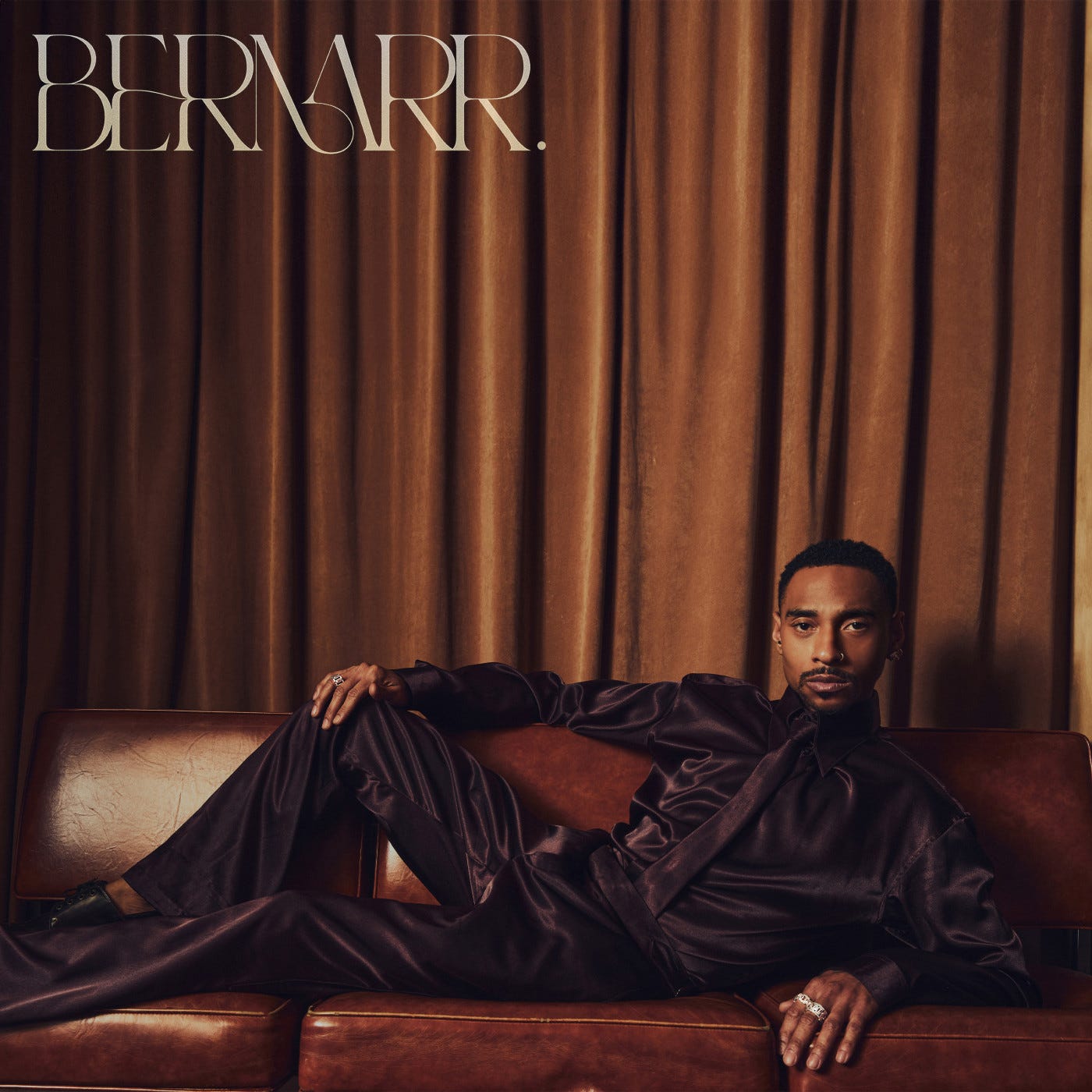
After twenty years, Durand Bernarr unshackled himself from timidity. The hay time is visibly placed within “HELLO!” He was first seen on YouTube in 2008 and didn’t earn a Grammy until February for his album, Bloom. He returns with three months’ worth of seventeen tracks. These tracks have varying lengths, similar to a family reunion, except someone brought a therapist, cousins are trying to arrange a makeshift Pilates class, and everyone is dancing despite being financially struggling. The “Sugar Family” is a depiction of a potluck, bound by anxiety and recession. With lyrics like this, “this jam needs bread, your cousin, your auntie, your brother, everybody chip in,” its meaning enters the field of the profound. With gas prices like a prayer, back-to-back high egg prices, and a pressed American Express, the real names of Big Reggie and Aunt Kitty represent real bills. It’s funk, camouflaging to be fun, but meanings are deeper, suggesting poverty is a group problem, not a problem an individual has to suffer in silence. With sprinkles of Chic, “SHARP!” is about Bernarr’s own conception, with a “night of heated fellowship.” In the landing of the profane, he finds the sacred. The album is a dedication to Bernarr Ferebee Sr. The album’s first track, “River”, opens with “Papa wasn’t a rolling stone, but he taught me to move like water”, and the following tracks continue the love-filled legacy, “BLOOM” requesting “permission to have my way with you, even if I already have the answer,” with “Wild Ride” featuring James Fauntleroy, also containing a similar fluidity. Khalid’s softer moments on “soft.” still illustrate that tenderness can be expressed through movements. —Yara Blake
Blue Lab Beats, The Blue Lab Beats Show
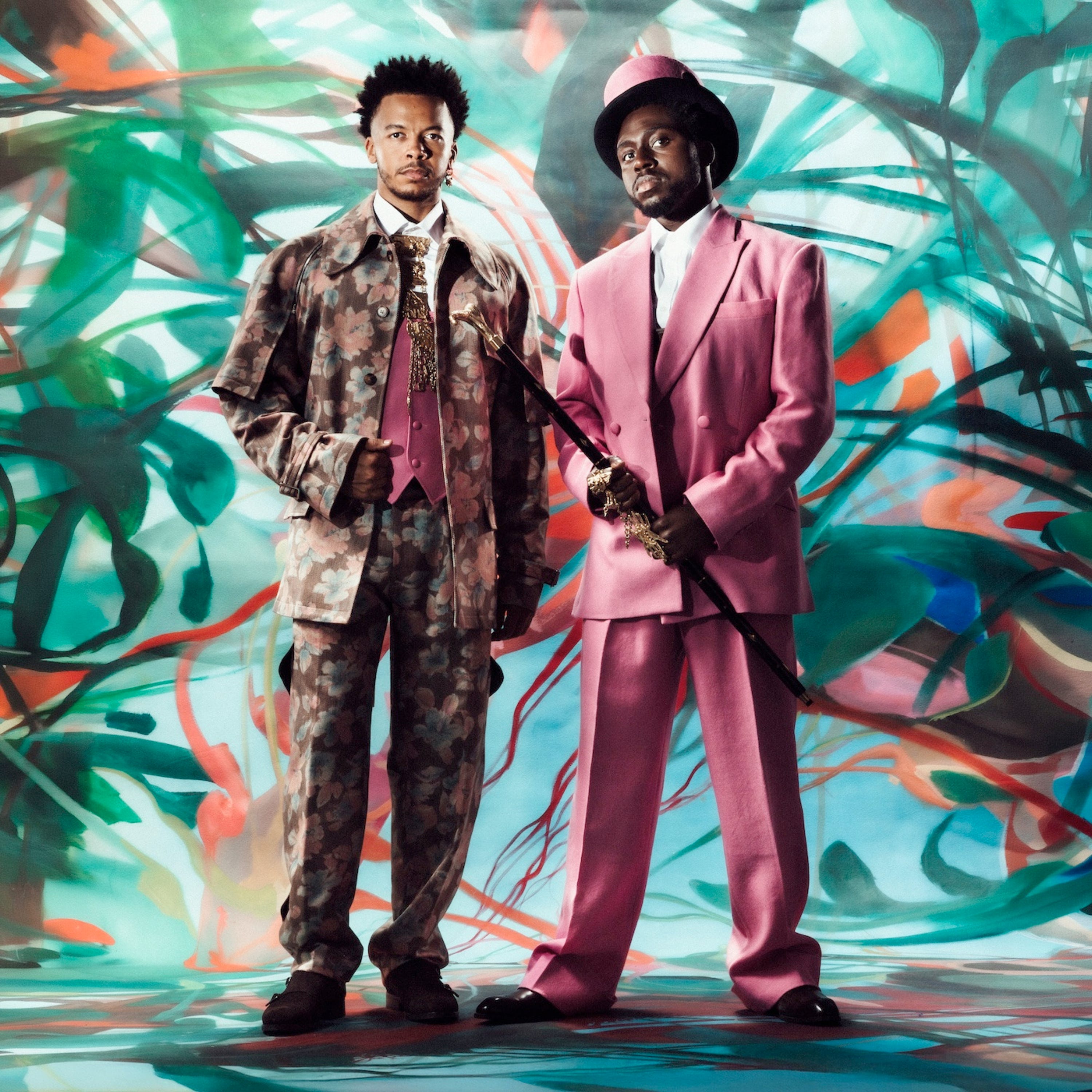
NK-OK and Mr DM established Blue Adventure Records with “barely any cash.” Having had a taste of international acclaim with a Grammy award for the 2022 album of the year, Angélique Kidjo’s Mother Nature, and two recent albums through Blue Note, what could you expect? It’s very much the local meeting the global for a North London duo in their development as artists and as visionaries, having met as teenagers at WAC Arts College. They collaborated with a number of artists to add vocals to The Blue Lab Beats Show as much more than a structure to an instrumental framework. FourNine’s participation on “Champions League” remains relevant in the realms of escaping the ghetto and wanting an empire “like Genghis Khan.” What’s being pro-Black mean if it upsets a White staff member? They, among others, mix the chaos of life in their production. You can’t tidy any of it. Jamila Woods’ “Slow Heart” features the album’s best. In it, she asks, “Did he bring you flowers… Did you lose your power,” which inverts the questions to “Did you bring him flowers?” It immediately deserves a replay, catching new meanings in the reversal. —Ameenah Laquita
Paul McCartney, The Boys of Dungeon Lane
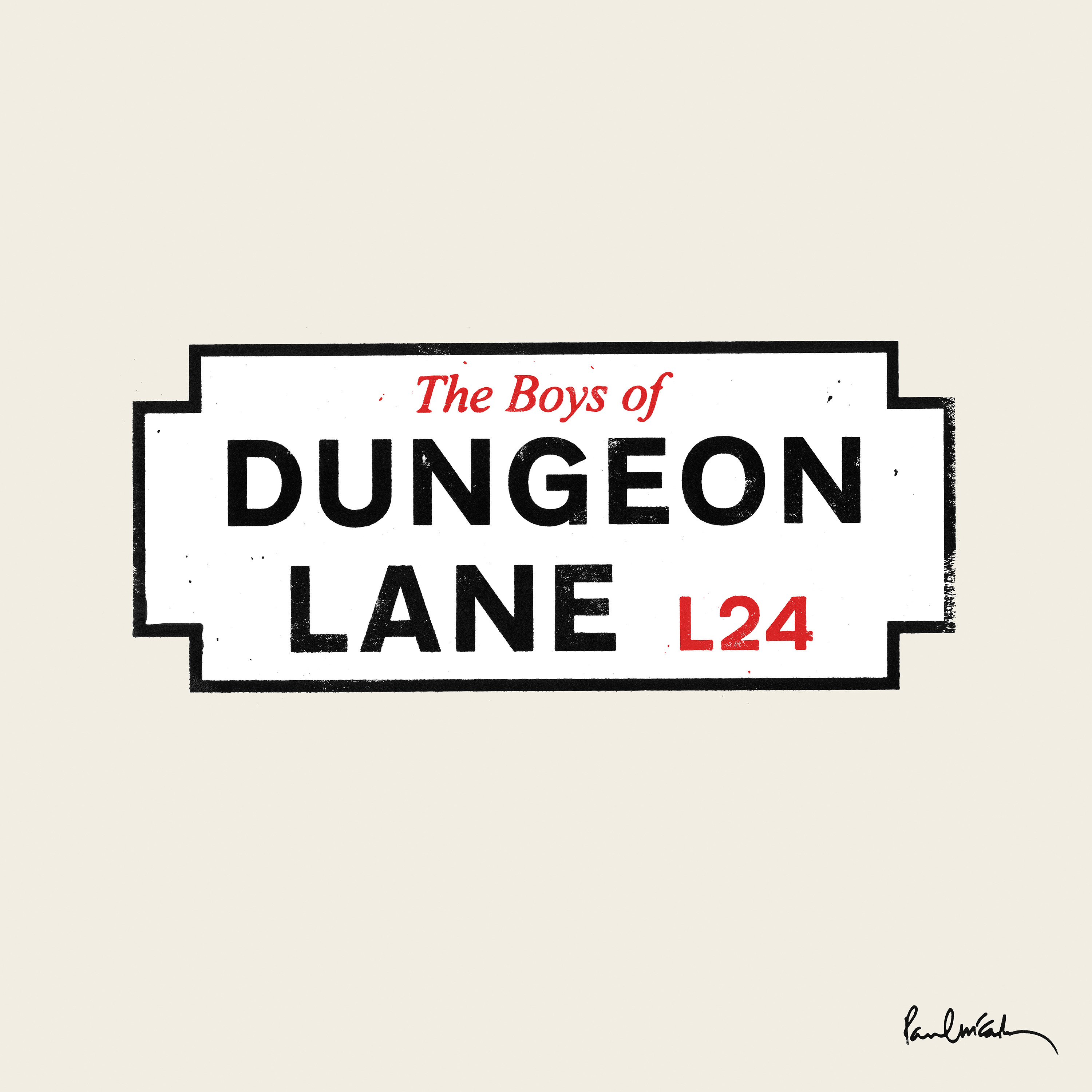
Six years after the rather negligible McCartney III, what exactly do we expect from our Paul as he enters his eighth decade? The Boys of Dungeon Lane answers that question for him: everything. Following the overhaul of The Beatles Anthology, the documentary chronicling his Wings era, and a string of high-profile television appearances (including the season finale of SNL and the finale of Stephen Colbert’s Late Night at the legendary Ed Sullivan Theater), he continues to give it his absolute all. Is the end in sight? In true Abbey Road fashion, the album presents itself as a street name—“Dungeon Lane,” a haunt from his youth that the “boys” used to roam back in the day. “Days We Left Behind” begins there, eventually crossing paths with the Beatles along the way. During “Down South,” he hitches a ride with George. “Home to Us” is a poignant duet with the surviving Ringo. “Never Knows,” among others, playfully channels the sonic spirit of his collaborations with John. It ranges from something akin to Wings to “Ripples on the Pond”—a tribute to his latest wife. And is it any good? Surprisingly so. Musically brilliant, certainly, but beautifully sung as well. When you possess a naturally veiled timbre, singing in falsetto softens everything—like a heartfelt expression of gratitude to life itself. —Charlotte Rochel
Wakai & Luke MacKenzie, Brief Laughs
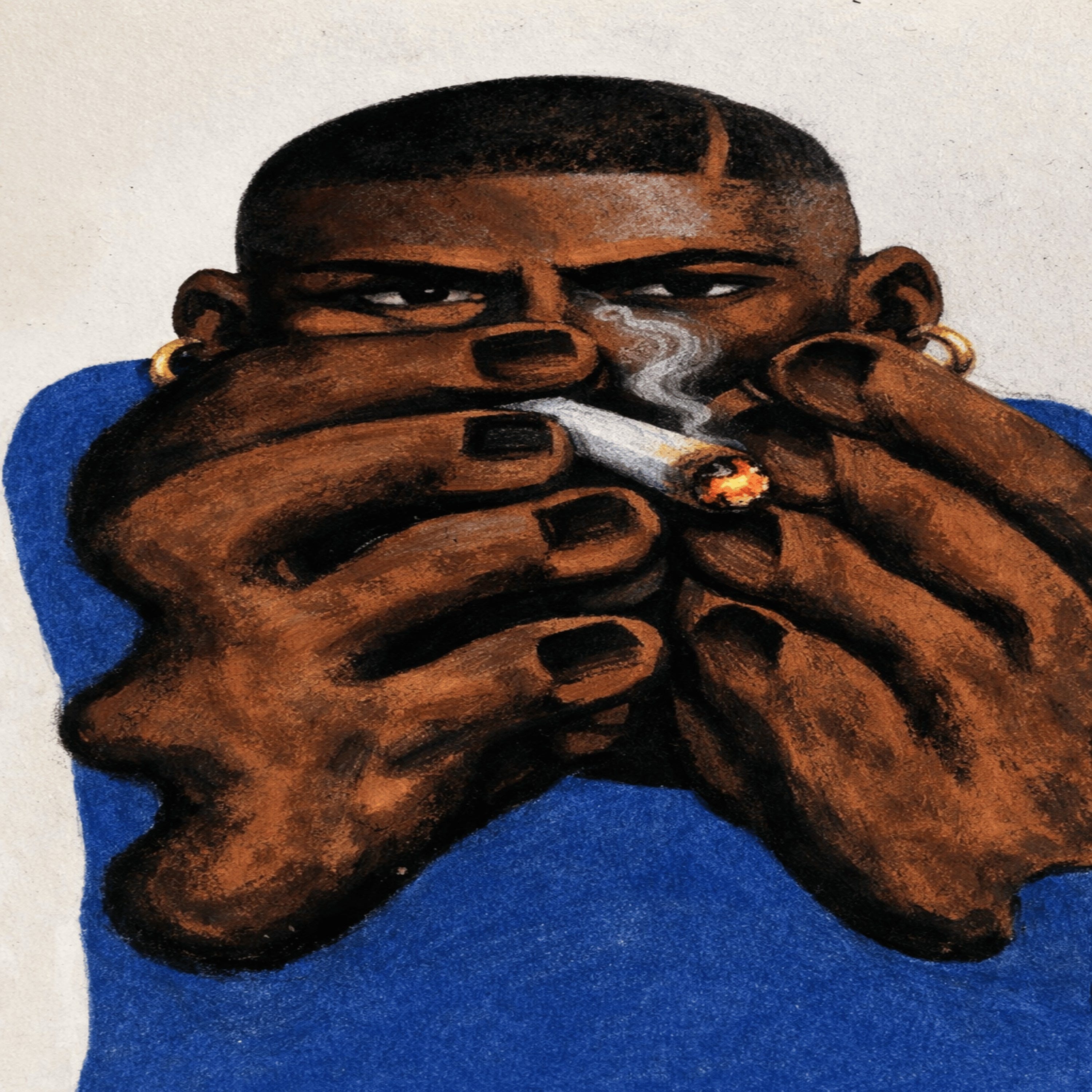
A repast, then: the post-funeral meal. The family finally settles down to eat. Somebody tells a story of the dead, and the table laughs, for a second, before the sorrow returns. A Baton Rouge rapper makes his entire album exist inside the confines of that room. On the title track, Wakai counts the living against the dead and rolls “three-five of trauma” into reporting the body count as the temperature reading of a forecast he will again consult tomorrow. He bets his entire album on that deadpan. Wrongly played, it is only numbness for its own sake; rightly played, it is the last, honest proposition left for an abundance of grief. The laugh disappears quickly, and the grief outlasts it. Luke MacKenzie produces the album at one static temperature; it never rises, even when the body count does. A habit worn smooth into paranoia opens, “As a Child,” as Anxious I often be from strangers. I notice those gone miss; they get disposed of.” The guests, of course, will not allow for open air to reach the room. Seph Pablo, on the record title, smokes “a little trees for my niece”; he cannot seem to pass a child along at all. Pierce Washington, on “558,” shovels an overdose onto the still-living family members: “How could it be love if it don’t touch the soul.” He saved the details for “A.S.N”: a physically abusive lover he can “hardly shake from,” an unintended child he “wasn’t ready for” whom he does not pass along the way out. No charge on her, no sainthood for him: both remain on the table. —Greg J.
Ziggy Marley, Brightside
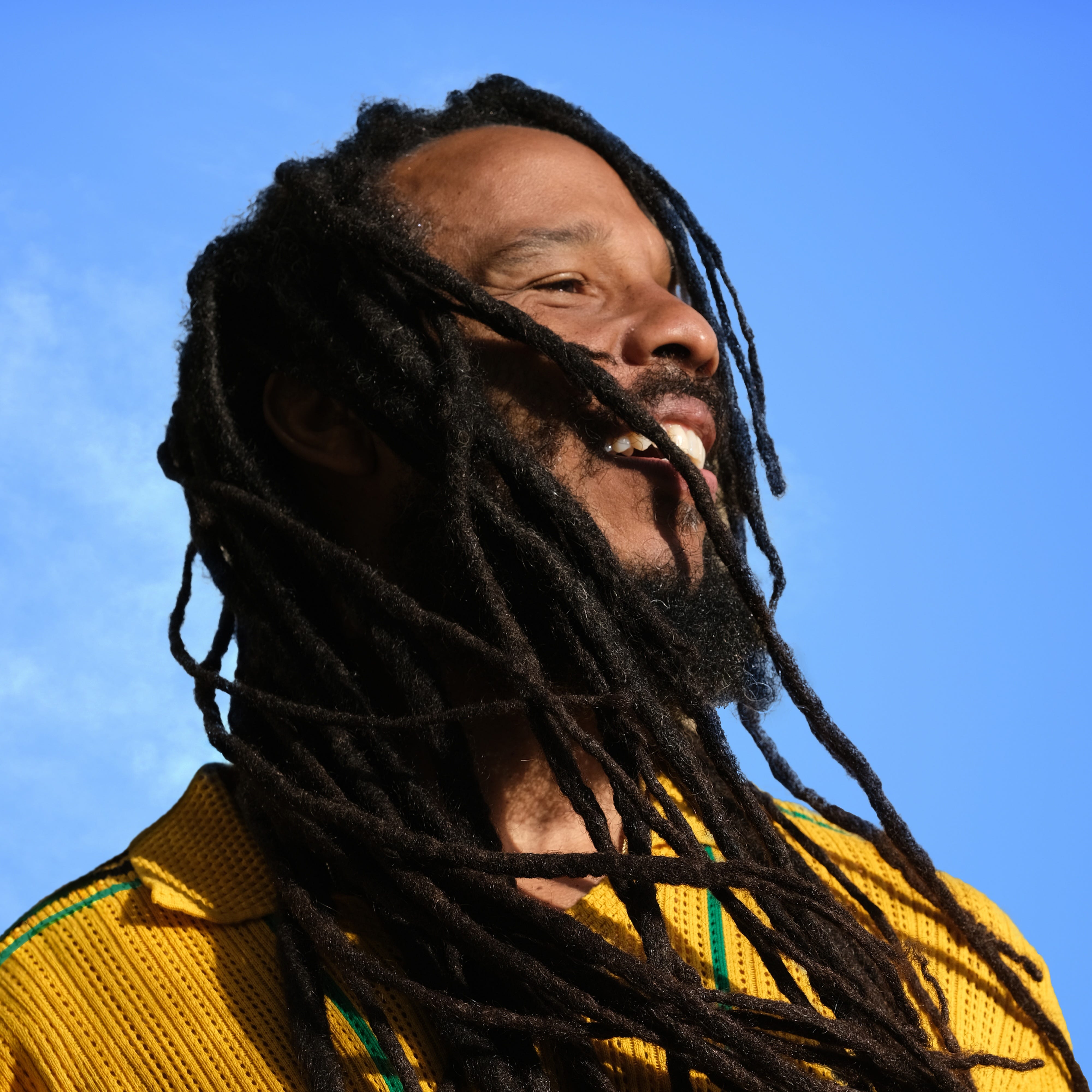
The conscious party has never paused for Ziggy Marley, taking only a detour through 432 Hz frequency healing and coming out with a harder groove between Bill Withers and Bob’s ghost. Ziggy Marley, on Brightside, brings together plush L.A. production and righteous Kingston fire for his first focused studio album in years. Ziggy goes in a different direction than his siblings, who, like Ziggy, have uplifting messages and come from the one-drop rhythm method. Ziggy focuses on the stinger and says it best with “Racism Is a Killa,” creating a pulsating and forever trance-inducing festival groove. The bass grooves carry his message on deep-seated corruption through the framework of anti-corruption and mental gymnastics. In “Many Mourn for Bob,” Ziggy indulges in a metaphor in a bittersweet meditation, while Stephen adds Bob in snippets of his interviews. Ziggy puts his critics in the hot seat with his title track, affirming that he follows the conscious party model and lives on the “brightside.” Ziggy remains a master of protest that literally moves people. The contradiction remains and makes it a hard protest. —Tunde Albright
Kenny Mason, BULLDAWG

Atlanta’s Pittsburgh neighborhood places a different kind of value on building and arriving. The neighborhood’s value isn’t measured by the loudness of the arrival, but rather by the building. Quiet arrivals can be celebrated in the comfort of your room and keenly anticipated by your friends, who help you wake up at the appropriate time to record an album, as Kenny Mason describes. The album’s opener sounds as if Mason’s drums are racing him to consciousness. Such a loss is a clear example of a situation where the music has to get there first. BULLDAWG arrives after the mixed reception of his last project. Mason’s new album is a return to his roots and how he is best identified, with trap-influenced rock, filled with expressions of pain, and a type of detached theatre of the mind that has now become predominant with a fusion of rock and trap.
This album (compared to 9) shows a radical departure from his previous works and a more refined sound. The album features production from Julian Cruz and Coupe and DvDx, which shows a strong use of synth pads and guitars. At this point in his career, Mason is his own harshest critic and he illustrates this on some of the album’s tracks with rough, self-deprecating metaphors. “Junkyard Freestyle” comes with no hook and no buildup, a three-minute extended freestyle with Mason watching planets rotate in his hands before sending them away. The deal with Atlantic Music Group funds a rapper, not a successor. Playing a 2039 self on “7eleven,” Mason stands on “rhyming’s Mount Olympus” before rejecting the scene as familiar addiction—needing acceptance from people whose acceptance had already arrived. He walks away inside the lyric. Outside it, the harder test predictably comes after. —Rian Frost
Black Milk, CEREMONIAL
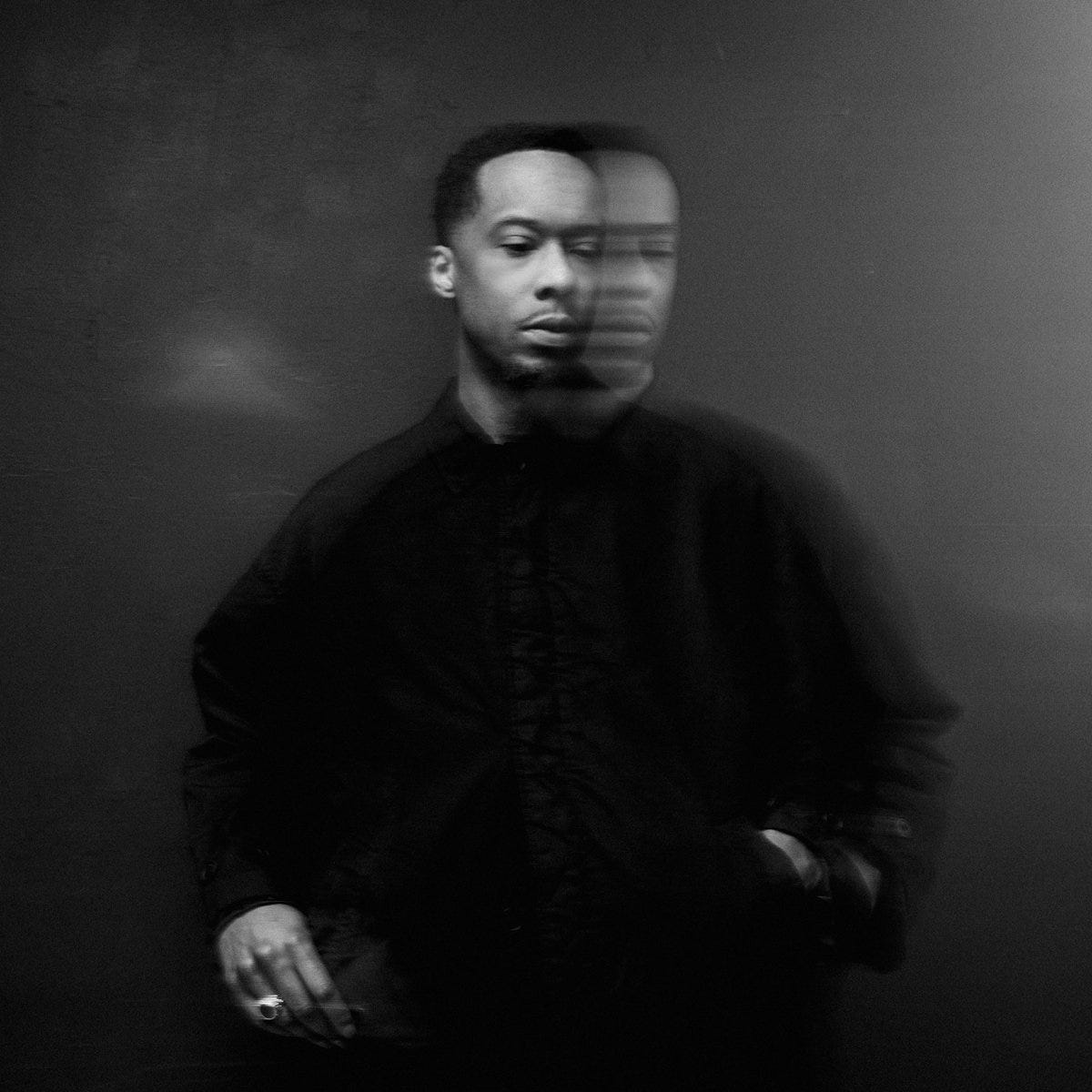
Twenty years running, and Curtis Cross still has the same room in Detroit. CEREMONIAL is a session tape on “record” when the “red light” is typically on. The tape is covered in a dusty relic with musicians playing beyond their time—and with no one counting the minutes. The walls of Stank Babies Studio, where Cross spent the last ten years of his life tracking the last remnants of his Black Milk alias, have become a permanent collaborator. “Dreams Not Only Made at Night” opens with the ‘corner store’ trip rush of friends, takes a muted (piano and drums) tempo, until someone’s “gone.” Ghosted where they’d been. A woman is seen entering the car of the wrong man and ends up face down on the pavement with the order barked at her by the cops while Sam Walker’s “Deadpan” shuffles in: shooting witnesses. Cross has no explanation to these stories, and that’s the beauty. Cross is not Michelangelo on “In the Sky,” there is no image of a ceiling that shall not be painted.
On “Right Time,” he calls his steps giant “like Coltrane,” but none of his achievements in life are the “main course,” but “condiments” in comparison. The self-mythology never feels forced; after two decades, he’s earned these comparisons. Jarelle James’ drums on “Crash Test Dummy” crack with air behind every snare—you can hear the wood and a small space—history. The keys of Ian Fink wander lose and slow through the instrumentals. “CEREMONY” itself runs unadorned: heavy drums, dusty soul loop, a chanting vocal, no arrangement, just production left to unspool. This one has dirt on it. BJ the Chicago Kid performs “YOUIT (Truth Be Told)” and Brandon Myster adds the only external beat. It is as if the Slum Village, Dilla-less era is present. Cross’ production for eLZhi’s The Preface is a staple in the extensive canon of Detroit rap in the 2000s. He started as an intern in Jack White’s Third Man Records, and it wasn’t until Phat Kat persuaded him to go down the solo path. Now, he’s painting that never-drying ceiling in the same room, with the same dedication. He will keep the tape rolling until someone finally intervenes. —Harry Brown
Kastaway & Backpack Beatz, Circa 01’
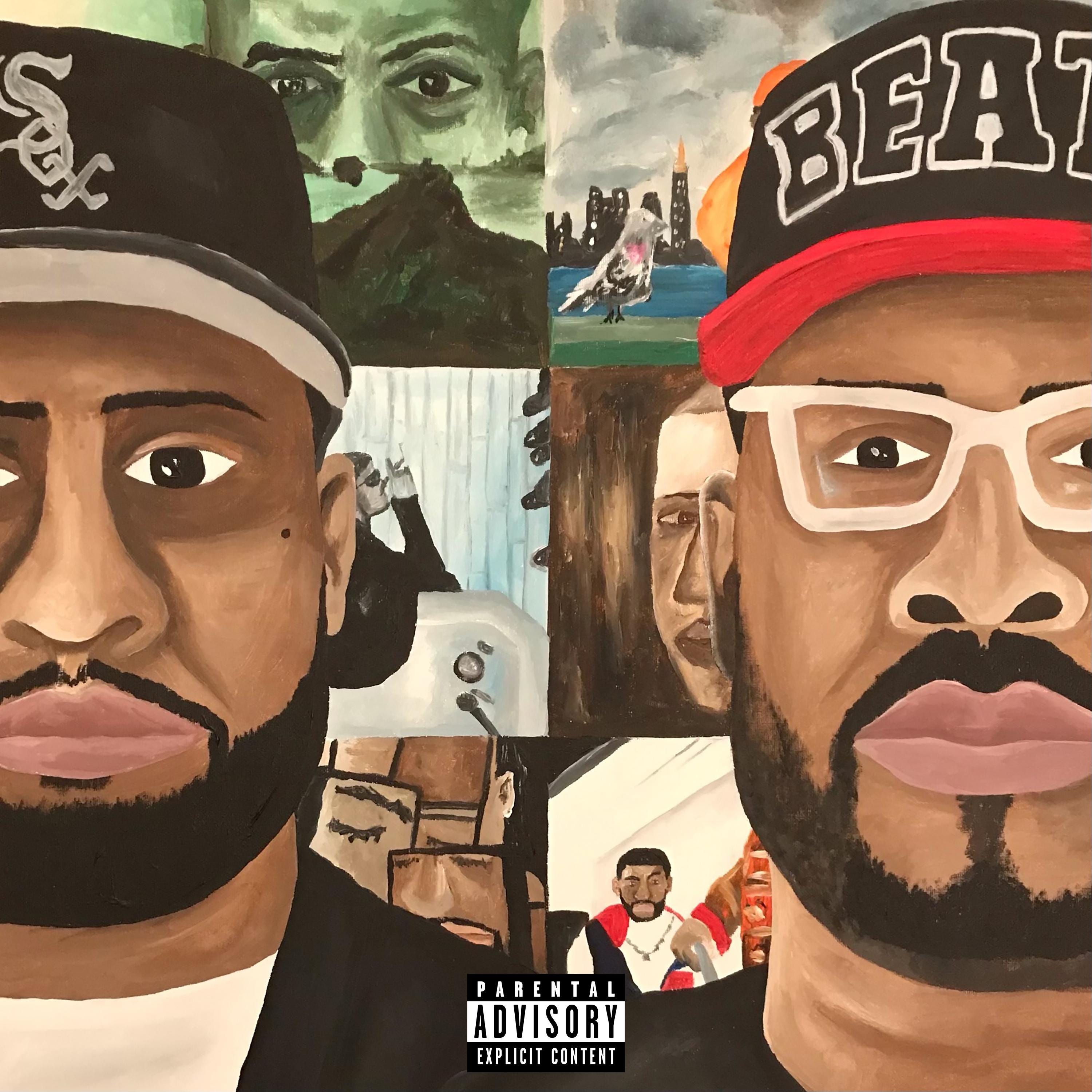
Two boys morph Chicago and Detroit, prompting childhood paranoias into disciplined art on Circa 01’. Kastaway proved to be scribbling rhymes while grandma possessed Backpack Beatz from the Blueprint at basketball camp—central lay before they drove pairs. The record begins with talks of discipline, yet Kastaway is now undermining expectations: “I came out the womb neglected with lack of effort.” On “Piece of My Heart,” he almost gives first place to the terrain—“19th and Trumbull baby”—before the verdict ever shows up. When brutality models the circumstance, openness addresses openness: a kid watches passing, and then will be taken by Bellwood to see another body. “Still We Pray” finds Kastaway in a third individual during the one and only time of the collection, following a twelve-year-old composite of children from his everyday work. The conclusion inverts mostly through the stanza: what appears as delinquency is truly giving up—“According to mother and father, he wasn’t in they plans.” Roy McGrath’s saxophone breezes at the end while supplication hovers over the unavoidable: the kid’s now dead at twelve. The title observes tracks everything on a Chicago patio where two kids contended Beans versus Jada while hanging tight for the radio to get up. “Rappers need their blossom from rhymes, I plant the stream/That is from the solid where we see no roses will develop.” Soil still under their shoes, Circa 01’ blossoms at any rate. —Lance “LX” Brooks
Stik Figa & Heather Grey, Cold Comfort
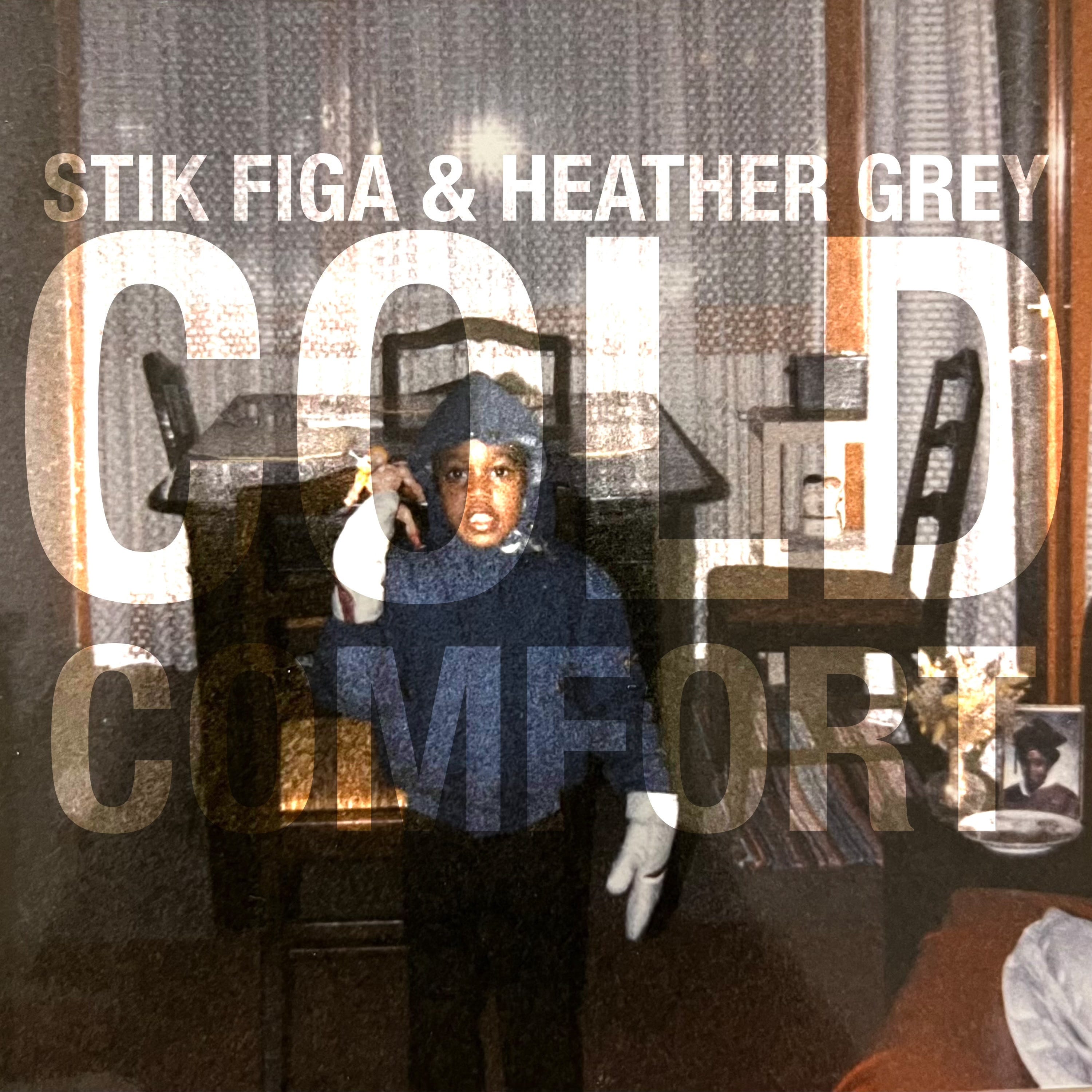
The chess metaphor in “All is Fair” could have been criticized as an overdone cliché, but many figurative comparisons in hip hop need to go somewhere new or offer something original, and Stik Figa does just that. He coins new ideas (or, in this case, a whole new way to use chess pieces) in an a cappella verse, with Heather Grey’s production providing a soundscape that is parched and unembellished, combining two artists, a rapper from Topeka who learned from Rich The Factor’s Shawnee County street sermons, and a beat maker from Salt Lake City who was introduced to Dilla from his teenage boss at the skate shop. Grey is a protective, almost defensive producer, and the snare and cymbal production is minimal; the restraint is a statement across the duration of Cold Comfort. The rapper aims to fully (and gratefully) experience each day, leading him to talk shit, grin, and stare blankly. It’s a commute that is disorienting in the best of ways; slow the realization that time has passed, but a new day is just ahead. Grey leaves a barren production to Stik Figa as he narrates a headcount, “’80s baby, crack rock, central side, blacktop,” after playing a dispatch of live police audio from a Topeka drive-by. —Reiko Oshima
aja monet, the color of rain
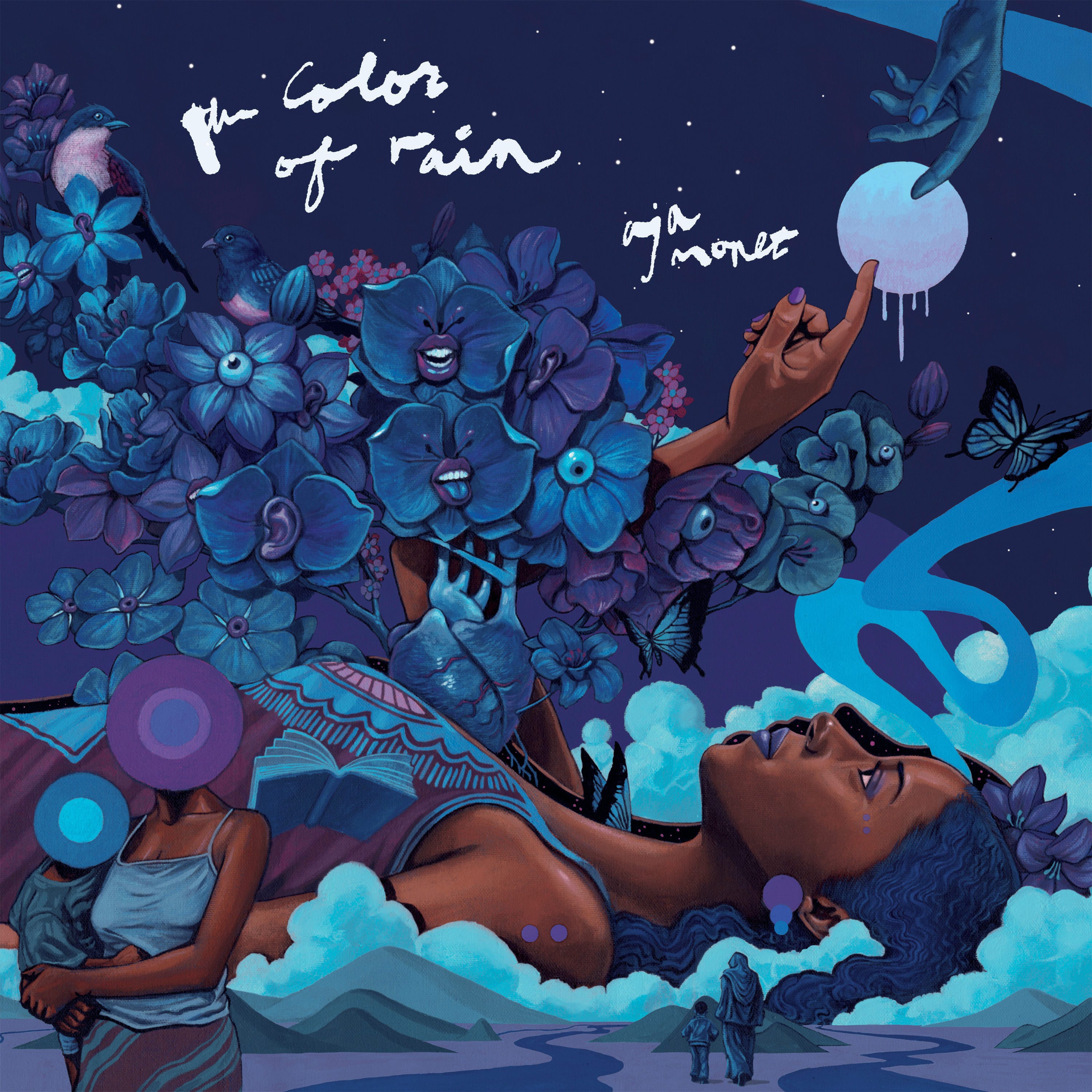
The death machine in your hand buzzes with another notification as aja monet’s second album unfolds like a city on fire. Starting from a sweeping panorama over Altadena’s burning hills to a trans woman drinking iced tea while protests happen behind her, the color of rain turns the poet’s voice into a document as vast as the resistance, spanning from LA to the Congo, and beyond. While 2023’s debut was anchored by Christian Scott aTunde Adjuah’s trumpet, this record shifts the power balance to other parts of the band. “for the Congo” settles into a propulsive hand drum rhythm that turns antagonistic in less than two bars, then monet starts rattling off names before turning it inwards: “This is the war my favorite poet warned me about/The one between me and me.” In “skinfolk,” she reimagines a list of body parts into a chant (“Skin double dutching the darkness”) over a deep funk groove. Two ropes swing, two feet meet the concrete, suddenly a schoolyard game outweighs a half a year’s worth of protest poetry. Ending with a group of musicans lugging drum kits through subway snow, one gig to another, playing to live, aja monet’s second LP proves, as her first line promised, not a list, but a city; not just poetry, but a world where a jump rope is just as radical as a jazz drum. —Renée Holloway
CJ Monét, Confessions of a People Pleaser

Prior to her musical career, CJ Monét worked as a painter at a Durham studio. She learned from her experiences and it reflected in her debut album Confessions of a People Pleaser, which opens with her late grandma Jean’s voice, a voicemail saved on tape, and ends with “Okay, later, love ya.” A piano figure carries Jean’s absence forward, and then Monét sings herself into existence on “The Wheel” already mid-fall: “Hello, hey/My name is CJ, and I’m learnin’ how to find my way/But I keep fallin’ down, down, down to the ground.” She follows that with “Circle of life/Where’s the Lion King to catch us when we fall in the night?” Through “Come Get Me,” the heartbreak gets estimated in the number of strokes: “Three or four times, babe/And I can’t take no more.” The three or four is a non-specific number but the interchangeability confirms the truth about feelings, as they are always recalled. A former lover seen at church first on “Serotonin.” Just after the middle point of the song “Lucid Dreaming,” Sonny Miles pops up. He is already in a totally political frame of mind with his own subject, which is why he kills political speech by crashing into Monét’s love song. Miles declares, “And if they take you, they took mine/And I’ll stay guard ’til the sunrise.” “Too Late” is the granddaughter who started the album with Jean’s voicemail, who therefore draws her line in definite words (“How long do you think that I can keep holding on and on and on?”). She poses the question once and allows silence to speak. —Janelle K. Moore
MUNA, Dancing on the Wall
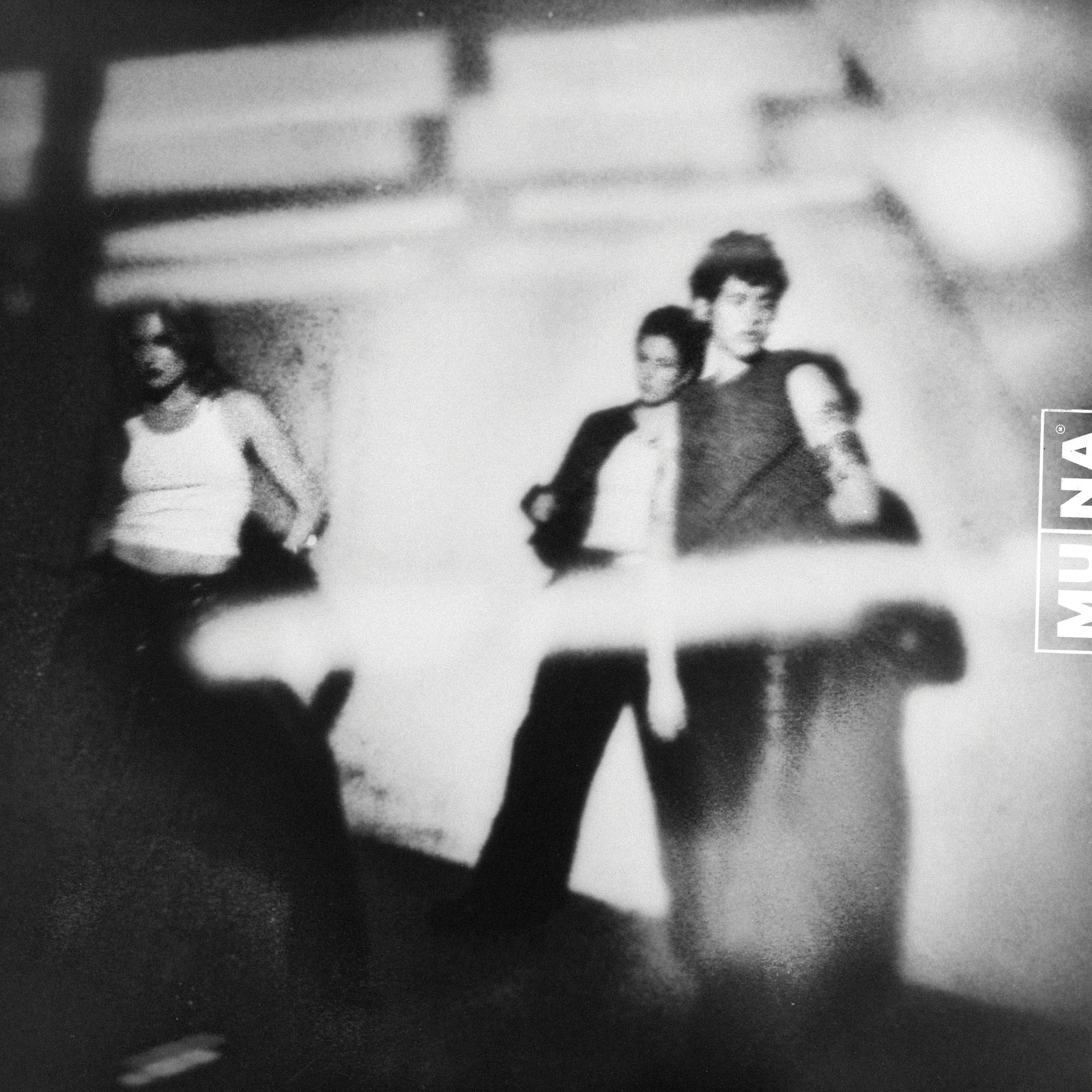
MUNA dares to be bolder, and offers something different: the messy, complicated reality of desire. The group’s fourth album invites us to leave behind the sparkly, euphoric sounds of their early work to sink into something thornier. It is an album that encapsulates the anxiety of wanting things that are ultimately self-destructive and demonstrates cleverness and restraint in places that are of little significance. There is a distinctly self-aware quality to the album’s communal moments. The album takes on the quality of an elusive house party to which you have not been invited, but desperately want to go to. Eastside Girls, lyrically, offers a list of “saphic” essentials that include astrology, non-monogamy, and gender affirming healthcare (and by virtue, transgender healthcare), and renders in her list such an abundance of detail that it becomes a poem of sorts. “Big Stick” has the first-person lyrical take of propaganda, says, “I can make you want anything that I want you to,” and is of increasing discontent with everything from wanting to place sniper rounds on the American state of Palestine to shopping for bomb TikTok propaganda. It isn’t the absence of discontent that makes Big Stick “jarring.” It’s the big song’s point. The album Dancing on the Wall holds as its central theme that being connected to your desire, your community, and your body is deeply and intrinsically political. In their world, you can fuck and strive to treat one another with kindness, and you can rapidly dance while the walls closing in around you. Joy can and must be found, and naivety should be absent. The revolution will need both an abundance of short skirts and rigorous discipline. —Oliver I. Martin
Loraine James, Detached from the Rest of You

Distance was the lesson of the pandemic. For Loraine James, it was something deeper. Despite being invited to connect, when James needed to most, it was technology’s promise to connect that delivered separation. Detached from the Rest of You was born out of James’ idiosyncratic creative crisis. Detached is James’ state of mind, withdrawn from society, floating, severed from reality. “IDM popstar album” is a tongue-in-cheek joke from James to express that the album is unlike her previous works. It’s a complimentary collection of higher pitches, fleeting melodies that show a taste of the length and structure a song should have. James blurs the line between sterile clicks that inhabited the late 90’s and pop music, tiptoeing the line of the glitch works of Alva Noto and Ryoji Ikeda, who preferred to keep warmth and clumsiness out of their music. James flips the narrative, and the works are now the abstract of human connection as opposed to the glitch works that made the same narratives a master of a failing system. “The Book of Self Doubt” is a collection of stops and hesitant beats that blur the line of self-doubt and give voice to the physical self and James’ aural self brought to life, begging people to listen. It’s music made for darkness. The lonely retreat of the mind is the purpose. Detached is James’ absolute of a retreat into the mind against the sedated, jumbled, and pixelated world that is perpetually just outside the window. —Charlotte Rochel
Thee Marloes, Di Hotel Malibu
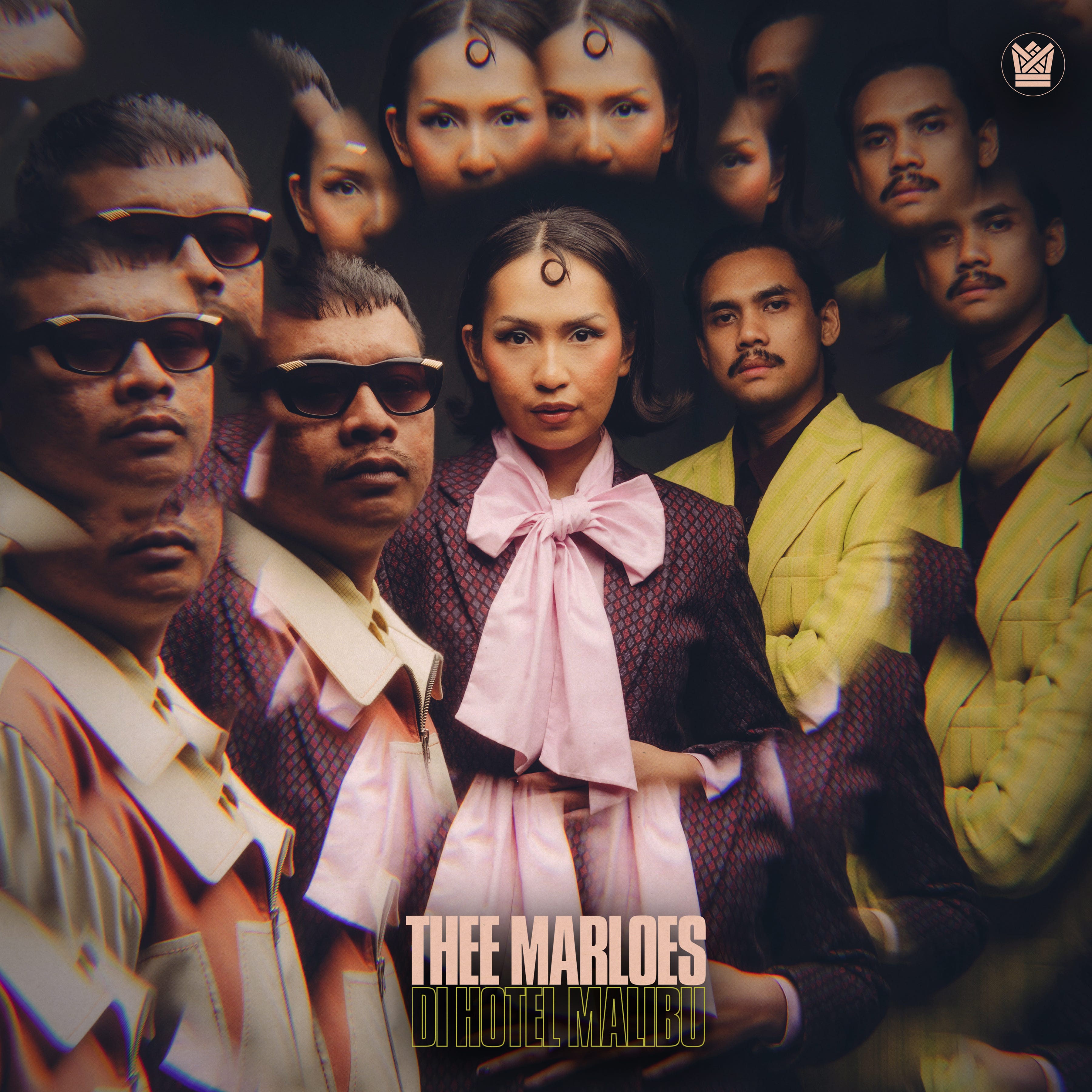
In a Surabaya home studio, the only retro-soul operation in Indonesia’s second city, Thee Marloes has created something that shouldn’t exist. Di Hotel Malibu arrives with Northern Soul grooves fused with Indonesian church choir harmonies, Memphis horn arrangements with Batak prayers, and disco refracting class struggle. The creation myth goes like this: Sinatrya “Raka” Dharaka spent years writing songs after work, then joined by drummer Tommy Satwick. The real turning point was finding Natassya Sianturi at a 2019 local concert. Sianturi’s distinction lies in Indonesian church choir records when compared to her labelmates, making her float every note she touches. On “Di Dalam,” her voice is trapped in a minor key, horn arrangements are unprecedented with no Surabaya musical history and float between a deep cut Rotary Connection and a chimed hymn. “6 Years” tells of Sianturi quitting her job at 29, which her mother believed was crazy for quitting. With furious horns and hi-hats she goes from asking “Tell me when I’m gonna stop” to saying “Be true to myself, put my makeup on, and sing my song.” The arrangement is Raka’s most traditionally retro-soul moment, but Sianturi’s delivery changes everything. Their 2023 debut (Perak) saw eight of the twelve songs released as singles before making them fit in an album. Di Hotel Malibu has fewer singles, longer cuts, one song in Batak, and no English. While other retro-soul artists sacrifice their four-track grit for cleaner production, Raka, instead, espouses detail. —Sierra El-Sayed
AZ, Doe or Die III

After thirty years, Anthony Cruz still gives sentences that do not allow people to distinguish McLarens and murders. This is the third outing in his Doe or Die Trilogy. In this LP, Cruz expands on how fast the McLarens are and shortens the time it takes to die. He shows the formula he has perfected since he opened Nas’s Illmatic at age twenty-two. In “Uniqueness,” Bvlgari cologne gets four bars, but murder only gets half. In “No Need for Lactose,” he describes the perfect element of causality in four lines: crack spots, real estate, McLarens, and enemies. On “Winners Win,” Amar Noir shows off the same deadpan style as his dad while Cruz says that he is the literal owner of the trilogy. AZ, at fifty-four, is still retrospective. His song “I Was Once There Too” says his inspiration as Rakim, Kane, Kool G Rap, and Pretty Tone, he runs through neighborhoods in which he and Half-A-Mil used to chill, to say that he is free now. Half-A-Mil was murdered. So was Phil (not me, though). AZ kept the words and kept going, thirty-four minutes of them, his gold chain, a little thinner at the collarbone than the day he put it on. No one noticed his decade of independent releases pre-Griselda, was the model, and in 2026, when he released again, he said Pyrex, project buildings, and dead friends in the same way he did in 1995. —Phil
Tone Stith, The Edge

After a hiatus from solo releases, Antonio “Tone” Stith returned with The Edge. He spent the time off training as a writer, watching as the deals and contracts he had with RCA vanished, and writing hits. His previous works had a very commercial feel, but his solo debut album gave viewers a glimpse at what was underneath the surface. The Edge contains Stith’s persona of a commercial R&B singer, breaks and shows the longing, frustration, and emotional discontent that R&B artists so commonly express. Kenneth “KP” Paige and Christopher “Brody” Brown categorize Stith’s album as cohesive within the contemporary R&B and Future Soul realm. It contains distorted bass and smartly programmed percussion and synths. The work as a whole is very polished and radio-ready. In the more aggressive tracks, we’re shown the theatrical with aggressive strips of vulnerability. “I Quit” introduced Stith’s confrontational demeanor with the lyrics, “Motherfucker, look like your friend/Hell no/I quit.” Stith is ready to show the world his dark and complicated, truthful inner self behind all the seduction (promised jumps), and biblical leaping images (“I crossed the river/Now I’m born again”). He’s too gifted not to be known, too detailed to be general, located between the bedroom and the church, the submissive demeanor and the raw outburst. —Tayla North
Lord Sko & Statik Selektah, Elevator Music
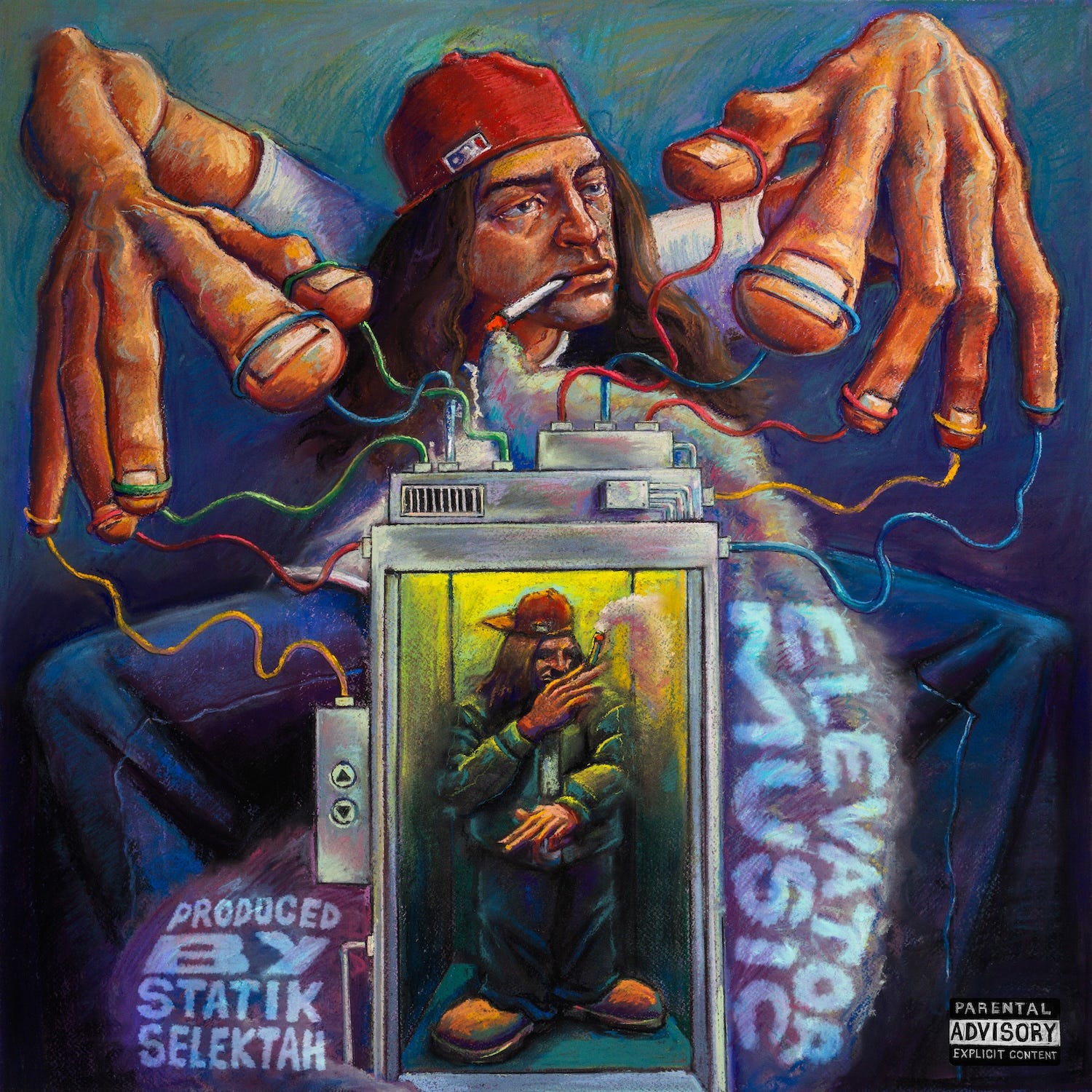
At age 25, Lord Sko brings complex, contradictory disarray from Manhattan. With Statik Selektah, Sko brings verses that will not fit into defined boxes. “Lotta times I’m showing face and probably leaving though,” he acknowledges. The contrast between presence and absence is the defining risk of the album. Statik Selektah crafts cozy spaces for Sko’s fatigue. The piano and drums of “How It Is” emphasize strategy as opposed to show. On “Donnie Brasco,” as he warns us of the folly of dancing to the same song, he prays into orchestral swells on “Star of Wish,” “Pray for another day, I see the light.” The album’s middle section transforms fatigue into a false second wind. In “Wonder,” with a dragging lo-fi piano, Sko’s personal proclamation on generational distance is strongest with “Tryna find it in me as a man to go talk to my father/And time only make it harder and harder.” While B-Real and Smoke DZA are guests on “Northern Lights,” a hazed jazz-soul instrumentation of confession is heard. “Wish Upon a Star” depicts Sko’s aspiration to “get like you” as a long-time goal, honored with a dap and a shift to work. The title of the album asks if music is here to cover the unpredictable progress of an elevator or to remind you that you are going up. —Reginald Marcel
ANKHLEJOHN & V Don, EVERYTHING BEAUTIFUL DIED EARLY
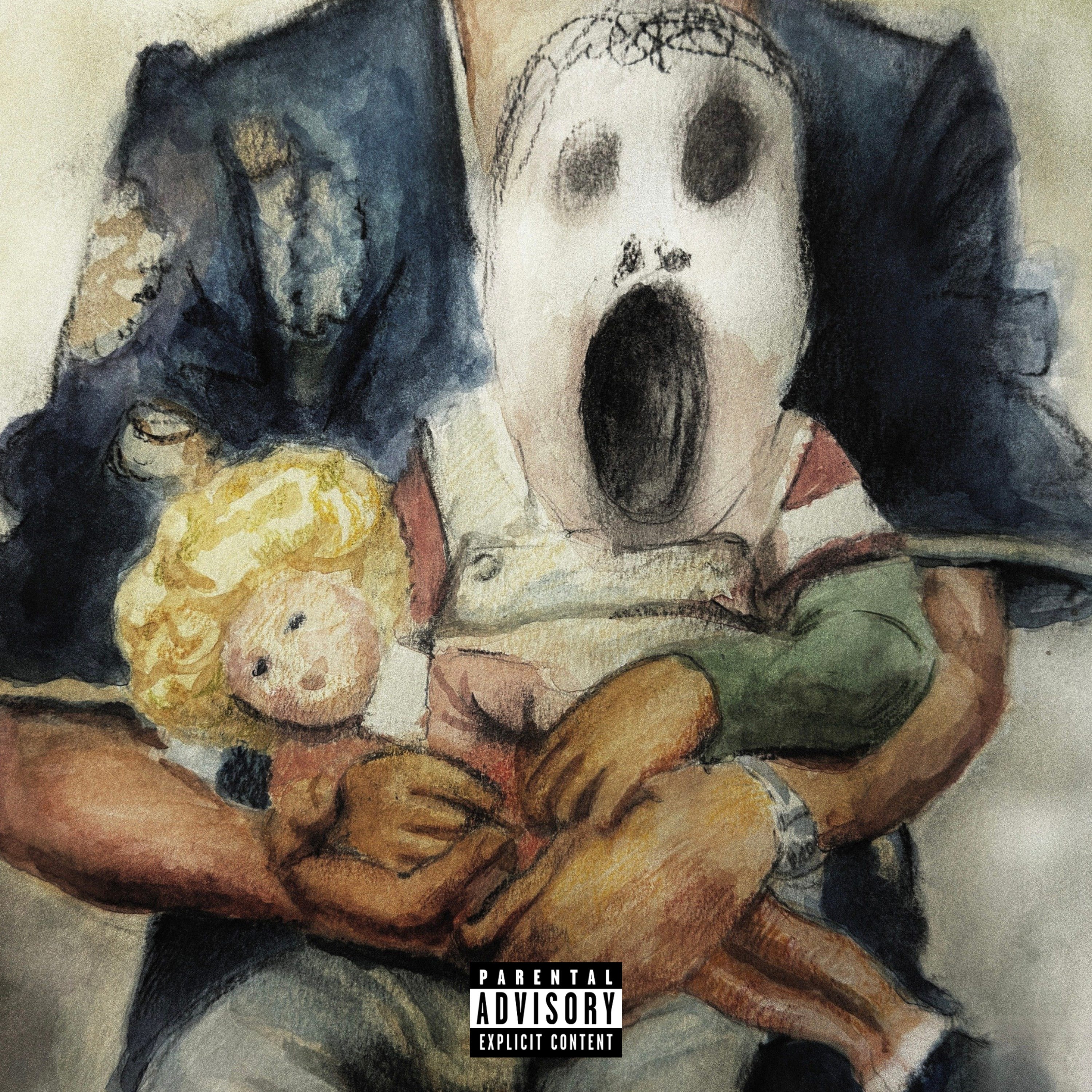
The equation was clear: ANKHLEJOHN had to either adapt or vanish. While some albums adapt his verses through half-completed frequencies, on EVERYTHING BEAUTIFUL DIED EARLY, he challenges himself with production by V Don. Using loops that force dense, powerful bass with siren synths, ANKHLEJOHN has to fight just to find space. The Harlem producer (V Don) comes from outside of ANKHLEJOHN’s underground scene from South to East Coast with platinum credits from A$AP Rocky sessions, and brings his own instincts to ANKHLEJOHN’s first cross-borough collaboration for Shaap Records.
This reveals a new direction for an artist who has an unpaired, singular (despite Spotify mislabeling it as ‘AHNKLJOHN’ on D.C. billboards in 2021) six-year management of Shaap Records. Similarly to Roc Marciano’s Marcberg, V Don’s loops and bars are dry, and ANKHLEJOHN has to find his own space to create negative space in the density. On tracks “No Specifics” and “Trauma or Tragedy” they lock into the gear and maintain it. During the album’s less active sections, the parts that need the most power, ironically, get the least. In “Day One,” one could decode, somehow, the exact same imagery from each artist with the same vision, neither artist looking to take the brush to a looped voice illustrating the verse, which takes a step outside of rap. However, when the formula comes together, when slamming your head against a wall becomes a form of strategy, when claims that would be apocryphal on the street become scientific, EVERYTHING BEAUTIFUL DIED EARLY shows us that collaborations are productive only under the conditions that each participant must literally be tortured to deliver a line. —Deja L.
Kneecap, Fenian
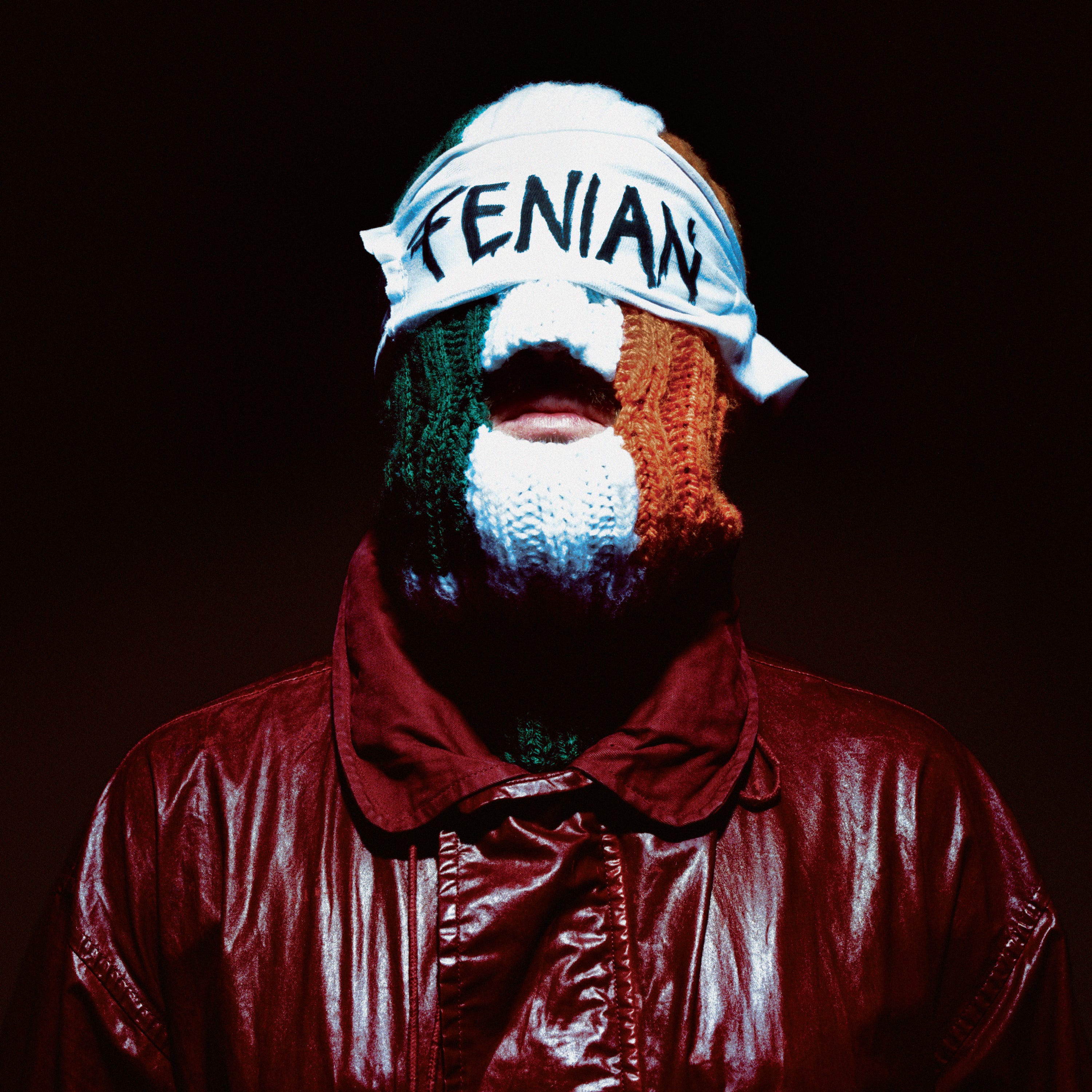
The British government has received many things to their disapproval in history, but Kneecap, with their new album, Fenian, might be the best of all. Making its way through Belfast, Kneecap’s first release since their 2021 release, Fine Art, is an album bursting with creativity. It’s the breath of fresh air the rebellion movement has desired. Each song is a message being sent through Downing St. with a forcible push. With Keir Starmer in power, Kneecap has suddenly become a much larger, more threatening figure. This is primarily due to their support of Palestine. Mo Chara (the group) has faced legal problems for various reasons, one troubling instance being the group’s support for the violent Hezbollah group, as a flag was tossed onto the stage. This group has faced much criticism with their self-made documentary, but overall, has received immense support and proved to be inspirational for many. With this movement, the group decided the best way to combat the criticism was to make an album. Each song is a message they are crafting. There are various discursive elements layered in the album.
As the names of the songs portray, “Carnival” speaks to Mo Chara and their court cases, and “Palestine” speaks to the current situation in Palestine and the case of genocide, with an Arabic verse being rapped by FAWZ. “Occupied 6” left no room for error or misinterpretation–the 6 counties within the Northern part of Ireland are occupied. Kneecap is not solely a group to be labeled as militant republicans. They also go after the RAAD group with their song fictitiously named, “Radical Republicans Against Drugs. They also sample the saying “Tiocfaidh ár lá” (our day will come) in an ironic way within the song to say that it’s true to talk nonsense at parties. With various effects, the songs bring a feeling of dread to the listener, but they also give a feeling of elation. With the song “Cocaine Hill,” you are likely to feel frustration; it is an instant classic. Finally, the album ends with an amazing collaboration with Kae Tempest on the song “Irish Goodbye,” which is a wonderful addition to the album. While the British Government struggles to maintain control over its country, the UK’s left-leaning artists have given it their warmest welcome. —Brandon O’Sullivan
Monday Night & Evidence, Football
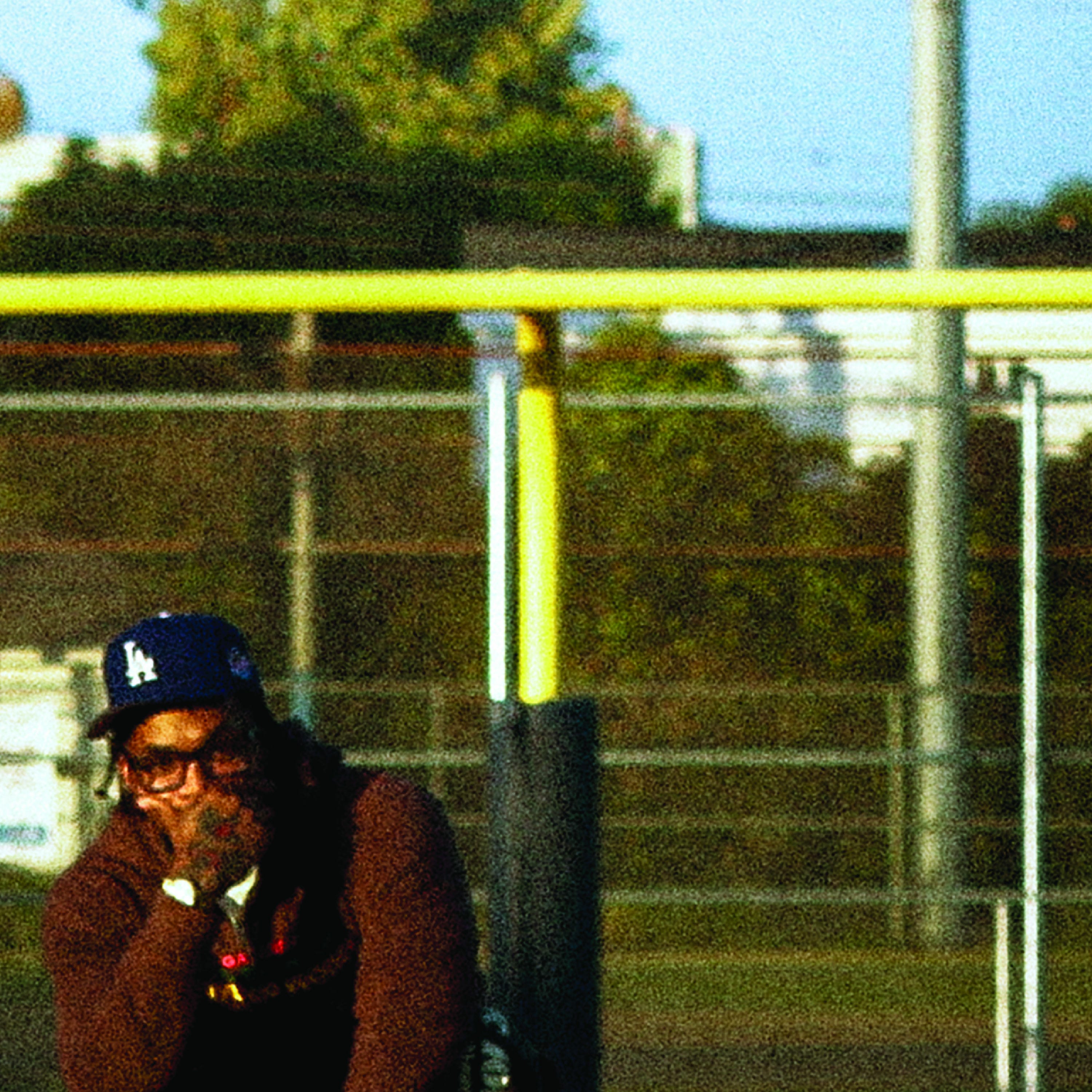
When he linked with the Los Angeles producer Evidence, who built every loop here and never picks up the mic, Monday Night had spent the better part of a decade releasing album after album. Football is ten tracks of that hurry pushed to the edge of legibility, internal rhyme crowding internal rhyme, football and athletics imagery running through the hustle talk until the whole thing moves like one long sprint. He calls audibles, raps like he’s floating over a rival’s head, tells somebody to be themselves or get shot, and the speed almost hides how much hurt is packed underneath. The hurt keeps surfacing anyway, even when it has to fight the boasts for room. “Muscle Memory” drops “RIP Aunt Elsie” into the middle of a flex and keeps moving, then admits near the end, “I was thinking about my Aunt Elsie this whole time/My eyes felt pressure, so I rode blind,” before closing on “I show up for you like my auntie/I really know my role.” On “Lighthouse,” a loss tied to his pops turns into “It was the closest thing to my pops, I spent that shit,” folded into a fantasy about swapping his life out for one that rhymes. The money stays cold and practical on “1st & 3rd,” a Wells Fargo stash under the mattress, rent due, “the only appropriate verb is servin’.” Through every bit of it the self-mythology holds: “You can’t research me/I’m an anomaly.” Domo Genesis, 3Way Slim, and Fly Anakin trade verses shoulder to shoulder with him and never once get louder than the host. Football is a sprinter’s record about everything Monday Night can’t outrun. —Cierra Marcel
Ronday & Wino Willy, From Babylon to Baton Rouge
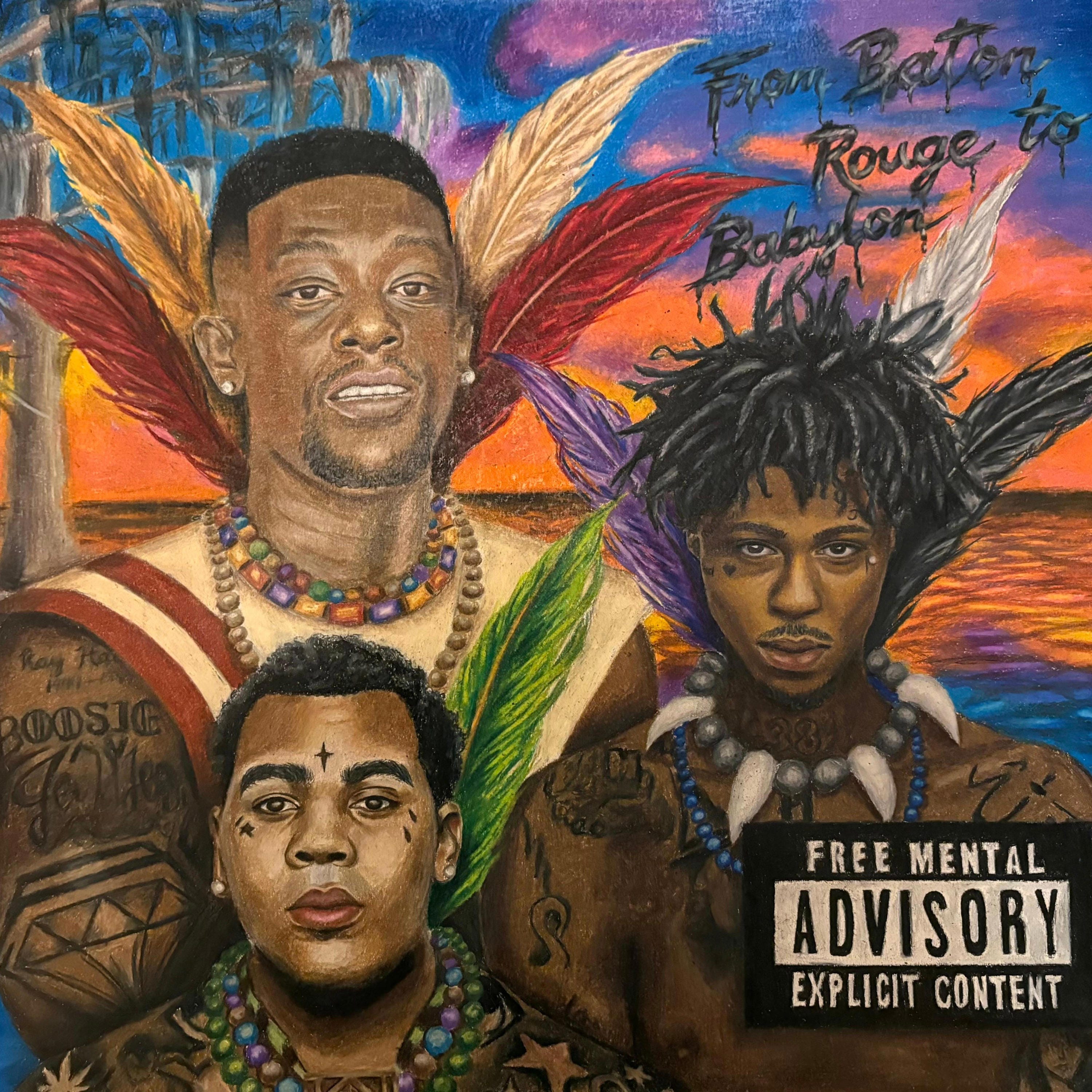
Ronday’s theology begins with his experiences from a Baton Rouge corner store and a sparse Ottoman Park. Black Panther philosophy intersects with Louisiana street sermons, and Ronday does this while working with producer Wino Willy, whose recent collaborations with other artists Sean Mach-Hommy and billy woods have been good. Ronday describes a place where Huey P. Newton references skeletal loops, which were made for a borough far away, and other things. “Back from the West” goes through jazz late at night, while Ronday calls himself “strapped from the toe to chest,” with “more respect for the vision,” and has a delivery that is reminiscent of Big K.R.I.T. He does this while speaking with a conversational style and jazz. When bright Rhodes notes push forward on “COLLEGE DRIVE,” Ronday uses the verse to boast, saying, “I blush at my reflection as you stretch ‘cross the flesh of the Escalade,” meeting which breath he is flexing, a confession, and a warning about Baton Rouge sisters who play rough. Who else is able to do this while threading Pharaoh’s plague to Silicon Valley, to Aviana’s corner hustle across from Club Eure, all in the same verse? Ronday is his best self while writing for Wino Willy’s pocket arrangements, packing framed bass lines with the right words. —Harry Brown
Jeff Parker & ETA IVtet, Happy Today
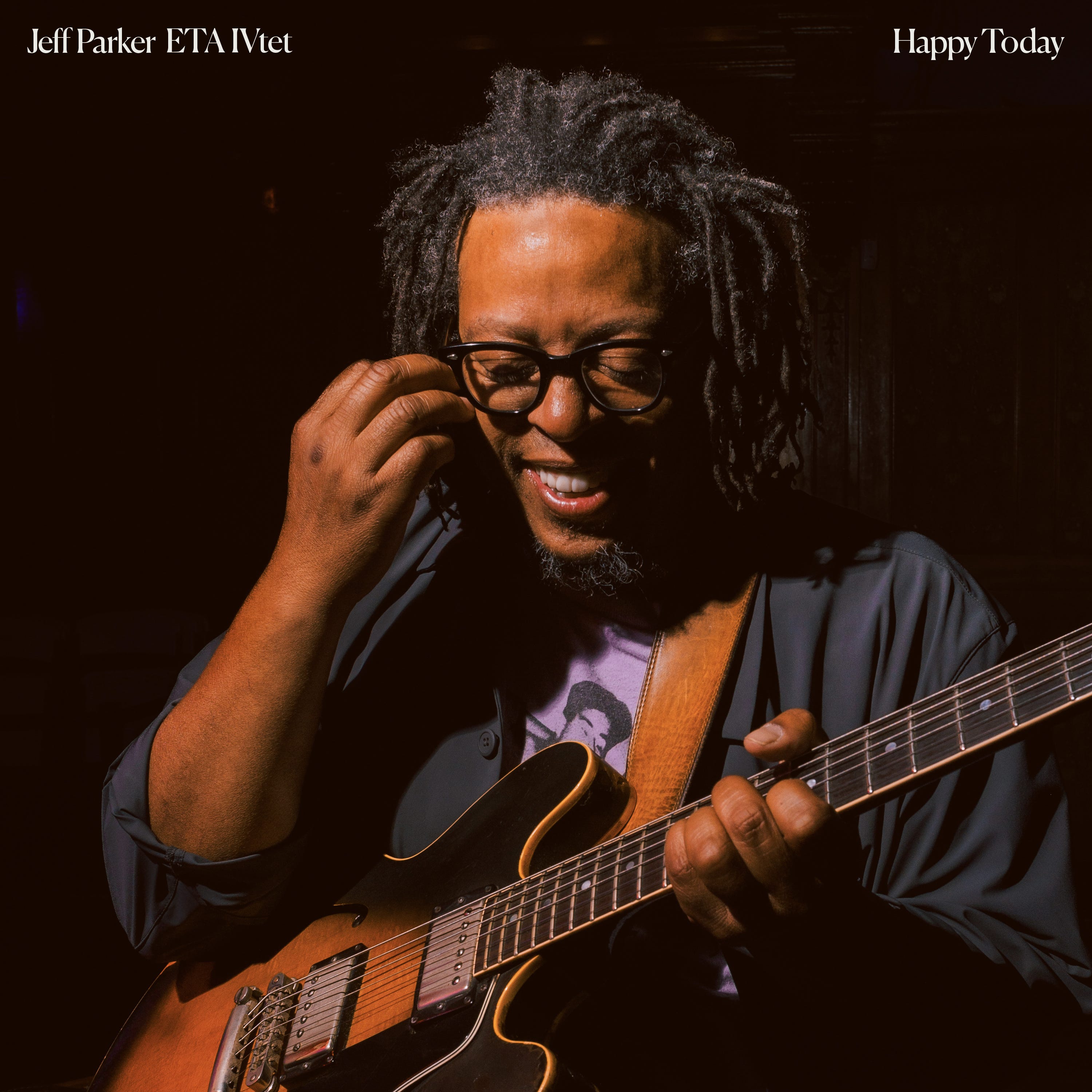
The closure of Highland Park’s Monday night bars shifted Jeff Parker’s ETA IVtet residency from Highland Park (HP) to the Lodge Room. They used the theater of the Enfield Tennis Academy in the Highland Park/HP area of Los Angeles as a lab for seven years. They developed the kind of improvisational language that can only be captured live. Jeff Parker intended to record the band’s first studio album in August last year, but the recording engineer at the time, Bryce Gonzalez, recorded the band live for a period of time that ultimately cannot be replicated. The band members opted out of recording a studio album later. For 400 people in a packed audience sitting in a semicircle, he captured the band’s sonic telepathy during an improvisation session. “Like Swimwear” builds from Parker’s vamp to a chaos that unfolds and quickly weaves through hand percussion and threads Jay Bellerose and Anna Butterss’ bass with Josh Johnson’s saxophone. The sole two tracks of the LP stretch over 20 minutes and capture the essence of what is possible in an improv session that is pre-planned and yet completely unrestrained. It is Parker’s play and Anna’s locked bassline that anchor the chaos while Butterss’ bow creates a brilliant mix of both chaos and order. —Murffey Zavier
Boards of Canada, Inferno
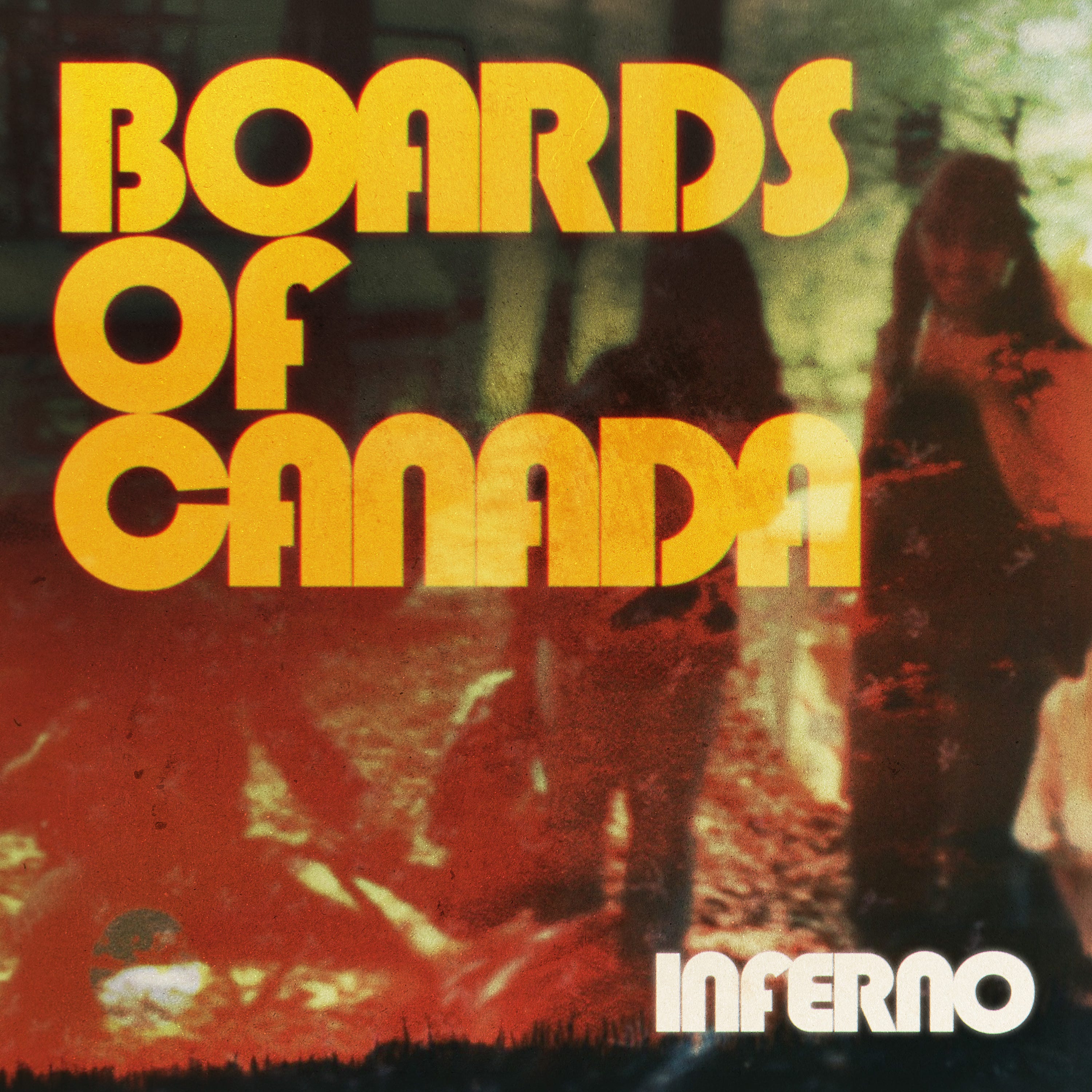
The elusive duo is indeed back with their fifth album in nearly three decades—their first since Tomorrow’s Harvest (2013)—on which, this time around, they seem to cast an anxious gaze upon our world. A hellscape, an Inferno: Boards of Canada has never articulated a concept so lucidly. For the first time, too, the two musicians employ electric guitars and studio-recorded percussion—appearing first on “Prophecy at 1420 Mhz” early in the album, and later on “Into the Magic Land” (a track that feels Cocteau Twins-esque distinctly). The suave nostalgia that colored their early albums gives way to the sonic backdrop of an old thriller: the 1990s-era synths feel heavy, the bass pulses often lugubrious; yet the rhythmic structures—languid breaks inherited from hip-hop—bear the duo’s unmistakable signature (with “The Word Becomes Flesh” evoking their classic “Telephagic Workshop”). Midway through the album, the magnificent “Naraka” (referencing the Hindu “hells”) and the subsequent “Arena Americanada” add a welcome melodic touch. —Oliver I. Martin
Vic Spencer, Inspire Your Idols
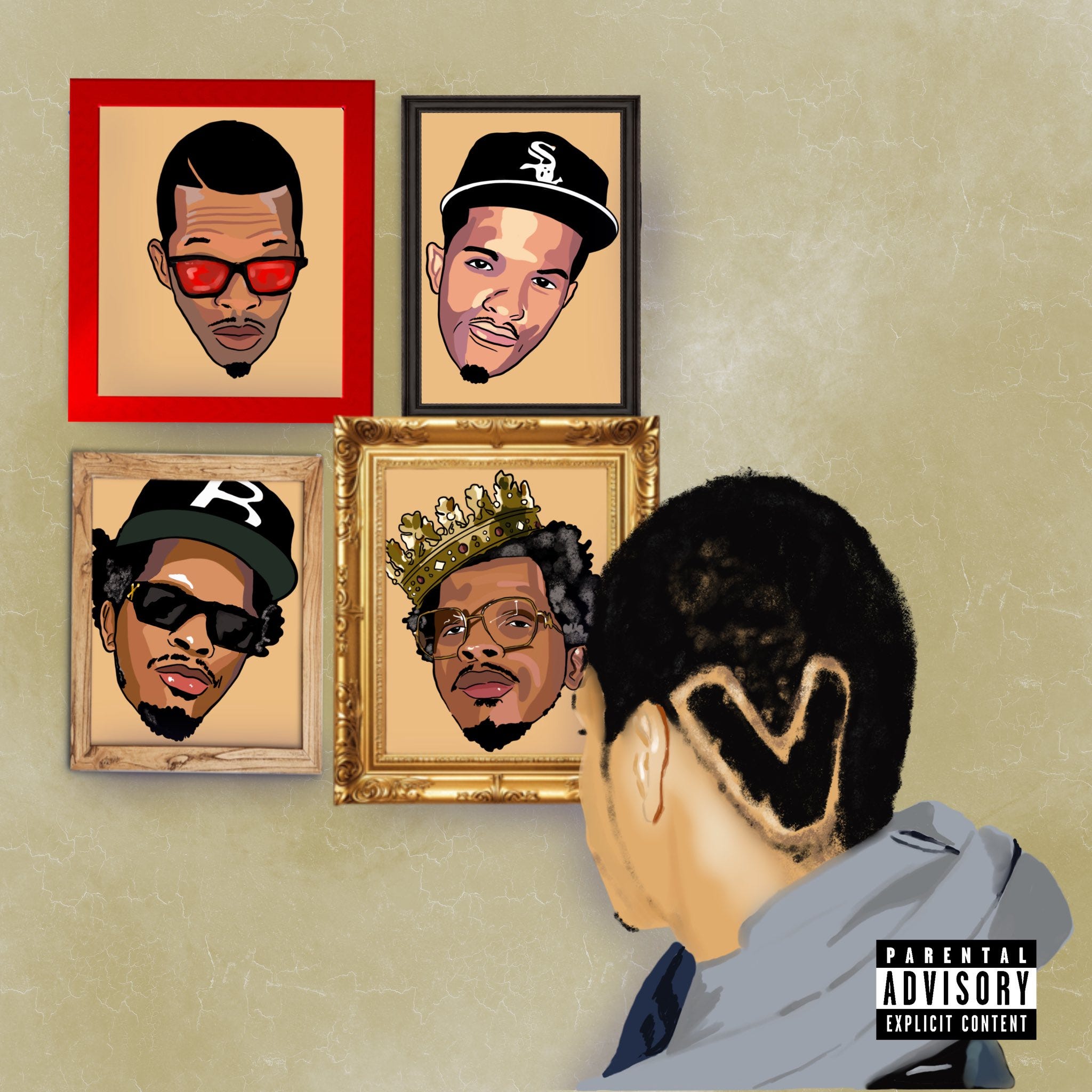
In Vic Spencer’s world, rather than provoking a visceral reaction, the furniture of violence serves a completely different goal. In Inspire Your Idols, as opposed to displaying threats as trophies, the Chicago veteran uses threats in his lyrics like yesterday’s news; something to be avoided on your way to your next task. He continued with his Emotional Cheat Sheets and the Iron Wigs side projects. The latest effort is short and sweet, like the collaborations. August Fanon, along with a rotating cast of producers, provides some boom-bap backing. In “Amazon Trucks on Spokes,” against a fragmented beat, he says he’s a pyramid, a nod to his pen game. The boast flips to his competitors, explaining their skills are subpar. In “Puncture Your Lungs,” he explains he’s run over people with trucks to quote “that was the half of a month.” It lands perfectly because Spencer has always tried to do the impossible by making the ordinary extraordinary, and violence routine. Inspire Your Idols is not an attempt to gain your understanding or to gain your admiration. It chronicles a South Side lifer who helped to pioneer Chicago’s modern sound while remaining completely loyal to boom bap roots, writing at his best and influencing all but possibly himself. —Okoye
Courtney Bell, It Gets Greater Later
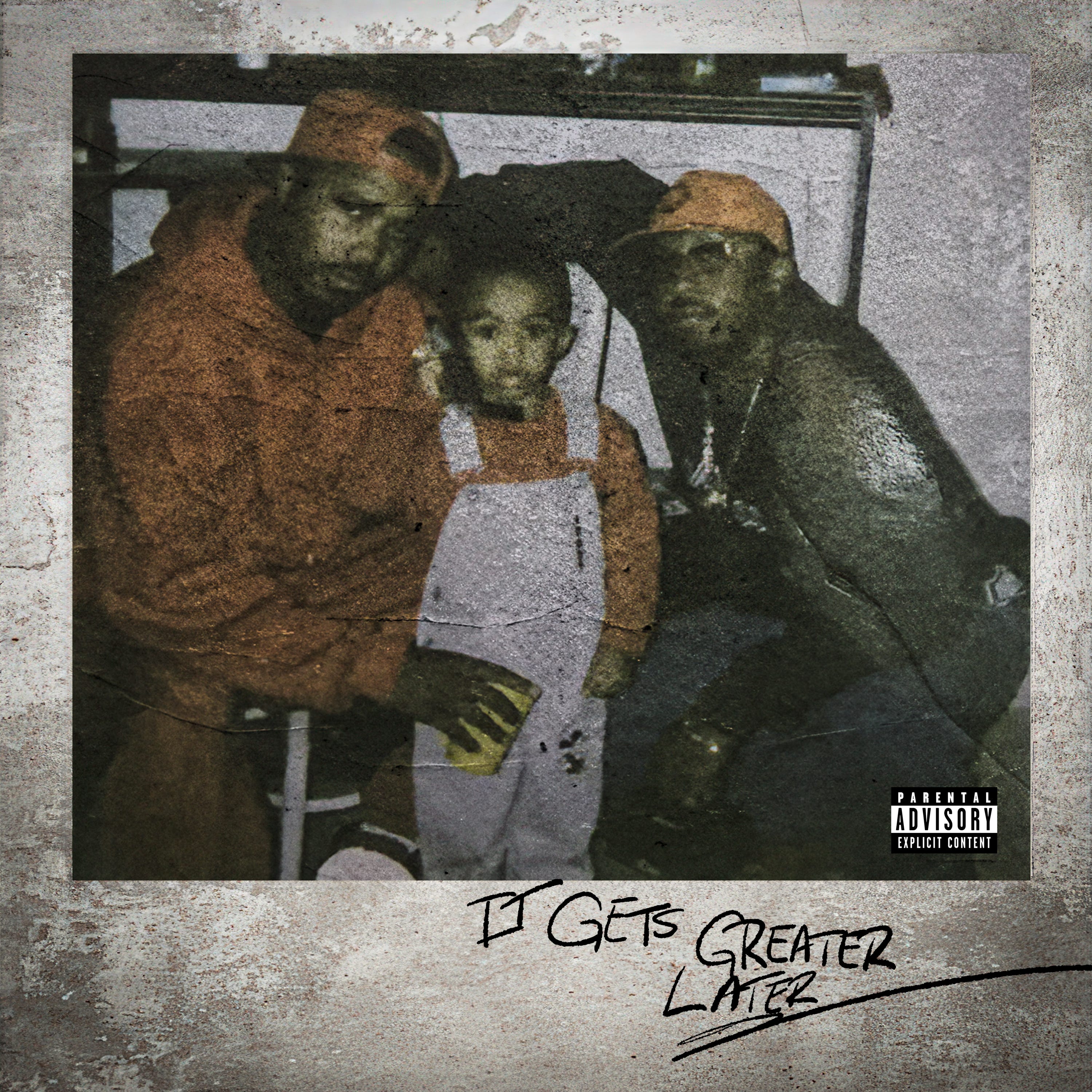
Courtney Bell’s friend informs him, on the intro to “Wounded Healer (Book of Eli),” that his image does not match what he’s spitting, “Your image don’t match what you spittin’, you look like you slain.” His only recourse is that his friend has no clue what he’s been through. The Detroit rapper is narrating his suicide plot under the premise of divine protection, “Plannin’ to make my exit, headshots on my checklist.” The church-rap tag slips one more level. Scripture is what is doing the heavy lifting for Bell, the only thing keeping him off that checklist. “Said I’d go sober, but I can’t,” he cries on “Everyday,” a vow made that was already broken. The loop underneath the track, produced by Keith ‘Pay Cash’ Miller, just repeats that same morning again. Recovery is redefined as an ‘on’ button at all times wellness plan, Reiki and breathing exercises substitute the coffee in the loop, sitting alongside “Back to back funerals, I black out at the coffin.” “Problems” serves him with the mess of another person, and he skips the moral and folds himself in: “Before I seek therapy, I seek a bottle,” a line duplicated almost word for word by Benny the Butcher on “Bang.” However, it is on “Thank You” that impossible on paper, a list of thank yous for his “two DUIs,” the officer who found him on the night he should’ve died, and for “RCA and Sony taking a chance/I was young and fucked it up.” —Termaine M. Scott
Isaiah Rashad, It’s Been Awful
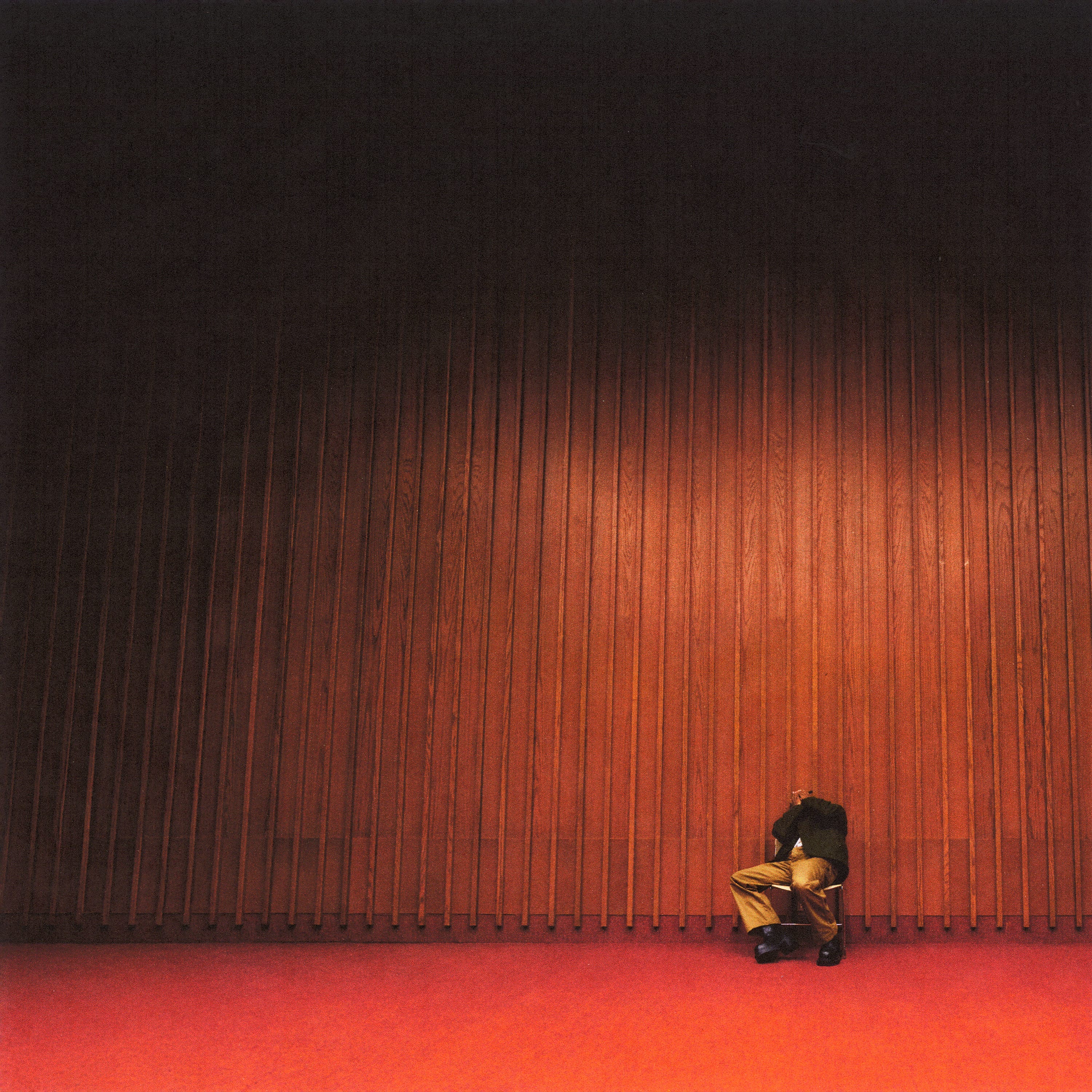
They’re not just a little inspirational pick-me-up that TDE threw in merch orders to support a fanbase that has had its fair share of ups and downs; “I just want to see you smile” is this year’s most incisive example of cruel misdirection. Isaiah Rashad was not the second coming overall. It’s Been Awful is a relapse diary—and that’s not even the most fucked up part. It names the substances he can’t stop doing and the people he has hurt while doing them. The production by KTC and Julian lends the album a sonic cohesion that the lyrics lack. Rashad’s confessions of crystal meth use bleed into love songs, bleed into freestyle sessions, all reeking of that lethargic Southern style. Rashad’s doctor warns him about irreversible damage to his heart, and his mother cries in a desperate plea for him to come back home. When he leaves his family to choose money and drugs over love, it is shocking. “Act Normal” depicts 12-year-old Rashad and shows how this family of sex addicts, parents and all, Rothschild, shows how this family, including Maxwell and Rothschild, were addicted to sex; parents included. The chilling question he poses to the audience is one that he never expects to have answered: “What is love when I don’t trust a boy or a girl?”
Across the third record, sobriety is nonsensically romanticized and marks most of Rashad’s restarts, with “The New Sublime” warning against romanticizing Percocets, “M.O.M” saying don’t do a line then two bars later saying pop two, and “Scared 2 Look Down” setting the quitting limit to eight. On “SUPERPWRS,” he has many unanswered confessions: how he survived, no clue; how he got clean, then messed up, then got clean again, no explanation. The most haunting moment of the record occurs when someone threatens to end their friendship if he doesn’t change. Rashad asks, “Damn, you don’t wanna be my friend no more?” A few bars later, he states, “Say I’m never going back, but then again, I don’t know.” It’s Been Awful opts out to conform to the emotional redemption arc, the cautionary tale, or the recovery narrative. Rather, it is the documentation of a man who is methodically destroying everything in his life; there is no resolution of any kind in sight. —Phil
Deante’ Hitchcock, Junkie in the Sun

The longing that propels Deante’ Hitchcock’s 3rd album operates like gravity—constantly, and almost invisibly, drawing everything into its depths. A 33-year-old native of Riverdale, Georgia, Hitchcock leaves behind an unfinished chapter of what would have been an ambitious trilogy (Good in 2016, Better in 2020) to produce his 3rd album, from the trilogy’s planned finale, Best. With the help of Brandon Phillips Taylor, the album’s producer, and one of the warmest, soul sample-based tracks, Hitchcock is delivered an emotional canvas. A constant emotional frequency across the album, it enables his delivery style, which is conversational in nature, to shine. However, it is in “Almost There” where the album’s most terrifying moment occurs. In the track’s most memorable, and possibly one of the spookiest moments, Hitchcock is described as having a .45 in one hand. His voice, in a moment of a psychological break, is split, with one of the many arguing inner monologues dismissing him as ‘stupid and useless,’ while the other, more sympathetic element, begs for him to spend time with his son.
Dismissing both voices, there is a psychological break in the middle of “The Cycle.” In the track’s second stanza, there is a split, and the controller of the monologue shifts to the victim, with the shooter then assuming control. The title track lists so many things that the narrator wants: wanting to see life looking back at his mother, wanting people to stop calling him Dante, wanting to be able to prove something. Then the reversal: “But maybe he was here before on the low, and this go around, he just tired of chasing.” The assumption that everyone wants what you want for them falls apart. Deadpan verses on “Funny Thing” are filled with irony. Street fights between him and his brother and one in which he is praising God for his good lungs right before he smokes, leading up to a sequence that goes from “Fuck niggas ain’t supposed to ride” to lying to government officials to hummingbird to his grandfather dying. —Daliah Green
Jarrod Lawson, Just Let It
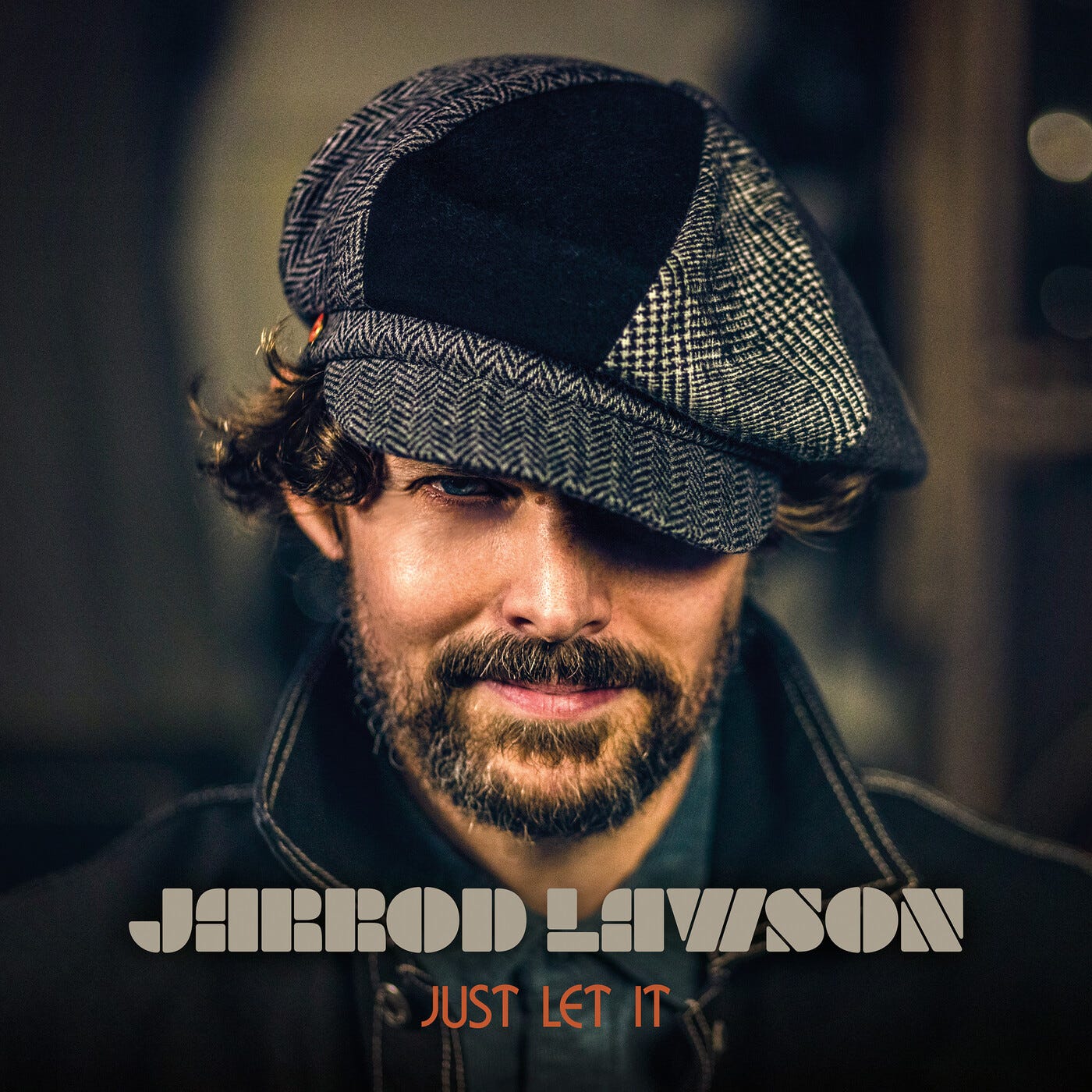
Pacing himself in the same way he did as a stone mason, Jarrod Lawson made Just Let It as a first-time producer, singer and sonically gifted artist from Seattle. He builds layer upon layer of falsetto vocal harmonies over thick instrumental layers. Being the patient musician he is, each vocal and instrumental layer he pieces together is spaced out. Lawson really digs deep to create a vocal illusion as he layers his harmonies in a ‘pipes’ style. For an album that takes its time to speak, there is a sudden burst of directness from Lawson when he reaches the song “Smoke Me Out.” It speaks of Lawson zoning into the streets and sharing the loss of life of a street boy and a boy from two doors down. In the song, there is an abundance of people telling Lawson to leave, but instead of smoking him out, he will stay. On “Laugh at Yourself,” Eric Roberson shares the album’s most hilarious moment, as he recalls the experience of stubbing his toe and the message he got from the voice of God telling him not to worry because he has 9 more toes. In good humor, that message between the toe-stubbing man and God has more character and depth than the advice songs scattered across the album. —Fallon Reese
Tank and the Bangas, The Last Balloon
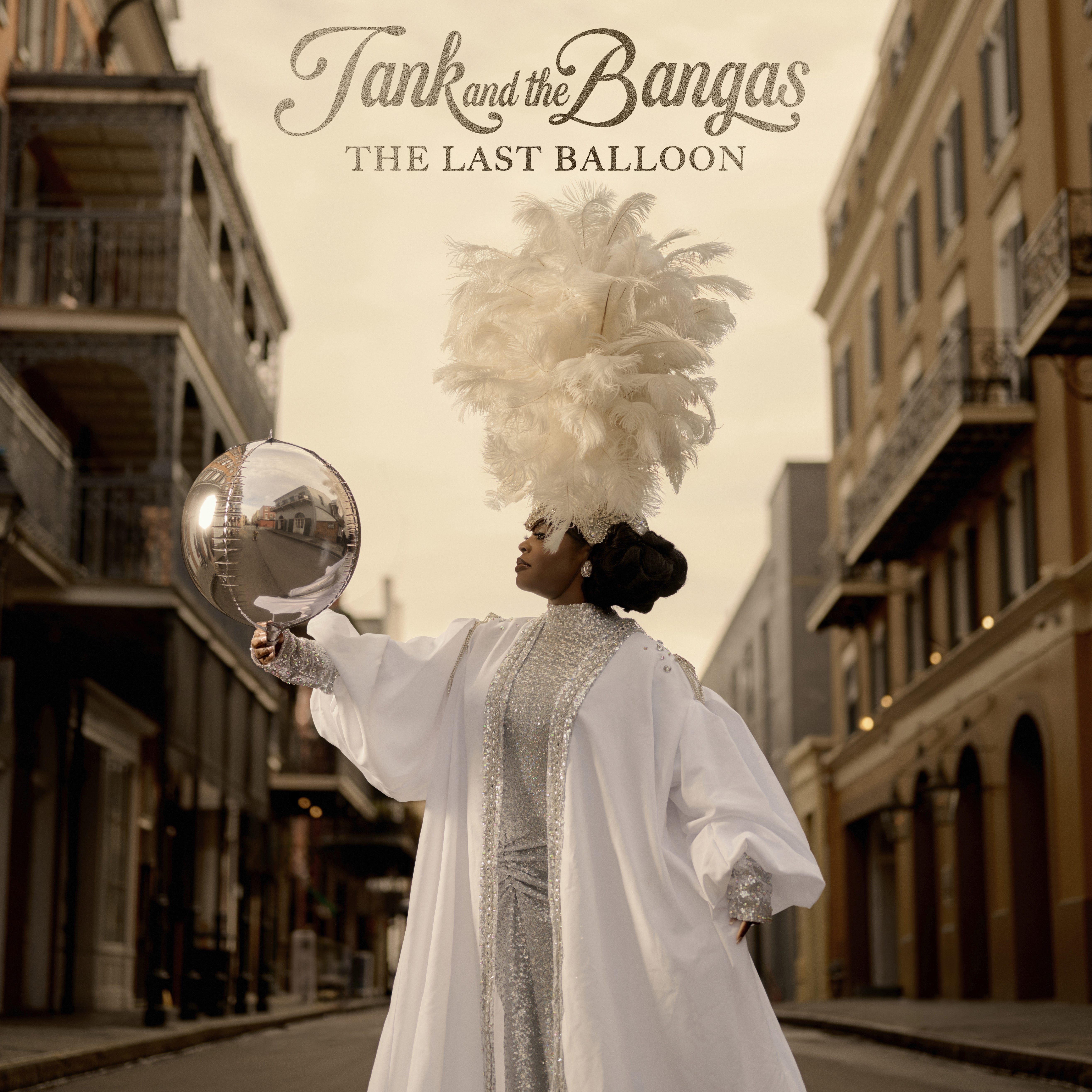
Three albums in on her solo career, Tarriona “Tank” Ball has learned to let the room breathe. The Last Balloon begins with “Rest,” where Ball begins to speak over a choir with the electric piano, and Ball once again establishes the liturgical then funk order she’s held since 2013’s ThinkTank. This time, Ball isn’t pronouncing every chorus from the above arrangement. In Green Balloon, she was in pursuit of something that earned her an unwanted Best New Artist nomination. The generosity here is striking. Ball gives the title chorus on “Don’t Count Yourself Out” to Dawn Richard and only answers between lines. She steps offstage so her guest can be in the spotlight. Ledisi gets a full verse on “Whole World,” followed by Ball with “Okay, bad day that’s just one in a million... I’m done people pleasin.”
The funk returns on “Move,” where Ball is the reqester on a Camper and Rob Debose with a walking bass line on the track while Lucky Daye sings about watering power flowers while a bass line is walking. “No Invite” finds her half shouts “I might start a riot, get that motherfucker started” over Josh Green and Austin Brown’s stuttering bass and sax bleats that won’t quiet. Banga Anjelika “Jelly” Joseph’s “Jealous” puts her at the front as she invites Spence’s syncopated funk pocket as a peace offering. Joseph left in 2022 to front Galactic. She appears as a guest on this track. On “Nighttime,” Ball drives off with a “Most of me stirred up like some Kool-Aid, but I’m drinking Alize,” resting over a Kindred the Family Soul sample, as The Quarter is wet and she is alone. It’s been a decade since ThinkTank. She is at her own pace and has nothing left to prove. —Kenya DuRant
6LACK, Love Is the New Gangsta
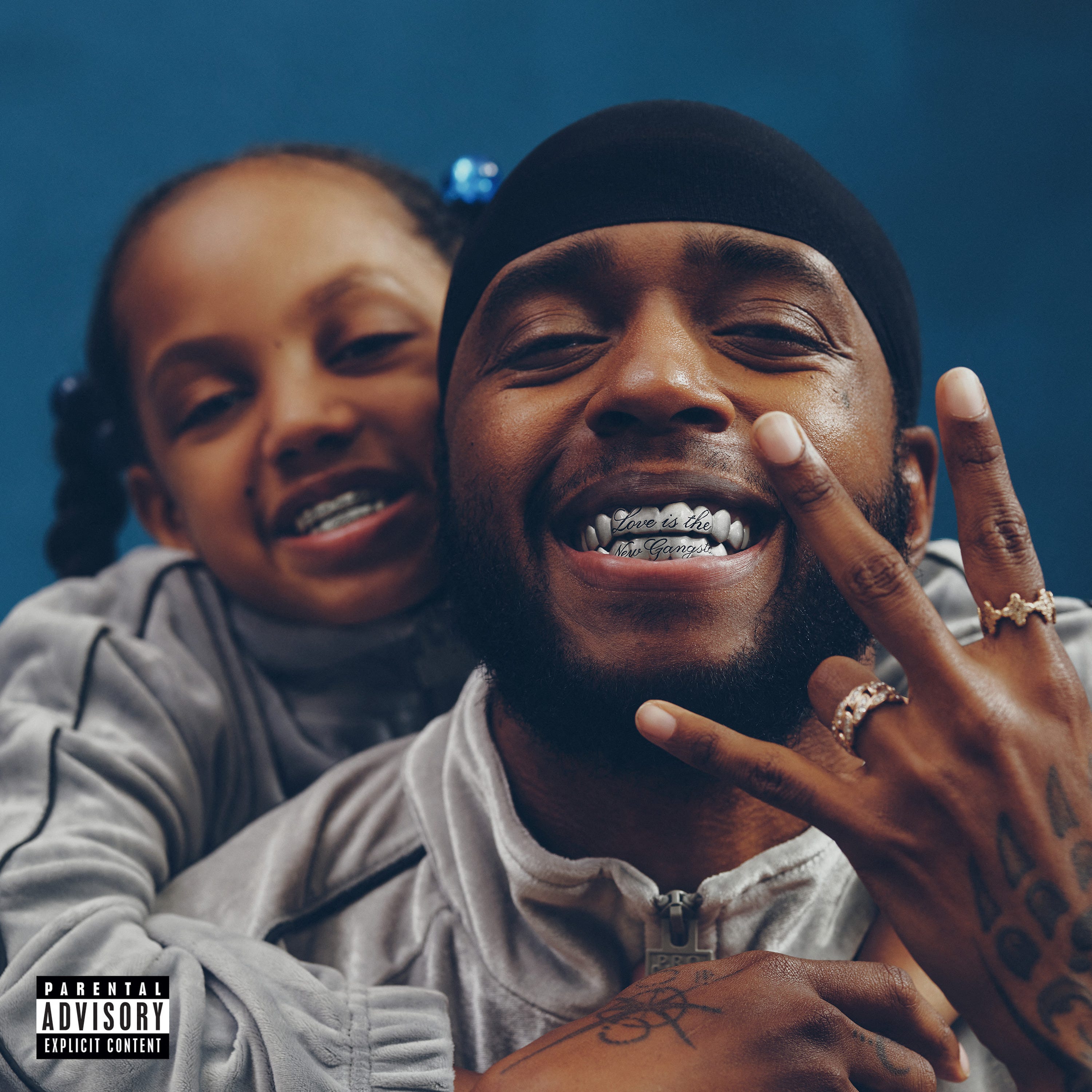
It feels like 6LACK’s fourth album lives in contradiction. There’s a guy opening up his album with bounties on his exes (“There’s a bounty on your head, post one to post just for whoever want this bread”), and there’s the guy who tells us that laying your head on someone’s chest is the safest place in the world. It’s this tension that Love is the New Gangsta lives in. We find it in the heart of a luxuriously appointed dream villa, with 6LACK singing along with Odeal on “Water,” then taking each and every piece of his life, from every aspect of his downfall, and setting it up for the world to hear. On “I GUESS” he is the guy at the door with his hands up, wondering why he’s being let in while the girl with the gun is apologizing for letting him in. He sets up the scenario for her to open the door and reveal the gun in her hand while he narrates the story. On “Ashin’ the Blunt” he teams up with Young Thug, who’s been incarcerated for RICO and has been hit pretty hard by the whole slammer experience that has left him paranoid as all hell. There are plenty of moments of grand excess, specifically in the magnificent “Wifey Baby Mama,” where 6LACK delivers his best rapper in love verse, where he mentions NFL player Marshall Faulk and describes his South of France courtship where he’s sliding into a fellowship of politickin’ and church attendin’ with his “wifey baby mama.” Yet, there are still attempts at profundity, where “Fellowship and politickin’” is the line, and there’s still cheese being sliced and diced. —Tunde Albright
Young Chris & MadeinTYO, Made In Philly
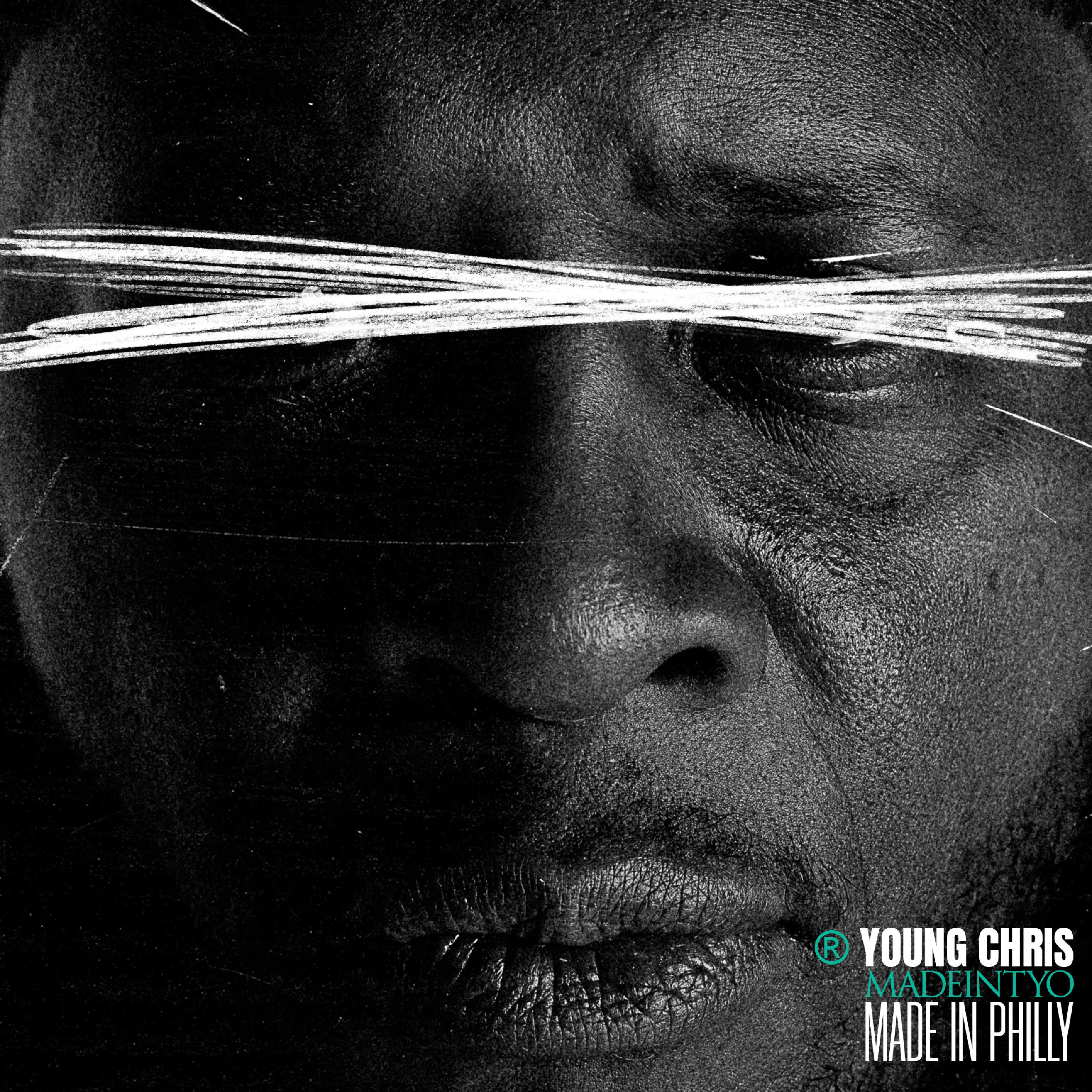
Twenty years ago, the come-up was the entirety of the pitch: a Honda became a supercar, a Roc-A-Fella chain, the cadence of the State Property Kid who it was said Jay-Z studied carefully. Half of Young Gunz now opens a verse on a yacht, the rosé is toasting in the middle of the ocean, the diamonds will only be sold if they bring commas. Taken alone, those bars on “Fine Wine & Steak” do nothing that a thousand luxury records before them have already done. A few bars later Young Chris flips it. The pre-meal prayer in the passenger seat, the bread shipped from commissary to the dogs behind the gate, “Family and Benjamins only thing important,” the toast and the Glock 23 aimed at one of the heads. The grief and the flexing never quite manage to sort themselves into separate songs. The come-up chorus on “From Nothing” rings loud then the verse takes it apart: “Too much overthinking, I’m thinking I need a session.” He calls a therapist. He walks out. The “Trauma from them gunshots pinging” is a wound he gives a name then leaves to air out. Lloyd Banks comes in pitching towards the positive; each of his lines ends in a good outcome, Chris stays in the present tense and the question of the come-up is still alive in his mouth. Freeway, from the same State Property label, collapses the bravado mid-verse on “Too Strong”: “My kidneys failed, y’all thought that shit was over/Then I got the transplant.” The purge buys a single quotable, “All I see is miracles.” —DeShawn Ellis
Hil St. Soul, Nasalifya (Thank You)
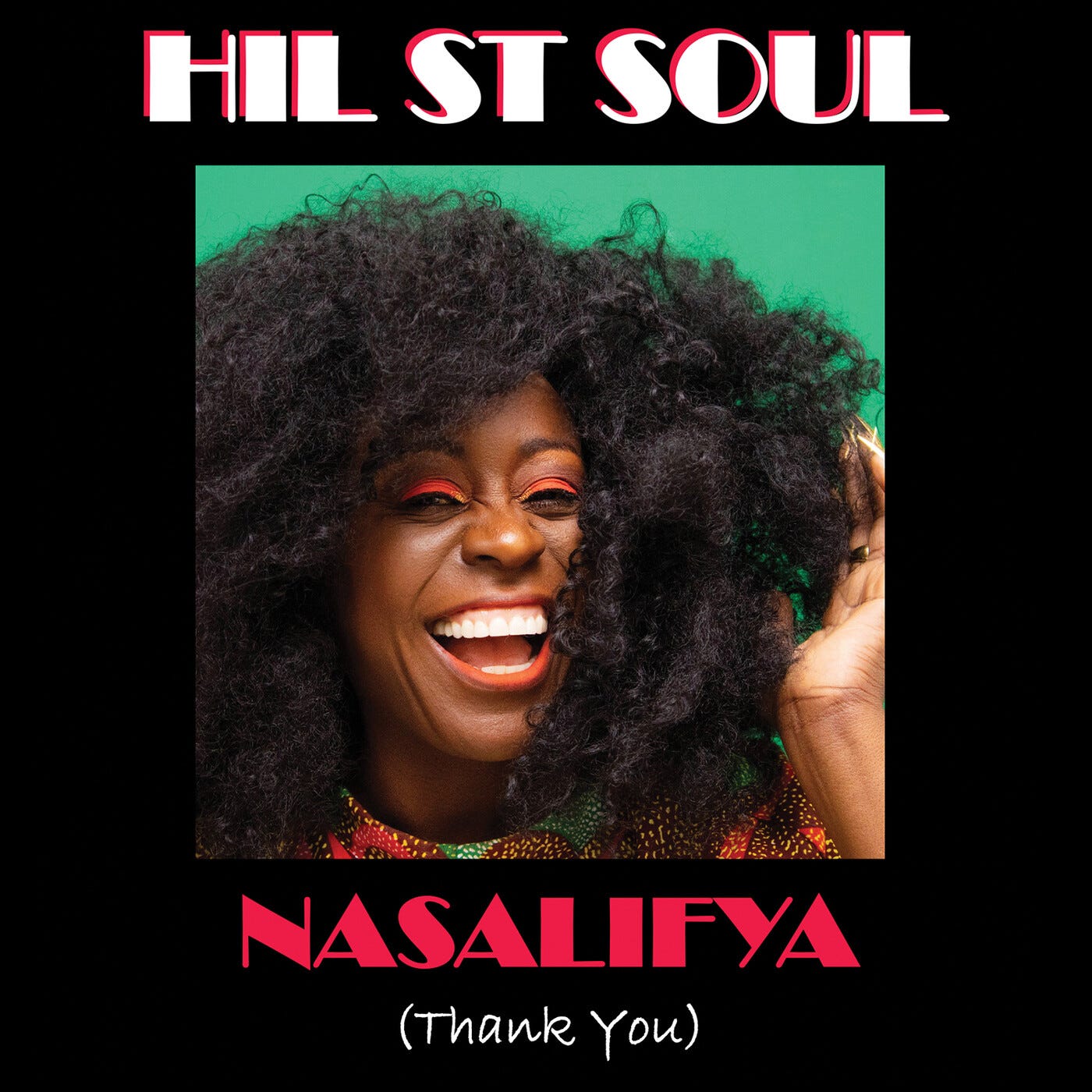
Hil St. Soul’s sixth album, Nasalifya, is positioned in 2026 as a soulful masterclass in creative restraint. Produced in Lusaka and London after the passing of Hil’s father, Nasalifya’s eleven tracks ooze the confidence of a 48-year-old who’s accomplished and grateful. Where the design brilliance of this album is evident in the restraint of producer Regi Myrix, we hear Rhodes pianos that nestle near the edge, wayward kick drums, and spacious arrangements that preserve Mwelwa’s voice. This is Reggie Myrix exercising the restraints of his craft; it is design genius, and done, in the full context of restraint, across eleven tracks. Mwelwa moves further away from gospel in Athology’s dead, and reserves her mourning for the album’s closing title track. This is sung in her father’s Bemba. The rest of the album breathes cookout anthems, the album’s split personality showcasing daylight’s self-help discipline versus the nighttime’s care-free adult honesty. Mwelwa finds, in the closing song, a frequency of post-40s desire that rests unapologetically, the missing notes of younger desire, and contrasting, in the self-help daylight sonal gifts, the adult appetite. —Zachary Penn
Brian Jackson, Now More Than Ever
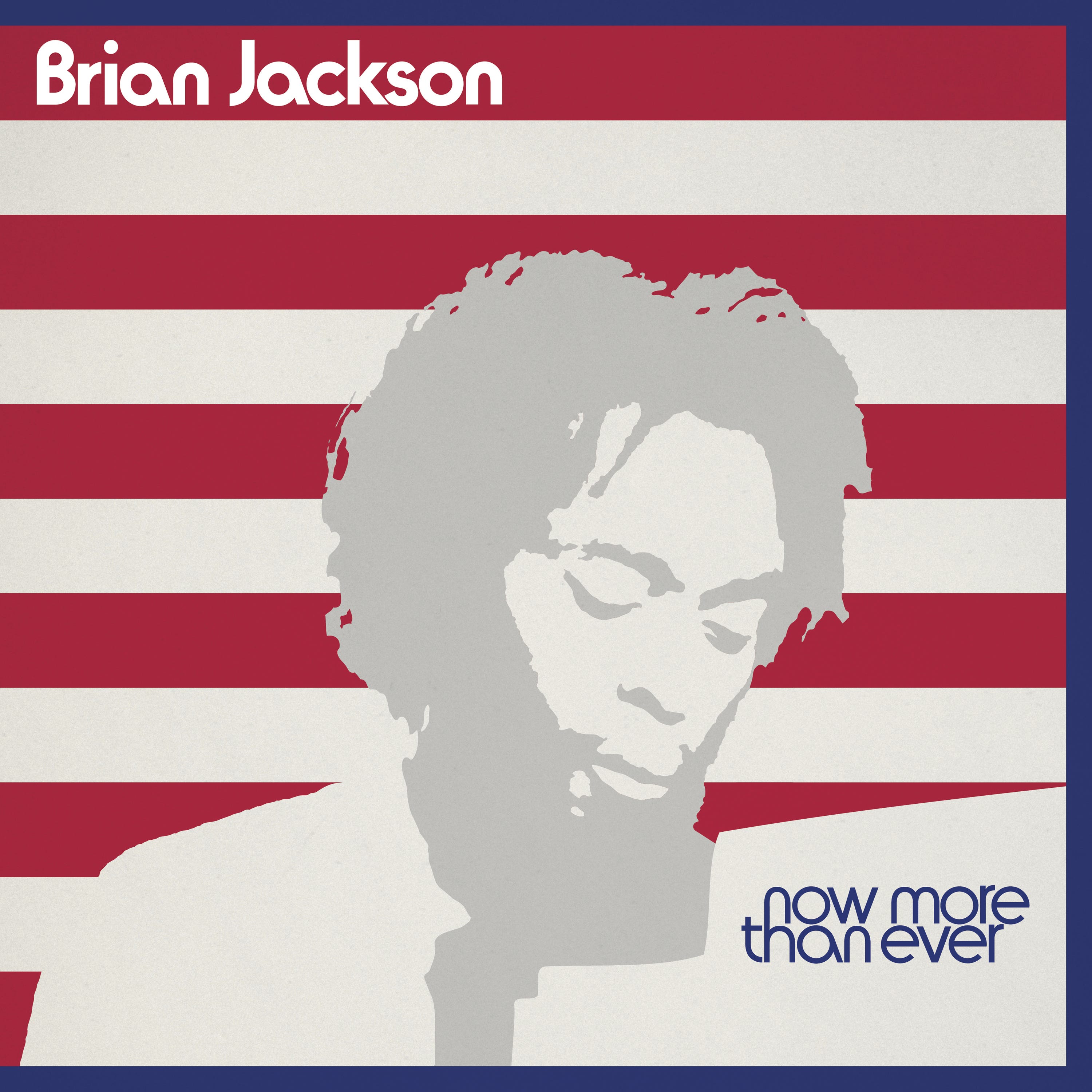
Outside Detroit in 1966, a nuclear reactor counted down seconds to meldown, oblivious in the sleeping town, a story that “We Almost Lost Detroit” would later celebrate. Half a century later, it appears on a dance floor record: the terror turned to a rolling, swinging loop by Masters at Work, the pair of Louie Vega and Kenny Dope, responsible for every track on the record, with Moodymann as supervisor. And just as they had intended for those on the floor to drown, so they question, right alongside everyone else on the floor, “How do you get over losing your motherfucking minds?” And this time, due credit to the man most forget when reciting their duo. His flute and keyboards supported the original, as well as much of the entire Gil Scott-Heron collection. In his seventies, Brian Jackson transmits the entire catalog over to the room full of singers and carries on the work, while most remasters and records would simply leave the monumental work to grow cold.
On “Home Is Where the Hatred Is,” Lisa Fischer enters, not with the begged requests most would present, and maintains her steady composure on the lines about needle marks attempting to patch the void left by a fractured love. On “The Bottle,” Omar voice the scared Black boy on the corner, son of a wedding ring that was traded for a pittance. On “The Revolution Will Not Be Televised,” Black Thought retool the track for the feed, scraping nothing clean off the top. No discarded QR code that gets lost in your junk mail, no swipe to the left to end the relationship. The jokes built to the point of implosion are all repaid with terror; by the time he has it delivered, he trades the joke for the sheer reality of his own mortality. The thread is there, beneath every moment, with Jackson’s flute appearing over deep house on one cut, and afro-house on another, pulling the 1981 composition toward a club set for 2026, a steep cost for the journey, the backstretch of the record. A vocal-free version and a new title cut will trade the actual, concrete personalities of those on the prior numbers, and instead feature a chants and sing-alongs that will reveal the hollowness on a record that’s for a whole night on the dance floor. Cindy Mizelle, Dawn Tallman and Ramona Dunlap take the lead on “New York City,” a luxurious playground for only the wealthy. No place for the middle class. However, still, in that there one truth: so long as it is lived in, this city cannot die. The singer laments the space, but cannot quit dancing within it.
Jon Onabowu, Now’s the Time
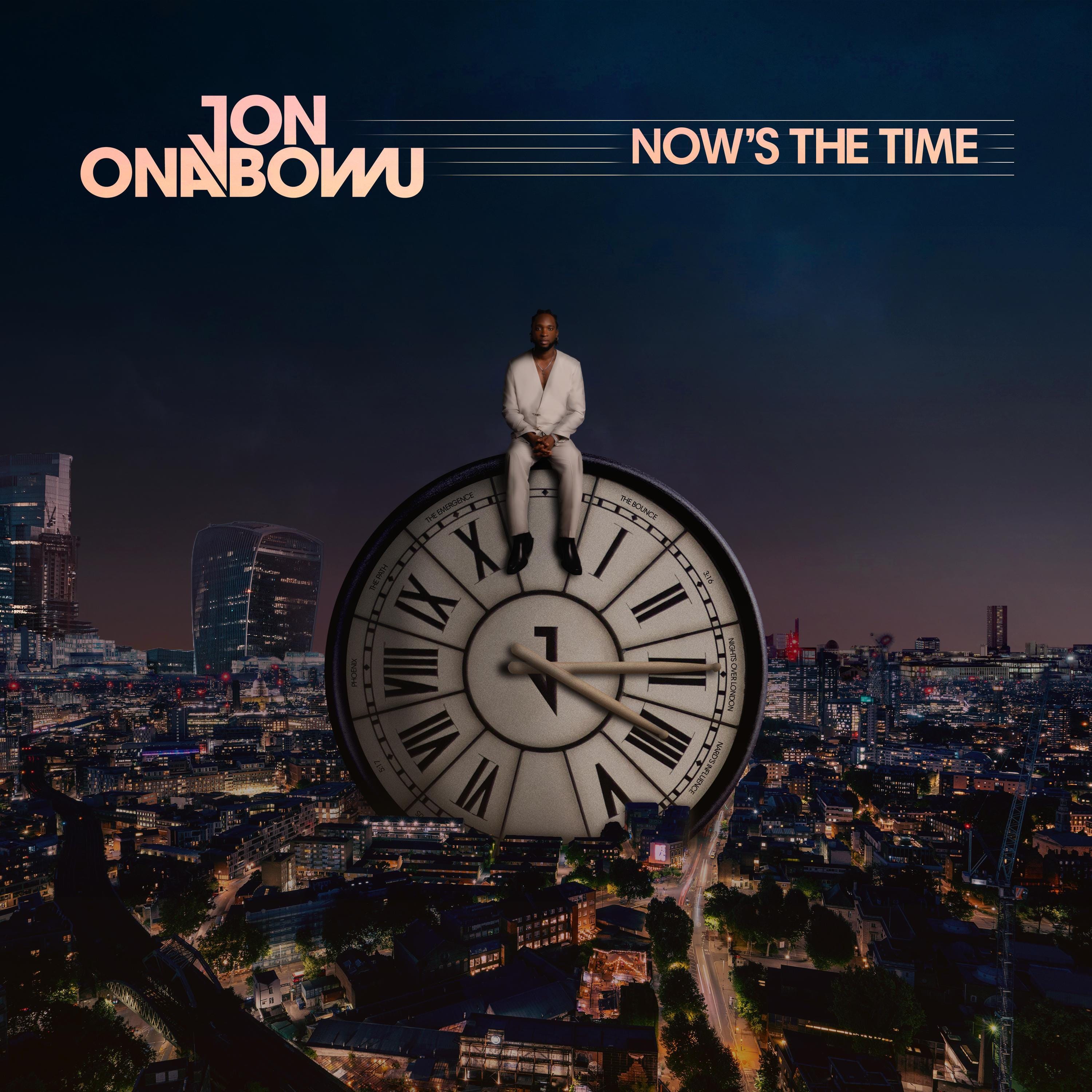
Gospel music was the timekeeper in Jon Onabowu’s British-Nigerian family home. In his early twenties, he’d taken over the Ronnie Scott’s residency with Cosmic Fusion, where the hottest young fusion talent in Europe tried to recreate the open spaces of Hancock and Zawinul while Onabowu barked time-signatures at them. Now’s the Time is a firestarter. He pulled in players from Europe, the US, and East Africa and recorded unsophisticated. “The Bounce” opens with a fiery spread of snare-shot syncopation and David Mrakpor’s Rhodes tensions, the bass rollicking along a morass of elastic lows. Three years of playing those Ronnie Scott’s gigs built up enough muscle for a record with this kind of range. “Nights Over London” doesn’t stop driving, with electric keys out the window, the late-night-transit trumpet honking over a London underbelly of four-to-the-floor. “Nard’s Influence” pushes the tempo on a twentieth-century Electric Lady groove of slap-bass and splashy bongos. “When the Light Finds Us” opens the smoke-scarred windows of the studio bar to Anatole Muster’s accordion, a skittering haze of melodic runs. Now’s the Time is the sound of all that communal sweat and laughter being pressed to wax. —Brandon O’Sullivan
Dua Saleh, Of Earths & Wires
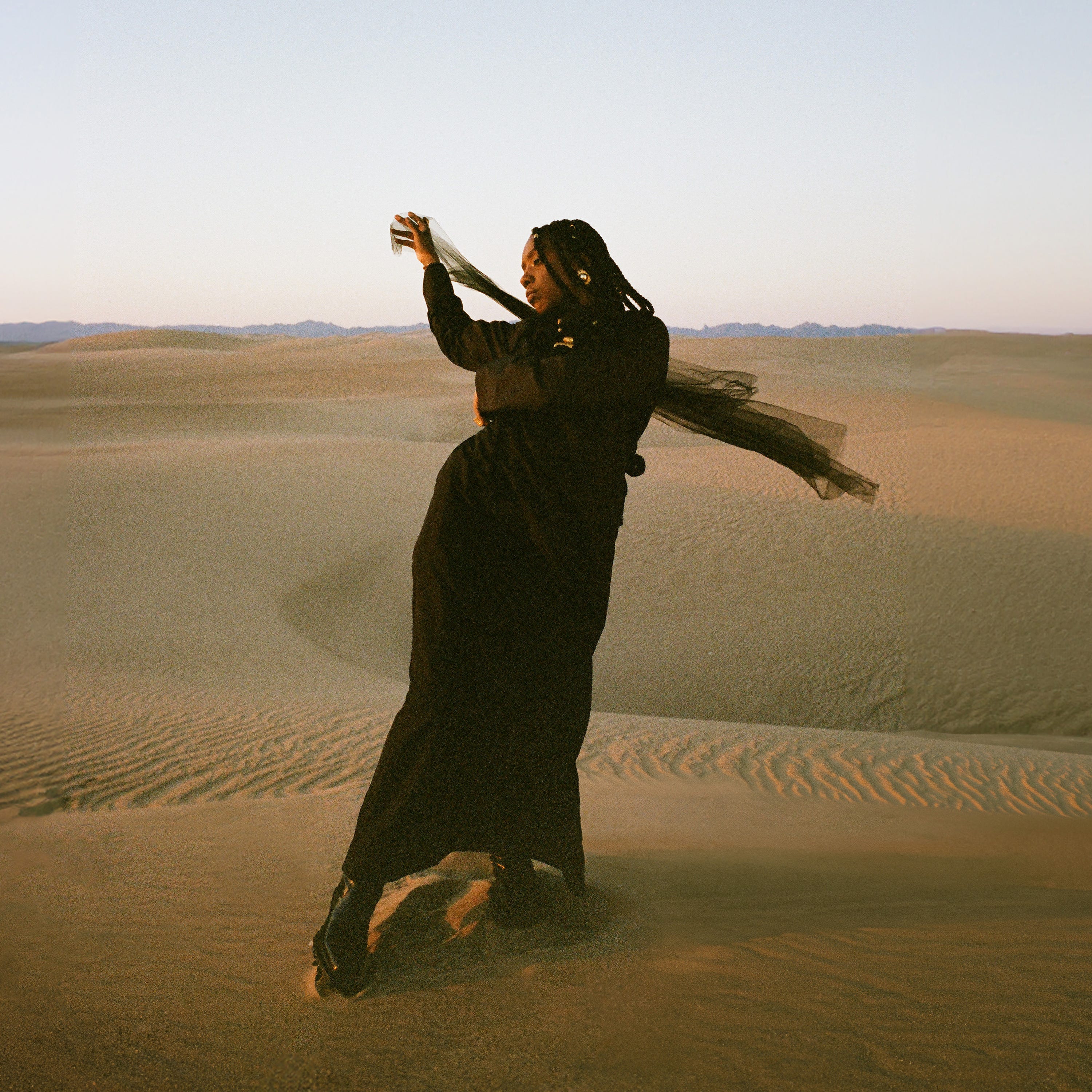
Dua Saleh continues her singular expedition, building on the success of I Should Call Them, her debut album of dissonant and intimate charms that gleefully blended experimental pop with hints of heavy metal, trap, hyperpop, and Sudanese orchestral music. The non-binary artist of Sudanese-American descent, whose role in Sex Education significantly contributed to her fame, actually composed this second album while filming the series in Wales. But this time, Dua Saleh broadens her emotional focus, allowing her music to resonate with the turmoil of the world. Less chaotic, often simpler in their ornamentation, and vocally crystal clear, the eleven songs of Of Earth & Wires are nonetheless far from lighthearted. Intertwining anxieties born from the onslaught of artificial intelligence, the proliferation of wars, and the vulnerability resulting from these ills, Dua Saleh achieves an unprecedented clarity. Willingly abrasive when the need arises (“5 Days”), her voice, usually mischievous and laden with effects, also blossoms into much more sensual intonations (“Firestorm”), enhanced here and there by the falsetto of Bon Iver, now a regular collaborator on her experimental R&B (“Glow”). “Why would you even want to be perturbed/By the comments that you’ve heard?” asks Dua Saleh on “Cállate,” a track where drum and bass collide with Brazilian baile. A good example of the captivating audacity that governs her music. —Jill Wannasa
Kurt Vile, Philadelphia’s Been Good to Me
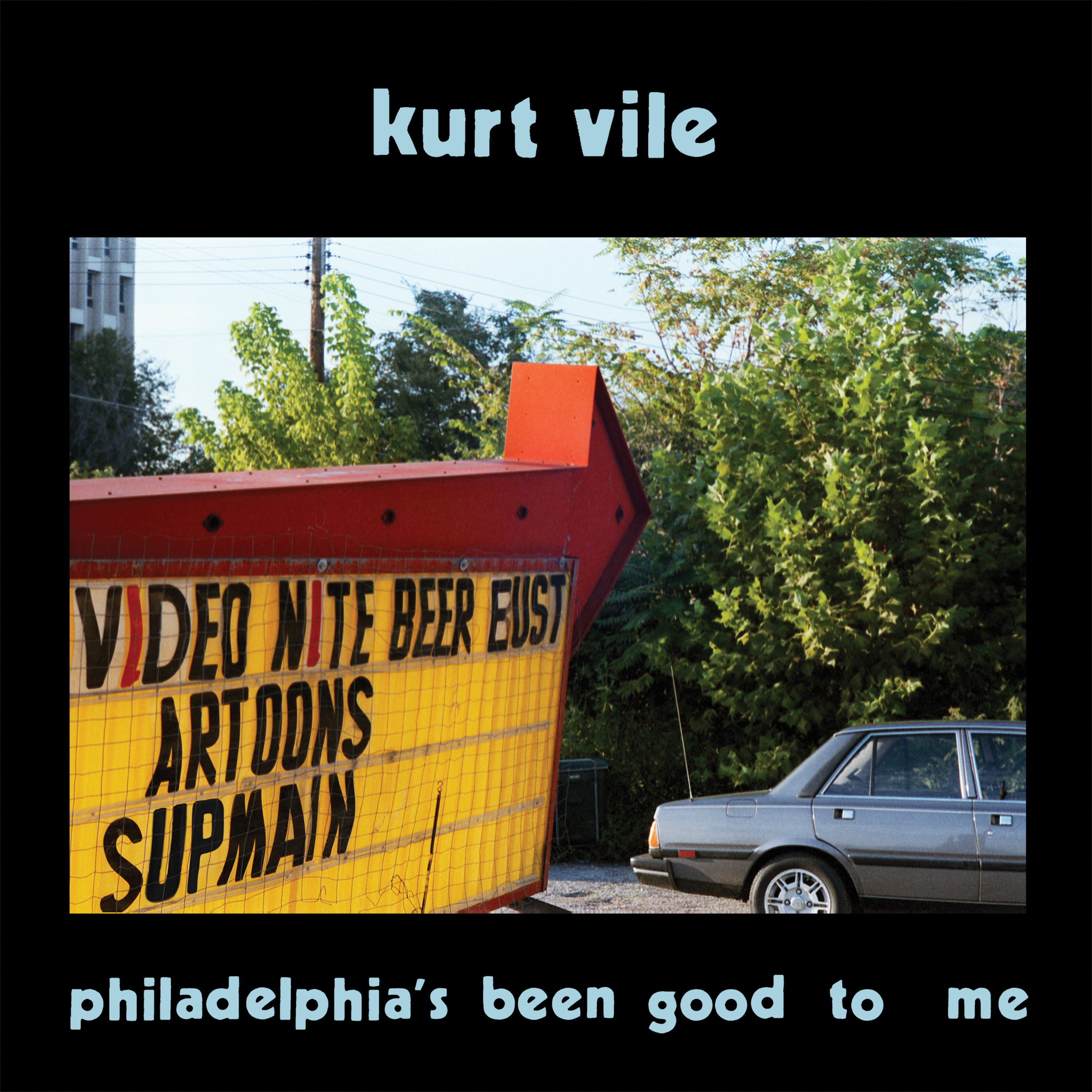
Lincoln Drive: six and a half kilometers of winding road cutting through Philadelphia. It is along this route that Kurt Vile typically makes his way home—a timeless interlude he recounts in “Zoom 97,” the opening track of the excellent Philadelphia’s Been Good to Me. His tenth album thus stands as a love letter to his hometown. Largely recorded in the basement of the singer-songwriter’s home in the Mount Airy neighborhood, the record finds him drawing inspiration from analog organs, vintage tape recorders, and a Gretsch Tennessean guitar. For twenty years now, Kurt Vile has consistently chosen the longer, more beautiful path—the one that zigzags. And his latest record is precisely that: fluid, nuanced songwriting; music that seems to play itself—so hypnotic that it becomes soothing, and just the right amount of weird. The entire album flows effortlessly, yet the instrumental track “Piano for Sarah” stands out, overflowing with tenderness in the span of just a few chords. —Charlotte Rochel
JuJu Rogers, Pink Guitars, Spaceships N Voodoo Dolls
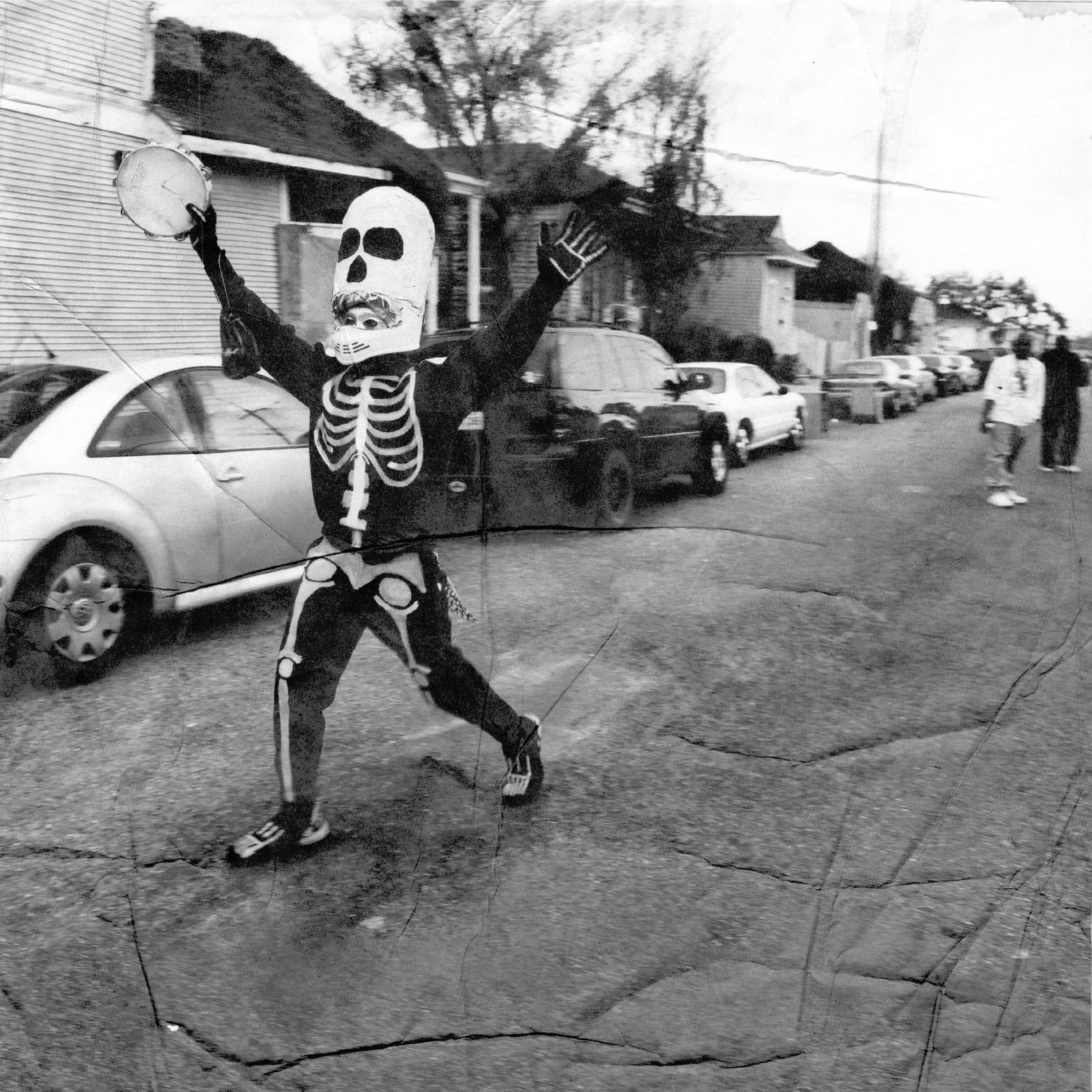
Schweinfurt, the small Bavarian city Julian Rogers is from, housed American military personnel after WWII. His unexamined lineage to this history comes from his father, a New Orleans native, who left him B.B. King records and Louisiana Creole French, a language Rogers now uses in his wartime poems on “European Dead Zones.” He was silent for five years after his 2019 release (40 Acres N Sum Mula). In his most recent project, Rogers describes his genre as “Afrophunk,” a term that embodies many of Rogers’s contrasting selves: German Panther Lord, Black misfit, a hood’s intellectual who reads Lenin on rooftops, wearing a Turban and Cowboy boots. Although Rogers calls his album Pink Guitars, Spaceships N Voodoo Dolls a manifesto, it presents more of an idea of a quilombo, a self-organized settlement of escaped slaves in colonial Brazil, existing outside the colonial economy and societies. Rogers’s self-made label, Counterkultur, gives an instance of his independence, and so do his bars. He’s not American enough for American rap, not German enough for the German rap industry, and he speaks on Maroons and quilombos from a city few people have heard about. In “No Sun” he asserts that people want to put him in a box, yet they have no idea where to actually put him. —Miles Everette
Ahmed, Play Monk
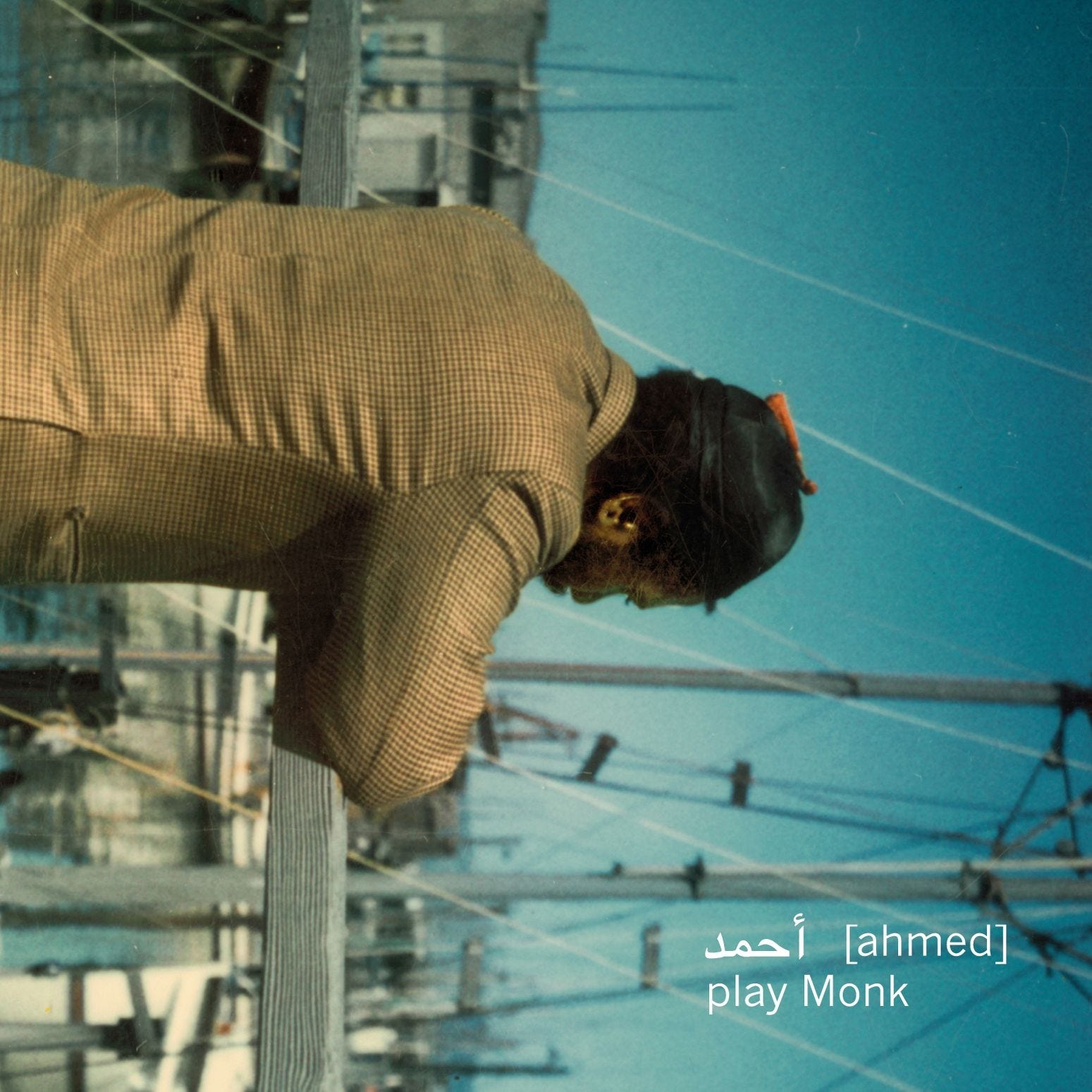
The European quartet Ahmed has been channeling their jazz energy towards Ahmed Abdul-Malik’s Afro-Arabic compositions. For over a decade, as jazz’s answer to most devoted cultists, their draw-in ritual wasn’t unlike that of monks: no rehearsals, no solos. From a collection of four musicians, their telepathic jazz communion reinvented rhythms and standards. So, their ritual to Thelonious Monk, one of the jazz standards, was a calculated risk. Would they reveal their magic? Thankfully, instead of magic exposing the machinery of their interwoven minds, we get magic preserving the tradition instead. Their version of “Bye-Ya” has the deceptive simplicity that most of Monk’s compositions are known for. Pat Thomas’s gently flowing piano precedes Joel Grip’s bass. Antonin Gerbal’s drumming brings us Latin. Wright’s sax enters like a nervous breakdown. Slowly stuttering notes, his frame of reference shifts from jazz to the primal. Once this fever breaks, a rather controlled Monk’s composition has completely transformed. What remains is a whirling dervish of sound established for this viel over ritualistic instruction. Rather an incompatibility of sound and solidity over a cocktail hour. Instead of stimulating social gatherings, this can induce a trance. —Reginald Marcel
Ana Roxanne, Poem 1

Six years may be an eternity in the attention economy, but Ana Roxanne works on geological time. Because of a Flower, her 2020 debut, blurred the borders between voice and vapor. In Poem 1, Roxanne sits firmly at the piano, breathing with audible fingers. In a corporeal way that no longer captures the same ethereal drift of her whole, Poem 1 uses presence rather than absence, draws us in, and puts us under. Tracks like “Keepsake” seem like they belong to the 70s folk era. But, unlike that era, one must listen closely to hear the portal that she has opened in her two-chord progressions to the Cosmic Abyss. Is she addressing her ungraspable lover or the divinity of the spirit when she says, “Oh, I can never reach you/So I’ll keep a piece beside me”? Perhaps the source and the quarry are of less importance than the ache that she captures. Roxanne practices minimalism in the gospel style; she grants the ear and spirit life beyond a single sustained chord. When “The Age of Innocence” opens, the sound of Maya Balkaran’s violin is not merely accompaniment, but has arrived like weather that has fundamentally shifted the air of the room. The sound is a tectonic shift of water still. Poem 1 is a stunning collection of shadowy soundworlds that will keep our ears and spirit sheltered for years to come, and perfect, since we are in for another six years of waiting for Roxanne’s next release. —Charlotte Rochel
Ill Conscious & Finn, The Premise
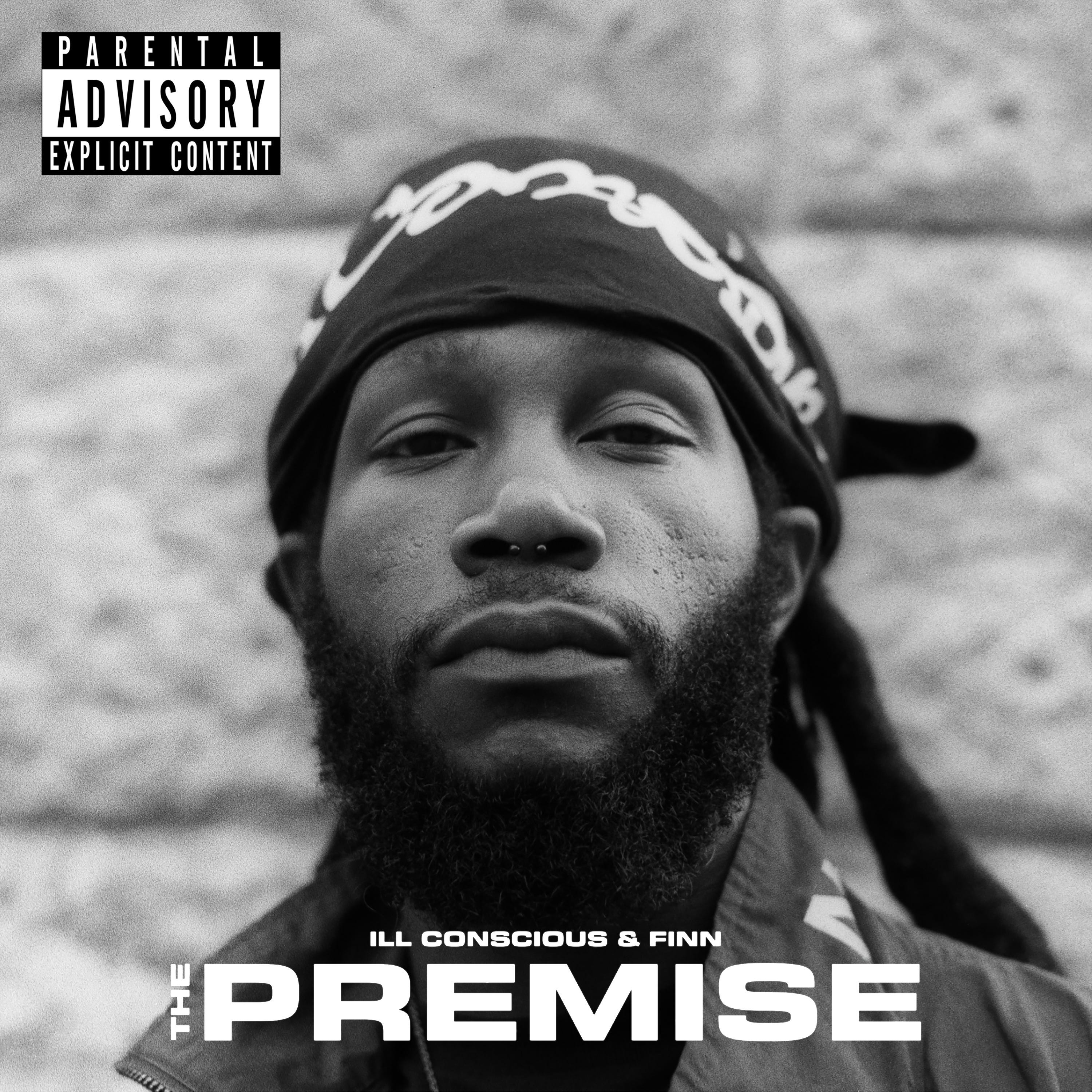
Ill Conscious comes into existence once again, to the release of his sixth studio album, as the musically inclined, street theologian cellular biologist. The MC traces a DNA strand through Flavius Josephus, Tigris, Euphrates, perhaps carbon traces, mitochondria, appears on “Tuthmosis” (named after a pharaoh: Egyptians), “But instead they stuck in themselves like mitochondria” used as a curse on the brothers and their search for justice and their plight of being too far out of their cells. The production never stumbles with continental drift, assuming Pakistan to Kuwait in one breath. “Pupils Become Rivals,’ the song is one of betrayal, but the topography of body horror, even the verdict, is met with a descending bass, and every punchline is weighted with threat. “This Mr. Miyagi verse Ricky Bobby in Talladega/Get hit in the lobby, Tupac in the blood decorated.” And then, on “Pineapple Mimosas,” fatherhood is a funny thing. There are court summonses alongside a cup of mimosas in Miami Beach. A father can have a court summons and four baby mamas on the side; again, the production is as breezy as the coastal stretch. Throughout the album, it’s between excavating God’s signature through the DNA, the DNA in the midst of the streets of Baltimore, the DNA through the pleas to courts, and the DNA broken into a blossom topiary. And here we have a mystery constituent’s dilemma, as one cleanup your premises while your DNA is the plan to create and destroy. —Harry Brown
Genesis Owusu, REDSTAR WU & THE WORLDWIDE SCOURGE
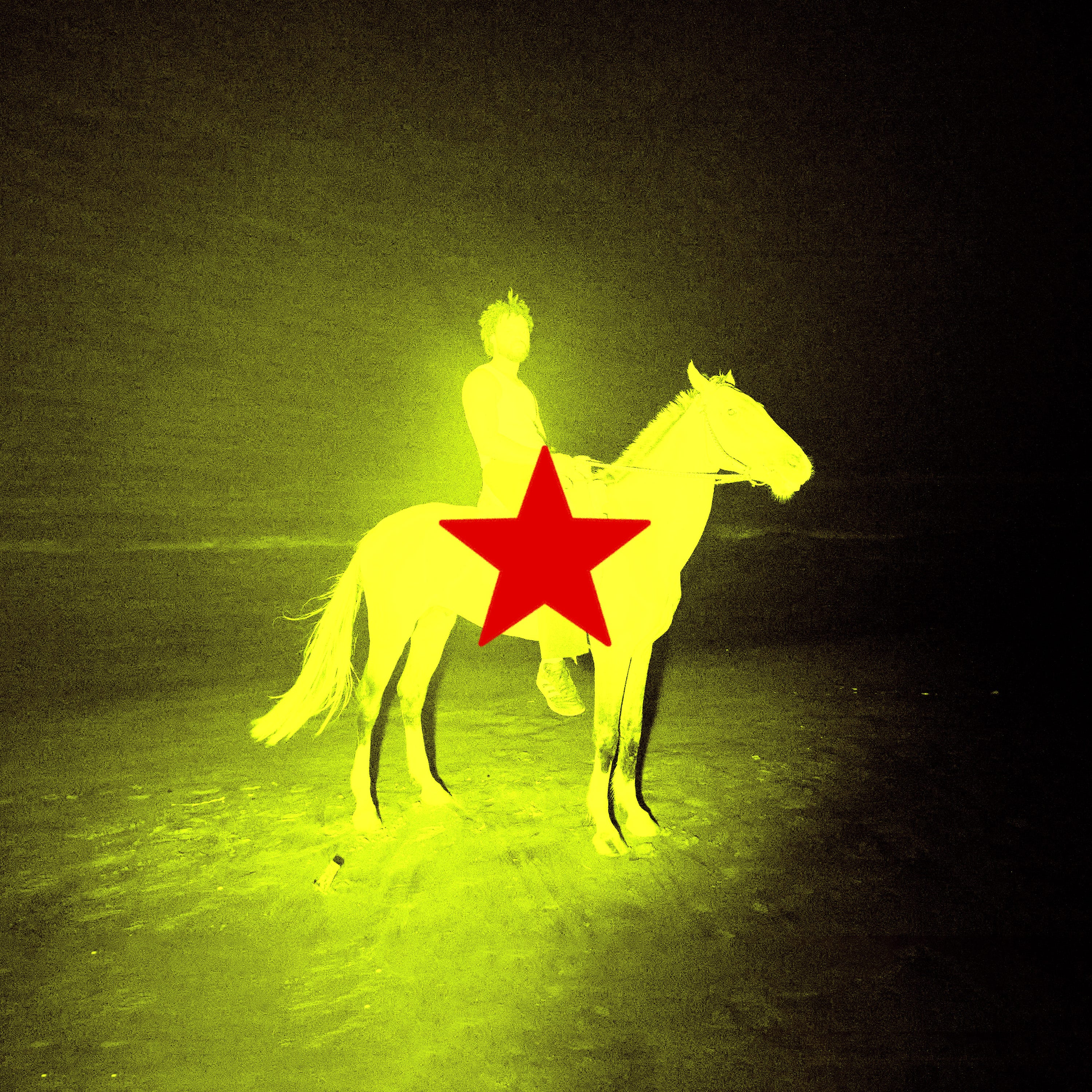
The revamped church in South Wales, where Genesis Owusu confined himself with producer Dann Hume, as a place for radical transformation. There were ten-hour long jam sessions. Vocals were recorded in the nave during church bark and bass dictated the volume levels, and people slept in the pews. This is how the Melbourne rapper decided to go for the big follow-up to his back-to-back ARIA Album of the Year wins and tours as the supporting act for Paramore. He decided to destroy everything in his path and to build everything back up from the ground. With REDSTAR WU, who is Owusu’s clear-minded, alter ego who is “seeing the world as it is,” he uses every genre in his reach. Industrial stomp reduces a church organ on the title track. Breakbeats snap with neo-soul bass. A four-on-the-floor house kick shares the low with programmed drums that swap to live in the middle of a song and then back again. The political overview is broad and based on Owusu’s perspective. “The Worldwide Scourge” describes a white woman crossing the street in fear and contains a bar with rappers degrading women. “Should I blame her for seeing me and picturing a threat/Or the centuries of whipping that’s keeping women in debt?” Owusu asks over a liturgical organ and then later reveals that his own solidarity merch was made by exploited labor in the middle of his verse. There is no one to save us from the mess of real time. —Phil
Mýa, Retrospect
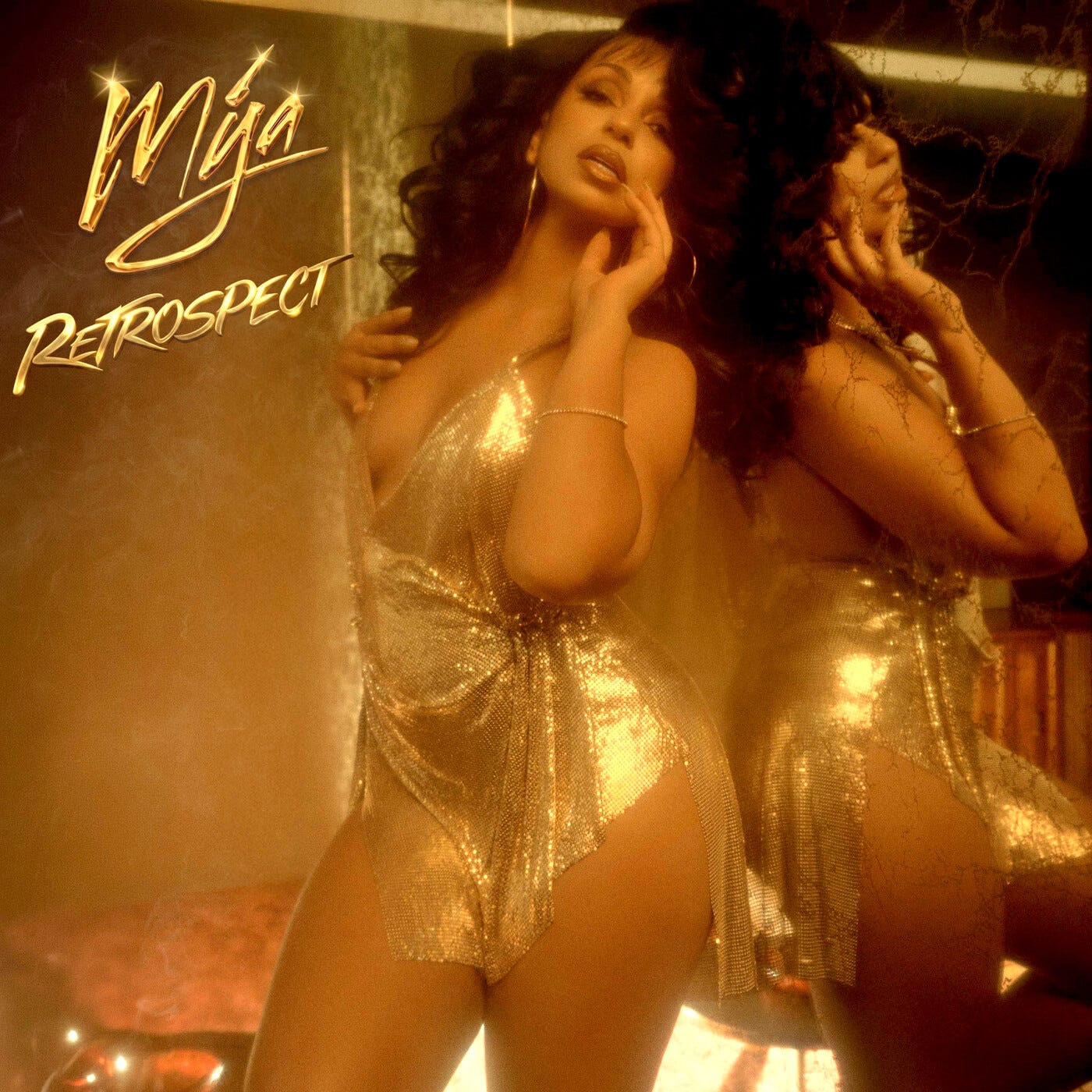
Ten years in the making, Retrospect is the most patient work from Mýa. This album is a time capsule drenched in funk but refuses to look back. While on The Boy Is Mine Tour, along with Brandy and Monica, Mýa sang Case of the Ex in front of those who purchased tickets for their nostalgia of 1998. Mýa was the only artist to present new music in performances that did not call for it. LaMar My Guy Mars Edwards, the producer for this album, built all 16 tracks without samples on period gear. This was a rule Mýa learned from Prince, in order to maintain creative control. The commitment is strong in this album. LaMar Edwards decided to stick to one production style in every song, and the remixes only focused on stretching the time, along with guest appearances that added little to nothing.
Mýa performs with the same expressive exuberance as Rick James did in 1981. She drops an ad-lib in the style of a Teena Marie “whoo!” and carries the same song in the form of a reference, not a quote, as she does in “Remember the Time.” From the early age of two, when she began ballet and learned music through the physical movement of other bodies in the absence of a melody, she brings this foundation to every song. The same vocalist comes forth when she transitions between the quiet of “Good to You” and the fullness of the space that “Saturday Night” occupies. What does it mean to call an album Retrospect if every one of its thirteen tracks looks forward to tonight? Mýa spent a decade working on an album about the present and named it after the past. Perhaps the separation between title and content is intentional—the D.C. area code sung in the refrain becomes both an inside joke and map coordinates, locating the funk where it started while moving it in a new direction. —Brielle Saint-Amour
Skye Newman, SE9

Raising herself inside the SE9 postcode from which she names this album, 22-year-old Skye Newman stages a death and the police against her brother, whose teenage dalliance with grass quickly blossomed to harder things. She zeroes in on one of her many resentments at one man on “Walk” and breaks it into footwear: “It’s not blood on the pavement, it’s Christian Louboutin/Your Air Force 1’s look shit on you/I got blisters tryna walk in your shoes”. She’s got one thing she’s saying. Her other breakup numbers lack that focus; the guy who can’t ‘love me loudly’ on “Out Out” could easily share space with the boyfriend on “Lost Myself to a Man,” and the songs would remain static. What makes those tracks limp is the same solid hand that carries the family narrative. Then, at “Woman I Am,” the mask drops, not for a man but for friends who ‘clean up my sick, go down if I trip,’ and who manage a pregnancy scare with one pharmacy run based on her command. With “My Addiction,” the backing beat gives up the ghost between Boo and Luis Navidad, a park bench at Avery Hill and a solitary joint, and the sense of isolation feels deliberate. She falters just once: in “Smoke Rings,” she laments for the departed man, “It’s more addictive than drugs,” and the hardness cracks where it ought to hold. Amy Winehouse went nose-first into the wreckage at the end of Back to Black and got it right; Newman’s got her headlights aimed low on the highway out. —Ivy Mensah
4FIVE6 NICE & DeevoDaGenius, SHOOT DICE NOT PEOPLE
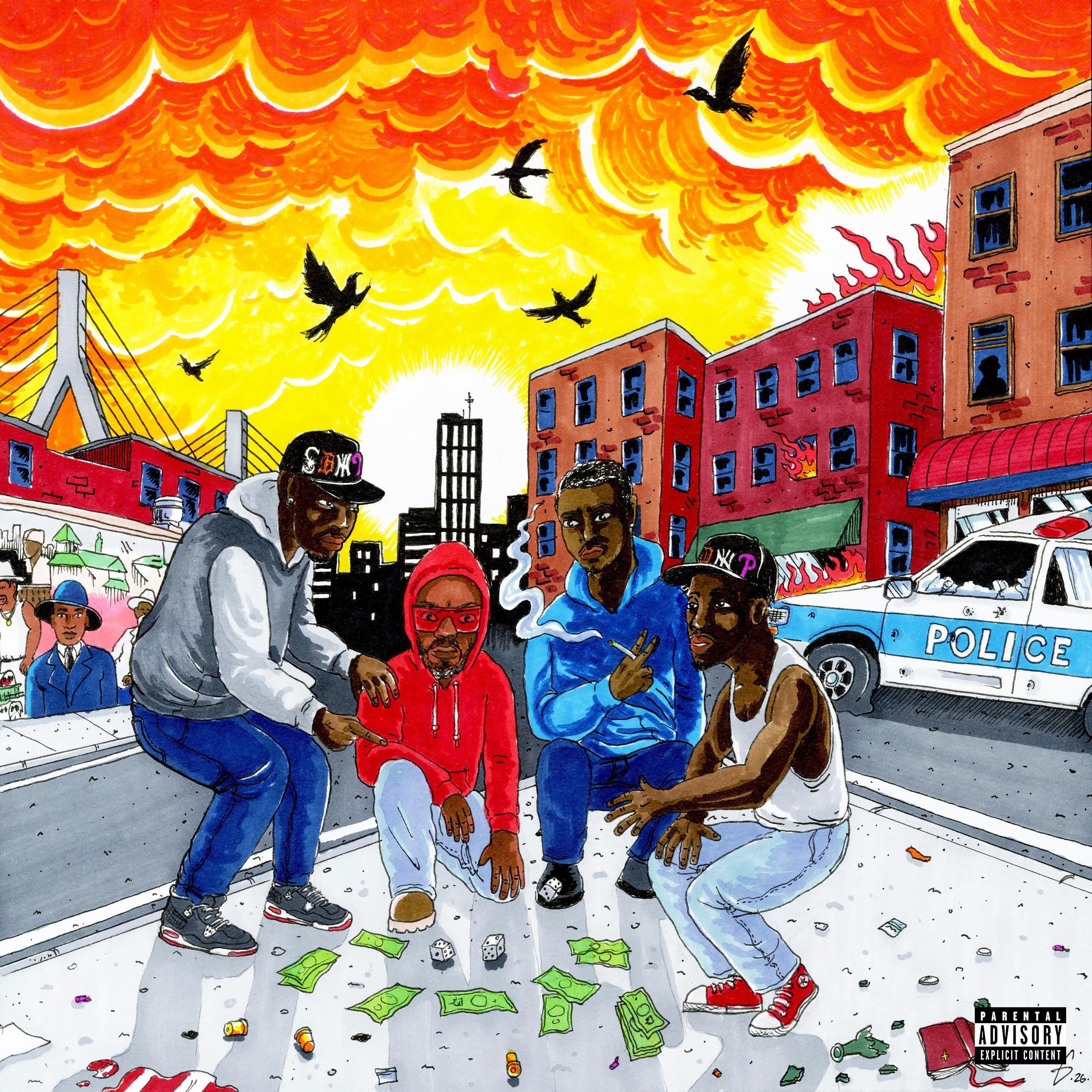
As a single-producer Massachusetts rap record, this is arguably the most powerful to date. Thereafter, it creates a dialogue with one voice and one board. Where DeevoDaGenius collaborated with Kil the Artist and BLUEBILLHILL on Angels With Filthy Soul, this follow-up takes everything away and does everything alone. 4FIVE6 NICE is alone at the mic, and DeevoDaGenius is alone behind the boards. This project begins, and even more, with the question, “Who is left when shit hits the fan?” 4FIVE6 NICE answers the question with lived experiences and not hypotheticals. “HERO (PAYTON PRITCHARD)” describes his (or will be his) progress and evolution, with the end goal of transitively counting digits from his fit. He does this with no celebration and a matter-of-fact report, but the nostalgia and progress manifest. When 4FIVE6 NICE describes “old Boston WHERE the men were really made,” he also shouts out Bone Crusher and the street rap of the early 2000s. The emotional heart starts from “FCKEDUP (WHATITFEELIKE)”, which is where 4FIVE6 NICE describes how he couldn’t even afford fruit snacks for his kids and how his grandmother passed away and shattered him into “a million pieces.” 4FIVE6 NICE continuously raps with the drained clarity of someone who’s borne the burden of dual lives for too long. The corner of Massachusetts is finally getting its flowers. —Reiko Oshima
Nick Grant, Smile
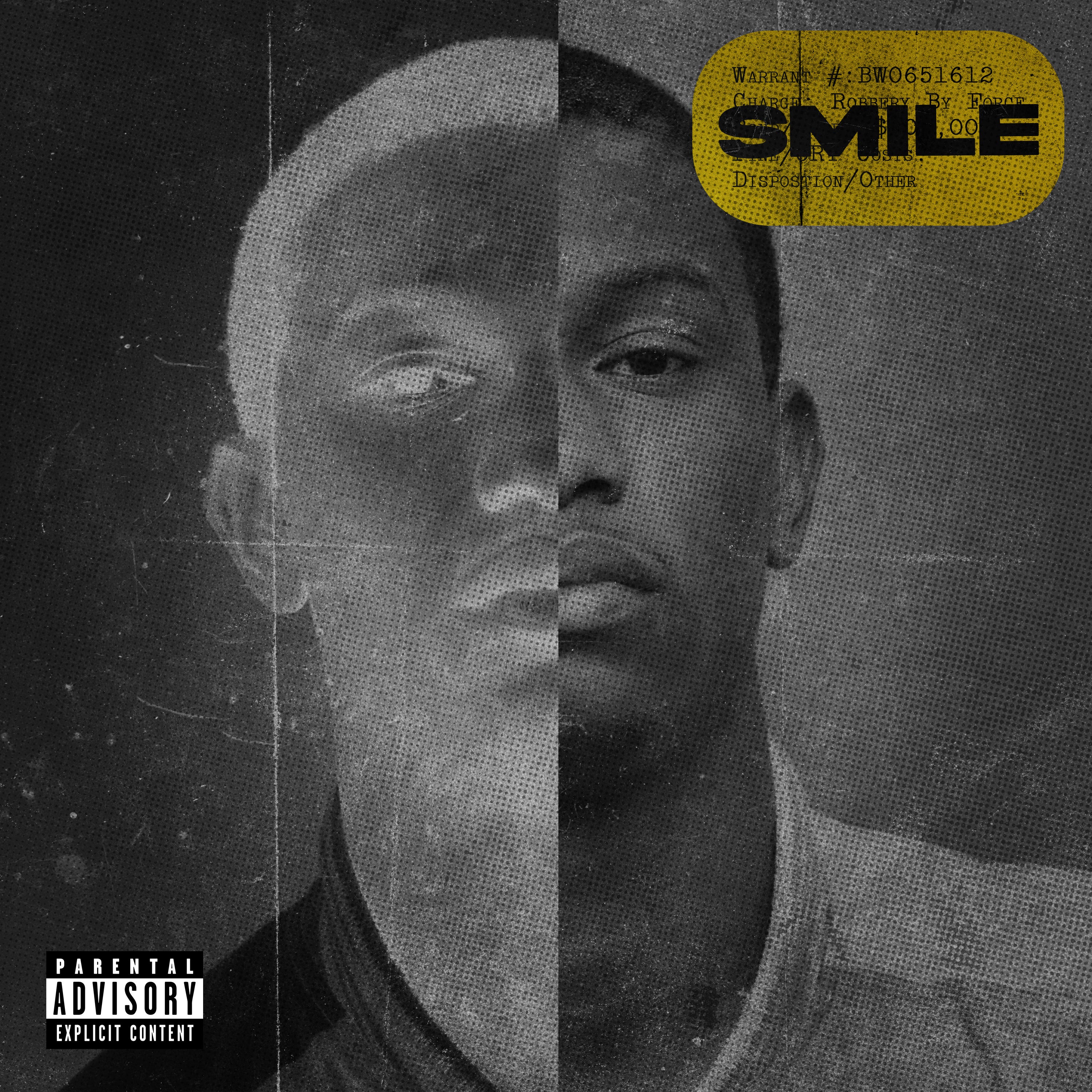
The greatest talent comes from artists who break the mold and redefine music on their own terms. For a decade, Nick Grant would write on his grandmothers porch in Walterboro, South Carolina. A small town estimated to have a community of about 5000 people. From the co-signs of André 3000 and Nas, which both took place during the remarkable mixtape ’88, Grant found the waiting had been the problem. Smile is a Southern Gothic Novel—a short stark account of modern Southern rap, on the scientifically absurd economics of rap through B. Daniel’s morose stimulus and Stoic’s breaks. “Sensitive Gangsta” critiques street credibility constructed from genuine but fine beef to illicit street credibility for protection. The track is carried by a coroner as a witness to the performance and draws its conclusions from docile observations. Clarity takes prominence as Grant’s downbeat on the kick is a concise modern rap on Grant’s complex consonants. This calculated control makes CyHi’s playful and dense verse on “Razor Ramon” feel almost out of place. Grant’s simple ruin decorates his reimagination of Southern rap. Southern rap showed Grant that he had to distill the essence into witness, testimony, and the strange illiterate poetry of reality. By ignoring fads and trends Grant creates something more uncommon than a great album, he creates an honest one. —Dai Kurihara
Nappy Nina & Swarvy, Sow & So
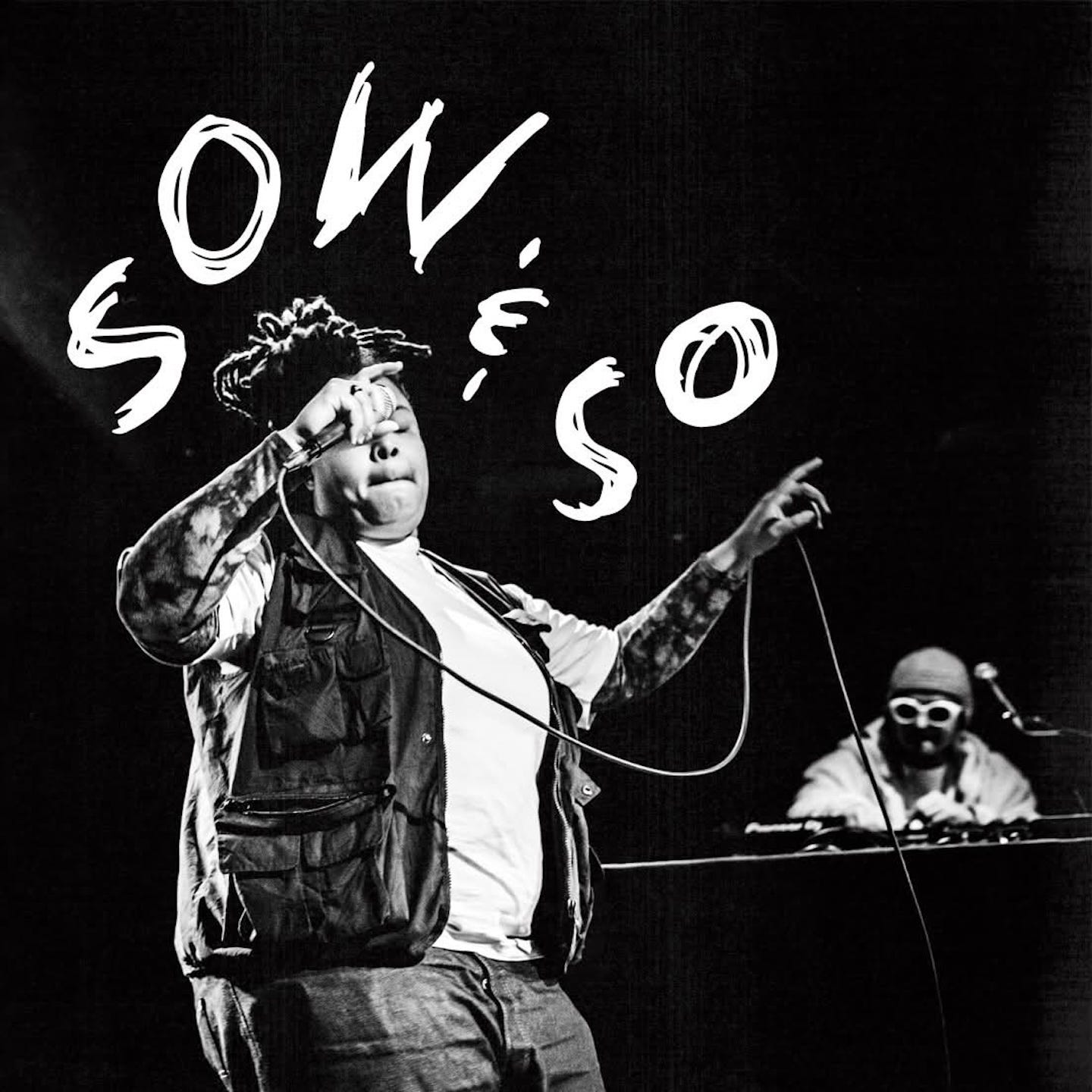
The courteous response might have been nobody was looking for another rapper–producer duo record in 2026, but Nina and Mark Sweeney (Swarvy) showed up with something that made formalities a thing of the past. Unlike 2024’s Nothing Is My Favorite Thing, which let Nina’s verses evaporate into nothing, Sow & So landed with precision. What looked like a deceptively simple approach with Sweeney, who’d spent time in Los Angeles with Mndsgn and Zeroh, brought Rhodes piano, electric bass, and kit drums to beats where the border between sample and take was kept ambiguous. A small band-sized collection of him backing Nina’s sharpened focus. When she kicked off “Been Through” with “Cut from a cloth that has been discontinued,” the weight had the feel of something said on a phone call that wouldn’t be forgotten. The hidden genius of this album was in the combination of felting drums and high-pitched synth chimes that gave Nina’s writing space and weight in elegant balance. The story of Nina’s grandad’s battle with alcohol returned on “One Fifty,” as did the story of Nina’s time in foster care with the track “Deep Stretch.” Gun handles and snow angels on factory floors was the inspiration for Tongo Eisen-Martin’s poems as the bass guitar and Rhodes held a chord on the track “Half Step.” Everything was struck by hand, with the duo’s working theory holding position: the most radical of all is to just finish what you start. —Dr. Chong
UllNevaNo & Philth Spector, Stephon Barbury
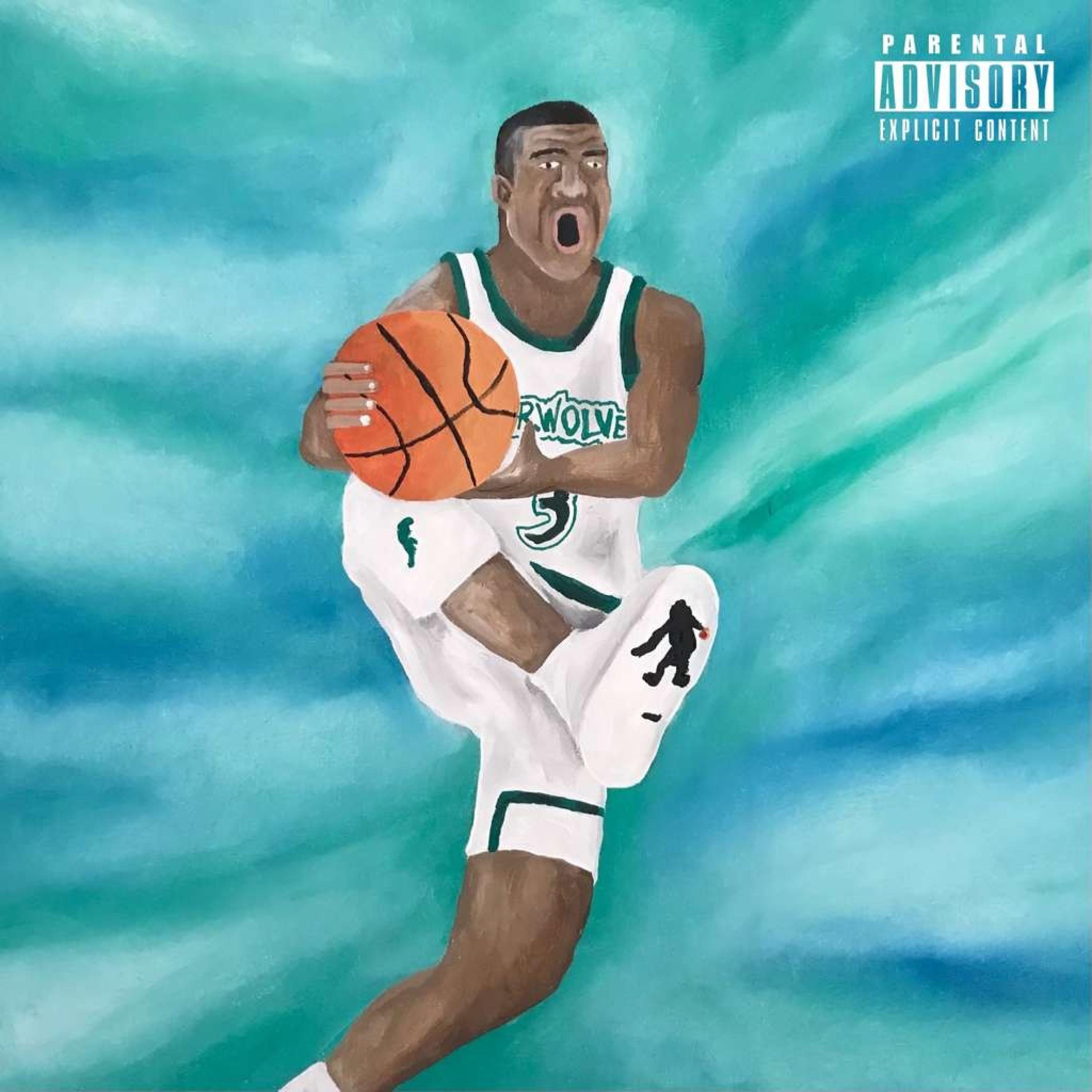
There’s a clip that runs through the LP, Stephon Marbury passing to himself off an opponent’s turned head with an announcer calling it a most unique maneuver. It bears the presentation of a deliberate placement because the album does the same things with self-inventive concepts from unexpected angles. UllNevaNo merges his name with Marbury’s, and the comparison stretches beyond basketball metaphors. UllNevaNo keeps his one-producer discipline while working with Philth Spector, a member of the $$$ collective, and maintains the same pattern established through his color-coded collaborations with Kev Brown, 9th Wonder, and God Sense Beats. Spector wins the argument of pace, building the Philadelphia International catalogue. He allows UllNevaNo to pause from the dense references to tackle moments of raw and unexpected vulnerability. Eight bars of “Yellow Jackets” open six universes. Stephon Barbury finds triumph in refusing false binaries, post-NBA Marbury selling affordable sneakers that worked as well as the $150 ones, winning three CBA titles in Beijing on his own terms. Tournament bars and wedding vows. Underground discipline and emotional exposure. Pass to yourself off another player’s skull, then stomp the loop in your own sneaker. —Koda Lin
Aldous Harding, Train on the Island
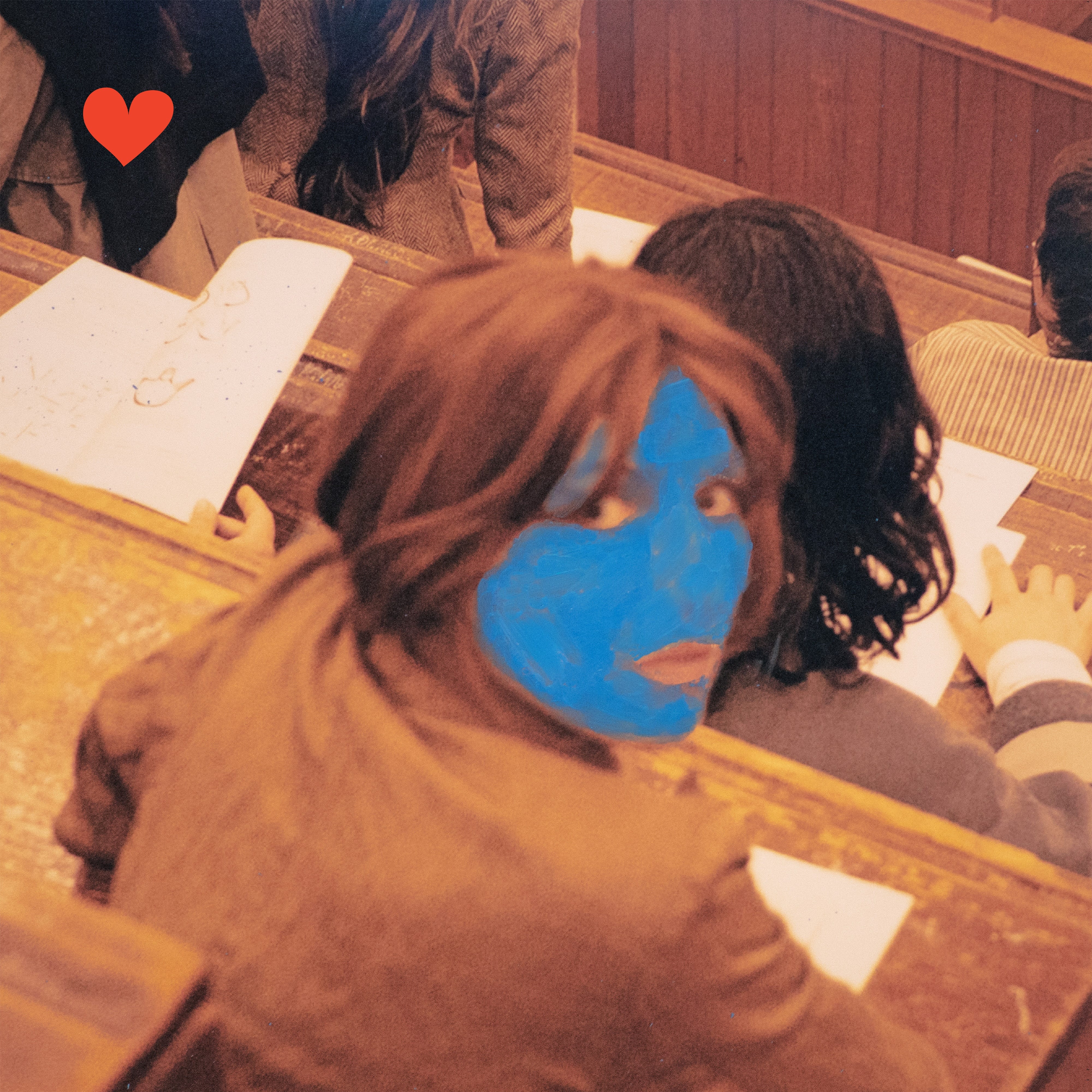
Silence is the loudest form of expression for Aldous Harding. She uses her quiet vocal style to express the essence of being. It whispers secrets that will unravel and reweave a listener’s molecular form. With her fifth album, Train on the Island, Harding replaces her Indie scene Jim Carrey persona and places listeners into the proximity of the fragmented memories and dreams that Carrey’s character experiences in the film Eternal Sunshine of the Spotless Mind. This album begins with the track “I Ate the Most.” Synthesizers carve out the fog amidst the trees in the dawn of a new day before an on-time guitar arrival. It is very much reminiscent of Radiohead. In this singular song, we see the brilliance of Harding filling the emptiness of a life-sustained void. Wandering through this album, we note her voice is a shapeshifter. Sparse touches of a harp and some artistry based on Wooding’s style, thanks to some 1960’s maternal folk, create a nostalgic and a fusion of the unfamiliar. Many would have called it a chaotic, gothic style folk, with some dissonant and eerie harmonies, but it has transformed to be reconciling and tinged with hope. “Venus in the Zinnia” sings of self-redemption, which speaks to past regrets of hair and style, and resonates with the vulnerable sound of H. Hawkline. Hidden in her poems, the most powerful form of expression can once again be found in Harding’s soft-spoken words. —Charlotte Rochel
Chxrry, U, Me & My Ego

The entire record was recorded in a room under a thousand square feet- Chxrry in a chair and her producer Believve at the computer, just the two holed up in an LA apartment throwing ideas at each other daily for months on end. That proximity is evident in the music. One man programmed all the beats on U, Me & My Ego, so the malice up top and the loneliness that follows sit on the same low-end, late-night frequency. On “Call Security,” she saunters in over a bouncy techno pulse, asking “Where did I go wrong? Is she better than me?” before the jealousy hardens into “I’m not leaving till one of us ain’t breathing” and “New Chanel won’t fix it/It’ll be a body bag, you’ll see.” The Beretta is both a punchline and the real weapon. “Groupie” goes out on “we’re gonna die together, so I love you, bye,” before sneaking “I need to be on meds” in just before she swings back to her proposition. “Bible” strips away her defenses, batching confessions high until the floor falls out from under them, followed by the last promise, “Hate that I’ll follow you to hell/I love you more than I love myself.” Clinical, violent, and tender share space within the same sentence. Mariah the Scientist answers Sandy Springs cheating (“Whole time you was fuckin’ these bitches in Sandy Springs”) not with the grief but with the flex (“I went from AP to Richard while y’all was TikTokin’”). Cash Cobain is positioned in the opposition corner on “Badness,” his “Club can’t love you like me” grind against Chxrry’s “Three shots in, I’ma turn to a flirt/Six shots in and somebody getting work.” The first woman ever to sign with XO spends her debut fighting for her own ego, and she wins by unanimous decision. —Sabine Okafemi
Mack Keane, Wide Eyed
The first expectation of readers should be that Mack Keane does not share the blame in any of these situations. Claiming responsibility in full, not shared, not diluted, and not tempered, for every single relationship failure, is the first expectation of listeners of the album. Mack Keane is the grandson of Del-Fi Records founder Bob Keane, a son of session pianist Tom Keane, and the cousin of “La Bamba” with Ritchie Valens. Self-legacy could be a focus for Keane, but instead, family history presents the framework for a sensational psychodrama: romance from self-destruction. The same pattern is apparent on every single track (all of which avoid the entire spectrum of self-honesty): remaining in an unreciprocated relationship, ignoring the unbearable for an unmeasurable length of time, staying through a relationship no one is blind to the inevitable ending. “Honeymoon Dreaming” gets the most honors for deceiving cruelty. By the last verse, the melody, tone, and everything about the verse stays the same, except the last verse has a new set of lyrics. Detailing the destruction, it leaves a cigarette menthol that won’t leave his head, and a lipstick mark. The menthol does more than all the apologies around it. “Candycrush” (yes, after the app) gives a half-laugh in lines about puppy love. The half-laugh is disgusting but funny. —Jhanel
Caleb Colossus, When a Man Falls
Caleb Colossus, of Stone Mountain, spent 2026 metaphorically standing on the verge of thirty, trying to figure out the difference between where he was and where everyone else was going. Graduating from Chamblee Charter High with a cool 200K from brand partnerships while competing with record labels that declared his sound was unmarketable, he built his autobiography, When a Man Falls from that point. Colossus was too old for a moment of Tier TikTok fame, yet too young to give up, and was caught between a dream of a domestic life and a reality of living in an apartment of records. Producer Eugen Boger builds sounds that put space between the contradictions and breathe for Caleb, though Colossus has the final word.
Colossus’s internal conflicts are narrated in the song “Sinner Man,” leaving him chasing the prize of a Maybach, praying for peace while he charms the unconscious, aided by the canopies. When Caleb Colossus flips perspective, he begins to narrate a woman left waiting for Jalen, Chris, and Tristan, among other men, as she grooves to Olivia Dean records in hopes of someone who’s built like God. The job he swore he would never take begins to grow from the shadow of his life. In “Flowers,” he gives a bold message to the people in control of the industry: “Should I dumb it down a notch to be the one you select?” The old adage about giving people their flowers is bent. They want peonies; he gave them daffodils. The reason labels were hesitant to take his work, he was too specific and too mature, while showing a clear understanding of the space between staying true to the artist’s body of work and staying alive on the algorithm. —Tariq Belson
Veeze, Y’all Won

On the Seven Mile block, Veeze spent his childhood fantasizing about stealing from people who wear True Religions and playing point guard for the Pistons instead of what he was doing. He makes that pair of dreams funny with an amazing idea he got on Old shit: Pistons could have had him in the team but he would always fail the drug test and the bit was funny until it turned so that it was the main reason the basketball career never happened. There is a White Chicks punchline in Y’all Won that shares a bar with a death threat and both of them are so low that they are barely audible. “Ain’t stoppin’ ’til I get a billy out it like Hannah Montana dad” wants to explode but he delivers it just like passing the salt, so soft. In “New Clothes,” the same four lines that can’t stop walking back and forth: “I’m too cold on ‘em/Got two hoes on me/I’m goin’ on shoppin’ sprees/Puttin’ new clothes on me.” Inside the loop is: “A junkie getting lonely.” An aunt gets $8 a month while her nephew is waiting for her refill. Painkillers accompany the Goyard bag, which is just like a first-aid kit. “They should write my name in the Naismith,” he says on “Tesla Pill,” the present tense, and he still believes the same thing he believes he should join the Hall of Fame, people are not going to give him for a career he is not going to have.
In 2023, he established the label for himself and then, after that, he spent his time in the studio working instead of facing the interviewers and he was the one who was isolated for a long time before that attitude became a problem. By the time of Y’all Won, the isolated act has already become a common expression: “I don’t even know these niggas, nigga, I don’t even trust these niggas,” these words of the rapper fading into a flat tone until the entire song is just one person pointing out that he can find no one whom he can bear to add to his list. Lil Wayne is a passenger in the vehicle with him, and he is the only occupant. The “BirdMan” contains the phrase: a brother “just went platinum and now he is in federal prison,” so platinum and prison are mentioned as the same thing. The luxurious house that has a view needs to be surrounded by gunmen and it resembles a yard. He drowns another drink to fall asleep. “I have to sleep this off,” he speaks on “Lose It All Today.” Then, on “BirdMan”: “I wonder if God ever forgave this much sinnin’.” He is already aware of the answer. —Wesley Durham