

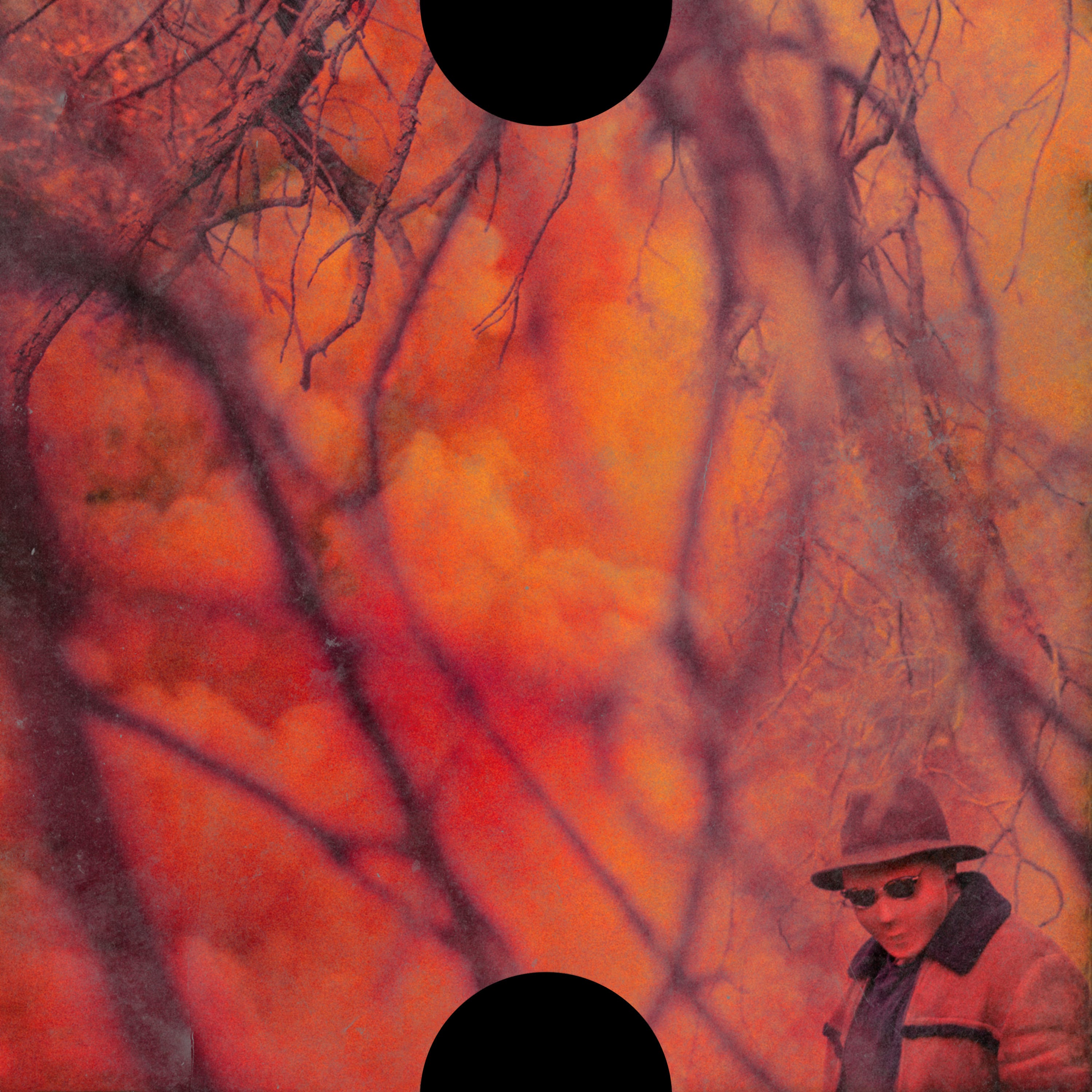
Joy was seven years old in the summer Quincey Hanley returned home from his travels and noticed she was speaking differently. There were new phrases and little gestures—all the changes a child makes when left to their own devices. He’d spent a year and a half touring behind Oxymoron—an album that had reached number one, platinum status, produced a top 40 hit, and firmly established him as the rapper Top Dawg Entertainment (TDE) could point to when asked who was next after Kendrick. None of this registered when he walked through his own front door in 2015. The child had grown up while he was away. ScHoolboy Q later told MTV News that he made up his mind within those initial few weeks back home; he was done. His manager wasn’t informed, and neither was Anthony Tiffith over at TDE or anyone at Interscope. Q effectively fell silent himself and assumed the labels would eventually pick up on the silence itself. I’m never going to give ‘em my album so they’ll get the point.
He took nearly a year off, constructed a small studio in the house, and began recording again that summer—unencumbered by any pressures from above at the label since no one above him even knew there was an album due. When Q stepped back into the recording booth, his inspiration came from Ghostface Killah, among others, and how Ghost is able to craft entire songs entirely through the perspective of someone who isn’t him yet always remains in character. This idea really stuck with him. One moment a tough street kid, the next a heroin-addled singer—this was the creative freedom Q was after, just like Ghostface can portray Tony Starks and Pretty Toney and a street corner pharmacist all in a single 16-bar verse. The album derived its title from the expression one puts on in their local community if handing something over will result in their own demise.
The lead single emerged as a single song that had a costume change right in the middle itself. “Groovy Tony” features Q rapping about a stick-up kid with no pulse, walking through the door, taking what he came for, and leaving without so much as a flicker of guilt—all whilst Tae Beast and Dem Jointz create a beat that is perfectly in sync with Tony’s very slow, almost dead pace. Right in the middle of the track, there is a crossover. “Eddie Kane” takes its name from the lead singer of The Five Heartbeats, the one who burns through the group on heroin and ultimately winds up playing music on a street corner in his stage clothes, and Q steps into that role like he has been waiting his entire career for it. Jadakiss appears to support him—an older uncle type who really lived through a similar story himself once before. The transition from Tony to Eddie is basically the closest thing that rap has produced to a costume change right within a single cut itself.
John Muir Middle School is located on Slauson Avenue in 52 Hoover Crip territory in South Central, and Q actually named a track on Blank Face after it—the one where he raps without any character to hide behind. He talks about the kids sitting beside him in class like he’s flipping through a yearbook he hasn’t opened in ten years, naming off what they did, what they sold, what they got locked up for, who got shot, who’s still alive. The song progresses at the speed of someone telling you a really long story on a porch, pausing and sipping and then picking it back up again—and the more you listen to it the harder it will be to remember that the kid in the story is also the rapper who was asked to play wide receiver before his pregnant girlfriend and a dependence on oxycontin he’d been selling steered him towards the corner. Q wrote it for those names.
Crip history runs through Blank Face just like it does through Q. The album’s final track is a sequel to one Q composed years ago for Stanley “Tookie” Williams—co-founder of the gang in LA back in 1971 and executed by the state of California in 2005. T.F and Traffic fill out the verses alongside him, and they rap about that history very matter-of-factly, as if they’re discussing a national flag they all know so well, not romantically nor apologetically. Was Q ever going to write his way past all of this? The Crips predate him; they’ll still be standing at their original location long after he’s finished with them and he’s gone, and his whole career is but one chapter within a larger entity he didn’t create.
A dozen producers were involved in the creation of the LP, including Cardo, Metro Boomin, Swizz Beatz, The Alchemist, and Tyler, The Creator, along with the TDE in-house team—and on a worse album that group would let the seams really show. But in this case they remain completely hidden—and that’s due to both Q’s approach to creating the tracks, like a director setting up scenes, fitting each producer to the part he needed that particular day and the story behind “By Any Means.” The opening line is “You can fuck my bitch, you can have my hoe,” and things only get worse from there; the beat itself originated from an unused Kendrick Lamar instrumental Q found in a folder on his own computer. Kendrick allowed him to retain it, added background vocals to several other songs, and left everyone guessing over the course of three months as to which tracks he actually produced.
By the time Blank Face landed in stores, Alton Sterling had been dead two days, and Philando Castile had been deceased one day. Q released a Black Hippy remix of “THat Part” simultaneously with his statement about the murders—and without prior fanfare—and continued with his rollout, which is what you see from a rapper who has stopped seeing his listeners as a voting bloc he has to attend to and instead views them as actual individuals who happen to be paying attention whenever he expresses himself.
Even when Q confronts racism most directly, it won’t make a statement on its own. “Black THoughts” is a verse about being viewed suspiciously while shopping, about police officers, about how the entire prison system runs through almost every man in his family line—and the song actually feels like someone trying to figure things out in the recording booth itself. There’s no bridge, no payoff, no final verse where the narrator stands up to demand change. The song simply ends, much like actual thought processes themselves do when one is fully immersed within them and not standing behind a lectern.
After three or four listens, the structure really starts to stand out. Nearly all tracks revolve around someone Q is pretending to be watching or remembering: Groovy Tony in the doorway, Eddie Kane near the end of his life, that eighth-grade student at John Muir, or the corner businessman in “Dope Dealer”—who knows the routes and prices right down to the dollar (E-40 pops up for a verse as if he were a Bay Area consultant always on retainer). SZA appears for a duet with Q on “Neva Change,” where Q’s response to whoever’s been trying to improve him is that parts of him had already been improved many years before—so take it or leave it. When Anderson .Paak returns to perform over Q’s depiction of the completely expressionless face itself for the title track, the whole album takes on the appearance of a very detailed guide on how to put one on.
Great (★★★★☆)