

Milestones: King by T.I.
Between a film role and a presumptuous title, T.I. calls himself royalty, raps the same block biography three albums running, and dares anyone to argue.
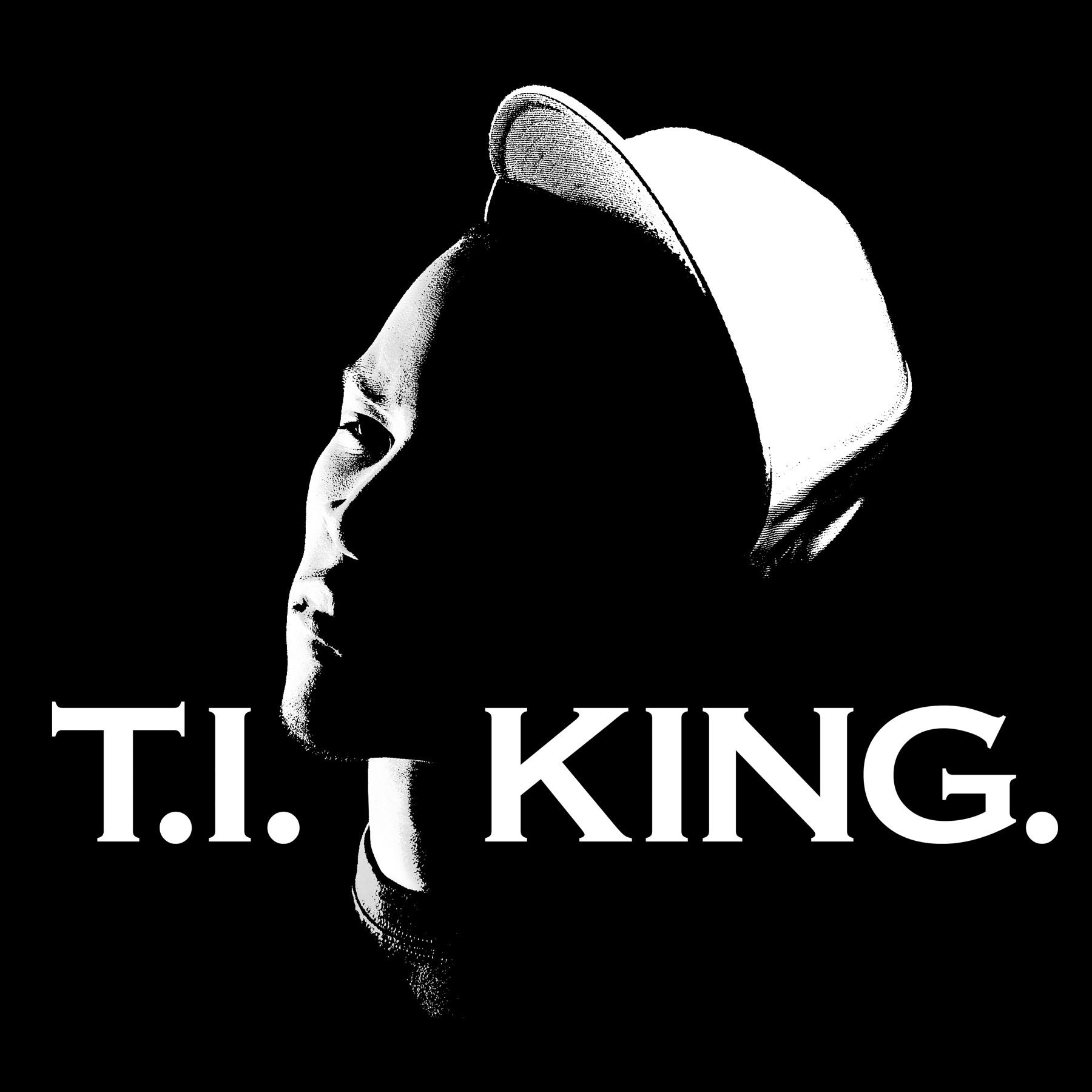
By mid-decade, T.I. had stacked enough radio presence to make his major-label arrival feel overdue. Singles kept landing from Atlanta with a frequency that bent regional prejudice in his favor, and the accumulation mattered more than any single breakout moment. “Rubber Band Man” bounced through car speakers in markets that historically dismissed Southern rappers as novelty acts. “24’s” rode heavy rotation while New York program directors were still sorting out what trap meant and whether they wanted any part of it. “Bring Em Out” knocked stadium crowds into synchronized head-nodding months before audiences could name the man delivering it. He entered spring 2006 with a film role and a commercial infrastructure built from four years of grinding, a scenario where the fourth album did not need to prove he belonged. He already belonged. Whether he could hold the space he had carved or whether the grinding itself had become his only story remained an open question.
King drops during the same window as T.I.’s screen debut in ATL, a pairing that suggests corporate synergy though nobody called it that publicly. The movie gave suburban multiplexes a reason to care about Bankhead while the album gave club DJs something to spin alongside the promotional cycle. Both products carried the same implication that T.I. was no longer a regional curiosity but a figure demanding national attention on multiple fronts simultaneously. His face showed up in XXL spreads and on movie posters within the same news cycle. The doubling created an impression of ubiquity that earlier Atlanta rappers, aside from OutKast, rarely achieved in such compressed fashion. Nobody confused him with André 3000’s eccentricity or Big Boi’s Cadillac-funk worldview, but he filled a gap in the market for Southern aggression delivered with boardroom cunning.
T.I. spends much of that real estate saying the same things he said on Trap Muzik and Urban Legend. He talks about moving weight, outworking competitors, surviving block politics, and carrying himself with a confidence that borders on compulsion. The subject range stays narrow. He returns to familiar boasts with small adjustments in phrasing, swaps one braggadocious angle for another, and repositions his hustler biography across different tempos while keeping its essential claims intact. On paper, the repetition looks like a liability. In practice, it grants him something harder to manufacture. He sounds like a man so assured of his message that variation feels unnecessary. The recurrence of themes gives King an internal consistency that albums chasing novelty often lack, though it also removes the element of surprise. You know what T.I. will say before he says it. You listen for how he says it.
“What You Know” settles that question within its first thirty seconds. DJ Toomp stretches a synth line past the point where most producers would cut to the hook, and T.I. hangs back just long enough to let the frequency saturate. When he enters, his syllables drag slightly behind the downbeat, adding lag to phrases that would scan faster in another rapper’s mouth. The deceleration gives weight to standard boasts. Claiming you run your city sounds different when the pace forces you to sit inside each word rather than sprint through it. He brags about knowing trap spots, knowing gun sounds, knowing the smell of cash fresh off the press. None of this information is new or surprising coming from a rapper who built his reputation on corner-boy credibility. But the delivery converts familiar claims into something closer to catechism. He occupies his position, and the sparseness amplifies his authority.
Other aggressive cuts on King follow similar principles but miss that precision. “I’m Talkin’ to You” targets unnamed rivals with the same declarative posture, and “Get It” drums up club energy through repetition rather than lyrical density. These records do not pivot toward introspection or complicate the persona. They reinforce it. T.I. crafts them like crowd-control tactics, reminders that he can still make hard music for hard audiences even as his profile drifts toward pop adjacency. The approach recalls how established rock acts drop one loud single per album cycle to reassure longtime fans that crossover success has not softened them. T.I. never strays far enough to need the reassurance, but he offers it anyway, banking goodwill against future experimentation that may or may not arrive.
Where King sags, it sags predictably. T.I. returns to romantic material with a consistency that suggests commercial calculation more than personal investment. Tracks like “Why You Wanna” pair him with a “Gypsy Woman” sample, aiming for date-night rotation alongside the trunk-rattling fare. The execution feels mechanical. His voice does not modulate to match the intimacy the production implies, and his phrasing carries the same clipped assertiveness he uses when discussing drug transactions. He raps at women rather than to them, issuing demands dressed as questions. The mismatch creates an odd listening experience where tenderness and transaction use identical delivery. “Live in the Sky” pulls from a recognizable melodic source alongside Jamie Foxx, and the audacity of that choice either strikes you as a cynical shortcut, depending on your tolerance. The song reaches for emotional grandeur, invoking loss and memory with the solemnity of a dedication, but lands closer to awkward theater. T.I. commits to the bit with no apology, which at minimum prevents it from sounding half-hearted.
The pacing wears attention thin before the album concludes. By the midpoint, even receptive listeners start checking how many songs remain, and the culprit is cumulative sameness rather than outright failure. T.I. does not sequence for contrast. He stacks energy levels and lets uniformity blur individual songs into a sustained mood rather than distinct entries. Certain heads will take that as a feature since the consistency means you can drop in anywhere and find usable material for a playlist or a mix. Others will hear fatigue settling in and wonder whether an editor could have improved the project by trimming three or four cuts.
Still, the album carries an undeniable assurance. T.I. raps like a man who has internalized his own mythology so completely that questioning it would feel redundant. He does not ask listeners to validate his claims. He states them and moves forward, leaving agreement as the only reasonable option. The posture echoes the title. Calling an album King before you have cleared thirty years or stacked a decade of classics takes brass, and T.I. leans into the presumption rather than hedging it. He wants you to believe the coronation happened years ago and this record merely formalizes the obvious. Whether you accept that framing depends largely on how much you value polish over revelation.
And polish is what King delivers more than anything else. T.I. sharpens edges that were already clean. He tightens cadences that were already tight. He reasserts positions that were already clear. The incremental improvements satisfy but never startle, and the album guarantees his place in rotation for another fiscal cycle while repositioning him as nothing other than what he was. Radio programmers and A&Rs love this kind of record because it poses zero risk. Fans who already bought in get exactly what they expect, and potential converts receive a coherent introduction. Nobody gets surprised. Nobody gets challenged. The machinery runs smoothly, and smooth machinery sells.
The cost sits in the margins. Artists who perfect their formula rarely produce records that get cited decades later as turning points. They produce records that solidify brands. T.I. solidifies his brand here with surgical efficiency, delivering a project that will never embarrass him but also never force anyone to rethink what he might be capable of saying.
What does he actually say here? He reminds you that he sold crack, that he did it well, that he survived doing it, and that anyone questioning his credentials can consult the streets where he built his name. On “Front Back” he and UGK rework the latter’s Southern classic. They talk about backing it up, flipping it over, treating bodies like vehicles to be positioned and assessed. “Goodlife” pairs him with Common and drifts toward positivity but stops short of saying anything actionable about what the good life requires beyond getting money and keeping enemies at a distance. “I’m Straight” catalogues material wins with the detail of an accountant submitting receipts.
The content carries weight only if you accept the premise that street survival and consumer triumph amount to philosophy worth repeating across albums. T.I. does not interrogate that premise. He lives inside it, fully committed to its logic, and whether you find that honest or limited depends on how much you want from rap music beyond confirmation of what hustlers already believe about themselves. He speaks to money, loyalty, block survival, and his own excellence with enough conviction to keep ears locked. Whether that conviction can continue substituting for danger remains his gamble to take.
Standout (★★★★½)