

Milestones: Sorry 4 the Wait by Lil Wayne
Out of Rikers and stuck inside Tha Carter IV delay, the rapper wrapped his return in twelve freestyles over summer hits.
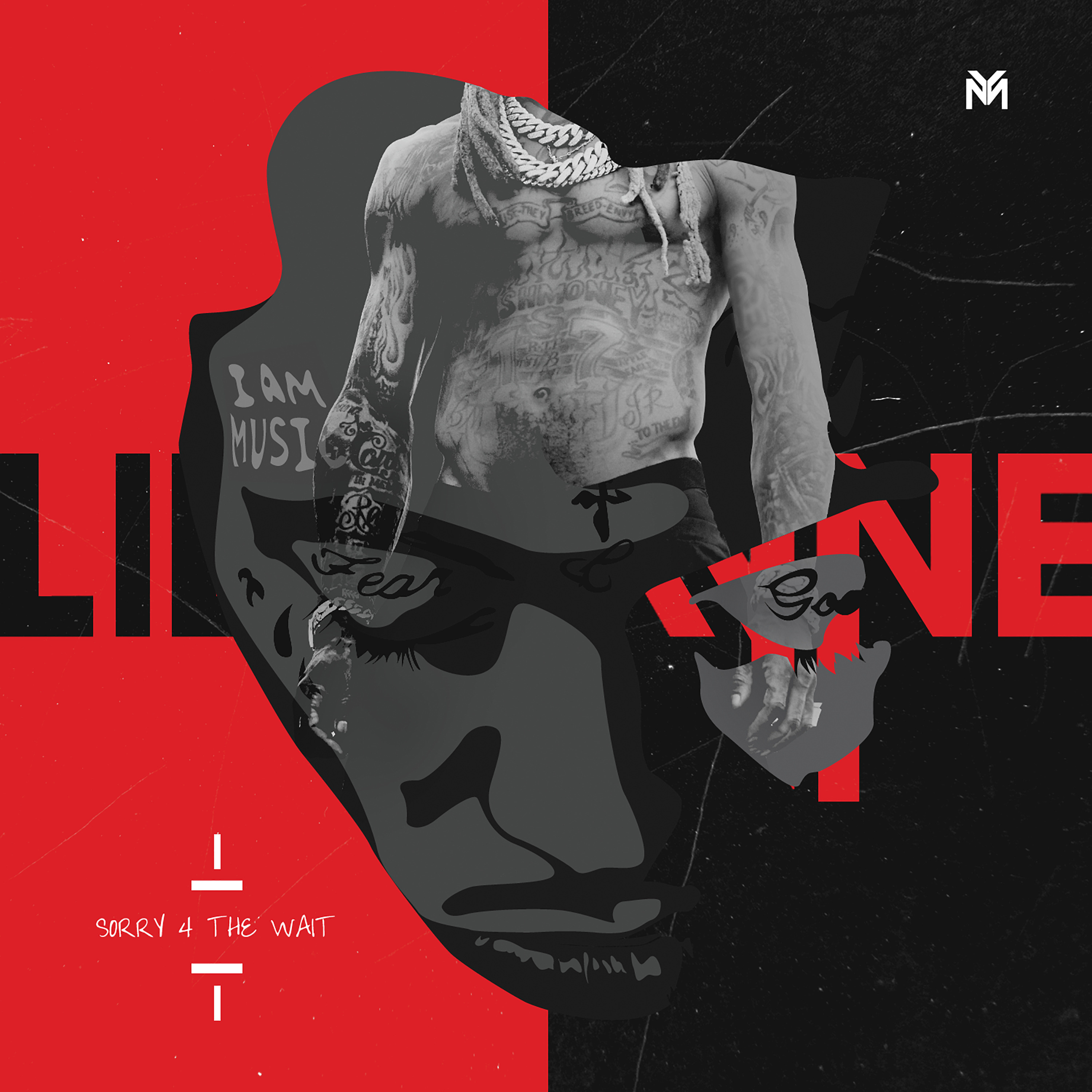
Toward mid-June 2011, the president of Young Money, Mack Maine, sent out his customary tweet, in which he used all capitals to deliver the mixtape fanfare of promises. “BREAKING NEWS!!! Lil Wayne mixtape ‘SORRY 4 THE WAIT’ coming soon!!!!! #C4boom.” The C4 was Tha Carter IV, the long-awaited album that Cortez Bryant quietly moved from September to late August due to the delay in getting the machine into gear. While things were being sorted out at the record label, Dwayne Carter, who was eight months away from Rikers Island and reinventing himself through one studio session after another, decided to sit down and rap to some of the hottest hits of summer 2011. The download followed a little over a month later and was a mixtape of songs by others but produced by him, directed at an audience that had gone without hearing new music from Lil Wayne in eight months and had been patient about it.
Rikers ended up costing him almost the whole stretch between his two major albums. In 2009, he pleaded guilty to attempted criminal possession of a weapon from a 2007 traffic stop in New York. By March 8 the next year, he started serving his sentence. While he was inside, Cash Money kept things going with a rock-leaning album he’d finished beforehand and the I Am Not a Human Being EP, released on his birthday that September from stuff he had saved up. He got out in November and pretty much went straight back into the studio. By summer 2011, he’d been free for over half a year, but the album he was supposed to deliver was still nowhere in sight, and the audience was starting to notice.
Mixtape Wayne and album Wayne were already two different worlds, and now that gap seemed to define him. His late-2000s reputation as the most productive MC alive was built through Da Drought series and No Ceilings, put together much like Sorry 4 the Wait was about to be—using whatever was hot on the radio in June. He worked out the rest on his own time. What else was there to do? Wayne told his fans the new tape would be about ten tracks, much like No Ceilings, and that’s pretty much what he delivered. No big-name producers, no label stamps.
He kicked things off with Mike WiLL Made-It’s “Tupac Back” instrumental, which was the most popular hook in southern rap that spring. He called it “Tunechi’s Back” and dove right into the verse, reflecting on the months he lost, the doubters, bits of his own work he’s ready to leave behind, and the funny things about being back home. Meek and Ross used the same beat for their victory lap, but for Wayne, it was his way back in, setting the stage for the rest of the tape.
Paul Epworth’s “Rolling in the Deep” instrumental showed up twice on this tape. By July 2011, Adele’s single was unavoidable—it had been atop the Hot 100 for months and had been overplayed in every coffee shop. Wayne had been remixing tracks like this for years, taking songs that weren’t his, but using Adele’s track changed things up. He used the instrumental once for a freestyle near the start called “Rollin’” and again for the title track at the end. On the second round, with the song turned into a genuine apology, it stopped feeling like just a gimmick.
On the title track, he follows through on the promise—he apologizes. To fans who’ve been waiting, to those who stuck by him during his legal troubles, to the audience that tolerated his rock phase. Wayne sounds a bit hoarse and unpolished, like he’s trying to get something off his chest before it slips away; the Adele instrumental rolls on without him having to tweak it. Over a piano everybody knew, he thanks his audience in his own unique way without trying to clean up “we could have had it all” into anything more fancy.
Drake’s “Marvin’s Room” was a bit of a surprise for folks given Drake was Lil Wayne’s protégé. He was the Young Money star Wayne had personally brought onto Cash Money thanks to an early mixtape. The song had such a distinct Drake vibe. Anyone else trying it would come off like a bad karaoke night. But Wayne went ahead and did it anyway. He took the original’s slow, drunken call vibe and twisted it into his own late-night call, replacing self-pity with impatience. There’s an interesting buzz to a mentor borrowing from a student, especially since the student first took inspiration from the mentor.
Lil B’s feature is probably the most memorable endorsement on the tape. Back in 2011, Lil B was an internet cult figure, and mainstream rap wasn’t sure how to handle him just yet. By teaming up on the “Grove St. Party” beat, talking weed and street life, Wayne was doing for him what his own heroes had done for him years before. Lil B brings this loose, quirky energy to his verse while Wayne plays the more grounded role. It was the right call. When two artists approach a beat from totally different angles, let the oddball stay odd.
Writing for just three weeks can only take you so far. Wayne falls back on typical themes of sex and confidence in “Sure Thing.” Meanwhile, “Racks” is the shortest track with not much to say, and “Hands Up (My Last),” with No I.D.’s production, feels caught between a full song and a rough sketch. These weaker moments are what you’re bound to get from a rushed recording session. A freestyle mixtape made on such a tight timeline will have those spaces where the rapping feels like it’s just killing time until the next fresh idea. But Wayne has filled more airwaves than most artists can claim over an entire career, so he knows how to do it without sounding fed up.
Sorry 4 the Wait dropped on DatPiff and Wayne’s official site, free of charge, without physical copies or an iTunes listing. Streaming wasn’t a big deal for major-label rap yet. But giving away free downloads wasn’t without cost to artists. Wayne offering the whole tape for free on DatPiff was a big move for a Cash Money artist whose label usually put a price tag on everything with his name on it. The original twelve-track version didn’t hit streaming platforms until January 2022. When it did pop up on Spotify, it came with four new songs tacked onto the front. Now, anyone under thirty probably knows this extended version better.
The last freestyle, “IDK,” is a candid moment where Wayne spends about three minutes admitting he doesn’t have a clue about the release date, what tracks will make the cut, or what he plans to do with the apology when Tha Carter IV eventually arrives. This track has him rapping over an original beat, not someone else’s, and it feels like he’s crafting his verse as it records, sounding more laid-back than anywhere else on the tape. When the download went live on DatPiff around mid-July, the page’s counter couldn’t even keep up with the demand.
Above Average (★★★☆☆)