

Nobody Was Ready for What Ishmael Butler Did Next
Black Up came out on Sub Pop and sounded like nothing else that year. Plus: Bad Meets Evil’s reunion, MMG’s first group record, Tech N9ne finally crossing over, and more.
Welcome to this special edition of Words Past da Margin. 2011 was fifteen years ago. I know, you feel old? During that time, Rap was on its way to becoming the biggest commercial juggernaut at the forefront. While the mainstream had its moment, the underground/independent scene highlighted who would be the future. But make no mistake, in this five-album series, we’re revisiting these albums to see if they hold up (or not), or whether you should give them a second chance if you missed the project(s) on their initial release date.
Bad Meets Evil, Hell: The Sequel
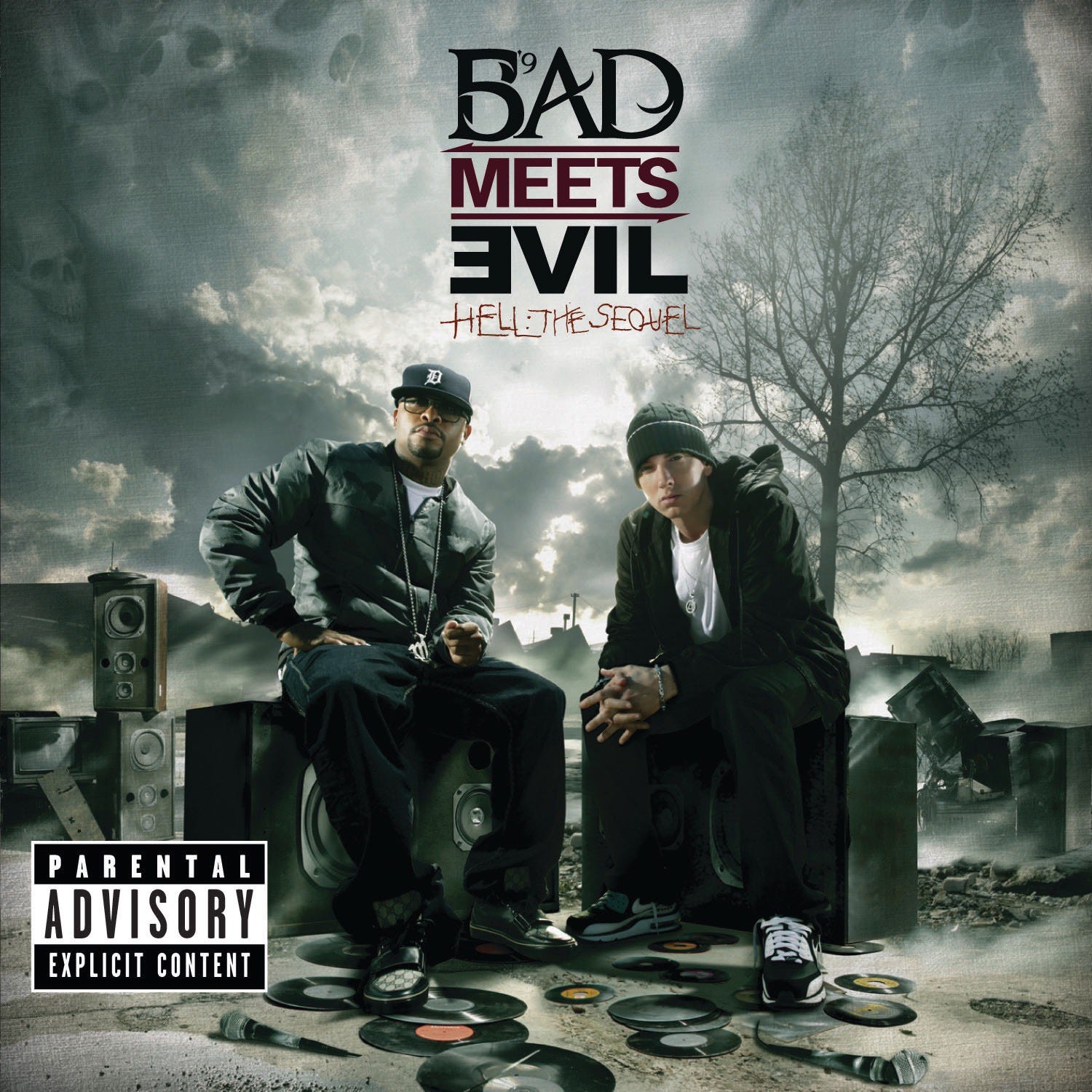
What do you think about Hell: The Sequel, premiered by the duo of Eminem and Royce da 5’9”? It is a little treat for rap fans who waited a long time for the pair, albeit only twelve years since “Bad Meets Evil” was included on the major-label debut album The Slim Shady LP, which foretold “See you in hell for the sequel.” Eminem, who became a superstar, revives the unit with his old friend Royce da 5’9”. As Slaughterhouse, the group to which Royce belongs, signed with Shady but ultimately nice extension of Eminem’s recent revival drama, the absolute king of the scene (thanks to Recovery), Royce needed to come crashing into him. He, always high-tension, wanted to rap, confirming the initial impulse when he just came out, while Royce accepted this invitation, resulting in a hard album tightly packed with exactly the number of songs right for rap, more than satisfactory.
Mr. Porter, who is a member of D12, handles about half of the songs, along with Mobb Deep’s Havoc, Bangladesh, etc. When I heard that the Pop superstar Bruno Mars was going to be on a pop number called “Lighters,” I winced. The only song that takes the EP in a different direction, to deliver “a moment of hope in hell,” as it were, contains a line that could be taken as Eminem retiring. Maybe he just doesn’t want to end his career as an underground hero after ten years, but as a big pop star instead. —Quinn Baptiste
MMG, Self Made, Vol. 1
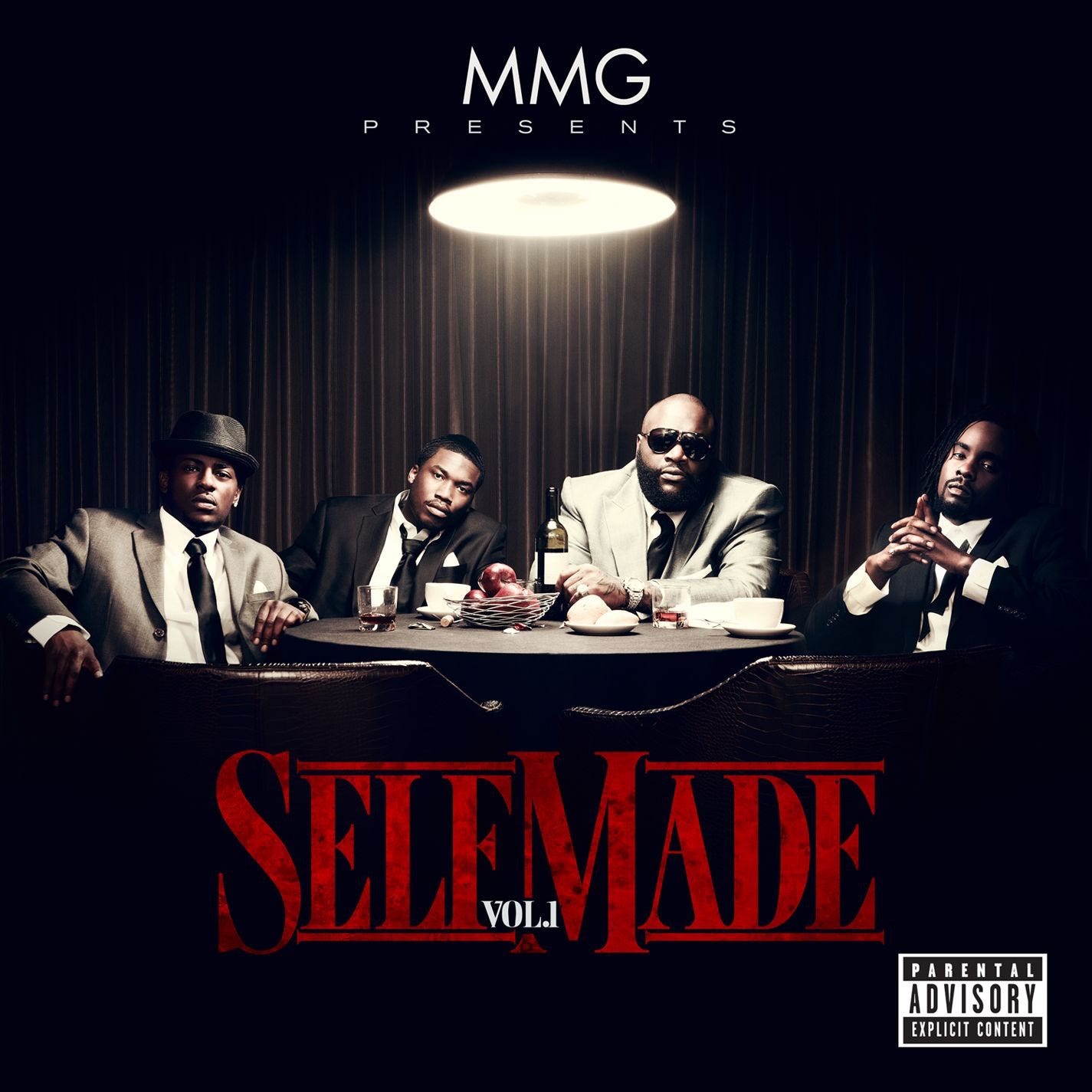
From the latter half of the 1990s, many of the crews that actively flourished, such as Roc-A-Fella, the Diplomats, and Ruff Ryders, are, in almost every case, “after the festival.” I grew up on projects from local-style young-money groups such as Murder Inc., and it was great to hear rappers and singers with different talents working together and complementing each other. Part of the reason I must have been pulled into Maybach Music Group (MMG) is the factor that these crews are successors. Entering this year, MMG added Wale, Pill, Meek Mill, and even singer-songwriter Teedra Moses to the family one after another, and just when many people were saying this was finally the moment, MMG’s new system unveiled its first group work.
However, because something like a new release was put out every month in 2011, this album, which was released in the middle of that, has a slight lack of freshness. Also, this is a mixtape that was already released in DL format earlier this year, with Ross and Meek Mill’s “Tupac Back,” Ross and Wale’s “600 Benz,” and three other songs. The work itself ended up being something that could not be fully wiped away in the sense that it had already been seen. Of course, the production by Just Blaze on “Self Made” is enough, but in the sense of making the most of the personnel, I wish there had been a few more killer tracks. In particular, it is unfortunate that MMG’s strongest point, which is the hook, is thin. On the other hand, Wale and Meek Mill look several times more lively after joining MMG. This can probably be called an image strategy that carries Rick Ross’s aura as it is. I want them, who continue to advance with that brand image, to make one more push. They ended up making two albums afterward and nothing else. —Phil
Tech N9ne, All 6’s and 7’s
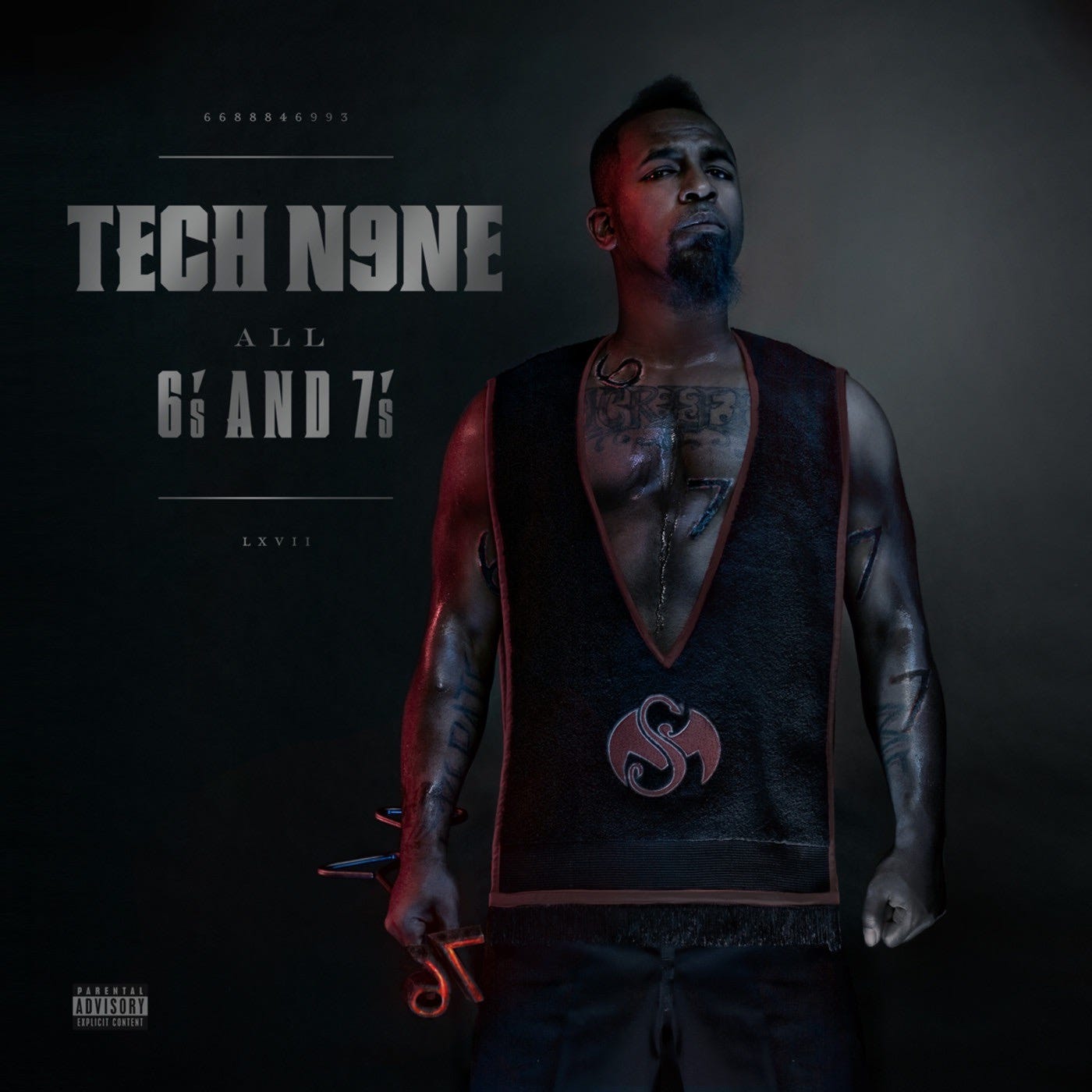
A decade has gone by since his first nationwide debut album from JCOR, Anghellic, achieved its first overall top 10 entry. But with all favorable conditions since Killer has finally completely taken root, this timing of the Goblin has come. Hitting after the third installment of the Collabos project, The Gates Mixed Plate, this album throws out the content to the standing position, which has increased its heat throughout.
The title of “confusion” means extracting the intentions and themes one by one, but it’s a work that makes you feel the beauty of that confusion the most. The splendor of the composition and arrangement is also dramatic in the flow. The B.o.B-produced “Am I a Psycho?” featuring Hopsin and straightforward B.o.B to create the goblin world. “Fuck Food,” which is also an excellent T-Pain song, makes use of a goblin world featuring Lil Wayne. To be able to contact strongly with Kendrick Lamar, Jay Rock, and Stevie Stone while firmly keeping the Strange Music-centered system, Deftones are truly splendid. It is a reality that “Tech will never go mainstream, mainstream will go Tech” has devoted old-school nerdiness to major-label groups and has not changed dimension.
“Worldwide Choppers” is a nine-person relay that brings Turkish and Danish MCs along for the ride, showing the song’s rapid-fire skills and the magnificent sense of history and the healthy cypher route of the genre. The story’s nature gradually builds in the last half, where tech slowly sinks inward, and on “Mama Nem,” he sings his gratitude to the mother who gave birth to him at age 15, backed by a hearty Krizz Kaliko. It’s one of Tech’s best. —Randy
Jadakiss, I Love You (A Dedication to My Fans): The Mixtape
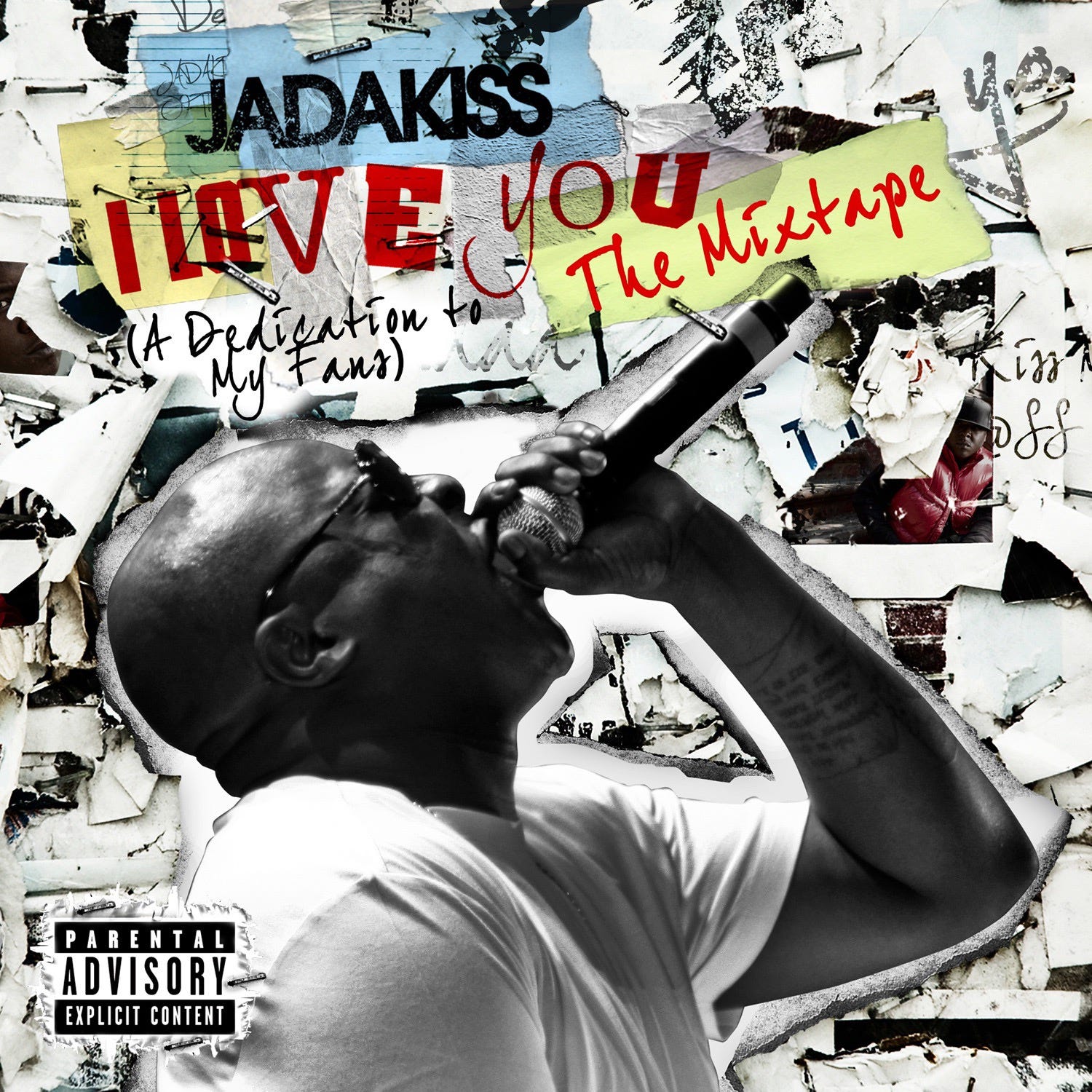
Congratulations to loyal fans who have experienced the “I want to thank the fans” mixtape-format work that was originally released for free, because this is the official CD release. Perhaps because his recent activities also placed more emphasis on returning to his work as The LOX and then announcing an album, it is no surprise that the release of this work in itself. Finished under a completely different vector from his mixtape series The Champ Is Here, this release was surprisingly made with sincere consideration toward his fans (or maybe I’m just thinking too much?). Very good tracks are loaded, such as a hard street-anthem recording that is very much like him, but I recommend tasting smooth tunes in “Hold You Down,” where old friend singer Emanny participated in a mellow R&B singer-songwriter track. Freshness also feels in “Toast to That” with the same late Def Jam labelmate, Fred the Godson. —Nehemiah
Shabazz Palaces, Black Up

When digging into the first album by Shabazz Palaces, it’s hard not to remember that this is a new project in which one (Palaceer Lazaro) of the three members of Digable Planets has revisited the roots of jazz rap. While, at first glance, the musicality is Black and cool and deserves more praise for pushing for a new step, there are moments in the album that make you involuntarily come out and shout. The repeated sounds are transferred as if passing through a fan; the sound itself is finely spread like very fine particles, and there isn’t much impact on first listen. However, the sense that it achieves the maximum effect with the minimum number of sounds is trustworthy. The moments when the delicate sound construction and the contours of the rhythm are gradually blurred, as well as the development that makes you sick, have both wonderful qualities. Of course, jazz (which is moderately added as a spice in the background) also contributes to the excellent brand. Definitely, “Endeavors for Never” and “Recollections of the Wraith” are perfect. —Harry Brown