

An artist disappears for a while, then returns with a record that refuses to apologize for the gap. Another returns with a different voice, older priorities, and a sense of what matters now. 2025 was full of that energy, comebacks that didn’t try to recreate a past version of success. Some of the best albums sounded like people stepping back into the world with new rules. The year rewarded patience as much as speed.
Debuts mattered too. A first full-length can be a test, a statement, or a dare, and this year had plenty of artists who treated it as all three. Instead of trying to cover every influence at once, the strongest debuts picked a lane and dug in. That focus showed up in writing, in rhythm choices, and in the way collaborations were used. When a feature appeared, it usually served a scene, not a checklist. The albums felt built, not assembled.
This list is organized around that sense of intention. The page is one long scroll of titles and paragraphs, with cover art as a visual cue and bylines that remind the reader there was a person behind each pick. It moves fast, because the year moved fast, but the language keeps slowing down on the important moments. Not every album here will be a comfort listen. Every album here made its case.
Call it a year of refusal. Refusal to smooth the edges, refusal to let marketing language do the explaining, refusal to chase a single idea of what success should sound like. Those refusals came in different styles, but the shared thread was control. The artists knew what they wanted their records to do in a room. This list follows that impulse.
José James, 1978: Revenge of the Dragon
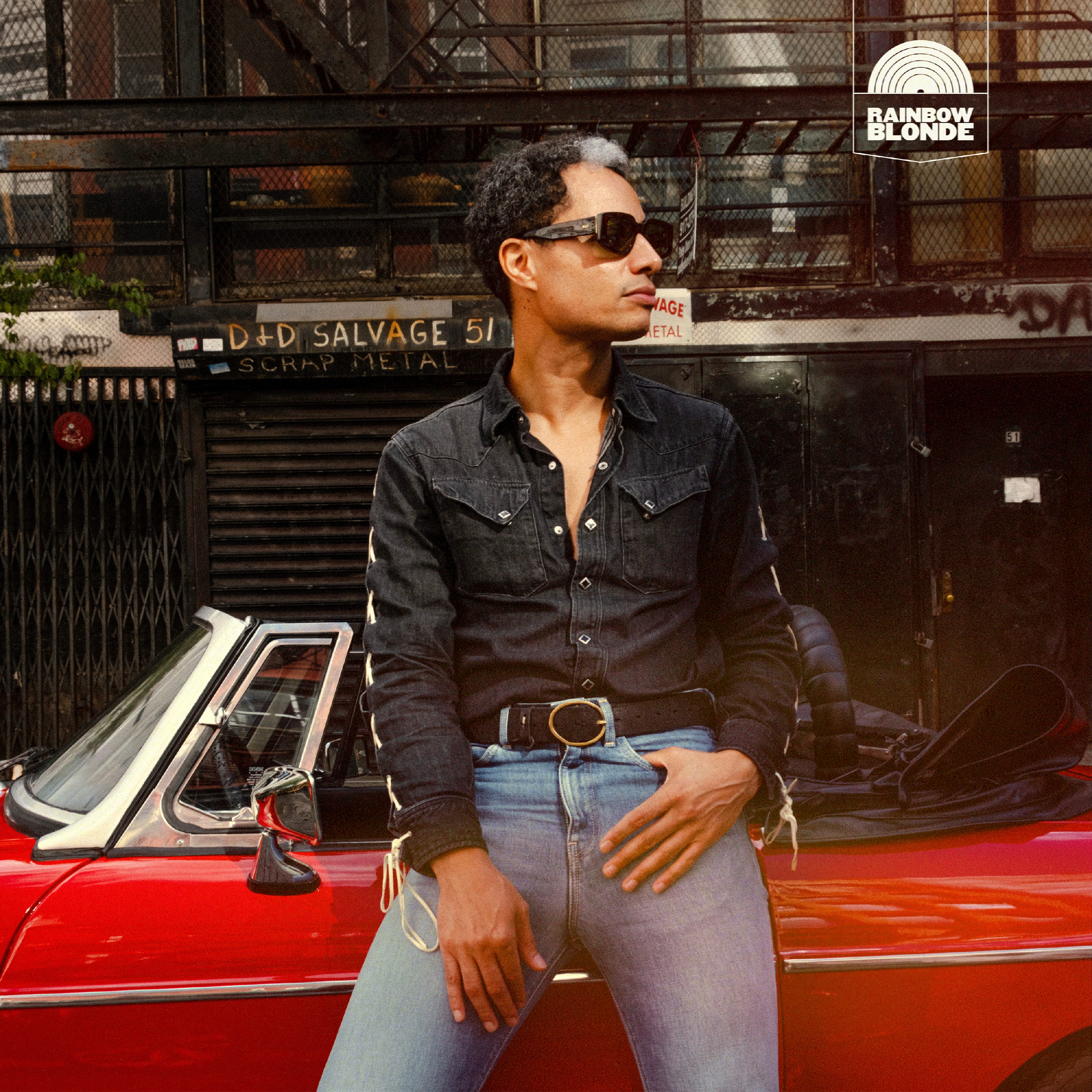
José James cut the entire set to two-inch tape inside Dreamland, a converted church whose wooden rafters trap cymbal spray and ambient hiss, so the record breathes like a crowded club rather than a DAW grid. BIGYUKI’s analog synths fizz against Jharis Yokley’s cracked-rim snare while a three-horn frontline of Takuya Kuroda, Ebban Dorsey, and Ben Wendel punches lines that feel lifted from a Shaw Brothers soundtrack. “Tokyo Daydream” drapes that brass over a rubber-band bass ostinato, then slips into double-time handclaps that evoke neon alleys at midnight. The Michael Jackson cover “Rock With You” slows to half-speed, James stacking his voice into woozy harmonies while a dubbed-out clavinet wobbles beneath muted trumpet. “They Sleep, We Grind (for Badu)” filters a clav groove through tape echo, echoing its mantra-like hook across speaker cones until it feels more ritualistic than a song. Original “Rise of the Tiger” rips forward with fuzz bass and kung-fu dialog samples, paying tribute to James’s own martial-arts practice. “Last Call at the Mudd Club” ends on a bent tenor-sax scream that fades into the studio’s natural reverb, leaving only creaking floorboards and tape hiss as the lights cut. — Brandon O’Sullivan
Joe Armon-Jones, All the Quiet (Part II)
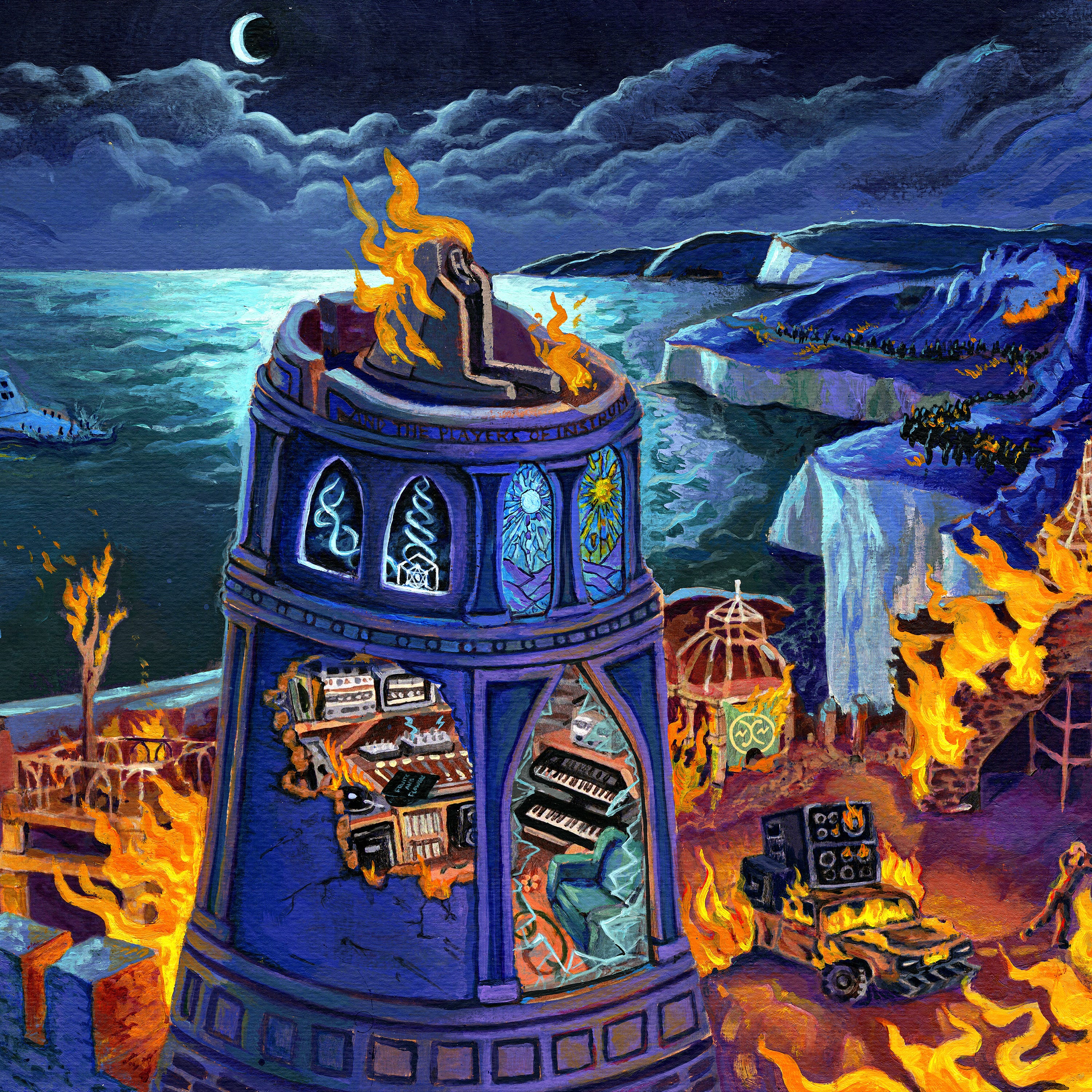
Joe Armon-Jones handles writing, production, and mixing, fusing jazz harmony with dub atmosphere and easygoing funk grooves on his own terms with this sequel. “Acknowledgement Is Key” lets Hak Baker recount personal struggles over sparse keys and rounded bass, turning conversational snippets into central hooks. “Westmoreland” brings Asheber’s resonant baritone atop a rhythm inspired by sound-system culture, while analogue hiss signals Armon-Jones’s fondness for tactile studio character. Greentea Peng and Wu-Lu share space on “Another Place,” trading melodic lines that glide rather than clash. Yazmin Lacey’s appearance on “One Way Traffic” offers a brief lift before the band settles back into steady motion. Nubya Garcia threads short sax phrases through several sections, never overstaying. Drummer Kwake Bass locks a relaxed pocket that lets keyboard voicings float. Instead of chasing climaxes, Armon-Jones allows ideas to breathe, rewarding jazz fans who stay for detail. — Harry Brown
Sunny War, Armageddon In a Summer Dress
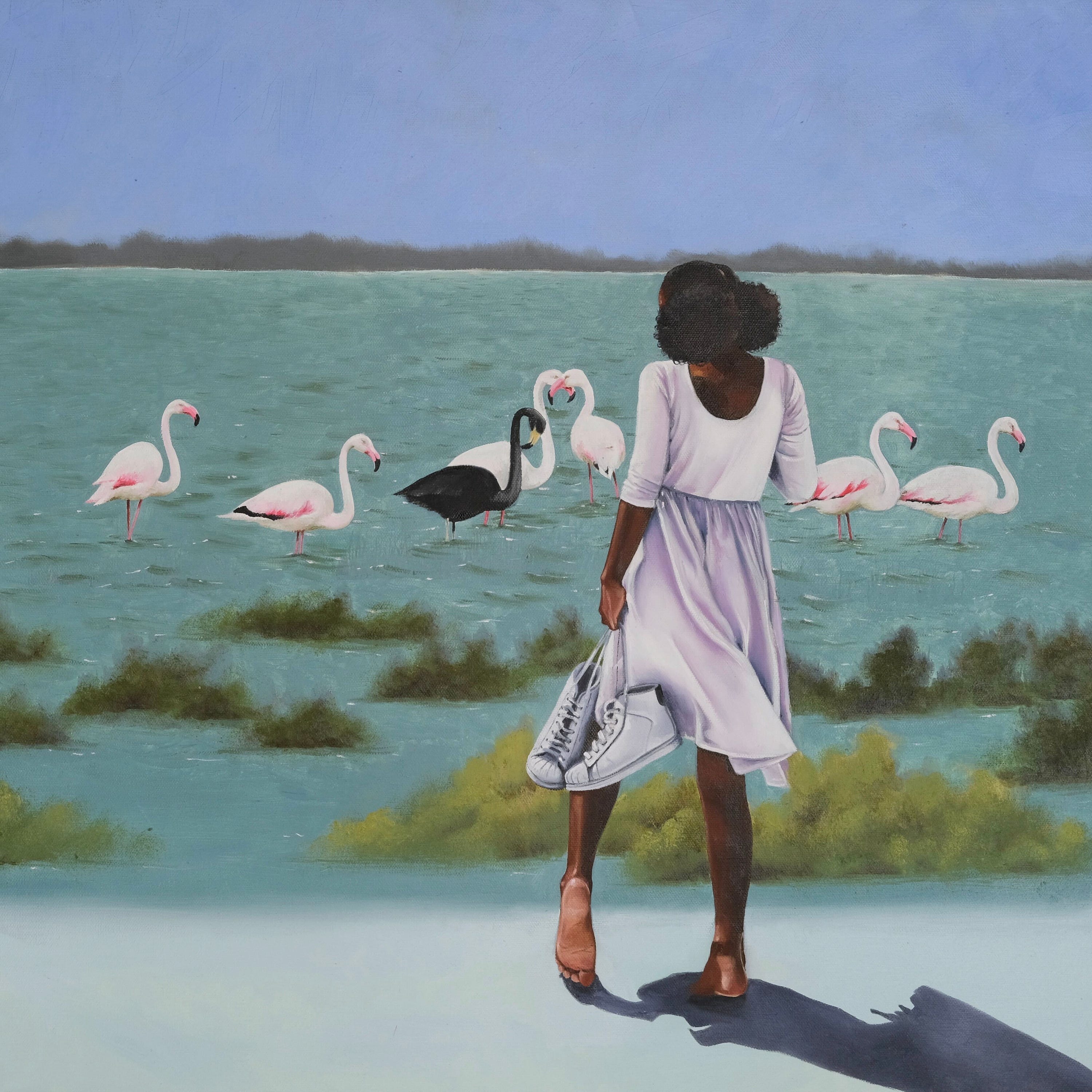
After her 2022 album Anarchist Gospel earned attention and tours with Bonnie Raitt and Mitski, Sunny War returns with her most full-band effort, working again with producer Andrija Tokic to marry her anarchic folk-punk sensibility with retro-soul arrangements that dress fury in beauty. “One Way Train” explodes immediately with no patience for slow builds, singing about a future where there’s no police or state, where fascists and class systems have burned away. The anger embedded in “Bad Times”—“I make the least you can in an hour, I’ve got no money, so I’ve got no power”—gets wrapped in danceable Tamla rhythms that create dissonance between message and medium. “Rise” urges living for the moment over choppy guitar licks, acknowledging the sun might not shine again. Steve Ignorant from Crass joins “Walking Contradiction” to deliver class war observations (”Your humanity does not outweigh your will to survive”), connecting War’s politics to punk lineages that predate her. Valerie June adds vocals to “Cry Baby,” and John Doe from X appears on “Gone Again,” both collaborations signaling War’s arrival as someone artists want to work with. “Scornful Heart” pairs with Tré Burt, building folk arrangements that sway rather than punch. — Tai Lawson
Olivia Dean, The Art of Loving
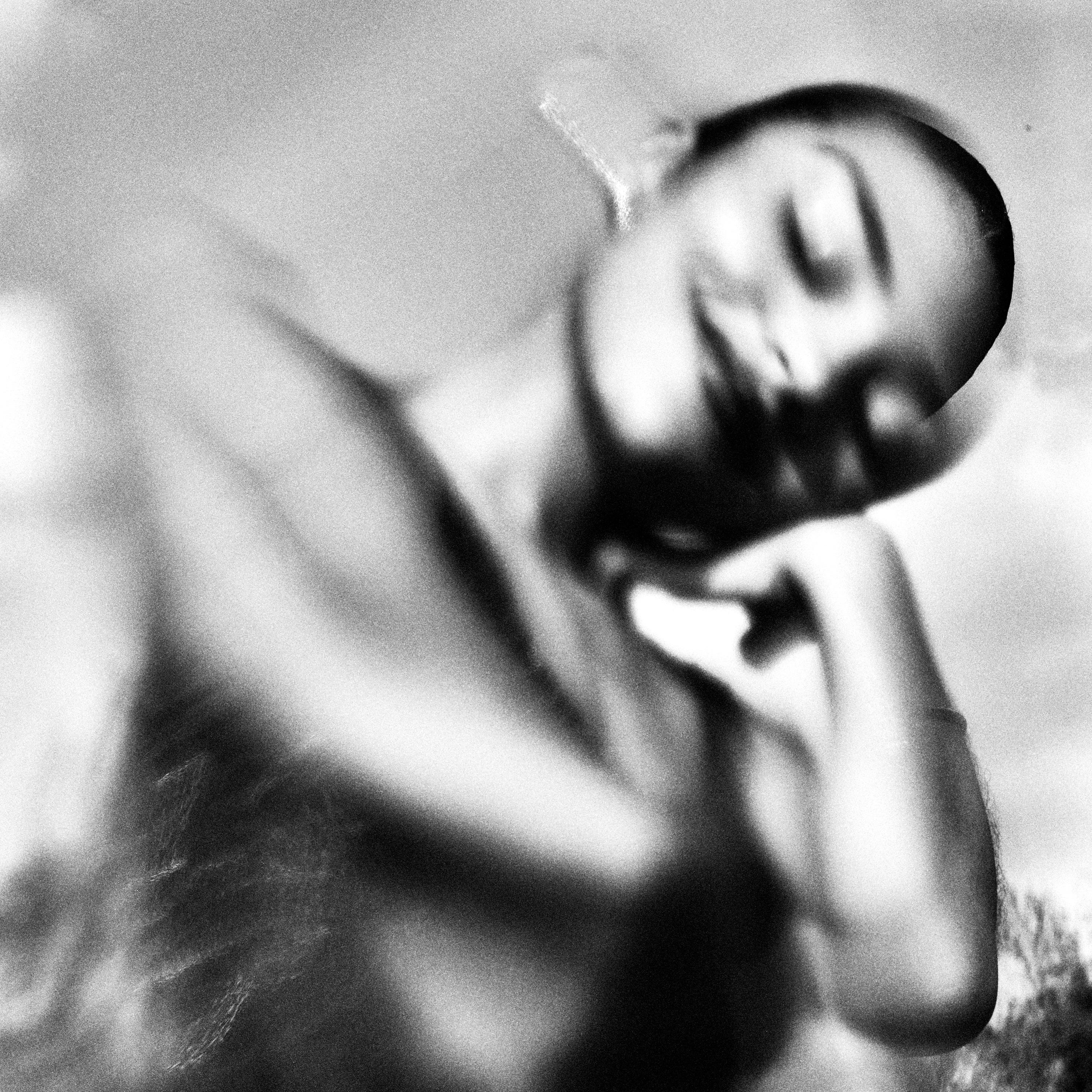
If you know about Olivia Dean, then you understand how quickly she’s grown. She pairs that familiar palette with diaristic songwriting as shown on Messy, but she deals with the mundane joys of new romance and the awkwardness of moving on from old love, her sweet, understated voice free of the crooner affectations that weigh down so much contemporary pop on The Art of Loving. On “Loud,” she lets her full voice soar over strings and a guitar melody reminiscent of Amy Winehouse and Adele, while “Close Up” turns intimacy into a whispered confession, accompanied by piano and horns. “A Couple Minutes” samples a 1971 guitar riff from Hot Chocolate and uses its groove to underscore the warmth of new love. “Baby Steps” embraces self‑love after a breakup, as Dean sings about being her own safe harbour and planting roses to celebrate her growth. The introductory title track frames the album as an exploration of what it means to care and be cared for, and “I’ve Seen It” promises that love is all around, concluding that it has been inside her all along, utilizing influences and writing with more detail and vulnerability. — Charlotte Rochel
Dijon, Baby
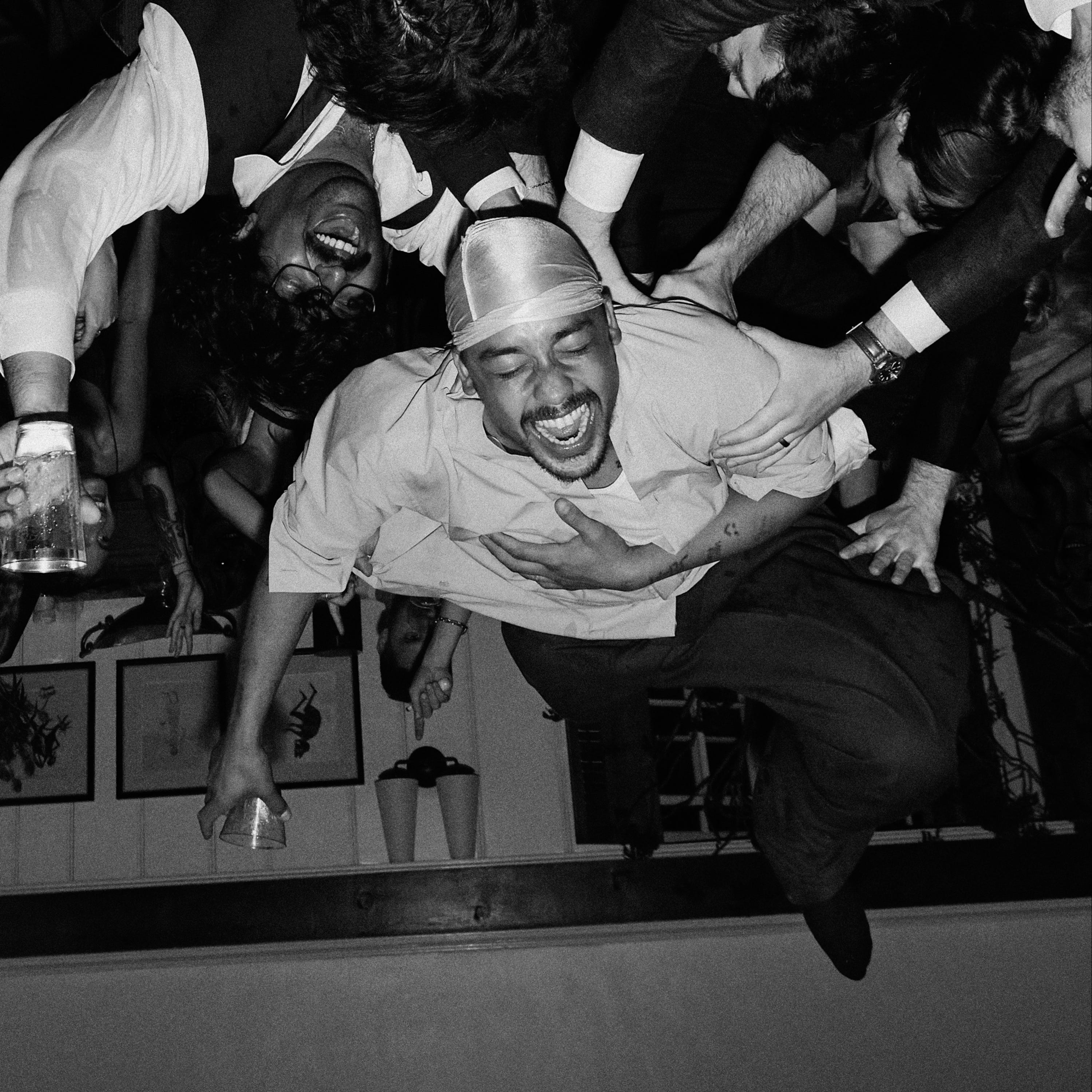
After the hard-won leap of Absolutely, Dijon returns with a second full-length built to pressure test what comes next. He writes from the life he’s been building, partner and new father in the house, and he bends the record toward that pressure with a jumpy, collage-minded approach that treats memory and domestic noise as usable parts of the kit. Songs pivot on sudden cutaways, voices pitch and splinter, and the drums lurch from human swing to clipped fragments that feel sampled even when they are played, a method he sharpened with Mk.gee and BJ Burton and kept flexible with Andrew Sarlo and Henry Kwapis. The effect is a steady argument for intuition over symmetry. Hooks arrive from the side, a shout becoming a refrain, a breath turning into a cue. When he asks, “Is it all just patterns packed inside,” the question doubles as a design note, because repetition here is never quite repetition, and the lyric keeps the music honest about what love and panic can do to form. A track like “Another Baby!” moves like a quickening thought, synth stabs and vocal yelps ricocheting without losing the thread of devotion, while “My Man” wears bright R&B vowels over scuffed tape edges so the tenderness has grain to it. Even when the room gets loud, the writing stays intimate, naming ordinary rituals and doubts with the clipped attention of someone catching ideas between feedings. The album’s core is that lived-in speed, and a tight circle of collaborators, a comfort with messy takes, and a belief that a family’s daily weather can power a pop record without sanding it down. — Tai Lawson
DJ Haram, Beside Myself
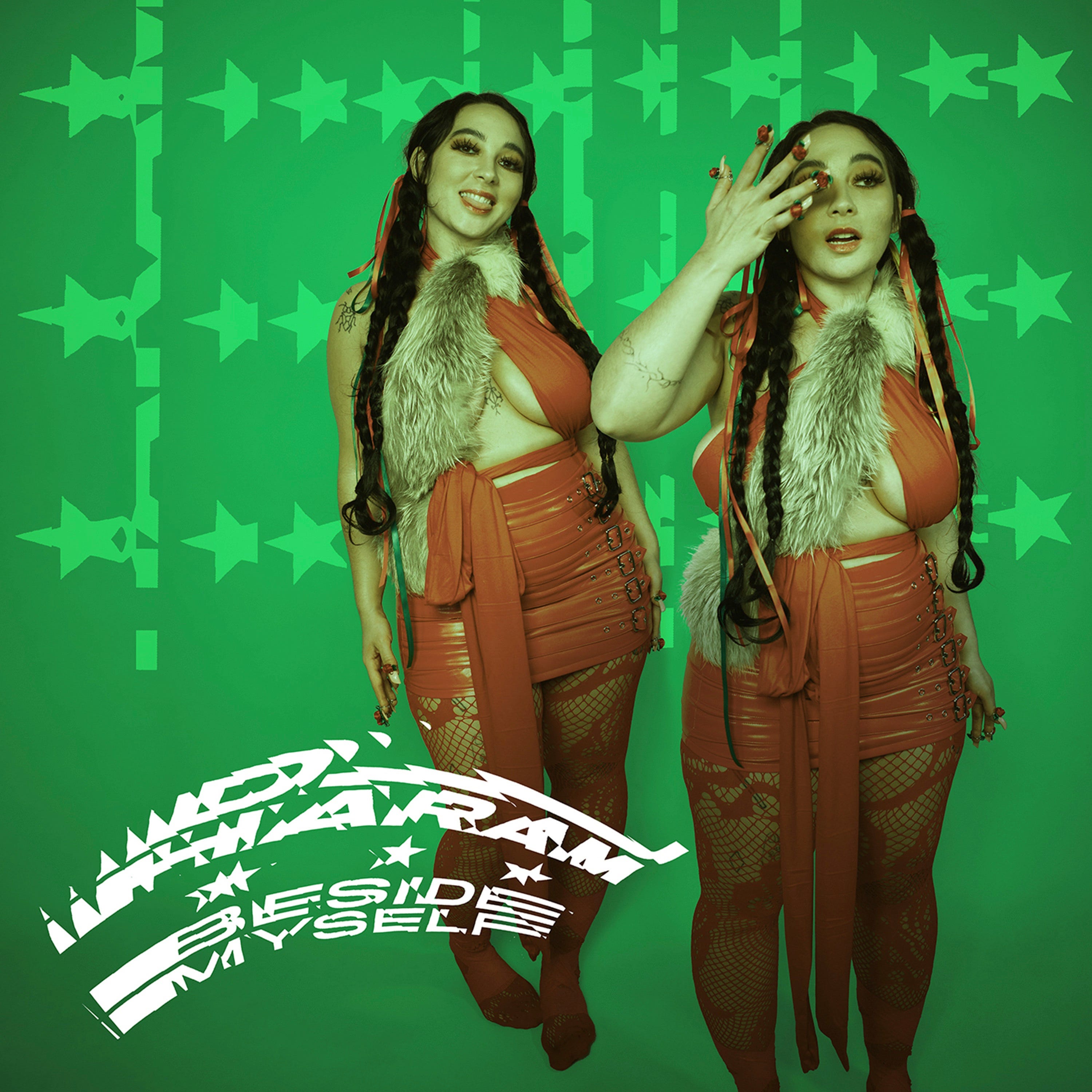
DJ Haram channels fury into inventive hybrids on her first full‑length, drawing on club beats, heavy guitars, and Middle Eastern percussion to articulate what she has called being “beside herself” with rage over a violent world. “Lifelike” opens with an ominous synth drone and guitar feedback before her voice declares, “I see god, I can’t stand him,” setting the tone for an album that veers between despair and defiance. “IDGAF” juxtaposes sludgy metal riffs and hand‑clap rhythms with darbuka patterns reminiscent of a Syrian Black Sabbath, while “Badass” centers a chant over claustrophobic percussion. Elsewhere, the record folds in Middle Eastern house (“Loneliness Epidemic”), breakbeats that seem to spar with darbuka drums (“Sahel”), and a swaggering violin reminiscent of RZA’s productions on the posse cut “Fishnets.” Its refusal to sit still makes its cathartic release possible; anger and joy, protest and dancefloor bliss are layered rather than segregated, and that complexity leans into dissidence with her. — Harry Brown
Amaarae, Black Star

Amaarae arrives here with real momentum. The Angel You Don’t Know turned a local cult into a global footprint, “Sad Girlz Luv Money” cracked the door wider, Fountain Baby proved she could build a world and tour it, then she stepped onto bigger stages as the first Ghanaian to play a solo Coachella set and leaned into the pop star she’s been writing toward. That’s why Black Star feels like the moment she chooses appetite as engine and writes directly to desire, control, and play. The songs are built for motion and face-to-face drama, switching between taunting invitation and delighted excess. “Starkilla” links Bree Runway’s bite to Starkillers’ club muscle, “Kiss Me Thru the Phone Pt. 2” pulls PinkPantheress into a sugar-wired techno sprint, “ms60” closes with Naomi Campbell’s cool poise as a statement of intent, and “S.M.O.” pulls on highlife ideas and swings with warmth, mixing sacred language with hedonist promise until the song reads like a ritual of consent and pleasure. She toys with pop memory, nodding to Cher and Gucci Mane while keeping the center of gravity in her own voice. She keeps everything playful, cutting, self-mythologizing, but specific about desire and power, which is why Black Star works as a portrait of power in motion, an artist testing how far clarity can go when pleasure is the subject and the pen keeps the rules. — Ameenah Laquita
Jackie Hill Perry, Blameless
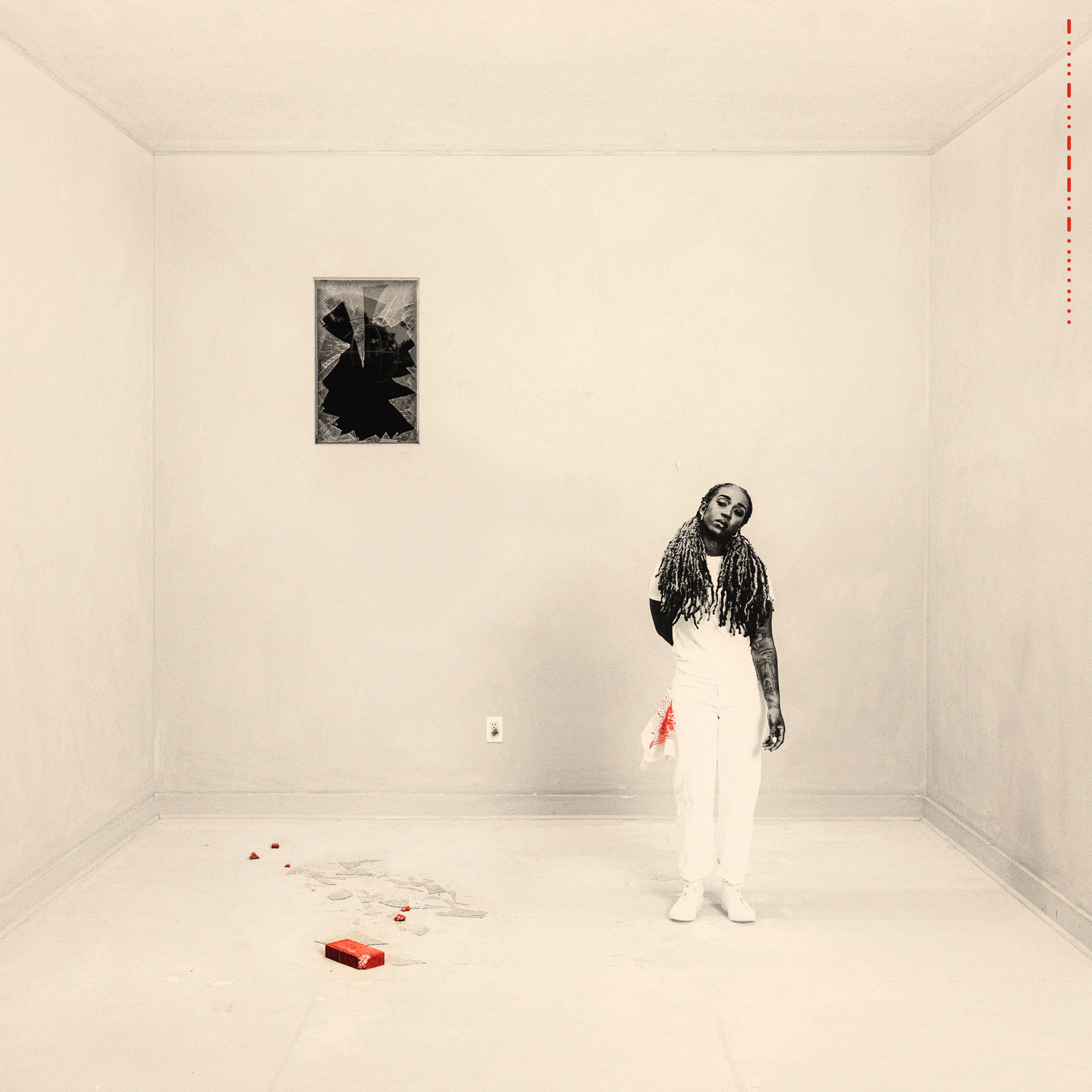
Jackie Hill Perry returned to hip‑hop after nearly a seven‑year hiatus, bringing with her the perspective of an author, spoken‑word poet, and mother. With Blameless, she built a conceptual “house” where each song occupies a room and together they form an examination of faith, the Church, and personal accountability. “The Home” invites us into that house by narrating a scene at a red house with a cracked window, knocks on the door, slips inside and wanders through rooms where greed and distraction lurk, and “Pride and Prejudice” she confronts her identity head‑on—“Indian in my blood/You can tell by the roots/Ain’t selling dream catchers/Everybody wanna be a prophet/‘Til it’s time tell the truth”—before the hook admits “Maybe I’m just relevant/Maybe I’m just arrogant/Maybe y’all need a therapist,” showing self‑examination and vulnerability. “I Ain’t Worried” finds her telling anyone who will listen that she doesn’t chase money or gossip, boasting, “Got four babies and they crazy call me Donda,” and dismissing online critics by saying, “Why you talking mess? It ain’t no flex to spin that gossip/When I spit that gospel.” Even the uplifting “Keep Your Head Up” carries depth; over bright keys, she urges weary women to look to heaven, reminding them that they are seated in heavenly places while cautioning against overthinking and self‑sabotage. Throughout Blameless, Perry knits theological reflection into conversational rhymes, blending admonition with encouragement to craft a record that feels like both a candid journal entry and a sermon in equal measure. — Murffey Zavier
Durand Bernarr, Bloom
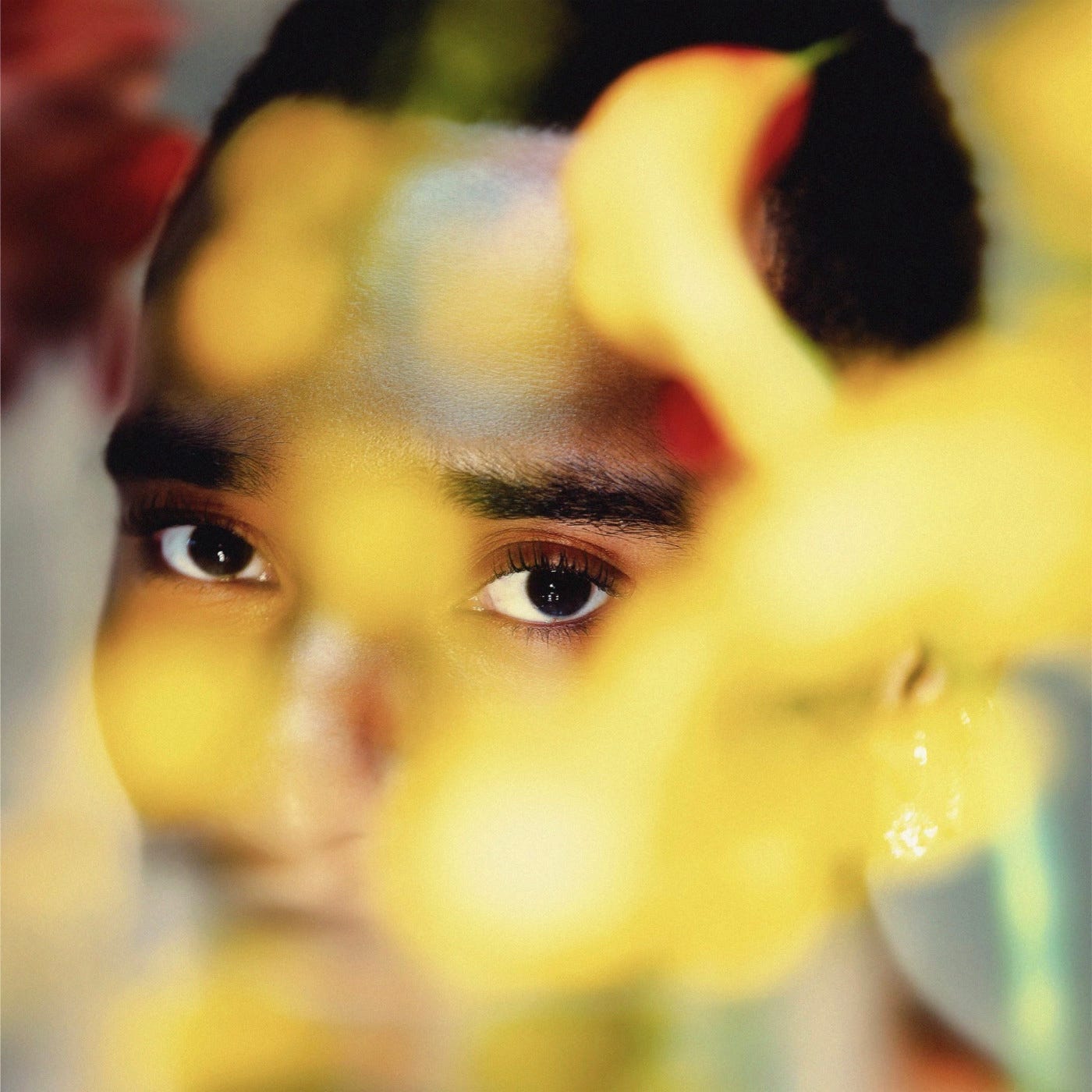
Raised by two musician parents and homeschooled in a creative household, Durand Bernarr has always preferred communal music-making to solitary practice, and last year, he reached a turning point. The Cleveland-born R&B artist had built serious momentum with his En Route EP, a project that earned him a fresh wave of fans and a 2025 Grammy nomination. Bloom is a clear shift from his usual approach, born out of necessity and seeking fresh input. Bernarr leaned on collaborators like GAWD, featured on the upbeat “Flounce,” and b.kae, who co-wrote the lead single “Impact.” Songwriter Timothy Bloom and friend Bella Rose rounded out the crew by adding background vocals. The result feels like a tribute to all kinds of bonds: romantic, platonic, creative. The album’s strengths shine in its variety. On the shimmering 1990s throwback “No Business,” he chastizes himself for loving someone who doesn’t deserve it, admitting, “I ain’t got no business loving somebody else the way that I love you.” It contrasts sharply with “Unspoken,” a standout ballad that ranks among 2025’s best tracks. Even the playful duet “That!” with T‑Pain and the deeply personal closer “Home Alone” serve Bernarr’s larger theme—he sings about his parents’ unconditional love and finds solace in his own space, gratefully recalling how they “never once felt condemned, didn’t throw me away.” Bernarr’s choice to pivot, pulling in outside voices while keeping his core sound intact, shows an artist adapting under pressure. Bloom doesn’t reinvent R&B, but it proves Bernarr can stretch his limits and deliver something worth hearing. — Jamila W.
Dave, The Boy Who Played the Harp
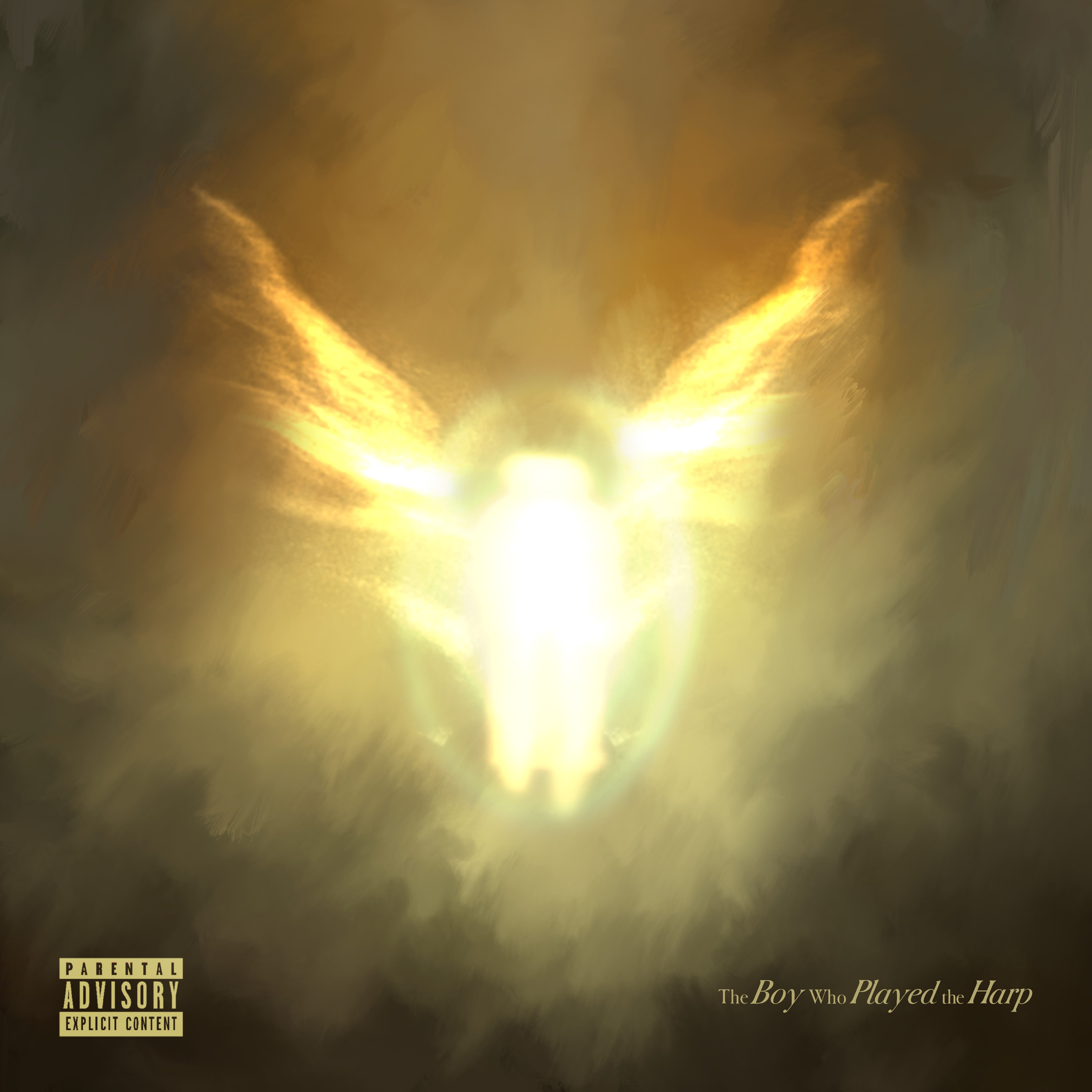
Dave cut his name out of the blocks of South London, Brixton blocks, with the one-take treatments, healing therapy sessions with Psychodrama in 2019, that revealed the scars of knife crime. He followed with the epics of family with We’re All Alone In This Together that put him three-and-a-half-meters taller than his contemporaries in UK rap, and The Boy Who Played the Harp that put his scars of heritage on the harp strings that turned scars into folk heroics of heritage and loss. “History” unravels generational threads with “Yeah, I sometimes wonder, ‘What would I do in a next generation?’/In 1940, if I was enlisted to fight for the nation,” verses tracing ancestral echoes from war drafts to modern drifts, James Blake’s keys heighten how pasts pluck at presents unbidden. “175 Months” confesses timelines to the divine, “Lord, it’s been 175 months since I last felt whole,” a raw reckoning of years stacked like debts, his flow pleading for grace amid the grind that shaped his grip on the mic. “Selfish” owns ego’s edge, “I’m selfish with my time ‘cause time’s all I got,” verses weighing solitude’s cost against connection’s claims in a balance that tips toward guarded growth. He takes the lineage and turns it into a living song, melodies that play harps over chronicles, turning the bruises into the music of diligently enchanted here. — Phil
Sudan Archives, The BPM
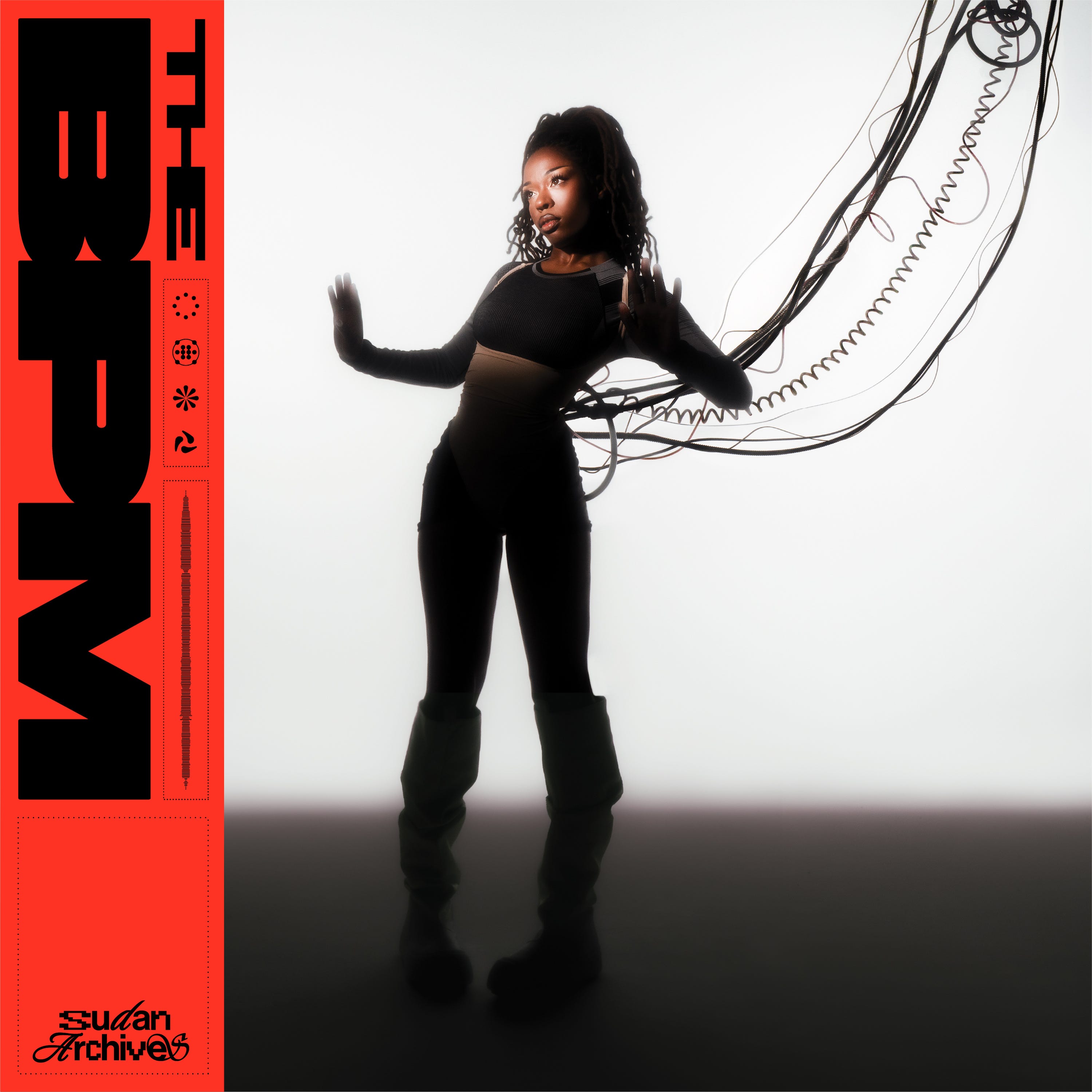
Brittney Parks had been playing her violin in Cincinnati basements, learning on her own, and hauling it across the country to LA studios and then superimposing those strings both over beats that smoothed out the edges of R&B with hazy production and experimental loops creating an image as the violinist using folk origins to transform into future confessions, on early recordings such as her debut that spoke in whispers of vulnerability. Back from a 2022 sleeper, The BPM propels them on there into club-lit explorations of the desire with question marks swirling through it, her third full-length swinging both euphoric high and shadowed pull, forcing you to move, doubting every move. “Dead” begins with a verse that seeks answers to lost parts of self, “Tell me, can you tell me where my body goes? I don’t wanna step on anybody’s toes” her words going round the nervousness of not fitting in new skins, dividing the lines of light and dark in a call-and-response that is a push-pull of intimacy, repeating “Hello, it, me/Did you miss me?/Just take this piece/The best of me,” as an uncertain gesture to one who could break it all so hard again. “Touch Me” pushes into that skin-hunger, beginning with shiver at its most basic form, a scat on the skin, “Touch me/It gives me chills, my waist, all on my body,” rejecting the overconsumption of how to deal with parties in favor of the sensation of authentic connection, the second verse in the song acknowledging the eny of a competitor in possessing her curves as an heir, the text removes fences to literally show how touch brings the messiness in. “A Bug’s Life” downsizes the size of heartbreak inspirations to insect-sized ludicrousness, lyrics fulfilled with cynical commentary on temporary relationships that leave you crawling around in search of something substantial, and the performance of Parks makes laughter in the face of frustration a shrug of the shoulders set to the beat that takes the sting out without ignoring the song. — Jill Wannasa
Mereba, The Breeze Grew a Fire
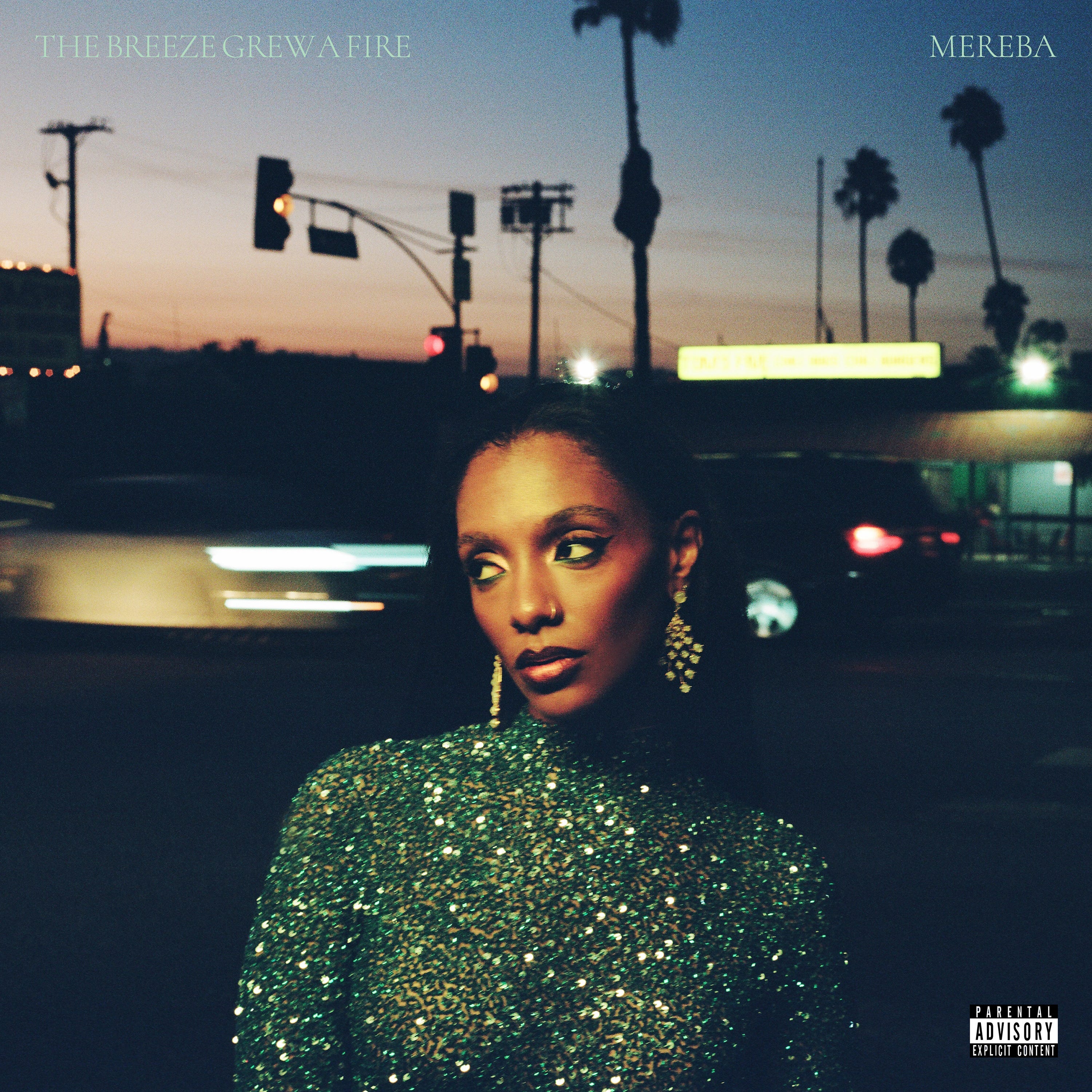
The work of Mereba has always felt like a search for equilibrium, but motherhood and a forced pause during the pandemic pushed her to write about stability itself rather than the ups and downs. In recent interviews, she said she became fascinated by how “a gentle loving relationship can make a very powerful person.” That idea gives the album its title. Songs here celebrate bonds that aren’t flashy yet change everything. On “Heart of a Child,” she daydreams about younger years and asks a partner to reclaim an innocence they’ve lost together, singing that it’s been a while since they’ve “had the heart of a child” and promising to travel miles until they do. Elsewhere, Mereba uses Ethiopian instruments like the masinko and krar as subtle nods to her heritage, mixing them into meditations on friendship, family, and spirituality. The project gravitates toward small gestures that ignite inner fires—the feeling of a breeze on a hot day, a son’s presence reminding her to trust instincts, or a late‑night conversation that rekindles hope. By the time she revisits her inner child in the track named after it, she isn’t looking for novelty but for a grounding she can pass on, proof that tenderness can carry as much weight as upheaval. — Brandon O’Sullivan
De La Soul, Cabin in the Sky

They were visionary and taboo-breaking on several occasions. Despite the sunny nature of their music, released since 1988, the jazz-rap pioneers De La Soul already addressed the story of a girl sexually abused by her father on their second album. Artificial intelligence became a central theme for the trio in their AOIseries, which coincided with the turn of the millennium and, soon after, the horrific events of 9/11, in De La’s hometown of New York. They steadfastly distanced themselves from the gangster rap that was flooding their scene at the time. The world always listened to them, far beyond genre boundaries, for example, when they opened for The Flaming Lips or collaborated with the Gorillaz. Their return with Cabin in the Sky was unexpected. But Trugoy, one of the three MCs, didn’t live to see it. The album’s diverse range of expressive modes includes children’s and monster voices, gurgling scratches on the voice, a radio play with screeching and slamming doors, announcements for a breathing exercise, elegant choral singing, and even an introductory round at the beginning. It is a warm, sunny, and emotional work, as can already be seen in song titles such as “Sunny Storms,” “Cruel Summers Bring Fire Life,” and “Day in the Sun (Gettin’ Wit U).” Besides the breadth of themes and vocal delivery, the sound design is also multifaceted, thanks to Pete Rock, DJ Premier, Nottz, Jake One, and others. With the help of a stacked feature list of the year, including everyday philosophical musings, De La Soul goes a big step further and builds upon the historically significant works of their early years. — Brandon O’Sullivan
Annie & The Caldwells, Can’t Lose My (Soul)
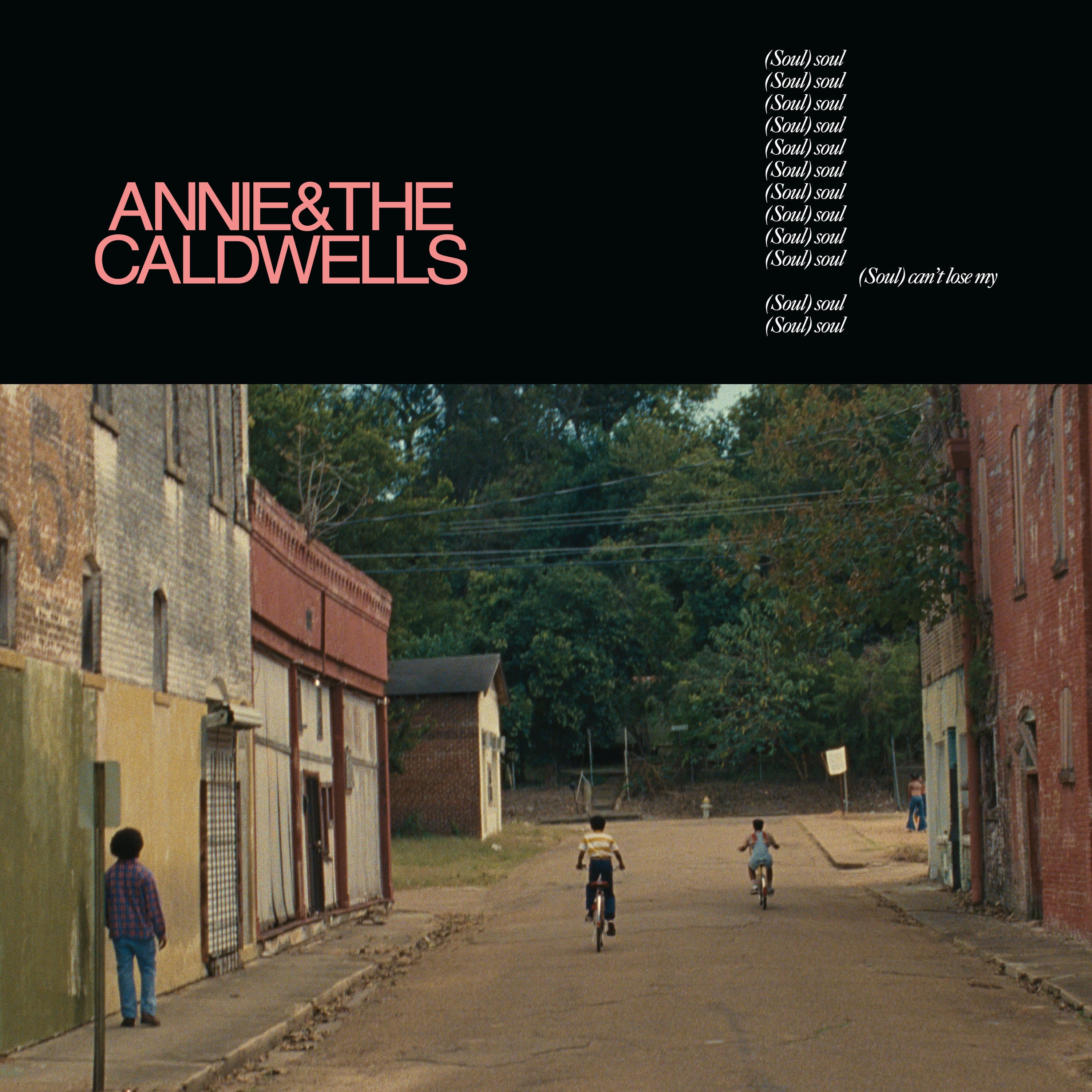
The story behind Can’t Lose My (Soul) is almost as compelling as the record itself. In the early 1970s, Annie Caldwell and her siblings released a single as the Staples Jr Singers. Decades later, crate‑diggers resurrected that 45 and sparked a revival, leading to a modern recording by Annie with her daughters that sounds like a family band reclaiming its own history. The title track stretches ten minutes, pulling you through the murk of soul, not some organ you can pin down, but the root of the genre’s name. Sinkane builds it tight and fills it with layers of soundtracks propping each other up, with every voice fighting for the front. It’s no timid gospel redo. That spirit carries into “Don’t You Hear Me Calling,” where call‑and‑response vocals enact the urgency of prayer, and “Dear Lord,” whose liquid bassline and funk groove offer a plea for guidance without succumbing to despair. On “I’m Going to Rise,” the group draws on southern soul, promising to get up and keep going despite grief, while disco‑tinted numbers such as “I Made It” and “Wrong” recall Chaka Khan and celebrate survival. The album hits like a first swing, rethinking 2025’s take on the sacred with a gut-punch drama. Byrne’s eye for quality holds—audio nuts will geek out, but the weight sticks. Experience shows, and the struggle is now paying off. — Imani Raven
Oklou, Choke Enough

Marylou Mayniel spent years in the Parisian post-club underground, refining electronic atmospheres for artists like Sega Bodega and remixing PinkPantheress before anyone knew who she was. Her debut as Oklou arrives three years after the introspective Galore EP positioned her as someone capable of wringing genuine ache from digital sound. Choke Enough proves she’s figured out how to make minimalism feel extravagant without adding more. Mayniel’s voice floats through these songs like breath on glass, never quite touching down. “Family and Friends” builds from hardly anything into a chorus that stacks her vocals into a choir singing to no one in particular, while “ICT” plays with video game chirps and Auto-Tune that bends notes into question marks. The Bladee feature on “Take Me By the Hand” feels inevitable, two artists who understand how to make loneliness sound like a color. When underscores appear in “Harvest Sky,” they add texture to what’s already there rather than interrupt it. After all, you’ve either accepted that Oklou operates in negative space or you haven’t. This is music that asks you to lean in rather than shouting across the room. — Charlotte Rochel
Terrace Martin & Kenyon Dixon, Come As You Are
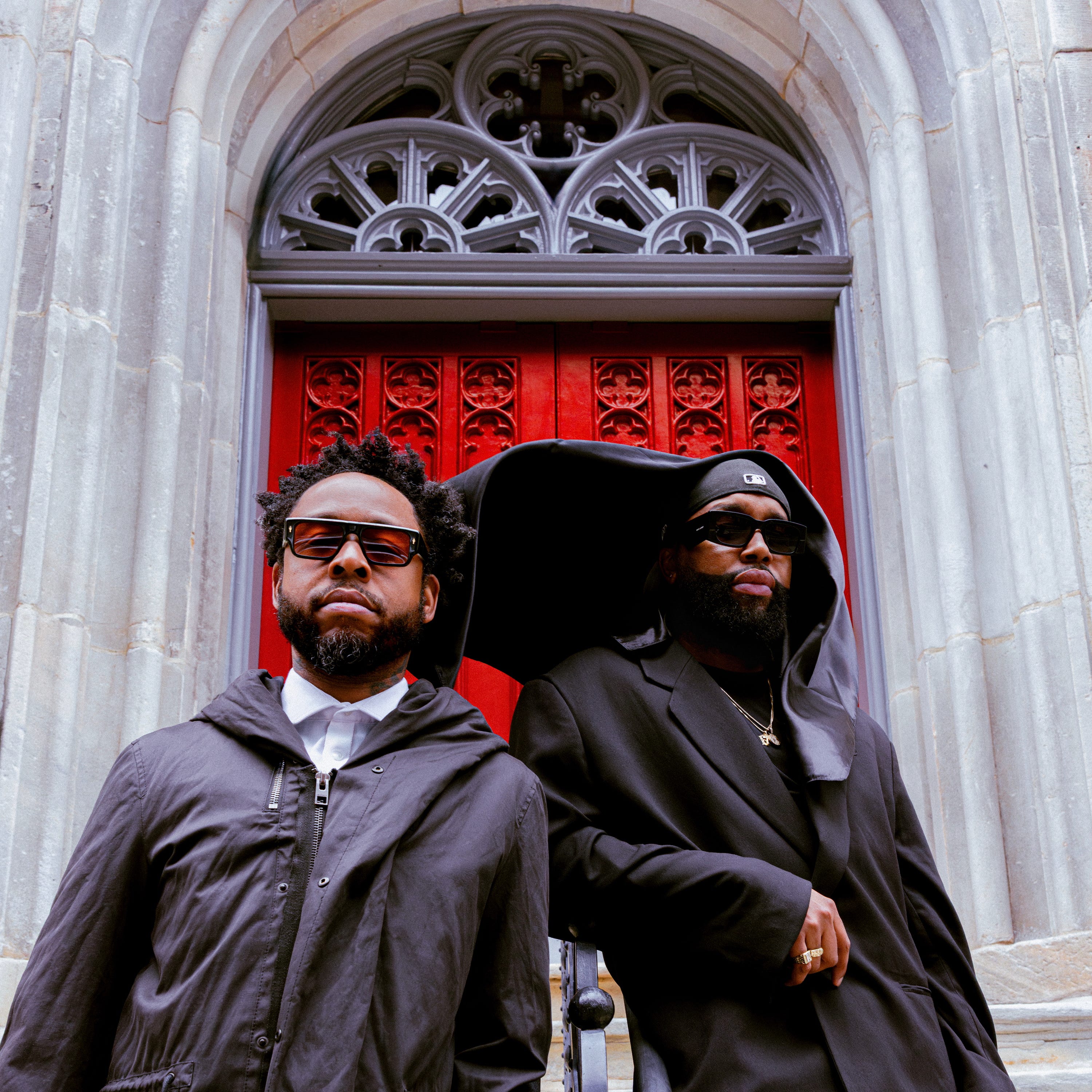
Within a framework of supple Rhodes chords and barely there drum loops, Terrace Martin and Kenyon Dixon explore self-regard as a communal practice. Dixon speaks plainly about love and vulnerability, offering insight into emotional surrender. Martin complements that with understated yet expressive jazz touches—Robert Glasper and Keyon Harrold add soft flourishes that nod to LA’s rich musical heritage. Rather than spell out gospel influences, the pair fold call-and-response backing lines into slow-bloom arrangements that feel lived-in. Martin keeps his horn cameos sparse so Dixon’s tenor can press forward with plain-spoken reminders to “love yourself” and “keep your circle tight.” Those phrases may read simple on paper, yet the singers treat them as working lessons, revisiting them over subtly shifting keys. When Rapsody drops into “WeMaj,” her measured verse about trusted friendships widens the album’s moral compass without breaking its hush. Keyboards and bass stay in dialogue, moving just enough to suggest forward motion while leaving space for breath. Together, they prove modern R&B can speak softly and still cut deep when craft serves purpose rather than ego. — Phil
Isaia Huron, Concubania
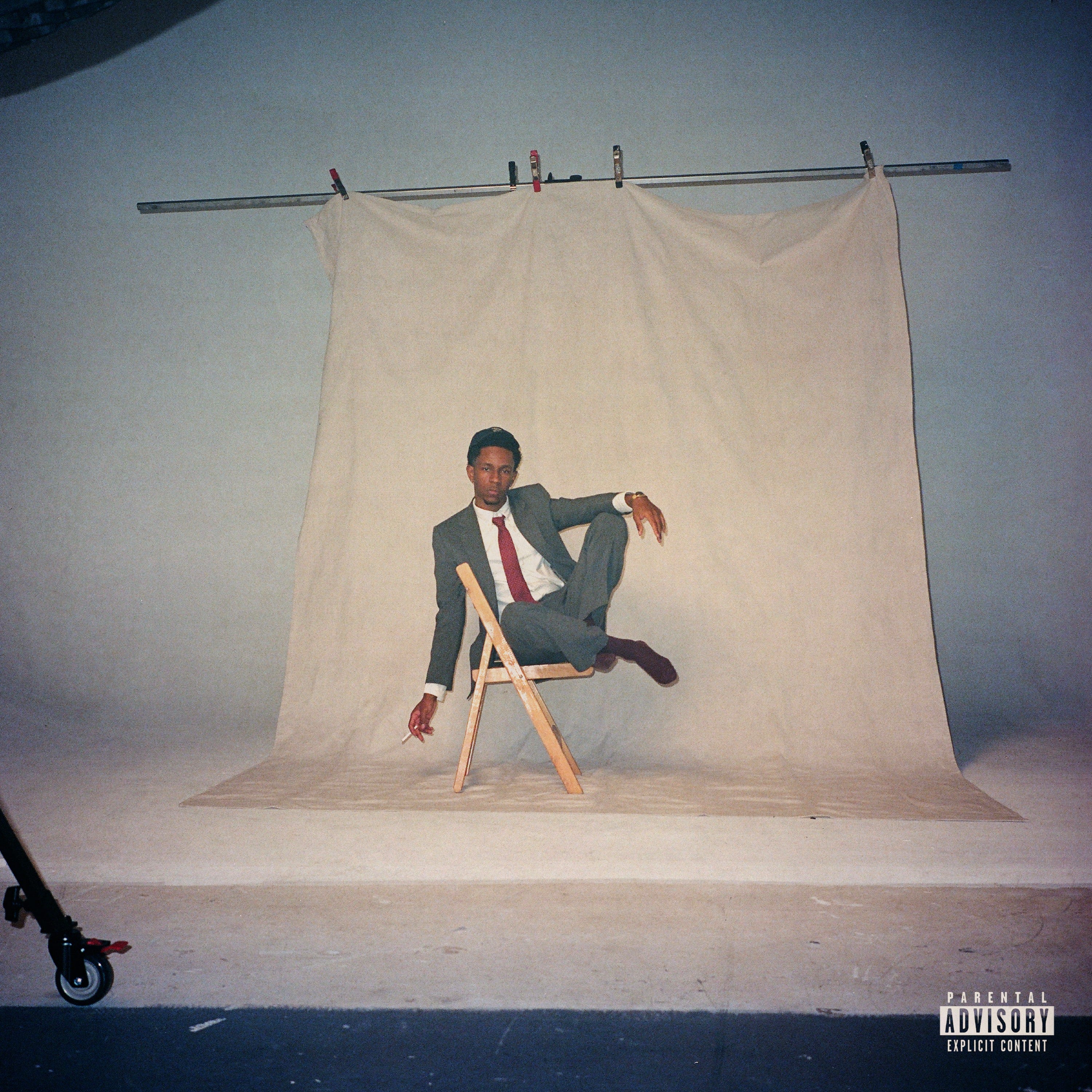
Raised in a South Carolina church and sharpened as a drummer, Isaia Huron moved to Nashville to build as a writer and producer. In the wake of a run of EPs and a loosies tape that hinted at range without settling the stakes, he makes a first full statement with a debut album that’s way more than just ‘solid.’ In recent interviews, he’s tied the idea to the mess of desire and faith, drawing a clear line between biblical cautionary tales and the way people move now, which gives the album a moral center without turning it into a sermon. That path explains the way Concubania is, where his writing stops auditioning and starts holding itself to account. On “I Chose You,” he writes from inside commitment rather than around it, describing the pull of impulse and the stubborn work of staying, and the verse-to-verse shifts feel like someone arguing with his habits in real time. “See Right Through Me,” a duet with Kehlani, pushes that tension further by turning confession into a two-way test of trust, as the exchanges read like carefully worded texts finally said out loud, and the pockets of silence between lines make the promises carry weight. He studies the language of uncertainty head-on—“I Think So?” and “Unsure” give indecision shape, not by hedging but by naming what doubt actually sounds like when you’re trying to choose better. “List Crawler” is a story song about curiosity and surveillance, brisk and specific enough to feel pulled from a real thread you wish you hadn’t scrolled, while “Thotful” turns defensiveness into a small character sketch. Across the set, Huron’s voice stays conversational and direct. He builds a record you can follow like a candid journal, where the details do the heavy lifting. — Harry Brown
Lady Wray, Cover Girl
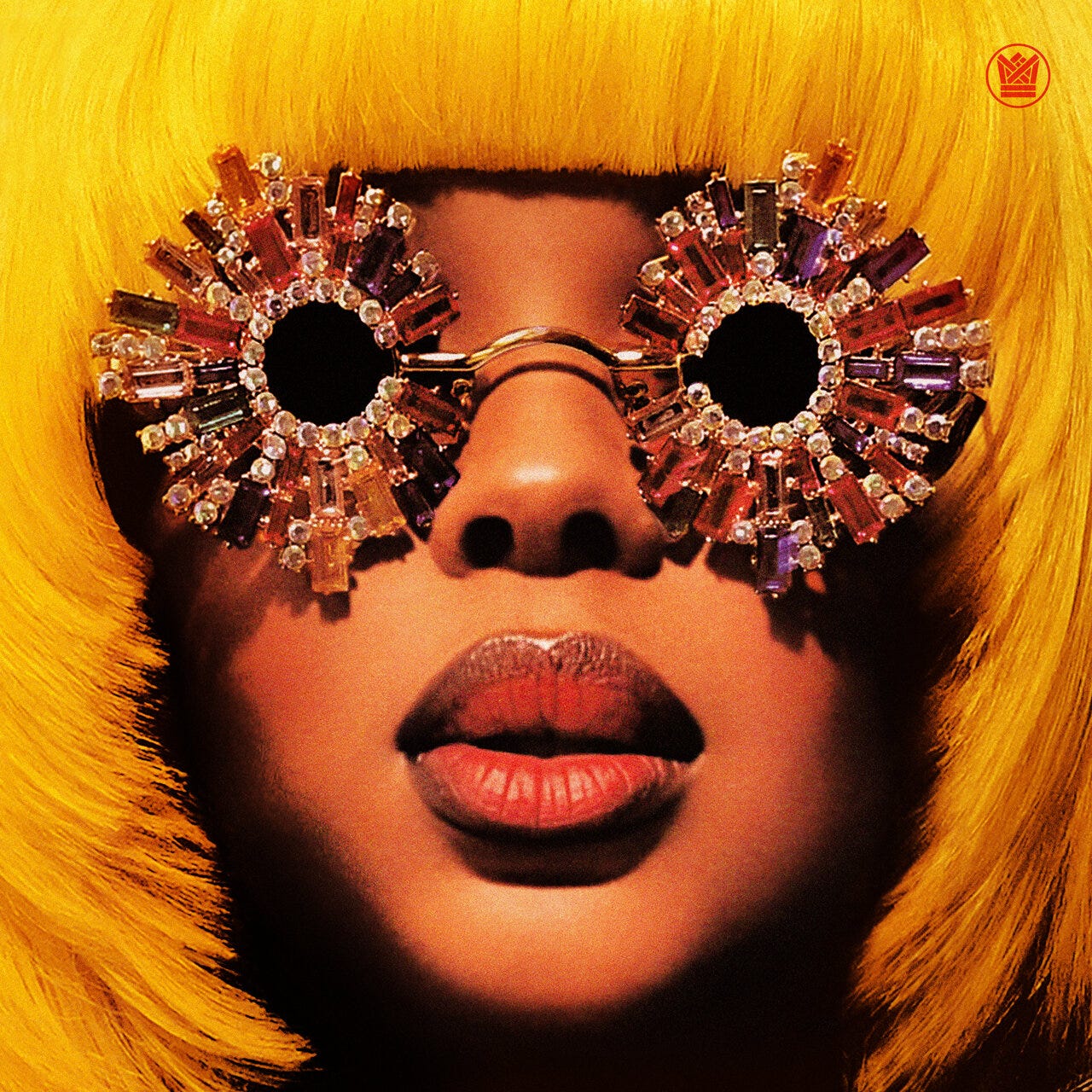
Lady Wray has since built a catalogue steeped in church harmonies and old‑school rhythm‑and‑blues. Cover Girl finds her easing into that role with confidence. After the introspective Piece of Me, this record is more playful and uplifting, blending 60s soul, 70s disco, 90s hip-hop, and gospel influences into one celebratory mix. The organ‑driven “My Best Step” uses hand‑claps and church keys to reaffirm loyalty and perseverance, and the album’s messages of empowerment are apparent in songs such as “Where Could I Be” and “Hard Times,” which invoke faith and resolve amid hardship. The title track revisits a childhood nickname as Wray sings about losing herself to please others and the slow process of rediscovering her own beauty. Throughout the album, she reminds women that they are worth more than society tells them, as on the retro‑soul groove “Higher,” and she ends with “Calm,” a gospel‑tinged prayer that casts burdens aside and looks toward brighter days. Lady Wray delivers an album that balances upbeat anthems with honest reflections on love and self-acceptance, drawing from her church roots and decades of experience. — Imani Raven
Kassa Overall, CREAM

Kassa Overall has always heard jazz and rap as parts of the same nervous system. He switches between trap‑leaning drums and swing patterns without asking permission, so a set of versions of ‘90s hip‑hop songs feels less like a detour and more like him laying his cards on the table. Sure enough, he delivers. On CREAM, he takes tracks everybody knows by muscle memory—“Big Poppa,” “C.R.E.A.M.,” “Nuthin But a ‘G’ Thang,” “Rebirth of Slick,” “Back That Azz Up,” “SpottieOttieDopaliscious”—and pulls them apart until only the contour of the hook and the feel of the original beat are left, then rebuilds around live drums, keys, and horns. Sometimes he leans close to the source, letting the bassline or chord movement sit almost unchanged while the band plays with time and texture around it; other times he handles the tune like a sample that never existed, starting from a small rhythmic idea and letting fragments of the original vocal cadence appear in the way the instruments phrase. Because he’s rapping, drumming, and producing, he can shift point of view mid‑track: one moment you’re inside a drummer’s head, counting subdivisions, and the next you’re hearing how a teenager in love with these records might have freestyled over them in a bedroom. It ends up sounding less like a “jazz covers hip‑hop” gimmick and more like a working drummer showing how those records rewired his sense of swing and harmony in the first place. — Phil
Cleo Reed, Cuntry
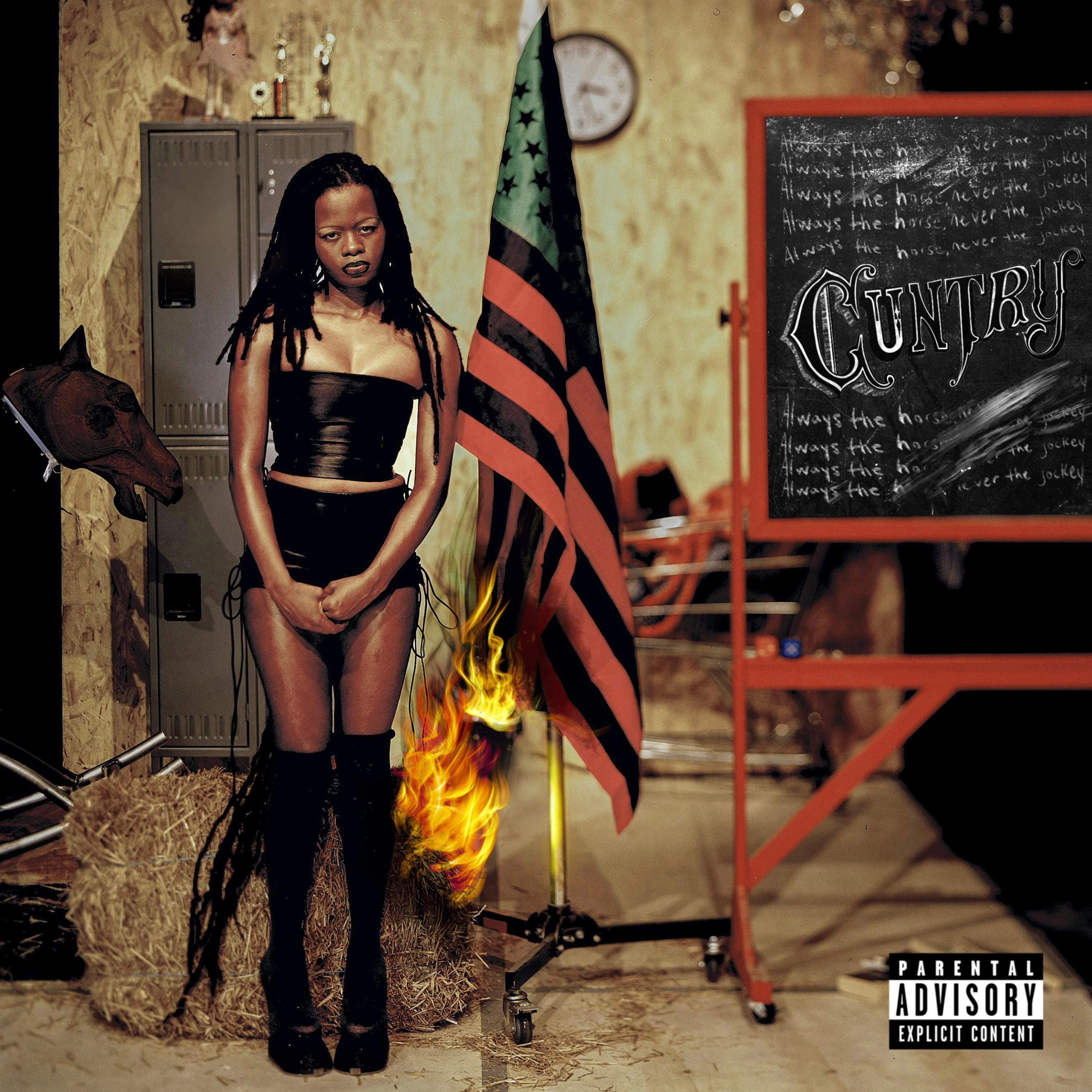
Cleo Reed filled the Brooklyn Museum atrium with shadow-puppet projections while premiering songs from the self-released Root Cause EP, looping banjo plucks and Ableton-warped sirens until passers-by mistook the lobby for a picket line. Countless van voice notes, and a season of wildfire haze later, the multidisciplinary artist delivers Cuntry, driven by a need to catalogue survival tactics forged at the intersections of queerness, Blackness, and labor precarity. Reed self-produces but invites Matthew Jamal’s bowed double-bass, Isa Reyes’ processed field recordings, and billy woods’ gravelly poetry to craft an electronic-folk hybrid where foot-stomp percussion collides with glitching modular patches. Nick Hakim whispers falsetto on “Get a Grip,” Elliott Skinner’s choral stack lifts “Women at War,” and Annahstasia drapes “Americana” in reverb-soaked twang, tracing a sonic road trip from borough stoops to desert highways. Cuntryspotlights lineage, from hip-hop raconteur to soul stylist to folksinger—echoing the record’s thesis that no movement advances on a single genre’s shoulders. — Brandon O’Sullivan
Bad Bunny, Debí Tirar Más Fotos
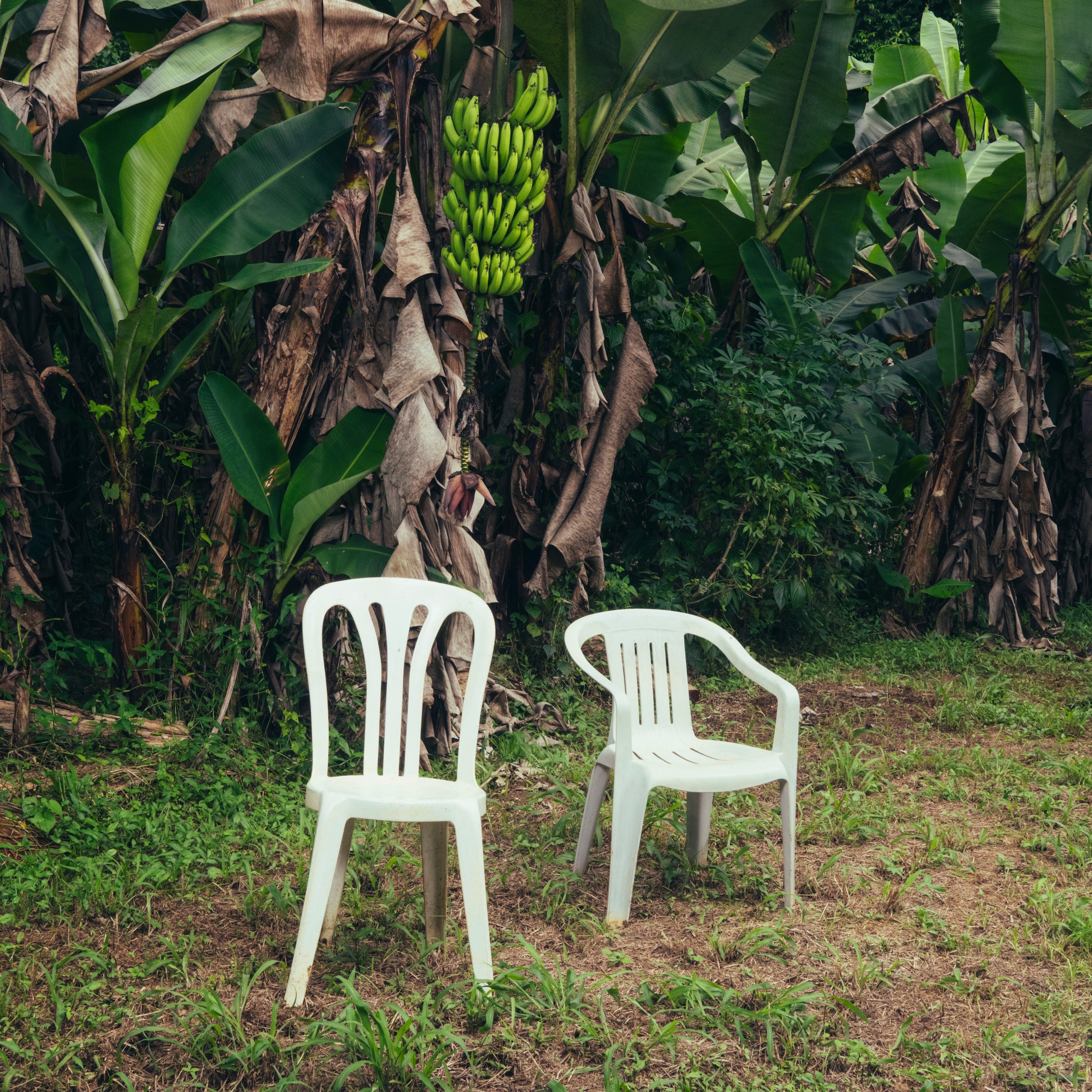
Released a day before Three Kings Day, Bad Bunny puts his heart on his sleeve for Puerto Rico in ways that go beyond simple nostalgia or celebration. The title translates to “I Should Have Taken More Photos,” and every element of the rollout emphasized the album as a gift to the island and its diaspora, from coordinates scattered across Puerto Rico via Google Maps and Spotify to visualizers displaying Puerto Rican history compiled by professor Jorell Meléndez Badillo. The music pulls from plena, jíbara, bomba, and salsa alongside reggaeton and dembow, creating a patchwork of the island’s sounds rather than a single vision. “NUEVAYoL” samples salsa track “Un Verano en Nueva York” and builds it into something forceful, while “CAFé CON RON” works with Los Pleneros de La Cresta to layer Afro-Puerto Rican musical styles over electronic beats. “BAILE INolVIDABLE” pays direct homage to Willie Colón and Héctor Lavoe’s Fania recordings, pulling from “Juanito Alimaña” and “Periódico de Ayer” without simply copying them. The writing moves between political commentary and personal loss, sometimes in the same song. — Charlotte Rochel
anaiis, Devotion & the Black Divine
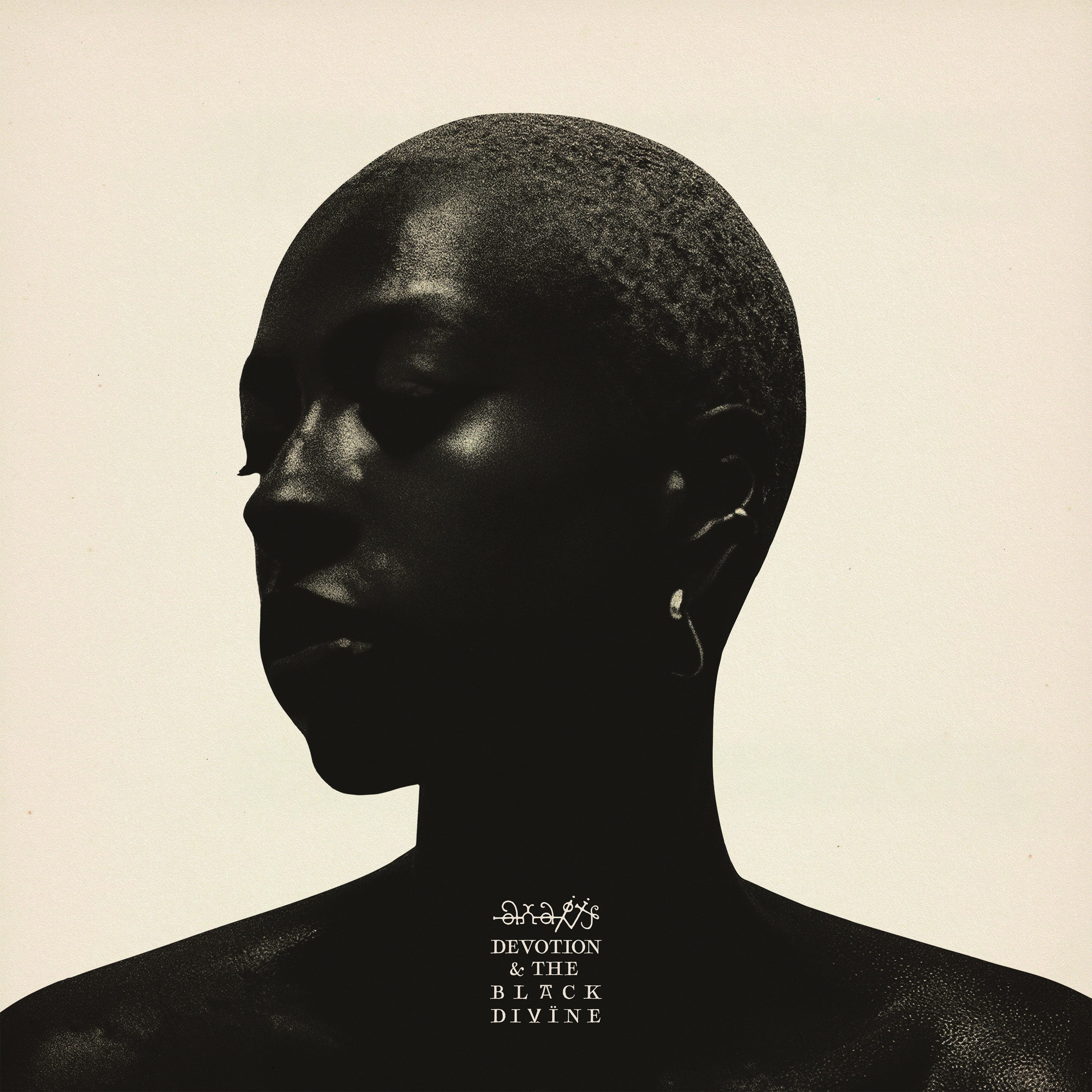
anaiis writes from what she calls a collective consciousness, letting the album serve as a conversation between herself and the world. Recorded live to tape at London’s 5dB Studios, Devotion & the Black Divine grew out of her experiences as a new mother and her search for acceptance. The songs lean into uncertainty and grace, capturing the messiness of being human while holding on to a still center. On “Moonlight,” she sings gently over swirling chords, contemplating how hope can persist in darkness. The slow, sensual single “Deus Deus” heralded the record with its sultry soul reggae groove, hinting at the album’s spiritual core; its repeated gratitude expresses a personal prayer without ever becoming didactic. She moves between spoken‑word cadences and melismatic runs, reflecting on the weight of motherhood and the freedom that comes from surrendering control. Although the arrangements shift from sparse ballads to experimental R&B, the through‑line is her willingness to place every emotion at the core. — Ameenah Laquita
Yaya Bey, Do It Afraid
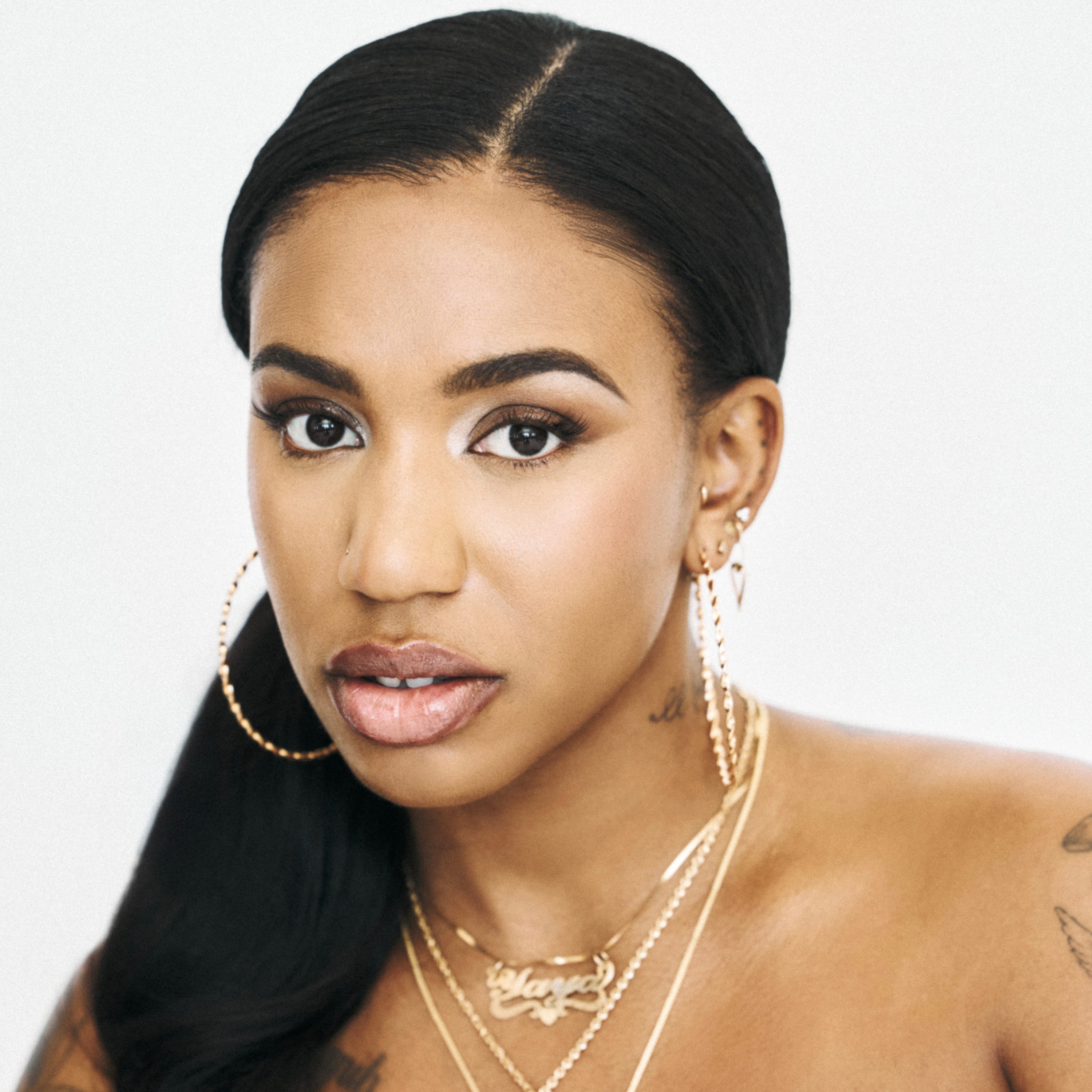
Yaya Bey opens with a mantra of courage: “If you want to be brave, first you gotta be afraid,” and she lives by it across pastoral instrumentals that mix acid jazz, trip-hop, reggae, and soca. She moves between intimate confessions and buoyant grooves. The Caribbean pulse of “Merlot and Grigio,” featuring her Barbadian collaborator, showcases her ease in marrying American soul with diasporic pulses. She addresses emotional labor and misogynoir with upfront candor while never sacrificing the warmth of her voice. The arc is of trudging through fear toward clarity and self-acceptance. She skips between swagger and reflection but keeps it all grounded in a patient groove. Instead of chasing a glossy hook, she leans into conversational cadences that turn everyday grievance into melody. On “End of the World,” muted horns from Butcher Brown bloom behind her voice, framing apocalypse talk as block-party small talk. Elsewhere, “Real Yearners Unite” pares instrumentation to finger snaps, allowing the singer to confess that craving tenderness can feel defiant. By keeping production minimal and language direct, she turns personal risk into a shareable blueprint for survival. — Jamila W.
Kojey Radical, Don’t Look Down
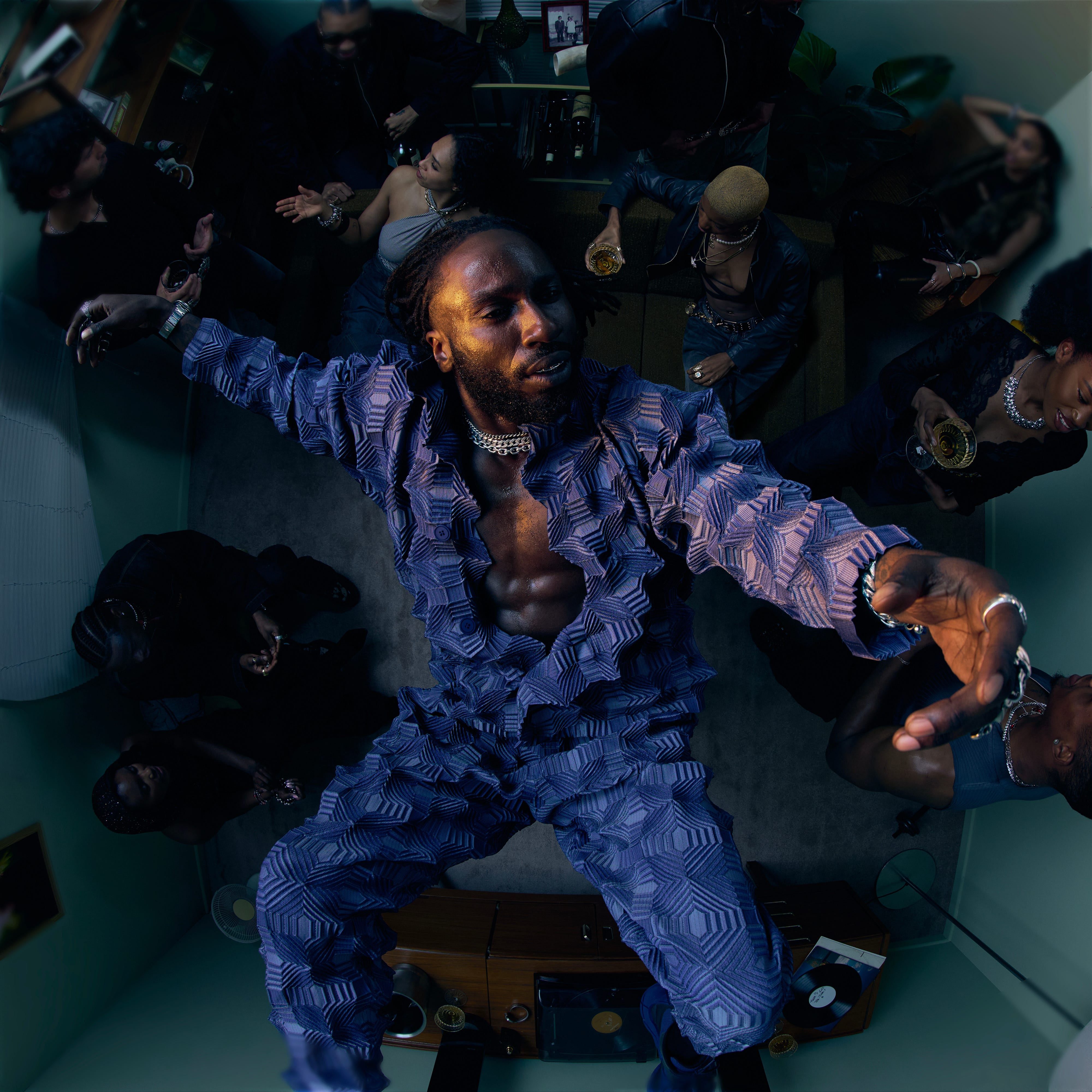
Having made a splash with Reason to Smile, Kojey Radical now takes more inward turns; this follow-up is less about gloss, more about fissures. He began with reflections: spoken-word prologues, reckoning with grief (“How many homies didn’t make it?”), parenthood, identity, public image. He’s still the poet-rapper, but here the narration is more continuous, more panoramic. If you’re a fan of Radical, you know he leans into sample-rich textures, jazz inflections, symphonic soul touches—songs aren’t just beats plus verse but atmospheres you step into. There aren’t obvious radio hits, but each track feels necessary, revealing parts of the emotional scaffold, with pressure, doubt, and the longing for honesty. This breadth is evident in the music (featuring Ghetts, Bawo, MNEK, Dende, and James Vickery), which draws on golden-age hip-hop, disco, grime, indie, jazz, and ska to create a shifting sonic landscape. In interviews, he explains that he wants to be transparent about his flaws so fans can trust him, as he struggles with pride, pressure, ambition, and exhaustion. Within UK rap/progressive hip-hop, Don’t Look Down stakes a claim for patience: for letting songs marinate; for letting any music fan slow down and sit with discomfort. It’s one of those albums that rewards absorption, repeated plays, and is perhaps one of his strongest works yet. — Randy
Theo Croker, Dream Manifest
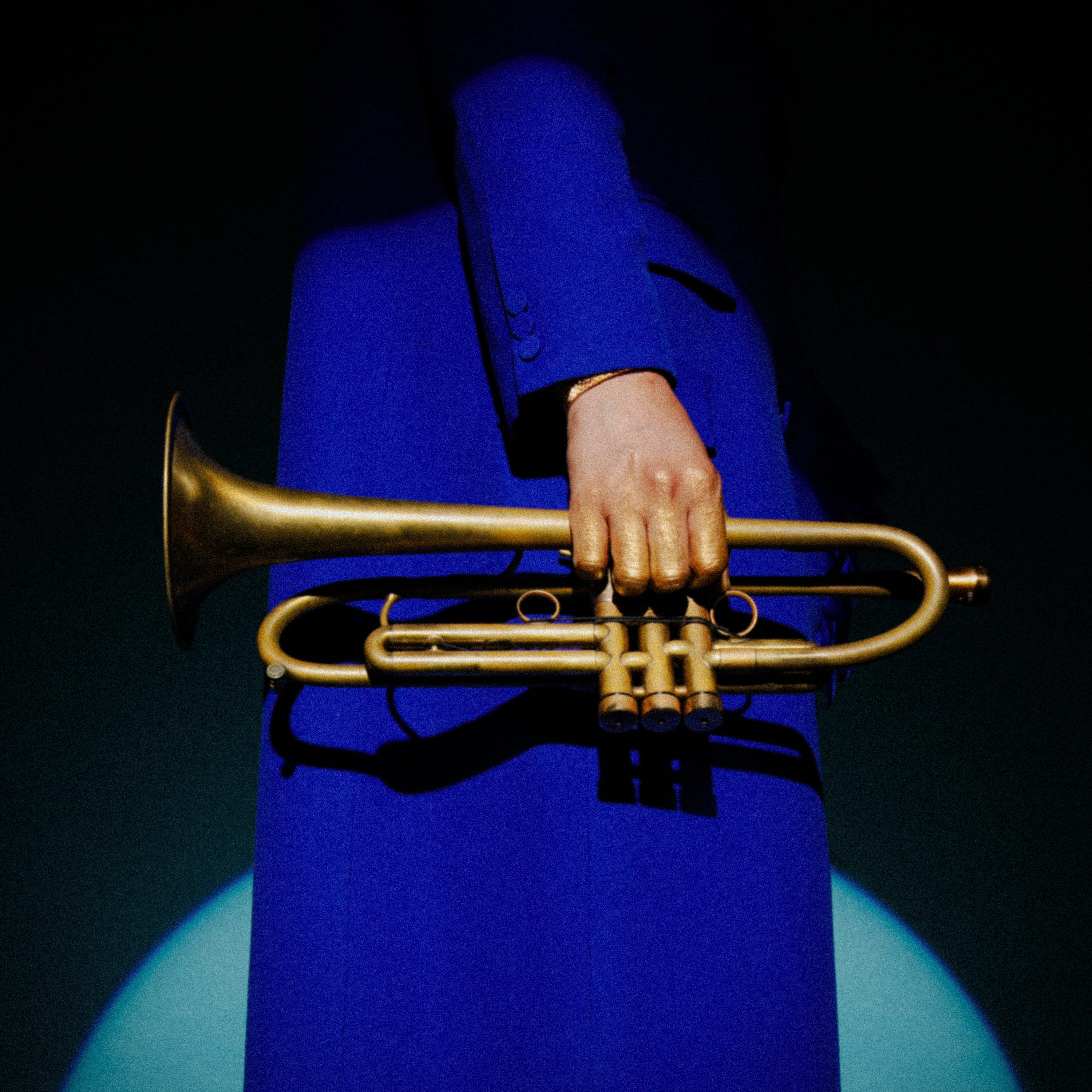
Theo Croker pulls themes from a dream journal, translating them into nine concise instrumentals and vocal collaborations. “Prelude 3” pairs piano with muted trumpet, establishing a relaxed conversation before fuller grooves appear. Estelle and Kassa Overall share gentle lines on “One Pillow,” set against brushed snare and soft bass that keep the mood close. “64 Joints” runs longer, allowing Tyreek McDole to float over slow keys while the rhythm section holds steady. “Up Frequency (Higher)” edges pace upward, yet air remains in the mix for horn flourishes. Gary Bartz joins “Light as a Feather,” trading concise phrases with Croker that favor dialogue over display. MAAD and Malaya add subtle R&B shades on “High Vibrations,” widening the palette without crowding instruments. Croker prefers analog warmth, evident in rounded horn edges and lightly saturated keys. Throughout, Croker prioritizes emotional clarity and collective balance over technical parade, inviting listeners into a quietly imaginative sound world. — Nehemiah
Hayley Williams, Ego Death at a Bachelorette Party
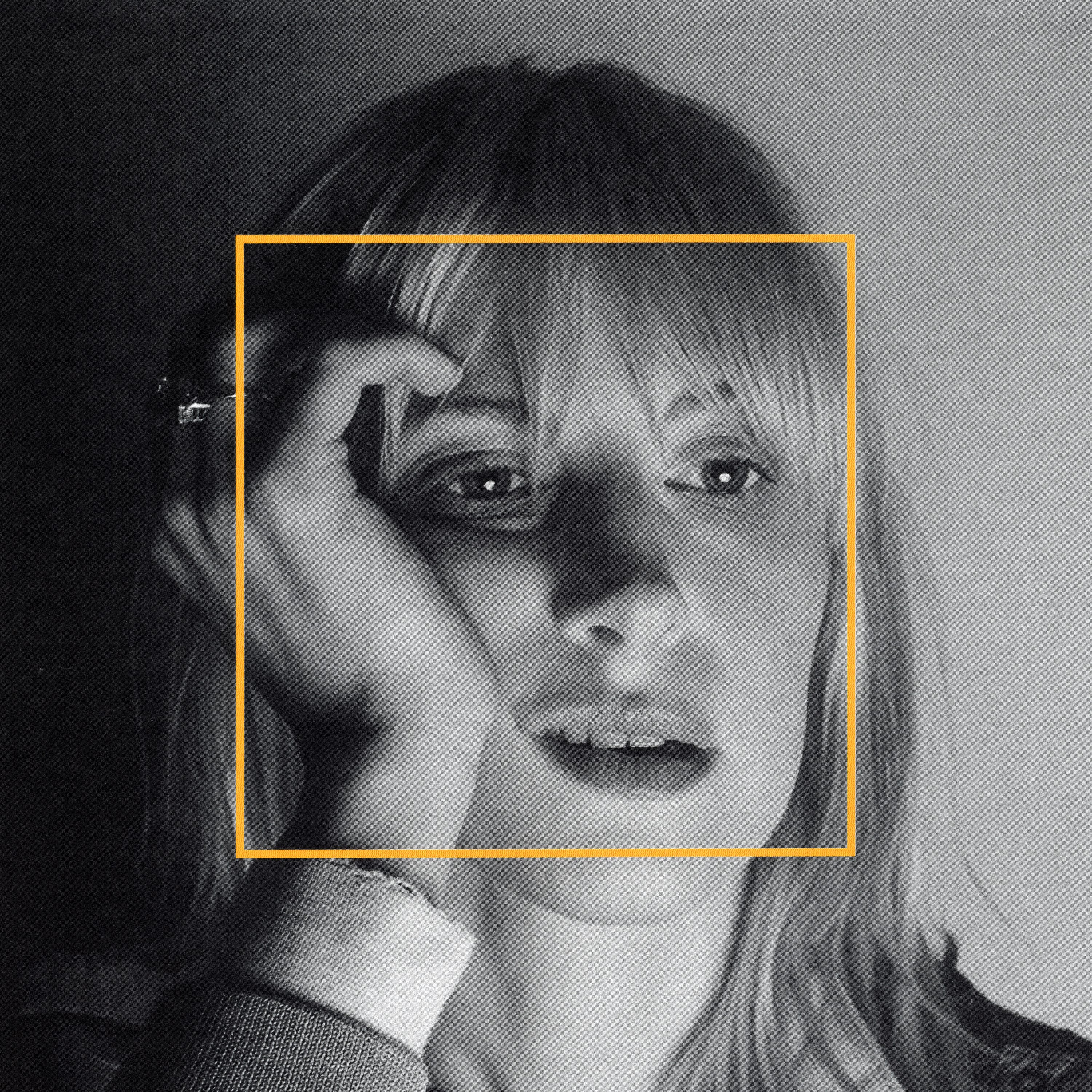
After years of fronting Paramore and two solo sets that traced emotional freefall and rebuilding, Hayley Williams suddenly dumped seventeen songs on her site and then platforms, a hard nucleus back to direct address where the writing toggles between self-audit and wry provocation, the songs feeling like dispatches she didn’t want sanded down by rollout. The draw here is specificity—on “Mirtazapine,” she names the medication. She writes to it without coyness, even admitting “You make me eat, you make me sleep,” the melody moving like a steady hand on the shoulder. At the same time, the verses catalog the symptoms and relief, and “Negative Self Talk” lives up to its title by turning the phrase into a chant that crowds the room, line after line testing the volume of that voice until the chorus feels like a boundary finally set. “Discovery Channel” flips a notorious hook—“You and me, baby, ain’t nothing but mammals”—and the lift becomes a joke with teeth, a way to talk about desire and agency without dressing it up, while “Mirtazapine” and “Glum” linger on private weather without hero pose, her phrasing clipped when the thought hurts and open when the air returns, the production staying out of the way so the writing can do the heavy lifting, which it does, repeatedly, in songs that read like marginalia from someone learning to narrate their own mind in real time. — Charlotte Rochel
Blood Orange, Essex Honey
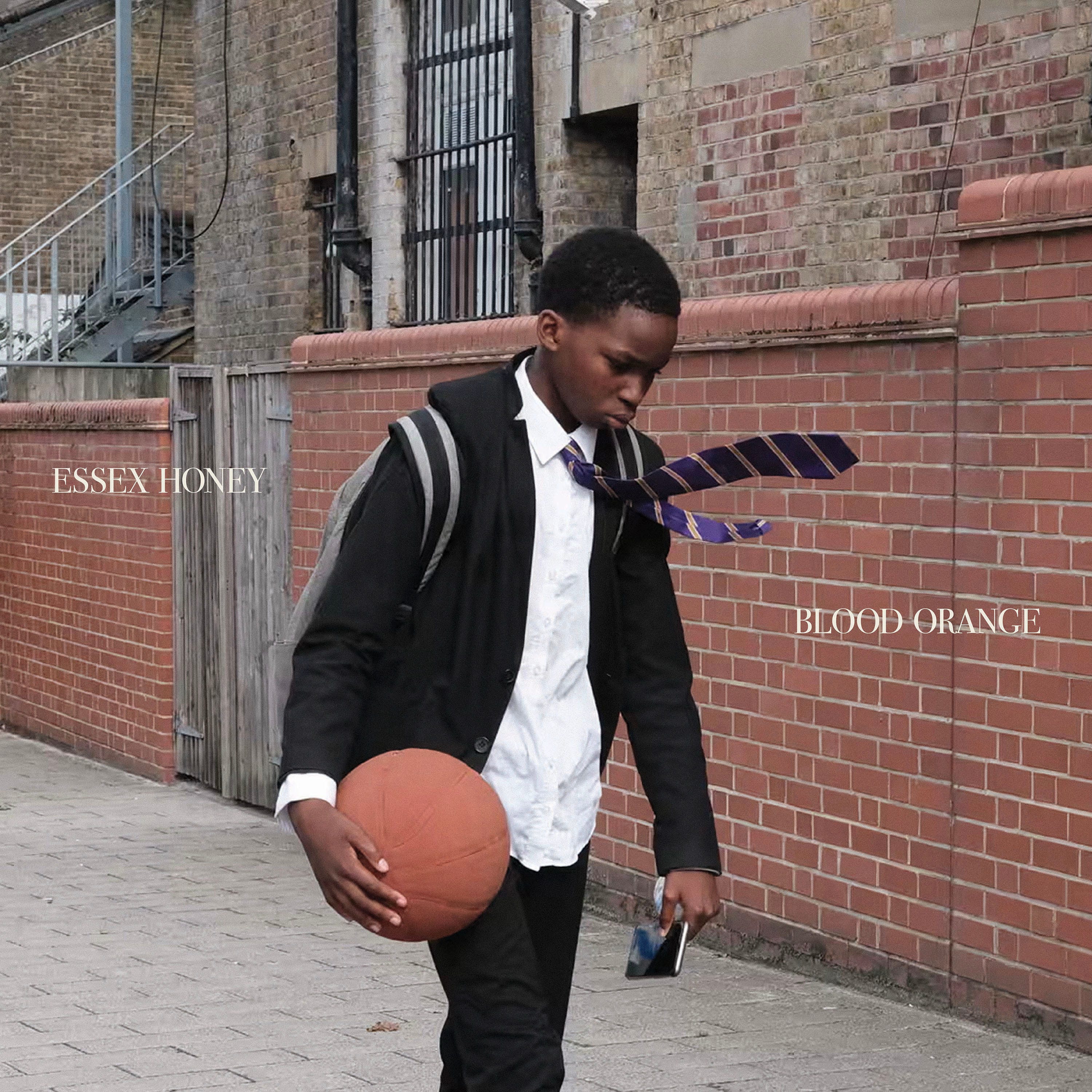
Dev Hynes composed the majority of Essex Honey while in mourning at his family home, helping it materialize as an intricate palimpsest of memory and grief. He navigates oscillations between domestic stasis and psychological fragmentation, voicing lines and the exhausted avowal: “I don’t want to live here anymore.” On “Mind Loaded,” he reiterates a refrain that enacts both psychic burden and corporeal ache: “Still broken, can’t think straight, mind loaded, heart still aches … ‘Musil’ in my brain.” Joined by Lorde and Mustafa, he articulates an existential insight—“Everything means nothing to me/And it all falls before you reach me”—emphasizing how grief corrodes signification even amid collective gestures of care. “Vivid Light” stages a juxtaposition of flute and piano against a hip‑hop rhythmic frame, while “The Last of England” embeds a recording from his final Christmas with his mother before devolving into trip‑hop. The work shifts fluidly among sites of mourning within the domestic sphere, creative inertia within rented studio confines, and contemplative excursions into the countryside. Collaborators such as Lorde and Caroline Polachek assume equal prominence, forming a polyvocal environment through which Hynes negotiates bereavement. Essex Honey resists simplistic catharsis. Instead, it dwells within the liminal interstice between lament and tentative solace, allowing fragile motifs and elliptical lyric fragments to communicate the gravity of grief without recourse to dramatization. — Phil
FKA twigs, Eusexua
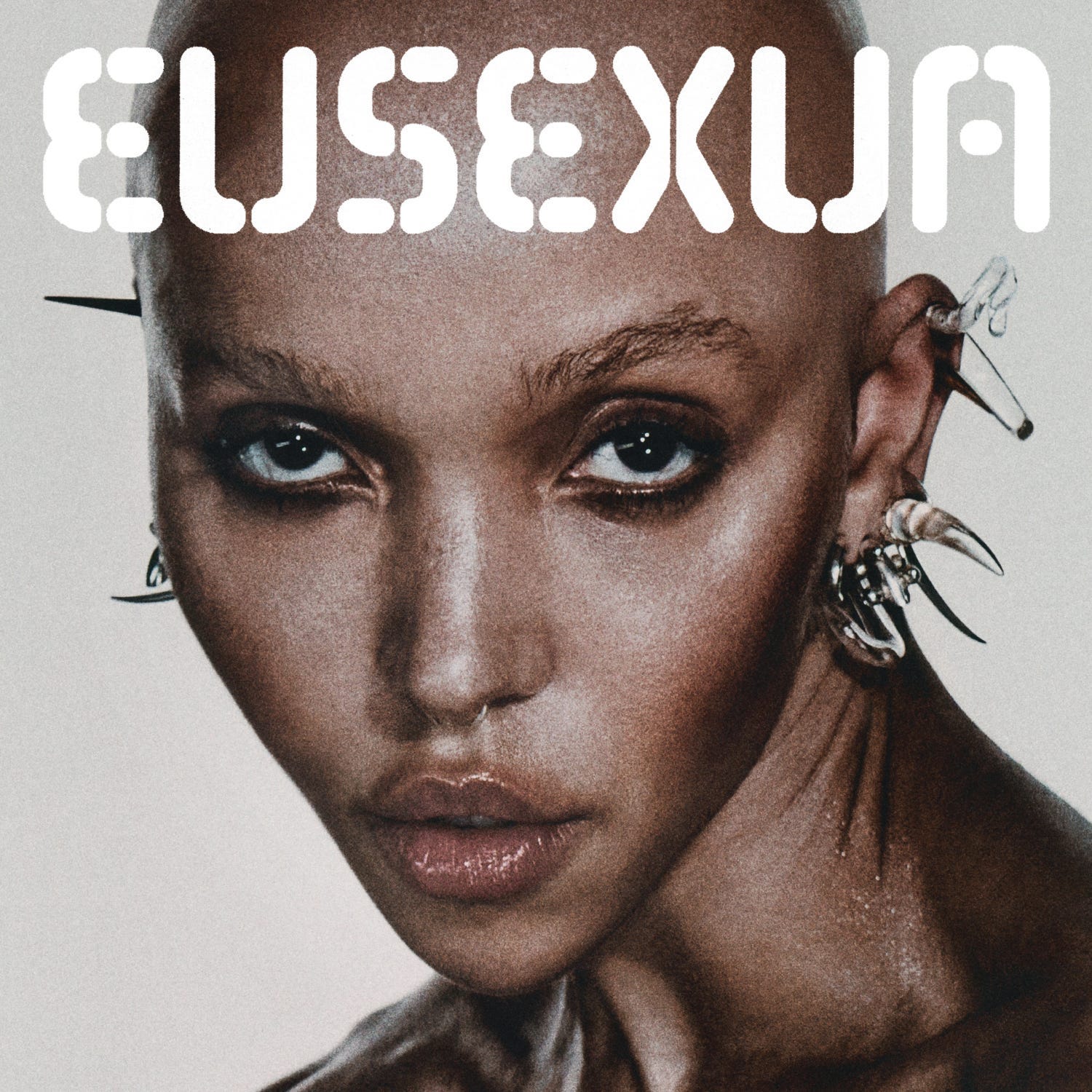
Years between Magdalene and this, her third album, though the 2022 mixtape Caprisongs suggested FKA twigs hadn’t been sitting still. She relocated to Prague a couple of summers back and fell for techno while working on The Crow soundtrack, not the genre itself exactly, but its spirit, the warehouse raves where ego dissolves, and bodies move without thinking. Eusexua is her invented word for the nothingness and focus someone feels approaching orgasm, which is a pursuit of transcendence through sound and sweat. The title song opens the album with three and a half minutes of strobing tension, twigs’ voice processed into something cybernetic, half-human and half-machine, singing about crashing systems and serving violence over Koreless production that feels both thrumming and delicate. Koreless worked on every track here, his fingerprints all over the throb and pulse that drives these songs. “Perfect Stranger” and “Drums of Death” were released as singles ahead of the album, establishing that twigs wasn’t making electronic music that sits politely in headphones—this is music built for rooms full of bodies, for hot flesh against cold metal. “Girl Feels Good” turns into subterranean trip-hop with dubby piano, while “Room of Fools” brings big-room melodrama with strobing lights implied in every synth hit. She’s singing about strangers emerging from fog, everyone seeking sticky, sweaty catharsis that kills the ego. — Charlotte Rochel
Chronixx, Exile
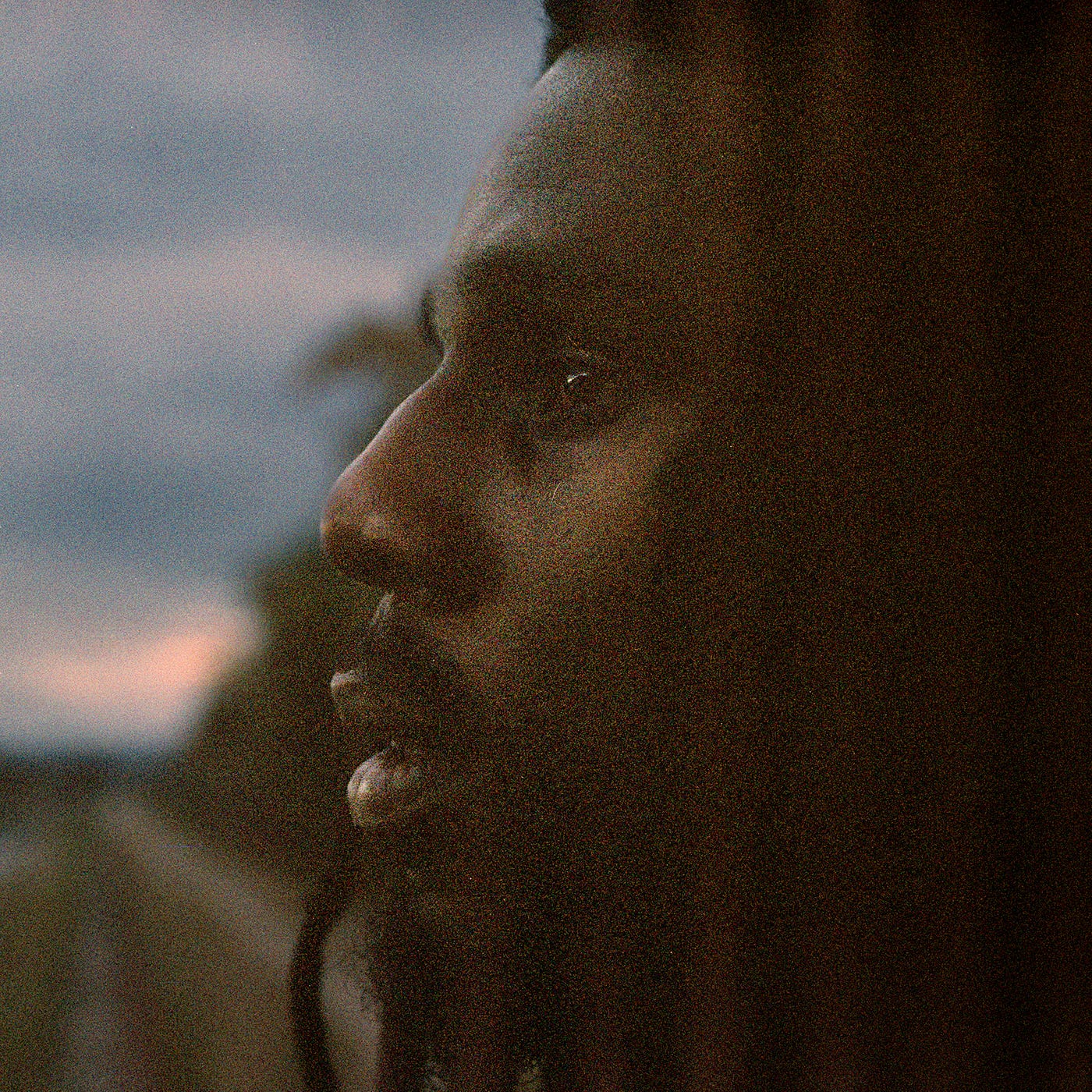
It has been eight years since Chronixx released a full-length album, since his debut set the pace for modern roots reggae. The joining of SAULT and the collaboration of Inflo make Exile one of the strongest statements in the genre in years. The album is a mixture of traditional roots harmony and warm soul, mixed with experimental boundaries. One cannot say that his only strength is in his hooks or his lyrics; it is a matter of putting them into practice with the help of a voice that is full of enthusiasm and innate star qualities. His self-confidence is nonchalant. Chronixx ponders on inflation (“Market”), his community in Jamaica (“Family First”), and hypocrisy within the political space (“Saviour”). His voice is constant and soulful, and Inflo production is a richness and a range lacking in much of the modern reggae. — Ameenah Laquita
Sumac & Moor Mother, The Film
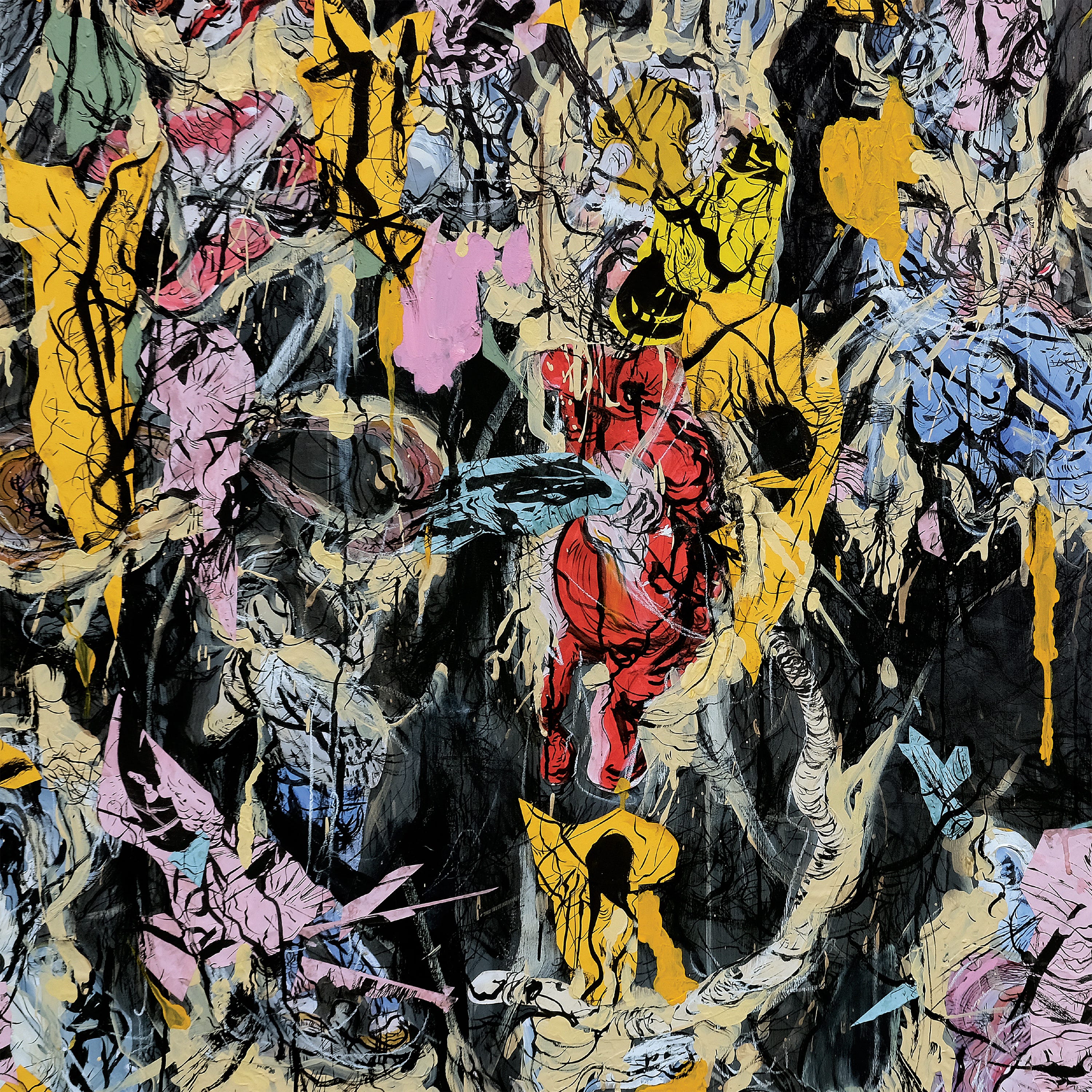
Conceived as an “imaginary documentary” score, this 50-minute behemoth fuses Sumac’s free-form post-metal with Moor Mother’s oracular spoken-word. Recorded live in single takes, movements flow like reel changes: “Scene 2: The Run” lurches from hi-hat shrapnel into sludge-bass avalanches, while opener “Camera” finds Moor Mother chanting “I want my breath back” against detuned drones, a visceral nod to present-day suffocation—literal and political. The closer, a 16-minute tidal wave of feedback and free-jazz cymbal wash, leaves her whispering “memories from planet Earth,” as if panning over post-apocalyptic credits. Rather than riff-plus-vocal stacking, the collaboration melts both vocabularies into what reviewers are calling free-metal: structure-less yet composed, spiritual yet furious. — Nehemiah
Durand Jones & The Indications, Flowers
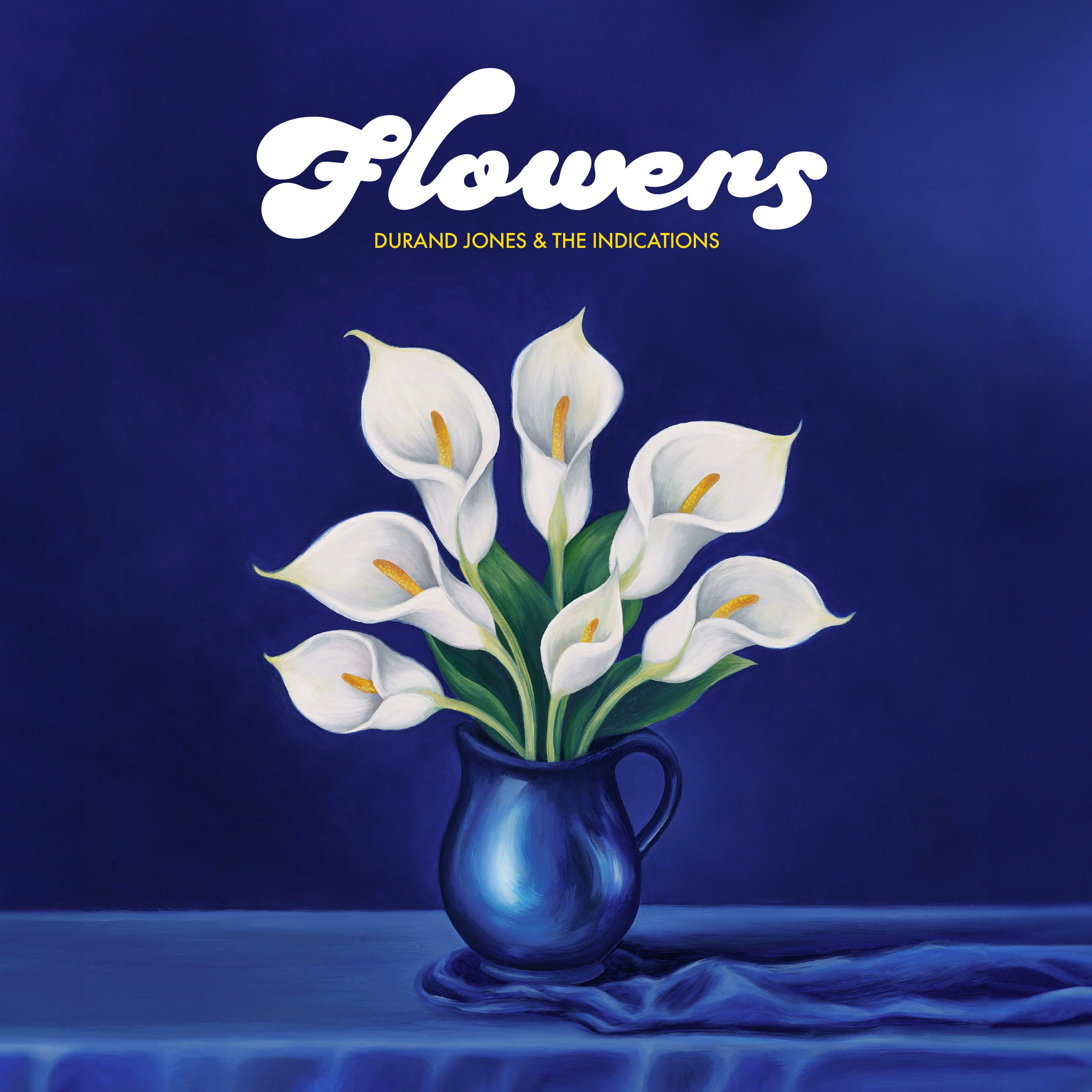
From late-night Chicago writing sessions, Durand Jones & The Indications return with a body of work that treats grown-up intimacy as dance-floor fuel. The brief intro “Flowers” leads into “Paradise,” where Aaron Frazer’s falsetto glides over an easy bass line reminiscent of early-‘80s quiet-storm staples. Durand’s fuller tone on “Really Wanna Be With You” provides contrast, turning lyrical pleading into confident assertion. Strings lift the chorus without tipping into nostalgia, signalling the group’s intent to honor predecessors while sidestepping retro cosplay. Shared vocals dominate, a choice that underscores the album’s emphasis on collective resilience rather than individual virtuosity. Many takes were captured live, preserving tiny imperfections that make the grooves human enough to invite repeated spins. “Been So Long” articulates reunion joy with the line “it’s good to be back together,” summing the album’s narrative in everyday language. By balancing disco shimmer with straight-talk sentiment, the band proves maturity and fun can still share the same dance floor. — Imani Raven
Mourning [A] BLKstar, Flowers for the Living
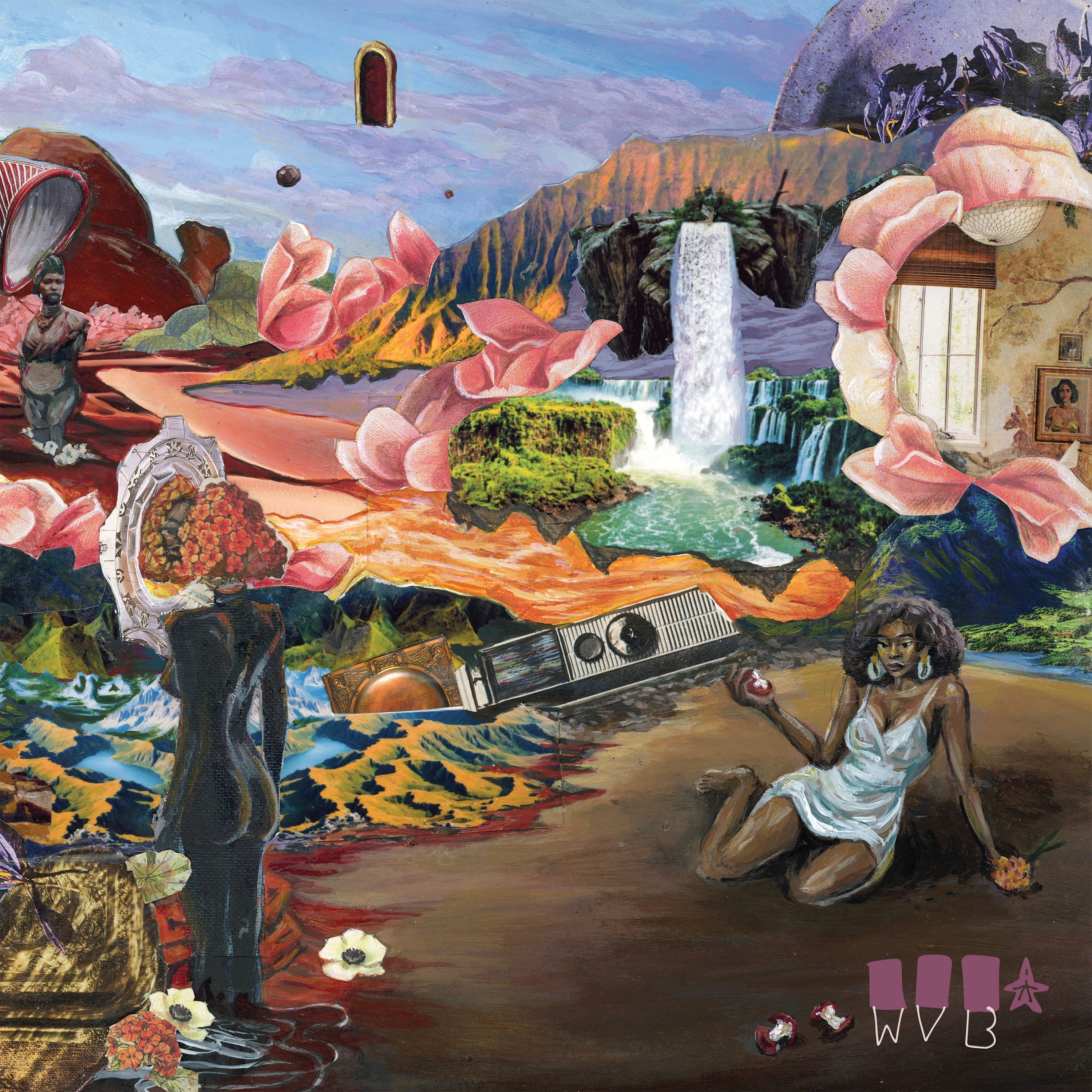
The Cleveland collective—known for welding gospel harmonies, distorted bass, and free‑form poetry—uses this album around the idea of giving loved ones their flowers while they can still smell them. As Mourning [A] BLKstar blurred the line between lament and celebration, “Stop Lion 2” fuses distorted bass drone with a field-recorded Baptist shout, interrupted by a spoken-word salvo from Lee Bains that sounds like Gil Scott-Heron channeled through a post-punk megaphone, and you have the title track where vocalist RA sings about holding himself accountable while promising to motivate his community. Elsewhere, “Letter to a Nervous System” layers tape echo on dour trumpet lines, evoking the echo-chamber anxiety of the album’s title. Yet hope persists: closer “88 pt.” hinges on a modal, Major-7th guitar vamp that brightens each chorus, suggesting blossoms pushing through concrete. Multiple lead vocalists trade lines like communal testimony, transforming grief into collective propulsion. “Can We?” flips an older groove into a funkier plea, asking if the band can indeed be funky and letting the answer unfold through wry interplay. — Brandon O’Sullivan
Ledisi, For Dinah
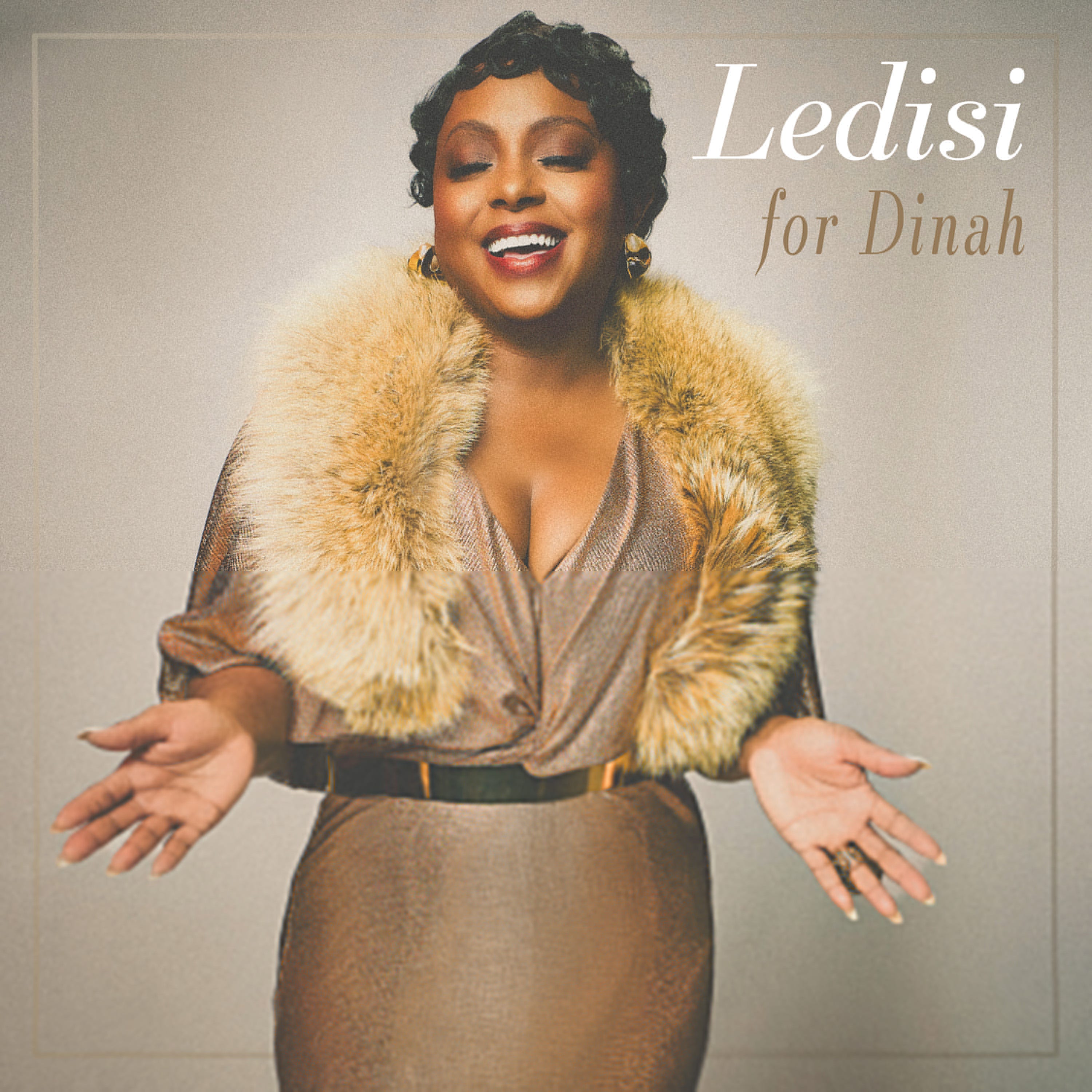
Following salutes to Nina Simone in earlier parts of the decade, Ledisi now works with Dinah Washington, and a tight book of standards demonstrates how a great singer reads a lyric as lived fact and not museum text, and the style is a tribute to Washington without impersonation. “You Don’t Know What Love Is” inclines to disorientation and heartache, and leaves the questions unspecified long enough to hurt; then “You’ve Got What It Takes” answers with no less certainty or explanation than two people would in the morning than the myth does at night. In “Caravan,” the pictures are directed off into space, away towards traveling and eating stuff, and in “Let’s Do It,” the wordplay remains light and humorous with no winking or grimacing, and in “This Bitter Earth,” the sadness remains in silence, waiting till the bitterness turns into useful strength. She pins all that transformation through “What a Difference a Day Made” not as a flashback, but rather as a turn of events in the present, and writing revolves around the mere fact that one day can actually change a life. — LeMarcus
Brandon Woody, For the Love of It All
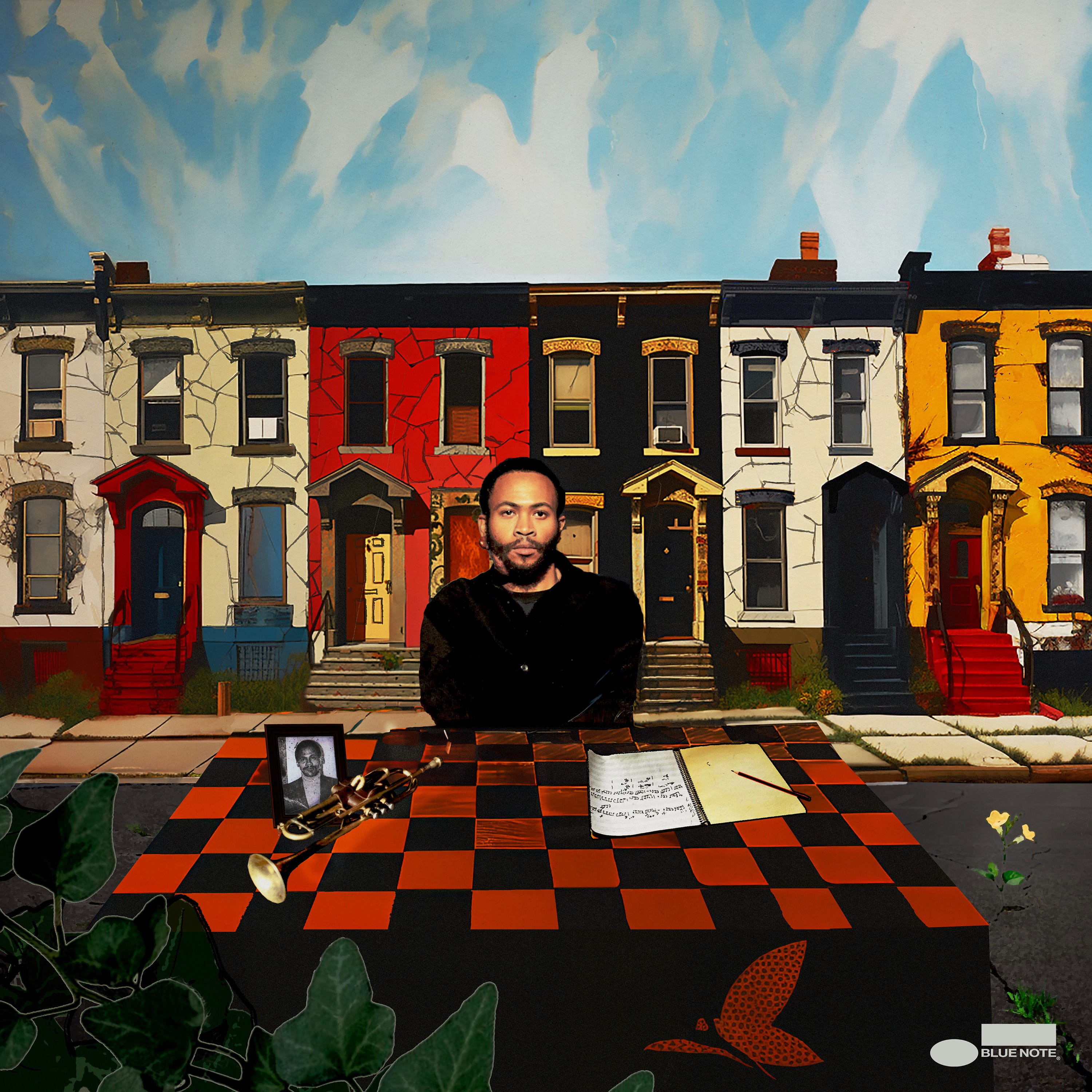
Woody’s trumpet tone sits somewhere between Clifford Brown’s caramel warmth and Christian Scott’s breathy edge, but his compositional sense is firmly of the present: trap-lilted hi-hats coexist with modal piano clusters and snatches of spoken-word prayer. The album is structured like a church service turned block party—opening fanfare, communal affirmation, ecstatic peak, contemplative benediction. Upendo, his long-running quartet, locks into polyrhythms that reflect Baltimore’s go-go legacy even as synth textures nod toward cosmic-jazz futurism. On “Never Gonna Run Away,” Woody quotes “Lift Every Voice and Sing” before vaulting into a double-time solo that feels like an asphalt sprint through North Avenue at dusk. He refuses the jazz-world trope of geographic migration, choosing instead to root the music in the city that raised him; the result is a record that radiates place-based love without turning parochial, achieving universality through hyper-local detail. — Phil
Yukimi, For You
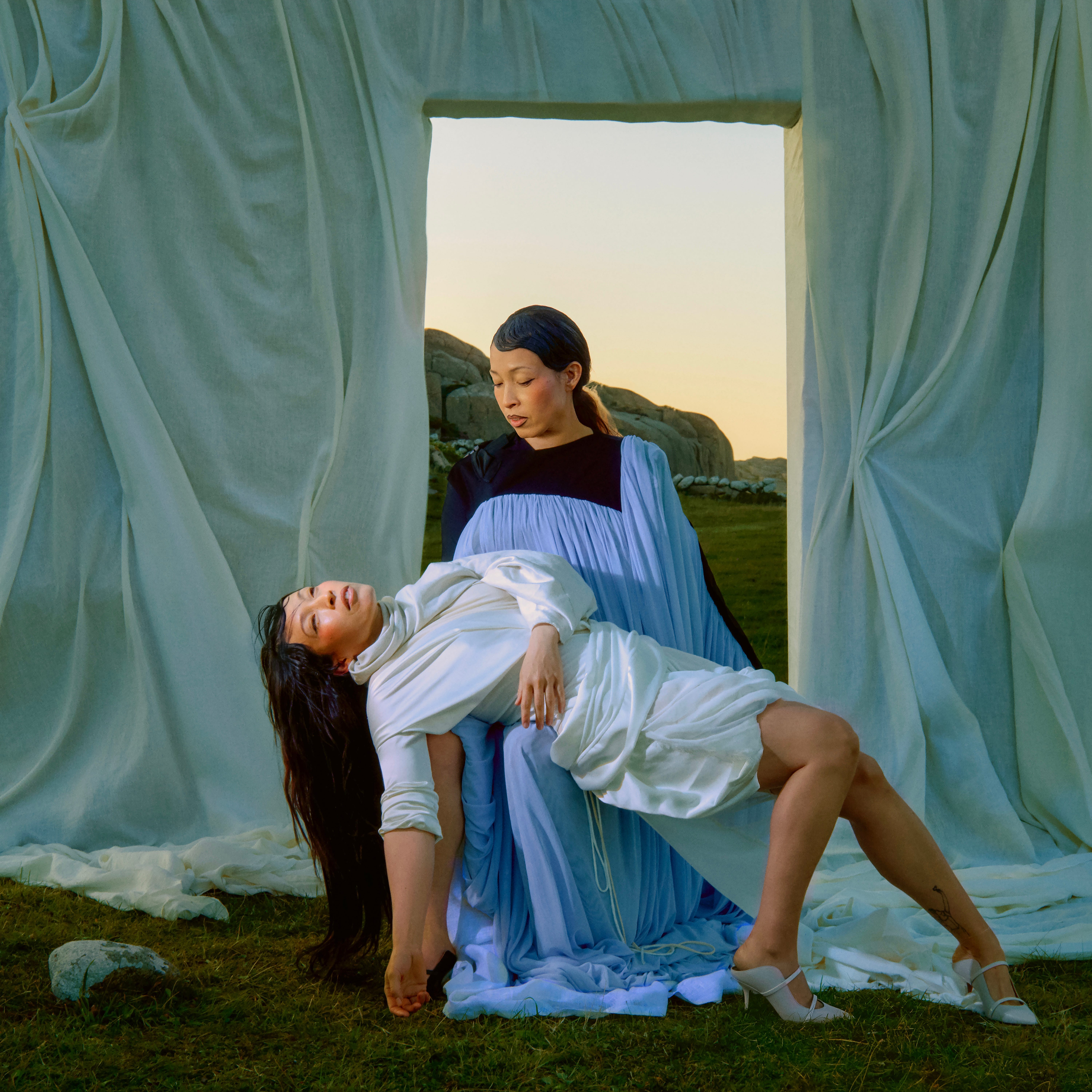
Co-founded Little Dragon in Gothenburg in 1996 when she was still in high school, Yukimi Nagano met Erik Bodin, Fredrik Wallin, and Håkan Wirenstrand in rehearsal rooms where newly started bands gathered. Her voice became the band’s calling card—a fierce falsetto that announced major talent the moment anyone heard it. Little Dragon’s 2007 self-titled debut mixed electronica and indie rock with webby guitars and shiny synths, but it was Yukimi’s voice and words that compelled fans around the world. She’s since performed everywhere from Coachella to NPR’s Tiny Desk and collaborated with Mac Miller, Gorillaz, KAYTRANADA, and De La Soul. She opens with “Prelude For You,” spoken word explaining that when you write from a deeply personal place, it becomes human, that she’s calling this album For You because even though it’s about her, it’s equally about us, everyone spinning on the planet together. The album leans toward jazz and soul, moving away from Little Dragon’s electronic foundations toward a more organic, downtempo sound. “Make Me Whole” introduces the lush R&B production that carries through most of these songs, Yukimi’s voice floating over gentle arrangements. “Break Me Down” is the album’s most emphatic moment, a declaration of individuality and perseverance where her voice soars away from the verses about special moments with a newborn, singing about the day her child will spread wings and fly. At 40 minutes, it’s a portrait of the artist in her early forties, diving into personal history about motherhood, marriage, and mental health. — Tai Lawson
Blu & August Fanon, Forty
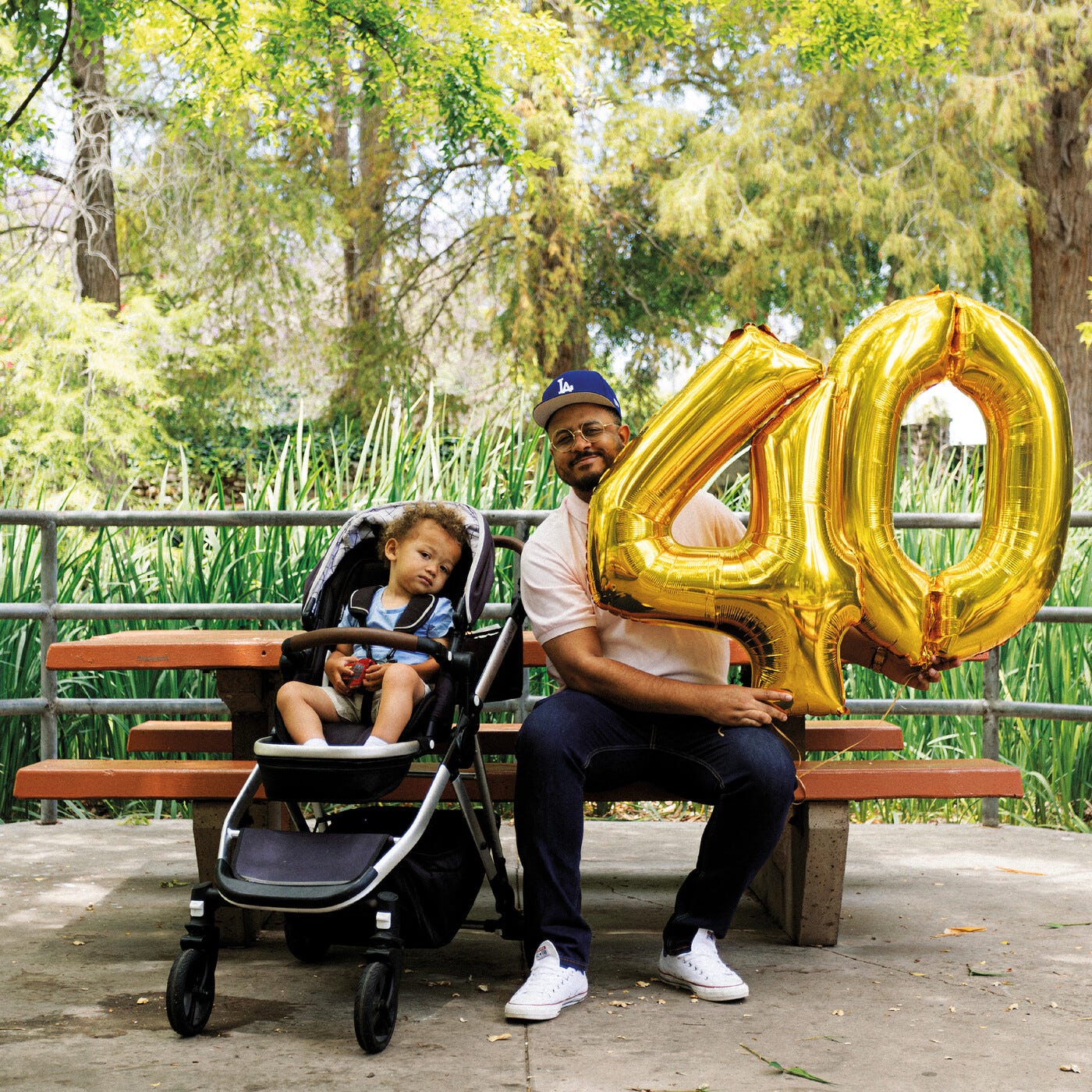
Instead of basking in nostalgia, Blu marks his fortieth year by curating a series of meditations with producer August Fanon. The Los Angeles rapper has spent nearly two decades narrating the everyday lives of his city, yet this project feels like a birthday card scribbled in quiet rooms. Over August Fanon’s warm, drum-less loops he reflects on fatherhood, friends lost, and the pressure of longevity. Mid-album, “Love (1-4)” runs nearly eight minutes, fluttering through four pocket-grooves while female vocalists stack harmonies like 1970s Roy Ayers sessions; the hook on “Big Picture” likens life to being stuck in a flash-photography row, and elsewhere he raps about the price of art and the distance between faith and fame. At forty, Blu doesn’t reinvent himself so much as take stock. The album’s pleasures lie in his everyday phrasing—quick notes about buying groceries, teaching his children patience, slipping into a memory of his grandmother’s house—delivered in a tone that suggests he’s rapping for himself first. Without relying on bloated listing, Blu and August Fanon craft a comfortable yet earnest album about growing older and choosing gratitude. — Harry Brown
Saba & No ID, From the Private Collection of Saba and No ID
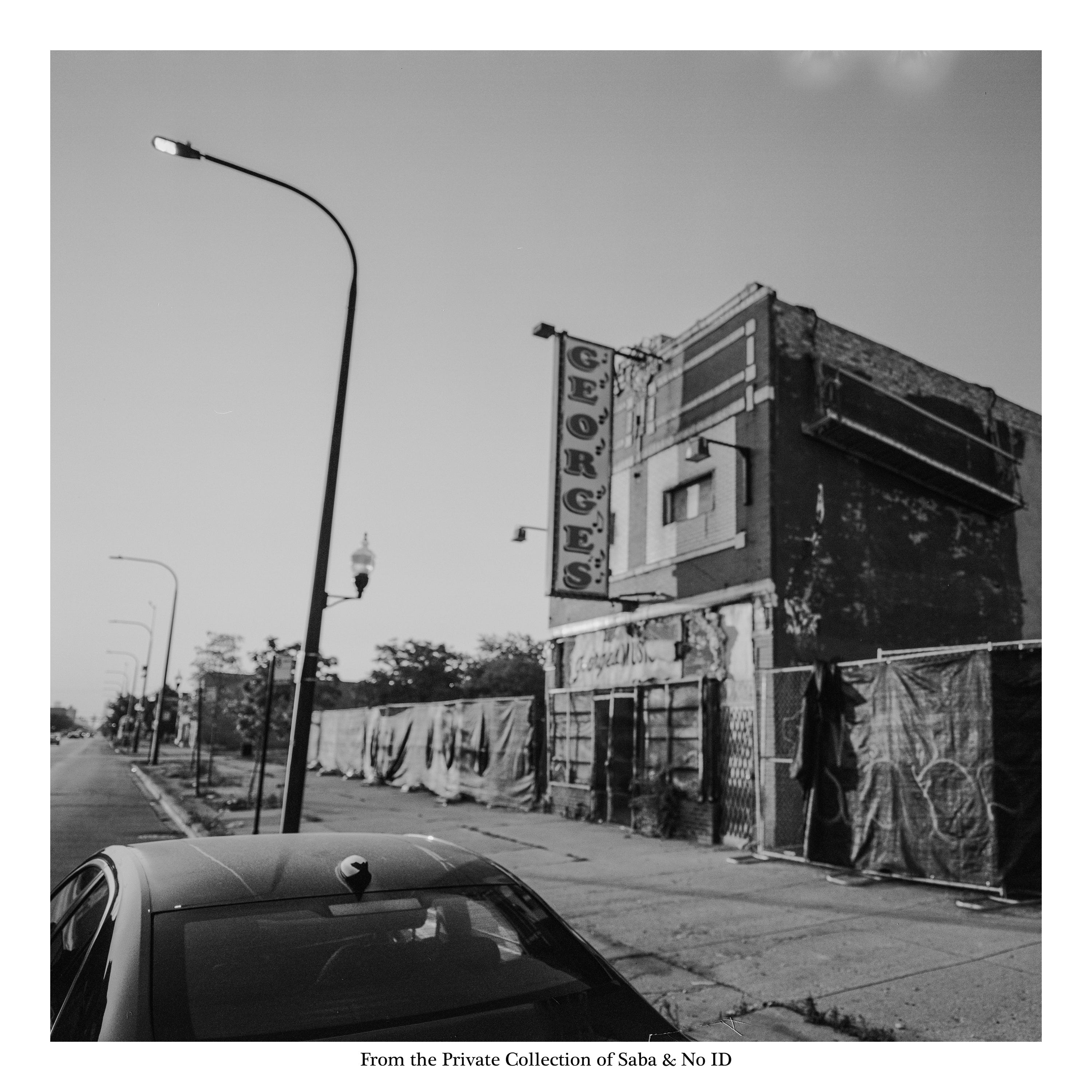
Saba has spent his career threading vulnerability through lively Chicago storytelling, from the youthful optimism of Bucket List Project to the grief-stricken introspection of Care for Me. His latest project pairs him with veteran producer No ID, who mentored him through sessions that encouraged deeper self-examination. The songs, including the well-written “Big Picture,” he likens navigating fame to being stuck in a darkened theater, rapping, “I guess it’s like I’m in a show, sittin’ in a flash photography forbidden row,” a striking image of watching life unfold while the camera is turned off. Throughout the record, he meditates on the price of artistry and the emotional cost of staying present; one track frames painting as an apt metaphor for commitment, another chronicles the weight of expectations when your words are taken as gospel. Without relying on dramatic flourishes, Saba’s writing lays bare his anxieties and growth, leaving the collection as much a self-portrait as a collaboration. — Phil
Brandee Younger, Gadabout Season
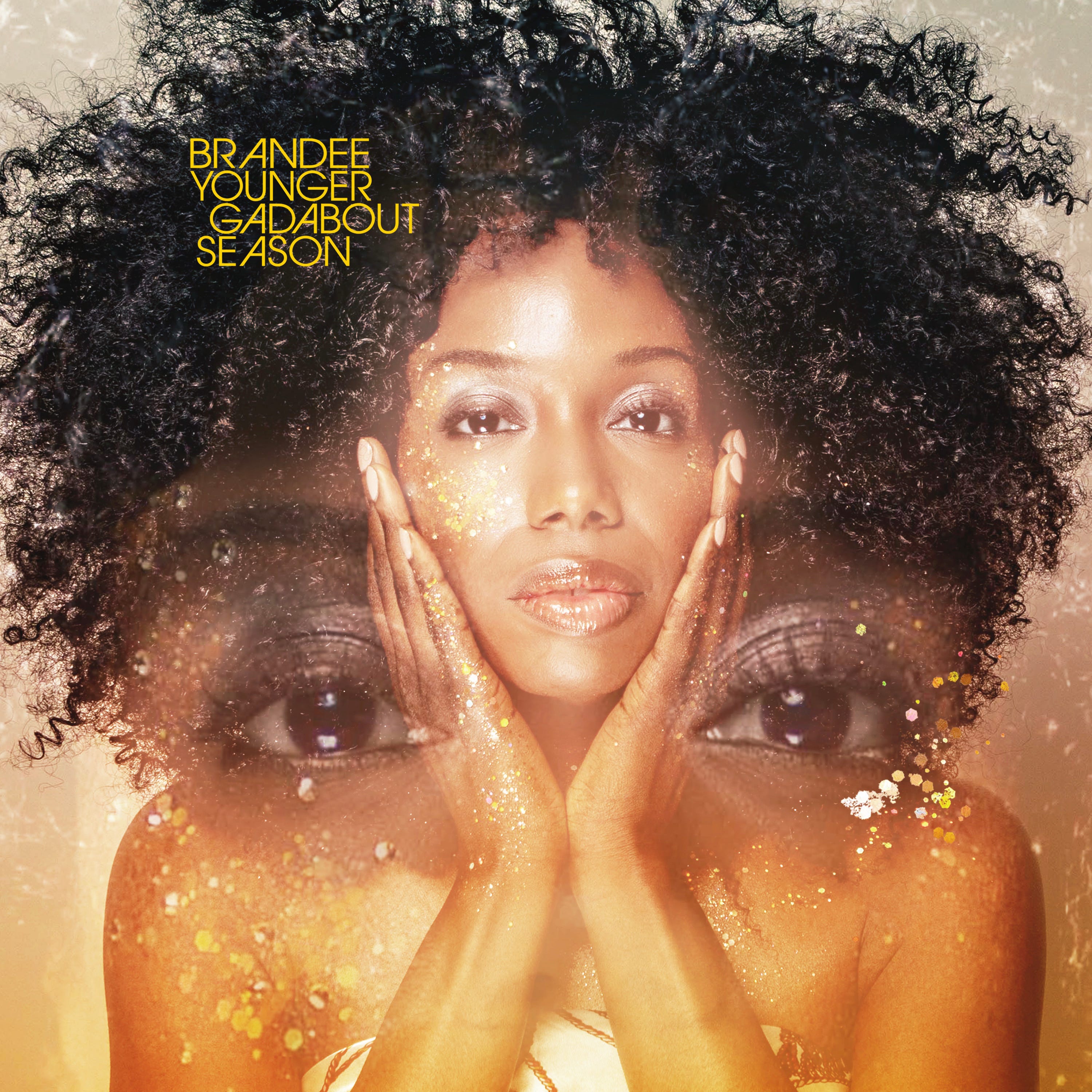
Brandee Younger centers her harp on circular themes that invite a calm, reflective state of mind. Rashaan Carter’s bass and Allan Mednard’s drums supply light propulsion while keeping clear air around the strings. Recorded partly on a restored instrument once used by Alice Coltrane, the set honors lineage without leaning on nostalgia. “Reckoning” opens with a brief, searching figure that reappears in subtle variations later on. Shabaka’s flute on “End Means” slips in like a soft breeze, coloring the mix without turning the spotlight. “Breaking Point” toughens the groove with clipped accents while still leaving room for melodic breathing. Younger wrote every piece, and her intent shows in the disciplined pacing. She avoids flashy runs, aiming instead for motifs that bloom through repetition. Short overdubbed vocal sighs drift through “BBL,” hinting at R&B influence without a full stylistic pivot. Sessions took shape in her Harlem apartment, lending casual intimacy to the recording. By steering away from grand gestures, Younger underlines the harp’s conversational power on Gadabout Season that feels like time well spent in thoughtful company. — Brandon O’Sullivan
billy woods, Golliwog

When Golliwog opens with “Jumpscare” with warped horns and tape hiss, it sets a claustrophobic mood that never fully lifts. billy woods raps in dense, imagistic bursts, stacking references to colonial history, horror cinema, and everyday micro‑aggressions until the lines feel like overlapping newspaper clippings. Throughout the album, the production pivots between dusty jazz loops and abstract sound design. “Star87” floats over a detuned vibraphone riff that keeps slipping out of key, while “Misery” uses a brittle guitar figure that fractures under heavy reverb. Guest spots amplify the kaleidoscope; Bruiser Wolf’s off‑kilter drawl on “BLK Xmas” adds sardonic humor, Despot’s surgical precision on “Corinthians” sharpens the track’s edges, and ELUCID appears multiple times, his voice acting as both mirror and foil to woods’ weary baritone. The middle stretch (“Waterproof Mascara,” “Counterclockwise,” “Pitchforks & Halos”) digs into paranoia, with drums that drop out unexpectedly, forcing the listener to cling to woods’ internal rhythms for footing. Near the end, “Lead Paint Test” and “Dislocated” widen the sonic palette with industrial clangs and ghost‑choir samples, pushing the project into near‑apocalyptic territory. Despite the heavy subject matter, there is a sly playfulness in woods’ rhyme schemes; multisyllabic patterns tumble into sudden blunt phrases, mirroring the album’s thematic tension between performance and painful memory. — Phil
Ghais Guevara, Goyard Ibn Said
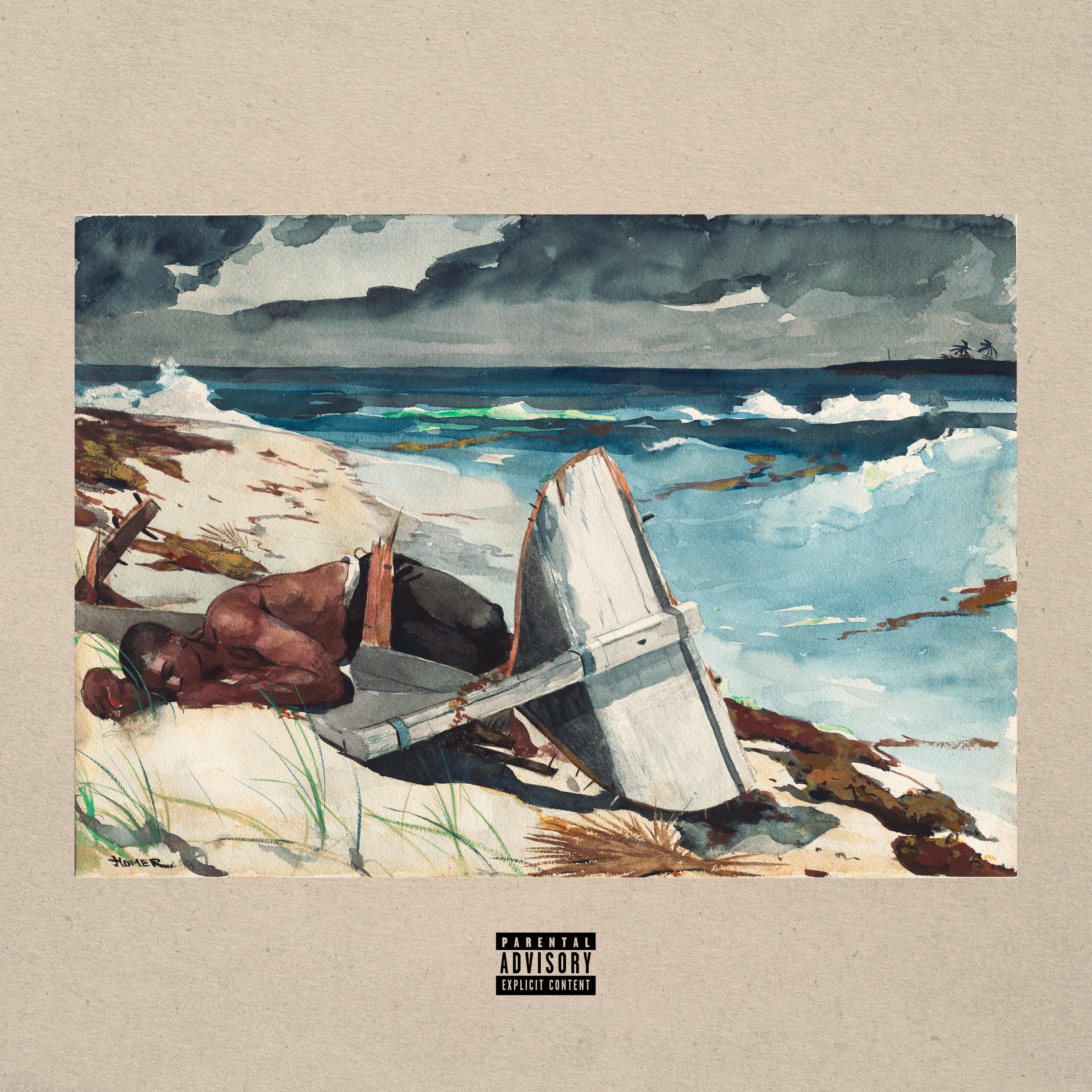
Structured in two acts, Guevara’s concept piece follows a fictional anti-hero who rises from corner rap star to luxury-brand demigod before watching the spoils curdle. Act I’s centerpiece “The Old Guard Is Dead” pairs roiling trap drum-programming with a compressed soul sample that sounds like vinyl spun backwards; Guevara rips through double-time boasts only to undercut them with “Aim for the moon, rose from the gallows”—a couplet that frames triumph as execution by another name. Act II flips the palette: “Leprosy” slows the tempo, substituting hazy guitar chops while he sneers, “actions don’t match their lyrics,” a self-indictment as much as industry critique. Throughout, his flows dart between Philly street punchlines and West African griot cadence, a nod to the historical Ibn Said, whose name he borrows. By finale “I Gazed Upon the Trap with Ambition,” the beats have thinned to skeletal clicks, and Guevara’s voice fractures into half-sung laments, the anti-hero finally staring into luxury’s hollow center. The narrative gambit never feels forced because Guevara’s technical fireworks—polysyllabic rhyme chains, sudden meter shifts—keep the story wired to the adrenal rush of outstanding rap records. — Brandon O’Sullivan
Ambrose Akinmusire, Honey from a Winter Stone
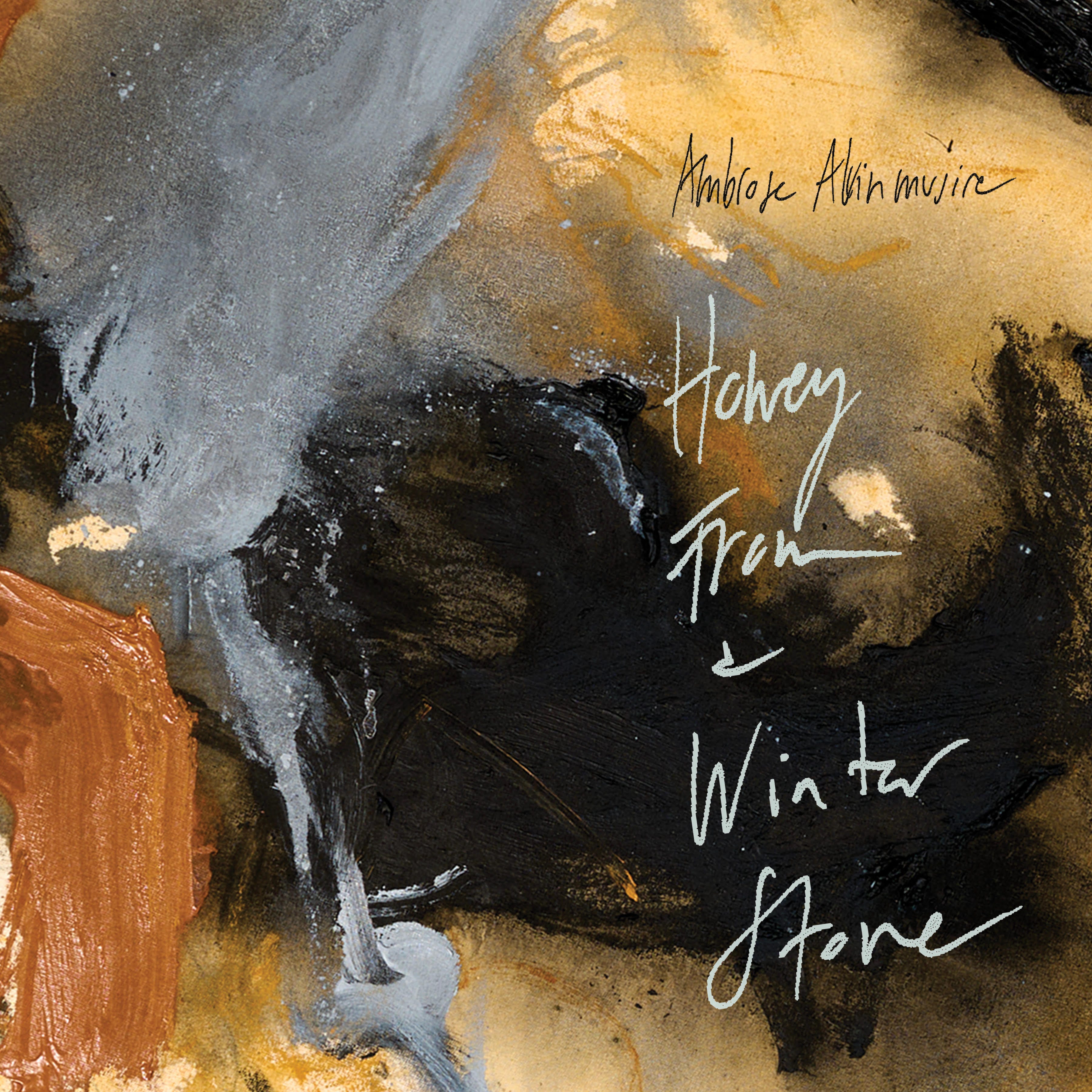
Sometimes, it starts with a place. For Ambrose Akinmusire, that place is Oakland, California: a city whose complexities—cultural, social, and sonic—have shaped not just who he is as a person but who he is as a musician. When Akinmusire released Origami Harvest in 2018, it was the clearest articulation yet of that wide musical embrace: a head-on collision of jazz improvisation, hip-hop verse, and modern classical strings. Now, with Honey from a Winter Stone, Akinmusire returns to that hybrid world with even greater confidence. He added vocalist Kokayi and synthesist Chiquitamagic to this already potent mix, creating a multi-genre tapestry where Mivos remains central and essential, not an afterthought. In these new pieces, Akinmusire grapples with issues he has named and claimed as personal: colorism, erasure, and the question of who has the right to speak for the Black community. It might look like jazz, hip-hop, and modern chamber music on paper, but, as with much of Akinmusire’s work, the reality exceeds any single category. — Nehemiah
keiyaA, Hooke’s Law
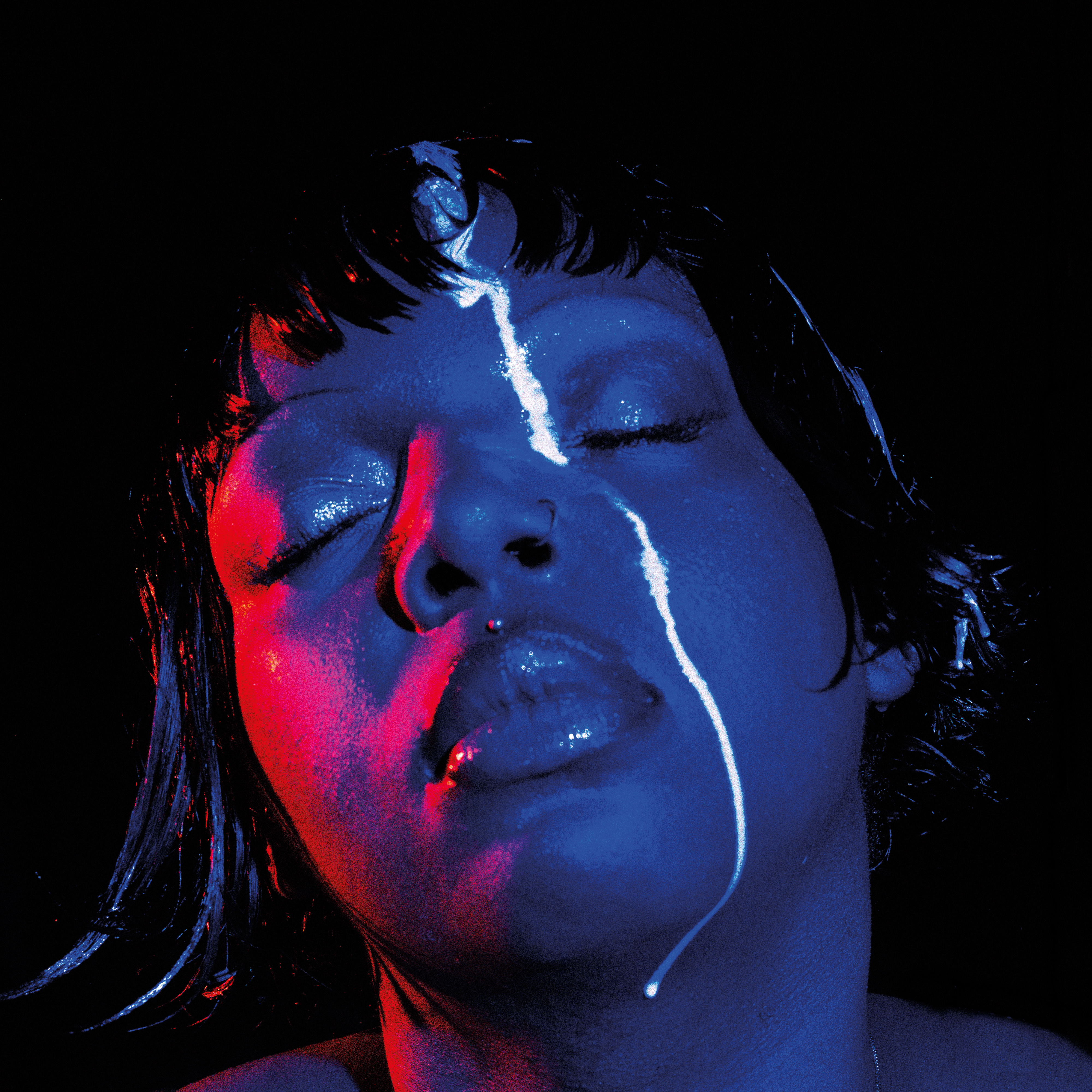
On her turbulent second album Hooke’s Law, keiyaA doesn’t just susurrate her frustrations—she unleashes them. The record confronts living in the gaze of the industry, the contradictions of self-care culture, and the weight of expectation as a Black queer woman (“an album about the journey of self-love, from an angle that isn’t all affirmations and capitalistic self-care… It’s more of a cycle, a spiral”). Adding her strengths as a well-rounded music producer, she welds jazz, club-music heat, and R&B tenderness into jagged, slippery grooves—Auto-Tune one moment, horn squalls the next—so heartbreak and anger sit beside seduction and swagger. What’s on the line is an album that doesn’t simply process pain, it confronts it head-on—and still moves you to dance. — Tai Lawson
Loyle Carner, Hopefully !
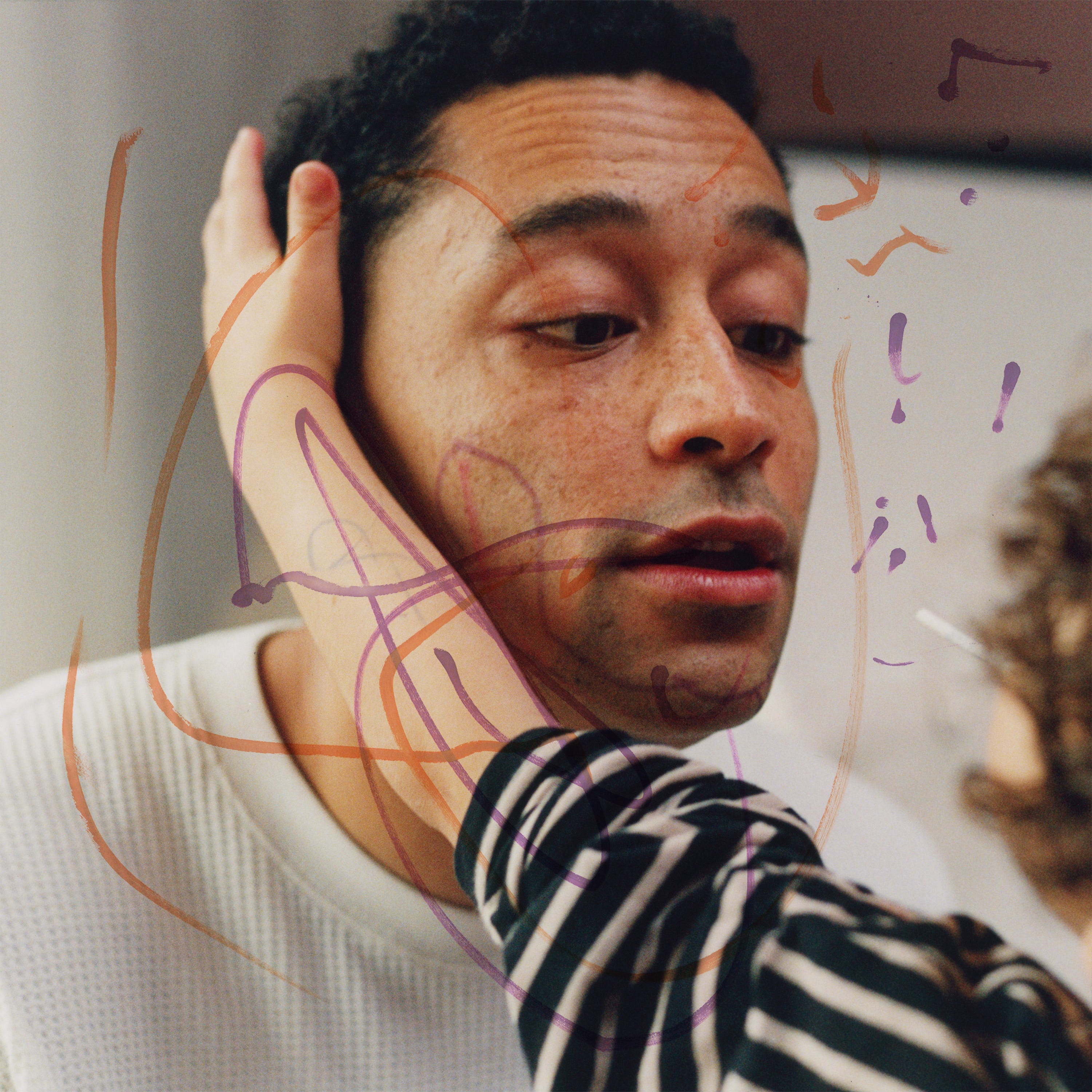
Loyle Carner turns away from community narratives and toward domestic life as a father, as his voice is low and conversational, sometimes even humming. He mixes rap and a previously unused croon with his singing voice, which emerges naturally and unforced. He speaks about the weight of being a parent, confessing doubt: “They said my son needs a father, not a rapper,” and “this fear in my belly” during early fatherhood moments. Where his Mercury-nominated Hugo wrestled with racial identity and paternal absence, Hopefully ! turns its attention to the immediate intimacies of fatherhood, partnership, and self-doubt. On the title track, he admits his faith in other people is aspirational: “You give me hope in humankind, but are humans kind?/I don’t know, but I hope so.” That ambivalence runs through the record. On “About Time,” he recounts an argument with his partner and confesses “another fucking thing I know you couldn’t forgive”; later, on “Lyin,” he describes himself as “just a man trained to kill, to love I never had the skill,” couching his fear of emotional ineptitude in the language of soldiering. Carner balances these heavy admissions with domestic snapshots: “All I Need” revisits his mother’s house, where the smell of “the sheets on my mother’s mattress” reminds him of learning backflips, and “Lyin” strings together surreal images of early parenthood, including a bedroom wall that falls “to Poseidon” and the feeling of a child’s hand tightening around his finger. Producer Avi Barath coaxes Carner into singing more than ever, and his low, unaffected croon cuts through the album’s sweetness like lemon juice. This feels like a journal of familial love and parental uncertainty delivered calmly but with care. — Murffey Zavier
Mobb Deep, Infinite
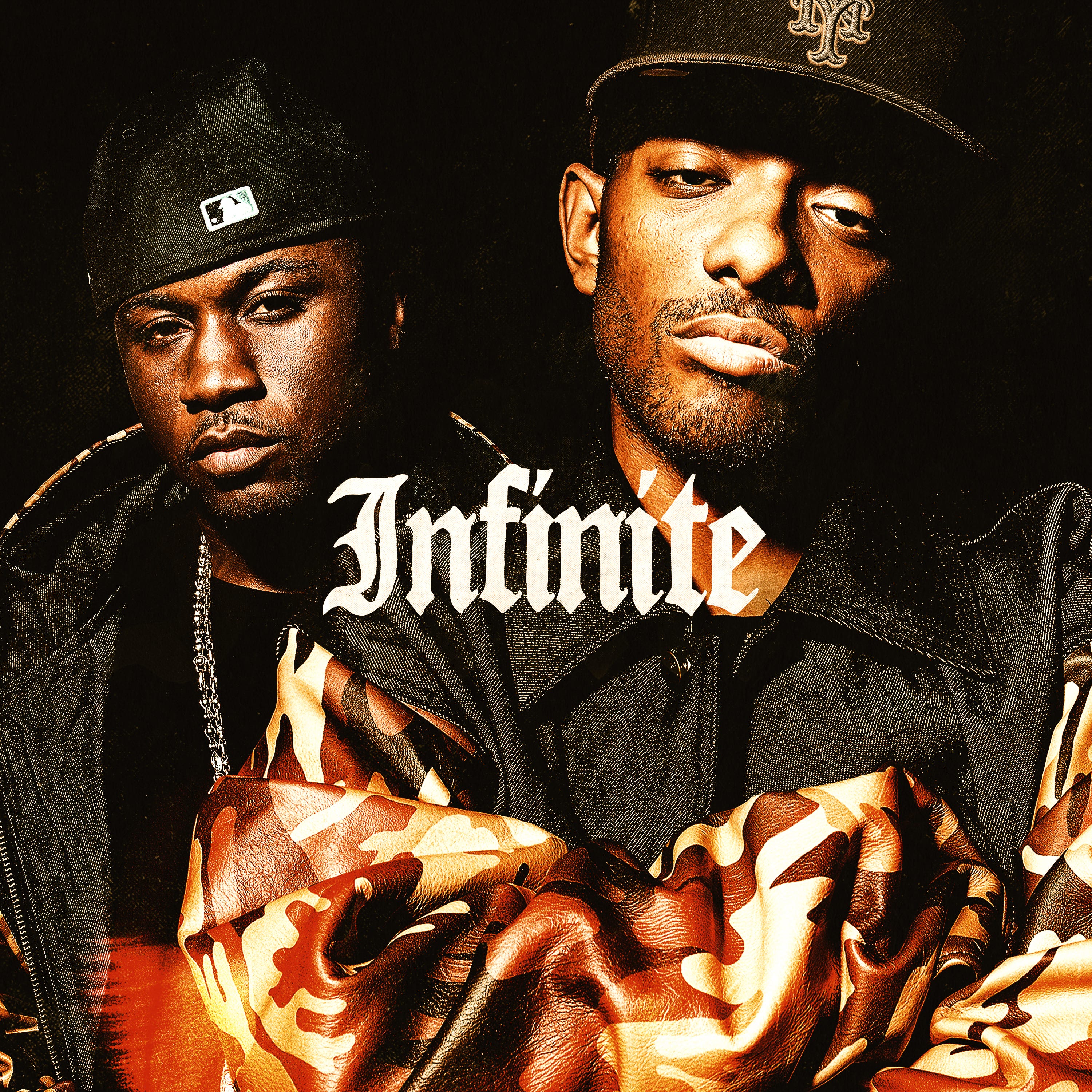
We lost Prodigy a long time ago, and the weight of that loss remains heavy. Havoc (along with Big Noyd) has been the one to keep everything in place, as they put together, yet the mention of Infinite restores all that made Mobb Deep untouchable. This year, more than any other, saw a revival of many pioneers in the hip-hop world as who joined hands with Mass Appeal for its Legend Has It series alongside Nas, Raekwon, Ghostface Killah, and a host of other artists. Whenever Prodigy speaks on a record, you can feel the burden of his art. A finely honed street philosophy, wordplay upgraded to lived experience, that stillness of purpose with which he could turn his empty words into poetry. The production of Havoc on Infinite is very precise, devoid of loudness and over-the-top bass sounds, very convenient bass notes, in the record “Pour Henny,” cool waves of the strings, drums beat your head, but does not declare itself aggressively, in the song, “We the Real Thing,” the bass sounds are very quiet, and the strings are the ones that shine through. It goes well with Alchemist, which adds light to grittiness, therefore keeping the attention on the bars. The album sounds like a time capsule and a tribute, a history of the fact that what Mobb Deep had created was not simply sound, but it was survival art. — Phil
Ayoni, ISOLA
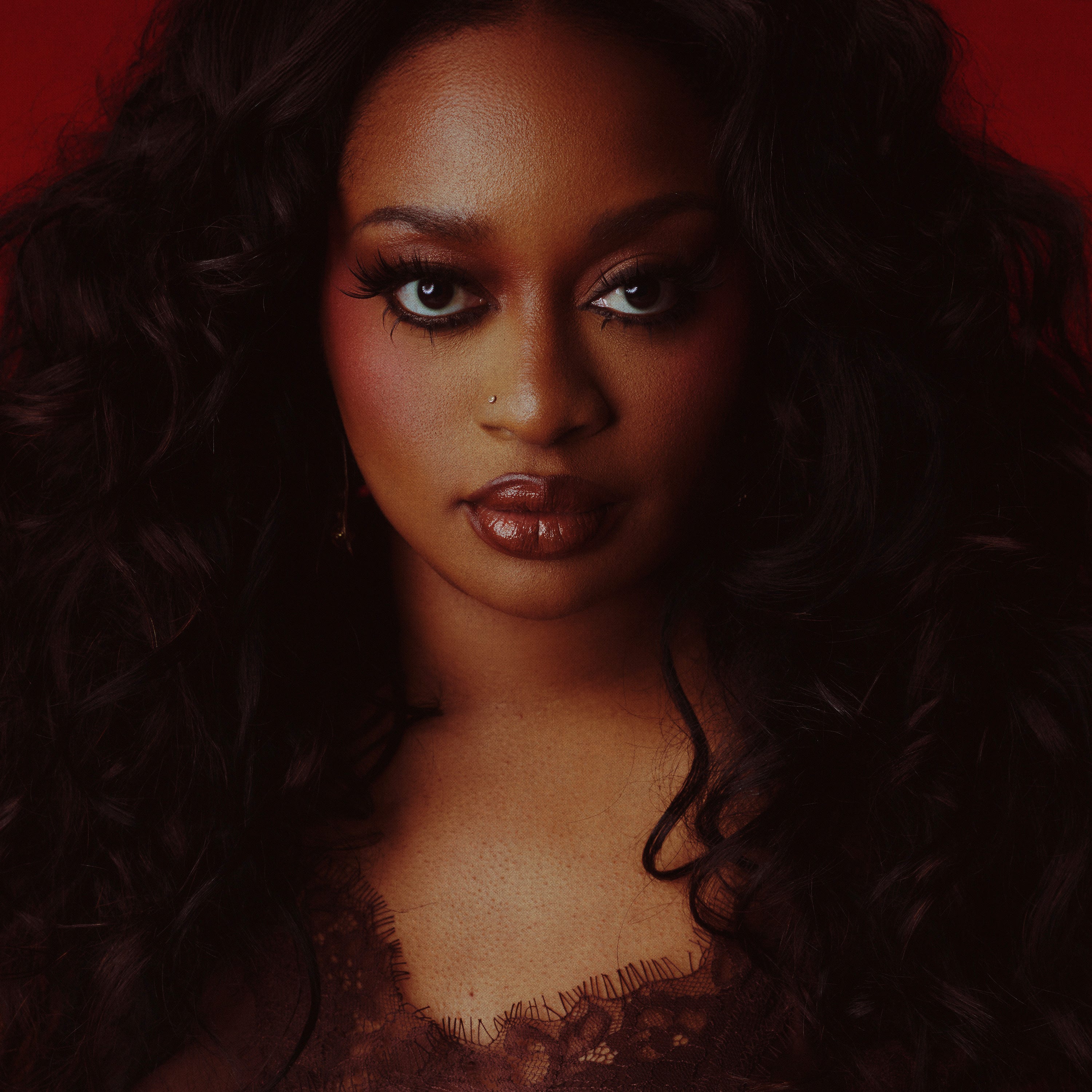
Ayoni has always been the kind of artist who writes with the clarity of someone searching for her own reflection in real time. Building up her repertoire of loosies and featured on Noname’s Sundial, ISOLA is where that process transforms into a cohesive body of work. The title carries dual weight because it’s a nod to her Barbadian roots, an island identity that shapes her worldview, and it’s also an exploration of isolation, the way distance can magnify pain and foster transformation. She tells stories of heartbreak, anger, renewal, and self-discovery—songs that read like journal entries but are polished into resonant anthems. Tracks such as “It Is What It Is” and “Bitter in Love” walk directly into the grief of betrayal without posturing, while “Trace of Your Love” and “Vision” open the lens wider, asking what it means to hold on when love dissolves. She executive-produced the album herself, and that sense of authorship shows in the way motifs recur and melodies return as lessons. It’s a declaration of presence, proof that Ayoni’s pen and voice are strong enough to build universes without overstatement. It arrives as a debut that sounds like a marker planted in the ground, pointing toward even larger visions still to come. — Brandon O’Sullivan
Samm Henshaw, It Could Be Worse
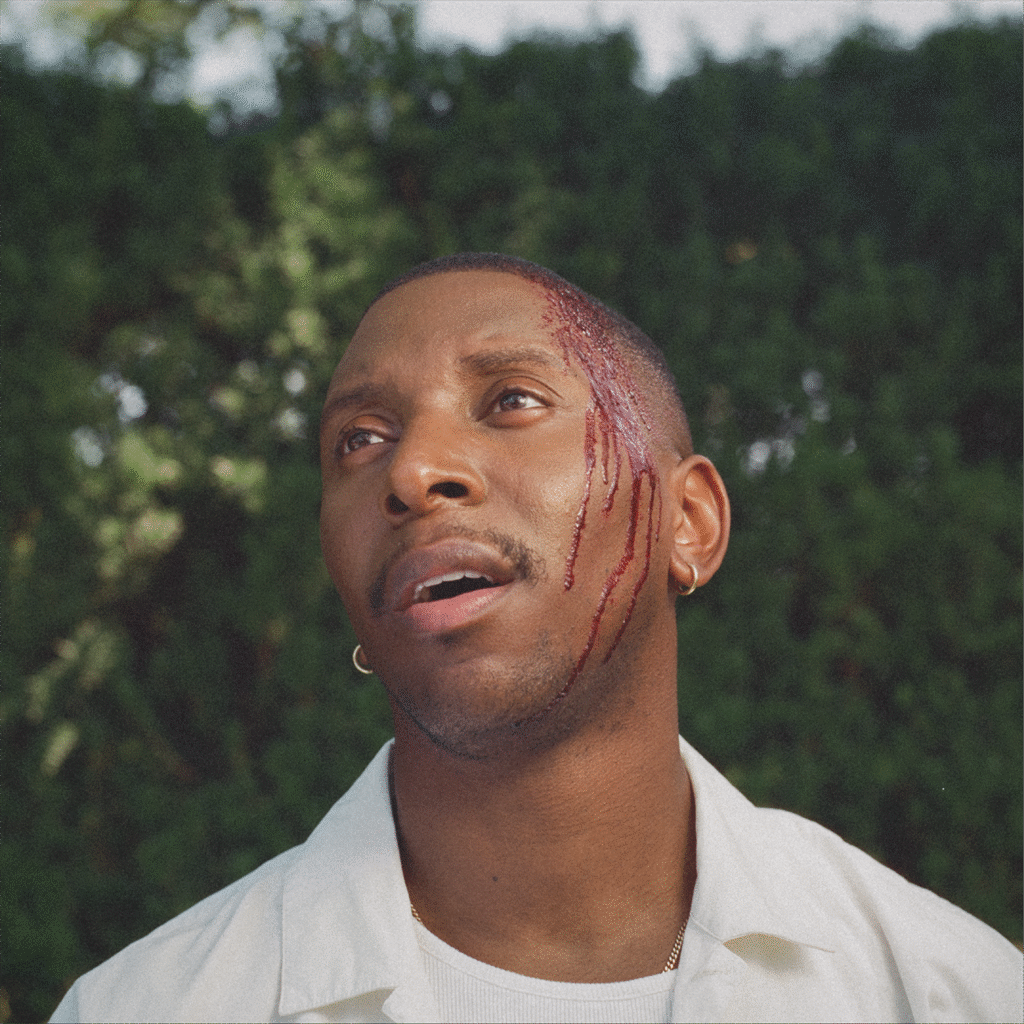
Recorded with a live band and collaborators like executive producer Josh Grant and vocalist Ogi, It Could Be Worse runs through twelve tracks built on drums, piano, bass, and guitar instead of dense programming, leaving his gravelly tenor and stacked background parts space to crack, joke, and lean into faith without sanding the feeling down. Samm Henshaw is an artist who has one foot in church and one in a South London venue, raised on gospel records and mainstream pop, and trying to write songs that can hold gratitude, doubt, and everyday mess in the same breath. After his 2022 debut Untidy Soul and a mini‑album about burnout, he spent the last few years moving through family losses and his first major heartbreak, eventually landing on a phrase his mum kept repeating, “it could be worse,” as a way to file that whole period and as the title for a second album he’s described as the rawest he’s ever been. “Float,” the fourth song and one of the only tracks he’s shared digitally, wraps a careful piano line and head‑nodding groove around a plea not to drift too far from someone he still cares about, written just after the breakup and sung from that middle ground where you’ve accepted it’s over but haven’t moved on yet. A little further in, “Get Back” reaches for earlier days that felt easier and asks how to return to that mindset without lying about how heavy things are now, while “Hair Down” rides a looser, almost playful rhythm as he tells listeners to let go for a minute and, as he puts it, let Jesus handle the steering when life feels out of control. “Don’t Give It Up,” “Wait Forever,” “Don’t Break My Heart” and “Tangerine” circle the same knot from different angles—when to hold on, when to stop trying, how to keep a sense of humour when setbacks stack up. — Kendra Vale
NAO, Jupiter
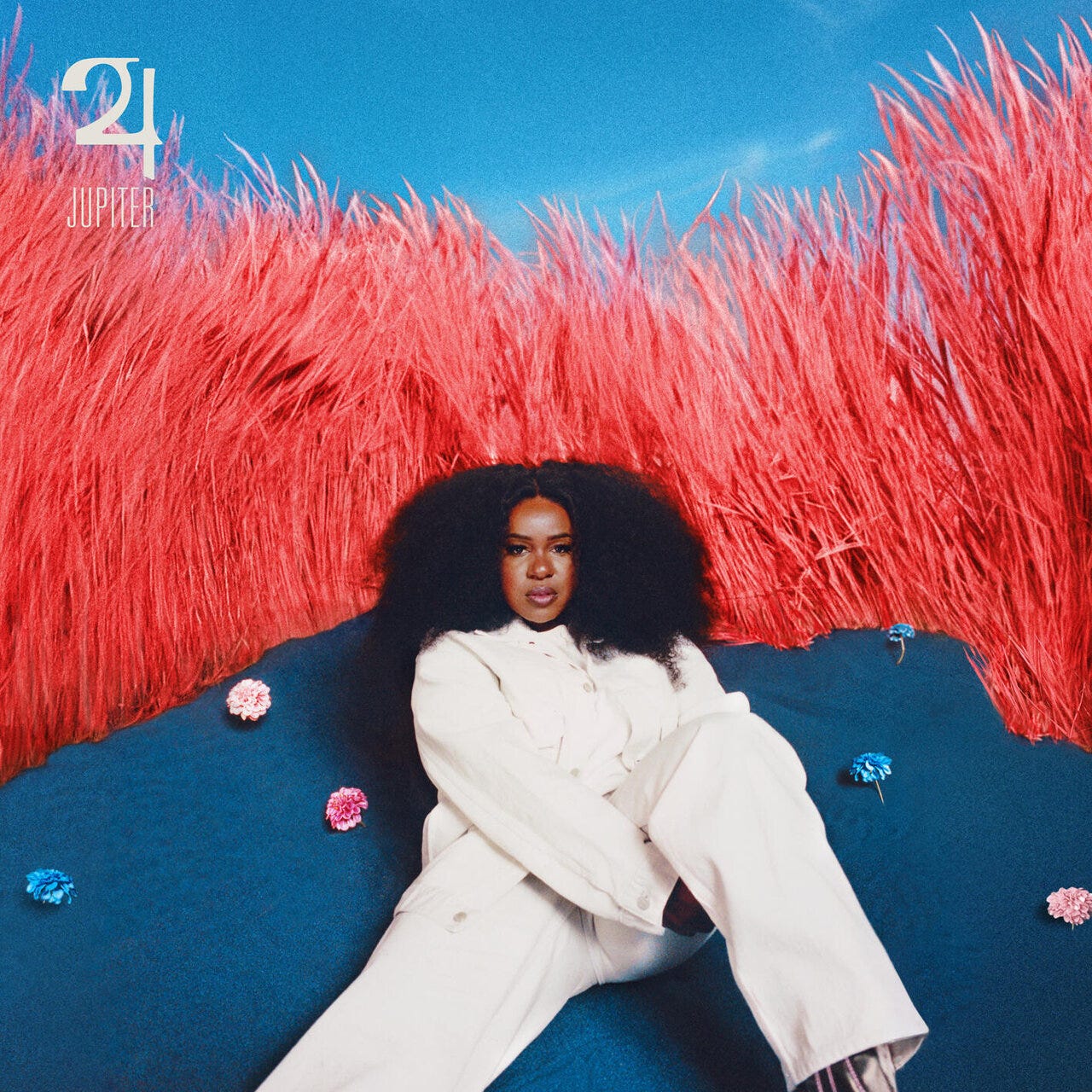
After taking time off to recover from chronic fatigue and parenthood, East London singer NAO returns with Jupiter, a record steeped in optimism and spiritual growth. She builds the album as a companion to her breakthrough Saturn, noting that this time she wanted to focus on hope, joy, and expansion. Her writing refuses to wallow, turning it into something brighter and more assured. She doesn’t lean on one genre or mood but shifts between them. The album opens with “Wildflowers,” a song that carries a calm, free-flowing energy, setting a steady tone across the record. NAO plays with styles here, blending a sharp guitar solo in “Elevate” with the tight, tasty beats of “We All Win.” The mid‑tempo “30 Something” finds her shedding the baggage of her twenties by confessing, “I’ve been holding on to shit that don’t belong to who I am as a 30 something.” The title track uses cosmic metaphors to argue for collective healing; she repeats “We all win/When light gets in” and pleads, “Reality don’t bring me down to Earth Leave me up in orbit where my feelings won’t get hurt.” She easily moves between sounds, pulling from past decades while keeping things current. — Tai Lawson
Joy Crookes, Juniper
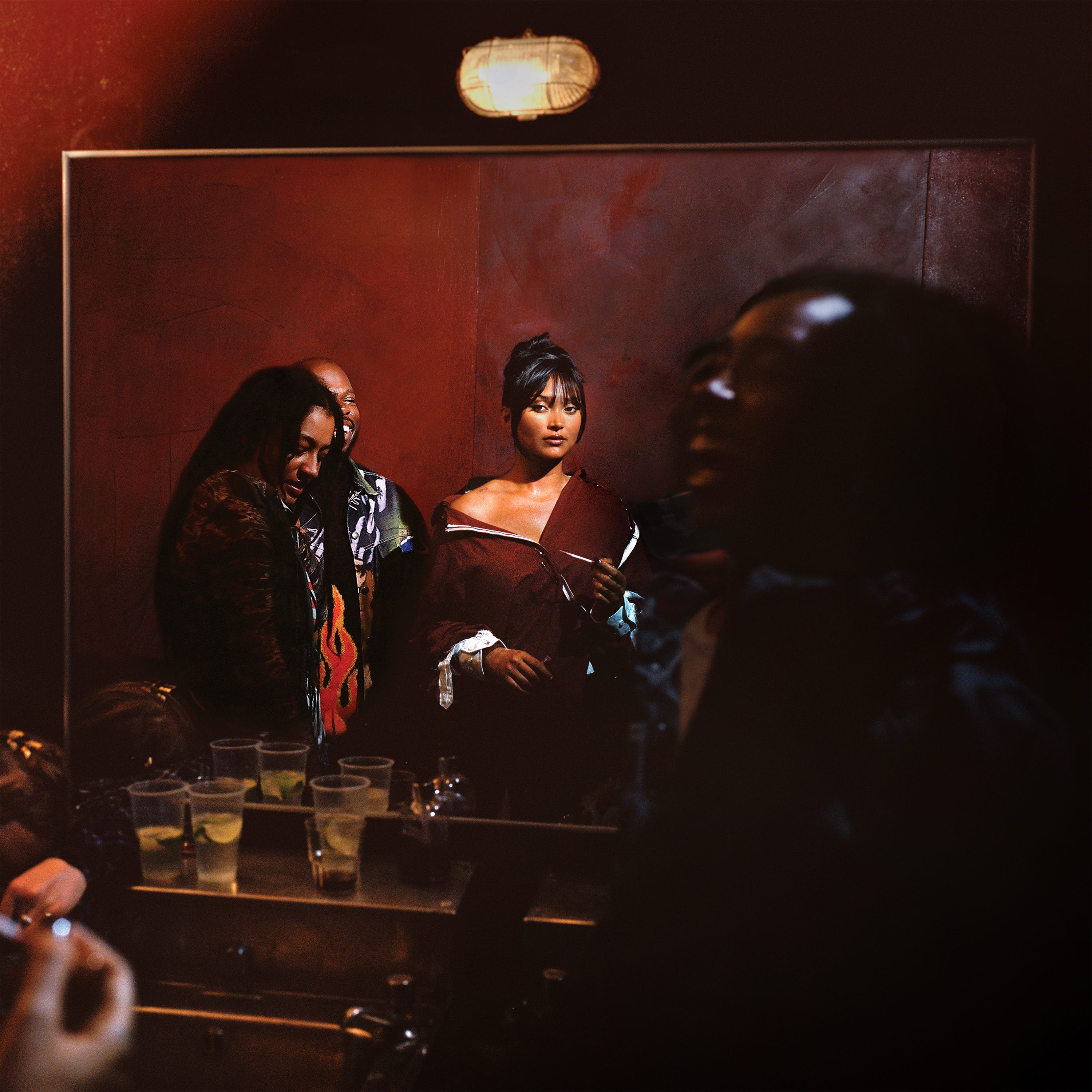
After her 2021 debut, Skin, earned her award nominations and viral success, South London artist Joy Crookes disappeared from the spotlight. Illness and mental health struggles delayed her follow‑up, and the four‑year gap looms large over her second album, Juniper. This record is steeped in exhaustion and defiance: on the opener “Brave,” she admits, “I’m so sick, I’m so tired, I can’t keep losing my mind,” and later in “Mathematics,” she bluntly confesses that she’s “pretty fucking miserable.” Rather than wallowing, Crookes uses these lines as entry points to songs about co-dependency, intergenerational trauma, and self-worth. “House With a Pool” examines abusive relationships with an unsentimental gaze, while “Carmen” skewers impossible beauty standards and ends with her still glowering resentfully at a so‑called perfect figure: “Why am I working double for just half of what you got?” Crookes sets these stories to a sonic palette that draws on retro-soul—electric pianos, warm bass lines, and Philadelphia-style strings—and infuses it with echoes of trip-hop and dub-reggae. The staccato piano riff in “Carmen” nods to Elton John’s “Bennie and the Jets,” and “Pass the Salt” is driven by a drum loop sampled from Serge Gainsbourg’s “Requiem pour un Con” and punctuated by a brief, explosive verse from Vince Staples. The arrangements mirror this ambivalence: hazy synths shimmer at the edges, drums swing between live‑sounding grooves and woozy loops, and her voice slips from smoky jazz phrasing to conversational raps. Juniper doesn’t chase anthems; instead, it presents a series of snapshots from a young woman wrestling with depression, identity, and the pressures of fame, finding solace in humour and melody even when the subject matter is heavy. — Tai Lawson
Clipse, Let God Sort Em Out
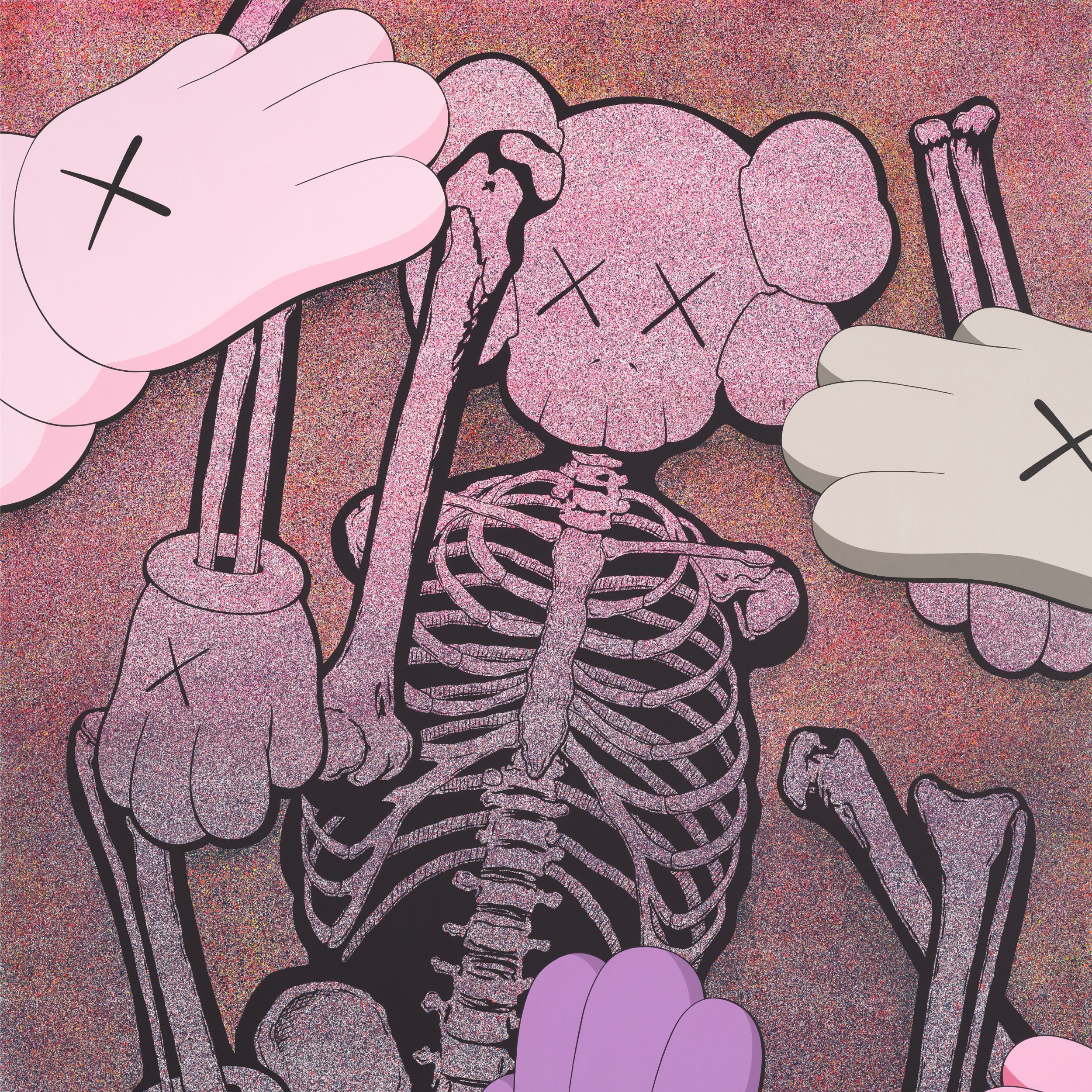
After sixteen years of silence, the Thornton brothers step back into the same room and decide that nothing about the Virginia they once painted has become prettier. The beats arrive almost entirely from Pharrell, stripped of the starry-eyed chrome that once glittered on Hell Hath No Fury and replaced by something colder, closer to bone. Guitars sound like rust flaking off abandoned cranes (thank you, Lenny Kravitz), drums hit like someone counting losses, and the basslines sway like faulty streetlights. Over this skeletal landscape, Pusha and Malice trade verses that feel like depositions and confessions taped on the same cassette. They mourn parents on the opener, recounting funerals where “the birds don’t sing, they screech in pain” while John Legend’s choir levitates behind them like remembered hymns. Kendrick arrives on “Chains & Whips” and the two camps swap parables about ownership, each syllable measured in shackles and stock options. Tyler brings cartoon menace to “P.O.V.”, Nas closes the record with a eulogy for the block that raised them all, and through every cameo, the brothers remain the eye of the storm—precise, unhurried, speaking of dope still hidden in baby pictures and of brothers who became cautionary tales before they turned twenty-five. There is no fat, no victory lap, only the sound of two men weighing every dollar, every body, every prayer against the scale of their own survival. — Phil
Nas & DJ Premier, Light-Years
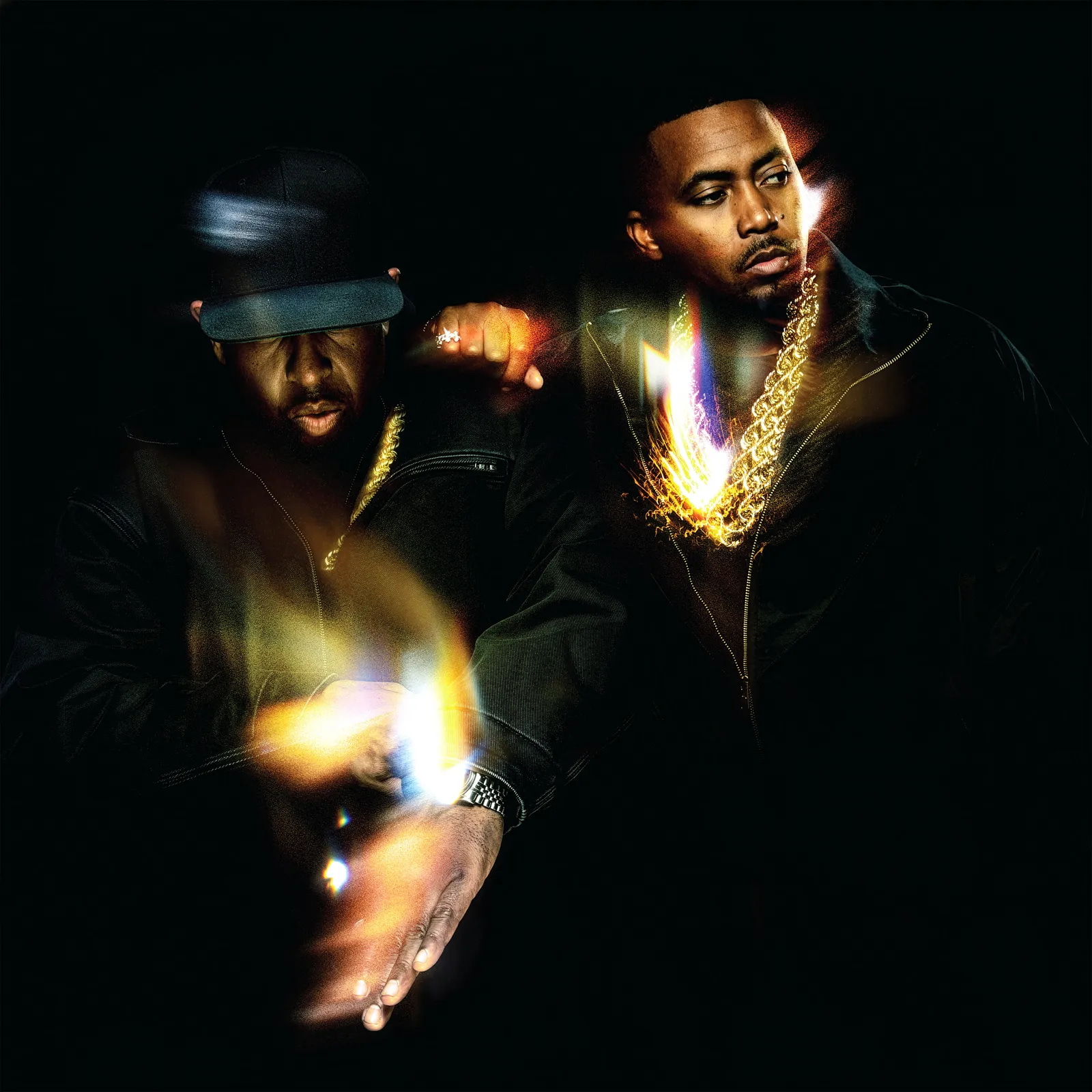
First announced plans for a collaborative album in 2006 during a Scratch Magazine interview, Nas and Preem spent the next two decades working on the project off and on while focusing on other ventures. Their partnership began in 1994 when Premier produced three era-defining cuts on Illmatic—“N.Y. State of Mind,” “Memory Lane,” and “Represent”—establishing chemistry that became written into hip-hop’s DNA. They continued collaborating on “I Gave You Power,” “Nas Is Like,” “2nd Childhood,” and “N.Y. State of Mind Pt. II,” each track living in a class of its own as blueprint for timeless rap combining raw storytelling, razor-sharp lyricism, and production connected to New York pavement. After all these years of teasing, it felt right to end the year during the Mass Appeal campaign. Premier handles all production across the album, his signature scratch-laden instrumentals veering between throwback and timeless through “Writers,” which conjures the spirit of graffiti’s glory days, while “Nasty Esco Nasir” revisits Nas’s rap personas through an existential run-through. “GiT Ready” and “Welcome to the Underground” find Nas referencing crypto portfolios and Saudi investments, reflections of the artist as contemporary businessman, intermittently nodding to his origins as a NYCHA project kid. These references sit exceedingly far from those found on their initial studio collaborations three decades ago. “It’s Time” repurposes seminal mid-70s funk-rock, leaving “3rd Childhood” elevating the lost art of elite boom-bap, Premier’s unapologetically deep crates combining with Nas’s extensive book of rhymes to set Light-Years apart in their storied catalogs. — Rafael Greene
Earl Sweatshirt, Live Laugh Love
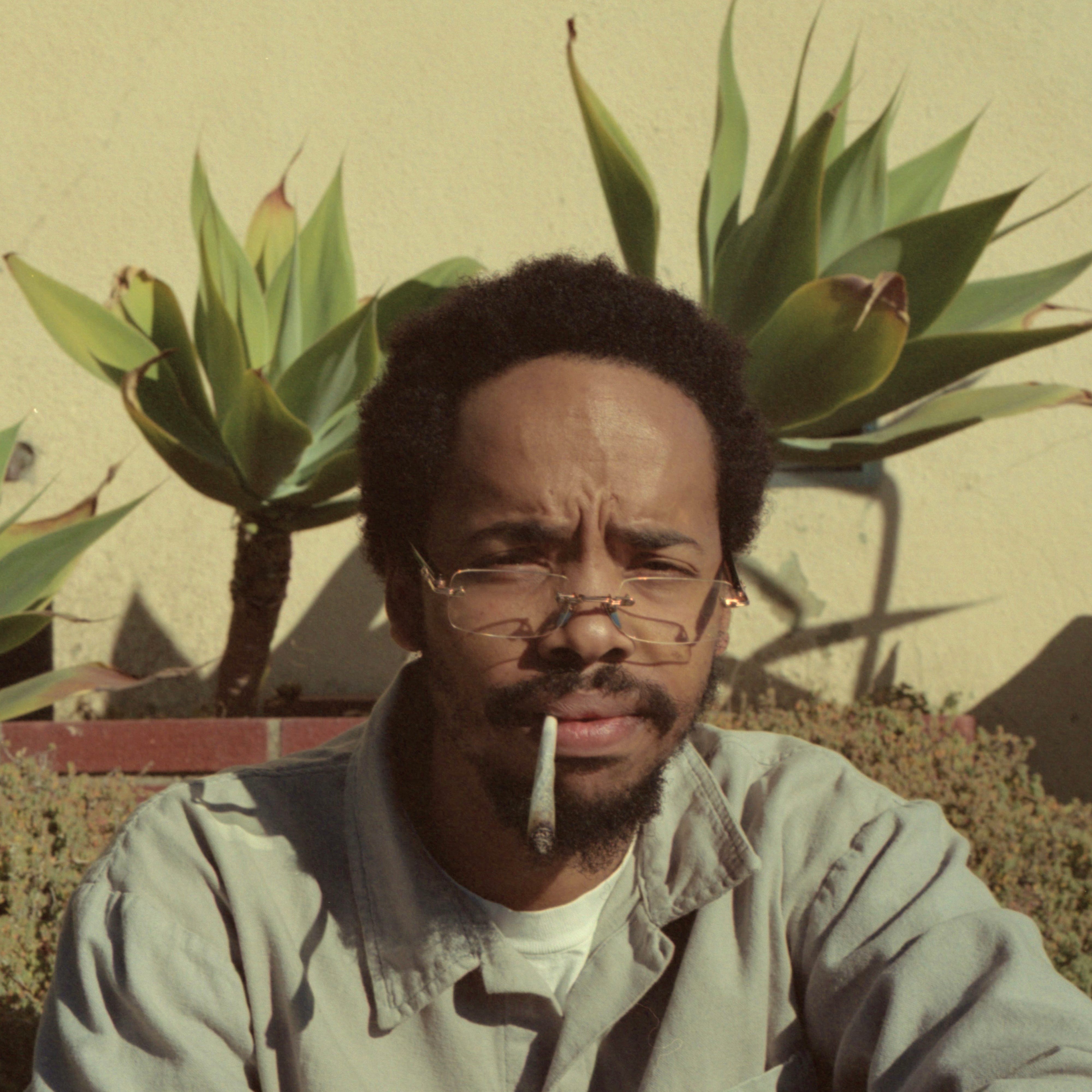
Earl’s path runs from the left-field sharpness of Doris through the inward focus of I Don’t Like Shit…, the fractured diary of Some Rap Songs, and the cryptic sparring of Voir Dire with Alchemist; the new record builds on that history while facing forward. The rollout leaned into mischief, but the songs are serious in their own way, sketching responsibility and doubt in brief scenes. “Tourmaline” holds one of the album’s clearest statements—“Struggle not a team sport”—and a line that places his priorities where they live now: “Keep my feet grounded for my sweet child.” “Live” walks the edge between defiance and exhaustion without reaching for a big thesis. “Infatuation” snaps phrases into place fast, more collage than lecture, and “Crisco” works as a broken-story monologue rather than a puzzle to decode. He keeps one eye on joy without pretending it cancels anything. In “Gamma (Need the <3)” he nods to Roy Ayers with a quick sun-reference, a small opening in an otherwise wary set. Around them sit titles that tell you the framing without overexplaining—“GSW vs Sac,” “WELL DONE!,” “Static,” “Heavy Metal aka Ejecto Seato!”—and the writing stays economical all the way through, which is the point. The record’s charge comes from how little he wastes. He marks fatherhood and pressure in clipped lines, lets the jokes and threats sit next to each other, and keeps the perspective tight enough that any warmth feels earned. — Nehemiah
Damon Locks, List of Demands
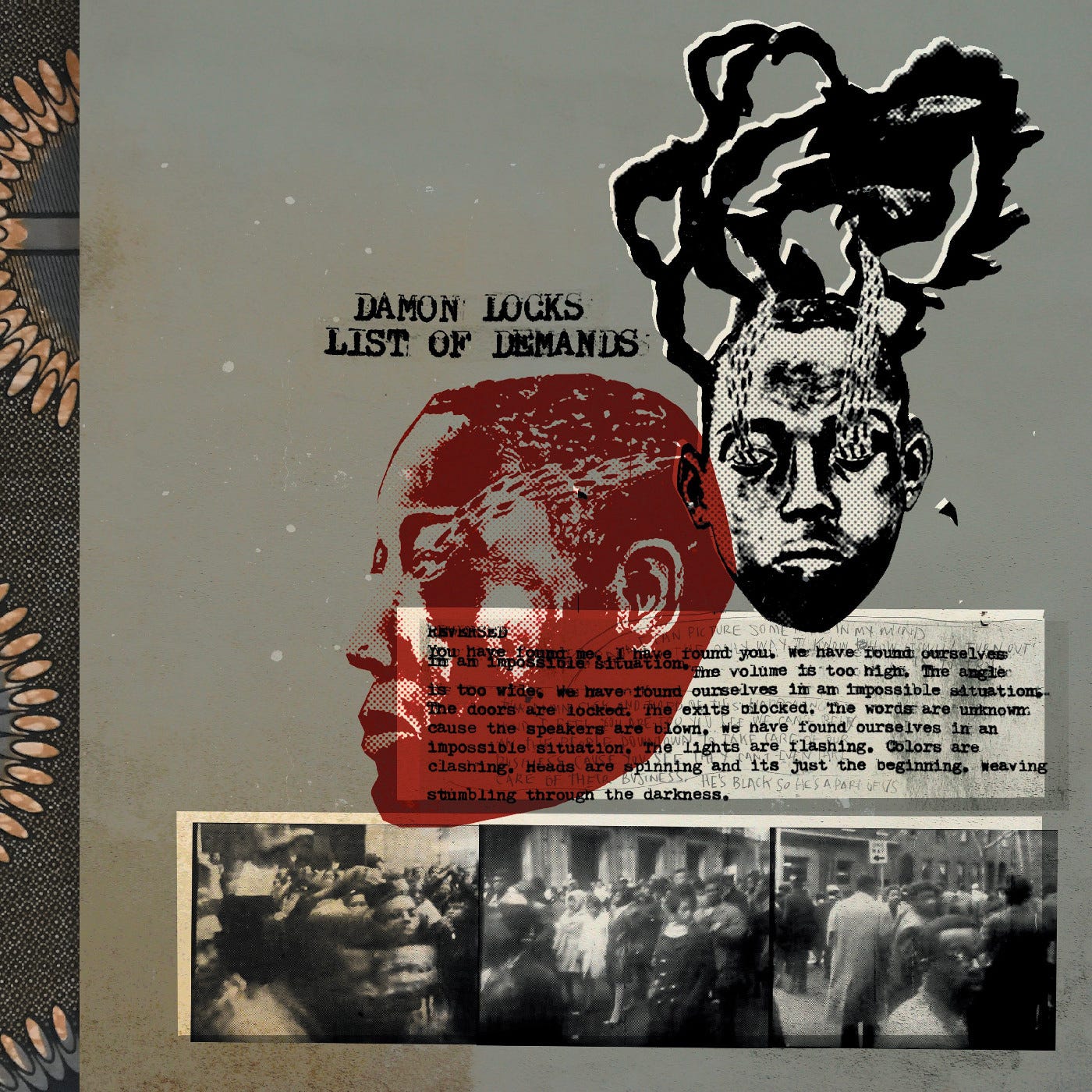
Damon Locks has long displayed expertise in Chicago’s creative sphere, dating back to his incumbency fronting Trenchmouth in the mid-1990s. His path has been marked by an inclination to revolutionize sound-based expression and confront social themes through music, art, and spoken word. List of Demands, released after the vinyl-only 3D Sonic Adventure from 2024 (limited to 250 copies), has often been linked to his 2023 venture with Rob Mazurek, New Future City Radio. That assumption glosses over the detailed backstory behind this multifaceted effort. Locks was commissioned to create a piece for an exhibition at the Museum of Contemporary Photography in Chicago, and that assignment set in motion a work that surpasses simplistic categorization. It brings forward a montage of spoken word, sampling, and instrumentation, displaying Locks’ proficiency at combining pointed commentary with stirring backdrops. Locks enumerates specific demands—beauty, form, destiny, love, time, future, and light—punctuating the last word with marked intensity. That sense of urgency rises again in “Distance,” where he describes separation as illusory and then references systemic bias in housing and the harm it produces. — Ameenah Laquita
Little Simz, Lotus
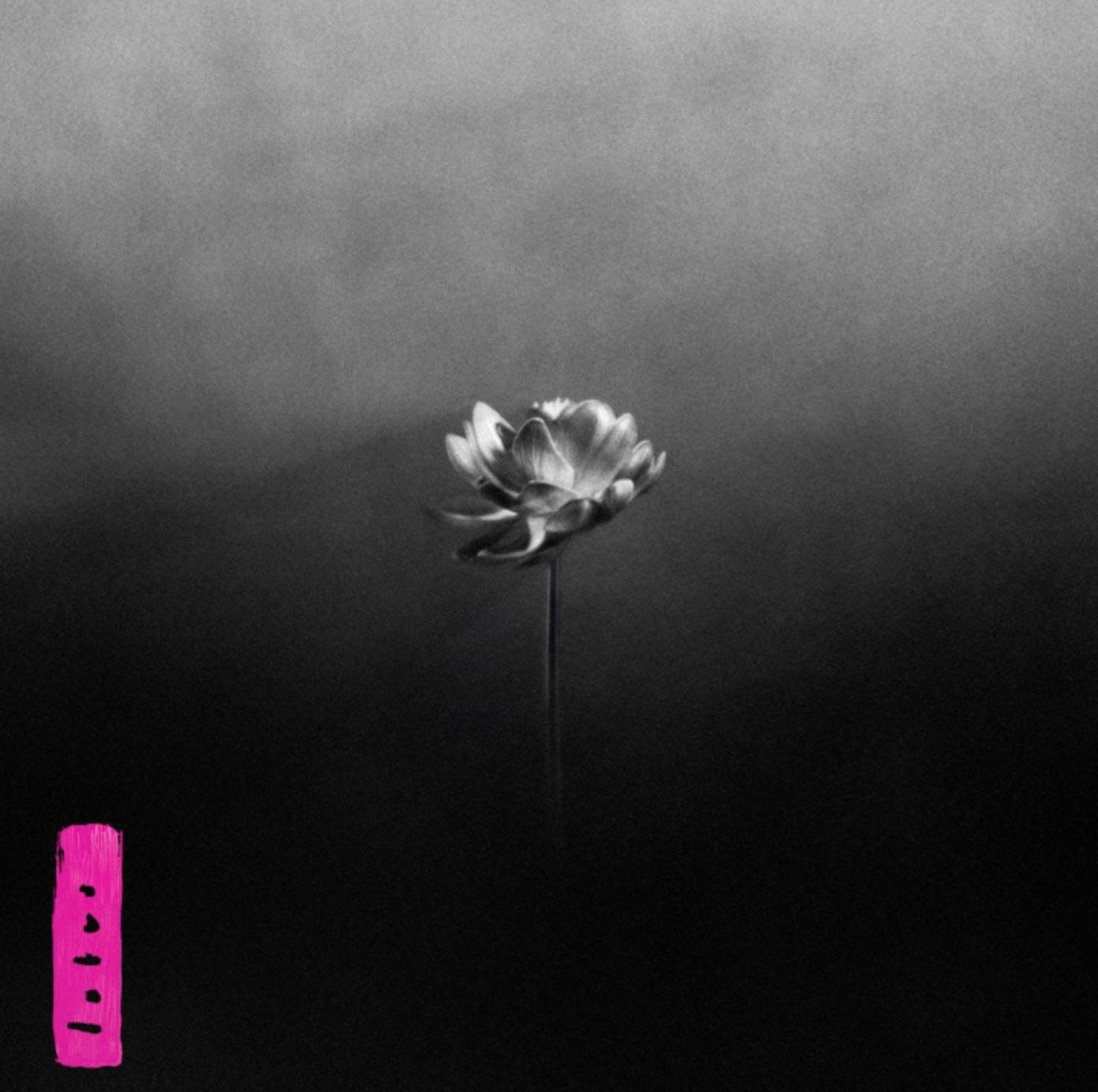
Since GREY Area, Little Simz has spent half a decade proving that personal excavation can be just as thrilling as bravado. Coming off the inward grandeur of Sometimes I Might Be Introvert and the brisk defiance of No Thank You, her latest project feels like a meditation on the trust she’s lost and the resolve she’s gained. She opens with a bold statement of renewal, trading dense orchestral flourishes for leaner funk guitar and restless live drums engineered by producer Miles Clinton James, her first studio partner since parting with her long-time collaborator. But first, “Flood,” opens with a firm reproach—“How dare you, how dare you/I was shutting down the world, and it scared you”—before guest vocalist Obongjayar flips the scene, humming through a prayer that keeps him “away from the devil’s palm” while still declaring himself “the light.” That tension between exposure and self-preservation informs the record: in “Thief,” she admits that a person she’s known her whole life (*ahem* Inflo) can still appear “like the devil in disguise,” and later she wonders, over a hush of piano and strings, “How can we sleep when there’s murders in the streets?” Simz tempers these confessions with playful edges. With “Young,” she pokes fun at her coming-of-age fantasies, bragging about “fuck-me-up pumps and a Winehouse quiff” and noting, with a grin, that she speaks “a lot of French—oui oui oui.” Throughout, she enlists trusted collaborators for support—Wretch 32 appears to help mend familial wounds on “Blood,” while the closer “Free” repeats that love remains the only true catalyst for liberation. By the time the record ends, the commandments she listed on “Flood” (never trust an outstretched hand, keep your feelings in check, look after your health) have less to do with paranoia than with preserving a self she’s fought hard to nurture. — Brandon O’Sullivan
ROSALÍA, Lux
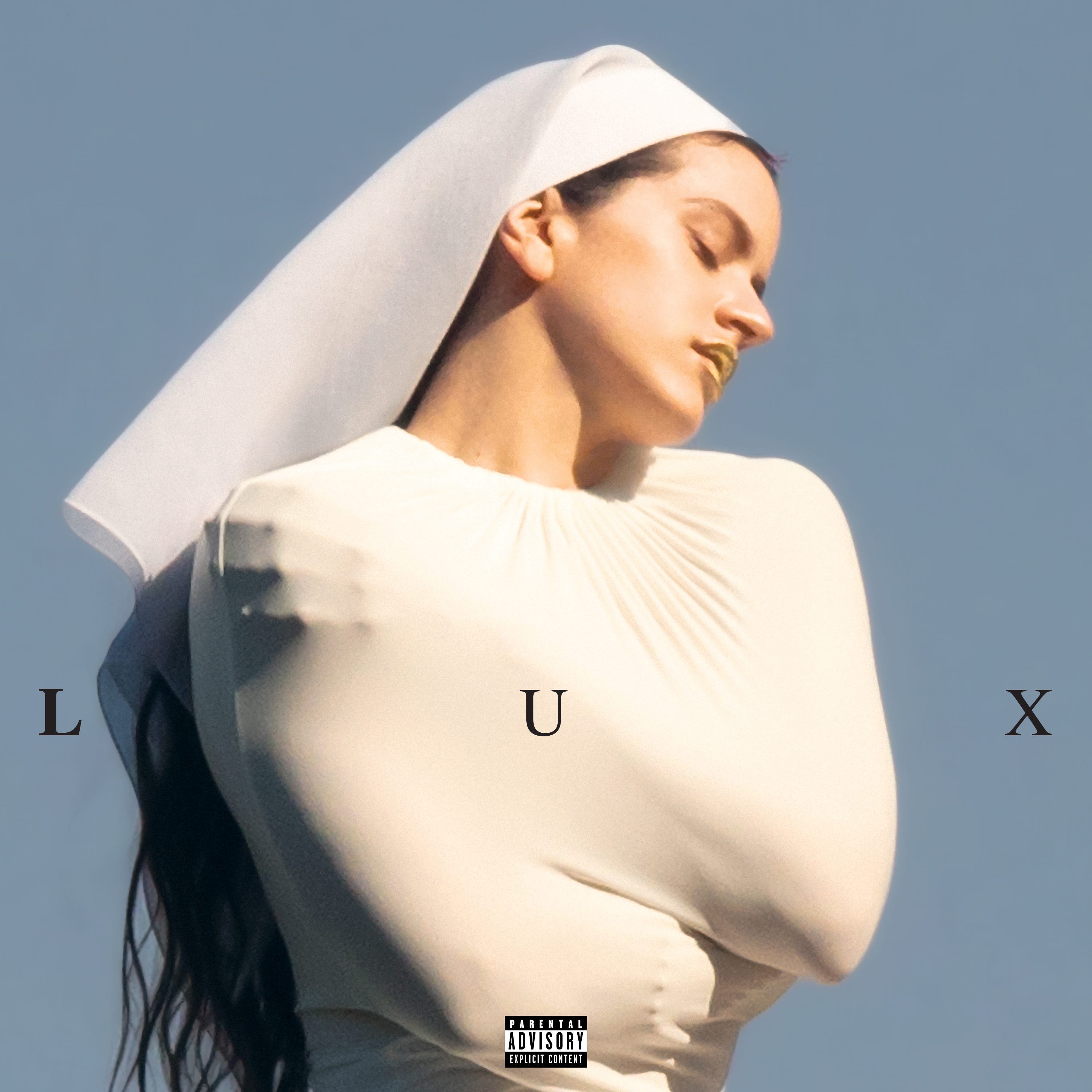
The sole single, “Berghain,” preceded Lux by a week and immediately sparked a wave of enthusiasm on social media: ROSALÍA is (finally) back with her fourth album. This audiovisual track, accompanied by a cinematic music video, immerses us in a new world of the singer: an homage to the famous Berlin techno club—on which she sings languages in German, English, and Spanish alongside the London Symphony Orchestra —heralds the album’s orchestral and spiritual direction and reveals ROSALÍA’s deep connection to her musical past, which is more reminiscent of an oratorio than pop à la Motomami. Furthermore, this opening to her new album serves as a reminder that her academic training began at the Catalan Conservatory. Now she takes a step back to her musical roots, which still lie dormant deep within her creative expression. With each album she releases, it opens the doors to a new facet of her career—and takes at least several years to develop each of her album concepts down to the last detail. Lux is structured into four movements in the style of a modern oratorio—a structure that lends a sense of order to the album’s spiritual and emotional journey, revolving around the single as a central piece that encapsulates the transition from contemplation to catharsis. It is ROSALÍA’s greatest accomplishment and perhaps most radical personal work to date: an intersection of pop oratorio, spiritual diary, and sonic laboratory. — Charlotte Rochel
Venna, MALIK
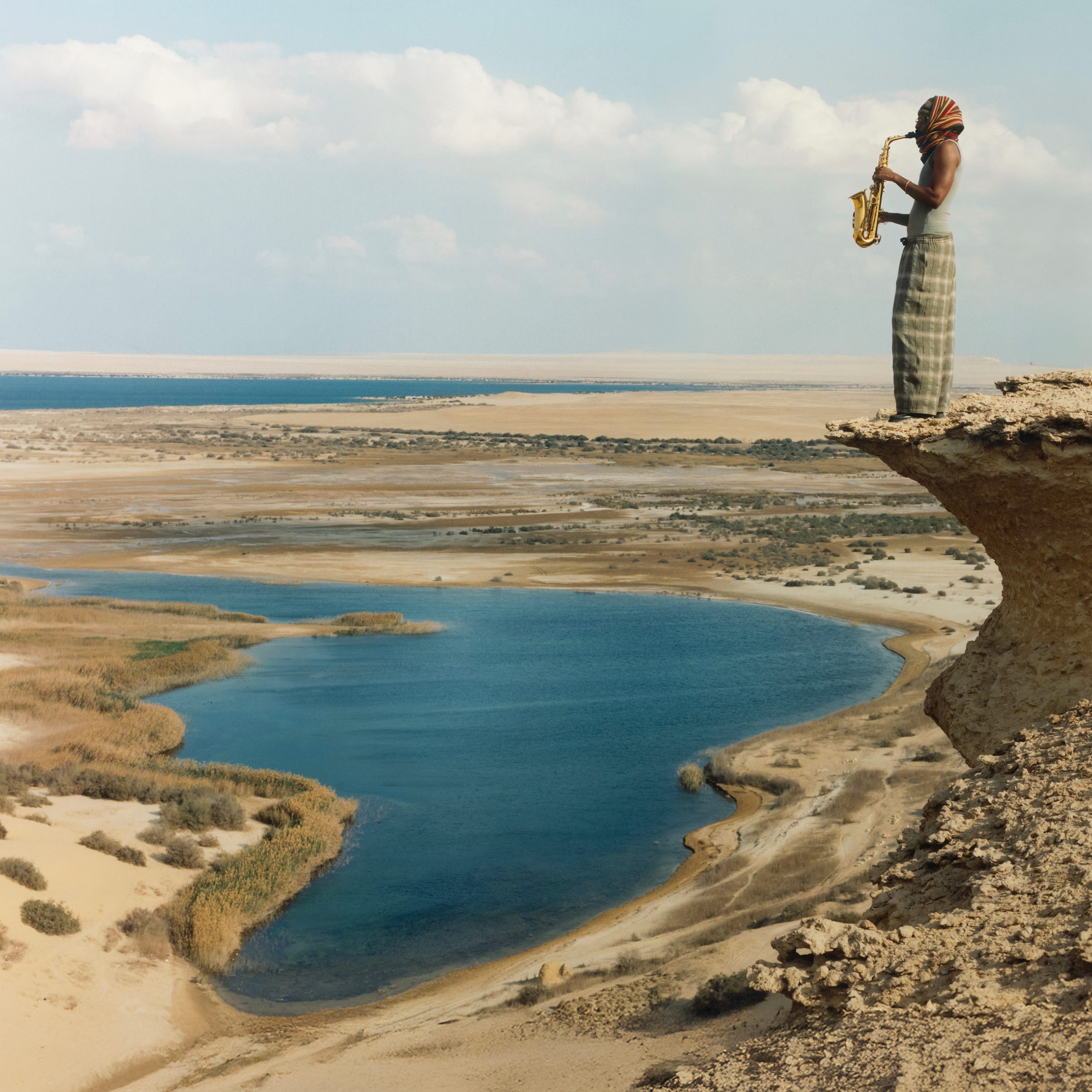
Growing out of two EPs, Venna made his name as a saxophonist and producer moving between jazz and UK rap. MALIK feels like the moment when all the fragments of his sound—his saxophone roots, his love of soul, rap, bossa nova—finally align into something expansive and resonant. Born Malik Venner, he took his middle name from his mother’s wish that he grow into a leader, and now this release is a coming‑of‑age project and an invitation to “let go, be present and submit to sensory experiences.” The record opens up conversations about identity, legacy, and belonging; named by his mother long before the album existed, MALIK becomes a becoming. Jorja Smith, MIKE, Smino, and Leon Thomas help voice their surroundings, add layers of testimony, even when the instrumental moments speak most. There are warm acoustic guitars, percussive textures that appear intermittently, live horns paired with electronic elements, and moments of softness that shift into urgency without losing the thread. As a debut, it stands not just as an arrival, but also as a letting in of fragility, a witnessing of someone building, risking, holding both light and shadow. It belongs among the essential albums of this year, which are redefining what “modern jazz/fusion/cross-genre soul” can be. — LeMarcus
Lady Gaga, Mayhem
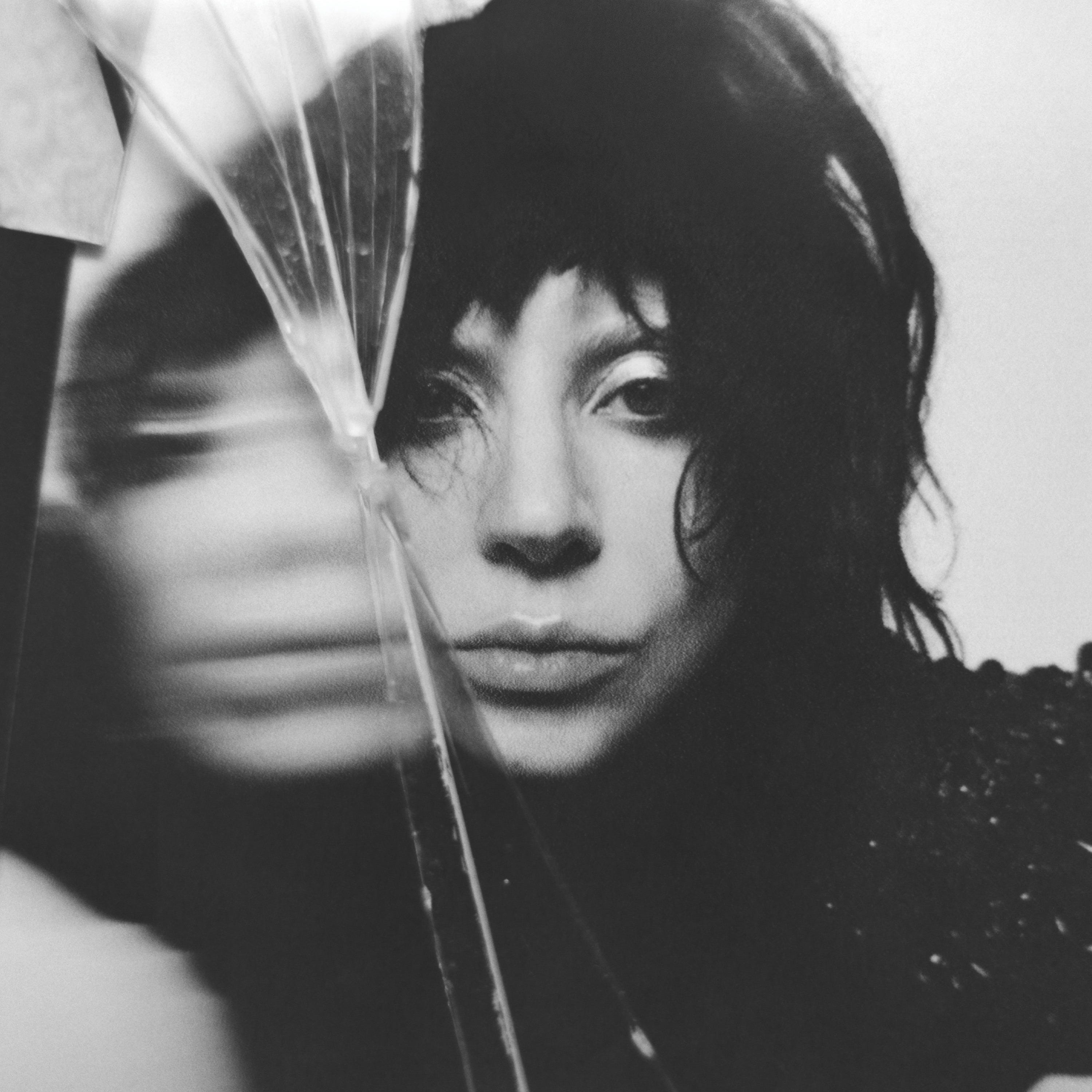
With Lady Gaga, she has spent the last decade toggling between conceptual eras that either succeed wildly or collapse under their own ambition, from the political flag-waving of Born This Way to the healing arc of Chromatica to last year’s Harlequin, which worked specifically because she stopped trying to mythologize everything. Mayhem strips away even more pretension, dialing back to the artifice-as-commentary approach of The Fame without getting trapped in nostalgia. Gaga handles executive production alongside Michael Polansky and Andrew Watt, working primarily with Watt, Cirkut, and Gesaffelstein to create what she describes as a “chaotic blur of genres” rooted in synth-pop with industrial dance influences pulling from electro, disco, funk, industrial pop, rock, and pop rock. “Abracadabra” follows with an interpolation of Siouxsie and the Banshees’ “Spellbound,” channeling 80s new wave through contemporary production. “Perfect Celebrity” addresses her own image with anger, singing “I’ve become a notorious being/Find my clone, she’s asleep on the ceiling” about the split between Stefani and Lady Gaga. “Garden of Eden” snaps along like prime RedOne-era material, a sweet treat aligned so closely with The Fame aesthetic it could slot into that tracklist. “Shadow of a Man” struts through reflections on always being the only woman in rooms full of men, building tension throughout before releasing into its chorus. — Jill Wannasa
Zara Larsson, Midnight Sun
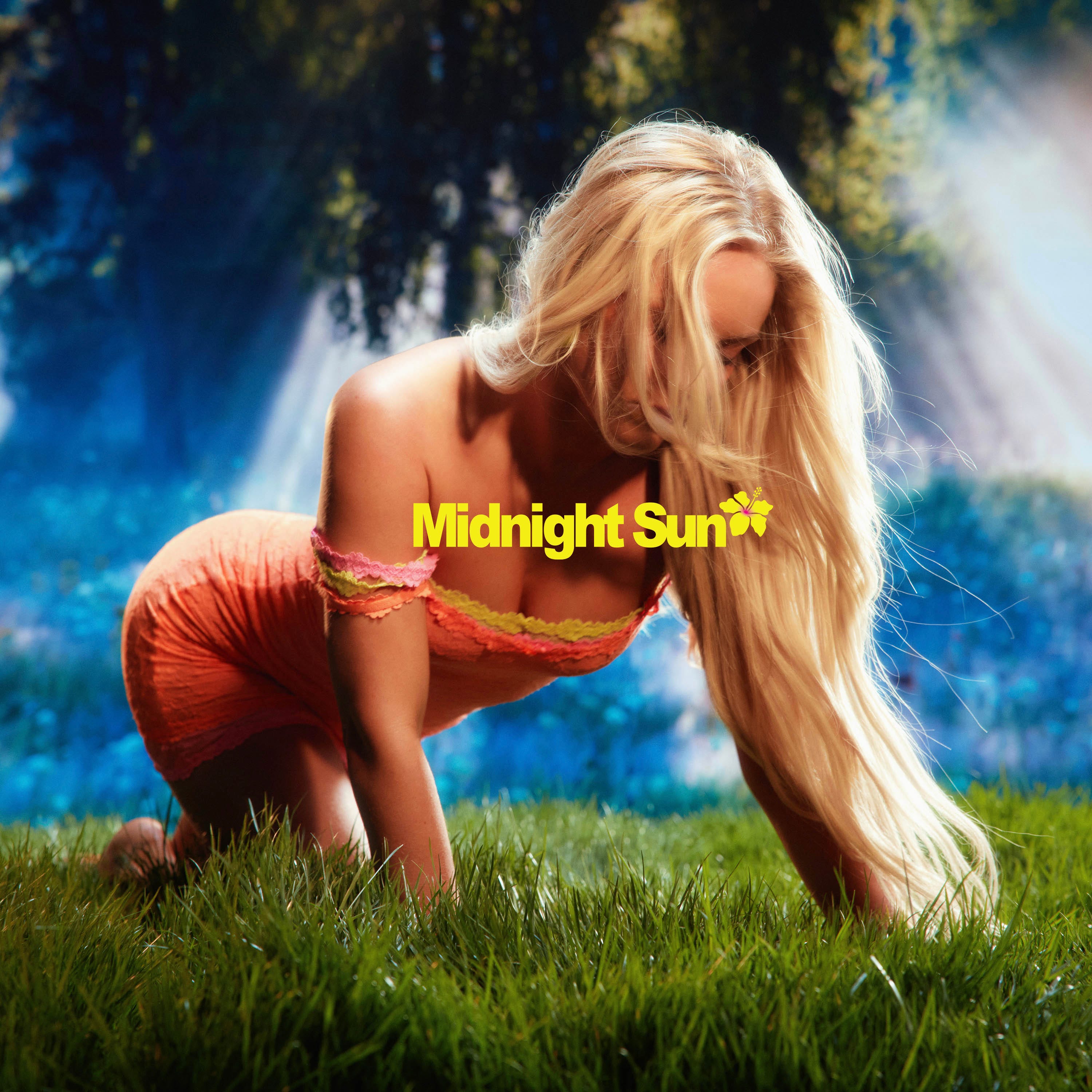
Swedish pop star Zara Larsson has chased pop stardom since her early teens, releasing platinum singles and the high‑concept album Venus in 2024. Midnight Sun charts a simpler course by stripping away elaborate narratives to deliver 10 tracks of lean, starry‑eyed scandipop. Coming in at just over half an hour, it finds Larsson trusting her instincts and reuniting with longtime collaborator MNEK, whose work across the album seems to have reignited her confidence. “Pretty Ugly” revolves around a gang‑vocal hook that refuses to leave your head and surges forward on bright piano chords. The title track swells with glittering hooks and club beats, creating an atmosphere of euphoria and endless daylight. “Crush” and “Eurosummer” fuse festival‑ready choruses with tight, intelligent writing, while “Saturn’s Return” bathes Larsson’s voice in waves of synthesizer until the song feels like an astral projection. The album may be short, but its focus allows each song to stand on its own as an invitation to dance or shout along; Larsson is honing in on what she does best, delivering unabashedly joyous pop built to ignite dancefloors and festival crowds. In returning to simplicity, she reminds us why she became a star in the first place. — Oliver I. Martin
KIRBY, Miss Black America
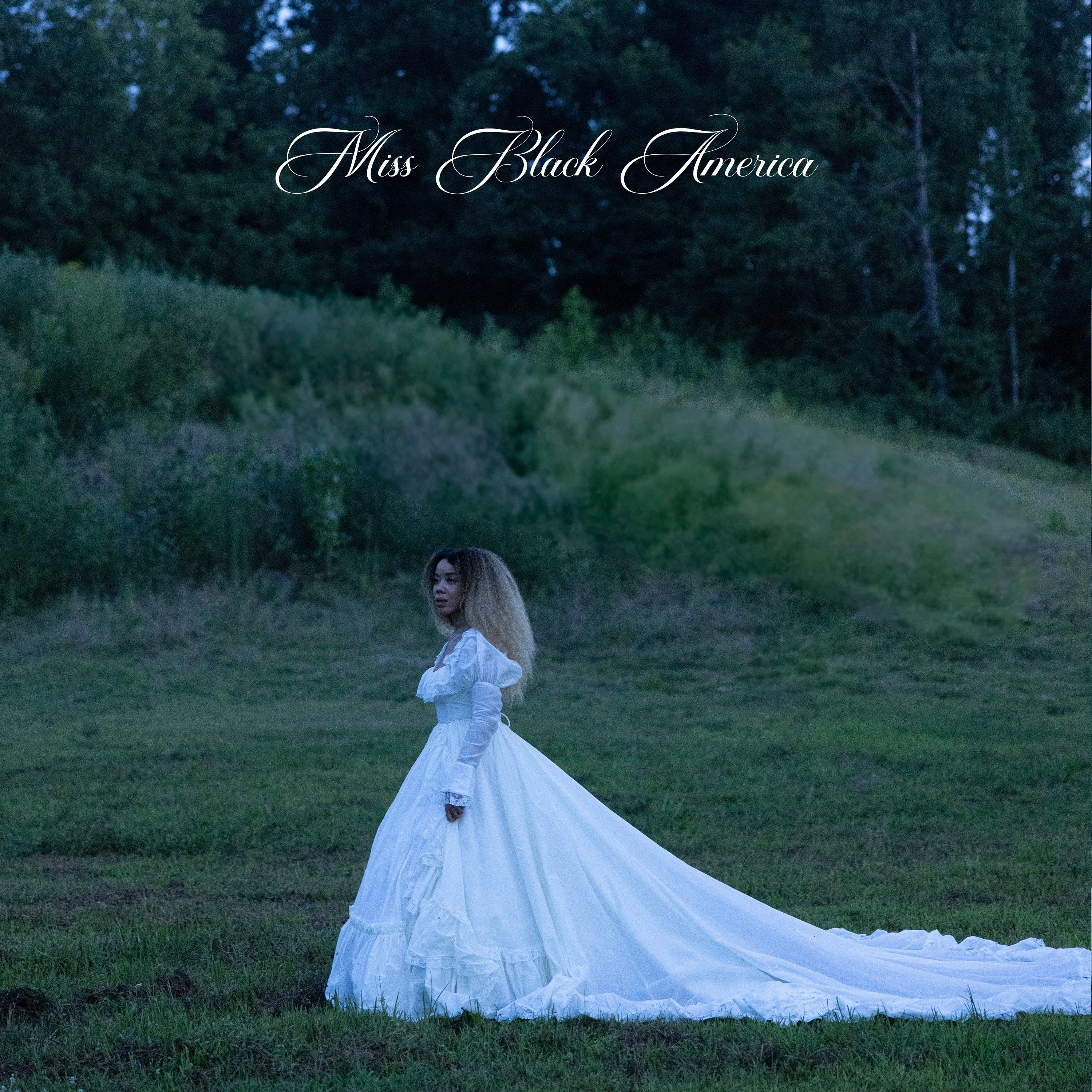
KIRBY recorded her long-awaited debut in a studio on the Dockery Plantation to underscore that sense of duty and declared that the album should take us to Mississippi. She has long written pop hits for others, but Miss Black America finds her telling a family story rooted in the Mississippi Delta, where her ancestors toiled. The 12‑song collection is a love letter to the rural South, exploring how land, church, and family shape one’s worldview. The title track offers the thesis outright: “You wanna free us pay them teachers like they senators … I made a million and I never went to Harvard,” she sings, turning a political demand into a personal brag. Big K.R.I.T. responds not as a guest star but as a neighbour, rejecting stereotypes and insisting that Black prosperity exists beyond performing for white comfort. Throughout, KIRBY keeps tasks and rituals at the centre—“Bettadaze” counts blessings over a rolling groove; “Mama Don’t Worry” reassures a parent with promises built on work rather than wishful thinking; “Reparations” uses the title word as a ledger entry rather than a slogan; and “Afromations” recites affirmations like children learning chores. Even the flirtatious “Thick n Country” stays grounded by tying sensuality to soil, while guest Akeem Ali adds hometown swagger without turning the track into a caricature. By writing from the perspective of a daughter and a neighbor, KIRBY turns her return home into a portrait of daily strength. — Imani Raven
Johnathan Blake, My Life Matters
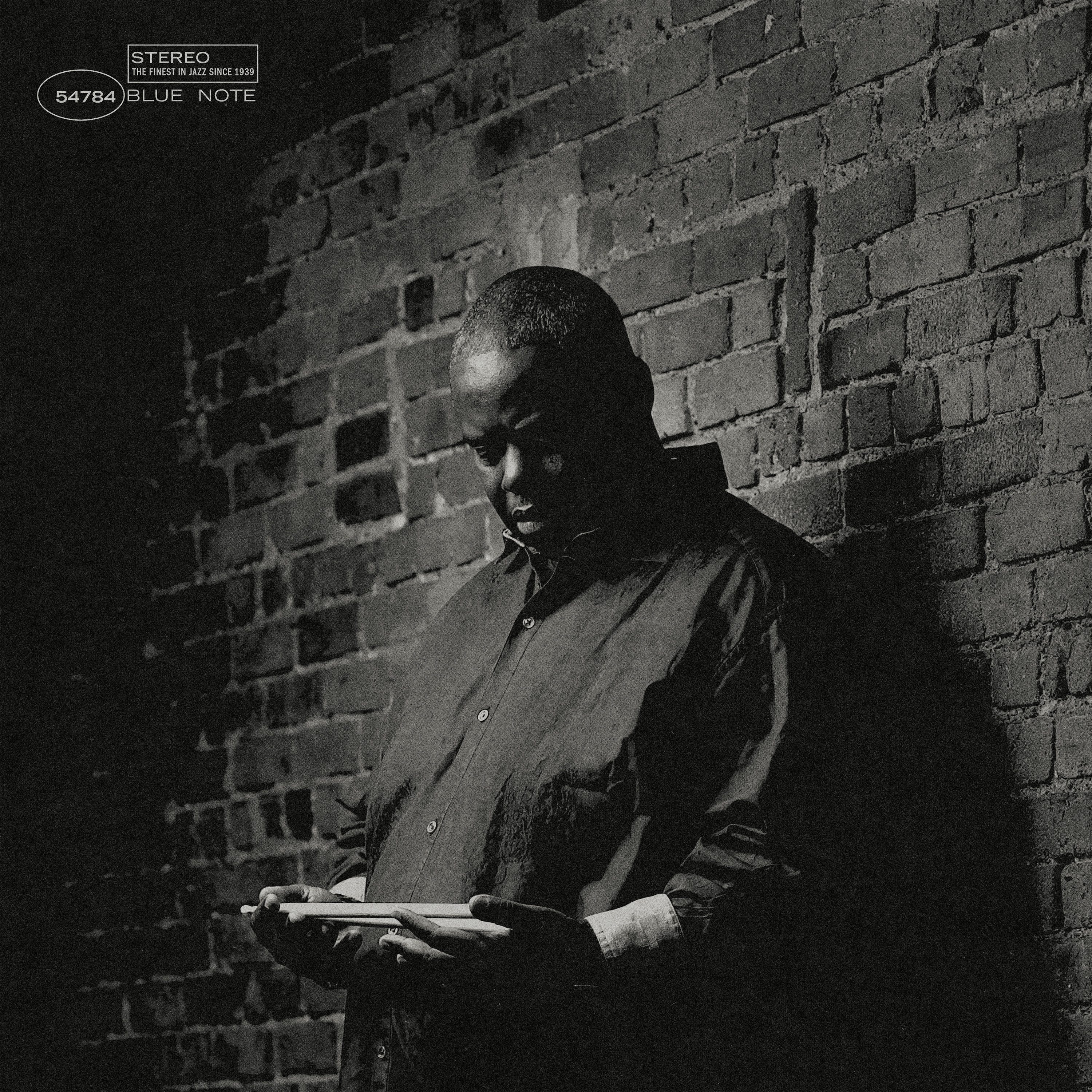
Commissioned by The Jazz Gallery Fellowship Series, Johnathan Blake returns to recording after years of building respect among jazz insiders, utilizing drumming, composition, and suite-writing to speak to heritage and urgency. His new work confronts what invisibility and injustice do to one’s sense of self by paying homage to ancestors, to familial values, to protests still unfinished. “Last Breath” channels the memory of Eric Garner, and “Can You Hear Me?” pulses with the voices of those whose voices have been stifled. Risk shows up in blending narrative interludes with intense instrumental suites; some passages might feel confrontational for listeners expecting smooth jazz, but these tensions are essential. A core group—Dayna Stephens (sax/EWI), Fabian Almazan (keys/electronics), Dezron Douglas (bass), Jalen Baker (vibes)—answers Blake’s call with both fire and space, and guests like Bilal and DJ Jahi Sundance punctuate moments with vocal humanity and sampled sound. The suite weaves between grief and hope, tragedy and resilience without settling fully into either, which makes it more alive. Among his catalog, this feels like one of the boldest statements: it doesn’t repeat but extends what he’s built, speaking not only for his life but for lives too often minimized. — Reginald Marcel
Marshall Allen, New Dawn
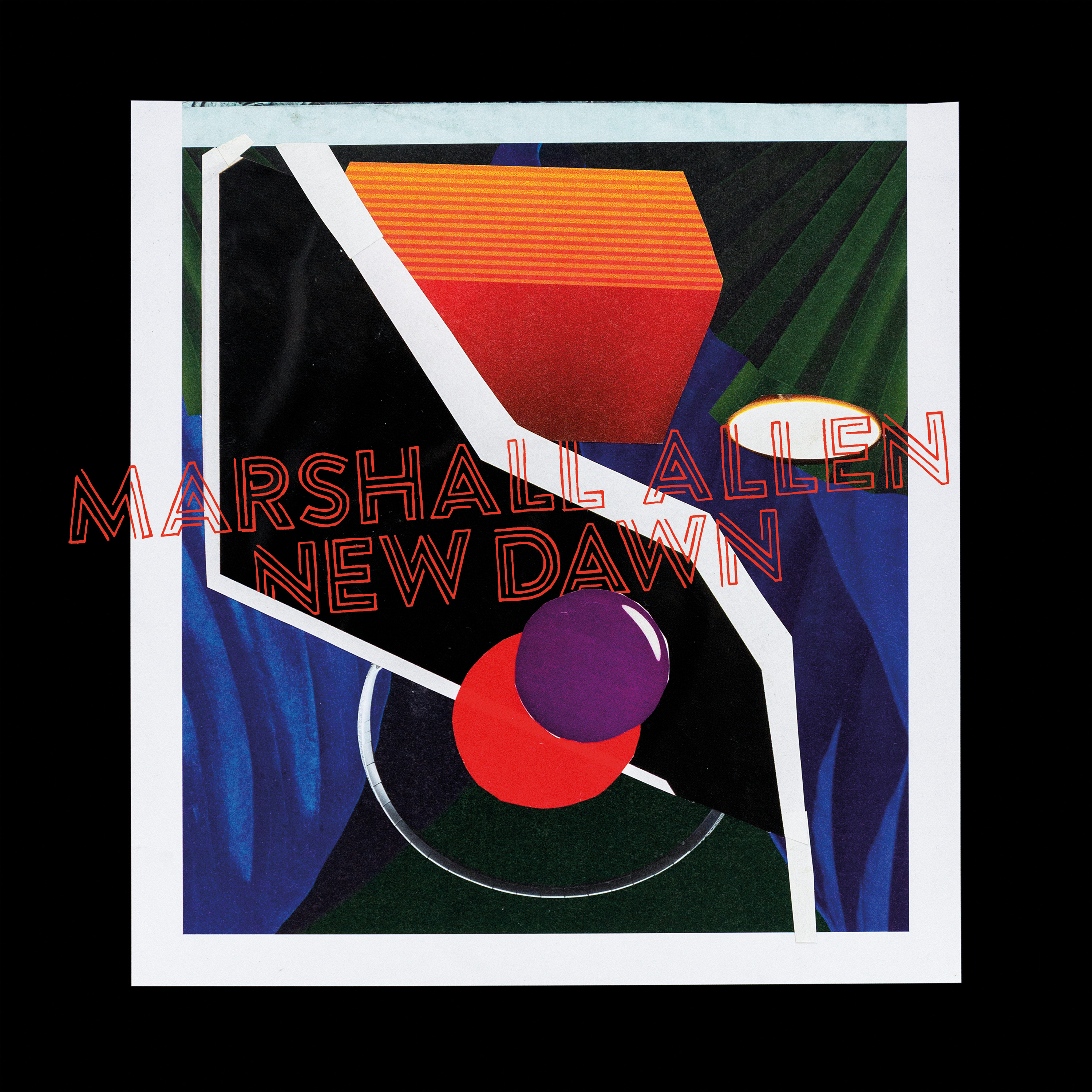
Before diving into the specifics of New Dawn, it is instructive to consider Marshall Allen’s long history of breaking convention under Sun Ra’s wing. He spent decades honing a sense of improvisation, unafraid to confront earthly limitations in spirited performances. Younger bandmates often described him as a guardian of the original Arkestra ethos, forever pushing them to remain open-minded. In these early years, Allen assimilated broad influences, from big band swing to outer-space improvisation, developing a signature approach in which melody and abstraction became equal partners. This debut album departs from the frenzy often associated with avant-jazz, favoring reflective pieces that feature Allen’s saxophone gently weaving through spacious arrangements. A prime example of the album’s stylistic breadth emerges as “Are You Ready,” referencing New Orleans inspirations that recall Allen’s big band roots. It roars forth with brass-laden excitement befitting a street parade. The album’s title piece includes a guest vocal appearance by Neneh Cherry, whose ethereal presence complements Allen’s warm yet futuristic EWI touches. Each selection confirms that even a century into his life, Allen remains drawn to uncharted methods and continues to trailblaze new musical possibilities. — Murffey Zavier
Braxton Cook, Not Everyone Can Go
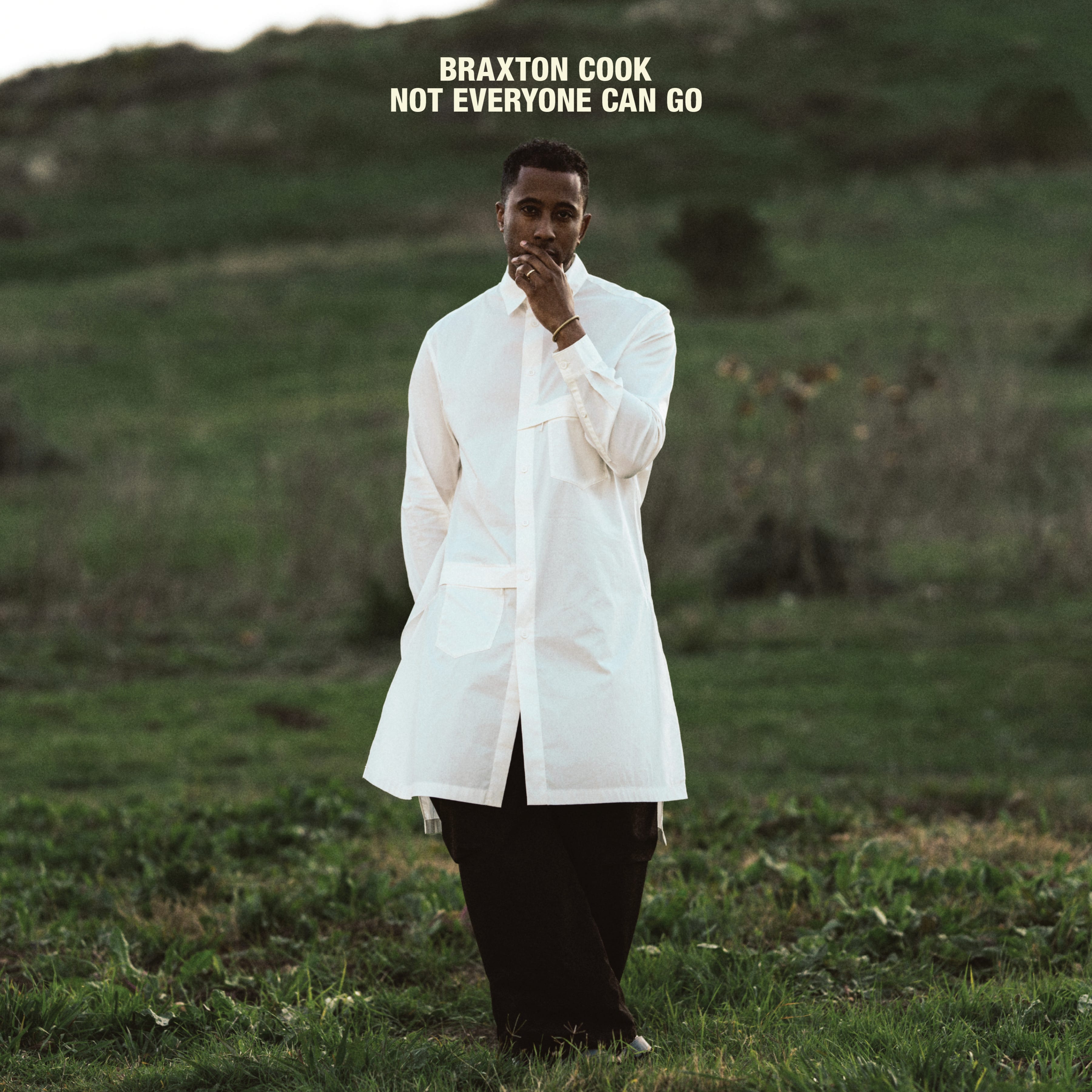
Braxton Cook’s résumé runs from Georgetown to Juilliard to touring with Christian Scott aTunde Adjuah, yet on Not Everyone Can Go, he brings that elite training back to personal questions about friendship, ambition, and mental health. The title track lays out his guiding principle: to reach a new stage he must let go of relationships and habits that no longer serve him. From there he writes a series of plainspoken vignettes: “Zodiac” uses astrological signs as shorthand for patterns in a relationship, “My Everything” openly asks a partner to be there without sugarcoating—“You said you’d always be there for me … my everything”—and “Harboring Feelings” admits to stockpiling resentments until a couple can name them and move on. “Weekend” shifts from confession to escapism with the invitation “Ima see ya on the weekend, I think we need a reset… just tell me where the beach is so we can get our feet wet”. Later, he uses “We’ve Come So Far” to count progress and remind himself of his mental health victories, while “BAP” includes a motivational monologue about sticking to one’s plan. As the record winds down, Cook returns to intimacy—“I Just Want You” pledges time and devotion, and “All My Life” with Marie Dahlstrom vows lifelong partnership. Throughout the project, he strikes a balance between ambition and gratitude, making room for growth by acknowledging what must be left behind. — Nehemiah
Makaya McCraven, Off the Record
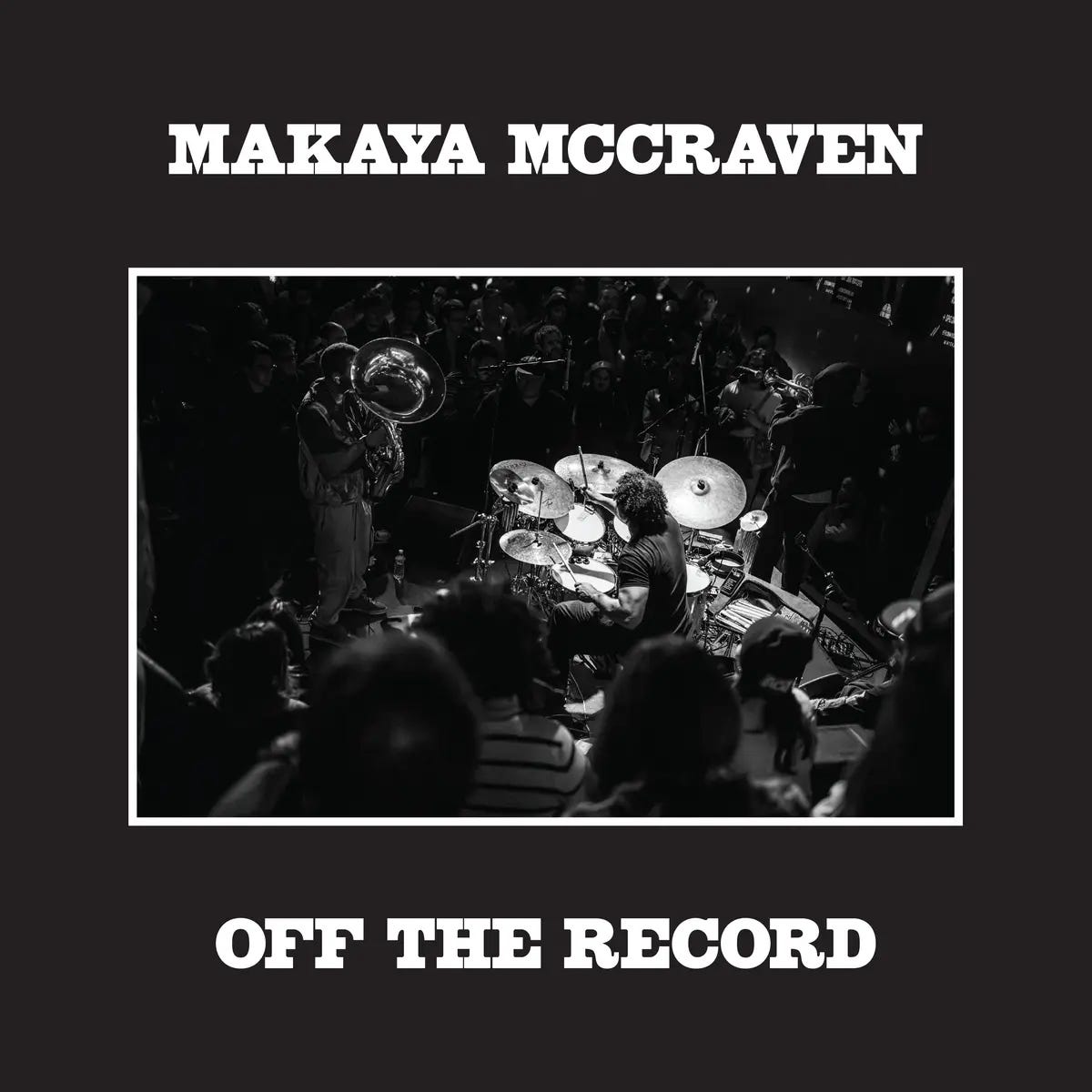
On the incredible Off the Record, Makaya McCraven pulls together four chapters of that process and makes you hear how steady his obsession is, even as the textures and lineups keep changing. The material that became PopUp Shop and Hidden Out! starts with raw club energy—crowd noise, long forms, players stretching—and then gets carved into tight loops and song‑sized shapes where Jeff Parker’s guitar, Marquis Hill’s trumpet, and other voices flicker in and out like hooks. Techno Logic leans harder into low brass and dirtier electronics, tuba lines, and Ben LaMar Gay’s sounds jostling with drum patterns that nod to dance music without copying it. The People’s Mixtape feels like the most recent snapshot of his world, a more cohesive ensemble riding those same chopped‑up foundations with a little more polish and clarity. Taken together, the set reads like a behind‑the‑scenes map of how he turns open‑ended improvisation into something that lives comfortably next to beat tapes and DJ sets without giving up its live‑band spark. — Brandon O’Sullivan
Cécile McLorin Salvant, Oh Snap
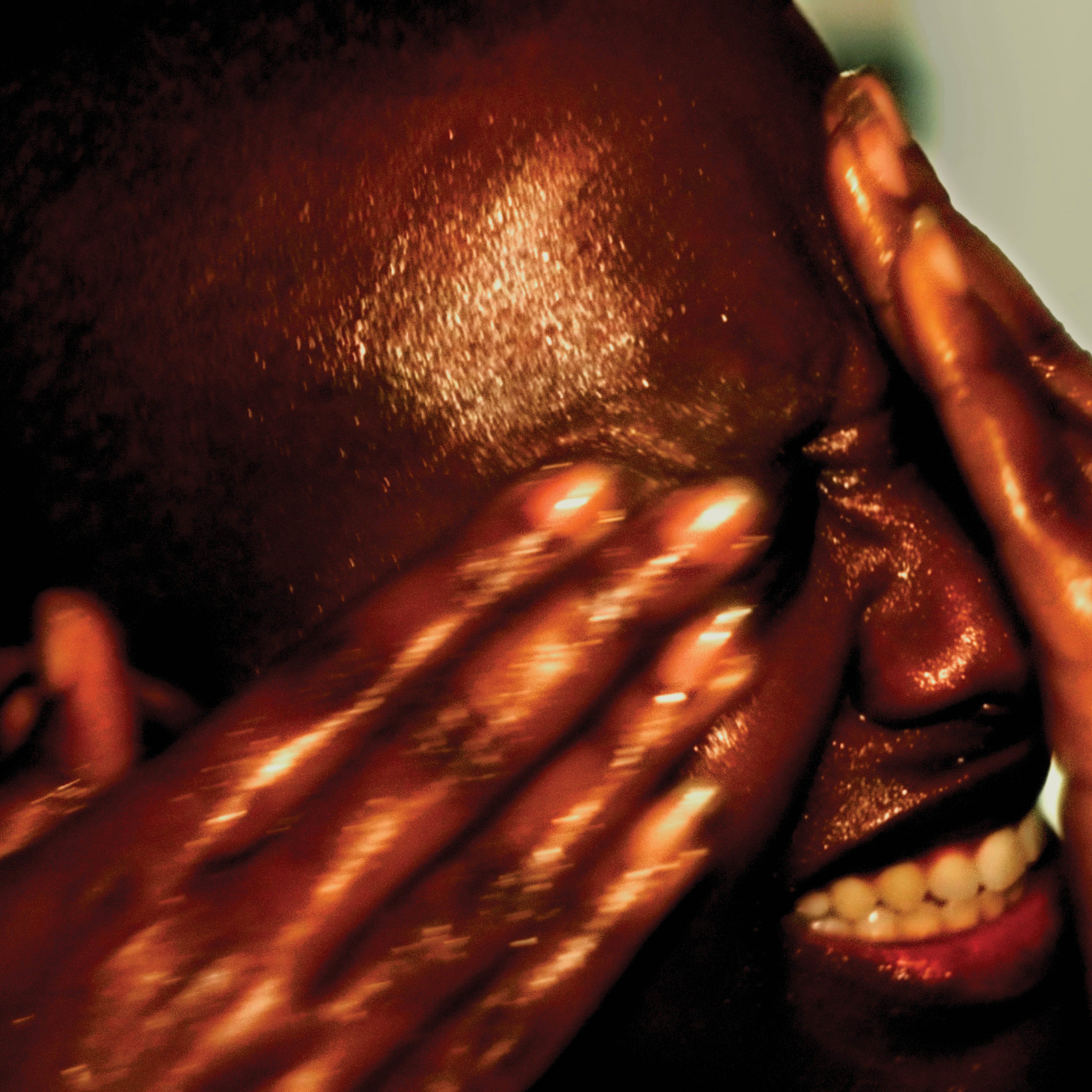
Years of rigorous training, deep inquiry into jazz traditions, and a restless curiosity set Salvant up for this newest project, one that widens her instrumentation, her references, and her confidence. Over four years, she shaped these songs, starting solo sketches before bringing in her band and collaborators, so the album moves between intimacy and expansiveness. There’s marveling in language, in form, in what a voice can do when bent, stretched, when connected with unexpected textures. “I Am a Volcano” blends otherworldly vocals with electronics, while “Take This Stone” (with guest voices) leans toward folk harmony, and the cover verse of “Brick House” is deployed less as nostalgia. Arrangement choices surprise: synthetic elements, vocoder or house pulses, a cappella moments, swinging jazz runs, stark folk sounds. The voice is always centered but transformed, and the record never lets the formal experiment overshadow the emotional core. In comparison with her previous work, which already pushed boundaries, Oh Snap feels more expansive in its risk, yet grounded in craft, so the oddness feels generative. For those who follow jazz not only as a tradition but also as a renewal, this is Salvant in full motion—remaking what is possible, inviting admiration and challenge. — Harry Brown
Backxwash, Only Dust Remains
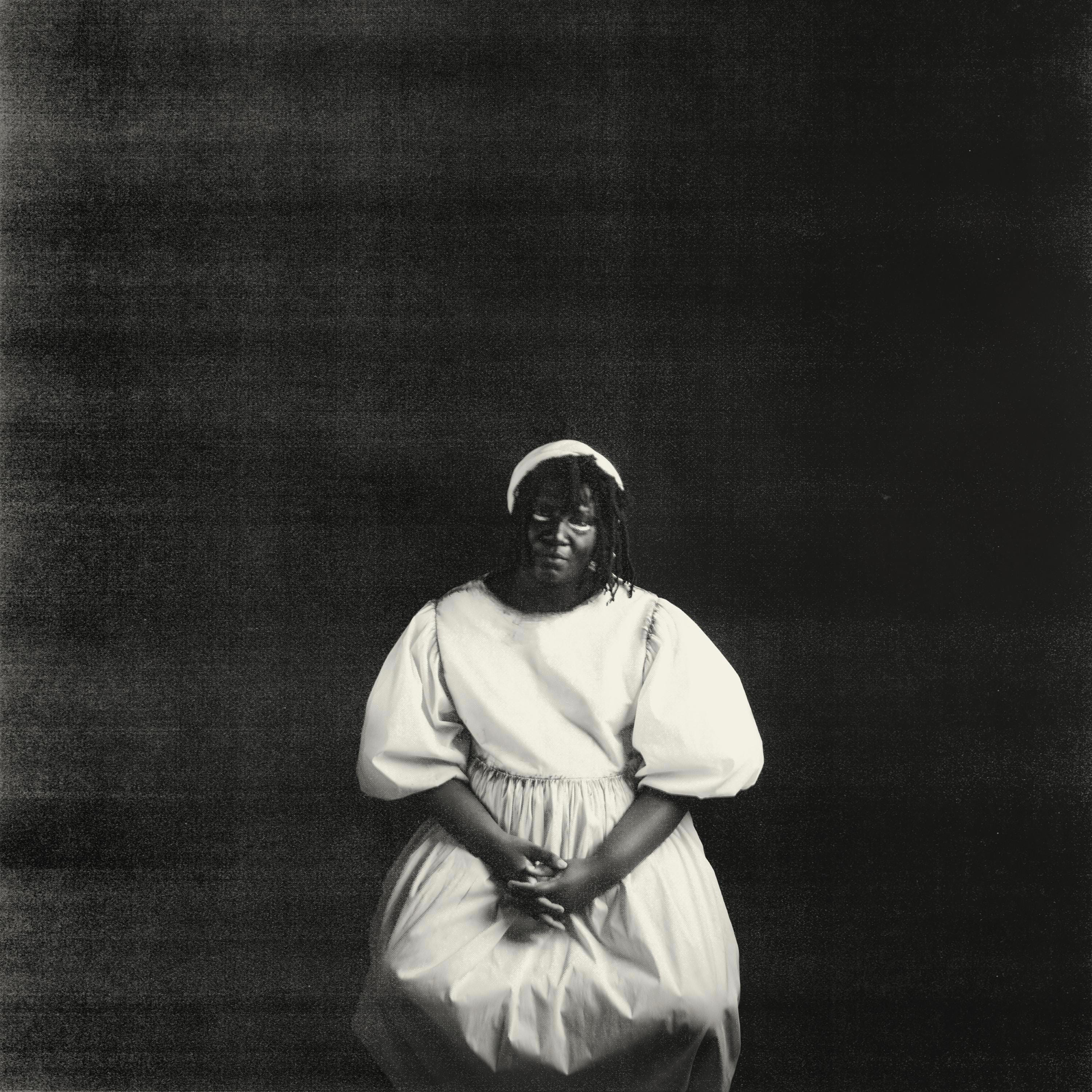
Zambian-Canadian rapper and producer Backxwash concluded a trilogy of cathartic albums with Only Dust Remains. On the opener “Black Lazarus,” she begins with confession—“I been away from my place of balance/From the lakes that carried my mistakes and challenge”—before a haunting refrain of “Nobody pray for me, nobody’s saving me” repeats like a curse. Her verses blend spiritual imagery with blunt admissions of addiction and despair, asking on “9th Heaven,” “What I was told by angel Gabriel bold/As I’m fresh off a probe that is placed and latched in the skull… Is it worse than not knowing your worth/And your boss calling for work.” Even amid these doubts, she reaches for clarity; on “Stairway to Heaven,” she notes, “Karma’s reaching out for every onus of my soul/Feel the pressure I just need to carry on,” later urging herself, “Do not fear the void/It is not your enemy.” The album’s most searing moment arrives on “History of Violence,” where she ties personal trauma to political oppression, calling out silence around atrocities: “Meet me in afterlife/You can meet me in afterlife… From the river to the sea, Palestine will be free.” By the time she reaches “Undesirable,” rapping, “I’ve been meaning to say this… Gotta breathe when I say this,” the album feels less like a collection of songs and more like an exorcism. Backxwash offers her rage, sorrow, and hope without euphemism, turning her final chapter into a testament of survival. — Brandon O’Sullivan
Nate Mercereau, Josh Johnson & Carlos Niño, Openness Trio
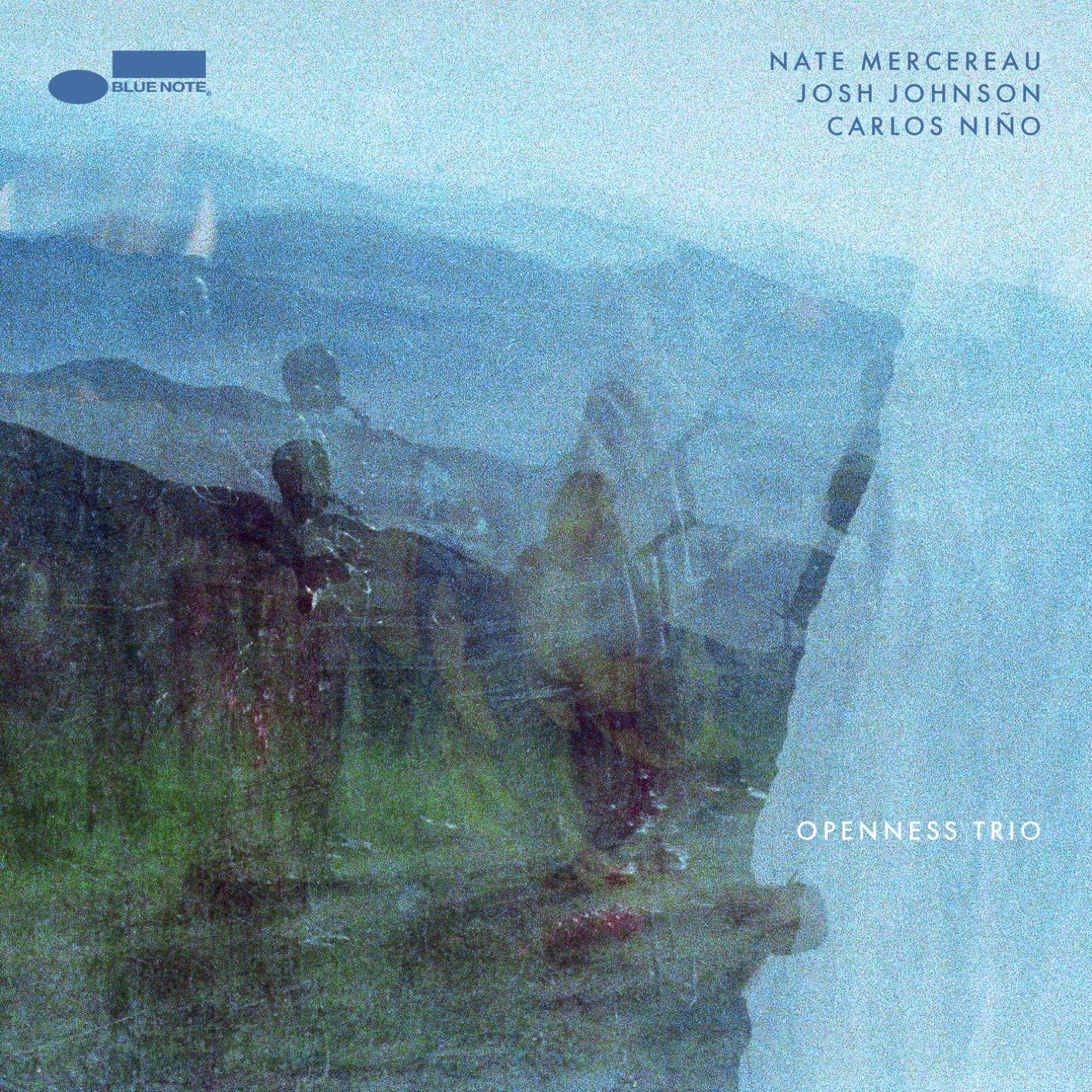
Three improvisers walk into a room in Los Angeles with no charts, no safety net, and a shared belief that melody can be negotiated in real time. Mercereau’s guitar sometimes behaves like a pedal steel lost in space, bending notes until they cry or laugh depending on the afternoon light. Johnson’s alto and flute arrive like birds that trust the windows have been left open on purpose; he circles themes, lands, then lifts off again before the listener can decide whether they were phrases or prayers. Niño’s percussion is less time-keeper than weather system—gongs suggest distant thunder, shakers imitate wind through palms, and a lone kick drum pulses like the city breathing two blocks away. Across four long pieces, the trio practices radical listening. A single chord can linger long enough to become architecture; a sudden flurry of notes might evaporate before you can photograph it. You leave the room lighter, convinced that openness is not a posture but a practice. — Nehemiah
Maruja, Pain to Power
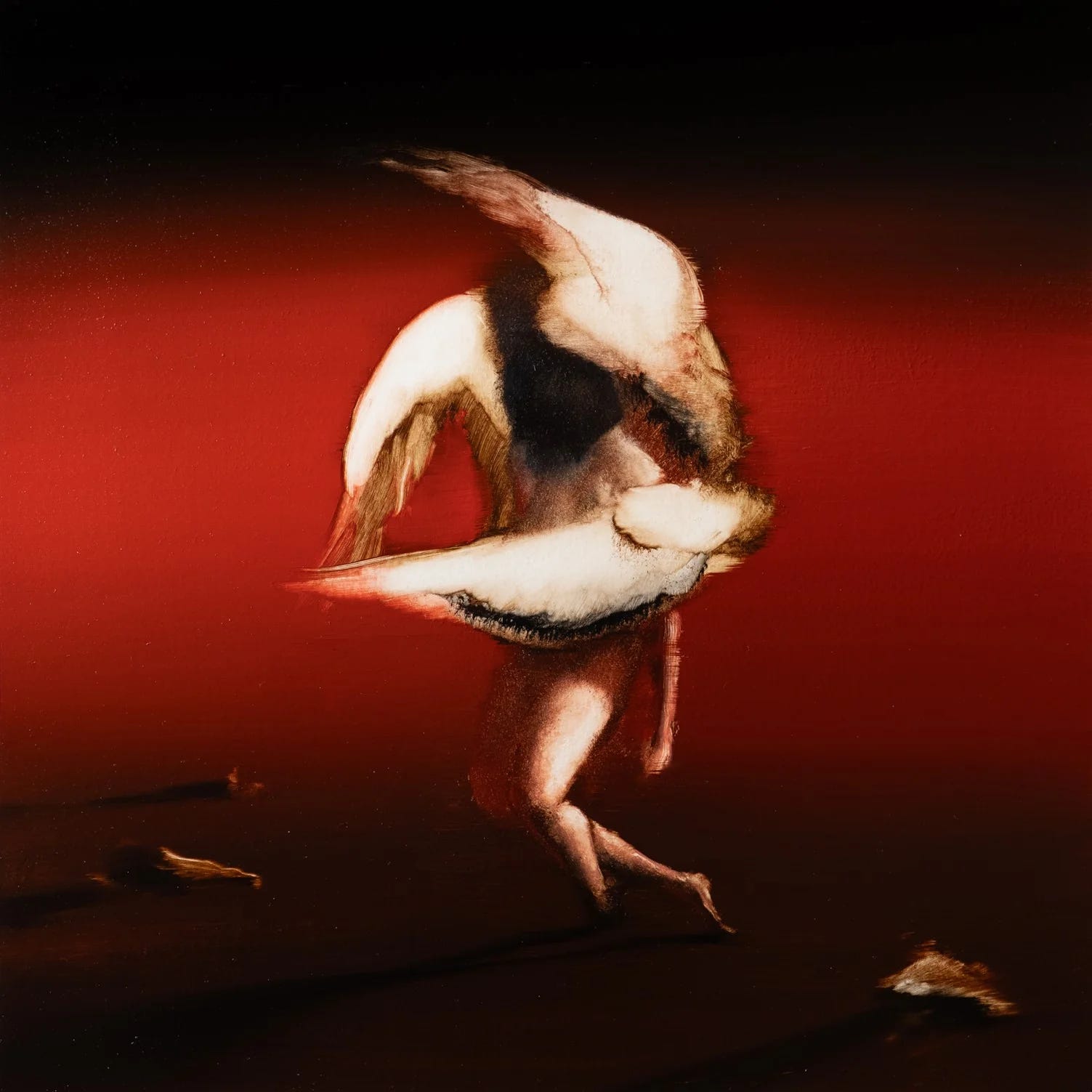
Manchester four‑piece Maruja built their reputation on live shows that feel like rituals—saxophonist Joe Carroll parting the crowd like Moses and singer‑guitarist Harry Wilkinson doing push‑ups before launching into a song. The loose, jam‑like structures sometimes leave songs feeling more like fragments than statements, but when the band’s instincts click, Pain to Power conveys a visceral urgency that few debut records manage. Their style fuses post‑punk, free jazz and hip‑hop, drawing on UK scenes from Squid to the London jazz vanguard and MCs like Lee Scott and Little Simz. At its best the record catches lightning in a bottle. “Break the Tension” starts as a grinding industrial stomp before Carroll’s saxophone erupts into belching and fluttering runs, the band piling spectral backing vocals and racing percussion until the music feels like a single organism in full revolt. Opener “Bloodsport” is even more intense: Wilkinson raps over rim‑shot drums and thick bass strings, barking, “Shame so strong wanna wash away with blood… Blood calls blood, will we ever bleed enough?” as his voice shifts from spoken word to raw‑throated screams. Political anger courses through the record; the ten‑minute “Look Down on Us” targets late‑stage capitalism with grotesque images of CEOs “picking bones through their teeth” and “blood dripping down to the claws on their feet,” and Wilkinson rolls his Rs like Zack de la Rocha. Even the quieter moments namely “Trenches,” he sings about “leather lungs blackened,” turning weariness into poetry. — Phil
Nourished by Time, The Passionate Ones
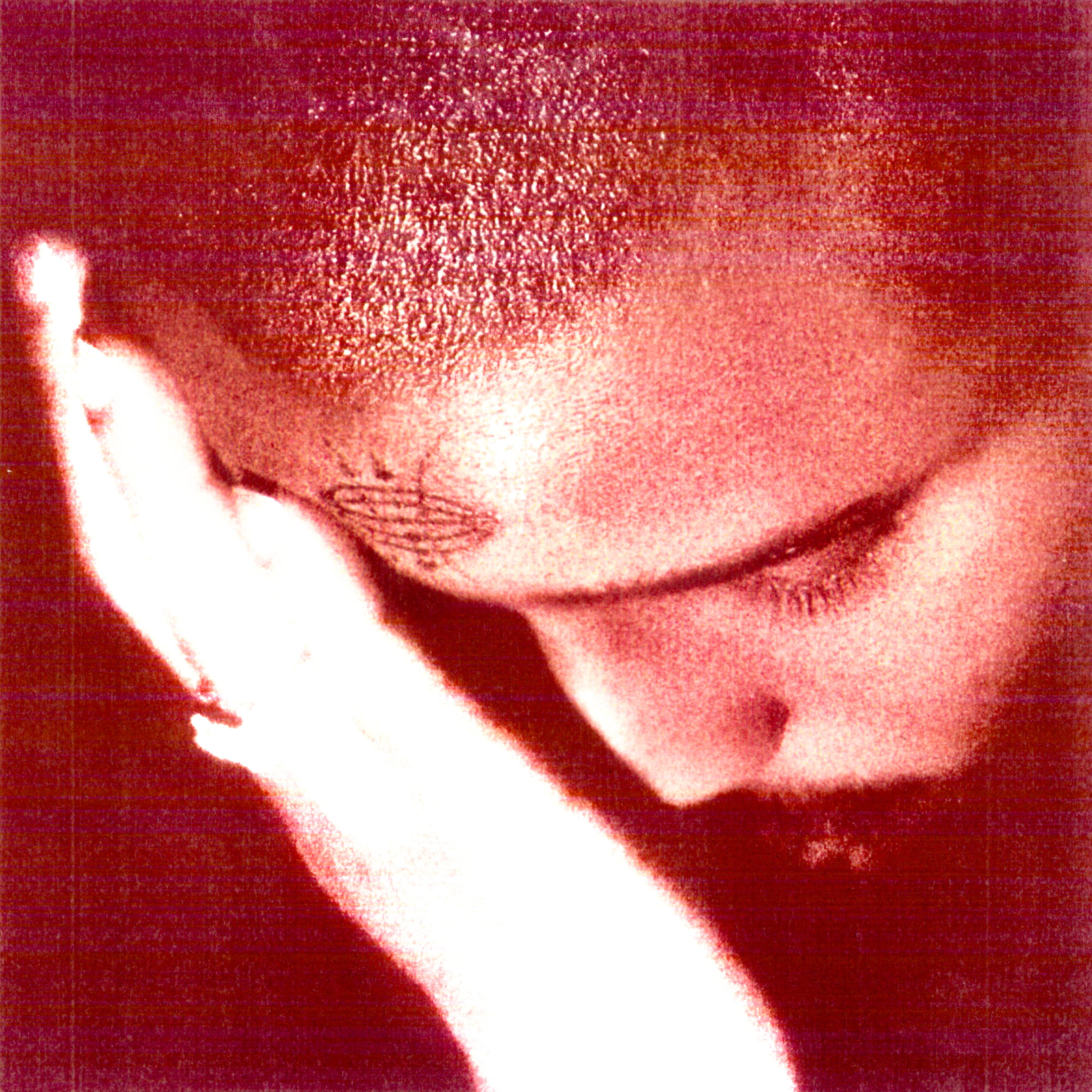
Marcus Brown’s catalog has been building toward this: Erotic Probiotic 2 drew attention to the voice, the Catching Chickens EP showed the reach, and The Passionate Ones pulls love songs and work songs into the same room. He introduces the stakes right away. “Automatic Love” tests desire against collapse and throws out a line as plain as a diary entry—“my body won’t feel nothing”—which makes the risk legible without embroidery. “Max Potential” is even more direct, with the fear stated in seven words—“Maybe I’m afraid of the future”—then the song proceeds to measure that fear against the need to try anyway. The set keeps circling the cost of moving through the day and the pull of connection. “9 2 5” reads like a work memo written by a person trying not to disappear inside it. “Idiot in the Park” and “Crazy People” capture the city’s public theater without lasting judgment. The title track steps back and asks a simple question—“Am I a ghost?”—which turns the whole record into a check on presence, not performance. Across the album, he avoids the lifted-nose stance that plagues records about modern life. — Brandon O’Sullivan
The War and Treaty, Plus One
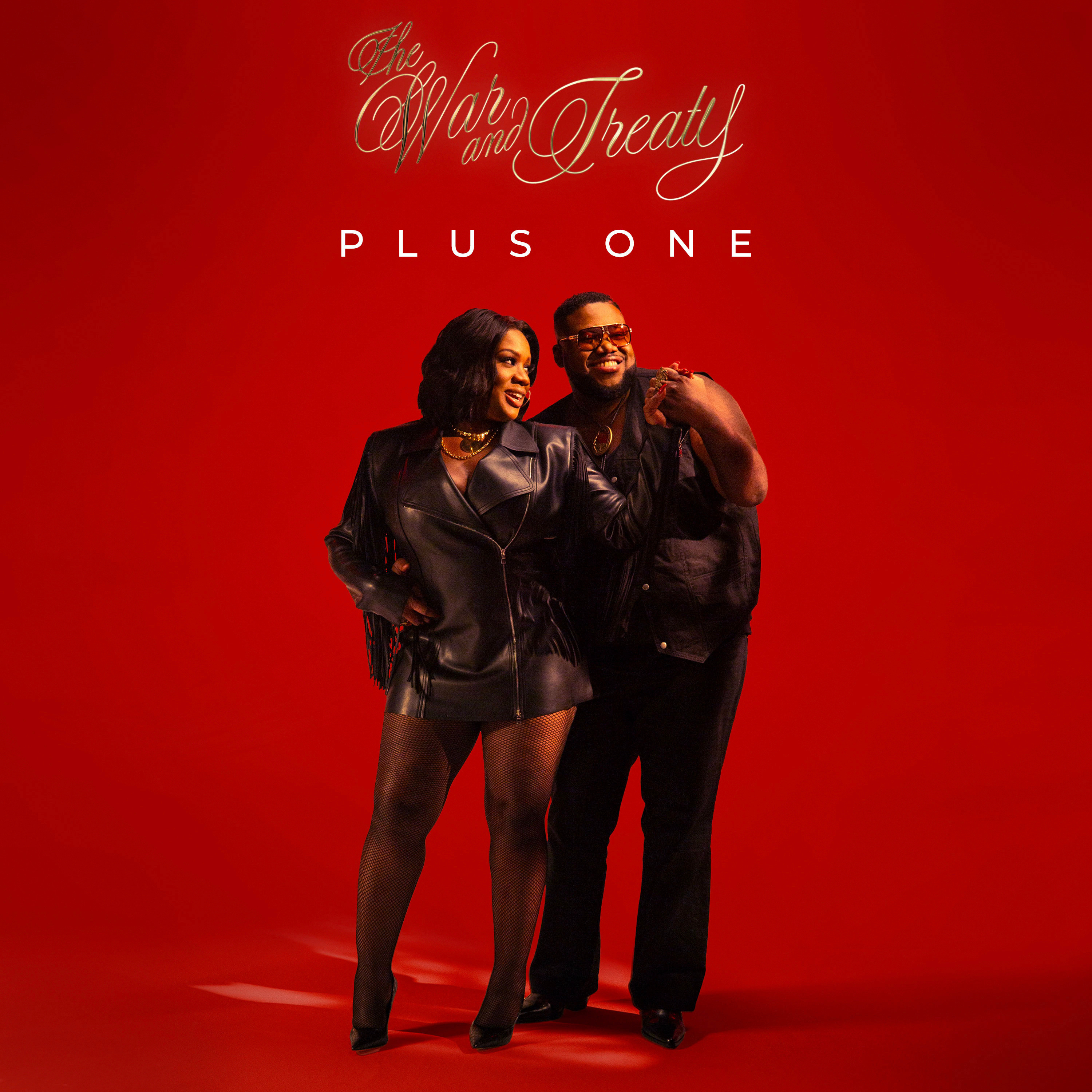
One of the most electrifying live acts in American roots music, Michael and Tanya Trotter are at it again with Plus One, recorded at FAME Studios in Muscle Shoals with Michael handling most of the production, bringing in Jonathan Singleton, John Shanks, and Jesse Frasure for select tracks while enlisting their longtime live band to flesh out the arrangements. “Called You By Your Name” and “Stealing a Kiss” stick to intimate songwriting about the complications of a long-term partnership. “Teardrops in the Rain” moves through sweeping ballad territory that sounds timeless on first listen. “Leads Me Home” and “Carried Away” both center on navigating relationship struggles with honesty. “Drink from Me” brings in Billy Strings for a minor-chord barn burner with structural surprises throughout. “Mr. Fun” splits the difference between James Brown’s funky showmanship and Tina Turner’s empowered pop rock. “Tunnel Vision” works from focused determination, while “The Glorious Ones” closes the album with the couple reflecting on their journey together, singing “Do you see how far we’ve come/Two broken hearts become one.” The Trotters have said every song deals with aspects of him, aspects of her, and aspects of them together, acknowledging that sharing space with someone can be challenging regardless of duration. — Imani Raven
Amber Mark, Pretty Idea
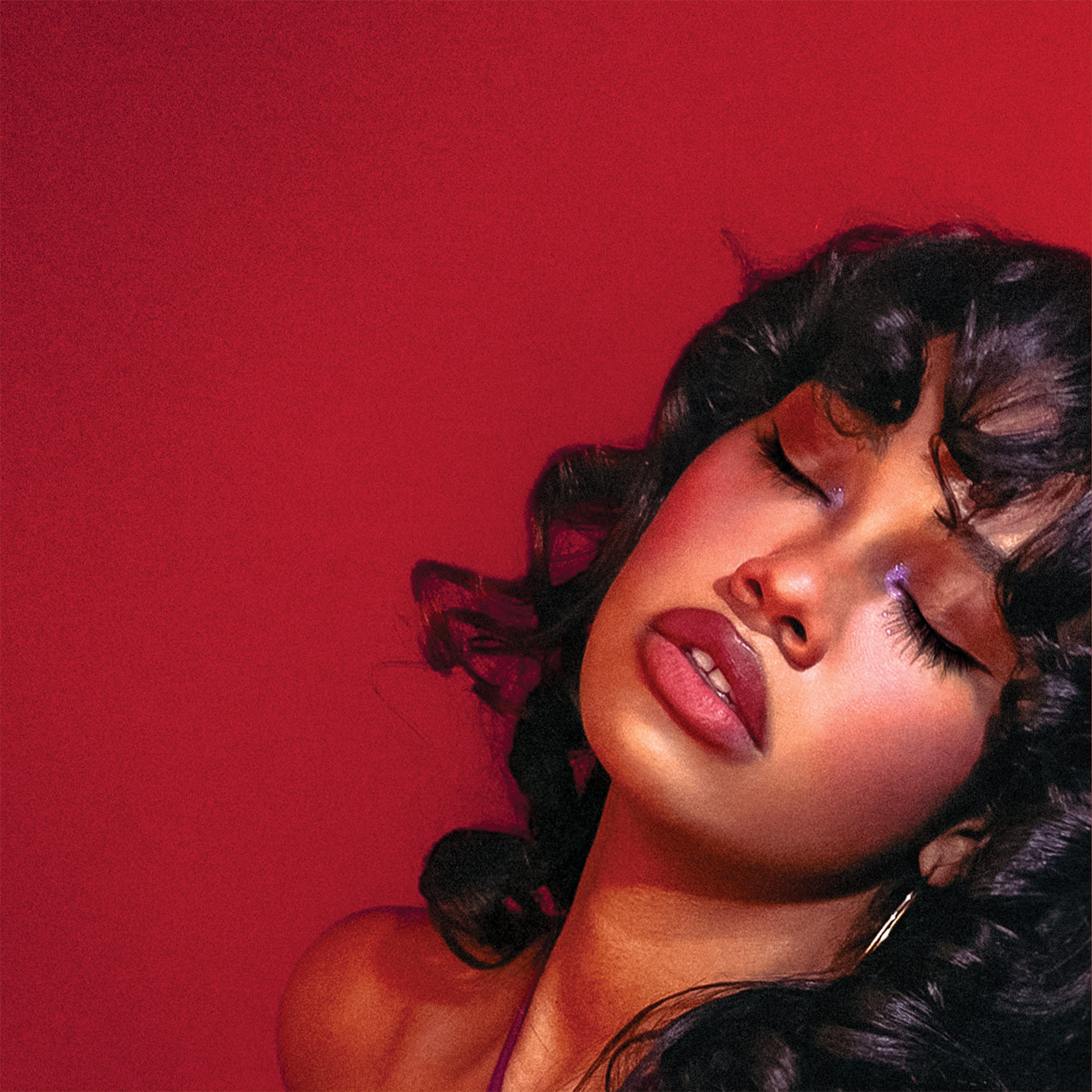
Amber Mark has since become an emotional alchemist, one who has turned pain, longing, and loss into something radiant, echoing, and everlasting. Her works of art are like a daily journal (3:33am): a naked gateway of sorrow, a love letter to her deceased mother, a self-disclosure, a healing meditation with a soundtrack. In 2018, she did the same, coquetting with bossa nova and neo-soul sounds (Conexão), and one could trace her way back to light, to rediscovery. Then, her ambitious first full album (Three Dimensions Deep) shot her into a cosmic landscape—love, selfhood, the inexhaustible internal landscapes we wander through. With the help of the hit single Pretty Idea, she now claims her own, and this is the Black pop artist it is time to rally around. She switches among seduction and disorientation, heartbreak and subsequent reunion. That curve, the twisted chase of lover, is her line, and she has a tune to all her lagged heart-beats, and to all her unwise hopes. “Too Much” is in that stage just before a relationship is formed, all tension, possibility, almost-there. Let Me Love You” beats with passion, the desire to have such a person, who can never be equal to your vitality. In “Don’t Remind Me,” she also makes Anderson .Paak, that warm soul, his conversational voice, a perfect match. Amber Mark makes us enter into this world where we are encouraged to experience the stumbles and the stumbling. — Brandon O’Sullivan
Deftones, Private Music

After nearly four decades of shapeshifting between nu‑metal and shoegaze, Deftones made their tenth album feel like both a personal exorcism and an invitation to join a cult of rebirth. The opener, “My Mind Is a Mountain,” sets the tone with a storm‑like metaphor about an inner battle, describing the climb of a mental mountain that demands endurance. Chino Moreno sings about storms, hearts, and fate while guitarist Stephen Carpenter builds eight‑string walls that envelop the listener. On “Locked Club,” the singer delivers a stark ultimatum, “Join our parade or be left out,” which defines the album’s tension between community and isolation. The record’s serpentine motif comes to life in “Ecdysis,” which likens personal transformation to a snake shedding its skin, while imagery of floods, fire, and plague suggests destruction as a path to renewal. Through these vignettes of transformation, Deftones manage to sound both timeless and urgent, turning their private rituals into a communal purge. — Oliver I. Martin
Tanika Charles, Reasons to Stay
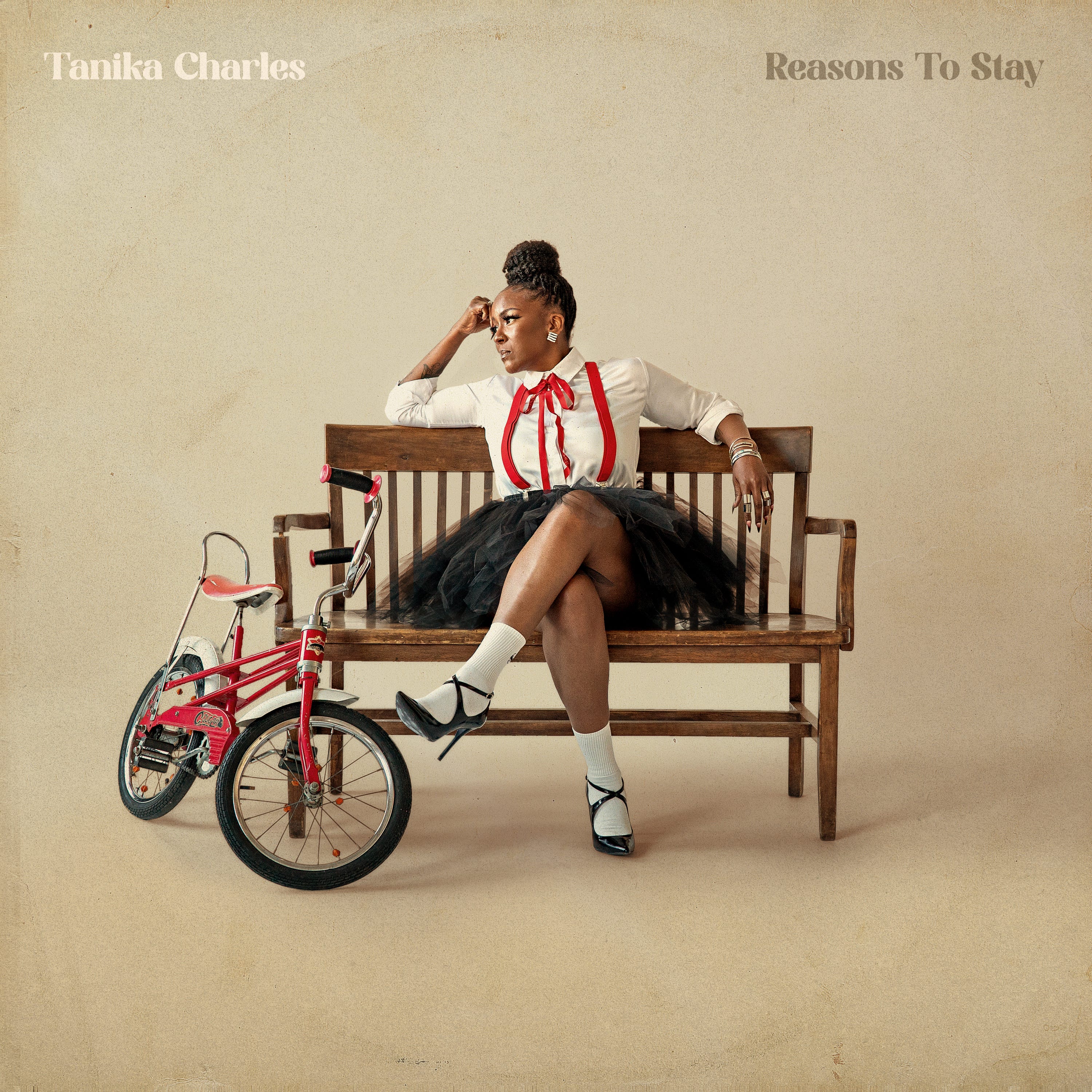
Tanika Charles sings like she’s opened every wound just wide enough for the groove to cauterize it. Her fourth LP trades previous rom-com heartbreak narratives for familial fault-lines, stacking Chi-Lites-style string swells and clipped hi-hat shuffles against lyrics that name-check abandonment, reconciliation, and inherited shame with unflinching clarity. “Don’t Like You Anymore” drapes smoky B-3 chords over a head-nodding pocket, her phrasing dipping into husky low notes before vaulting into a trembling melisma that cracks exactly where the story does. Producer Scott McCannell and mixer Kelly Finnigan infuse every rim-click and tambourine shake with analog hiss and ribbon-mic saturation, lending mid-tempo burners like “Talk to Me Nice” the warm, vintage sound of a lost 1973 acetate without ever sounding like a costume. When Clerel’s smoky tenor enters on the Gamble-and-Huff-tinged “Win,” the arrangement briefly slips into woozy psychedelic gospel before returning to its neo-soul core—a reminder that Charles, even in her most vulnerable confessions, never lets the pocket drift. — Brandon O’Sullivan
Milena Casado, Reflection of Another Self
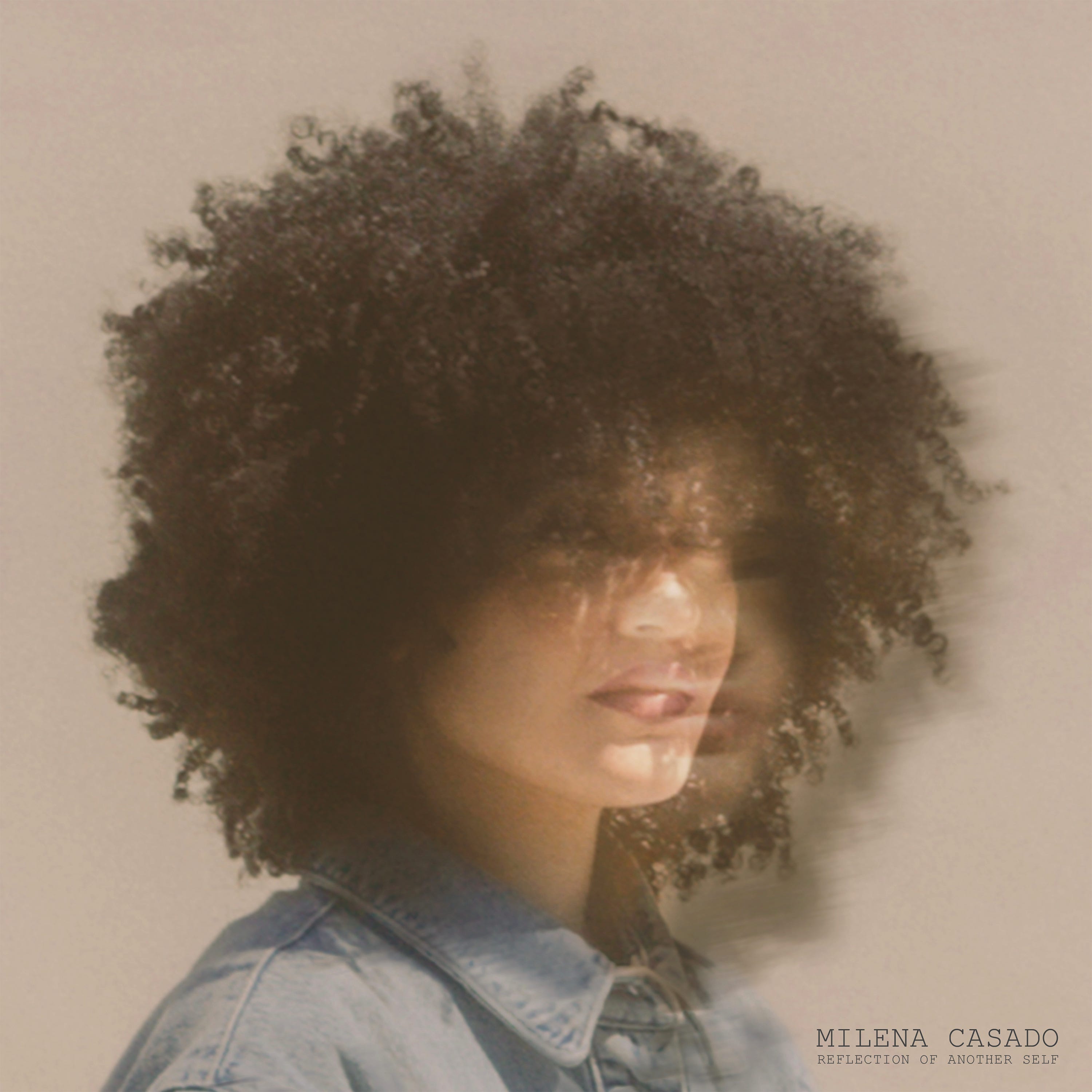
Spanish trumpeter Milena Casado’s debut is less a set of tunes than a suite of interior monologues rendered in sound. Co-produced with Terri Lyne Carrington, the record cross-fades brushed-snare swing, open-horn motifs, and harp glissandi into vapor-hiss electronics and sampled family conversations, mapping trauma and self-reclamation onto a dreamlike jazz-scape. “O.C.T.” tilts a muted trumpet solo over Val Jeanty’s turntable textures, letting fractured beat-snippets glitch beneath harmonic minor progressions that evoke late-‘60s Miles while sounding unmistakably 2025. Three brief “Introspection” interludes splice whispered Spanish questions through reversed cymbals, creating breathing room before the quartet surges back with modal burners including “Resilience,” where Lex Korten’s piano clusters chase Casado’s growling upper register until both resolve on a luminous chord the composer calls “miracle major.” The closing featuring Meshell Ndegeocello’s bass harmonics and Brandee Younger’s cascading arpeggios lands like morning sun after a night of reckoning—proof that the album’s title isn’t rhetorical but a sonic ritual of becoming. — Imani Raven
Alfa Mist, Roulette
On his sixth studio album, Roulette, Alfa Mist marries his signature fusion with a bold near-future concept: a world where reincarnation is treated as data and the past lives of individuals reshape society. The London-based pianist, producer, and MC builds expansive arrangements that drift between soulful keys, groove-laden beats, and atmospheric psychedelia, layering each piece as if it’s a chapter in a speculative saga. Throughout, he interrogates memory, identity, and justice: what happens when your former lives become witness, evidence, or burden? Alfa Mist’s compositions grow more detailed and more exacting, and he turns the wheel until various mixes of jazz, hip-hop, and speculative fiction fuse into one unbroken motion. Across the album’s cool expanse, Alfa tests how far jazz can stretch before it becomes its own philosophy: not nostalgia, but recursion, where groove and thought occupy the same orbit. Even at its most meticulous, his music resists perfection. Its precision vibrates with doubt, as if each production is aware that to return is never to repeat. — Harry Brown
Mavis Staples, Sad and Beautiful World

When she was little and too lazy to rehearse for the family gospel group, Mavis Staples received this warning from her father, Roebuck “Pops” Staples: “Your voice is a gift from God. If you don’t use it, he’ll take it back.” As devout as she was, a talented singer, Mavis Staples listened to her father and never stopped singing. For over 70 years, it’s been almost an eternity. Since We’ll Never Turn Backin 2007, Mavis Staples’ discography has been a generous and flawless collection, an impressive celebration of her family history and the best way to capitalize on it. From Ry Cooder to Ben Harper, by way of Jeff Tweedy and M. Ward, everyone is eager to produce Mavis Staples’ albums or offer her songs. She has become a kind of queen mother of American music. And there’s nothing exaggerated about that: you only need to see her on stage in the 2000s (or listen to her live albums) to understand that the singer is an almost miraculous force of nature, more energetic, radiant, dignified, and generous than the average person. At 86, she’s back with the poignant and essential Sad and Beautiful World, whose title (borrowed from a Sparklehorse song covered here) shows that, once again, Mavis Staples has it all figured out. — Kendra Vale
Tomorrow Kings, SALT
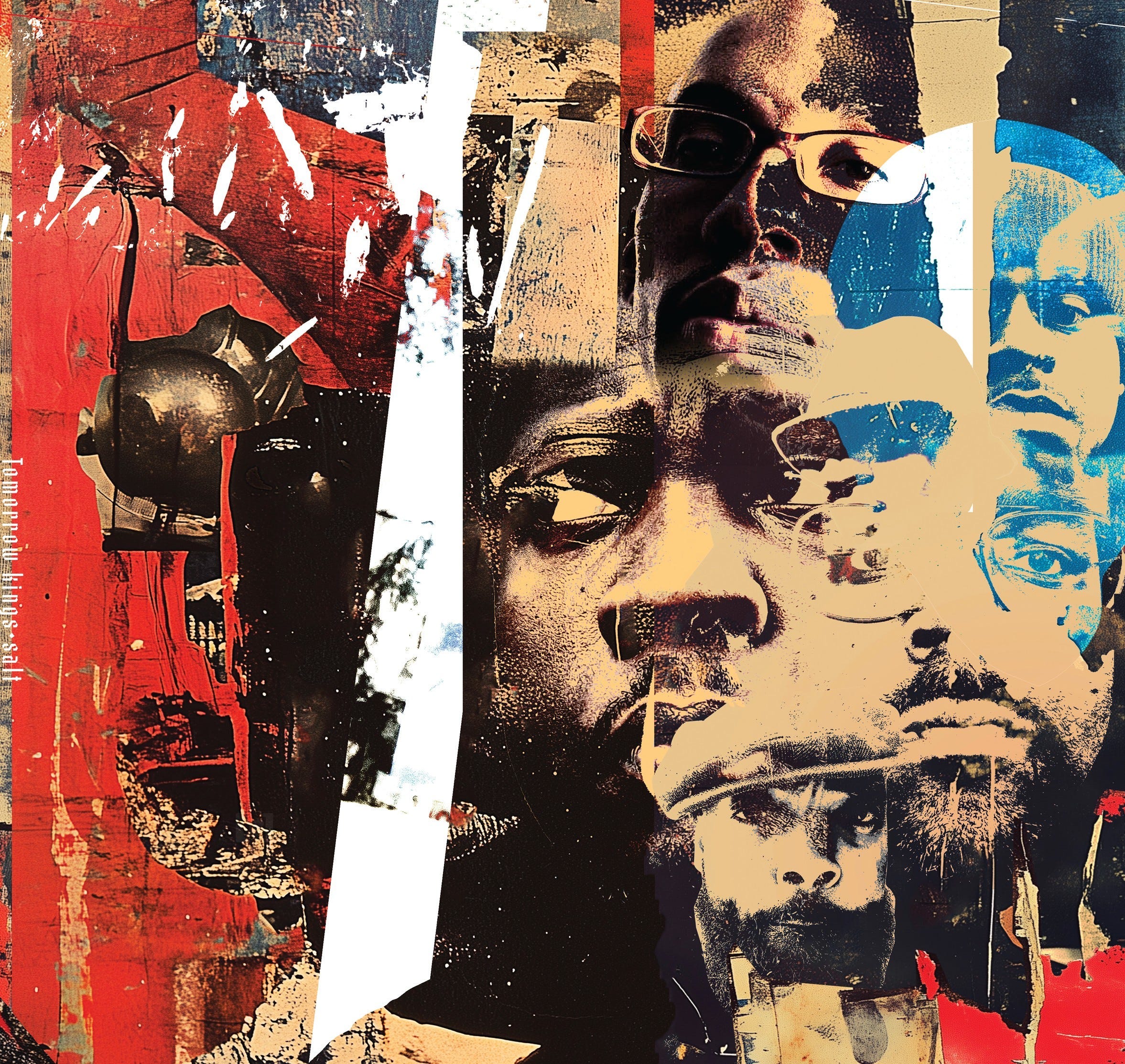
With their 2013 debut, Tomorrow Kings made that clear in every bar. It pushed back against racism and systemic neglect while warning any flimsy rapper who thought they could hang. The record landed so hard, they let a dozen years pass before returning. Recorded during the height of COVID-19, SALT picks up that thread with a quieter confidence, pairing street-level anger with dispatches from a world that looks even more unstable than the one they came up in. You find post-industrial soundscapes here, dust-heavy drums here, chopped horns and sirens wailing here, but “Regicide” opens with Collasoul Structure’s four-year-old daughter Ava singing “This world will never end,” an eerie lullaby that sets up everything. On the title track, IL. Subliminal builds a collage where processed cocoa leaf becomes sugar and cocaine, where salt masks the smell of dead flesh, where diabetes and hypertension kill as many people as the Klan and Reaganomics combined. Salt as preservative and poison, a necessary mineral, and a metaphor for the injuries Black bodies absorb. What stands out this time is how focused the group sounds after all that distance. “No Brands” packs all of America’s absurdities into four minutes, abstract and heavy, refusing to choose between marketability and authenticity. Defcee guests on “Airblades,” Curly Castro and the late Jason Gatz appear on “Stains,” D2G shows up for “B-Side Losers,” all of it literary impulse and working documents for surviving capitalism and structural racism, all of it battle rappers acknowledging everything is political without making political rap. — Phil
redveil, Sankofa
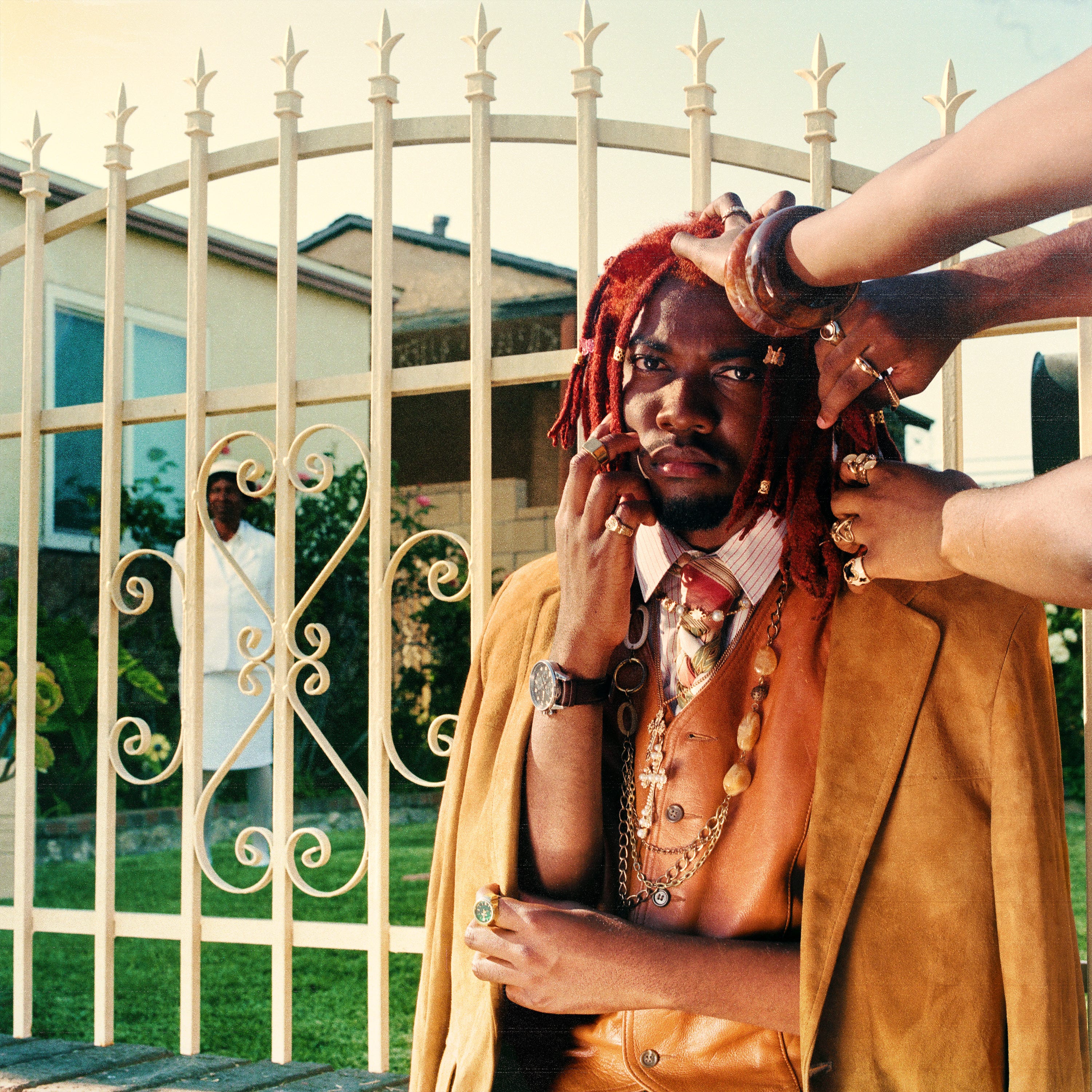
Two years ago, redveil felt hemmed in by suburban Maryland and relocated to Los Angeles in January 2024 to record Sankofa with access to real studios and live musicians. The title comes from a Ghanaian proverb urging people to go back for what they’ve forgotten. Morton brought in pianist Johnny May, bassist Jermaine Paul, guitarist Keelan Walters, flutist Amber Navran, drummer Myles Martin, keyboardist Brian Hargrove, and trumpeter Julian Knowles to push beyond loops and sample chops into warmer, fuller, more layered arrangements. “Lone Star,” for instance, takes a conscious approach over organ-based instrumental, imagining himself caught between Texas summers with grandparents and the life he’s built since. “History” gives off a jazzier vibe, talking about being historic from the get-go, while “Brown Sugar” pulls from neo-soul to show off its flirtatious side. “Or So I” leans heavily toward the jazz rap side, talking about preferring to die right here instead of being surveilled. “Pray 4 Me” chops up a soul sample about cutting off his phone for the last 18 hours he has on the West Coast. “Mini Me” returns to a neo-soul direction, singing about not wanting to hide his true self anymore. The expanded palette lets Morton fold biblical references into everyday concerns without formulating the album as gospel, grounding songs in details like Morning Star veggie patties, pastor’s watch flashing at red light, bounce-beat knock on brother’s front door, grade-school hoodies, and filthy laces. — Phil
Madison McFerrin, Scorpio
With Scorpio, Madison McFerrin turned wedding savings into an album about walking away from an eight-year engagement, a decision that reshaped her life and sharpened her writing voice. That real-world pivot is the frame that holds these songs about choosing self over inertia. The track that matters most to the story is “I Don’t,” which begins, “We were supposed to get married today,” and keeps returning to the blunt refrain “I guess I don’t,” a refusal written without venom that still lands like a door closing. She uses a different register for “Fighting for Our Love,” confessing, “Shoulda never got to know you so well… You had me fightin’ for our love,” and the repetition earns its keep because she’s not selling resolve, she’s documenting how compulsion sounds when you finally call it by its name. “Ain’t It Nice” moves with a different kind of confidence, teasing “Is it hard to keep me out your thoughts… Told you I could always change your mind,” which reads less as conquest and more as someone relearning power without apology. As one of the standouts, she threads heartbreak into rebirth without dressing it up, keeping the language clear and the stakes human, and the cumulative effect is simple to name—the voice of an independent artist writing from the center of her life rather than around it. — Koda Lin
Kae Tempest, Self-Titled
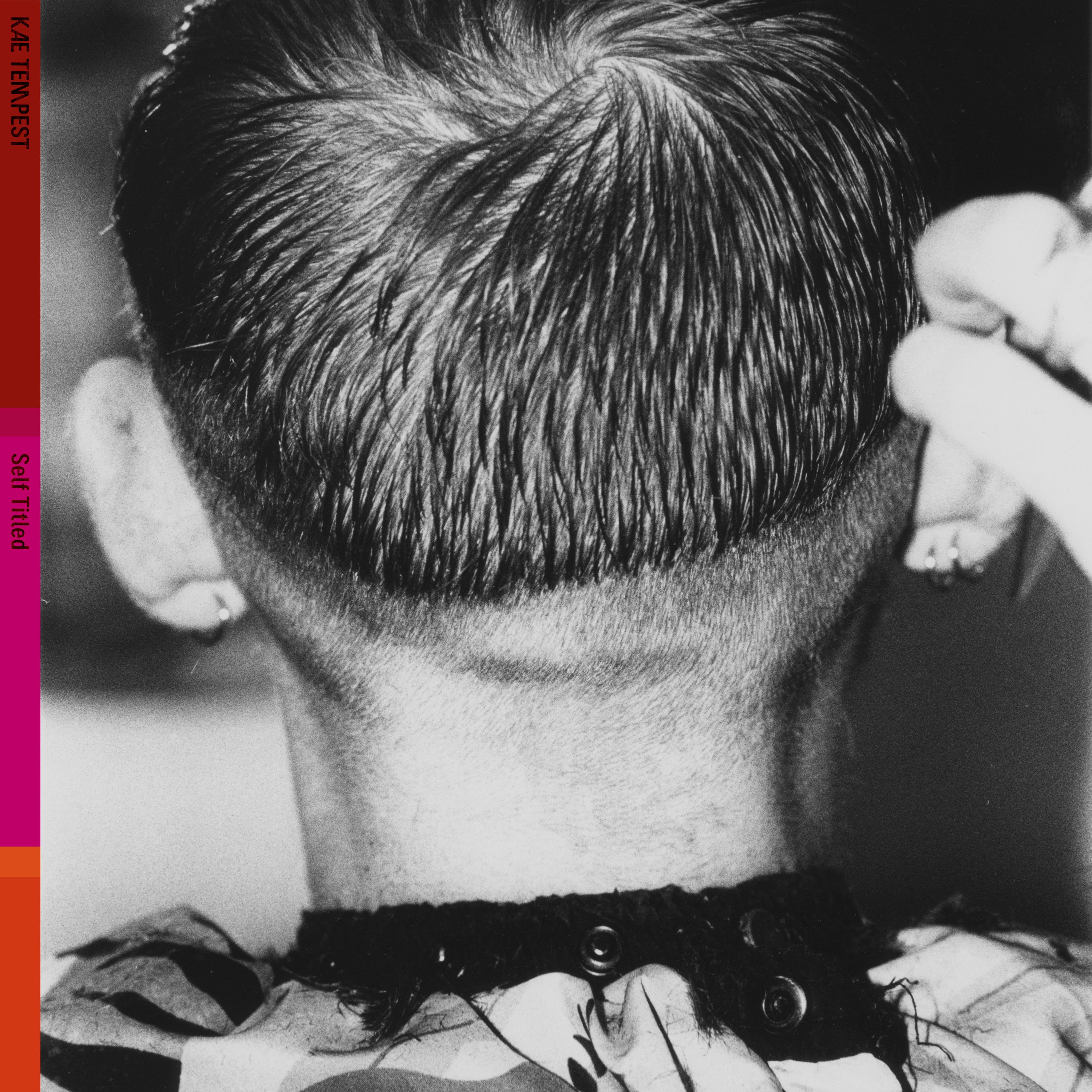
“How many strangers will I upset with my existence today?” sparks “I Stand on the Line,” foregrounding Kae Tempest’s battle between public visibility and private peace. Their fifth studio set follows 2022’s The Line Is a Curve yet narrows personnel to a rhythm section and producer Fraser T. Smith, creating maximal space for syllabic weight. By choosing to self-title the album at this juncture, Tempest signals a reclamation and redefinition of their artistic identity, aligning their public persona more closely with their lived experience, particularly following their public coming out as transgender. Another significant track, “Know Yourself,” features a poignant internal dialogue between Tempest’s present self and a younger version, exploring the complexities of self-discovery, identity formation, and the passage of time. This introspective quality is a hallmark of the album, as Tempest grapples with personal history, relationships, and the ongoing process of self-discovery. Alongside these deeply personal narratives, the album continues Tempest’s tradition of social critique, likely examining issues of power, inequality, and the human condition within modern society. — Charlotte Rochel
MIKE, Showbiz!
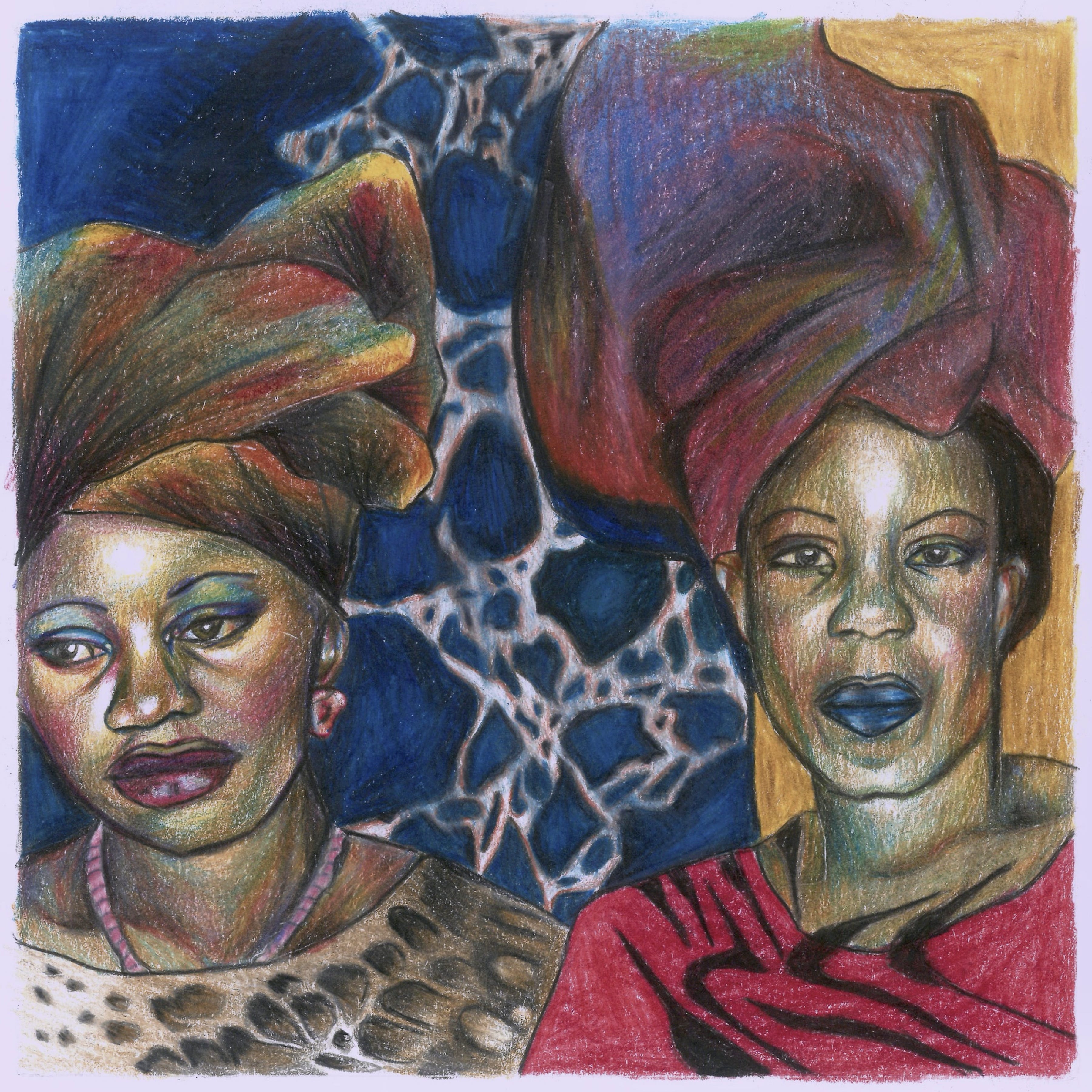
Over the past decade, MIKE has become a pillar of New York’s underground, releasing a steady stream of projects that explore grief, family, and survival. Showbiz! feels like a culmination of that run, matching his unhurried flow with deceptively intricate writing. The album opens with “Bear Trap,” where he hums over mellow drums before rapping, “With a wave of smoke, I try and gain my spirit, make it storm less/It’s freezing cold, low-key been a minute since a warm text,” a couplet that captures both his ritual with weed and his longing for intimacy. On “Then we could be free..,” he turns inward again, noting that he’s “learning ’bout restraint and release,” pleading, “You could hear the pain in my speech,” and admitting, “I never seen the face of relief, just the payment.” Family anchors the somber “Watered down,” where he reminds himself, “That’s my sister, treat her like my daughter, really,” before reminiscing about being a surrogate mother figure. MIKE indulges in bravado sparingly: on “What U Bouta Do?/A Star was Born,” he quips, “I’m the living proof, I’m my parents’ child,” turning his existence into its own argument. Even his boastful moments are tempered by introspection; “Lost Scribe” opens with “It’s a war when I scribe/I’ve been praying to you since like I’m sure it was nine…/There’s shorter inside/But the remainder what I give, what I record in these lines,” a reminder that his verse is a confession and combat. — Harry Brown
Panda Bear, Sinister Grift
As Noah Lennox continues his solo work as Panda Bear, Sinister Grift marks the first time all three of his bandmates from Animal Collective appear on one of his albums, alongside collaborations with Patrick Flegel of Cindy Lee and Rivka Ravede from Spirit of the Beehive. Lennox plays most of the instruments himself, aiming for something that feels like an early rock and roll record but without any retro affectation. “Praise” opens with layers of percussion and harmonies that pull from both Brian Wilson and Lee “Scratch” Perry, sandy and warm. The title comes from Lennox thinking about the lie people tell themselves that being careful or good can somehow prevent suffering, regrets, or mistakes. “50mg” addresses pharmaceutical dependence without spelling everything out, while “Ends Meet” and “Just as Well” move through relationship dynamics with more resignation than anger. The record pulls from dub, surf, and psychedelic pop without settling into any single mode, and the writing throughout addresses the playful menace embedded in everyday life. — Charlotte Rochel
Various Artists, Sinners (Original Motion Picture Soundtrack)
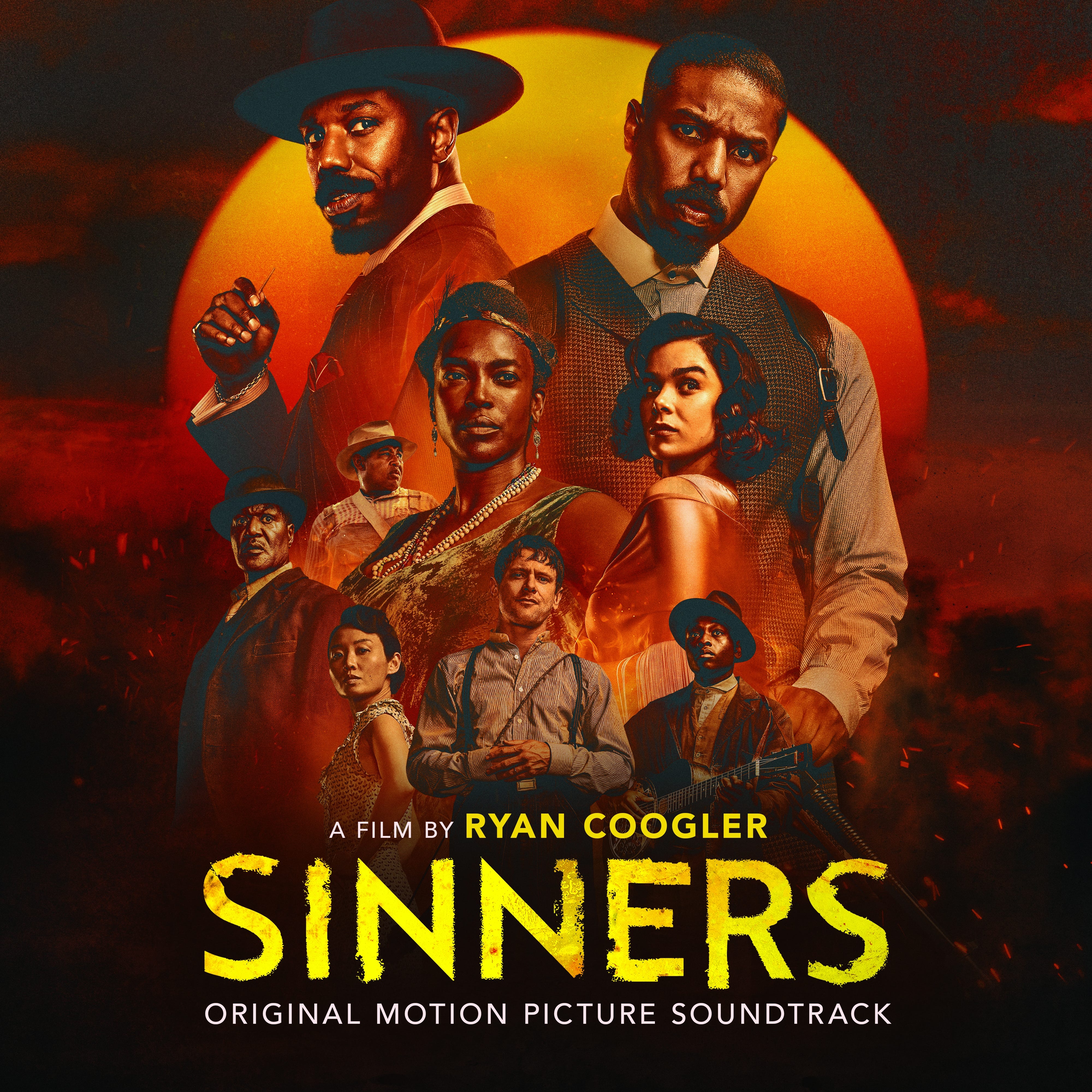
Ryan Coogler’s Sinners soundtrack brings together blues musicians, contemporary artists, and the film’s cast for an album that refuses to feel like typical movie tie-in work. Executive-produced by Ludwig Göransson, who also composed the film’s score, the soundtrack pulls from Göransson’s experience with American blues music, something he grew up with through his father, who was a blues aficionado. Much of the music was recorded live on set with cast members performing alongside blues musicians, creating textures that feel immediate rather than nostalgic. “This Little Light of Mine” features Miles Caton with the DC6 Singers Collective and Pleasant Valley Youth Choir of New Orleans, opening the album with traditional gospel energy. “Wang Dang Doodle” brings Cedric Burnside, Sharde Thomas-Mallory, and Tierinii Jackson together for a version that feels both reverent and contemporary. Hailee Steinfeld wrote “Dangerous” specifically for the film, while James Blake collaborates with Göransson on “Séance,” building electronic textures around blues structures. “Pick Poor Robin Clean” features cast members Jack O’Connell, Lola Kirke, and Peter Dreams performing together, and “Will Ye Go, Lassie Go?” expands that collaboration with Brian Dunphy and Darren Holden. Rhiannon Giddens and Justin Robinson tackle “Old Corn Liquor,” Jerry Cantrell works with Göransson on “In Moonlight,” and Buddy Guy offers his version of “Travelin’” alongside Caton’s earlier take on the same song. Rod Wave’s “Sinners” served as the lead single and sets the tone for an album that understands blues as a living tradition. — Marjani Fields
Gabe ‘Nandez & Preservation, Sortilège
A multilingual writer who once self-produced steps into a world where the beats arrive as puzzles from a veteran crate-digger. The partnership favors tension over shorthand: concise verses land in tight corridors of sound, and each beat organizes motion without spoon-feeding a mood. Guests drop in like pressure tests—Koncept Jack$on knots the cadence on “Hierophant,” billy woods bears down on “War”—but the center is ‘Nandez turning biography and reference into hard edges while Preservation keeps the floor steady under shifting scenes. You can hear the record’s build in the credits and settings recorded and mixed by Willie Green, with artwork that signals intent rather than branding; the album’s title means “spell,” yet what sticks is method. Songs tend to open with a clear image or a single term that becomes a hinge, then exit without drama once the case is made, and that restraint lets the bar work carry memory. If you want the roadmap for why this pairing clicks, it’s this. The writing assumes you’re listening closely, the production assumes you can handle nuance, and the pair meet in the middle with clean decisions you can hear. — Harry Brown
BOY SODA, SOULSTAR
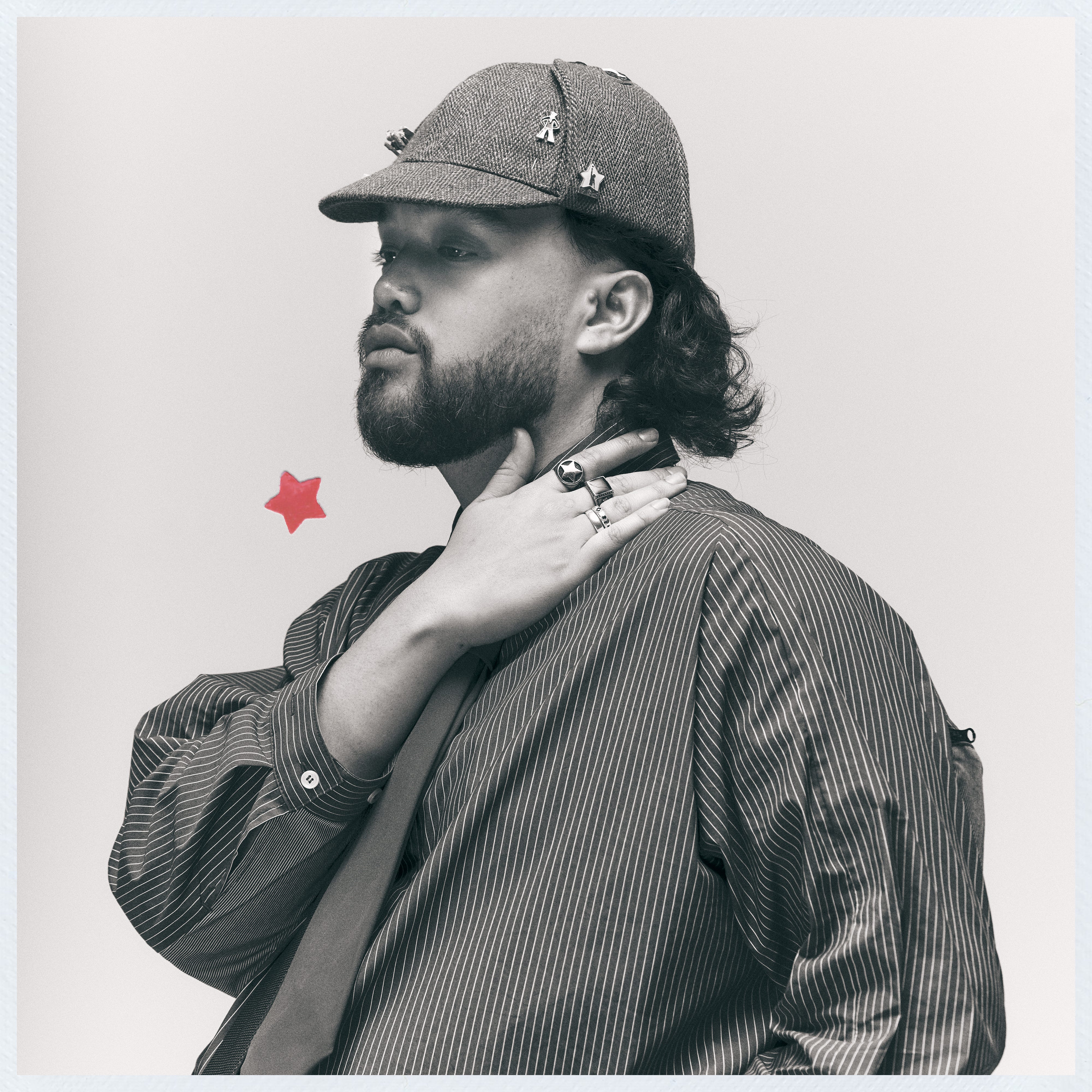
You may sometimes be required to make what you want yourself. BOY SODA knew that. He has discovered the right people—musicians, singers, and friends—to help him turn what he felt into what you could hear. This is how SOULSTARwas formed. The album, which carries heartaches, family histories, and the things that only one can learn over the years. “Lil Obsession” is catchy, the type of song one cannot forget without force. In “Never the Same,” the author looks inward, and in “Blink Twice,” the saxophone does the talking. This is not a display of egos when he is with Dean Brady on their trip to “4K.” It is all about harmonizing voices so that they sound as one. He is no one in this world, attempting to play at imitating people, or to follow streams. He is crafting his own definition of whatR&B can be in the present times with the real stories to tell, clean production, and the type of warmth that makes you feel like you have known him a long time. — Phil
Chance the Rapper, Star Line
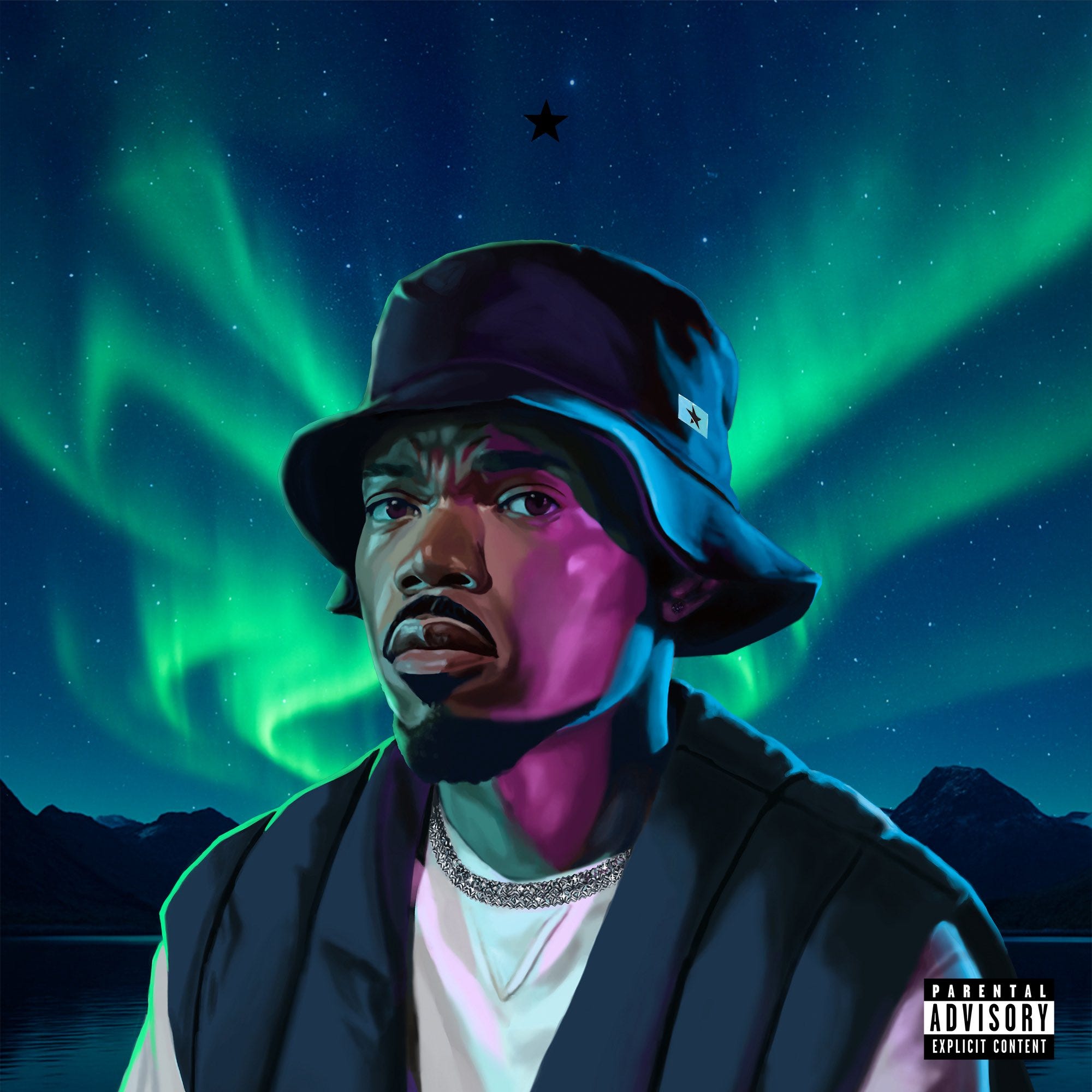
After the public beatdown of his debut LP, launching the Black Star Line Festival in Accra with Vic Mensa and working through a public divorce, Chance returns with an independently released album whose title points straight back to Marcus Garvey’s shipping company and the diaspora bridge it imagined. The record runs on specific arguments housed in songs: “No More Old Men” folds childhood Chicago snapshots into a plainspoken look at the life expectancy of Black men, “Drapetomania” flips the 19th-century pseudoscience into a liberation chant, and “The Negro Problem” leans on BJ the Chicago Kid to ground a piece about racial gaps in maternal health. “Tree,” with Lil Wayne and Smino, takes India.Arie’s “Video” as raw material and turns “tree” into a shield, a medicine, and a promise, with Chance directing the video to underline authorship. “Just a Drop” brings Jay Electronica into a measured exchange, and “The Highs & The Lows” formalizes the Joey Bada$$ partnership inside the album’s thesis. The executive producer is DexLvL, with additional work from Peter CottonTale, Rodney “Darkchild” Jerkins, Stix, Smoko Ono, Nate Fox, and Nico Segal, and a feature list that carries biography without padding. — Randy
Linda May Han Oh, Ambrose Akinmusire & Tyshawn Sorey, Strange Heavens
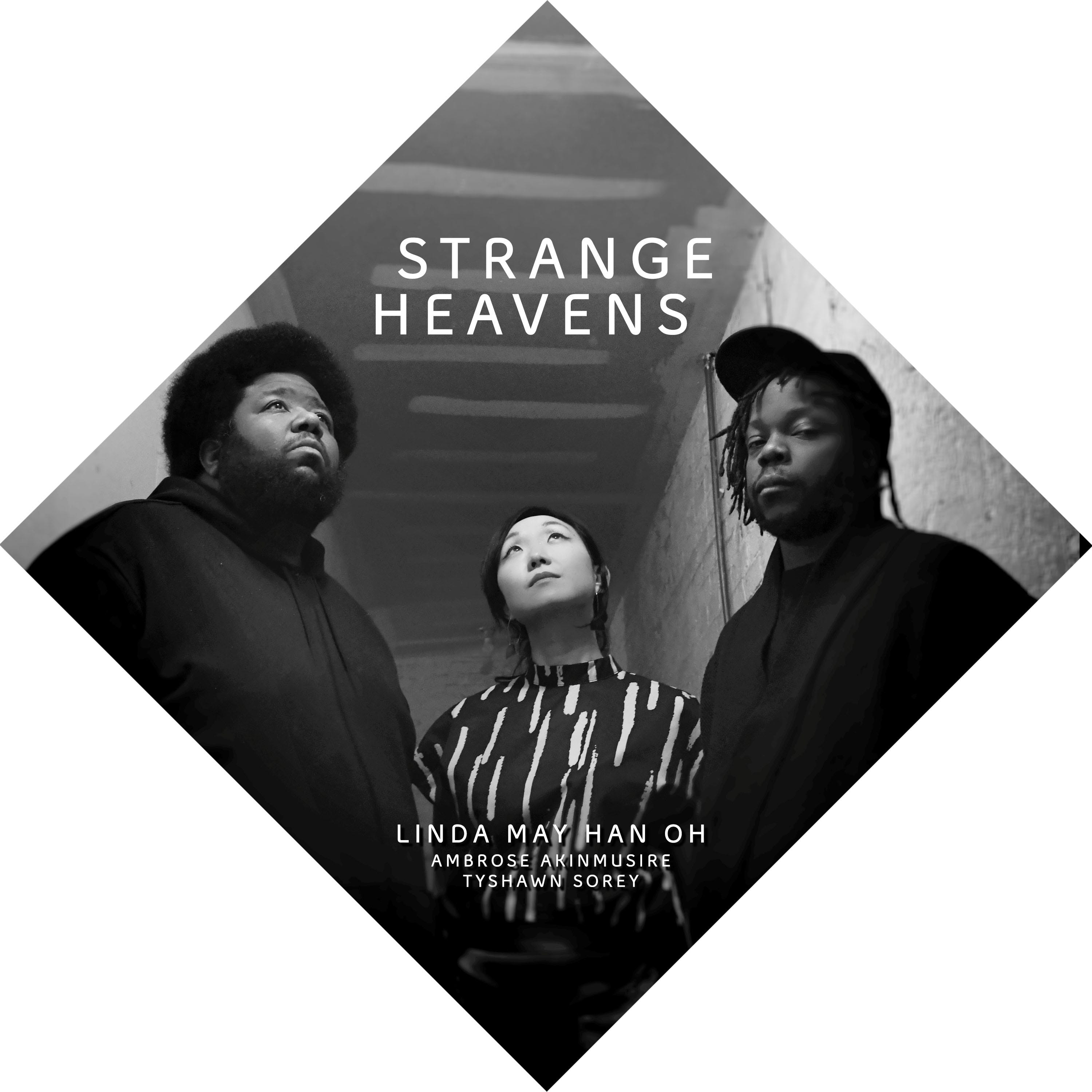
They have all led dense, carefully constructed bands on their own, but when they strip down to a trio, the focus shifts to the raw edges where their instincts collide. moves between fragile quiet and sudden surges, bass, trumpet, and drums constantly renegotiating who’s carrying melody, harmony, or rhythm from moment to moment. On “Portal,” a simple figure from the bass might be enough to set the whole shape, Akinmusire entering with a line that hovers at the edge of speech while Sorey brushes and taps around the beat rather than sitting directly on it. At other points, they lean into more combustible energy, the trumpet moving into cries and smears, the drums cracking open the time, and the bass digging into dark, insistent ostinatos that keep things from floating away. None of it feels like a freestyle session. You sense three composers using improvisation as a way to test ideas about density, texture, and silence in real time. The emotional weight comes less from big themes than from how exposed they’re willing to sound, leaving small imperfections and hesitations in place instead of sanding everything down. — Reginald Marcel
Ghostface Killah, Supreme Clientele 2

Ghostface doesn’t posture here. He reports. The sequel lands as him returning to a world he named and writing new chapters with the same eye for people, places, and quick-turn scenes. “Rap Kingpin” sets the tone with a throwaway boast that still hits—“hitting mics like Ted Koppel”—and then the album moves through vignettes that feel lived-in rather than staged. “The Trial” plays like a courtroom exchange with Raekwon, Method Man, and GZA as characters, one of several tracks built from dialogue and situation more than moral. “Iron Man” and “Curtis May” point back to his own mythology while keeping the pen in the present, “Georgy Porgy” shows the soft spot he’s always allowed himself, and “Love Me Anymore” calls in Nas for a straight talk about loyalty and distance. Even the skits read like texture pulled from memory, not padding, which keeps the narrative pace up without resorting to plot tricks. The guest list is heavy across the album, but the verses hold because they are written as scenes—robberies recalled, friendships tested, a stray detail about reading by the pool that’s specific enough to be believed. It’s the same Ghostface method that made the first Supreme Clienteledurable: dense naming, clipped action, and one-liners you can repeat without context. The difference is time. He sounds older, not slower, and the writing honors that. — Phil
Navy Blue, The Sword & The Soaring
On The Sword & The Soaring, Navy Blue stays committed to the approach of working at the edge of his own interior world, turning small moments into anchors. He handles the music the same way he handles his life—quietly, with the weight of lineage and self-examination sitting in the same space. He builds the record around choices that don’t announce themselves. “Orchards” takes a loop that carries a faint unease and lets the verses walk through it without trying to stretch the moment into something larger. “God’s Kingdom” follows the same logic. He talks about grief and inheritance while keeping the production unobtrusive, so nothing distracts from the responsibility he’s naming. On “24 Gospel,” Earl Sweatshirt enters the track like someone stepping into a conversation already in motion, and Navy keeps the pacing steady so the shift doesn’t distort the song’s shape. What stands out across the album is how settled he sounds in the work itself. He doesn’t chase elevation or reinvention. He keeps the focus on the craft he trusts and the history he carries, and the record holds because he refuses to dress any of it up. — Harry Brown
Yazmin Lacey, Teal Dreams
Yazmin Lacey first caught ears in Leeds’ jazz cafes with her 2017 Black Moon EP, which layered neo-soul warmth over spoken-word poetry drawn from late-night journals on racial reckonings and quiet yearnings. All of this led to building Voice Notes’ (her debut album) intimate dispatches in 2023 that traded club polish for raw vocal takes recorded straight to phone. Teal Dreams drifts in as her fullest canvas yet, that bathes those roots in dub and soul to explore love’s hazy horizons where introspection meets invitation. “Teal Dreams” washes in with “In the teal light, I see your shadow dance,” verses painting nocturnal visions where colors bleed into confessions of seeing someone fully amid the blur, the central passage repeating “Dream with me, teal dreams” like a lullaby that pulls you under into shared subconscious tides. “Two Steps” steps lighter on relational rhythms, opening “Two steps forward, one glance back” to chart the tentative sway of opening up, admitting how hesitation holds the absolute sway in bonds that build slowly, her voice curling around admissions that turn pauses into progress. “Wallpaper” peels back facades with “You’re just wallpaper in my mind’s room,” a gentle gut-punch at loves that fade to background noise, verses sifting through memories that stick like patterns you outgrow, the hook urging to strip it all for the bare walls beneath. As her second album, it flows as Lacey’s ode to loving through layers, tracks that invite you to linger in the liquid spaces between hearts. — Alexandria Elise
Greentea Peng, Tell Dem It’s Sunny
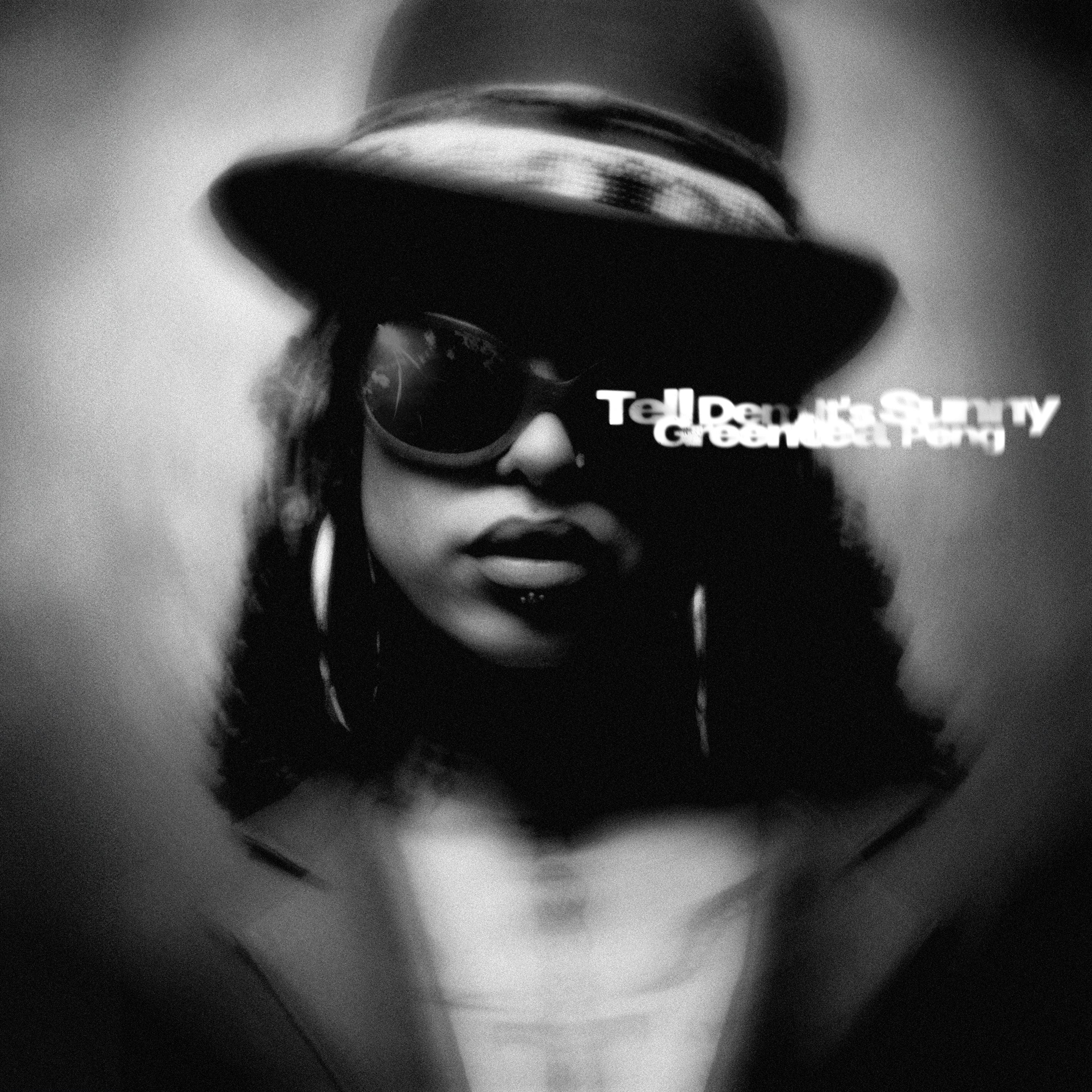
Greentea Peng’s new album suggests she may enjoy a spliff sometimes. Her music has always hovered between the spiritual and the streetwise, but Tell Dem It’s Sunny feels like a declaration of self‑reinvention. The record works in a dubby trip-hop and woozy neo-soul style. “Stones Throw” is a future‑soul high point where her voice moves between drum‑and‑bass pulses and haunting strings, conjuring both urgency and calm. The lyrics shift between politics, spirit, and odd humor. They move over loops and heavy bass lines. She worked with collaborators such as Earbuds, Samo, and Wu-Lu. “Create or Destroy 432” plays with the idea of choice, while “TARDIS (hardest)” channels defiance; over a filter‑distorted sermon, she warns, “There are no insecure masters/No successful half‑hearters,” calls to commit fully. It fits with hints of healing and spiritual thought. On “One Foot,” she leans into bluesy soul and asks, “Is it too late for me?” inviting anyone who has doubted their path to join her in taking a leap. The album pushes aside any doubt as it makes its play for Album of the Year in early Spring. — Jamila W.
JADE, That’s Showbiz Baby!
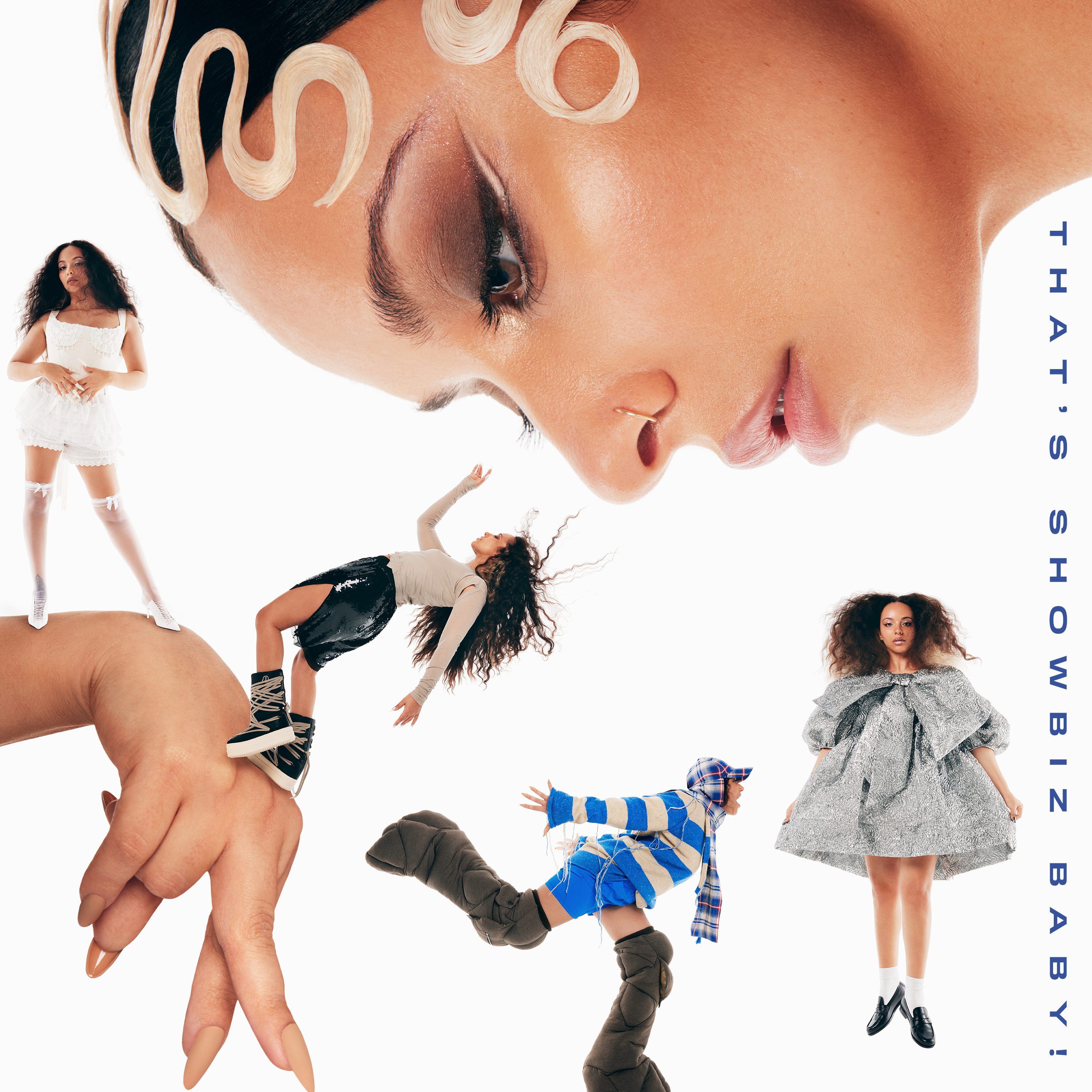
Having spent a decade topping charts with the pop group Little Mix, Jade Thirlwall—now performing simply as JADE—steps into the solo spotlight with an album that gleefully dismantles the machinery that once propelled her. She has spoken about the speed‑dating approach she took in early sessions, rushing to find collaborators because she feared people would forget her after Little Mix, and that anxiety becomes part of the record’s narrative as she rewrites her relationship with fame. That’s Showbiz Baby! is a pop album steeped in the sounds of her youth—Euro‑dance, disco, synth‑pop—but its real strength lies in its songwriting. “Angel of My Dreams” handles fame as a double‑edged sword, interpolating Sandie Shaw’s “Puppet on a String” and turning the puppet motif back on industry figures (“selling my soul to a psycho”). Her humor is front and center on “FUFN (Fuck You for Now),” which chronicles a drunken fight and the burnout of a grind‑heavy pop career, and “Plastic Box,” a synth‑pop confession about projecting toxicity onto a partner. What ties the album together is JADE’s refusal to shy away from messy emotions—she plays with campy humour and dance‑floor exuberance, yet repeatedly returns to questions of autonomy, fame’s cost and bodily honesty. — Charlotte Rochel
Rochelle Jordan, Through the Wall
Rochelle Jordan has been quietly redefining club‑ready R&B for more than a decade. After her 2014 album 1021 and the adventurous Play With the Changes, she returns with a project that treats the dance floor as a sanctuary rather than a trend. Jordan describes Through the Wall as a dedication to God and to herself – an album born of breaking through psychological and professional barriers and celebrating the artist she has become. The songs are steeped in the deep grooves of Chicago house and New York ballroom and coloured by her Canadian and UK roots. “Crave” rides a rich, pulsing bass line and invites listeners to get lost in its hypnotic swing, while mid‑tempo numbers include “Never Enough,” “Get It Off,” and “Bite the Bait” recall the seductive pull of ‘90s R&B. She pays homage to UK garage on Close 2 Me, whose bassline demands a loud soundsystem and thick smoke. On “Ladida,” Jordan flips from airy singing to a swaggering rap over a shuffle beat, accompanied by a playful vocal tic that conjures memories of Crystal Waters and basement raves. She sounds empowered, writing a love letter to freedom and asserting her individuality over industry fads by crafting a dance record that moves both body and spirit. — Tabia N. Mullings
Lila Iké, Treasure Self Love
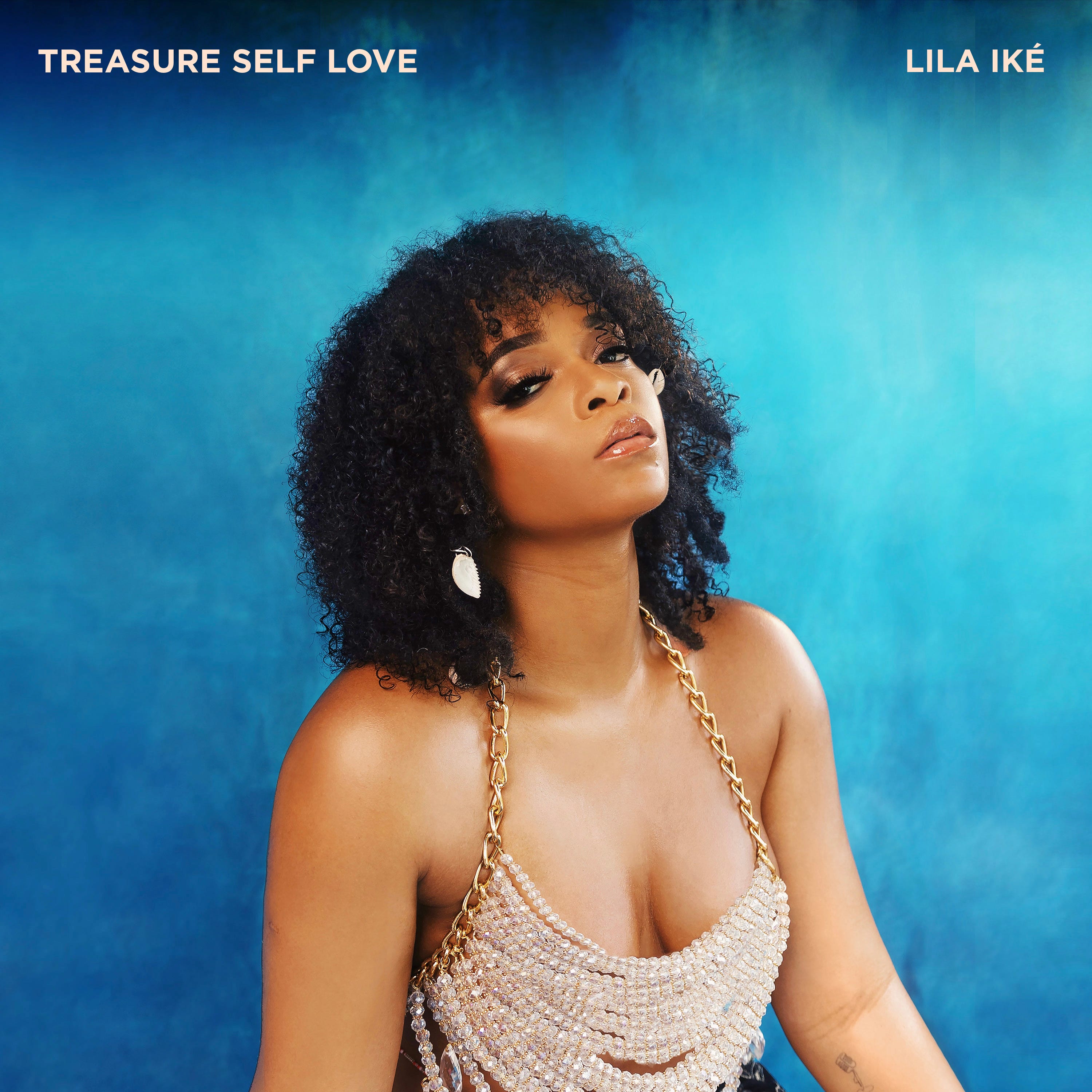
The road runs from Christiana to Kingston to global stages, and after a standout EP and a run of singles, Lila Iké finally delivers a first full album that treats truth‑telling as a daily habit and romance as a place where grace has to be practiced, not just preached. The writing puts confession up front. “Too Late to Lie” says the quiet part out loud with “Just say goodbye, it’s too late to lie,” and the verses list the small betrayals that add up to a break, turning plain speech into a kind of relief. “Romantic” flips a classic phrase into a call that is both playful and firm, repeating “I’m on a romantic call” while drawing a line around what attention should feel like. “He Loves Us Both” handles a messy triangle without cheap shots, staging a grown conversation rather than a victory lap, and “All Over The World” nods to diaspora pride with the steady certainty of someone who knows exactly where she is from. Even the lighter cuts keep their footing. “Fry Plantain” ties everyday joy to memory and hunger, “Scatter” lets desire talk without fronting, and when “Brighter Days” shows up, the hope sounds earned, not assumed. The best part is how often she writes in the second person, speaking to the lover, the rival, the fan, the self, and trusting clear language to carry feeling. It is easy to follow because she refuses to hide in pretty phrases. The songs say what they mean, then they stand on it. — Ameenah Laquita
Kokoroko, Tuff Times Never Last
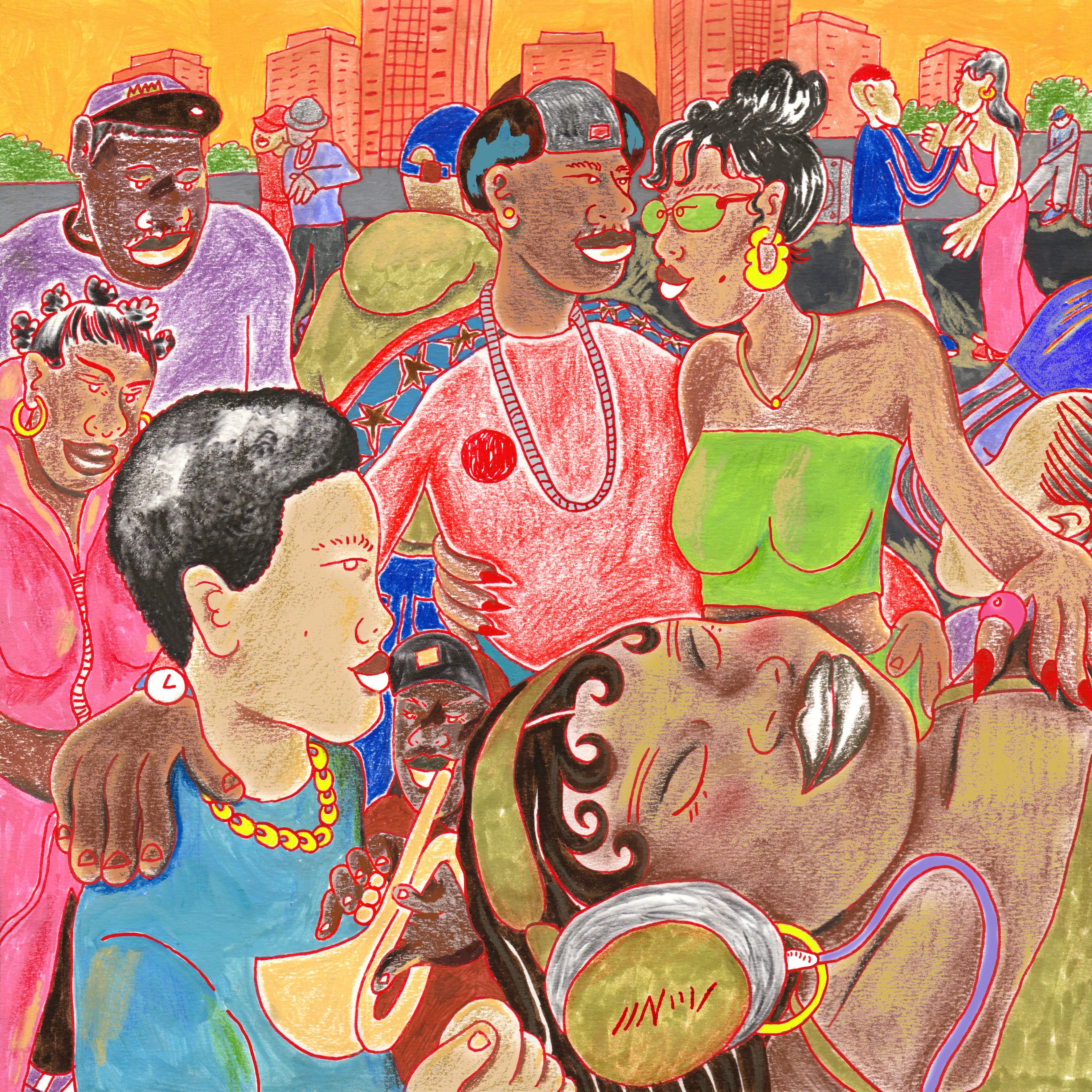
London’s brass-heavy family returns with eleven pieces that feel like open windows in July, letting the city’s humid breath drift through. Sheila Maurice-Grey’s trumpet and Anoushka Nanguy’s trombone circle each other like cousins trading jokes at a barbecue, while Yohan Kebede’s Rhodes chords smolder like charcoal left glowing after the food is gone. “Never Lost” begins with a wordless lullaby that sounds like sunlight on wet pavement, and from there the record wanders through memories. “Sweetie” stirs Afrobeat polyrhythms into the mix until the horns burst into exclamations too joyful to stay pent up. Lulu appears on “Idea 5 (Call My Name)” and stretches the groove into late-night neo-soul, her voice sliding across the brass like fingertips on bare shoulders. The miracle is how nothing feels rushed on Tuff Times Never Last. Even when the band edges toward melancholy—“My Father in Heaven” glows with gospel ache—the pulse remains steady, a reminder that sorrow and celebration can share the same heartbeat. Play it at dusk with the windows open, and the street becomes part of the arrangement. — Imani Raven
Niia, V
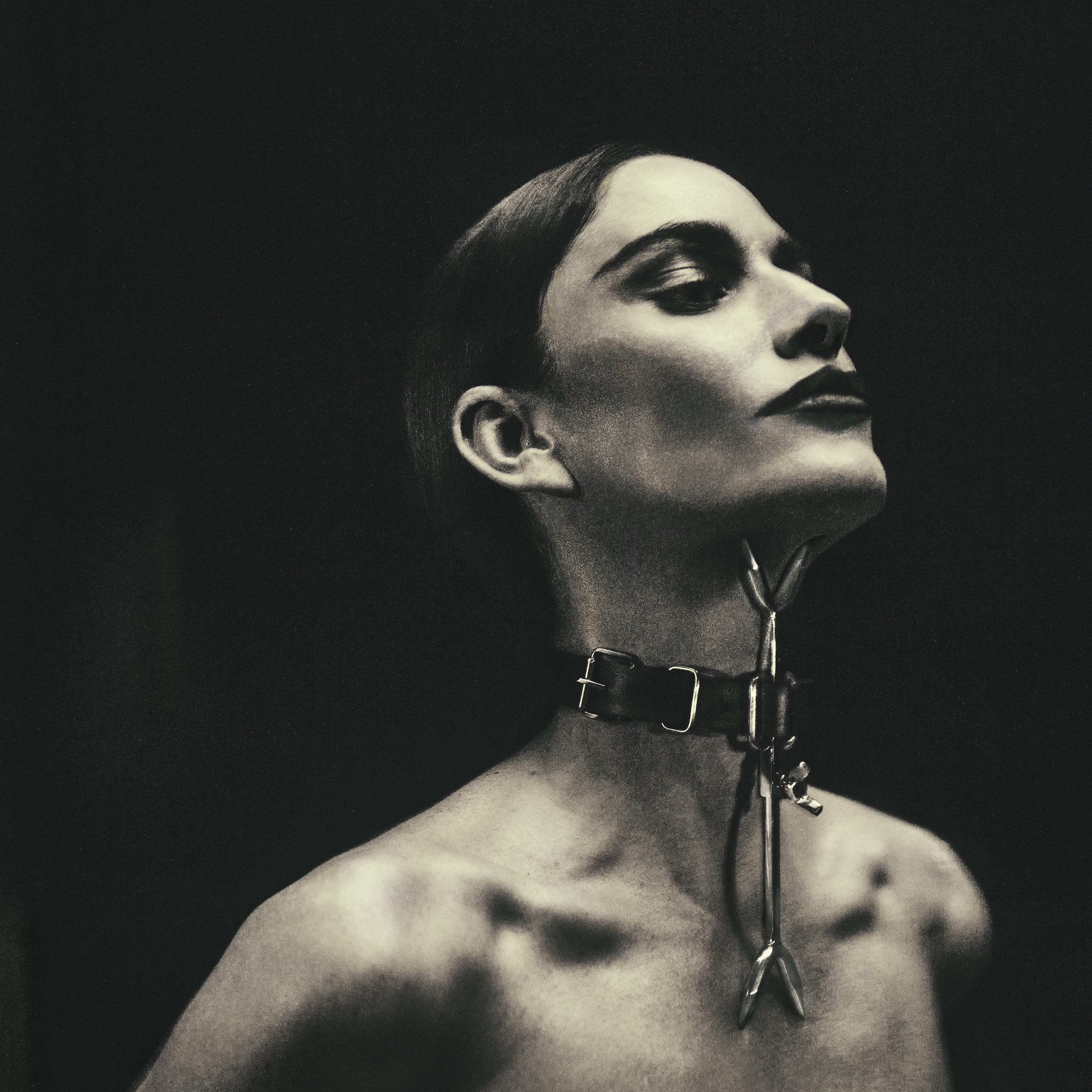
Niia finds herself in the space between cool and disorder, creating her own world of experimental pop with the element of the unexpected live performances of jazz-trained musicians. Throughout the album, she follows the lines of self-harm, illusion, awareness, and the transience of self-love. V is a bright contemplation of lust, heartache, and release, the most significant declaration she has ever made after years of crafting sound between retro-chic and danger. The tension and opposition between restraint and surrender not only characterize the music itself but the imagery too; the cover displays Niia with a fork of a heretic (an extreme in the Middle Ages when anyone who used it could have their mouth shut) turned outside-in to become a kind of symbol of rebellion and powerlessness. — LeMarcus
D Smoke, Wake Up Supa
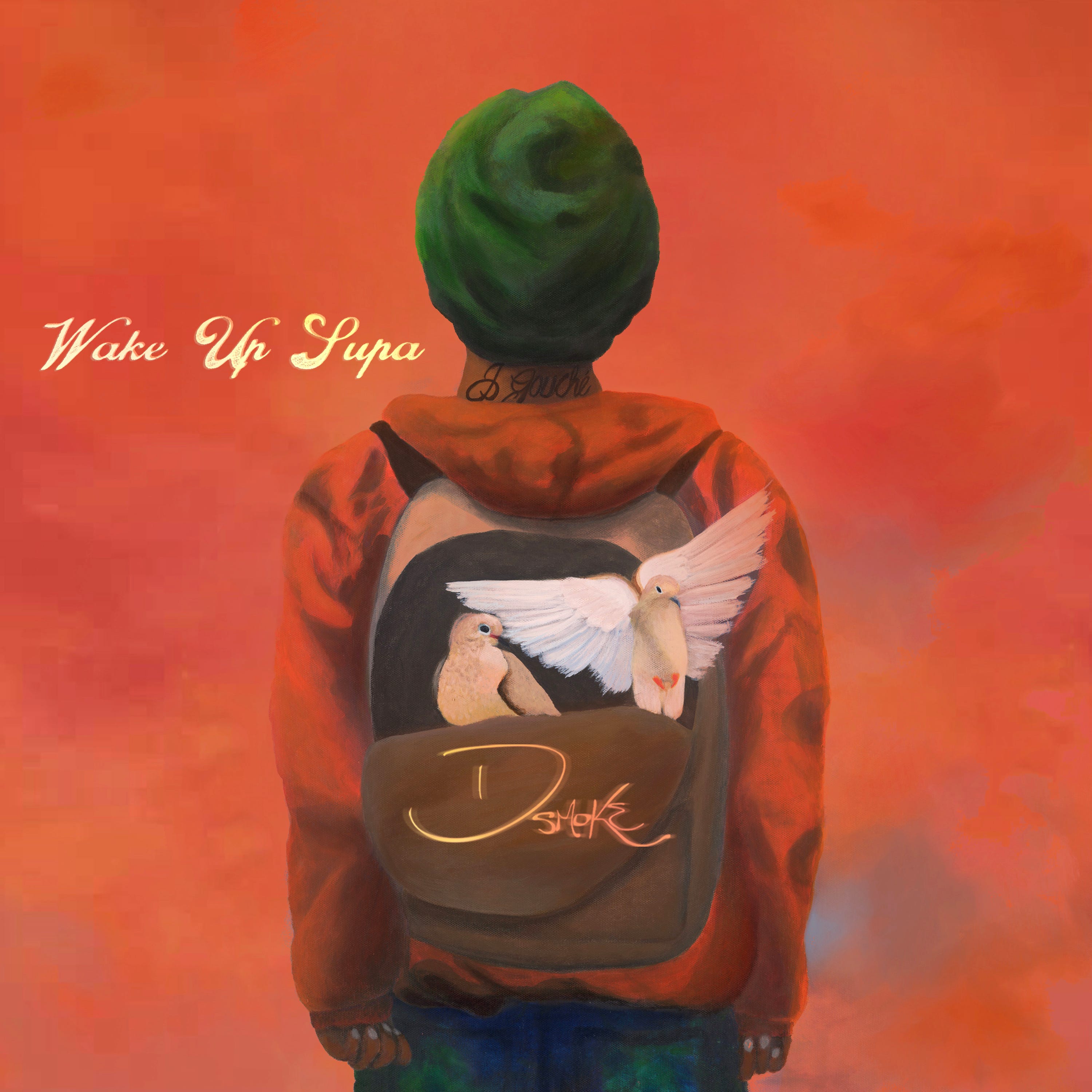
On Wake Up Supa, D Smoke uses a journal assembled in the aftermath of his mother Jackie Gouché‑Farris’s death. He opens with the title track, addressing people who refuse correction, and uses the rest of the album to examine faith, grief, and loyalty through dialogue rather than sermon. “Na Na Na” shows how he turns a hook into a roll call, rattling off family and collaborators LaRussell and SHERIE as if he were naming streets back home. “Fire” brings in poet aja monet, and instead of flexing technical skills, he lets her image‑heavy lines dictate his cadence, treating the song as a conversation about choosing hope over gang life. Je flips between celebration and caution: “Count Cha Blessins” lays out successes as items on a list, “Energized” dismisses people who drain his spirit, and “Jackie’s Triumph” drops drums. Hence, his storytelling about his mother carries without distraction. “So Good” brings PJ Morton and Tiffany Gouché together for an unabashed thank you to life, aligning with D Smoke’s assertion that he wants this album to make people who ignored him “wake up.” By anchoring each song in a named person or specific exchange and refusing to hide vulnerability behind bravado, he crafts a record that sits in on a series of heartfelt conversations. — Tai Lawson
Terri Lyne Carrington & Christie Dashiell, We Insist 2025!

With Terri Lyne Carrington, she has been steadily using her bands to question who gets centered in jazz history, rewriting canons on the bandstand rather than just in the classroom. Here, she chooses one of the most charged texts she could touch. We Insist 2025! revisits and reimagines Max Roach’s We Insist! Freedom Now Suite with Christie Dashiell as a central narrative voice, turning pieces like “Driva’man,” “Freedom Day,” and “All Africa” into present‑tense dispatches rather than museum pieces. Carrington’s arrangements keep key rhythmic and melodic kernels intact while opening up fresh spaces for reharmonization, spoken passages, and collective improvisation, so an anthem you might think you know bristles with new accents and countermelodies suddenly. Dashiell moves easily between straight singing, more speech‑like delivery, and wordless textures, sometimes carrying explicit lyrics about labor, violence, and resistance, other times acting as another instrument inside the ensemble. The multi‑part “Triptych: Resolve/Resist/Reimagine” makes the suite’s original scream section into something that acknowledges ongoing trauma without sensationalizing it, using shifts in texture and dynamic to convey strain and determination. In later movements like “Tears for Johannesburg” and the new interlude “Dear Abbey,” what comes across is not reverence for a classic so much as an insistence that its questions about freedom and responsibility still belong to this moment. — Brandon O’Sullivan
iyla, Weeping Angel
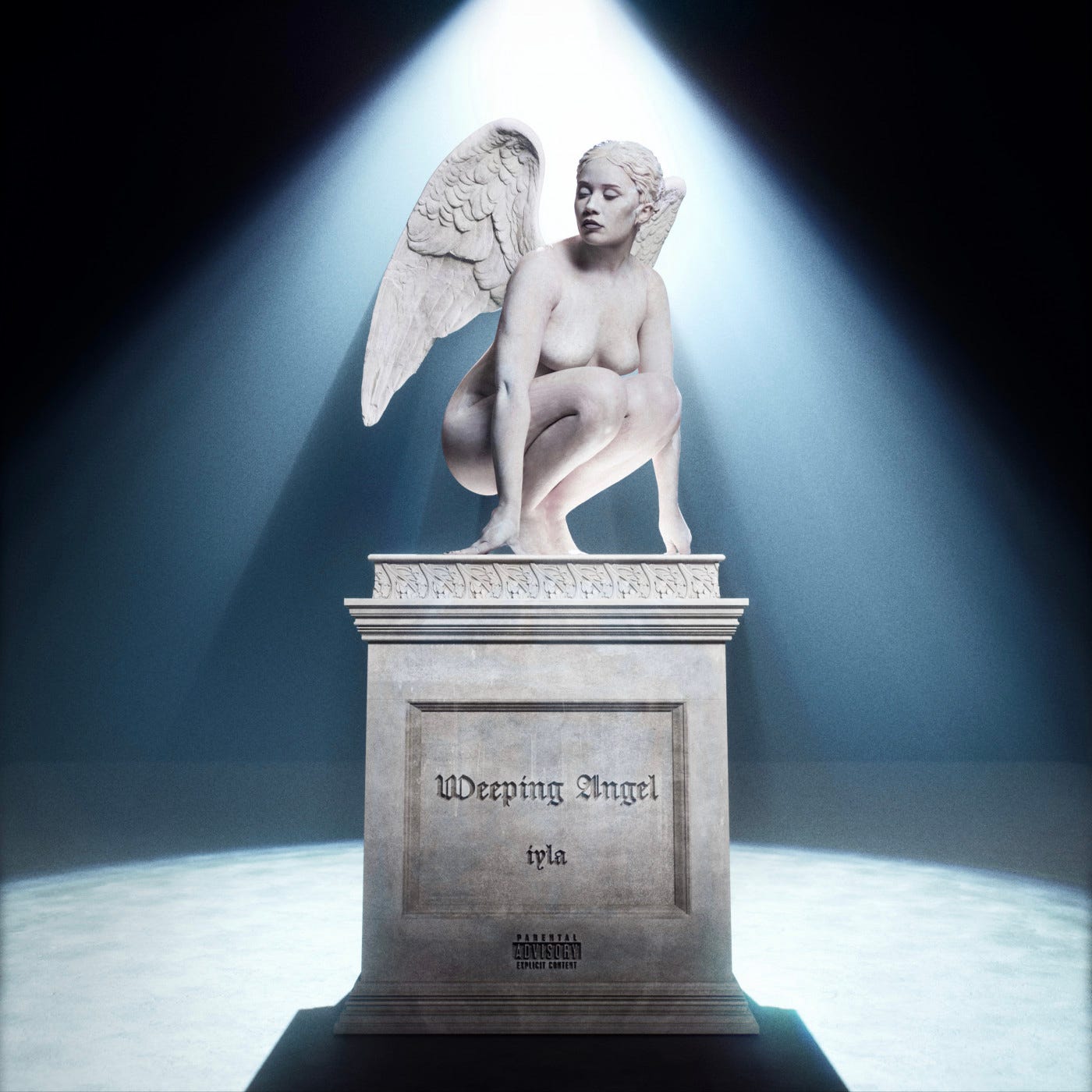
iyla builds a voice through short forms—the sharp, heart-forward War + Raindropsand the more confrontational Other Ways to Vent, a run that also put her across from Method Man on “Cash Rules”—before arriving at a debut that turns private upheaval into plainspoken conviction. With Weeping Angel, it’s a record of grief after her mother’s passing, of the stubborn self-belief that follows, and of the messy negotiations between desire and boundaries. The writing pulls tenderness and steel into the same breath. “Corset” sets the tone with rule-setting language and astrological self-inventory to “read the signs,” as “Overboard” uses the pull of water as a map for obsession and second thoughts, not with florid imagery but with moments of plain admission and recoil. The album’s most tender thread runs through “Blue Eyes,” written in the shadow of loss and carried by the hope that memory can still be a refuge where the perspective stays personal, not performative. She writes her way toward steadier love, starting with “Twin Flame,” imagining the version of partnership that doesn’t demand constant triage, while “Wild” and “Strut” argue for autonomy without turning it into a slogan, each one favoring decisive phrasing over posture. Even when she blurs sacred and sensual on “Ave Maria,” the line is less about provocation than self-permission, a reminder that devotion and embodiment can share the same room. Weeping Angelis direct, sometimes playful, sometimes cutting; images arrive only when they earn their keep, and what ties it all together is her insistence on naming things (hurt, want, lines in the sand) and trusting that simple, exact words can hold big emotions without decoration. — Imani Raven
Emma-Jean Thackray, Weirdo
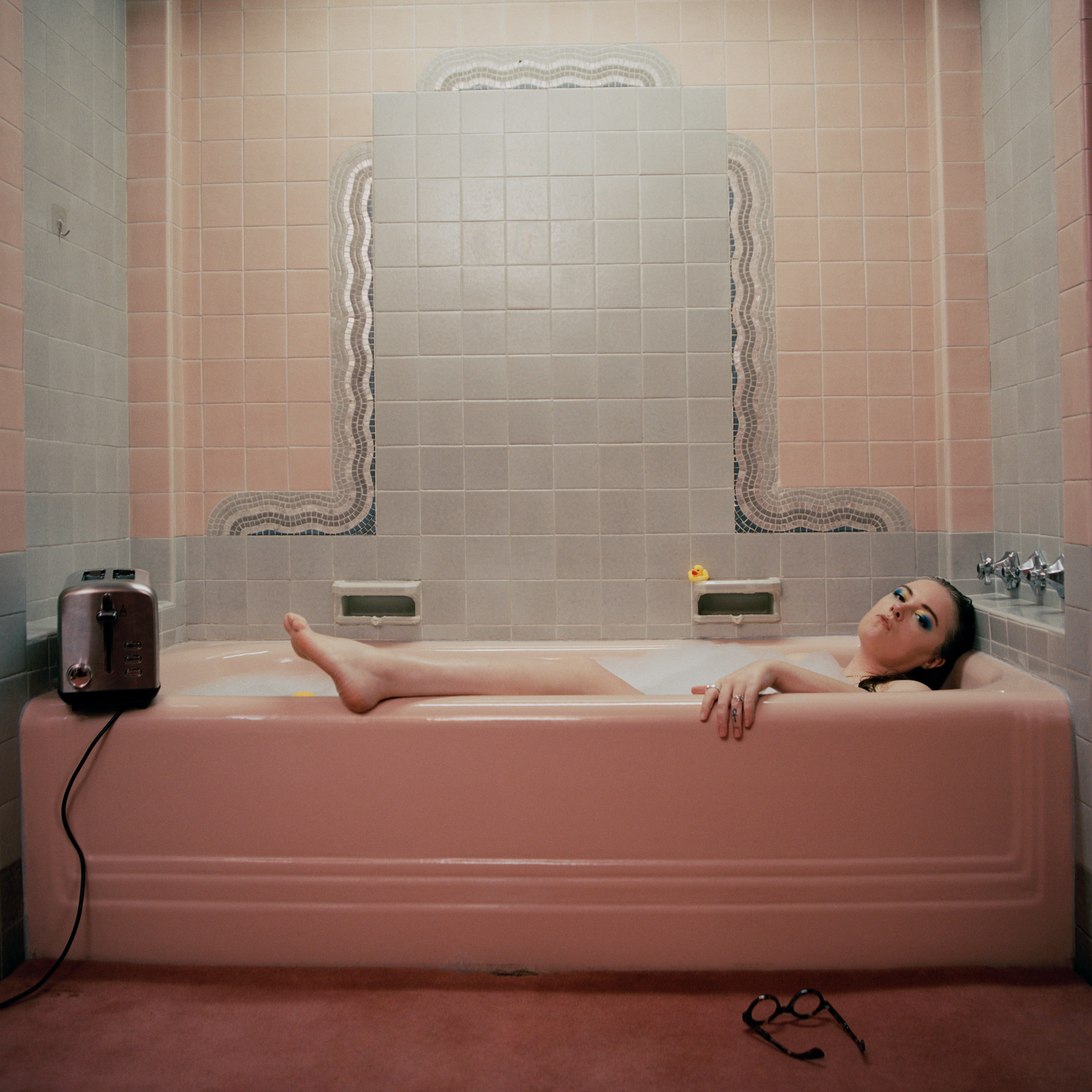
Thackray’s second full-length channels grief, neurodivergence and P-Funk devotion into a kaleidoscopic self-portrait. Credited on 123 roles, from trumpet to art direction, she wields maximalist jazz orchestration one moment and grunge-distorted guitars the next. “Wanna Die” stages multiple Thackrays in a mock late-‘90s TV skit, masking lyrics about suicidal ideation beneath slapstick. Deeper cuts like “Black Hole” merge Clinton-style clavinet squelch with Leeds brass-band refrains, affirming her mantra of dancing through despair. Written after the sudden 2023 death of her long-term partner, the album documents a crawl from Zelda-induced stasis back to music-driven purpose, closing with the gospel-soul lift of “Thank You for the Day.” It’s less a genre piece than a survival diary sung in cosmic-jazz dialect. — Nehemiah
Coco Jones, Why Not More?
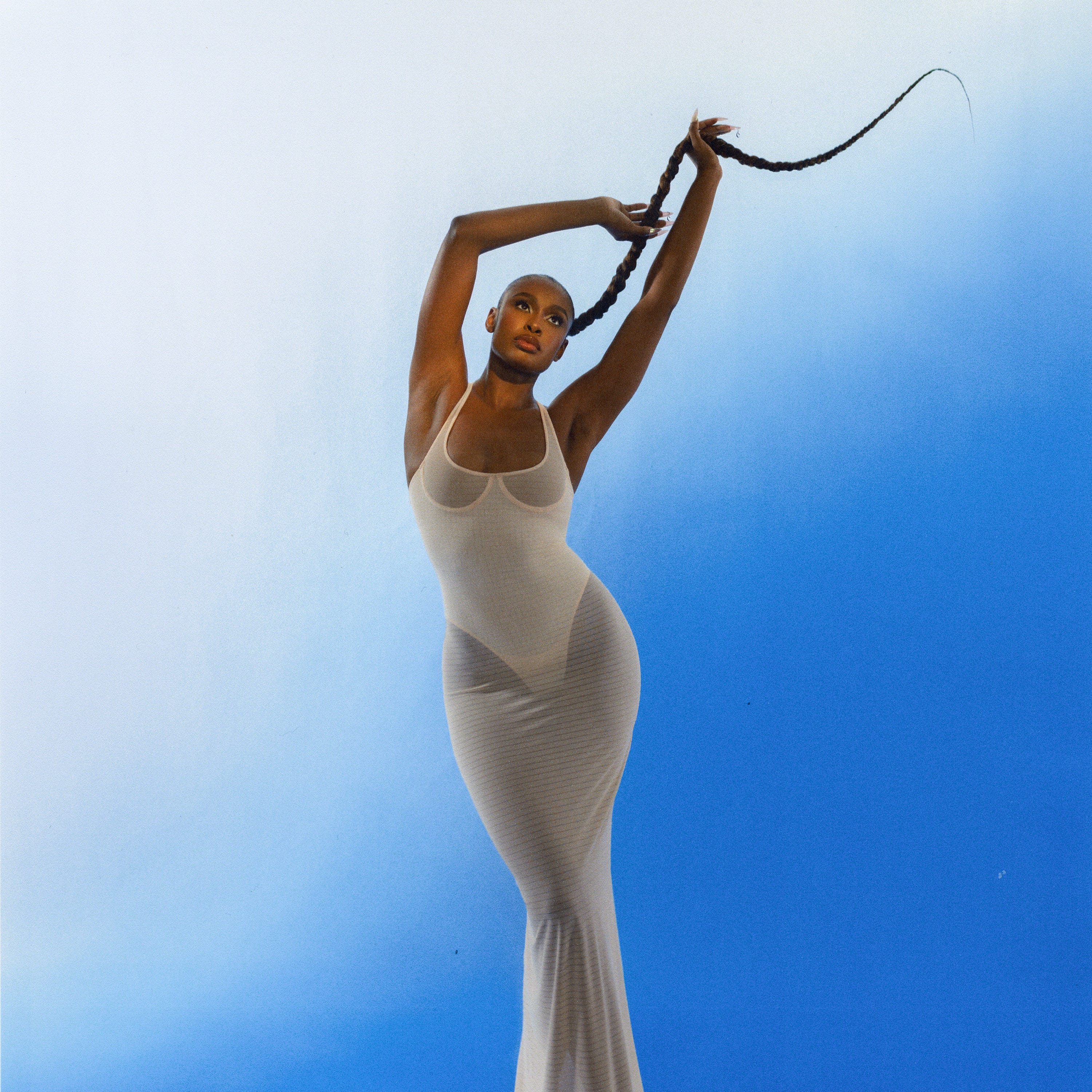
Almost three years after “ICU” made her the new voice of R&B yearning, Coco Jones answers her own question—why not reach further?—with a 14-song debut. Writing every lyric herself, she toggles between airy head-voice confessionals and Trap&B bounce, often in the same song. Jones is done asking permission to explore or to demand more for herself. StarGate, Aaron Shadrow, and Jasper Harris flourishes underpin “Taste,” which flips a sly “Toxic” interpolation into a flirtation anthem, while Cardiak and Wu10 recreates the Lenny Williams classic on “Here We Go (Uh Oh),” now her first Adult R&B Airplay No. 1. Ballads like “Other Side of Love” show a studio strategy Jones describes as “patience sessions,” letting melodies breathe rather than chasing radio-ready hooks. “AEOMG” borrows a phrase from Luther Vandross, using it when she can’t find the words to express her desire, but rather than treating the homage as a gimmick, she leans into the awkwardness of romance and turns it into a moment of honesty. The result is a debut whose emotional center is “By Myself,” an R&B power-waltz that affirms therapy, solitude, and self-trust—future tour fodder as she balances music with her role on the final season of Bel-Air. With these candid stories together with a voice capable of warmth, grit, and vulnerability, Jones writes her way out of a pigeonhole and into a place where her questions become affirmations. — Tai Lawson
Celeste, Woman of Faces
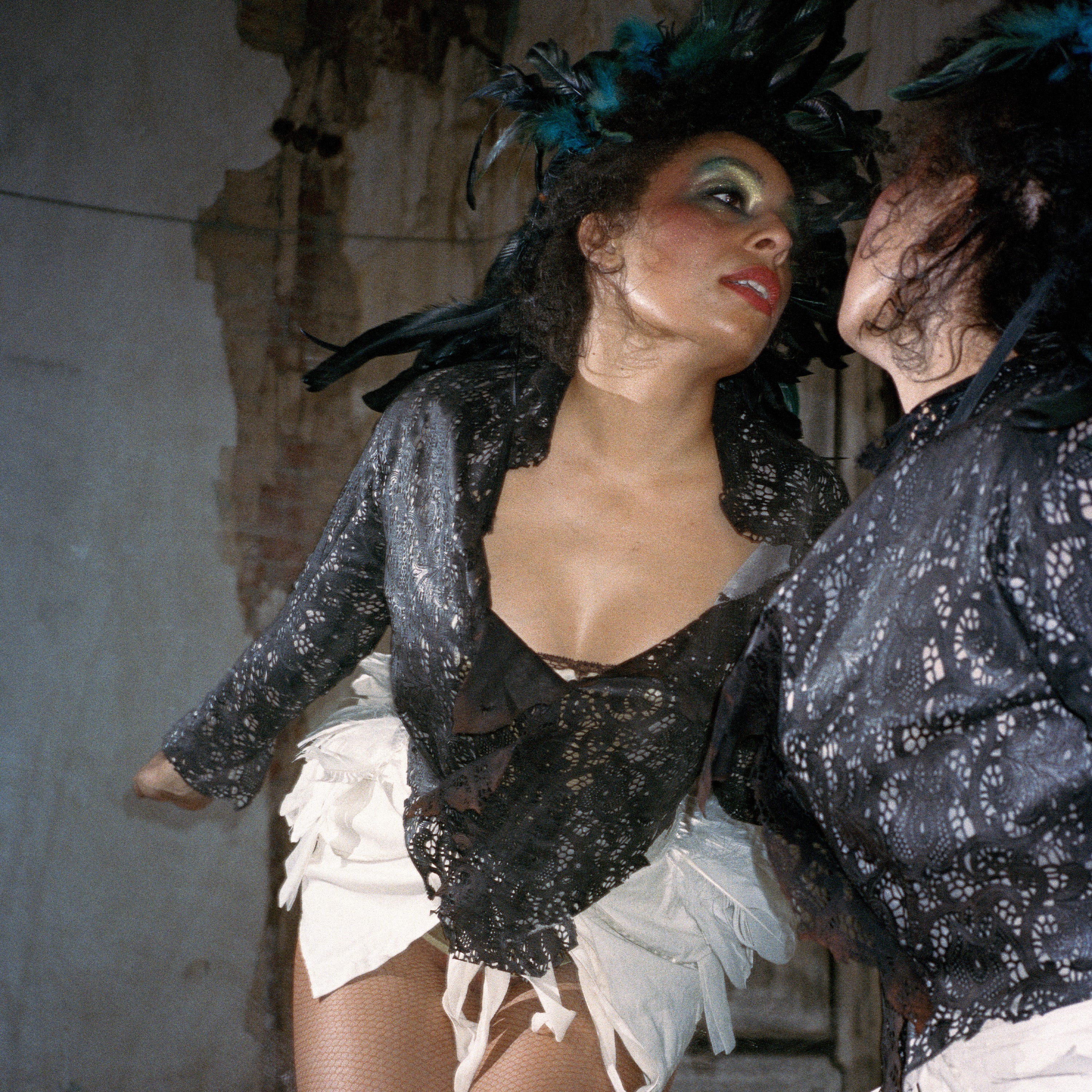
Where the influences of Amy Winehouse weaponized self-destruction and Adele built cathedrals from heartbreak, Celeste interrogates the performance of identity itself—the masks women wear to survive love and industry expectations. Coming off the extremely underrated Not Your Muse, Woman of Faces was born from the slow unraveling of a romantic relationship and label pressures that left her drowning in depression, a chronicle produced by Grammy winner Jeff Bhasker and Beach Noise (who famously worked with Kendrick Lamar). Nothing is more apparent than “On With the Show,” an anthem and industry critique, whereas “Keep Smiling” exposes how forced smiles become polished trophies. The title track arrives with sweeping string arrangements plucked from Old Hollywood scores, a modern meditation on female identity questioning “Who really knows the woman of faces?” “Could Be Machine” provides the album’s sole industrial detour, using noise to mimic the alienation of online abuse seeping into personal life, and “This Is Who I Am” offers a James Bond-esque declaration, the final unmasking reclaiming identity with quiet authority. — Charlotte Rochel
Beautiful recommendations!